
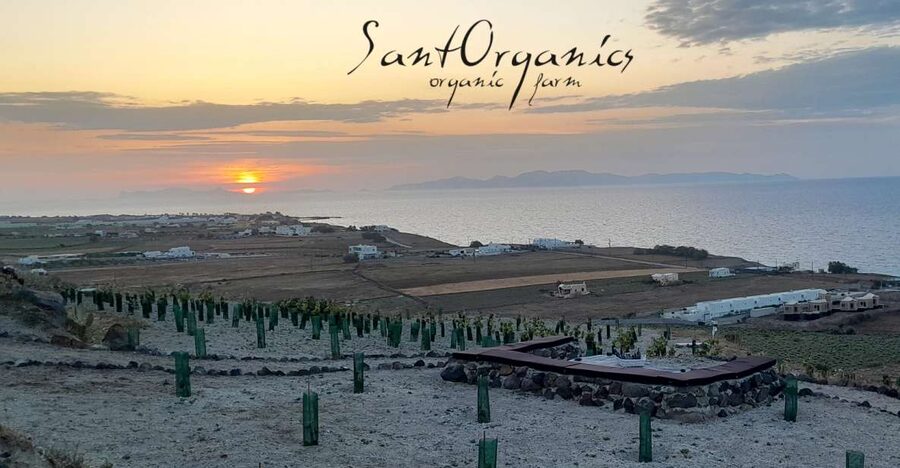
REVIEW · GREECE
Santorini: Private Agri-Educational Visit to an Organic Farm
Santorini has a farm side. This private visit trades packed viewpoints for an organic estate where you can walk through a black currant vineyard, see local herbs, and taste products made on-site. I like the small private setting, and I like the chance to meet passionate owners such as Dimitris and Maria. Their work gives you a more grounded view of island life than another sunset stop.
The farm is not a field of vegetables, and that matters. Santorini’s dry conditions favor thyme, capers, prickly pears, and black raisins instead. You should also know that this two-hour outing includes a moderate amount of walking, has no toilet facilities, and is not suitable for visitors with limited mobility or a low level of fitness.
Key points to know before you book
- First organic black currant vineyard in Santorini: Walk among island-grown black currants and learn how they fit into local farming.
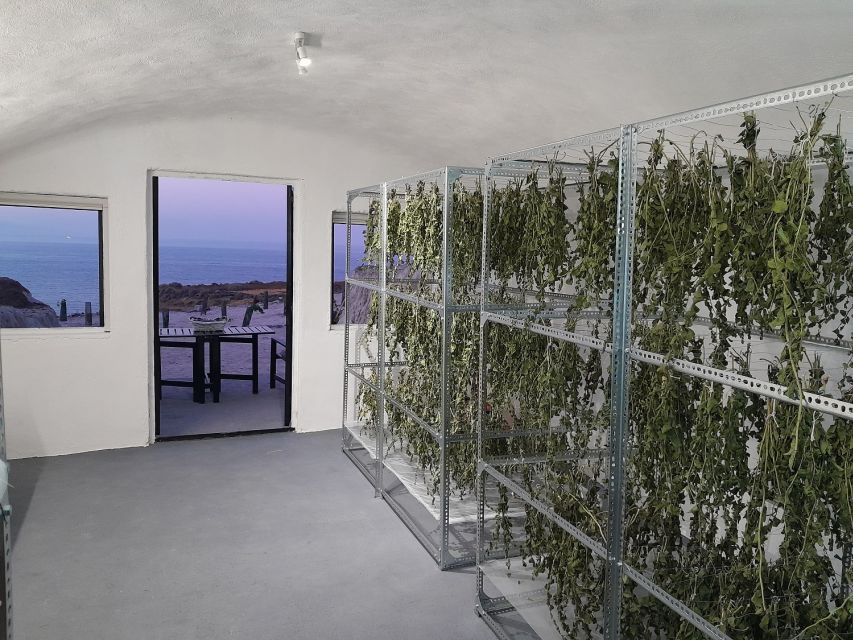
- A real herb-drying cave: See a traditional cave used for the natural drying stages of herbs.
- Private access to an organic farm: Your group receives a guided visit rather than a large, general tour.
- Tasting with local character: Try raisin liqueur, herb-infused olive oil, must cookies, cereal breadsticks, almond rusks, and prickly pear juice.
- A dry-climate farm, not a vegetable garden: Expect thyme, capers, prickly pears, and black raisins shaped by Santorini’s conditions.
- Two hours and $56 per person: The price is reasonable if you value personal attention, tasting, and an unusual cultural stop.
Why this farm visit gives Santorini a different face
Santorini is famous for white villages, caldera views, and sunset crowds. Those are worth seeing, but they can make the island feel more like a stage set than a working place. This visit shifts your attention to the soil, the crops, and the practical ways people have used Santorini’s dry climate.
I like that the experience does not pretend the farm is something it is not. You will not find rows of leafy vegetables fed by plentiful water. Instead, you see plants that can handle the island’s tough conditions. Thyme, capers, prickly pears, black currants, and raisins tell you more about local agriculture than a generic garden tour would.
The visit is educational without being classroom-like. You walk, look, smell, taste, and ask questions. The guide explains harvesting and production as you move through the estate, so the products at the end have a clear connection to what you have just seen.
The private format is another strong point. Your group is not folded into a large crowd, and the owners can give more attention to your questions. If Dimitris and Maria are leading or welcoming you, expect a personal introduction to the farm and a conversation shaped by their own work. Their enthusiasm is one of the main reasons this experience feels genuine rather than packaged.
More Organic Farm Visits around Greece:
- Aegina: Organic Pistachio Orchard Tour with Factory Visit
★ 4.6 · 22 reviews - Chania Area: Cooking Class at a Farm in Stylos Village (organic)
★ 5.0 · 19 reviews - Corfu: Organic Olive Oil Farm Tour with Transfer and Tasting
★ 5.0 · 8 reviews
Walking from the meeting point to the estate
You begin at the specified meeting location and walk a few meters along picturesque cobblestone streets to reach the farm. The distance is short, but the surface matters. Closed-toe shoes are a must, especially if you want steady footing on uneven streets and farm paths.
The walk helps set the tone. You are not being driven straight to a tasting room and handed a plate of snacks. You approach the property on foot, then begin seeing how the estate fits into its surroundings. The route may include scenic views, and the activity information allows for sunset or sunrise timing depending on availability.
Check the starting time carefully. A morning visit may suit you if you want cooler conditions and a clear head for the educational part. A later visit can bring softer light and a more atmospheric walk, but the farm schedule and available times should guide your choice.
Bring a sun hat and comfortable clothes. Santorini sun can be strong, and the outing is outdoors for much of its two hours. There is no hotel pickup or drop-off, so you need to make your own way to the starting point.
Walking through the black currant vineyard
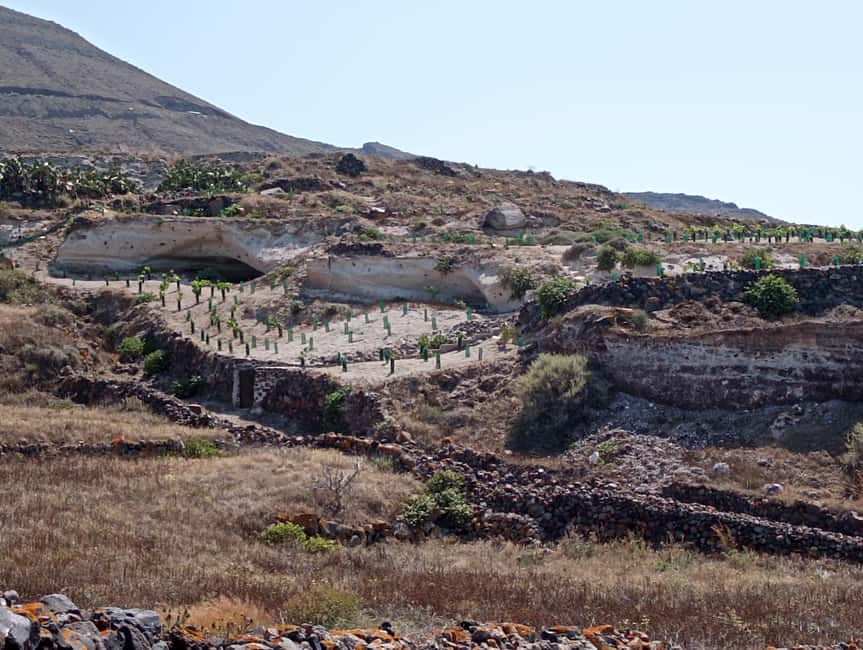
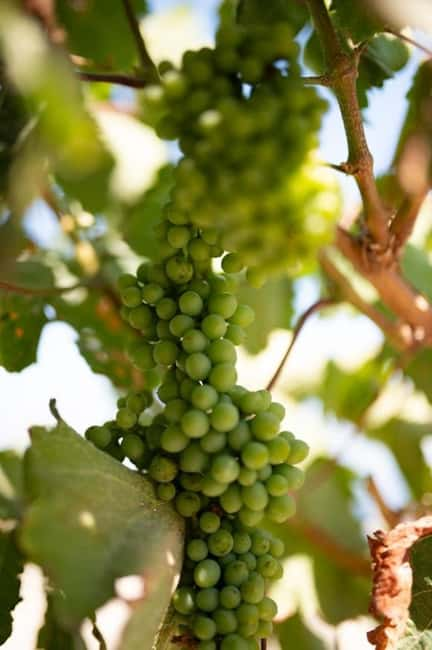
The first major stop is the black currant vineyard. This is described as the first organic black currant vineyard in Santorini, making it a particularly interesting part of the experience for anyone curious about local crops.
Black currants are not the first product most people associate with Santorini. The island is better known for grapes, but this farm focuses on a wider range of plants and products. The visit gives you a chance to see the vines up close and understand how the farm works with what the island can support.
Depending on the season, you may be able to pick and taste some of the herbs and plants. That seasonal element is important. The visit is not a fixed performance where every person sees exactly the same thing. What is growing, ready, or suitable for tasting changes through the year.
The farm’s organic approach also gives the walk more meaning. You are not just looking at plants for decoration. You are learning about harvesting and the steps that turn raw ingredients into food, drinks, and oils.
Local herbs, capers, and Santorini’s dry conditions
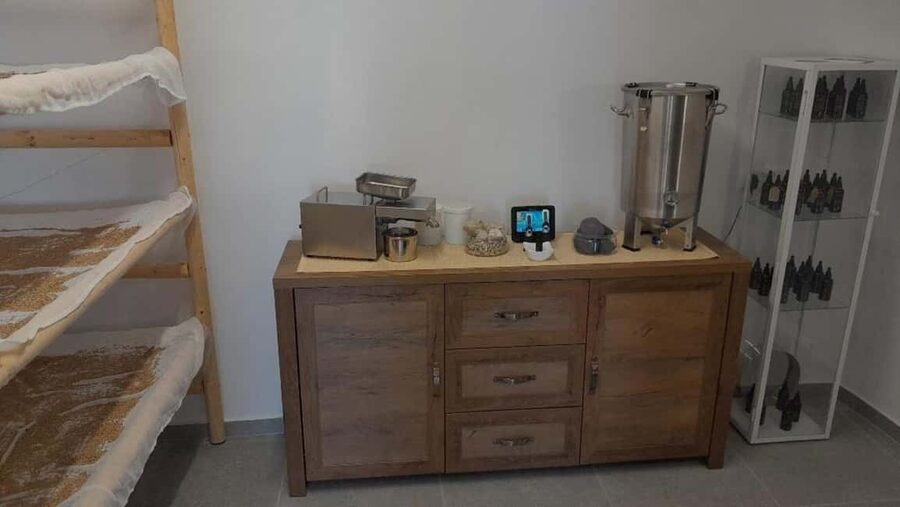
From the vineyard, you walk among local varieties of herbs, including capers and thyme. These plants reflect Santorini’s climate, where dry conditions make ordinary farming difficult but allow certain hardy crops to thrive.
This is where the experience corrects a common expectation. If you picture a lush vegetable farm, adjust that picture before you arrive. The estate is more about Mediterranean plants suited to heat and limited water. That makes the visit useful for understanding the island on its own terms.
You may be able to taste some herbs directly, depending on the season. Even when picking is not possible, the guide explains their place in the farm’s work and the production process. You get a better sense of how flavor begins with the plant itself.
I find this part especially valuable because it connects the tasting at the end to the growing process. Thyme is not simply a flavor added to a bottle. Capers are not just a garnish on a Greek salad. Here, you see them as crops that demand attention, timing, and care.
More Farm Tours around Greece:
- Mykonos: Farm, Ano Mera Village, and Beaches Guided Tour
★ 4.4 · 1,283 reviews - Crete: Road-trip to Lasithi, Zeus Cave & Olive Mill Farm
★ 4.4 · 451 reviews - Heraklion: Olive Farm Tour with Tasting of Local Delicacies
★ 4.9 · 411 reviews - Lassithi, Zeus Cave, Olive Mill Farm & Knossos Combo Tour
★ 4.6 · 404 reviews
Inside the cave used for natural herb drying
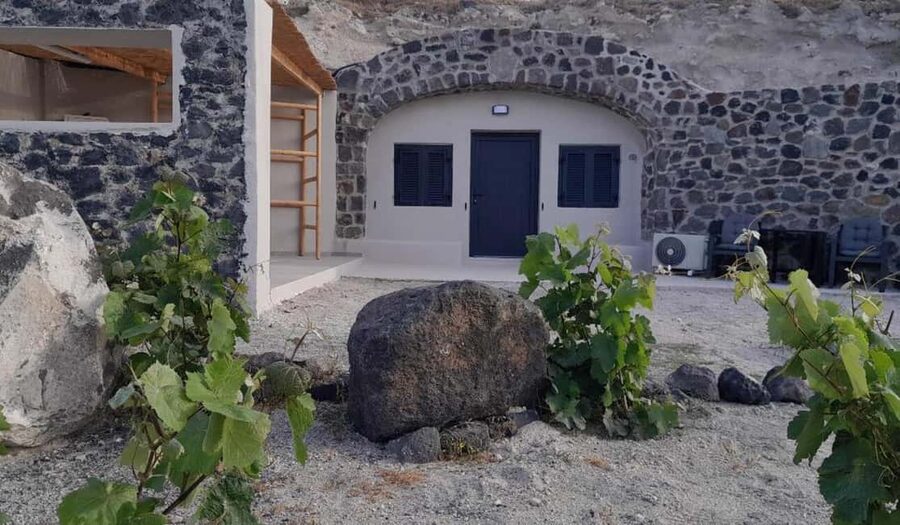
One of the most unusual moments is stepping into a cave traditionally used for drying herbs. The cave is part of the farm’s natural drying area, where you learn about the stages between harvesting and finished production.
This stop gives the tour a strong sense of place. A modern processing room could be anywhere. A cave shaped by local tradition belongs to Santorini. It shows how practical spaces and natural conditions have been used over time.
You will hear about how herbs are handled after they are picked and how they move through the drying process. The information is presented as part of the guided walk, so you are not left to guess what you are seeing.
The cave may also be a welcome break from the sun, but you should not treat it as a substitute for preparing properly. You still need comfortable clothing, suitable shoes, and a willingness to walk. The activity calls for a moderate level of exertion and is not suitable for wheelchair users or people with mobility impairments.
The tasting: raisin liqueur, oils, and local snacks
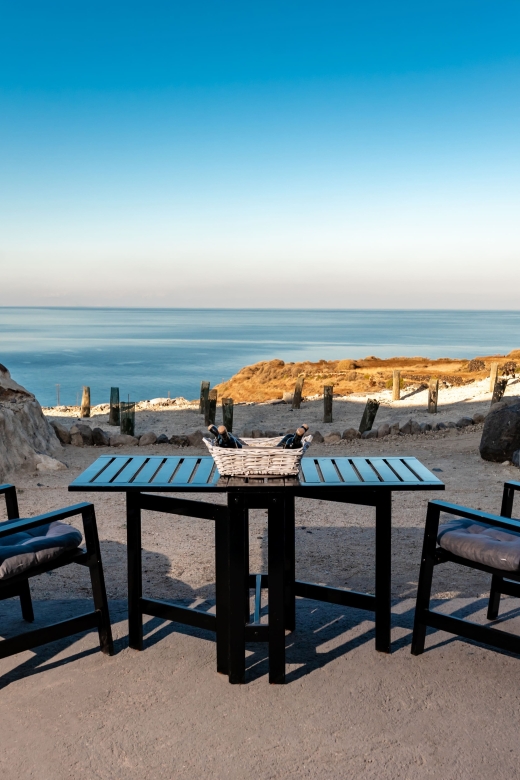
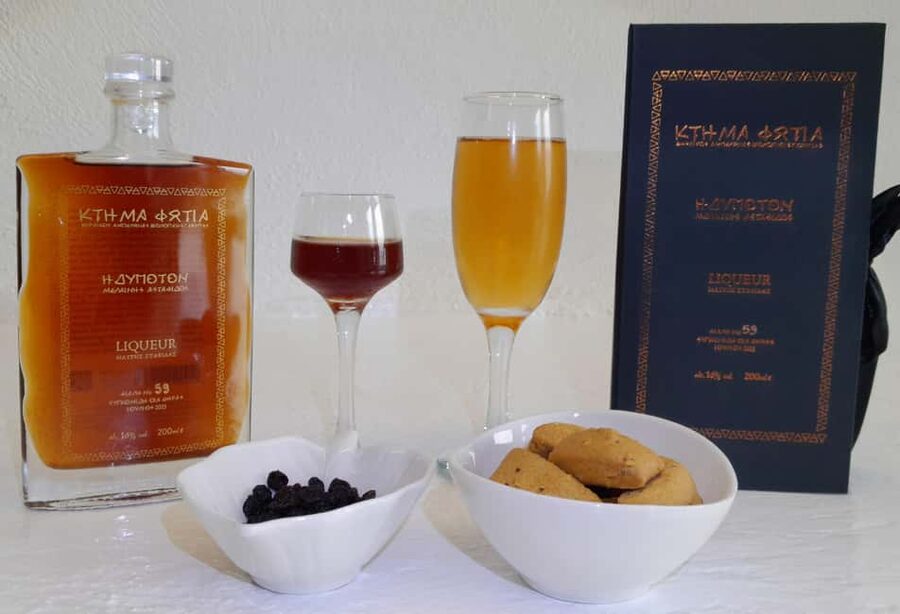
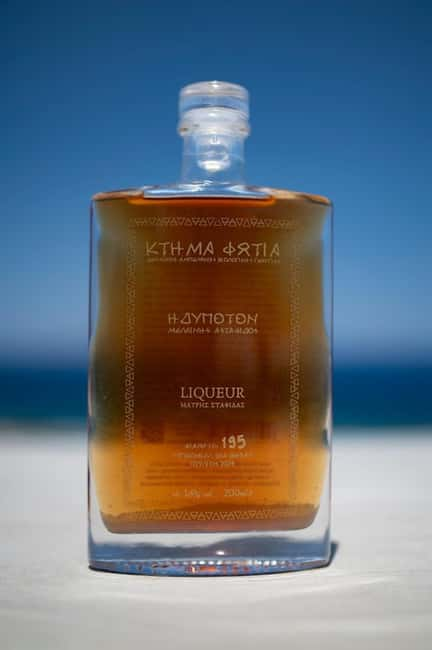
The visit ends with a tasting of the farm’s products. This is not just a quick sip of one drink. Included items feature raisin liqueur, infused extra virgin olive oil, organic must cookies, organic cereal breadsticks, almond rusks, organic no-sugar prickly pear juice, and an introduction to organic prickly pear seed oil.
The raisin liqueur is one of the most distinctive tastes on the table. It connects the farm’s black currants and raisins with a finished product that is easy to remember. If you enjoy trying regional drinks, this alone adds interest to the visit.
The herb-infused olive oil offers a different lesson. You can taste how herbs affect the oil and compare that with the plain idea of olive oil as a cooking ingredient. The pairing with regional bites makes the tasting feel like part of the farm visit rather than an unrelated snack break.
The prickly pear products are another highlight. Prickly pears suit a dry island climate, and the farm introduces you to both prickly pear juice and prickly pear seed oil. The juice is organic and contains no added sugar, while the seed oil is presented as a farm product in its own right.
Do not expect a large meal. The included foods are tasting portions, not lunch. If you need a full meal after walking, plan one separately. The value here comes from variety, explanation, and direct connection to the farm’s production.
What the $56 price means in practice
At $56 per person, this is not the cheapest way to spend two hours in Santorini. You are paying more than you would for a simple self-guided walk, and the experience does not include transportation or a full meal.
The price makes better sense if you want a private visit with a guide, access to an operating organic farm, and a broad tasting of specialty products. A standard sightseeing stop may give you a view and a photo. This visit gives you a story about crops, processing, and island life, along with food and drink to sample.
The private group format is especially important to the value. You can ask questions about farming, harvesting, drying, and the products without trying to catch a guide’s attention in a large group. If you are traveling with family or friends who enjoy food and local production, the cost may feel fair.
For a solo visitor or a person mainly interested in famous Santorini sights, the price may be harder to justify. This is a specialist experience. It suits people who want a quieter cultural activity and do not mind spending two hours away from the main postcard attractions.
Who should book this organic farm experience?
I would recommend it to you if you enjoy food, small producers, and the working side of a destination. It is also a good fit if Santorini’s busy areas are starting to feel repetitive and you want another point of view.
The visit suits couples, families with older children, and private groups who enjoy tasting unusual products. It is also useful for anyone interested in organic farming or Mediterranean herbs. You do not need to be an expert. The guide explains the process as you move around the estate.
You should think twice if you dislike walking on cobblestones or uneven farm paths. The activity is not suitable for wheelchair users, people with mobility impairments, people with heart problems, people with epilepsy, people with visual impairments, or people with a low level of fitness. It is also not suitable for people over 95 years old.
There are no toilet facilities, so plan accordingly before you begin. Smoking, alcohol, and drugs are not allowed during the activity. The tour is offered in Greek and English.
Helpful preparation for the two-hour visit
Wear closed-toe shoes with good support. Sandals may feel comfortable in town, but they are not the best choice for cobblestones, paths, or a farm walk.
Bring a sun hat and choose light, comfortable clothes. You will spend time outdoors, and the itinerary includes walking between the meeting point, the vineyard, the herb areas, and the cave.
Keep your schedule flexible enough to enjoy the visit without rushing. The activity lasts two hours, but you may want time afterward for a meal or more sightseeing. Since transportation is not included, allow extra time to reach the meeting point and continue to your next stop.
Free cancellation is available up to 24 hours in advance for a full refund. You can also reserve now and pay later, which helps if your Santorini plans are still shifting.
Should you book it?
Book this visit if you want to see Santorini as a working island rather than only a collection of viewpoints. The private farm setting, black currant vineyard, herb-drying cave, and wide tasting make it one of the more distinctive ways to spend two hours.
Skip it if you want a big meal, hotel transport, or a relaxed activity with almost no walking. The farm is dry-climate agriculture, not a lush garden, and there are no toilets on site.
For the right visitor, $56 is a fair price for personal attention and a genuine connection to local products. If you have already seen the famous villages and want a quieter, more thoughtful side of Santorini, this is a strong choice.
FAQ
How long does the organic farm visit last?
The experience lasts two hours, including the guided walk, farm visit, cave stop, and tasting.
What language is the tour offered in?
The tour is offered in Greek and English.
Is this a private tour?
Yes. The activity is for a private group.
What food and drinks are included?
The tasting includes raisin liqueur, infused extra virgin olive oil, organic must cookies, organic cereal breadsticks, almond rusks, and organic no-sugar prickly pear juice. The farm also introduces its organic prickly pear seed oil.
Is hotel pickup included?
No. Hotel pickup and drop-off are not included. You need to reach the starting location yourself.
What should I bring?
Bring a sun hat, comfortable clothes, and closed-toe shoes. A hiking baton is available if needed.
Just added around Greece
- Volos: Cook Like a Local at a Greek Farm★ 5.0 · 7 reviews
- Traditional Greek Cooking Class @ Lefkada Micro Farm★ 4.7 · 32 reviews
- Visit a Farm and Horseback Riding in Nature★ 5.0 · 10 reviews
- Insightful Pistachio Orchard and Factory Tour★ 4.5 · 27 reviews
- Flavors of Santorini: Farm-to-Table Meal Wine & Authentic Village★ 5.0 · 12 reviews
- Private Olive Oil tasting & Liqueur experience★ 5.0 · 17 reviews
- Santorini 5 Hour Private Oia Tour & Lunch/Dinner at a Local Farm★ 5.0 · 40 reviews
- Cooking Class Sunset Dinner and Tour in Paros Farm★ 5.0 · 5 reviews
Organic Farm Visits, farm by farm.
Half-Day Thai Cooking Class at Organic Farm in Chiang Mai
Read our review →

Evening Cooking Class in Organic Farm with Local Market Tour
Read our review →
ATV to Macao Beach and Water Cave with Organic Farm
Read our review →
Buggy Tour with Organic Farm, Macao Beach Visit from Punta Cana
Read our review →
Authentic Bali Farm Cooking School & Organic Farm
Read our review →
Farm To table Experience on an organic hilltop estate in Tuscany
Read our review →Other lists this farm sits on