
REVIEW · JAPAN
Okinawa: Traditional farming experience & cooking and a meal
Slow food starts in the garden. This 150-minute experience on Sesoko Island combines hands-on harvesting, Okinawan cooking, and a shared meal with local farmers. I especially like the chance to pick ingredients and eat them the same day, and the private-group format should make it easier to ask questions. The homemade kusu, a secret Okinawan seasoning, is another memorable touch and a useful souvenir.
There are two points to keep in mind. The published schedule lists three one-hour stages, while the advertised duration is 150 minutes, so you should confirm the exact timing when booking. Also, this is a rural, hands-on activity, not a polished restaurant class, so comfortable clothing and shoes matter.
Key points to know before you book
- Harvest on Sesoko Island: Pick seasonal vegetables and local ingredients with farmers, then use them in the meal.
- Make traditional kusu: Learn a family-kept seasoning recipe and take your finished creation home.
- Meet local farmers: The conversation is part of the experience, with time to ask simple questions about food and farming.
- Cook and eat together: Freshly picked produce becomes traditional Okinawan dishes shared around the table.
- Small private setting: The activity is offered for a private group, with Chinese, English, and Japanese available.
- Good value at $61: The price covers farming, instruction, interaction with farmers, and a meal, while alcohol costs extra.
Why this Okinawan food experience feels different
Okinawan cuisine is easier to understand when you see where the ingredients begin. Rather than simply ordering a local dish, you take part in several steps: working with the soil, selecting produce, preparing food, and sitting down to eat it.
That change in pace is the main appeal. You are not rushing from one sightseeing stop to another. You are handling vegetables and herbs, listening to people who work with them, and learning why fresh food matters in island life.
The setting is Sesoko Island, an area known in the description as one of Okinawa’s natural treasures. The activity connects the island’s agriculture with its food traditions. You can expect a practical lesson rather than a formal lecture, with farmers explaining what they do and answering questions along the way.
The experience is led under the name of Master Jun, while feedback also praises Mei for explaining each step clearly. Since the activity is offered in Chinese, English, and Japanese, language support is available, though the exact guide depends on the date.
More Cooking Classes around Japan:
- Half-Day Thai Cooking Class at Organic Farm in Chiang Mai
★ 5.0 · 19,087 reviews - Cooking Class and Lunch at a Tuscan Farmhouse with Local Market Tour from Florence
★ 5.0 · 4,831 reviews - Chiang Mai: Authentic Cooking Class with Market & Farm Visit
★ 4.9 · 4,546 reviews
Starting at Kadoya Seimenjo
The meeting point is Kadoya Seimenjo Hoshifuru Mori no Beer Garden, written in Japanese as かどや製麺所 星降る森のビアガーデン. From there, the group walks about 10 minutes to the Sesoko Island activity area.
That short walk is useful to know in advance. You will not be collected from your hotel as part of the stated plan, and you should arrive ready to walk in comfortable shoes. The route is not described in detail, so allow enough time to find the meeting point and avoid arriving at the last second.
The starting point also gives the experience a clear local feel. This is not a large bus excursion with a remote garden stop. You begin at a named local venue, walk together, and then spend the main part of the activity on the island.
Harvesting vegetables and island ingredients
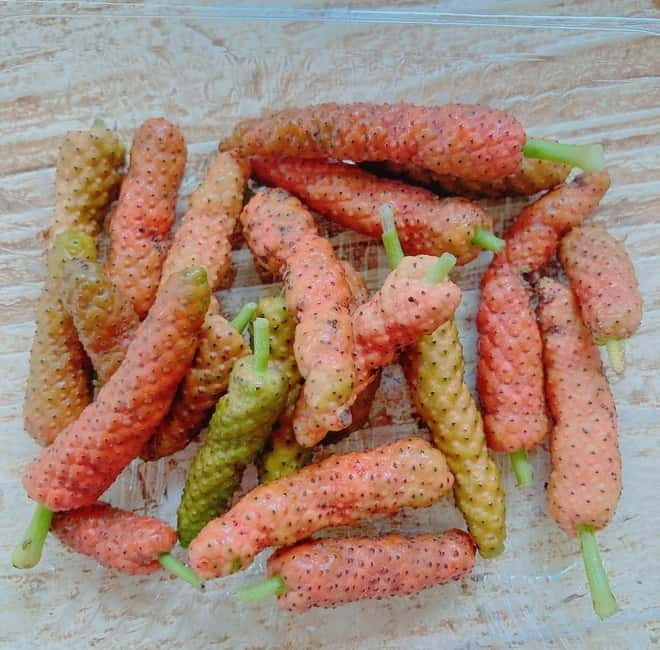
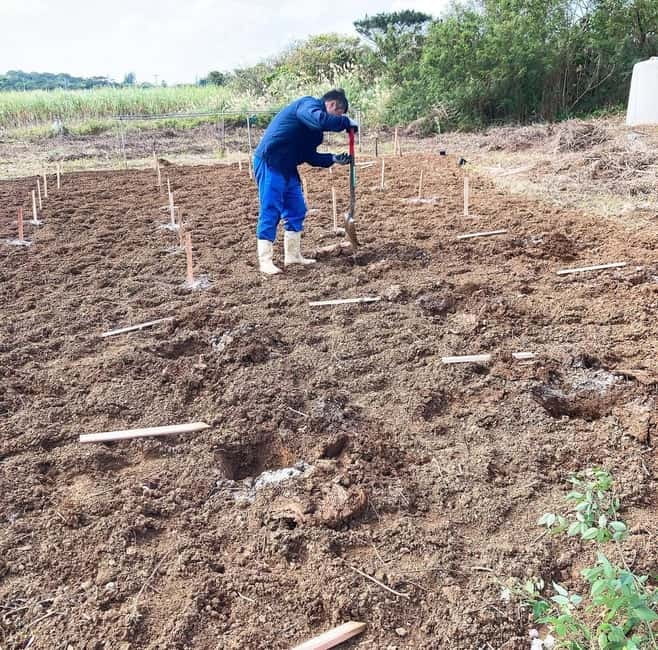
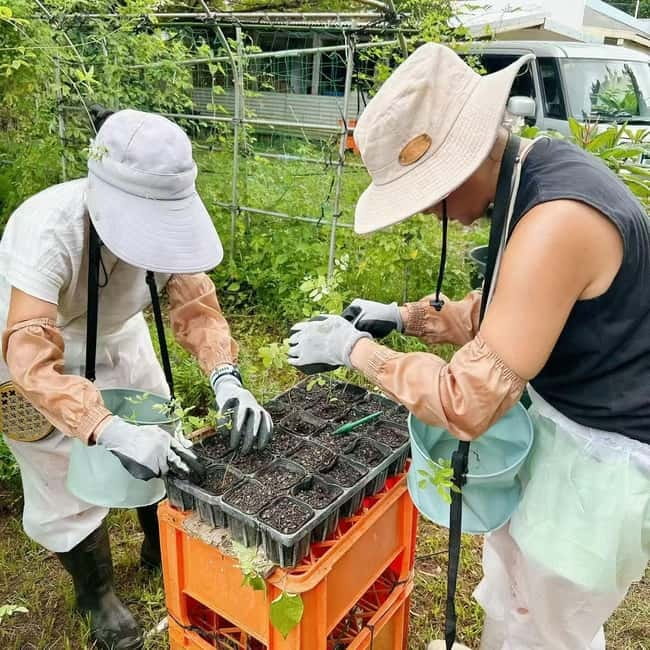
The first major stage takes place on Sesoko Island and lasts about an hour in the published schedule. You take part in agricultural work and harvest vegetables or other ingredients native to the area.
The useful part is the direct contact with the produce. You feel the texture of vegetables and herbs with your hands instead of seeing them only after they have been washed, chopped, and plated. That simple step helps you understand why seasonal ingredients matter in Okinawan cooking.
The activity is also suited to curious beginners. You do not need to arrive with farming experience. The farmers explain what you are doing, and the focus is on learning through participation.
You should wear clothes that are comfortable for outdoor work. Bring water, since the activity takes place in Okinawa and includes physical work outdoors. The organizers specifically recommend comfortable shoes, comfortable clothing, and water.
The harvest section may be the best part for families and small private groups who like doing rather than watching. It also gives you a chance to ask about local crops, herbs, and the relationship between farming and cooking on Sesoko Island.
One limitation is that the exact vegetables depend on the season. The description promises seasonal local ingredients, not a fixed menu or a specific crop list. That is part of the charm, but you should not book expecting to harvest one particular vegetable.
Making Okinawan kusu as a take-home souvenir
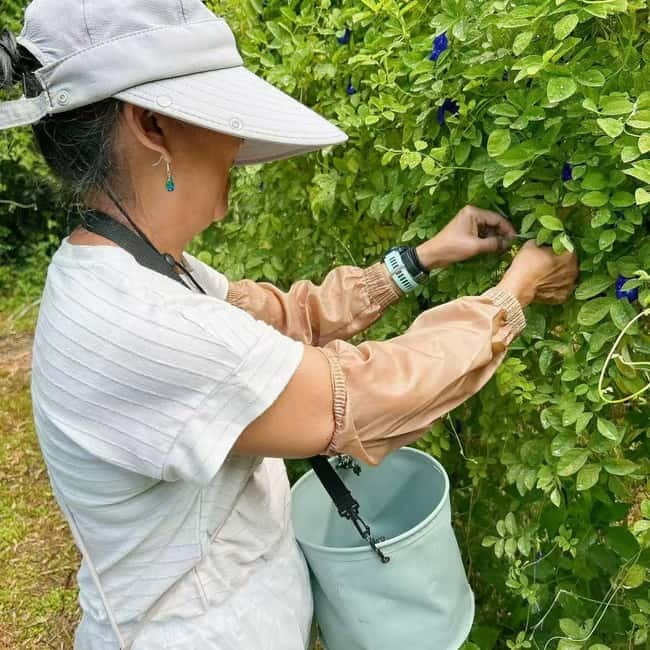
The kusu activity gives this experience its most unusual feature. You learn to prepare a traditional Okinawan seasoning described as a secret recipe passed down through generations.
The recipe is normally kept within families, so being shown how to make it gives you a small window into Okinawa’s home cooking culture. It is more personal than buying a jar of seasoning in a shop. You create something yourself and can bring it home as a keepsake.
The description calls kusu an elixir, and one customer received help arranging shipment by post. That detail matters if you are flying onward or do not want to carry the finished product through the rest of your trip. Mailing support was provided in at least one case, but you should confirm the current shipping arrangements before counting on it.
This is also a good place to ask questions. If you are interested in how Okinawan families preserve flavors or pass recipes between generations, the kusu lesson offers a concrete starting point.
Do not expect a large commercial factory tour with a long production line. The attraction is the personal, hands-on process and the story behind the recipe. You make a small souvenir while learning about a food tradition that is not normally presented to outsiders.
More Farm Tours around Japan:
- Hokkaido Lavender farm & Furano Flower Tour from Sapporo
★ 4.5 · 28 reviews - Mt. Fuji Private Chartered Tour with Nature and Wasabi Farm
★ 5.0 · 24 reviews - Uji and Wazuka Matcha Farm Half Day Private Guided Tour
★ 5.0 · 21 reviews - Wasabi Farm Walking Tour & Lunch
★ 4.5 · 20 reviews
Cooking traditional Okinawan dishes together
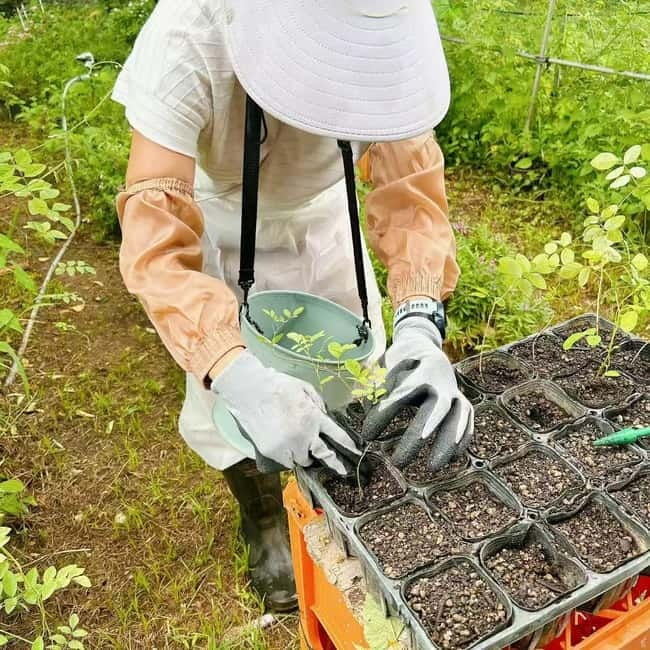
After harvesting, you help prepare traditional Okinawan dishes using seasonal produce and local ingredients. The vegetables you picked may become part of the meal, linking the garden directly to the table.
That connection is what gives the cooking class its value. You can taste the difference between a dish made with ingredients selected moments earlier and one prepared from anonymous produce. You also learn how the ingredients fit into local recipes rather than treating them as isolated samples.
The class is described as a one-hour cooking session in the schedule. The format is collaborative, with local people and the group preparing food together. It should suit anyone who enjoys simple cooking and wants to understand the food rather than merely photograph it.
The available information does not provide a fixed menu, cooking techniques, or details about kitchen equipment. Expect the dishes to follow the season and the available harvest. That means the meal may vary, which is normal for a farm-based activity.
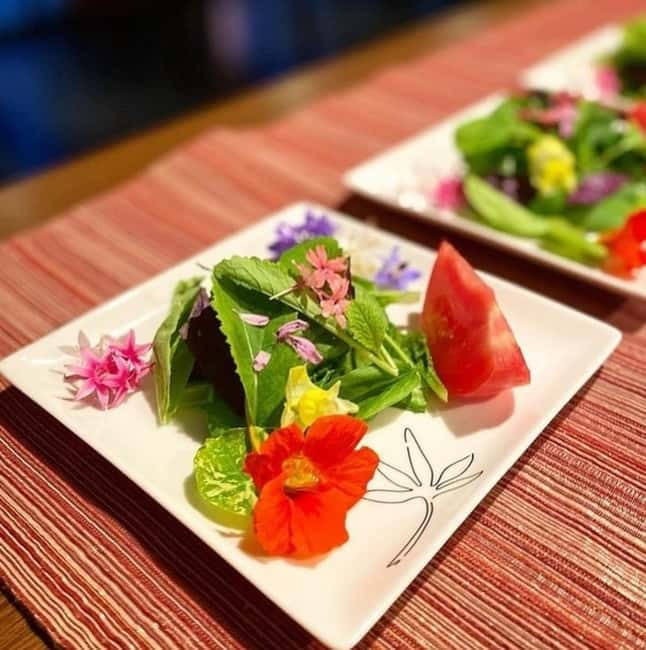
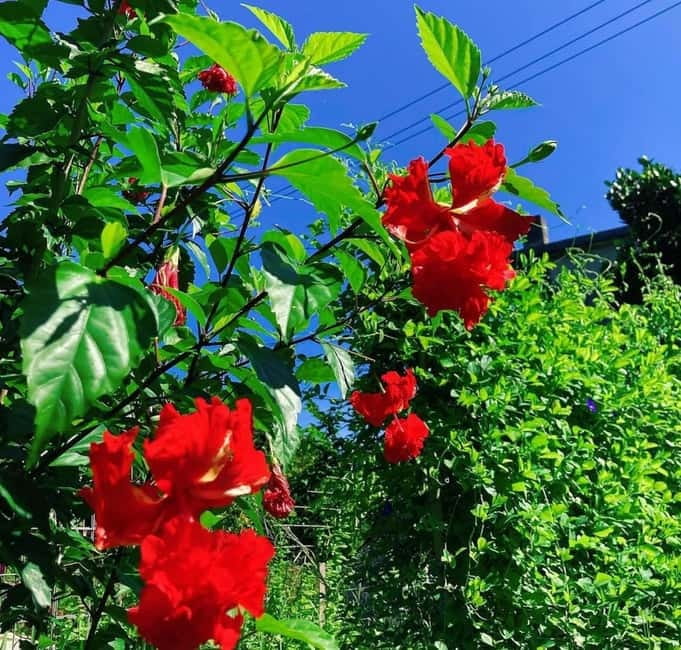
The customer feedback gives a useful hint about the food: handpicked flowers were eaten Okinawa-style, and the meal was repeatedly praised. If you like trying unfamiliar ingredients, this could be a highlight. If you prefer predictable menus, the seasonal format may feel less certain.
Sitting down to a fresh local meal
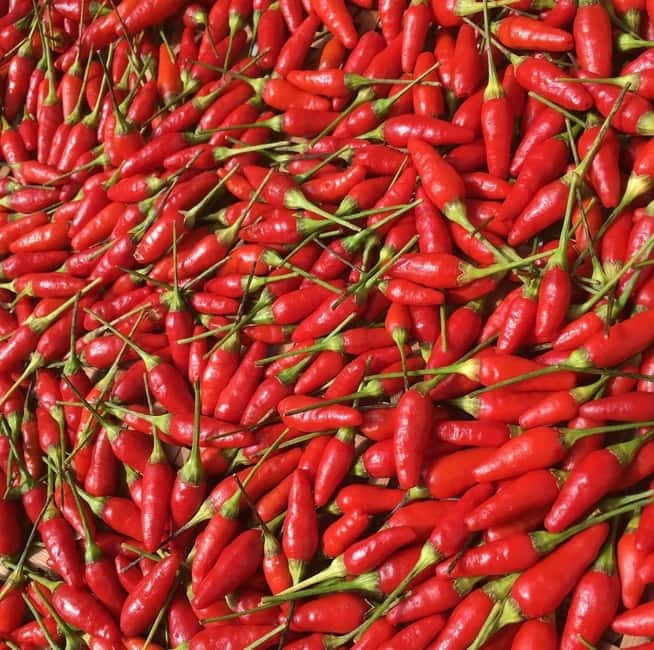
The final food stage is a meal and tasting session using the freshly harvested vegetables and other Okinawan ingredients. The schedule allows about an hour for dinner, though the overall advertised duration is 150 minutes.
The meal is not just a reward at the end. It is where the farming lesson, cooking class, and local stories come together. You can ask about the dishes, talk with farmers, and get a better sense of the people who support Okinawa’s food traditions.
The experience description places importance on warm conversation around the table. That makes this a good choice if you want personal contact and cultural context, not just a cooking demonstration.
Alcohol is not included. If you want a drink with the meal, plan to pay separately. The supplied information does not say which alcoholic drinks are available, so ask on arrival rather than assuming beer or wine is part of the package.
The strongest praise focuses on the meal, the friendly owners, and the way the whole activity is organized from beginning to end. One person especially enjoyed eating flowers picked in the garden, while another praised the explanations given by Mei. Those details suggest that the meal is closely tied to the day’s work, not a standard plate prepared apart from the group.
What the $61 price includes
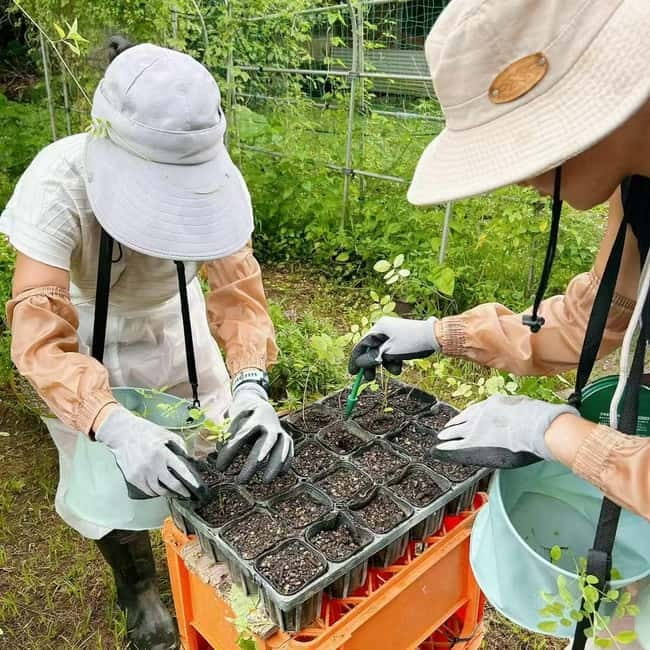
At $61 per person, this experience is priced above a basic lunch but includes much more than food. Your fee covers the agricultural activity, the interaction with local farmers, the cooking session, and the meal made with local ingredients.
You are also paying for access to the kusu recipe and the chance to prepare a personal souvenir. That adds value for anyone who wants a cultural activity with something tangible to take home.
The private-group format is another reason the price may make sense. A private setting can give you more space to ask questions and take part at your own pace. It may be especially worthwhile for couples, families, or friends who prefer a shared activity over a large class.
The value is weaker if your main goal is simply to eat cheaply. You can find less expensive meals in Okinawa. This experience earns its price through the farming, instruction, conversation, and participation before the food reaches the table.
Three verified bookings gave the experience a 5 out of 5 rating. The most praised features are the kind local hosts, clear explanations, delicious food, handpicked flowers, and the secret recipe. That praise matches the structure of the activity: several different tasks, all tied to the same food story.
Timing, languages, and practical details
The advertised duration is 150 minutes. The detailed schedule lists a 10-minute walk, followed by an hour on Sesoko Island, an hour of cooking, and an hour for dinner and tasting. Since those stages add up to more than 150 minutes, confirm the actual start and finish times before booking transportation afterward.
The activity is available with a live guide in Chinese, English, or Japanese. This is important because much of the value comes from explanations and conversation with local farmers. If you want the fullest cultural context, choose the language in which you can comfortably ask questions.
The activity is described as a private group. Group size is not specified, so you should ask if that detail affects your plans.
Cancellation is free up to 24 hours before the start time for a full refund. You can also reserve and pay later, which helps if your Okinawa schedule is still shifting.
The activity is not considered suitable for people with altitude sickness. Since the experience takes place on Sesoko Island and at a farming site, bring water and wear practical clothes. Nothing in the available information suggests a formal dress requirement or a specific fitness test, but you should be comfortable walking and taking part in light agricultural work.
Who will enjoy this most
I would recommend this experience to you if you enjoy local food, small-scale farming, and meeting people who live close to the source of what you eat. It is a particularly good fit for couples, families, and private groups who want to share a meal they helped create.
It also suits repeat visitors to Okinawa who have already seen the major beaches and want a slower cultural activity. The combination of harvesting, cooking, and kusu-making gives you several ways to connect with the island.
Food-focused visitors should pay special attention. The experience includes seasonal produce, local cooking, flowers from the garden, and a traditional seasoning. It offers more context than a restaurant meal alone.
You may want to skip it if you dislike outdoor work, prefer a fixed menu, or want a quick activity with no walking. The precise harvest and dishes are not guaranteed in advance, and alcohol is not included.
Should you book this Sesoko Island experience?
Book it if you want Okinawan food to come with a story, a bit of soil on your shoes, and a conversation with local farmers. The strongest reasons are the hands-on harvest, the unusual kusu souvenir, and the meal made with ingredients you helped pick.
At $61, the experience offers fair value for a private, multilingual activity that combines farming, cooking, a meal, and cultural instruction. Confirm the timing, ask about the seasonal menu, and check the current shipping arrangements for kusu if you plan to mail it home.
If you prefer polished sightseeing or a guaranteed restaurant menu, choose another activity. If you want to understand Okinawan cuisine by taking part in its preparation, this is an appealing choice.
FAQ
Where does the experience start?
It starts at Kadoya Seimenjo Hoshifuru Mori no Beer Garden, written in Japanese as かどや製麺所 星降る森のビアガーデン.
How do I reach the Sesoko Island activity area?
The stated plan includes a walk of about 10 minutes from the starting location to Sesoko Island.
How long does the experience last?
The advertised duration is 150 minutes. The detailed schedule describes several one-hour stages, so confirm the exact timing when booking.
What activities are included?
The experience includes agricultural work, harvesting, cooking traditional Okinawan dishes, a meal with local ingredients, and interaction with local farmers.
What is kusu?
Kusu is described as a traditional Okinawan seasoning made from a secret recipe passed down through generations. You learn how to make it and can take your finished creation home.
Can I eat the ingredients I harvest?
Yes. The harvested vegetables and other ingredients are used in the cooking and meal portion of the experience.
What languages are available?
Live guiding is available in Chinese, English, and Japanese.
Is the activity private?
Yes. The experience is offered for a private group.
Is alcohol included?
No. Alcoholic drinks are not included in the price.
What should I bring?
Bring comfortable shoes, water, and comfortable clothing suitable for agricultural work and cooking.
Can I cancel for a full refund?
Yes. You can cancel up to 24 hours in advance for a full refund.
Is payment required at the time of booking?
No. The activity offers a reserve-now-and-pay-later option, so you can book without paying immediately.
Just added around Japan
- Wasabi Farm Walking Tour with Lunch★ 4.4 · 2 reviews
- 7 Hours Private Guided Tour Uji and Wazuka Matcha Farm★ 5.0 · 2 reviews
- From Tokyo Mt.Fuji, Lake Kawaguchi, Makaino Farm day tour★ 5.0 · 8 reviews
- Hida Private E-Bike Tour with Premium Lunch and Farm Experience★ 5.0 · 7 reviews
- Guided Bike Tour to a Green Tea Farm in Shizuoka (not e-bikes)★ 5.0 · 5 reviews
- Hokkaido Farm Tomita Shikisai Hill Waterfall& Blue Pond Day Tour★ 3.5 · 6 reviews
- Autumn Leaves in AutumnSkiing in winterLet’s go to Hoheikyo Onsen by private car (from Sapporo)★ 4.5 · 8 reviews
- Wasabi Farm Walking Tour & Lunch★ 4.5 · 20 reviews
Cooking Classes, farm by farm.
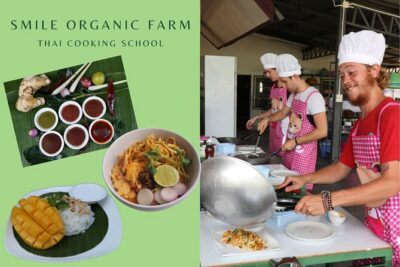
Half-Day Thai Cooking Class at Organic Farm in Chiang Mai
Read our review →
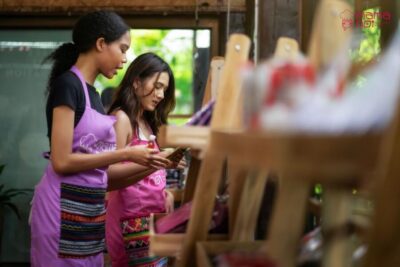
Cooking Class and Lunch at a Tuscan Farmhouse with Local Market Tour from Florence
Read our review →
Authentic Cooking Class with Market & Farm Visit
Read our review →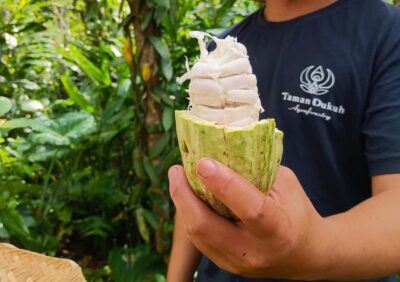

Hands-On Cooking Class & Farmhouse Tour on the Amalfi Coast
Read our review →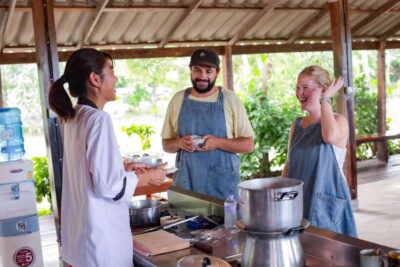
Other lists this farm sits on