
REVIEW · JAPAN
Uji and Wazuka Matcha Farm Half Day Private Guided Tour
Tea country rewards the curious. This four-hour private outing links Uji’s riverside tea quarter with the rural farms of Wazuka, giving you both the famous name and the farming country behind it. I especially like the chance to walk among working tea fields and taste at least three local teas, rather than simply buying a bright-green souvenir tin. The guide, Masae, also earns repeated praise for her warm manner and clear explanations of tea culture.
The main caution is practical: the Wazuka farm access can be bumpy and muddy. At $360 per person, this is not a casual budget walk, although private transportation, a Japanese bento lunch, tea tasting, and a personal guide soften the price for couples or small groups. You should also keep the short four-hour schedule in mind. It offers a focused introduction, not a full day in tea country.
Key points at a glance
- Masae’s personal touch: The guide shares tea knowledge and family connections to the industry in a friendly, easygoing way.
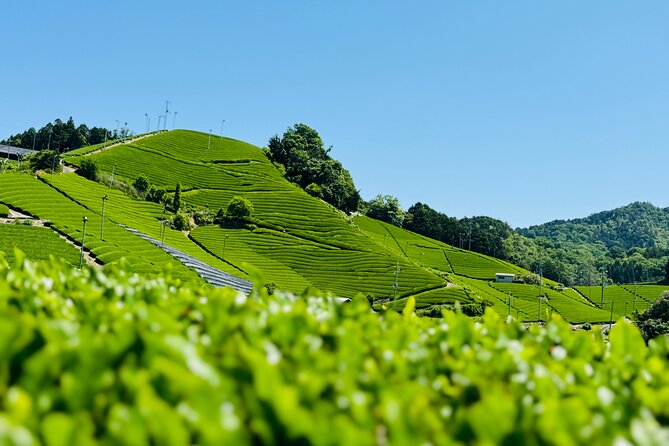
- Two very different settings: Uji gives you the historic riverfront and tea shops, while Wazuka offers working farms and broad mountain views.
- Three or more tea tastings: You can compare local teas rather than treating matcha as one single drink.
- Lunch is included: A Japanese bento meal is part of the experience, with a vegetarian option available if requested in advance.
- Private four-hour format: Only your group takes part, which is useful for families, couples, and anyone who wants to ask plenty of questions.
- Wear practical shoes: Farm paths may be muddy and uneven, so this is not a polished pavement-only excursion.
Why this tour goes beyond a cup of matcha
Uji is one of Japan’s best-known tea places, but its appeal can be reduced to matcha sweets and gift shops if you only spend an hour near the station. This tour gives you a better frame. You begin in Uji, where tea culture is easy to see, then continue to Wazuka, where tea is grown across mountain valleys and village slopes.
That change of setting matters. In Uji, you can connect tea with river scenery, shrines, bridges, cafés, and small shops. In Wazuka, you see the agricultural side of the story. The tea is no longer just a powdered drink in a bowl. You get a sense of the fields, the terrain, the work, and the place where the leaves begin.
I also like the private format. A group of strangers can make a farm visit feel hurried or impersonal. Here, your own party takes part, and the pace can be more comfortable for a family or a couple. The activity is also suitable for solo visitors, though the price per person is easier to justify when shared by a small group.
More Guided Tours around Japan:
- Miyajima Guided Tour and Fresh Oyster Farm Tour
★ 5.0 · 20 reviews - Guided Bike Tour to a Green Tea Farm in Shizuoka (not e-bikes)
★ 5.0 · 5 reviews - 7 Hours Private Guided Tour Uji and Wazuka Matcha Farm
★ 5.0 · 2 reviews
Starting beside the Uji River
The meeting point is at Itoh Kyuemon near JR Uji Station, at Sabo Umonji-16-1 in Uji, Kyoto. From there, the first walk follows the Uji River and the nearby tea quarter.
This opening section is a useful orientation. You are not dropped straight into a lecture about cultivation. Instead, you first see how tea shapes the town. Shops sell tea and matcha products, and cafés offer the familiar sweets and drinks that have made Uji popular. You can browse, take in the river, and get a feel for the local connection between daily life and tea.
The riverside stop lasts about 30 minutes and has no admission charge. That makes it light on the feet and easy to manage early in the tour. It also gives you a chance to ask Masae basic questions before the more rural portion begins.
The limitation is time. Thirty minutes will not let you browse every shop or settle into a long café break. Think of this as a short introduction rather than free time for serious shopping. If you want tea souvenirs, note what catches your eye, then ask the guide where the most useful purchases fit into the schedule.
Uji Shrine and the historic bridge
The next stops are short, but they add cultural context. Uji Shrine receives about 10 minutes, followed by roughly 10 minutes at Ujibashi Bridge.
Uji Shrine is described as one of Japan’s oldest shrines. The stop is brief, so you should expect a compact visit rather than a long religious site tour. Still, it breaks up the tea focus and reminds you that Uji is more than a commercial tea center.
Ujibashi Bridge crosses the Uji River and is presented as one of Japan’s oldest bridges. Its value on this tour is partly visual. You have already walked beside the river, and the bridge gives you another angle on the water and town. It also helps explain why Uji developed as a place of movement, settlement, and culture.
Neither stop requires an admission ticket. That keeps the early part of the tour simple, but anyone hoping for detailed shrine architecture or a long historical talk may find these visits too short. The real focus remains Wazuka.
Riding out to Wazuka’s tea valleys
After Uji, air-conditioned private transportation takes you toward Wazuka-cho. This is where the outing changes character. Uji is accessible and polished for sightseeing; Wazuka is a rural tea-producing area surrounded by mountains and crossed by a river.
The drive is important because Wazuka is not simply another town stop. It is the setting for the farm walk and the main tea lesson. The valley has produced Uji tea for about 800 years, and the area was once associated with tea reserved for the Imperial Family. Those details give the visit a sense of scale, but the stronger experience is seeing tea cultivation in its own setting.
Wazuka is allotted about three hours, making it the heart of the tour. You should expect the most time here to go toward the tea farm, viewpoints, tasting, lunch, and conversation with the guide. Since only your group participates, you can ask about cultivation, tea types, processing, and local customs without feeling you are holding up a large party.
The word farm should be taken seriously. Access may be muddy and uneven, especially after rain. Wear shoes with a secure grip and clothing you do not mind exposing to a little dirt. A narrow shoe is a poor choice here, even if it looks good in photographs.
More Farm Tours around Japan:
- Hokkaido Lavender farm & Furano Flower Tour from Sapporo
★ 4.5 · 28 reviews - Mt. Fuji Private Chartered Tour with Nature and Wasabi Farm
★ 5.0 · 24 reviews - Wasabi Farm Walking Tour & Lunch
★ 4.5 · 20 reviews - Hands-on Pearl Harvesting Workshop!
★ 3.3 · 11 reviews
Walking among the tea fields
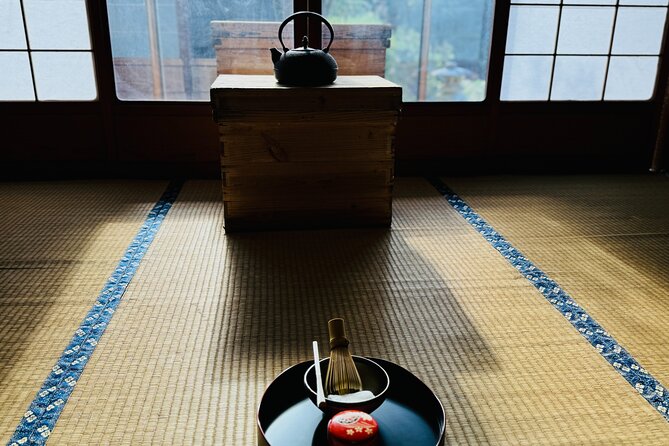
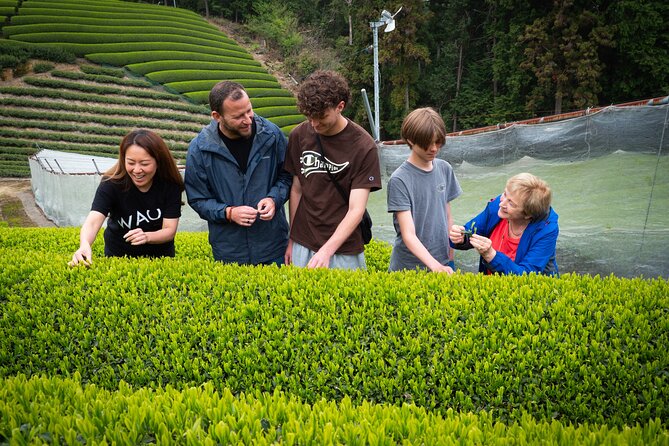
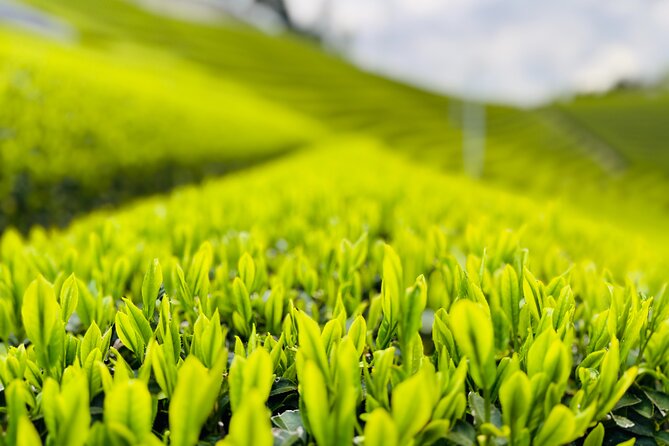
The farm walk is the most distinctive part of the experience. Tea fields spread across the hills around Wazuka, creating the green views that make the area so appealing. You are not just looking at rows of plants from a vehicle. You have time to walk through the growing area and connect the drink in your cup with the plant in the ground.
Masae’s role is particularly useful here. Her explanations cover tea farming and manufacturing, and she brings a local family perspective to the tea industry. That kind of personal context can make technical information easier to remember. Instead of hearing only general facts, you may come away with a clearer sense of how production connects to families and the valley.
The experience is strongest for people who enjoy seeing how food is made. If you only want to sample matcha desserts, the farm walk may feel like more than you need. If you want to understand why Uji tea has such a strong reputation, this is the portion that earns the tour its price.
A scenic viewpoint is also included. The exact viewpoint is not specified, so you should not book this expecting a particular named lookout. You can expect a chance to see Wazuka’s hills and tea-growing country from a broader angle, weather permitting.
Comparing at least three local teas
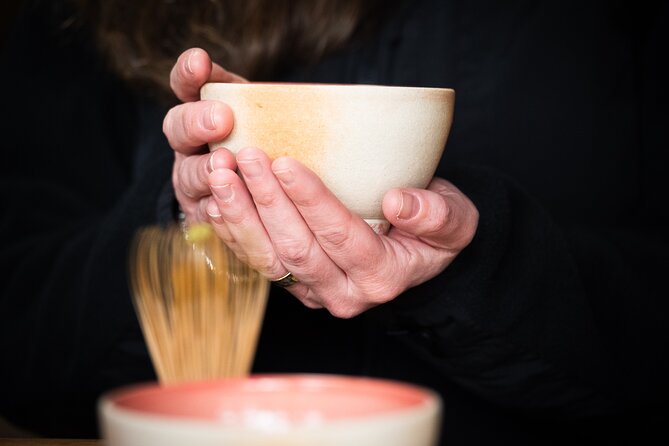
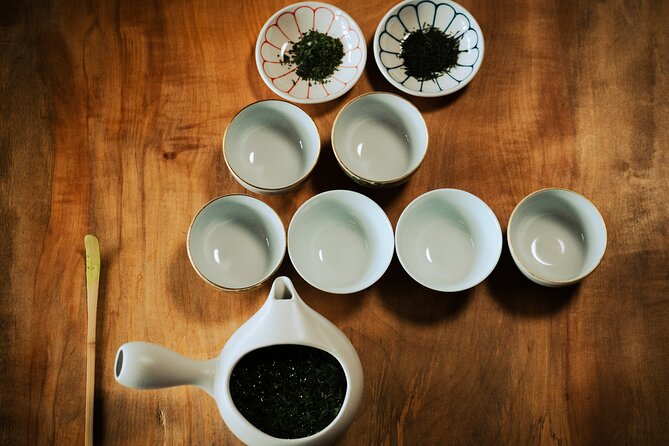
Tea tasting is included, with a minimum of three different kinds of local tea. This is a major strength. Many visitors know matcha as a flavor but have little chance to compare it with other teas from the same region.
A guided tasting can help you pay attention to differences in color, aroma, texture, and aftertaste. You may find that the experience changes how you think about matcha. It is not just a sweet green powder for lattes or desserts. It belongs to a wider tea culture with different styles and uses.
The supplied information does not specify the exact teas served, so I would not promise a particular menu. Ask Masae to explain what you are tasting and how the teas differ. That conversation is likely to be more valuable than simply counting the cups.
Coffee and tea are included, while extra drinks and snacks bought on the street cost more. If you like to graze between stops, carry a little spending money. The included tasting and lunch cover the main food needs, but they do not include every snack or drink you might want.
A bento lunch in the middle of tea country
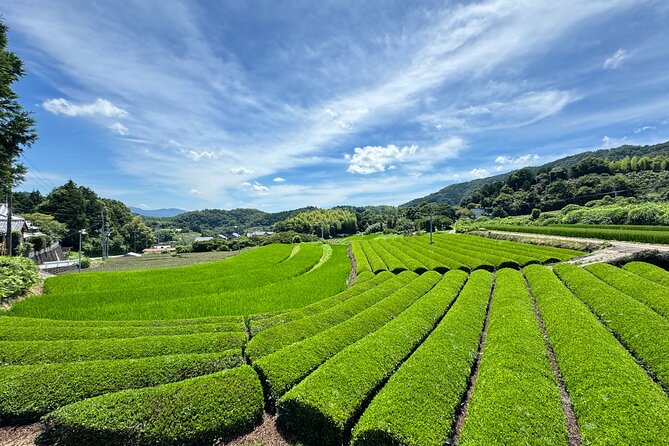
A Japanese bento lunch is included. This is more than a small add-on. In a four-hour tour, an included meal saves you from using the limited schedule to search for food, and it gives the rural portion a welcome pause.
The meal has been described as generous, which is useful to know if you are wondering whether lunch is merely a token snack. A vegetarian option is available with advance notice. You should request it before the tour rather than waiting until the day itself.
The meal also suits the character of the outing. Instead of rushing from a farm to a restaurant in town, you remain connected to the Wazuka setting. The exact menu is not provided, so diners with allergies or strict dietary needs should ask the operator for current details before booking.
Some past participants also had the chance to make and eat mochi, but that activity is not listed as a guaranteed part of this half-day tour. Treat it as a possible extra, not a promise.
What the $360 price really buys

At $360 per person, the tour is expensive compared with a self-guided visit to Uji. Uji’s river, shrine, and bridge do not require admission, and you could reach the town by train and buy tea on your own.
The comparison changes once you consider Wazuka. Private transportation takes you to the tea-growing valley, where independent access may be less straightforward. You also receive a guide, a farm walk, a viewpoint visit, at least three tea tastings, lunch, and a private group experience.
I would see the value this way:
- For a solo visitor, the cost is a serious decision.
- For a couple, the personal transport and guide may justify the expense.
- For a family or small group, private pricing can be easier to accept, especially with lunch and drinks included.
- For a committed matcha fan, the farm access and tea comparisons are the main reason to book.
The tour had five or more bookings in the previous month and carries a five out of five rating from 21 ratings, with 100 percent recommending it. That points to strong satisfaction, especially with the guide, scenery, tasting, and meal. It does not change the basic price question, but it does suggest that the experience delivers what it promises.
Who will enjoy this half-day outing most
I would recommend it most to you if you want a personal introduction to Japanese tea, prefer rural scenery to crowded city sights, or enjoy learning directly from someone connected to the subject. It is also a good fit if you want an easy way to combine Uji and Wazuka without arranging separate transport.
Families can benefit from the private format, since the group does not have to match a stranger’s pace. Solo visitors can ask direct questions and receive more attention, though the per-person charge is harder to overlook. Culture-focused visitors will appreciate the shrine and bridge stops, even though they are short.
You should think twice if you have limited mobility or strongly dislike uneven ground. Most people can participate, and service animals are allowed, but the farm access can be bumpy and muddy. The activity is near public transportation at its starting point, yet the tour’s rural section depends on private vehicle travel.
Timing, cancellation, and useful planning notes
The tour lasts about four hours and ends at a different location from the start. Check the end point details carefully before arranging your next activity. A four-hour tour can fit neatly into a Kyoto or Uji day, but you should not schedule a tight connection immediately afterward.
Confirmation is provided at booking. Free cancellation is available if you cancel at least 24 hours before the local start time. Cancellations or changes made within 24 hours are not refunded or accepted.
Bring comfortable shoes with a grip, a small amount of money for extra snacks or drinks, and an appetite for tea. If you need a vegetarian lunch, make the request in advance. You may also want room in your bag for tea purchases, since Uji includes shops and cafés.
Should you book the Uji and Wazuka tour?
Book it if you want more than a Uji shopping walk. The best parts are the private ride into Wazuka, the farm paths, the tea tasting, and Masae’s personal approach to tea culture. The scenery and generous lunch add comfort, while the small-group setup lets you ask questions freely.
Skip it if you want a cheap, flexible stroll or if muddy farm paths are a dealbreaker. At four hours, it is also too short for someone hoping to explore every corner of Wazuka.
For matcha lovers, food-focused visitors, and anyone curious about where Japanese tea begins, I think this is a strong use of half a day. The price is high, but the experience reaches beyond the cup and into the valley that produces it.
FAQ
How long does the Uji and Wazuka matcha tour last?
The experience lasts approximately four hours.
Where does the tour begin?
It begins at Itoh Kyuemon near JR Uji Station, at SaboUmonji-16-1, Uji, Kyoto 611-0021, Japan.
Is lunch included?
Yes. A Japanese bento lunch set is included. A vegetarian option is available with advance request.
How many teas are included in the tasting?
The tour includes a tasting of at least three different kinds of local tea.
Is the tour private?
Yes. Only your group participates in the private tour or activity.
Can I cancel for a full refund?
Yes, if you cancel at least 24 hours before the experience’s local start time. Cancellations or changes made less than 24 hours in advance are not accepted, and the amount paid is not refunded.
Just added around Japan
- Wasabi Farm Walking Tour with Lunch★ 4.4 · 2 reviews
- 7 Hours Private Guided Tour Uji and Wazuka Matcha Farm★ 5.0 · 2 reviews
- From Tokyo Mt.Fuji, Lake Kawaguchi, Makaino Farm day tour★ 5.0 · 8 reviews
- Hida Private E-Bike Tour with Premium Lunch and Farm Experience★ 5.0 · 7 reviews
- Guided Bike Tour to a Green Tea Farm in Shizuoka (not e-bikes)★ 5.0 · 5 reviews
- Hokkaido Farm Tomita Shikisai Hill Waterfall& Blue Pond Day Tour★ 3.5 · 6 reviews
- Autumn Leaves in AutumnSkiing in winterLet’s go to Hoheikyo Onsen by private car (from Sapporo)★ 4.5 · 8 reviews
- Wasabi Farm Walking Tour & Lunch★ 4.5 · 20 reviews
Japan Farm Tours, farm by farm.
Hokkaido Lavender farm & Furano Flower Tour from Sapporo
Read our review →
Mt. Fuji Private Chartered Tour with Nature and Wasabi Farm
Read our review →

From Tokyo Mt.Fuji, Lake Kawaguchi, Makaino Farm day tour
Read our review →
Hida Private E-Bike Tour with Premium Lunch and Farm Experience
Read our review →Other lists this farm sits on