
REVIEW · MEXICO
La Paz: Pearl Farm Experience and shop
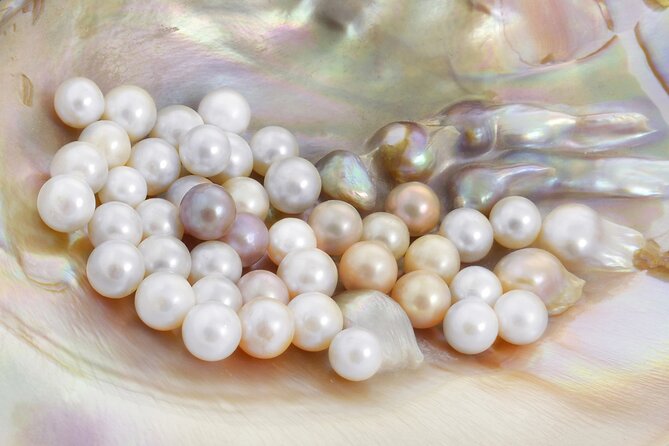
Pearls have a story to tell. This two-hour visit along Avenida Pichilingue connects La Paz’s ancient pearl trade with the careful work of modern pearl farming. You see live oysters and other sea life, learn how a pearl begins, and visit the place where the process unfolds.
I like the hands-on look at pearl cultivation, including the surgical implantation that starts pearl formation. I also like the history lesson, especially the local connection to the pearl in Queen Elizabeth’s crown. The main drawback is simple: this is a focused two-hour class and farm visit, not a full-day sea excursion, and jewelry costs extra.
The tour is a strong pick if you want something educational and different from the usual La Paz beach outing. Ivan, one of the owners, has been praised for explaining the subject clearly and showing the oyster life cycle from its earliest stages. Just arrive ready to listen, ask questions, and keep your wallet closed until you have seen the jewelry prices.
Key points to know before visiting
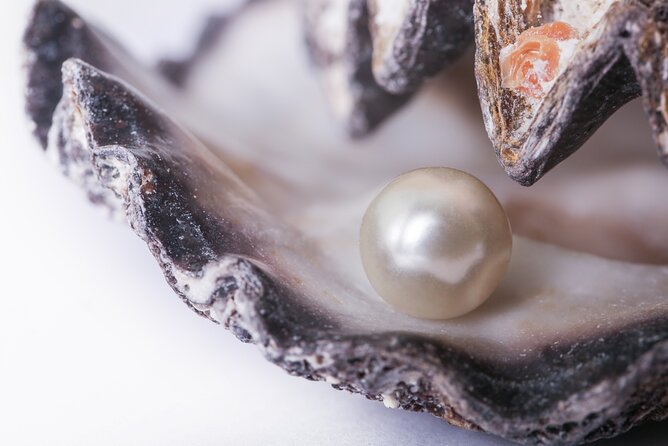
- Pearl farming is shown up close: You learn how oysters are raised and how a small marble is surgically placed to begin the pearl-forming process.
- La Paz history is central: The presentation links local pearls with ancient civilizations and the region’s long connection to the sea.
- The laboratory is part of the visit: You see the working side of pearl production rather than only looking at finished jewelry.
- Live marine life adds variety: Oysters, crabs, urchins, starfish, fish, and other organisms are included in the hands-on experience.
- The jewelry shop is part of the final stop: You can examine and buy pearl jewelry, but purchases are not included in the $68 price.
- The tour works in English or Spanish: Wheelchair access is available, and food is not served, although food and beverages can be purchased.
Why this La Paz pearl farm visit is worth your time
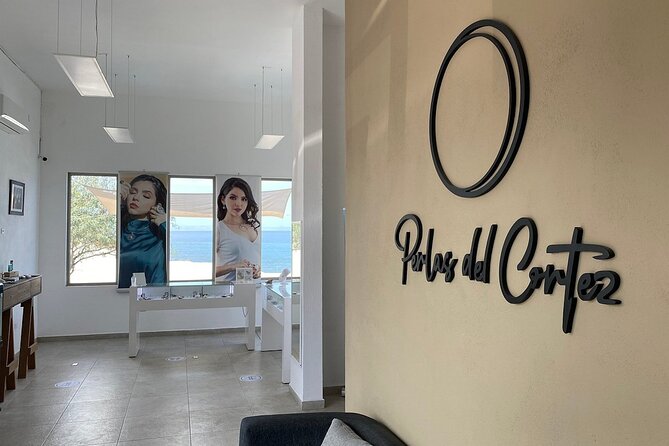
La Paz is best known for its sea, beaches, and boat trips. This experience gives you another way to understand that sea. Instead of simply admiring the water, you learn how people have worked with marine life for centuries and how a natural object becomes a valuable piece of jewelry.
That makes the visit useful for curious adults, families, jewelry shoppers, and anyone who wants a break from outdoor sightseeing. You are not just shown a display case of polished pearls. You are introduced to the living oyster, the growing process, the laboratory, and the regional story behind the product.
The entire experience lasts about two hours. That is long enough for a serious introduction without taking over your day. You could fit it between other La Paz plans, though the starting time should be checked when you book.
More Pearl Farm Tours around Mexico:
- La Paz: Pearl Farm Experience and shop
★ 5.0 · 3 reviews - Broken Bay Pearl & Oyster Farm Tours
★ 5.0 · 150 reviews - Incredible Islands Tour – Horizontal Falls & Cygnet Bay Pearl Farm
★ 5.0 · 96 reviews
Starting at Avenida Pichilingue
The meeting point is on Avenida Pichilingue in La Paz. The provided information does not specify transportation to the starting location, so you should confirm how to reach it before setting out. Do not assume that hotel pickup is included.
The location matters because the visit is tied to the marine setting rather than a downtown lecture room. You begin with a connection to the water, then move into the educational portion of the experience. The surroundings help explain why pearl farming belongs in this part of Baja California Sur.
Since the tour is scheduled for two hours, arriving on time is wise. A late arrival could mean missing the opening history presentation, which provides the context for everything that follows.
The opening story, from ancient pearls to La Paz
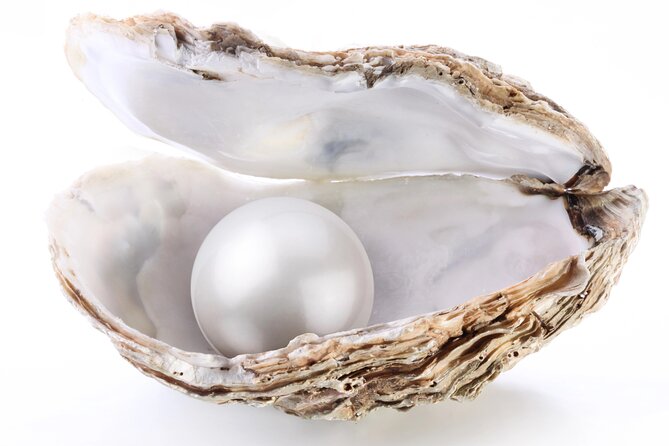
The first part of the visit covers the importance of pearls from ancient civilizations to the present. This is more than a quick sales pitch. Pearls have long carried social, cultural, and economic value, and the talk places La Paz within that larger story.
One local detail is especially memorable: the tour explains that the pearl in Queen Elizabeth’s crown came from La Paz. That claim gives the regional pearl industry a striking connection to world history and royal jewelry. It also helps explain why La Paz pearls are presented as highly prized.
The historical section should appeal to you if you like knowing why a place matters. Without it, the laboratory might feel like a technical demonstration. With it, the oyster becomes part of a much longer story about trade, status, craftsmanship, and the sea.
The presentation is offered in English and Spanish. Ivan, one of the owners, has been specifically praised for covering several thousand years of pearl history before moving into the modern process. His role as an owner also gives the talk a direct connection to the farm’s daily work.
Meeting the oysters and other marine life
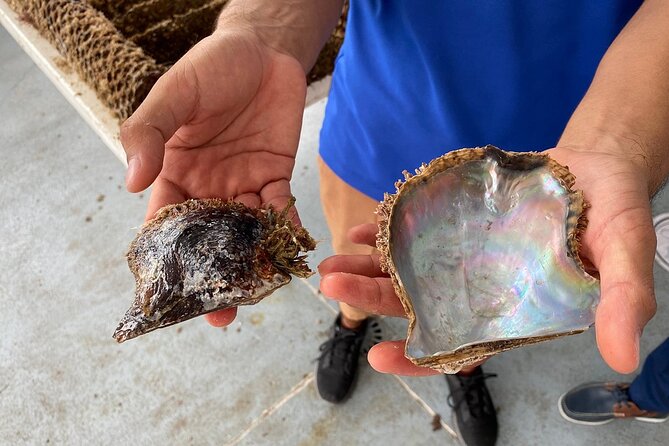
The visit includes contact with live marine organisms. You can expect to see pearl oysters along with crabs, sea urchins, starfish, fish, and other sea life.
This is a useful feature for families and for anyone who learns better by seeing and handling real examples. A photograph of an oyster cannot show you the same basic connection as holding or examining the living animal, when guided by the farm staff.
The marine life also keeps the experience from becoming a narrow jewelry lecture. You see the wider system around pearl cultivation, not just the finished pearl. That broader view gives you a better sense of the work involved and the biological setting that makes the industry possible.
The supplied details do not specify exactly how much handling is involved or how long each organism is displayed. You should follow the guide’s instructions carefully. Live animals are part of the educational setting, not toys or souvenirs.
More Farm Tours around Mexico:
- Chapala Lake & Ajijic Tour with “Tres Potrillos Ranch”
★ 4.5 · 85 reviews - 3 Palos Lagoon AfroMex Village Turtle Release & Croc Farm Visit
★ 4.5 · 22 reviews - Full-Day Ranch Adventure and Horseback Riding Tour
★ 5.0 · 19 reviews - Hands-on Mexican Farm Experience: from Cow to Cheese
★ 5.0 · 9 reviews
Watching a pearl begin in the laboratory
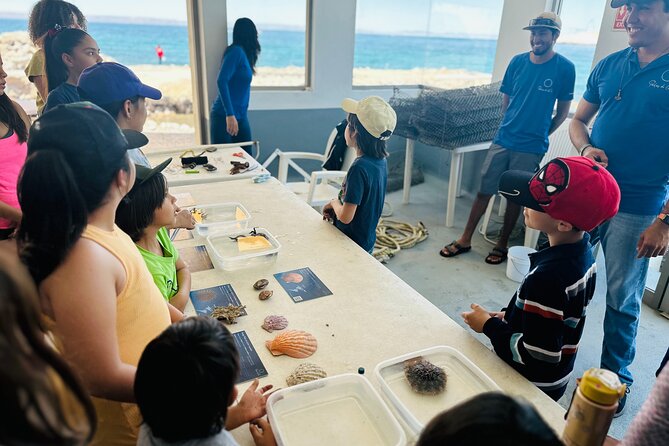
The laboratory is the most distinctive part of the visit. You learn about the stages of oyster growth, then see how the pearl-forming process begins.
A particularly unusual moment is the surgical implantation of a small marble into the oyster. This marble acts as the starting shape for the pearl. The procedure shows why cultivated pearls are not simply picked up from the sea. They require timing, technical skill, careful handling, and continued care.
Ivan has been praised for demonstrating this process and explaining the oyster’s life cycle from its earliest stage onward. That detail matters because it turns an abstract idea into something you can follow step by step.
You should not expect a long medical-style demonstration or a workshop in which you perform the surgery yourself. The hands-on element means close interaction with the marine organisms and a direct look at the work, not that you become a pearl technician. Still, this is likely the strongest reason to choose the tour over a simple jewelry-store visit.
Understanding different kinds of pearls
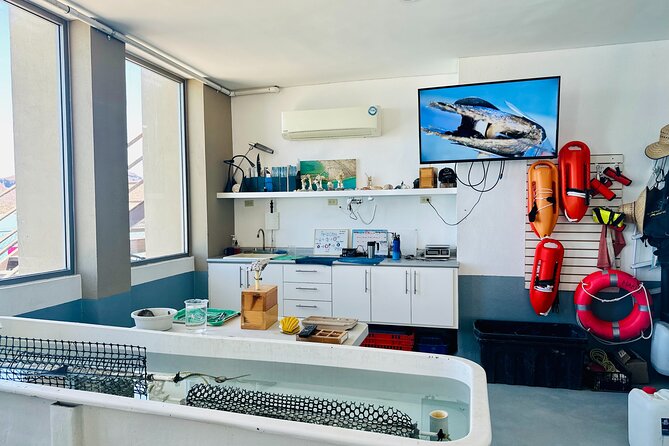
The program includes an explanation of different types of pearls and the full process used to obtain them. That is valuable if you are considering a purchase, since the word pearl can cover products with major differences in origin, appearance, and quality.
You can use the presentation to ask practical questions before entering the shop. Ask how the pearls were cultivated, what makes one pearl more valuable than another, and how the farm’s own process affects the finished jewelry. The supplied information does not list grading standards, sizes, or prices, so the guide or shop staff will need to answer those questions on site.
This part also helps you separate the educational value from the retail side. The tour fee pays for the class, farm visit, laboratory access, and marine-life experience. It does not include a necklace, earrings, loose pearls, or other souvenirs.
Ending in the exclusive jewelry shop
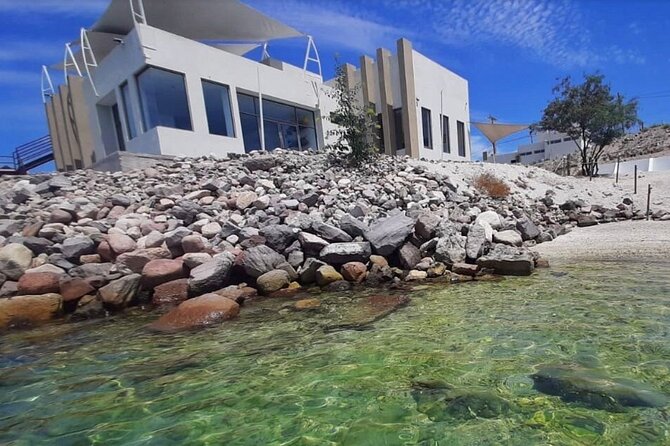
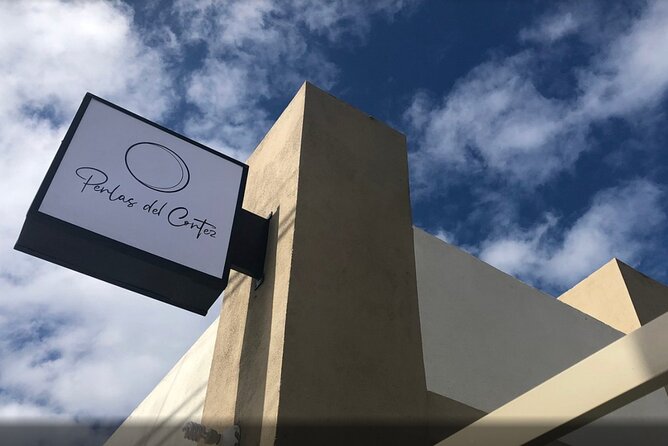
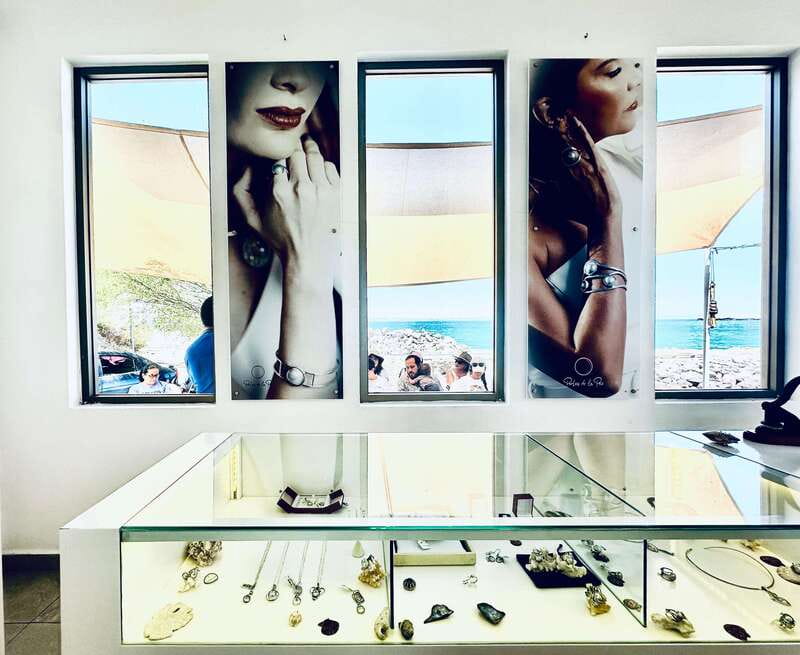
The final portion takes you into the pearl shop, where you can inspect the finished products and buy jewelry if you choose. This creates a natural ending: first you see the oyster and the process, then you see the polished result.
I like this order because it gives the purchase more meaning. You understand the labor behind the object before deciding if you want to take one home. The jewelry is not just a pretty item behind glass. You have already learned how the pearl began and how much care went into producing it.
Still, keep the commercial purpose in view. The shop is part of the experience, and the tour may inspire you to buy. That is not a flaw, but you should set your own budget before arriving. Souvenirs and jewelry are not included in the $68 price.
The available information describes the pearls as high quality, but it does not provide a product list, return policy, certification details, or exact price range. If you are making a serious purchase, ask about those points before paying.
Is the $68 price good value?
At $68 per person, this is not the cheapest short activity in La Paz. Its value depends on what you want from your morning or afternoon.
If you only want to browse pearl jewelry, the price may not make sense. You could visit a shop without paying for a two-hour presentation. If you want to understand pearl history, see live oysters, visit the laboratory, watch the implantation process, and learn how the product reaches the display case, the price is easier to justify.
The strongest value comes from the combination of education and access. You receive a guided explanation in English or Spanish, a look at modern pearl culturing, interaction with marine organisms, and time in the jewelry shop. That is more substantial than a quick retail stop.
No food is served. Food and beverages are available for purchase, according to the provided information, but you should not count on a meal being part of the activity. Plan this around your day rather than treating it as a lunch excursion.
Who will enjoy this experience most?
I would recommend this visit to several types of people:
- Families looking for an educational activity connected to the sea
- Jewelry buyers who want to understand pearls before shopping
- History fans interested in La Paz’s regional importance
- Visitors who prefer a guided class to a passive sightseeing stop
- People who want a shorter activity that leaves room for other plans
- Wheelchair users looking for an accessible experience
It may be less suitable if you want swimming, snorkeling, a boat ride, or a long outdoor adventure. The focus is pearl farming, marine biology, history, and jewelry. You should choose it for those subjects, not because you expect a general ocean tour.
The two-hour length is also useful for families with limited patience. There is enough time for substance, but not an entire day of scheduled activity. The exact group size is not provided, so you should ask if a small-group setting matters to you.
Practical planning for the two-hour visit
The tour is offered with a live guide in English or Spanish. Confirm your preferred language when booking, especially if you are traveling with people who need one specific language.
Wheelchair access is available. If you need details about the route inside the farm, laboratory access, or restroom arrangements, ask the provider directly, since those points are not specified.
Cancellation is flexible up to 24 hours before the activity for a full refund. You can also reserve now and pay later, which helps if you are arranging several La Paz activities and do not want to pay everything at once.
Bring curiosity rather than a long checklist. The key moments are the historical talk, the live marine organisms, the laboratory, the oyster life cycle, and the jewelry display. If you intend to buy, take time to compare pieces and ask questions instead of making a quick decision at the end.
My final call on the La Paz pearl farm
I would book this experience if you want an informative, unusual look at one of La Paz’s traditional sea-based industries. The combination of local history, live oysters, laboratory work, and jewelry makes the visit more memorable than a standard shop stop.
The clearest reason to go is the pearl-culturing demonstration. Seeing how the marble is implanted and learning how the oyster develops gives you a real understanding of what you are buying. Ivan’s detailed history presentation is another strong point.
I would skip it if your ideal La Paz day involves only beaches, boats, or outdoor action. I would also skip it if you dislike commercial stops or have no interest in jewelry. For curious visitors who want a close look at the birth of a pearl, though, the $68 fee buys a focused and worthwhile two hours.
FAQ
Where does the pearl farm experience begin?
The starting location is on Avenida Pichilingue in La Paz, Mexico.
How long does the experience last?
The visit lasts approximately two hours.
What languages are available?
A live guide is available in English and Spanish.
Is the experience wheelchair accessible?
Yes, the activity is listed as wheelchair accessible.
What will I learn during the visit?
You will learn about the historical importance of pearls, modern pearl culturing, different types of pearls, and the process used to obtain them.
Can I see the pearl cultivation process?
Yes. The experience includes a visit to the laboratory and a close look at the pearl cultivation process, including the surgical implantation of a small marble into an oyster.
What marine life can I see?
The experience includes pearl oysters, crabs, sea urchins, starfish, fish, and other live marine organisms.
Is food included?
No. Food is not included or served as part of the tour. Food and beverages are available for purchase.
Can I buy pearl jewelry during the visit?
Yes. The experience includes a visit to an exclusive jewelry shop where pearl jewelry is available for purchase.
Are jewelry and souvenirs included in the ticket price?
No. Jewelry and souvenirs are not included in the $68 price per person.
Can I cancel for a full refund?
Yes. You can cancel up to 24 hours in advance for a full refund.
Do I have to pay when I reserve?
No. A reserve-now, pay-later option is available.
Just added around Mexico
- *Turtle Hatching + 3 Palos Lagoon Boat Ride & Crocs Farm★ 4.8 · 6 reviews
- The Colors of Coffee in the Farms of Coatepec★ 5.0 · 3 reviews
- Full-Day Ranch Adventure and Horseback Riding Tour★ 5.0 · 19 reviews
- Farm to Table Cooking Experience in San Miguel★ 5.0 · 4 reviews
- Hands-on Mexican Farm Experience: from Cow to Cheese★ 5.0 · 9 reviews
- Urban Orchard in Desierto de los Leones in Mexico City★ 5.0 · 9 reviews
- La Paz: Pearl Farm Experience and shop★ 5.0 · 3 reviews
- La Paz: Coral Farm Snorkel Tour★ 5.0 · 3 reviews
Pearl Farm Tours, farm by farm.

Incredible Islands Tour – Horizontal Falls & Cygnet Bay Pearl Farm
Read our review →
Cygnet Bay Pearl Farm Behind-the-Scenes Tour & Live Harvest
Read our review →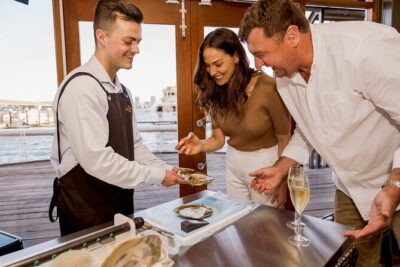
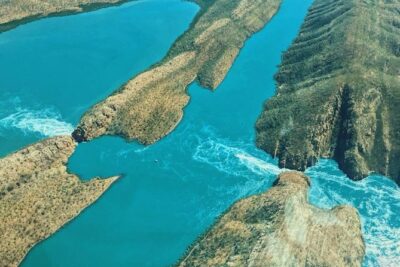
Cygnet Bay Sea Safari & Pearl Farm Tour Scenic Flight
Read our review →
Broome: Helicopter Flight and Willie Creek Pearl Farm Tour
Read our review →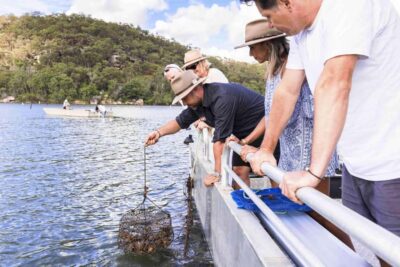
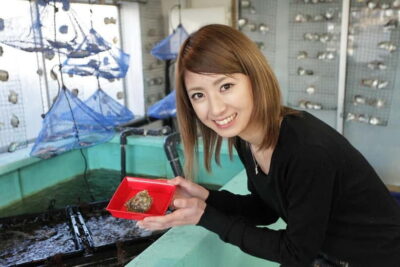
Other lists this farm sits on