
REVIEW · MEXICO
La Paz: Pearl Farm Experience and shop
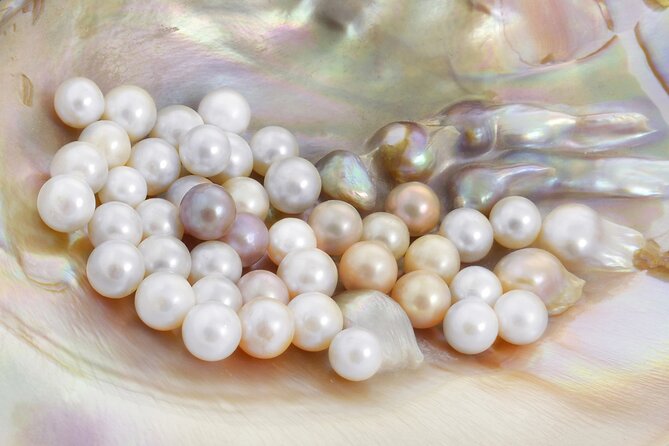
Pearls have a six-year story. This two-hour visit to Perlas de La Paz connects Baja’s pearl tradition with the careful science of modern aquaculture, giving you more than a quick look at jewelry. I like the small group of up to 12 and the chance to see the laboratory and live marine organisms. I also like that the tour explains both local history and the actual cultivation process.
The main consideration is that the visit ends at the pearl shop, so you should expect a sales setting as part of the program. Food, tips, and souvenirs are not included, and the price of $70.02 per person is reasonable for a specialized educational visit, but less attractive if you only want to browse jewelry.
Key points to know before booking
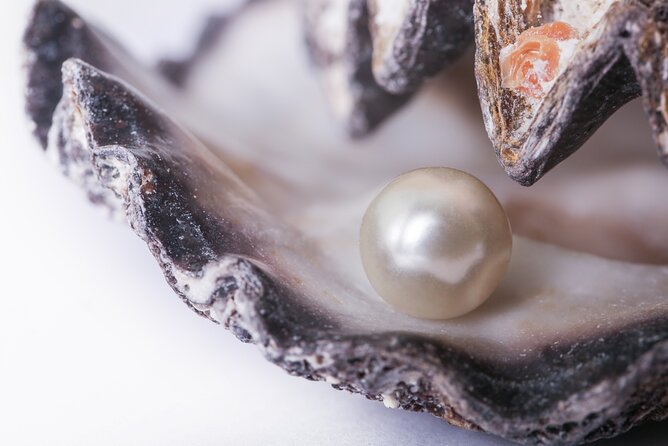
- Pearl cultivation takes center stage: You learn how oysters are prepared, implanted with pearl seeds, and cared for over a process that can take about six years.
- The laboratory is part of the visit: This is not only a retail stop. You see the working side of pearl production and the steps behind the finished product.
- La Paz history gives the tour context: The story reaches from early human contact with pearls in Baja to present-day efforts to restore pearl production in the region.
- Live marine organisms add a hands-on element: You may interact with living sea life while learning how the oysters are cultivated.
- Ivan leads the English presentation: He explains the process clearly and answers questions about oyster varieties, including mother-of-pearl and rainbow-lip oysters.
- The visit stays compact: At about two hours, it fits neatly into a La Paz day, with the activity returning to its port-area meeting point.
Why La Paz pearls matter
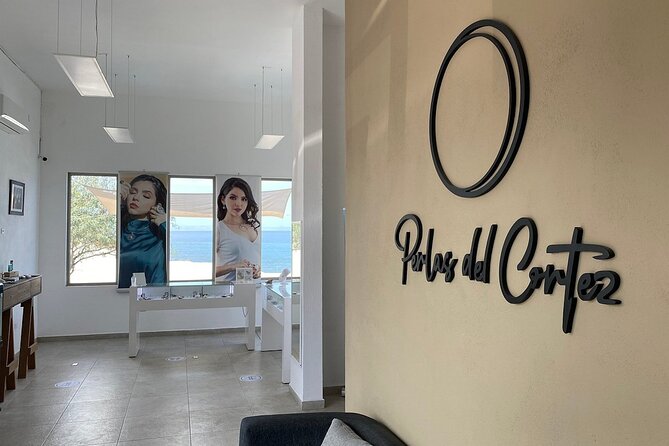
La Paz has an unusually strong connection to pearls. The area is not simply a place where a shop happens to sell marine jewelry. Pearl cultivation is part of the region’s past, and this visit uses that past to explain why local pearls still matter today.
One story shared during the visit links La Paz pearls with the pearl in Queen Elizabeth’s crown. That claim gives the local history some royal sparkle, but the more useful point is what it says about the reputation of pearls from this part of Baja California. They have long been treated as valuable objects, not just attractive souvenirs.
You also learn how people have interacted with pearls over time, from the known history of pearl use in Baja to modern methods for growing oysters. That wider context helps you understand why a farm visit is worthwhile. You are not only looking at a finished necklace in a glass case. You are seeing the connection between local culture, marine life, and a long production cycle.
I appreciate that the tour does not treat pearls as instant products. A pearl may take approximately six years to form. That wait changes how you look at the final object. The jewelry becomes the end of a slow biological process, not merely something selected from a display tray.
The historical portion should appeal to you if you like learning how a local industry developed. It may be less satisfying if you want a long sightseeing tour around La Paz, since the focus stays tightly on pearls, oysters, and the farm’s work.
More Pearl Farm Tours around Mexico:
- La Paz: Pearl Farm Experience and shop
★ 5.0 · 7 reviews - Broken Bay Pearl & Oyster Farm Tours
★ 5.0 · 150 reviews - Incredible Islands Tour – Horizontal Falls & Cygnet Bay Pearl Farm
★ 5.0 · 96 reviews
Starting at the port-area meeting point
The tour begins at Tours Perlas de La Paz, at Avenida Central Poniente esquina Avenida Central Sur, Recinto Portuario, on Av. Pichilingue in La Paz. The listed postal code is 23208, and the activity ends at this same meeting point.
That location matters for planning. The meeting point is near public transportation, so you do not need to treat the visit as a full-day excursion away from town. If you are already arranging time around La Paz’s port area, the two-hour duration makes this an easy addition.
Your confirmation arrives when you book, and a mobile ticket is accepted. The tour is offered in English, which makes the technical explanation easier to follow if you do not speak Spanish. Since the group is capped at 12 people, the setting should feel more personal than a large coach-style presentation.
The small group is especially helpful during the question-and-answer parts. Pearl cultivation involves unfamiliar steps, and it is easy to lose the thread if a guide is speaking to dozens of people at once. Here, you have a better chance to ask about the oysters, pearl seeds, or the length of the growing process.
The meeting details are worth checking carefully before you leave. The name of the port-area site is long, and the address includes several street references. Keep the mobile confirmation ready so you can show the correct destination without relying on memory.
Hearing the story from Ivan
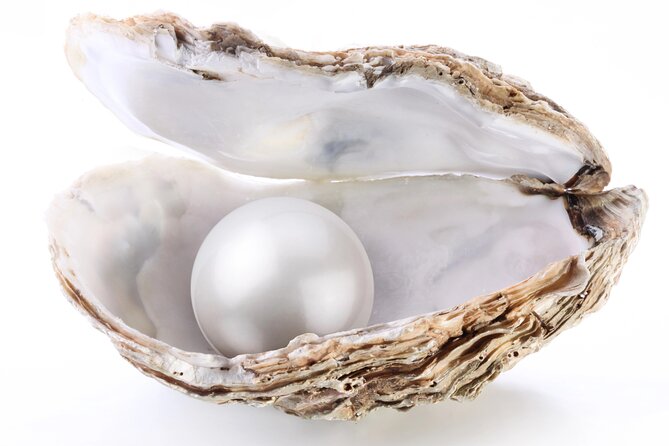
Ivan is the English-speaking guide named in the tour information. His presentation covers the history of pearls in Baja and the way Perlas de La Paz operates today. The strongest part of his role is the ability to connect simple questions with the larger process.
You can ask about how an oyster is prepared, what happens when a pearl seed is inserted, and why the pearl needs so much time to develop. Ivan also explains the cultivation stages and can identify oyster types, including mother-of-pearl and rainbow-lip oysters.
That level of detail is useful because pearl farming can sound mysterious when reduced to a few words. You hear that an oyster grows a pearl, then see that the process requires deliberate handling, biological care, and patience. The guide’s explanation turns a polished object into something you can understand.
The tour also gives you room to support the induction of a pearl. That is one of the most unusual parts of the visit. Instead of only hearing about pearl production after the fact, you get a closer look at the stage when the pearl seed enters the oyster.
You should keep your expectations realistic. This is an educational demonstration, not a chance to produce a finished pearl during your two-hour visit. The final result takes years, so the value is in seeing the method and understanding the work behind it.
Inside the laboratory
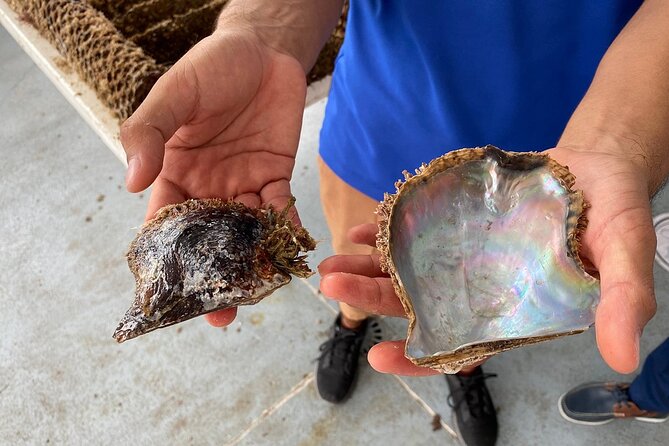
The laboratory visit adds substance to the tour. Without it, a pearl farm visit could easily become a history talk followed by shopping. Seeing the laboratory shows you that pearl cultivation depends on controlled, careful work.
The laboratory is where the process becomes easier to picture. You learn about the steps used to cultivate oysters and implant pearl seeds. You also see how the farm works to bring oysters and their products back to the region.
This is the section I would pay closest attention to. The jewelry shop tells you what the finished product looks like, but the laboratory explains why it costs what it does. A pearl is not simply found, polished, and placed on a chain. It comes from an oyster that needs time and care.
The visit includes appreciation of different types of pearls. Look closely at the differences instead of rushing toward the store. Shape, color, and surface quality help explain why two pearls that seem similar at first glance can carry different values.
The information provided does not promise that you will see every technical stage in operation, so the exact laboratory activity may vary. You can expect an explanation of the process and a look at the cultivation work, but you should not assume the visit is a full scientific facility tour.
More Farm Tours around Mexico:
- Chapala Lake & Ajijic Tour with “Tres Potrillos Ranch”
★ 4.5 · 85 reviews - 3 Palos Lagoon AfroMex Village Turtle Release & Croc Farm Visit
★ 4.5 · 22 reviews - Full-Day Ranch Adventure and Horseback Riding Tour
★ 5.0 · 19 reviews - Hands-on Mexican Farm Experience: from Cow to Cheese
★ 5.0 · 9 reviews
Meeting living marine organisms
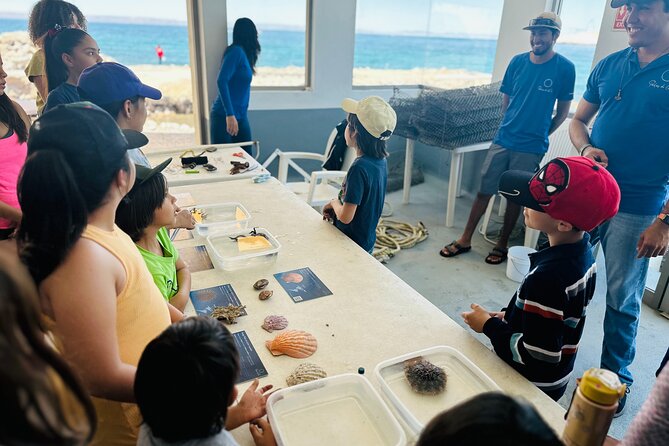
The chance to interact with live marine organisms gives the tour a more direct connection to the sea. You are not studying pearls as detached objects. You are learning from the animals that create them.
That matters for children and for anyone who learns better through direct contact. The living organisms make the process easier to remember, especially after hearing that pearl formation can take about six years.
This part also helps explain the care required in aquaculture. A pearl farm depends on living oysters, so the process is not only about inserting a pearl seed. It involves maintaining the animals long enough for the pearl to form.
The information does not specify exactly which organisms you handle or how much hands-on contact is involved. I would expect a guided interaction rather than an open handling session. Follow the guide’s instructions and treat the marine life as part of the working farm, not as a prop.
The pearl shop and the buying question
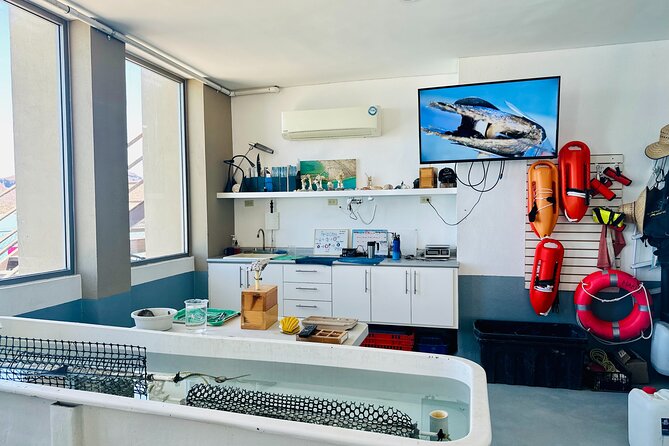
The visit includes an exclusive pearl store, and the activity ends at the same meeting point after the shop portion. This is a natural place to see the finished pearls and jewelry after learning how they are produced.
The shop is not automatically a flaw. If you are considering a pearl purchase, the preceding explanation gives you a better basis for judging what you see. You can ask about the type of oyster, the cultivation process, and how the pearl relates to the farm’s work.
Still, you should know that shopping is built into the experience. Souvenirs are not included in the price, and any purchase is your own expense. If you are not interested in jewelry, the store may feel like a longer ending than you need.
I would treat the shop as optional in spirit, even though it is part of the visit. Listen to the explanation, look at the different pearls, and buy only if something suits your budget and taste. The tour price should be judged by the educational visit, not by the expectation of receiving a pearl or souvenir.
That distinction is important. At $70.02 per person, you are paying for access to a specialized farm visit, a guide-led explanation, the laboratory, marine organisms, and the local story. You are not paying for food, tips, or merchandise. A pearl purchase could add considerably to the day’s cost.
Is two hours enough?
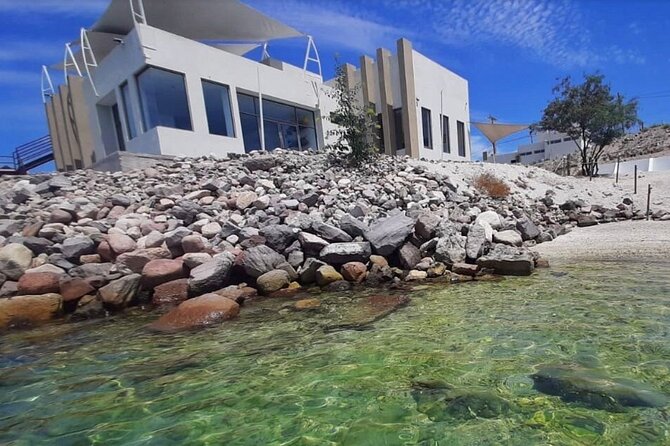
For this subject, two hours is a useful length. You get enough time for history, cultivation, the laboratory, live organisms, and the shop without giving up an entire day in La Paz.
The compact schedule also makes the visit suitable for a morning or afternoon plan. You can pair it with other activities in town because the tour returns to its original meeting point. The exact order and time spent at each part are not specified, so allow the full approximate two hours rather than scheduling something immediately afterward.
The short duration has one tradeoff. You will receive a focused introduction, not an extended course in marine biology or a large-scale farm tour. If you already work with aquaculture or know pearl cultivation well, you may want more technical depth.
For most people, though, the format works. The historical explanation gives you the reason to care, the laboratory shows how the work happens, and the store lets you see the result. It is a tidy arc from Baja’s past to the pearl in your hand.
Who will get the most from this visit?
I would recommend this tour if you enjoy local industries, small museums, marine life, or the story behind an everyday luxury. It also fits families who want an educational stop that does not require a full day.
The English presentation makes it a practical choice for English-speaking visitors. Ivan’s ability to answer questions adds value if you want more than a memorized speech. Ask about mother-of-pearl and rainbow-lip oysters if those varieties interest you.
This is also a good choice for anyone who wants to understand sustainable aquaculture in the region. The tour explains how the farm cultivates oysters and works to bring their products back to La Paz.
I would be more cautious if you are looking for a beach outing, a boat trip, food, or a broad tour of Baja California Sur. None of those are part of the stated program. The subject is narrow by design, and the success of the visit depends on your interest in pearls.
The activity is listed as suitable for most people, and no special physical demands are stated. Since accessibility details are limited, ask the operator directly if you have specific mobility needs or require assistance at the port-area site.
My value judgment at $70.02
The price is on the high side for a two-hour activity, but it covers a specialized experience rather than a simple shop visit. The small group limit, English guide, laboratory access, history, and marine-life component make the cost easier to justify.
I especially like that the tour explains the entire process instead of presenting only a polished retail product. You can leave with a better understanding of why pearls take years to form and how human care shapes the final result.
The value drops if you have no interest in buying, marine cultivation, or local history. The shop is part of the visit, and the experience does not include food or another included item to offset the ticket cost.
For me, the best reason to book is not the promise of finding a bargain. It is the chance to understand a distinctive La Paz industry in a small group, with a guide who can explain the work in English.
Should you book the La Paz pearl farm visit?
Book it if you want a focused, informative stop that links Baja history with living marine organisms and modern pearl cultivation. The laboratory, pearl-seed demonstration, and explanation from Ivan give the visit more substance than a standard jewelry-store stop.
Skip it if you want outdoor adventure, a long coastal outing, or an activity with food included. Also think twice if $70.02 feels too much for two hours and you have no interest in shopping or pearl production.
For the right audience, this is a smart La Paz add-on. You learn why local pearls matter, see the work behind them, and get a clear look at the path from oyster to jewelry. Free cancellation is available if you cancel at least 24 hours before the start time, which gives you some useful planning flexibility.
FAQ
How long does the pearl farm experience last?
The visit lasts approximately two hours and ends back at the original meeting point.
Where does the tour begin?
It begins at Tours Perlas de La Paz, Avenida Central Poniente esquina Avenida Central Sur, Recinto Portuario, Av. Pichilingue, 23208 La Paz, B.C.S., Mexico.
Is the tour offered in English?
Yes. The experience is offered in English, and Ivan is identified as an English-speaking guide.
What is included in the price?
The visit includes the area’s historical background, modern pearl-culturing information, a laboratory visit, an explanation of different pearl types and the cultivation process, and interaction with live marine organisms.
Are food and souvenirs included?
No. Food, tips, and souvenirs are not included.
How far in advance can I cancel?
You can cancel up to 24 hours before the experience starts for a full refund. Cancellations or changes made less than 24 hours before the start time are not accepted for a refund.
Just added around Mexico
- *Turtle Hatching + 3 Palos Lagoon Boat Ride & Crocs Farm★ 4.8 · 6 reviews
- The Colors of Coffee in the Farms of Coatepec★ 5.0 · 3 reviews
- Full-Day Ranch Adventure and Horseback Riding Tour★ 5.0 · 19 reviews
- Farm to Table Cooking Experience in San Miguel★ 5.0 · 4 reviews
- Hands-on Mexican Farm Experience: from Cow to Cheese★ 5.0 · 9 reviews
- Urban Orchard in Desierto de los Leones in Mexico City★ 5.0 · 9 reviews
- La Paz: Coral Farm Snorkel Tour★ 5.0 · 3 reviews
- Cozumel: Hands-On Chocolate, Tortilla, Salsa & Honey Experience★ 5.0 · 6 reviews
Pearl Farm Tours, farm by farm.

Incredible Islands Tour – Horizontal Falls & Cygnet Bay Pearl Farm
Read our review →
Cygnet Bay Pearl Farm Behind-the-Scenes Tour & Live Harvest
Read our review →
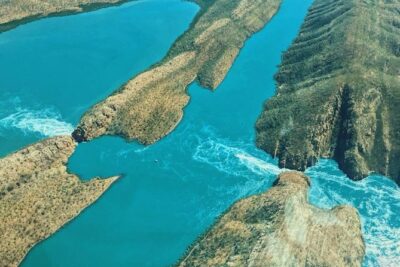
Cygnet Bay Sea Safari & Pearl Farm Tour Scenic Flight
Read our review →
Broome: Helicopter Flight and Willie Creek Pearl Farm Tour
Read our review →

Other lists this farm sits on