
REVIEW · MEXICO
La Paz: Coral Farm Snorkel Tour
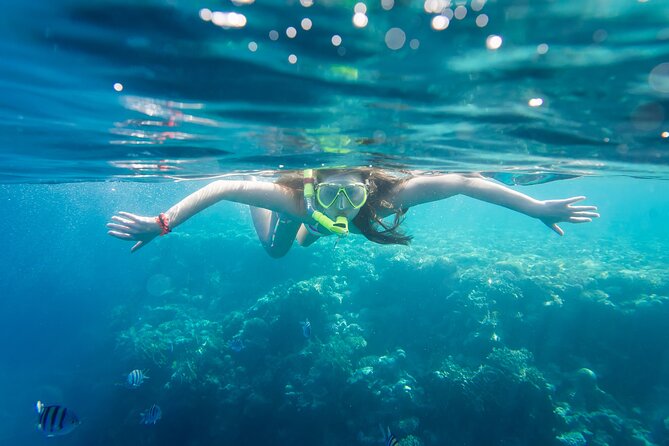
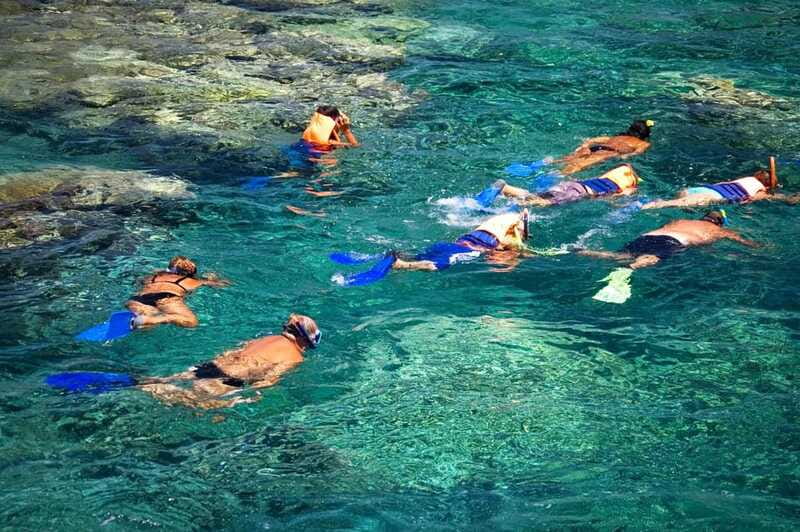
Coral restoration takes center stage here. This two-hour eco-tour in Baja California Sur combines a clear lesson about coral conservation with guided snorkeling through a working coral nursery and a natural reef at Pichilingue. I like the hands-on restoration focus, and I like that you see both a human-made recovery project and a living reef in the same outing. The main consideration is simple: you need to be a swimmer, and the tour is not designed for anyone who is uncomfortable in the water.
The experience costs $68 per person, including a mask, snorkel, fins, wetsuit, coral talk, and guided tour of the coral beds. That is a fair price if you want more than an unstructured swim, though it may feel high if your only goal is to float and look at fish. The guides speak English and Spanish, and the father-and-daughter team has earned especially warm praise for making the conservation work personal, friendly, and easy to understand.
Key Points At A Glance
- Two underwater settings: Visit the coral incubation and growth beds, then snorkel a natural reef in Pichilingue.
- Conservation comes first: The opening talk explains why coral matters and why restoration is needed.
- Equipment is included: You receive a mask, snorkel, fins, and wetsuit.
- A short, focused outing: The full experience lasts two hours, making it easy to fit into a La Paz day.
- Best for confident swimmers: Non-swimmers should not book this activity.
- English and Spanish guides: You can take part in either language.
Why This Coral Tour Feels Different
Many snorkeling trips are built around scenery alone. This one gives you a reason to look more closely. You are not simply passing over a reef and checking off a water activity. You first learn how coral supports marine life, then see restoration work in progress, followed by a natural reef where you can observe the wider ecosystem.
That order matters. The talk gives you a basic framework before you enter the water. You can better understand what the nursery beds are doing, why corals need protection, and how damaged marine areas can begin to recover. The lesson is part of the tour, not a long classroom pause before the fun starts.
I also like the scale of the experience. At two hours, it does not ask you to surrender half a day to a single activity. You get a focused introduction to coral conservation, two snorkeling areas, and equipment rental in one compact package.
Still, this is not the right outing for every beachgoer. If you do not swim, or if you prefer to stay on a boat and watch the water from above, you should choose another activity. The coral nursery and natural reef are experienced from the water, and the supplied gear does not remove the need for basic swimming ability.
More Farm Tours around Mexico:
- Chapala Lake & Ajijic Tour with “Tres Potrillos Ranch”
★ 4.5 · 85 reviews - 3 Palos Lagoon AfroMex Village Turtle Release & Croc Farm Visit
★ 4.5 · 22 reviews - Full-Day Ranch Adventure and Horseback Riding Tour
★ 5.0 · 19 reviews
The Coral Talk Sets The Scene
The experience begins with an informative talk about corals and their role in nature. The exact length of the presentation is not specified, but it is clearly meant to prepare you for what you will see rather than fill time with technical detail.
That introduction adds real value. Coral ecosystems provide shelter and habitat for marine life, so even a small restoration site can have meaning beyond its size. You will hear why conservation is necessary and how coral nurseries help support damaged ecosystems. The setting in the Mexican Pacific also gives the lesson a clear local connection.
The most appealing part is the direct link between the explanation and the snorkeling. After hearing about incubation and growth beds, you get to see those beds underwater. This makes the conservation message easier to remember than a general talk about ocean protection delivered far from the reef.
The guides are also a key part of the experience. The father-and-daughter team has been praised for answering questions, explaining the work with care, and helping participants feel connected to the project. Their family connection to the activity gives the outing a personal tone. You are learning from people who clearly care about the ocean and about sharing that concern with the wider community.
Entering The Coral Nursery
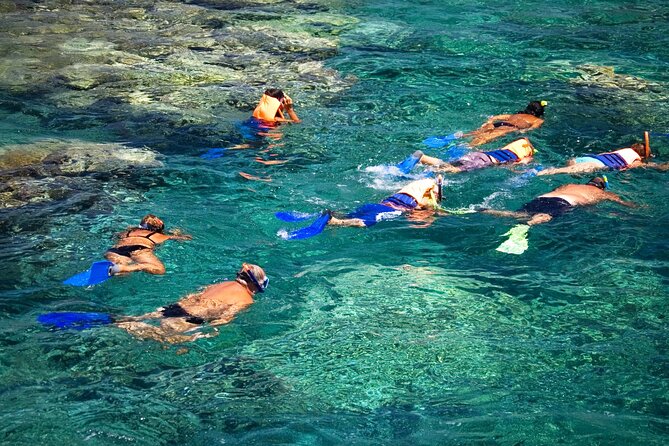
After the introduction, you receive your snorkeling equipment: mask, snorkel, fins, and wetsuit. Since the gear is included, you do not need to pack or rent the basics separately. A wetsuit can also make the time in the water more comfortable, especially for anyone who cools off quickly.
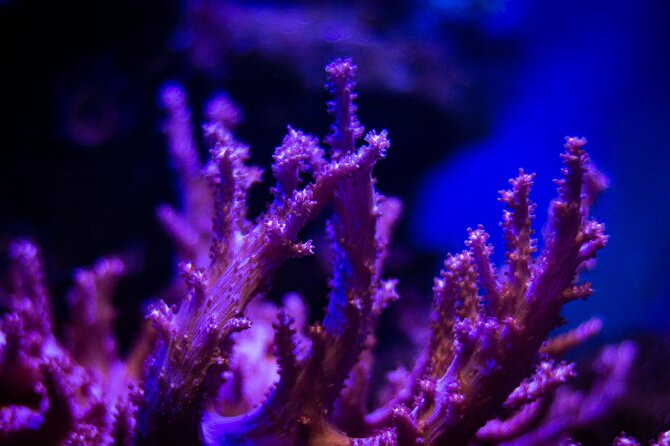
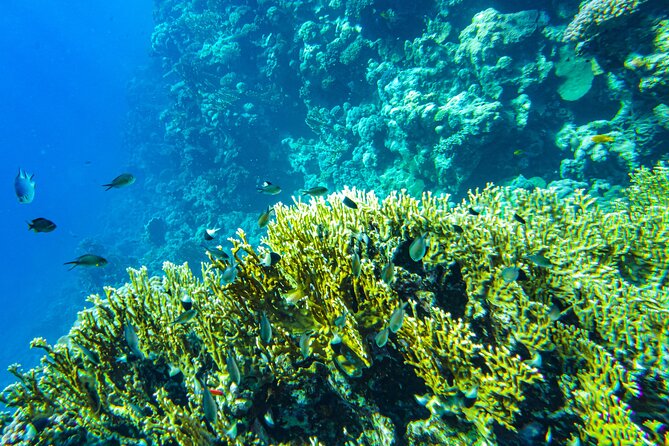
The first water section takes place around the coral incubation and growth beds. These nursery areas are the heart of the tour. Instead of seeing only a finished reef, you get a look at the restoration process itself.
The phrase coral farm can sound like a polished visitor attraction, but the important point is that this is a working restoration nursery. You are looking at coral being supported and grown as part of a larger effort to restore marine habitat. That gives the snorkeling a purpose. Each coral structure becomes part of a bigger story about recovery and care.
Your guide leads you through the coral beds rather than leaving you to figure out what you are seeing. That matters underwater, where a small coral fragment or nursery structure can be easy to miss. The guided format should help you pay attention to the details and understand what makes the nursery different from the natural reef later in the tour.
You should also keep your expectations sensible. A coral nursery is a restoration site, not necessarily a vast natural reef packed with wildlife at every turn. Its value comes from seeing the process and learning what conservation looks like at close range. If you want a simple spectacle, the natural reef may be the more visually satisfying part. If you want insight, the nursery is the reason to book.
Snorkeling The Natural Reef At Pichilingue
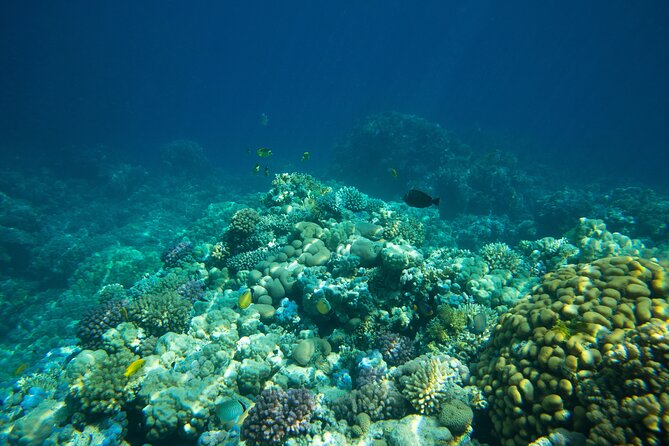
The tour continues to a natural reef in Pichilingue. This second setting lets you compare a restored or cultivated environment with a reef that has developed naturally.
Here, you can appreciate the biodiversity associated with reef ecosystems. The tour description does not promise particular fish, turtles, visibility conditions, or coral species, so you should avoid arriving with a fixed wildlife checklist. Marine conditions change, and the experience is best approached as a chance to observe the reef rather than demand a specific sighting.
The natural reef adds balance to the nursery visit. At the coral beds, you focus on restoration. At Pichilingue, you see the broader setting that makes restoration worth doing. The contrast can help you understand that coral is not just a pretty underwater decoration. It forms part of a living system that supports many kinds of marine life.
This is also where your swimming ability matters most. You need to manage yourself in the water while using a mask and snorkel, follow the guide, and remain comfortable enough to observe rather than rush. Non-swimmers are specifically excluded, and that rule should be taken seriously.
Same fields, a different sort of morning:
- Horseback, Culture & Mexican Flavors Experience
★ 4.5 · 67 reviews - Hands-on Mexican Farm Experience: from Cow to Cheese
★ 5.0 · 9 reviews - Urban Orchard in Desierto de los Leones in Mexico City
★ 5.0 · 9 reviews - Cabo: Todo Santos Tour with Camel Ranch, Tequila and Lunch
★ 5.0 · 9 reviews
What The $68 Price Includes
At $68 per person, the tour sits in the moderate range for a short guided snorkeling activity. The value depends on what you want from the outing.
You are paying for more than access to water. The price includes:
- A coral conservation talk
- Full snorkeling equipment
- A wetsuit
- A guided visit to the coral beds
- A natural reef snorkeling stop
- A live guide in English or Spanish
The educational element is the main difference between this and a basic beach rental. You are receiving interpretation, access to a coral restoration project, and guidance at both underwater locations. For someone interested in marine conservation, that makes the price easier to justify.
Food and souvenirs are not included. Since the activity lasts only two hours, this is not a major issue, but you should not expect a meal or a take-home item as part of the package. Plan your own food around the outing if needed.
There is also practical financial flexibility. You can reserve now and pay later, and cancellations made at least 24 hours ahead qualify for a full refund. Those terms are useful if your La Paz schedule is still shifting, though you should check the available starting times before committing to a particular day.
Who Will Enjoy This Most
I would recommend this tour to a few specific kinds of visitors.
If you enjoy learning how places are protected, you will get more from it than from a standard snorkeling trip. The coral talk and nursery visit give you context, while the natural reef provides the visual payoff.
It is also a good match for couples, friends, and families with older children who can swim confidently. The father-and-daughter guide team has been praised for being warm and responsive, which can make the experience feel approachable even if you know little about coral science.
The tour suits anyone who wants a short activity rather than a full-day excursion. Two hours leaves room for other La Paz plans, and the compact format keeps the focus clear.
You should think twice if you dislike guided activities. The tour is built around explanation and direction, not independent snorkeling. You should also skip it if you are not a swimmer. This is not a place to learn basic water skills from scratch.
Small Details That Shape The Day
The included equipment removes one common hassle. You do not need to bring a mask, snorkel, fins, or wetsuit, though you may still want to bring any personal items you normally use for a water outing. The supplied gear also means the activity is accessible to visitors who did not arrive in La Paz with snorkeling equipment.
Because the tour is offered in English and Spanish, you can choose the language that lets you ask questions most comfortably. That is especially helpful during the coral talk, where the educational portion is central to the experience.
The two-hour schedule is another practical advantage. It is long enough to cover the explanation, nursery, and natural reef, but short enough to fit around other plans. Check the starting times when booking, since the available schedule can affect how easily you combine it with the rest of your day.
The experience has received two recent verified five-star evaluations, with praise focused on friendly guides, clear answers, smooth organization, and the chance to understand the conservation work more personally. One especially strong detail is the sense that the guides want to educate the local community and leave the ocean in better condition. That spirit gives the activity more heart than a standard equipment-and-water package.
Should You Book The La Paz Coral Farm Tour?
Book it if you are a confident swimmer who wants your snorkeling to teach you something. The combination of a coral nursery, a natural reef at Pichilingue, conservation education, and included equipment makes this a thoughtful two-hour outing.
I would not book it solely for a guaranteed wildlife spectacle. Specific marine sightings are not promised, and the nursery is valuable because of its restoration work, not because it is designed as a show. You should also skip it if you do not swim or prefer a completely independent beach experience.
For the right person, $68 is a fair price. You get a short, focused activity with real environmental purpose, friendly bilingual guidance, and access to a project you would not understand as well from the shoreline. Bring curiosity, listen closely, and let the reef be more than just a backdrop for a swim.
FAQ
How long does the La Paz Coral Farm Snorkel Tour last?
The activity lasts two hours.
What languages are available?
The live tour guide is available in English and Spanish.
Is snorkeling equipment included?
Yes. The tour includes a mask, snorkel, fins, and wetsuit.
What places will the tour visit?
You will visit the coral incubation and growth beds, then explore a natural reef in Pichilingue.
Is the tour suitable for non-swimmers?
No. The activity is not suitable for non-swimmers.
Can I cancel for a full refund?
Yes. You can cancel up to 24 hours in advance for a full refund.
Just added around Mexico
- *Turtle Hatching + 3 Palos Lagoon Boat Ride & Crocs Farm★ 4.8 · 6 reviews
- The Colors of Coffee in the Farms of Coatepec★ 5.0 · 3 reviews
- Full-Day Ranch Adventure and Horseback Riding Tour★ 5.0 · 19 reviews
- Farm to Table Cooking Experience in San Miguel★ 5.0 · 4 reviews
- Hands-on Mexican Farm Experience: from Cow to Cheese★ 5.0 · 9 reviews
- Urban Orchard in Desierto de los Leones in Mexico City★ 5.0 · 9 reviews
- La Paz: Pearl Farm Experience and shop★ 5.0 · 3 reviews
- La Paz: Coral Farm Snorkel Tour★ 5.0 · 3 reviews
Mexico Farm Tours, farm by farm.
Chapala Lake & Ajijic Tour with “Tres Potrillos Ranch”
Read our review →
Horseback, Culture & Mexican Flavors Experience
Read our review →
3 Palos Lagoon AfroMex Village Turtle Release & Croc Farm Visit
Read our review →
Full-Day Ranch Adventure and Horseback Riding Tour
Read our review →

Los Cabos: Azteca Cactus Taco Farm to Table Cooking Class
Read our review →
Cabo: Todo Santos Tour with Camel Ranch, Tequila and Lunch
Read our review →
Urban Orchard in Desierto de los Leones in Mexico City
Read our review →Other lists this farm sits on