

REVIEW · CHIANG MAI
Chiang Mai: Half-Day Rice Farming Experience
Mud tells the real story. This four-hour Chiang Mai outing takes you from the city to Mae Win, where you can wear traditional Thai farmer clothing, prepare seedlings, and plant rice by hand. I like the honest, hands-on approach, and I like that shared hotel transport makes a rural morning easy to arrange. The main consideration is simple: rice farming is physical work, and the activity changes with the season.
You will leave Chiang Mai early, spend about 70 minutes in a shared van, then work in or near a paddy for roughly three hours. The quiet countryside, traditional rice steaming, and simple Thai-style meal give the visit a useful cultural setting rather than reducing it to a quick photo stop. Still, do not book this if you have back problems or need a wheelchair-accessible activity.
Key points before you book
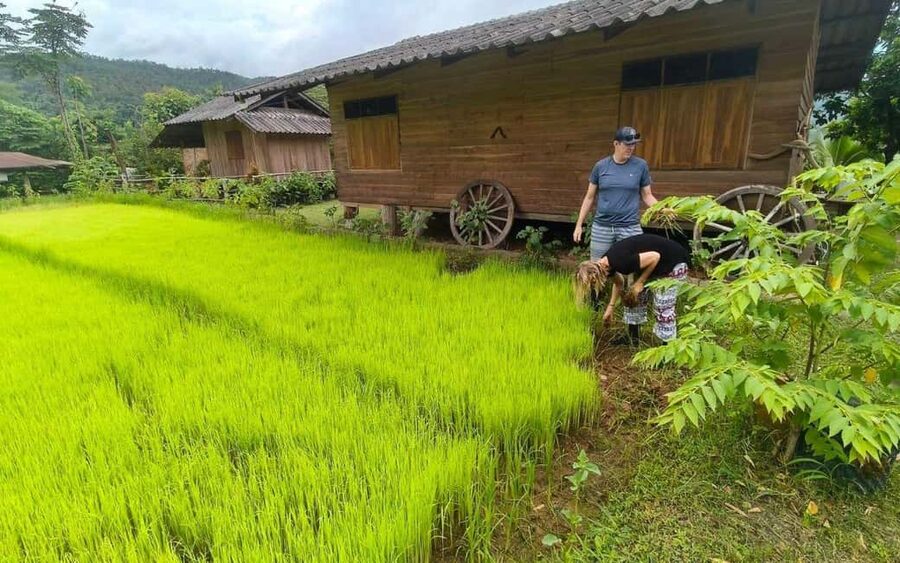
- Plant rice with your own hands: You remove young seedlings from a nursery bed and place them in the muddy paddy.
- Season affects the work: Rice planting usually takes place from May through July, while other months focus on growth, harvest, drying, or limited activity.
- Mae Win is the main setting: The countryside visit includes a photo stop, guided instruction, and a farming workshop.
- Traditional clothes and tools are supplied: You can work without bringing special equipment, though spare clothes are essential.
- The $60 price covers the practical basics: Shared city transfers, an English-speaking guide, clothing, tools, activities, a meal, and accident insurance are included.
- Allow extra time after the tour: Traffic and operating conditions can affect the return, so this is a poor match for a tight flight connection.
Why this Chiang Mai rice tour feels different
Many cultural activities let you watch. This one asks you to work.
That difference matters. Rice is a daily staple in Thailand, but a bowl on your table can hide the labor behind it. Here, you handle seedlings, work in wet soil, and see how the crop begins its journey. You will not simply hear that rice farming takes effort. You will feel some of that effort in your legs and back.
The farming portion is designed for all ages, but that does not mean it is effortless. A five-star assessment of the activity described it as interesting while also pointing out the hard work involved. That is the right expectation. You are signing up for a short taste of farm labor, not a gentle countryside stroll.
The clothing adds a playful cultural touch. You change into traditional Thai farmer clothes before the activity, which helps mark the shift from city visitor to temporary farm helper. It also makes for better photographs, though the clothes should be treated as workwear, not as a costume for staying clean. Mud is part of the deal.
The setting near Mae Win gives the morning room to breathe. Instead of spending the whole activity in Chiang Mai’s urban center, you reach an area surrounded by rice fields and quieter rural views. I like that the countryside is not just scenery here. It provides the working context for the lesson.
More Rice Farming Experiences around Chiang Mai:
- The Rice Barn Thai Cooking Farm Chiangmai
★ 5.0 · 603 reviews - Living Land Rice Farming Experience
★ 5.0 · 93 reviews - Hoi An Wet Rice Farming Tour Private Round Boat Fishing & Lunch
★ 5.0 · 13 reviews
Leaving Chiang Mai early for Mae Win
Pickup begins from about 7:30 AM, with the exact time confirmed after you provide your full hotel name and address. The included transfer covers hotels in Chiang Mai city within five kilometers of the Three Kings Monument.
The drive to Mae Win takes about 70 minutes by shared van. That is a useful benefit if you do not want to arrange a taxi or navigate local transport before breakfast. It also means you should expect a morning in transit, not four hours of activity right outside your hotel.
If your hotel falls outside the pickup area, two meeting points are available: McDonald’s Im Thapae or MAYA Lifestyle Shopping Center near the Starbucks area in front of the mall. The van stops close to the stated meeting point, so check your messages carefully and keep a WhatsApp-enabled phone number active for contact on the day.
Shared transport keeps the cost more reasonable, but it removes some control over timing. Pickup can vary by location, and traffic can delay both the outward and return journeys. If you are arriving in Chiang Mai that same day, or you have a flight soon after the tour, choose another date. The operator does not provide airport drop-off.
Changing clothes and learning the rice cycle
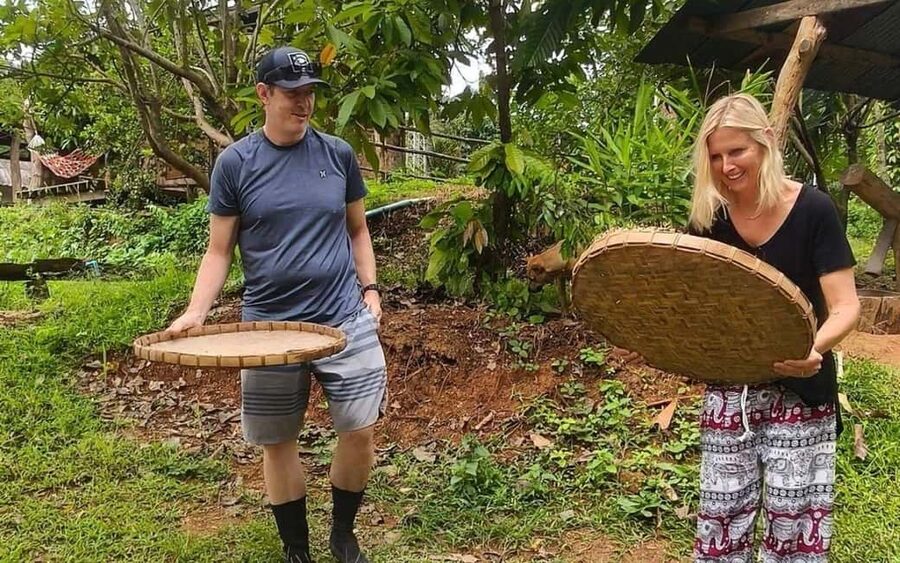
At the rural site, you change into traditional farmer clothing and receive the farming tools needed for the activity. This is a good point to protect your personal belongings and keep valuables to a minimum. The supplied clothing does not remove the need for practical preparation.
Wear something that can get dirty underneath or bring a complete change of clothes. Add a hat, sunscreen, and insect repellent to your day bag. Personal medication is also listed as something to bring. Closed shoes that you do not mind getting muddy are a sensible choice, although the supplied information does not specify a required type of footwear.
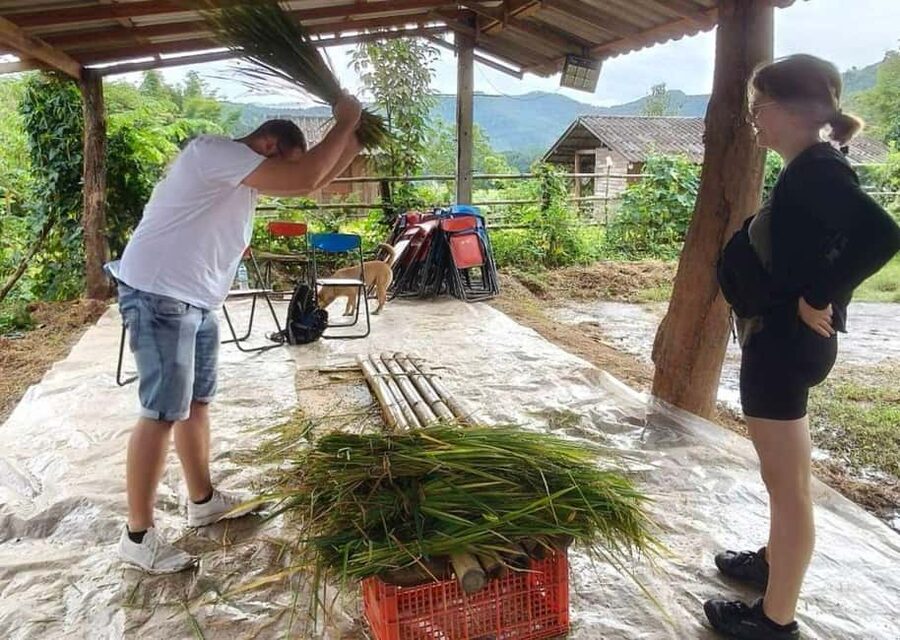
The lesson begins with the early stages of rice cultivation. You learn how seedlings are prepared, then try removing young plants from a nursery bed. This small step is important because it shows that planting does not begin with a handful of seeds tossed into a field. The young plants need care before they reach the paddy.
Your English-speaking local guide explains the process and directs the work. The value of the guide is practical: you need to know how to pull the seedlings, how to handle them, and where to place them. Since the activity is hands-on, the instructions can make the difference between a useful lesson and a muddy muddle.
Planting seedlings in the muddy paddy
The main event is planting rice by hand in a muddy field.
Expect to bend, squat, step carefully, and work with wet soil. You take prepared seedlings and set them into the paddy according to the method shown by the local farming team. The task is straightforward to understand, but repeated movement makes it more tiring than the cheerful photographs may suggest.
I like this part because it gives you a physical connection to rural life. You do not need prior farming experience. The activity is presented as suitable for families and curious visitors of different ages, though anyone with back trouble should skip it. Wheelchair users will also find this activity unsuitable.
The mud is not a nuisance to be avoided. It is the point of the exercise. Still, your enjoyment depends on accepting that clothes and shoes may become dirty. Bring a change of clothes, and do not schedule an important dinner or formal event immediately afterward unless you have enough time to wash and change.
The work also helps explain the price in a way a standard sightseeing stop cannot. At $60 per person, you are paying not only for admission to a rural area, but also for transport, a guide, clothing, tools, food, and a planned activity. Whether that is good value depends on your priorities. If you want temples and city landmarks, spend the money elsewhere. If you want a structured cultural activity without arranging a rural transfer yourself, the package is easier to justify.
More Half-Day Trips around Chiang Mai:
- Half-Day Thai Cooking Class at Organic Farm in Chiang Mai
★ 5.0 · 19,087 reviews - Chiang Mai: HALF-DAY COOKING COURSE at a Thai Cooking Farm
★ 4.9 · 705 reviews - Chiang Mai Farm Life & Khao Soy Tasting on a Half-Day Boat Tour
★ 4.5 · 64 reviews - Half-Day Thai Cooking Class on a Local Farm Near Chiang Mai
★ 4.9 · 32 reviews
Watching rice steam the traditional way
After the fieldwork, the pace slows with a demonstration of traditional rice steaming. The technique has been passed through generations, and it shows the food side of the farming story.
This is a useful second half to the activity. Planting explains how the crop begins, while steaming shows how rice becomes part of a Thai household meal. You get a clearer sense of the crop as food, not just as a green field or a farming photograph.
The demonstration is not described as a cooking class, so keep your expectations in check. You will watch the traditional method rather than necessarily preparing a full dish yourself. That is still worthwhile after the physical work, especially if you are interested in everyday food customs rather than restaurant dining.
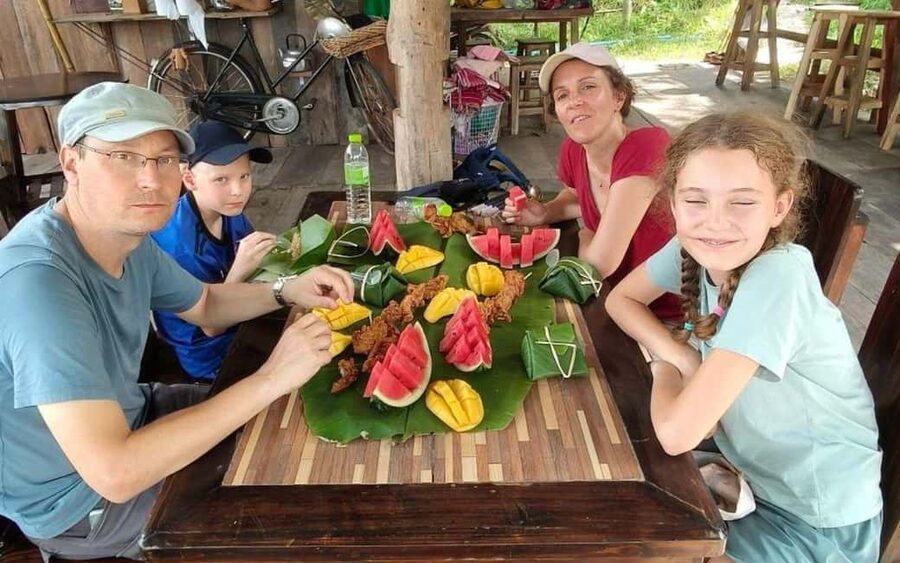
A simple Thai-style meal follows. The supplied information does not specify the menu, so do not plan around a particular dish. Think of it as a modest meal and a chance to rest, rather than a culinary tasting menu.
The meal also gives families a natural pause. Younger children may enjoy the planting, then need time to dry off and eat. Adults get a chance to sit, take photographs, and enjoy the quieter side of the countryside before the return drive.
The changing experience through the year
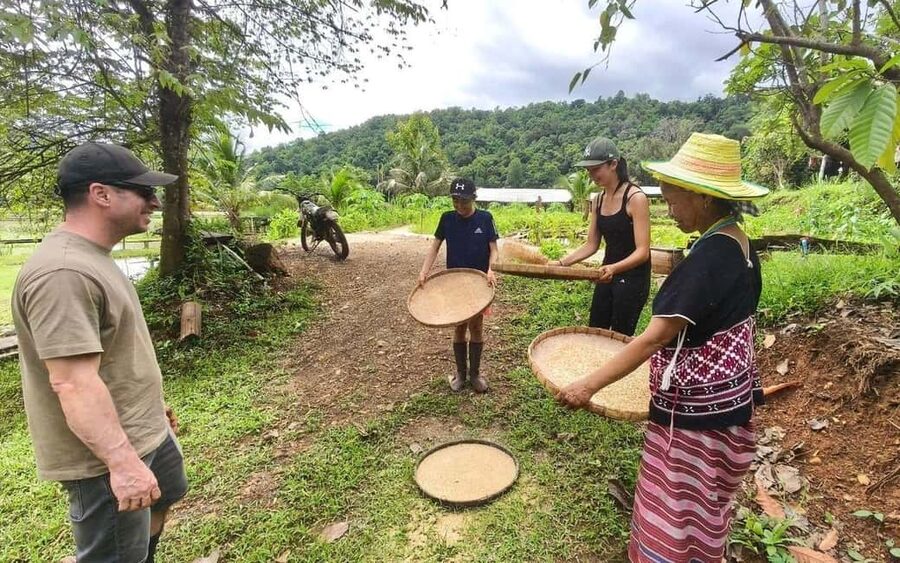
You should check the farming calendar before booking. The activity is not identical in every month.
- May through July: Seedlings and transplanting are the main focus. This is the best period if planting rice is your priority.
- August through October: The fields are in the growth and maintenance stage. The activity may focus more on caring for the crop than putting seedlings into the soil.
- November through February: Harvesting and drying are expected themes.
- March through April: This is the off-season, and some farming activities may not be available.
That seasonal variation is a strength if you want to see real farming rather than a fixed performance. It is also a possible disappointment if you book specifically to plant rice and visit outside the May to July period.
During the off-season, contact the operator before booking to confirm what can be done. Reservations are normally required at least two days ahead. Last-minute bookings one day before departure may be possible, but you need to contact the operator first.
Who will enjoy the four-hour format
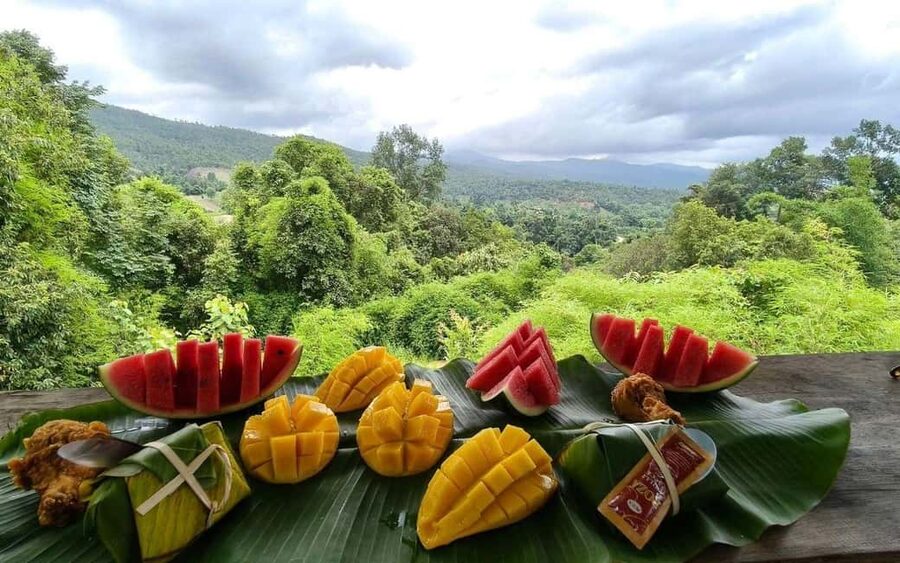
I would recommend this for families, culture-focused visitors, and anyone who wants a break from temples, markets, and city streets. The activity has a clear purpose, a manageable length, and enough variety to keep the morning moving from transport to clothing change, fieldwork, food preparation, and lunch.
It also suits people who prefer participation over passive sightseeing. You will remember the mud, the seedlings, and the bending far more clearly than another short stop where you only take pictures.
The tour is less suitable for anyone seeking luxury or a polished farm attraction. The included meal is simple, the transport is shared, and the work is genuinely physical. That plain quality is part of the appeal, but it will not suit every style of holiday.
People with back problems should not book. The same applies if you use a wheelchair, since the activity takes place around a muddy paddy and includes manual planting. Pets, alcohol, and drugs are not allowed.
If several people in your party book separately, send all booking references at least two days before the travel date. Otherwise, the operator cannot promise that everyone will ride in the same van.
Is $60 a fair price?
At $60, this is not the cheapest way to spend a morning near Chiang Mai. The value comes from the number of practical elements bundled together.
You receive shared round-trip transport from central Chiang Mai, an English-speaking guide, traditional clothing, farming tools, seedling preparation, planting, a rice steaming demonstration, a simple Thai-style meal, and accident insurance. A passport copy or photo is required on the travel date for the insurance.
The shared van keeps the price below what a private countryside outing would normally cost, but you give up flexibility. Pickup and return timing depend on other passengers, traffic, and operating conditions. I would call the price fair for someone who wants a ready-made rural activity and does not want to negotiate separate transport, food, and instruction.
The value is weaker if you only want photographs or countryside views. You can find less expensive ways to see rural scenery. Here, the central product is the work itself.
Practical preparation for a better morning
Bring a hat, sunscreen, insect repellent, personal medication, and a full change of clothes. You should assume that shoes, trousers, and possibly the supplied farmer clothing will become muddy.
Keep your phone protected from water and soil. A WhatsApp-enabled number is important because the guide may need to contact you on the day. Check your email for the confirmed pickup time rather than relying only on the general 7:30 AM starting point.
Do not book this around a flight. The return time can change because of traffic and operational conditions, and airport drop-off is not included. The activity is best placed on a day when you have room to spare.
The operator offers free cancellation up to 24 hours before departure, and you can reserve now and pay later. Those terms help if your schedule is still moving, but seasonal availability still needs checking, especially in March and April.
Should you book the Chiang Mai rice farming experience?
Book it if you want to do something with your hands, learn how rice reaches the table, and spend part of your Chiang Mai visit in a working rural setting. The planting, traditional clothing, steaming demonstration, and simple meal create a well-shaped half-day with a clear cultural purpose.
Skip it if you have back problems, need wheelchair access, dislike mud, or have a flight soon after. Also think carefully about the month. May through July offers the clearest chance to plant rice, while later visits may focus on maintenance, harvest, or drying.
For the right person, the best memory will not be the clothing or the photo stop. It will be the moment you realize that a few rows of rice require patience, balance, and plenty of physical effort.
FAQ
How long does the rice farming experience last?
The activity lasts four hours in total. The drive from Chiang Mai to Mae Win takes about 70 minutes, and the countryside portion is scheduled for about three hours.
What time does pickup begin?
Pickup begins from about 7:30 AM. Your exact pickup time depends on your hotel location and will be confirmed after you provide the complete hotel name and address.
Where is hotel pickup available?
Shared pickup and drop-off are offered from hotels in Chiang Mai city within five kilometers of the Three Kings Monument. If you are outside the service area, meeting points are available at McDonald’s Im Thapae and MAYA Lifestyle Shopping Center near Starbucks.
What farming activities are included?
You learn how seedlings are prepared, remove young seedlings from a nursery bed, and plant them by hand in a muddy rice paddy. Traditional farmer clothing and farming tools are provided.
Is rice planting available all year?
No. Planting and transplanting usually take place from May through July. August through October focuses on field maintenance and rice growth, November through February covers harvesting and drying, and some activities may not be available during the March through April off-season.
Is a meal included?
Yes. A simple Thai-style meal is included after the farming activity. The exact menu is not specified.
What should I bring?
Bring a hat, sunscreen, insect repellent, personal medication, and a change of clothes. Muddy conditions make spare clothing especially useful.
Can I take this tour before a flight?
It is not recommended if you have a tight schedule or a flight afterward. Return times can vary because of traffic and operating conditions, and airport drop-off is not provided.
Just added around Chiang Mai
- Authentic Thai Cooking Class and Farm Visit in Chiang Mai★ 5.0 · 66 reviews
- Aroidee’s Farm-Fresh Thai Cooking Experience★ 5.0 · 8 reviews
- Full-Day Thai Cooking Class with Grandma – Market and Farm Tour★ 5.0 · 48 reviews
- Chiang Mai Farm Life & Khao Soy Tasting on a Half-Day Boat Tour★ 4.5 · 64 reviews
- One Day Tour Doi Suthep Temple, Palad Temple, Orchid Farm, Longneck hill tribe village (Private tour)★ 5.0 · 7 reviews
- Doi Suthep Temple, Pha Lat Temple, Sticky Waterfall, Orchid farm★ 5.0 · 31 reviews
- Chiang Mai Mae Ping River Cruise and Thai Farmer House Visit★ 4.0 · 3 reviews
- Local Farming Experience in Chiang Mai, Thailand★ 5.0 · 3 reviews
Rice Farming Experiences, farm by farm.
Hoi An Wet Rice Farming Tour Private Round Boat Fishing & Lunch
Read our review →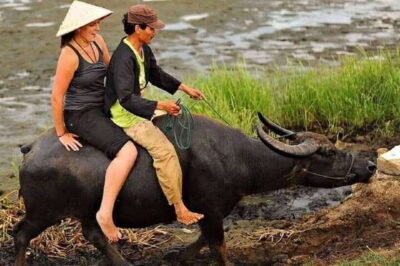
Hoi An Wet Rice Farming Tour-Basket Boat Tour Fishing-Lunch
Read our review →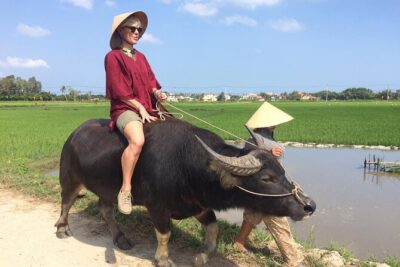
Hoi An Rice Farm Tour and Buffalo Riding with Local Home Meal
Read our review →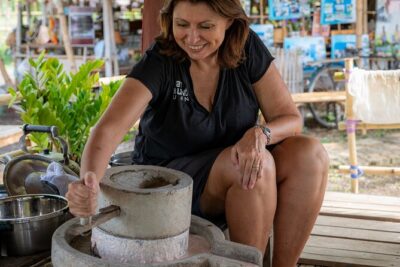
Plough to Plate: Be A Rice Farmer in Phetchaburi from Hua Hin
Read our review →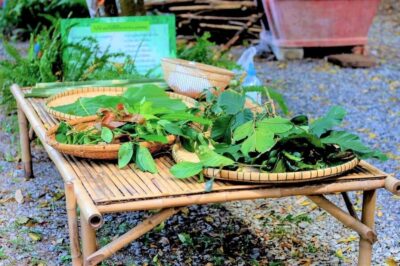
Cultural immersion: Thai cooking, rice farming, eco printing
Read our review →
Other lists this farm sits on