
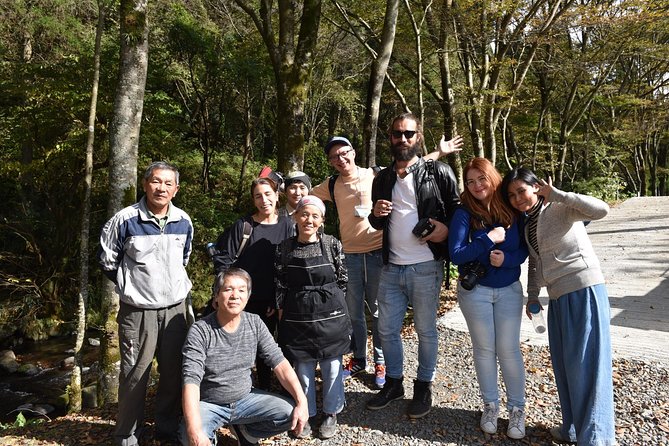
REVIEW · JAPAN
Aso Caldera and Farm Experience Tour
Volcano views meet lunch from the garden. This private Aso tour pairs the sweeping sight from Daikanbo with a hands-on visit to rural Japan, where you harvest seasonal vegetables, help prepare food, and eat with local hosts. I especially like the private format and the rare chance to meet people in a small countryside community. The main concern is weather: poor conditions can cancel the outing, and you need moderate physical fitness for the outdoor portions.
The experience costs $156.09 per person and begins at 9:00 a.m. It is a good fit if you want more than a lookout photo and prefer a personal connection to the region. The farm portion is the heart of the day, while Daikanbo gives you the big picture first. You should also know that the meeting point and ending point are different, although free transportation is offered to the same pickup locations.
Key points to know before booking
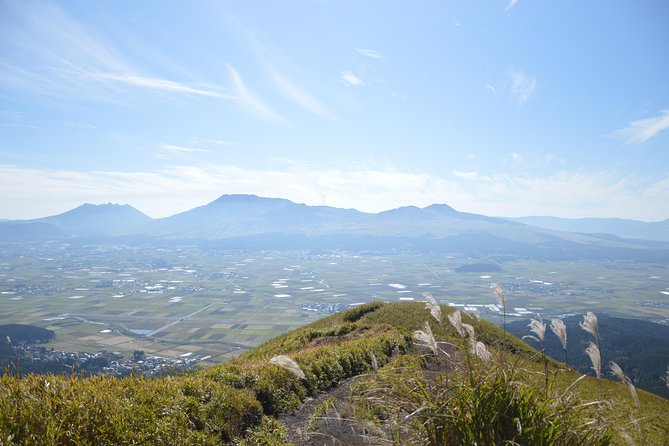
- Daikanbo gives you Aso’s grandest view: See the five peaks of Mt. Aso and the enormous volcanic caldera from the north wall.
- The farm visit takes about three hours: You harvest seasonal vegetables, prepare local food, and share lunch with people from the area.
- It is a private tour: Only your group takes part, with an English-speaking guide.
- The food is part of the activity: This is not just a meal in the countryside. You help gather ingredients and cook them.
- Tateiwa Suigen Park may change: The farming experience can take place at Tateiwa Suigen, Gonbei Mura, or another similar local site.
- Weather matters: Poor weather can lead to a new date or a full refund, and the tour requires moderate physical fitness.
Why this pairing works so well
Aso can be easy to experience from a car window. You stop at a viewpoint, take pictures, and move on. This outing gives you two different ways to understand the area: first through the enormous volcanic setting, then through the daily work and food of the people who live around it.
I like that the tour does not treat rural Japan as scenery alone. The caldera explains the shape of the region, but the farm visit shows how people use its soil and water. That makes the day feel connected rather than like two unrelated stops.
The private setup is another real advantage. You are not folded into a large bus group, so the pace and conversation can focus on your own group. An English-speaking guide helps bridge the gap between the scenery, the local history of the volcano, and the farming traditions you see firsthand.
Still, this is not the right choice for someone who wants a quick sightseeing stop. Daikanbo takes about an hour, and the farming visit takes about three hours. You should plan on a half-day commitment, beginning at 9:00 a.m., with time outdoors and hands-on work.
More Farm Tours around Japan:
- Hokkaido Lavender farm & Furano Flower Tour from Sapporo
★ 4.5 · 28 reviews - Mt. Fuji Private Chartered Tour with Nature and Wasabi Farm
★ 5.0 · 24 reviews - Uji and Wazuka Matcha Farm Half Day Private Guided Tour
★ 5.0 · 21 reviews
Daikanbo: one hour above the Aso caldera
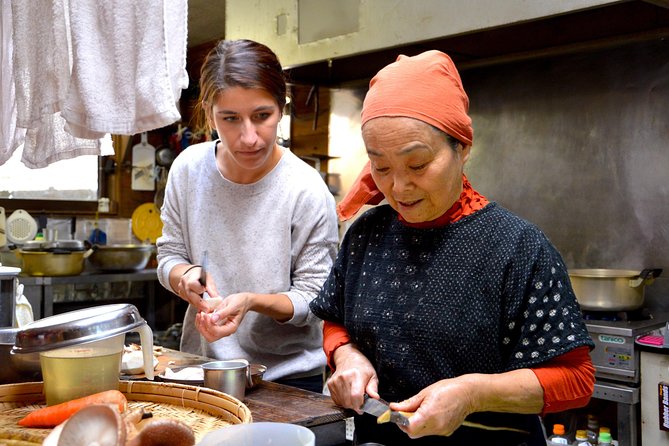
The day begins at Daikanbo Lookout, on the highest point of the north caldera wall. From here, you can look across the huge volcanic basin and toward the five peaks of Mt. Aso.
The setting gives you the scale that photographs often miss. Grasslands spread around the lookout on one side, while the caldera opens out on the other. It is a strong first stop because you see the full shape of the volcanic country before heading into one of its smaller communities.
Your guide explains how the volcano shaped the area. That context matters. You are not simply looking at distant mountains. You are seeing a massive bowl formed by volcanic activity, with communities and farmland living around it.
Give yourself time for photographs, but do not spend the entire stop facing the same direction. The appeal here is the change between open grassland and the broad volcanic view. Weather will make a major difference. Clear conditions should give you the dramatic sight this stop is meant to provide, while clouds or poor visibility may hide parts of the peaks and caldera.
There is no admission charge for Daikanbo. The visit is also fairly straightforward physically, but the full tour requires more than standing at a lookout. The moderate fitness requirement applies to the entire day, especially the farming activity that follows.
Tateiwa Suigen Park and the farm-to-table afternoon
After Daikanbo, you head to Tateiwa Suigen Park or a similar location. The exact farming site may be Tateiwa Suigen, Gonbei Mura, or another nearby community. This part lasts about three hours and gives the tour its strongest sense of place.
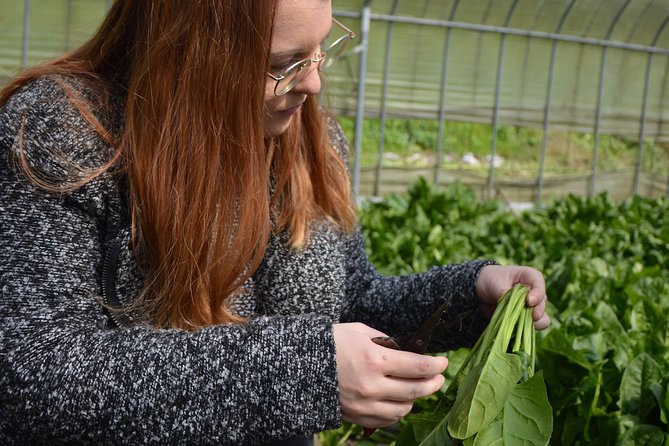
The day’s work is simple but meaningful. You help harvest seasonal vegetables, prepare local dishes, and sit down for a meal made with locally sourced ingredients. The supplied experience specifically mentions harvesting yams, which gives you a useful idea of the hands-on nature of the visit. You are not merely watching a demonstration from the side.
That small distinction matters. Picking a vegetable from the ground, carrying it into the kitchen, and then eating it at lunch creates a direct link between the countryside and the plate. The food becomes part of the story of Aso rather than a separate restaurant stop.
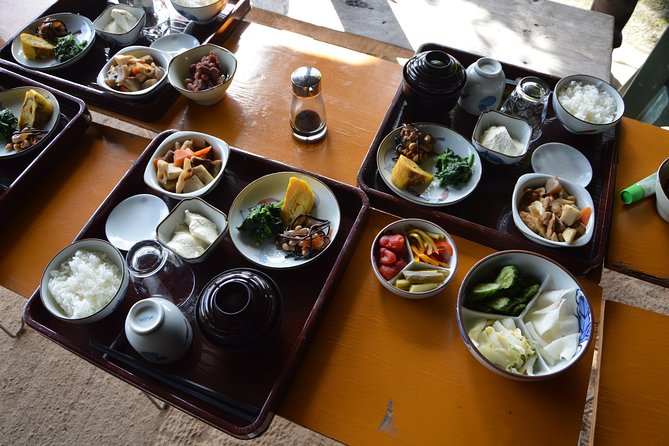
The meal prepared by Nuroko and Hiroko is described as simple and very good. That is exactly the right expectation to bring. This is not presented as a formal tasting menu or a polished cooking school. It is a home-style meal built around what is available locally and shared with the people who helped make it.
I like this style of food experience because it leaves room for conversation. You get a glimpse of how a rural community works, what grows there, and how local ingredients become everyday dishes. The appeal is warmth and participation, not luxury.
The setting also changes the mood of the day. Daikanbo is wide and dramatic. The farm portion is smaller, more personal, and grounded in ordinary life. You move from looking across the region to taking part in one small piece of it.
Meeting local people in rural Japan
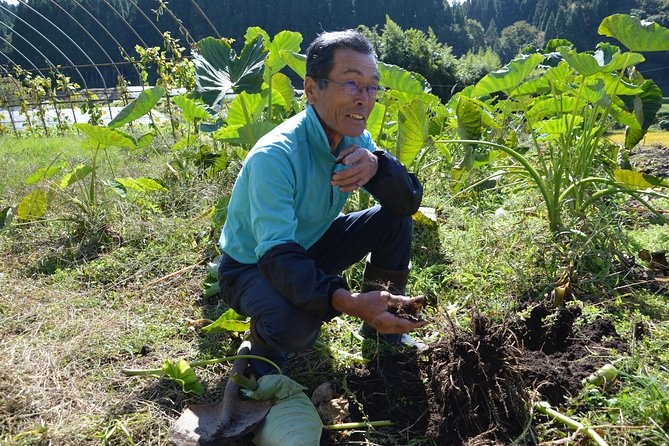
The tour promises contact with local residents, not just a guide speaking on their behalf. That is important for anyone hoping to see a side of Japan beyond major cities, temples, and busy shopping streets.
You learn about rural life and culture through shared work and lunch. The information provided does not promise a long lecture or a set list of formal activities, so you should expect conversation and participation rather than a museum-style presentation.
The English-speaking guide helps the exchange work for international visitors. You can ask questions, understand the broader story, and follow instructions during the harvest and cooking activities. Since this is a private tour, the conversation should feel more natural than it would in a large group.
The names connected with the meal are Nuroko and Hiroko, while Max responds to guest feedback and appears to be closely involved with the operation. Their presence gives the experience a human face, especially compared with a generic sightseeing package.
One practical point: the farm experience is not guaranteed to take place at one fixed address. Tateiwa Suigen Park is the stated destination, but Gonbei Mura or another similar location may be used. That flexibility is common for local farm activities, but you should be comfortable with a countryside setting rather than expecting a standard attraction with a fixed exhibit schedule.
Same fields, a different sort of morning:
- Wasabi Farm Walking Tour & Lunch
★ 4.5 · 20 reviews - Miyajima Guided Tour and Fresh Oyster Farm Tour
★ 5.0 · 20 reviews - Hands-on Pearl Harvesting Workshop!
★ 3.3 · 11 reviews - From Tokyo Mt.Fuji, Lake Kawaguchi, Makaino Farm day tour
★ 5.0 · 8 reviews
What the $156.09 price includes in value
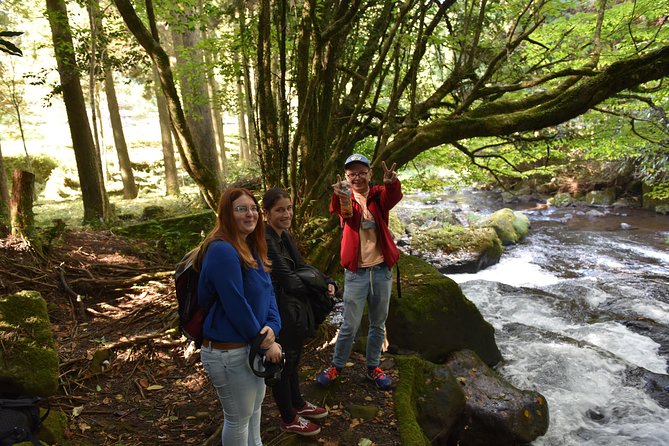
At $156.09 per person, this is not a bargain-basement sightseeing trip. The value comes from the combination of a private guide, transportation support, a major scenic stop, local interaction, hands-on farm work, and lunch.
If you only want to see Daikanbo, you can find cheaper ways to reach a viewpoint. The price makes more sense when you value the three-hour farm visit and the personal access to local residents. You are paying for time, coordination, translation, and a meal tied to the activity.
The private format matters most for couples, families, and small groups who want to ask questions without holding up strangers. Group discounts may also improve the per-person value if several people book together.
I would compare this with the cost of arranging separate transport to the lookout and countryside, then trying to find a farm activity with English support. That separate planning may be difficult. Here, the day has a clear structure and a guide helps connect the parts.
The tour is particularly good value for someone who has already seen Japan’s major urban sights and wants a slower rural day. It is less compelling for a person who cares only about volcano photography or who does not enjoy cooking and outdoor work.
Timing, transportation, and physical demands
The official start time is 9:00 a.m. at Daikanbo Lookout, and the tour ends at the farm experience site. Because the start and finish differ, transportation deserves attention before you book.
Free transportation is offered to the same places where pickup service is available. In practical terms, you should confirm the pickup arrangement and make sure you understand where you will be collected. The tour provider can use the pickup points it serves, but the stated meeting point itself is Daikanbo.
The experience lasts about half a day, with one hour at Daikanbo and three hours at the farm site. The supplied summary also gives a very short duration range, but the detailed schedule clearly describes a four-hour experience. I would plan your day around the longer half-day schedule rather than treating it as a brief stop.
Moderate physical fitness is required. The exact level of walking and farm work is not specified, so you should be prepared for outdoor movement and hands-on tasks. Service animals are allowed.
Weather is a real factor at Daikanbo and on the farm. Poor conditions can cancel the tour, in which case you are offered another date or a full refund. For a full refund under ordinary cancellation, cancel at least 24 hours before the start time. Changes or cancellations made inside that window are not accepted for a refund.
Who will enjoy this Aso experience most
I would recommend this tour to:
- Couples who want a private day with scenery and food
- Families interested in showing children where food comes from
- First-time visitors who want an English-supported rural experience
- Photographers who want a broad view of the Aso caldera
- People who prefer meeting local residents to visiting another crowded attraction
- Anyone who enjoys cooking, harvesting, and shared meals
It may not suit you if you want a luxury meal, a fast sightseeing circuit, or a completely indoor activity. It also may be a poor fit if your schedule is tight or if you cannot manage moderate physical activity.
The tour works especially well as a break from city sightseeing. The farm visit slows the day down, and that is its strength. You do not simply collect another viewpoint. You spend time doing something connected to the place.
Seven useful questions before you go
FAQ
Where does the tour start?
It starts at Daikanbo Lookout, Yamada, Aso, Kumamoto 869-2313, Japan, at 9:00 a.m.
Where does the tour end?
It ends at the farming experience location, listed as Tateiwa Suigen Park, Gonbei Mura, or another similar site. The stated Tateiwa Suigen address is 1-528 Manganji, Minamioguni, Aso District, Kumamoto 869-2402, Japan.
Is transportation available?
Yes. Free transportation is offered to the same places where pickup service is provided.
Is this a private tour?
Yes. Only your group participates in the activity.
How long is the experience?
The detailed schedule includes about one hour at Daikanbo and three hours at the farm experience, making it a half-day outing.
What food activities are included?
You harvest seasonal vegetables, help prepare local cuisine, and eat a Japanese lunch made with locally sourced ingredients.
What happens if the weather is poor?
The experience may be canceled because of bad weather. You will be offered another date or a full refund.
Should you book the Aso Caldera and Farm Experience Tour?
Book it if you want Aso to feel like a real place, not just a dramatic view. Daikanbo supplies the scale, while the farm visit supplies the human connection. The combination of five volcanic peaks, rural scenery, vegetable harvesting, cooking, and lunch with local people is unusual and well balanced.
I would skip it if your priority is a quick volcano lookout, a high-end meal, or a tightly timed itinerary. But if you have a half-day, moderate fitness, and an interest in everyday rural Japan, the $156.09 price can be justified. The best reason to choose it is simple: you leave with more than photographs. You have taken part in a small piece of life around Mt. Aso.
Just added around Japan
- Wasabi Farm Walking Tour with Lunch★ 4.4 · 2 reviews
- 7 Hours Private Guided Tour Uji and Wazuka Matcha Farm★ 5.0 · 2 reviews
- From Tokyo Mt.Fuji, Lake Kawaguchi, Makaino Farm day tour★ 5.0 · 8 reviews
- Hida Private E-Bike Tour with Premium Lunch and Farm Experience★ 5.0 · 7 reviews
- Guided Bike Tour to a Green Tea Farm in Shizuoka (not e-bikes)★ 5.0 · 5 reviews
- Hokkaido Farm Tomita Shikisai Hill Waterfall& Blue Pond Day Tour★ 3.5 · 6 reviews
- Autumn Leaves in AutumnSkiing in winterLet’s go to Hoheikyo Onsen by private car (from Sapporo)★ 4.5 · 8 reviews
- Wasabi Farm Walking Tour & Lunch★ 4.5 · 20 reviews
Japan Farm Tours, farm by farm.
Hokkaido Lavender farm & Furano Flower Tour from Sapporo
Read our review →
Mt. Fuji Private Chartered Tour with Nature and Wasabi Farm
Read our review →
Uji and Wazuka Matcha Farm Half Day Private Guided Tour
Read our review →

From Tokyo Mt.Fuji, Lake Kawaguchi, Makaino Farm day tour
Read our review →Other lists this farm sits on