
REVIEW · ITALY
Matera: Pasta Cooking Class Old Farmer Style in Sassi Cellar
Matera tastes better from inside a cave. This three-hour cooking class combines a short look at Sassi culture with hands-on pasta making and a relaxed farmer-style meal. I especially like the restored cave setting and the personal stories from local hosts Lorenzo, Cosimo, and Adalina. The main consideration is simple: this is not suitable for anyone with gluten intolerance.
I also like the small group, limited to eight people. That gives you a better chance to work directly with the chef, ask questions, and get help shaping the pasta. At $80.55 per person, the price is not a bargain lunch, but it covers a guided cave visit, instruction, several local dishes, and a long meal in one of Matera’s most distinctive settings.
Key points at a glance
- A restored Sassi cave cellar: The class takes place at Cava Marlò, a traditional ex-wine cellar with old stone features and modern comforts.
- Local hosts with family stories: Lorenzo, Cosimo, and Adalina connect the food to grandmothers, home cooking, and daily life in Matera.
- Hands-on pasta making: You knead dough, shape fresh pasta, and learn techniques that are simple enough to repeat at home.
- More than a cooking lesson: The experience includes a 20-minute introduction to Matera and the cave dwelling before the food preparation begins.
- A proper sit-down meal: Bruschetta, pasta, regional food, and other traditional dishes are served after the workshop.
- A small-group format: With no more than eight participants, the class feels personal rather than like a large demonstration.
Entering Cava Marlò in Recinto Santa Maria
The meeting point is easy to identify once you know what to look for. Go to Recinto Santa Maria, 8, and find the arch with the large green door. You can also search for Cava Marlò on a map.
The activity begins and ends at this same cave. That makes the logistics refreshingly simple, especially if you are already staying in or exploring the Sassi. There is no separate bus ride or transfer to organize.
The setting does much of the early work. Matera’s Sassi is known for homes and rooms carved into soft rock, and this former wine cellar keeps that connection visible. Parts of the original cave remain, while other areas have been refurbished for cooking and dining. The result is not a rough archaeological site. It is a working space with an old shell and a comfortable, welcoming feel.
You should expect stone walls, an unusual layout, and the natural coolness that makes a cave useful during hot weather. The space is attractive, but it is also worth remembering that a historic cave is not the same as a bright, spacious cooking school. If you prefer a polished studio kitchen, this may feel more rustic than expected.
More Cooking Classes around Italy:
- Cooking Class and Lunch at a Tuscan Farmhouse with Local Market Tour from Florence
★ 5.0 · 4,831 reviews - Hands-On Cooking Class & Farmhouse Tour on the Amalfi Coast
★ 5.0 · 956 reviews - Florence: Cooking Class at a Tuscan Farm & Local Market Tour
★ 4.9 · 354 reviews
The 20-minute introduction to Matera
Before you start cooking, the hosts give you a short guided look at the cave and its setting. This portion lasts about 20 minutes and adds useful context to what you are seeing.
The focus is not only on architecture. Lorenzo explains aspects of Matera and the Sassi, while the hosts connect the space to the way families once lived and ate. The cave was once part of a family home, and the tour helps you understand why food, shared work, and family meals mattered in this environment.
I like this opening because it prevents the class from feeling like an isolated recipe lesson. You are not just making pasta in a picturesque room. You are learning inside a place shaped by the same local traditions that produced the food.
The introduction is short, so do not expect a full walking tour of Matera. If you want a detailed city history, you will need a separate tour. Here, the history is there to frame the cooking experience.
Rolling pasta with Cosimo
The main workshop lasts about an hour and a half. Cosimo leads the cooking, with Lorenzo and sometimes Adalina helping create the easygoing atmosphere that makes the class feel social rather than formal.
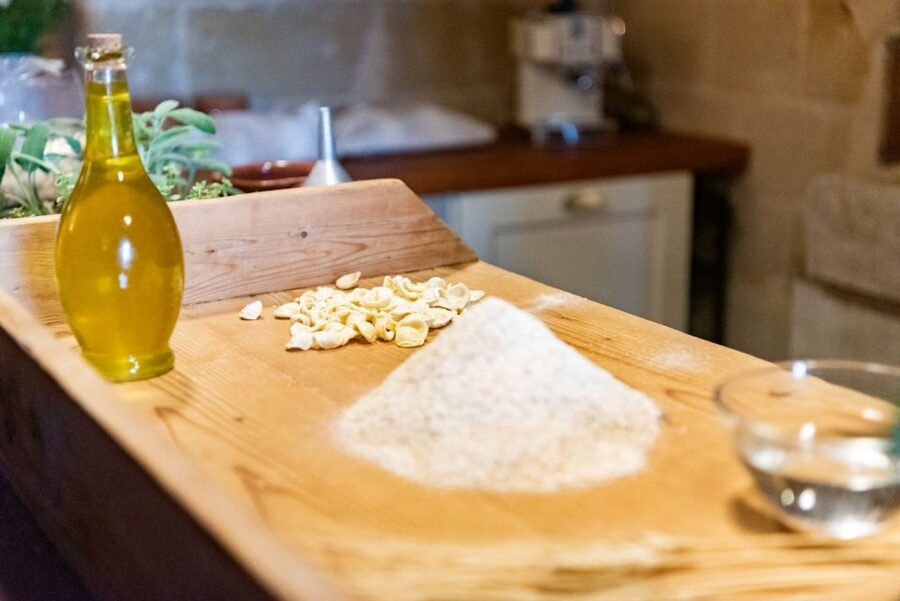
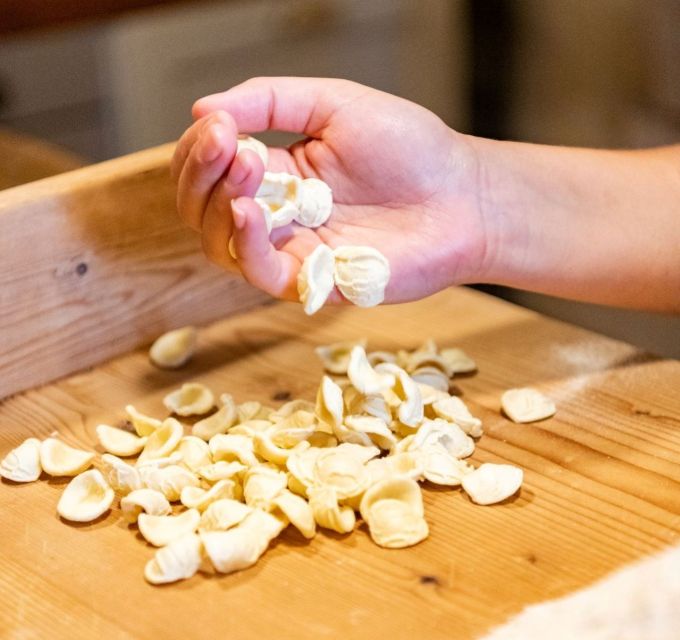
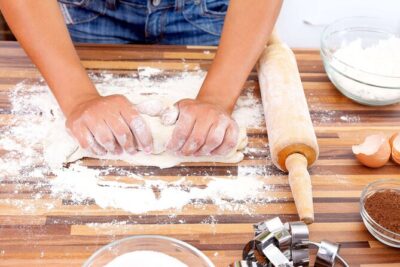
You begin with the basics of fresh pasta. That means getting your hands into the dough, kneading it, and learning how to judge its texture. You then shape the pasta using local methods, including the technique for making strascinate. The process is practical, not theatrical. You work with the food instead of simply watching a chef perform.
This is one of the strongest parts of the experience. The recipes are traditional, but they are not presented as mysterious secrets that require special equipment. You learn movements and methods that you can try in your own kitchen.
Cosimo also explains how southern Italian cooking relies on straightforward ingredients and careful preparation. The point is not to pile on complicated sauces or clever tricks. The food gets its character from good local products, the right texture, and time spent preparing it properly.
You may also help prepare bruschetta and other regional dishes. The exact flow can vary, but the experience includes more than pasta alone. That matters because you get a broader taste of Basilicata cooking instead of leaving with one recipe and little context.
The small group helps here. With a maximum of eight participants, you are less likely to spend the whole lesson standing behind someone else. You can ask Cosimo about kneading, shaping, sauces, or how to recreate the dish at home. Families and couples should find the format especially comfortable, though solo participants can also fit in easily.
Bruschetta, local ingredients, and the short break
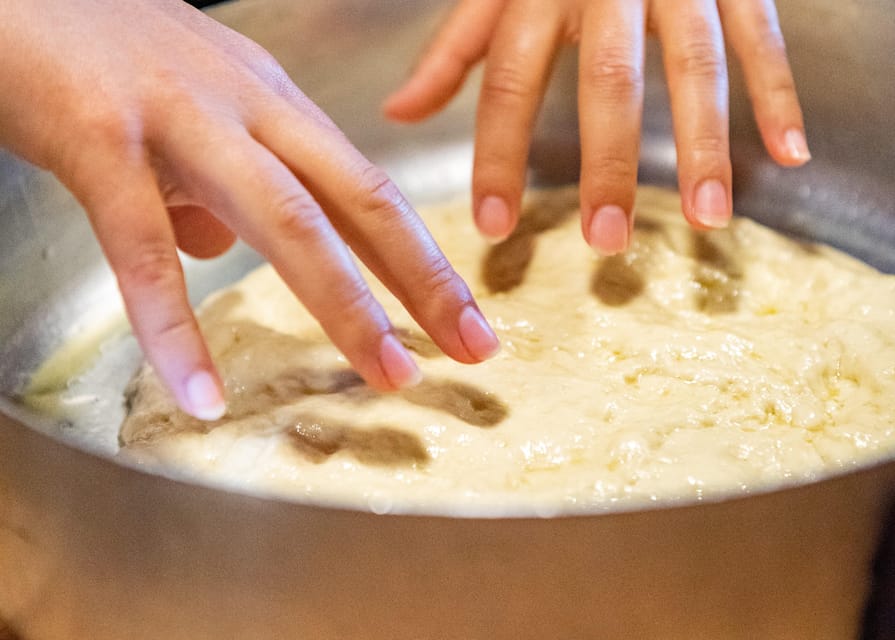
A 10-minute break and photo stop comes between the cooking and the meal. This gives you time to pause, look around the cave, and take pictures without rushing through the whole afternoon.
Food is part of the break, too. Bruschetta and simple local produce help set the tone for the meal. Several accounts of the experience also mention salads, tomatoes, onions, olives, traditional Matera bread, and local wine. The precise menu may change, but the emphasis is on uncomplicated regional food rather than restaurant-style presentation.
This is useful for anyone who wants to understand southern Italian cooking beyond pasta. The ingredients are familiar, but the combination of freshness, restraint, and local habit makes them feel specific to the place.
If you are expecting a quick cooking demonstration followed by one small tasting plate, adjust your expectations. The food component is substantial and spread over time. Come hungry, since the class leads into a full regional tasting rather than a token sample.
More Pasta Experiences around Italy:
- Florence Pizza or Pasta Class with Gelato Making at a Tuscan Farm
★ 5.0 · 6,801 reviews - Florence: Pizza or Pasta Class with Gelato at a Tuscan Farm
★ 4.9 · 1,181 reviews - Alghero Home Cooking Pasta Class at a Farmhouse with Wine
★ 5.0 · 130 reviews - Bardolino: Garda Lake Pasta Cooking Class at Agritourism
★ 5.0 · 114 reviews
Strascinate al tegamino and the farmer’s lunch
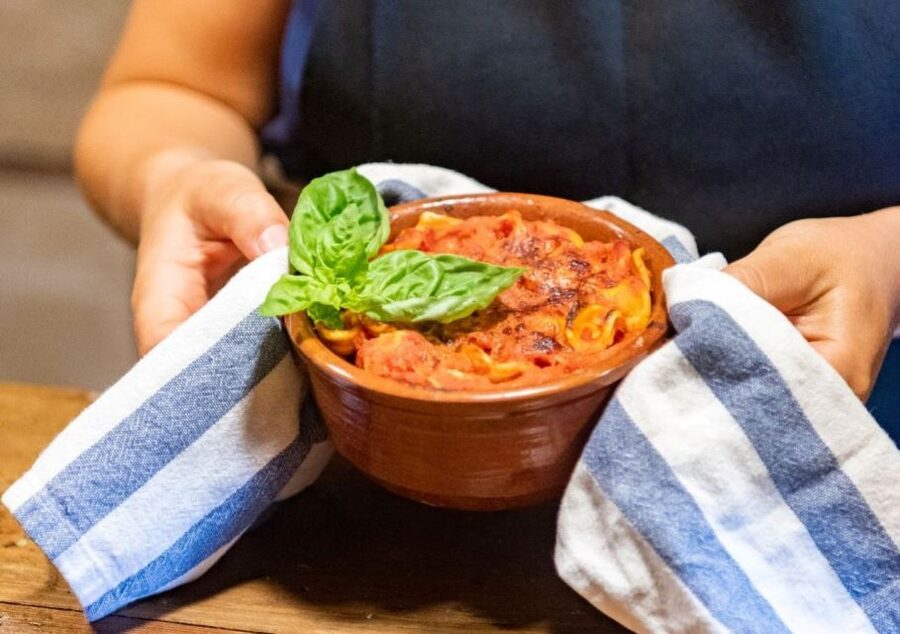
The final hour is devoted to tasting the food. You sit down and eat what you helped prepare, along with other farmer-style dishes based on traditional recipes.
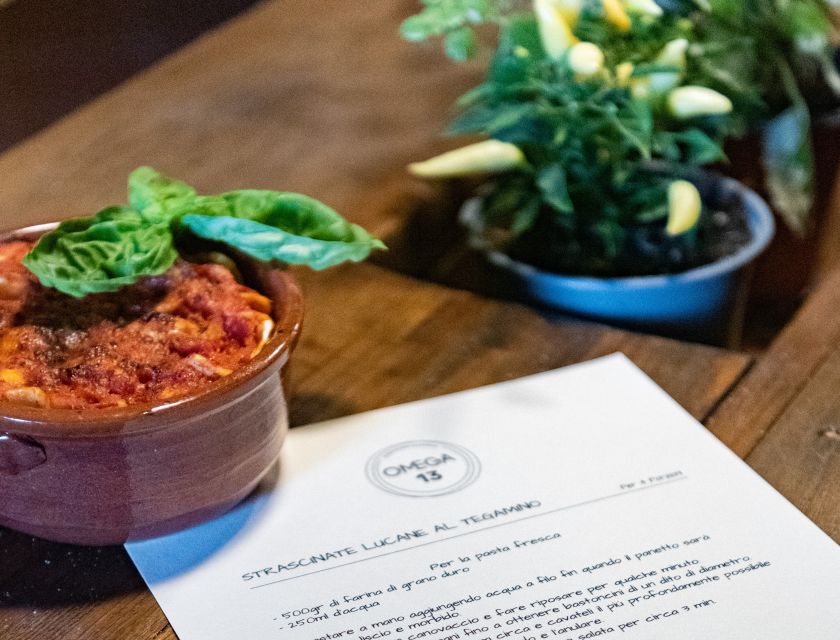
One featured dish is strascinate al tegamino. Strascinate is a local pasta shape, and the dish gives you a direct connection between the technique you have just practiced and the food on your plate. The class also includes bruschetta and other typical preparations.
The phrase farmer-style matters here. This is not a formal fine-dining meal with elaborate courses and polished service. It is closer to being welcomed into a local home, with food served generously and conversation moving alongside the meal.
That informal mood is one of the experience’s biggest strengths. Lorenzo and Cosimo are praised for their warmth, humor, and personal stories about cooking with mothers and grandmothers. Their stories give the recipes a human connection. You learn not only what to do, but why these dishes mattered in family life.
The food is described as hearty, flavorful, and based on fresh regional ingredients. Local wine may be included during the meal, as several accounts describe drinking wine throughout the experience. Since the supplied details do not promise a fixed wine menu, it is best to treat that as part of the reported atmosphere rather than a guaranteed inclusion.
The meal can also run at a leisurely pace. That is good news if you enjoy sitting and talking, but less ideal if you need to fit several other timed activities into the same afternoon. Allow the full three hours, and avoid scheduling a rushed museum visit immediately afterward.
Why the cave setting matters
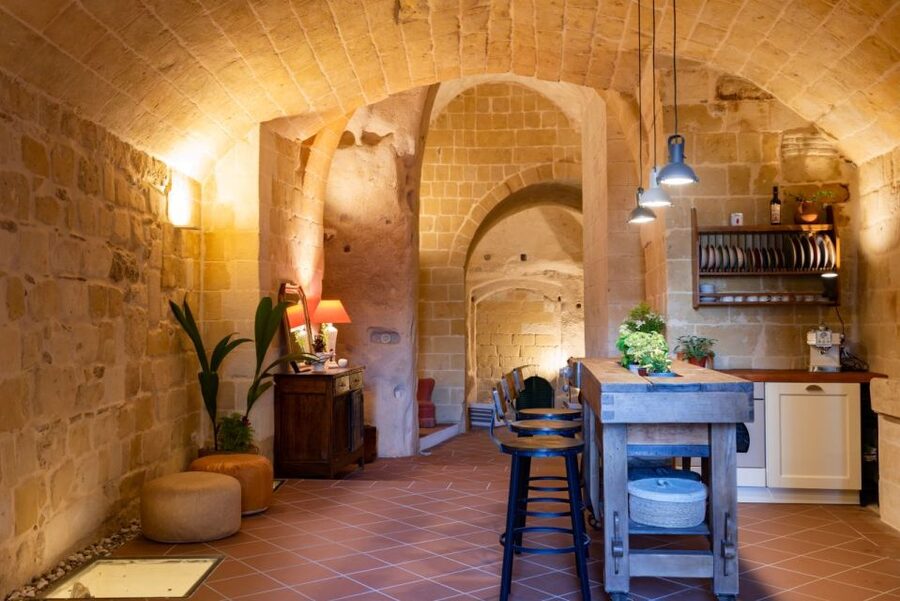
Matera has plenty of attractive restaurants, but a meal in a former cellar gives you a better sense of how place and food connect. The stone room is not just a backdrop for photographs. It recalls the old Sassi homes, storage spaces, and family life that shaped local cooking.
I like the way this experience uses the cave without turning it into a stage set. The room has been renovated, yet some original features remain visible. That balance gives you comfort without removing the character of the place.
The cave also changes the pace. You are protected from the heat, sitting in a quiet stone interior, and spending several hours with the same small group. The result feels closer to a hosted meal than a standard attraction.
Still, the setting may not suit everyone. If you have mobility concerns, ask the provider for current details before booking, since the experience takes place in a cave and no accessibility information is provided. The activity specifically excludes people with gluten intolerance, and the central role of flour makes that restriction important.
The hosts make the experience personal
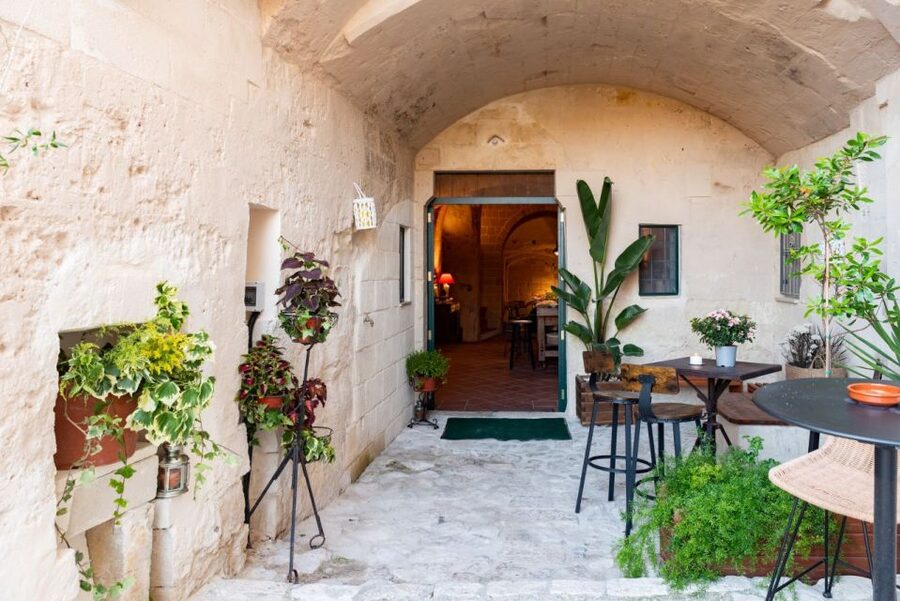
The food instruction is only half of the appeal. The hosts are a major reason this class receives such strong praise.
Lorenzo handles much of the organizing and storytelling. Cosimo brings the cooking instruction and the emotional connection to family recipes. Adalina is also named as part of the hosting team on some sessions. Their chemistry keeps the class lively without making it feel like a performance.
The best moments are likely to come between the formal steps: a story about a grandmother’s recipe, a joke while the dough is being shaped, or an explanation of why a local family prepares a dish in a certain way. These details help you see Italian food as part of ordinary life rather than as a collection of restaurant specialties.
I also appreciate that the hosts appear willing to answer questions and adapt the pace to the group. The small size supports that style. You are not simply handed a printed recipe and sent to a table.
Is $80.55 a fair price?
At $80.55 per person, this class costs more than buying a bowl of pasta and a glass of wine in Matera. The comparison, however, is not really with an ordinary meal.
Your price includes three hours, a cave tour, local stories, hands-on instruction, the use of the Sassi setting, and a multi-part tasting. You are paying for an activity and a meal together. If you value personal contact, food instruction, and a memorable setting, the price is reasonable.
It becomes especially good value if this is your main organized activity in Matera. You get cultural context, cooking practice, and dinner-table conversation in one booking.
The value is weaker if you mainly want a quick meal or already plan several cooking classes during your Italy trip. You should also remember that the experience is built around participation. Someone who dislikes getting flour on their hands may not feel the price is worthwhile.
Who should book this class?
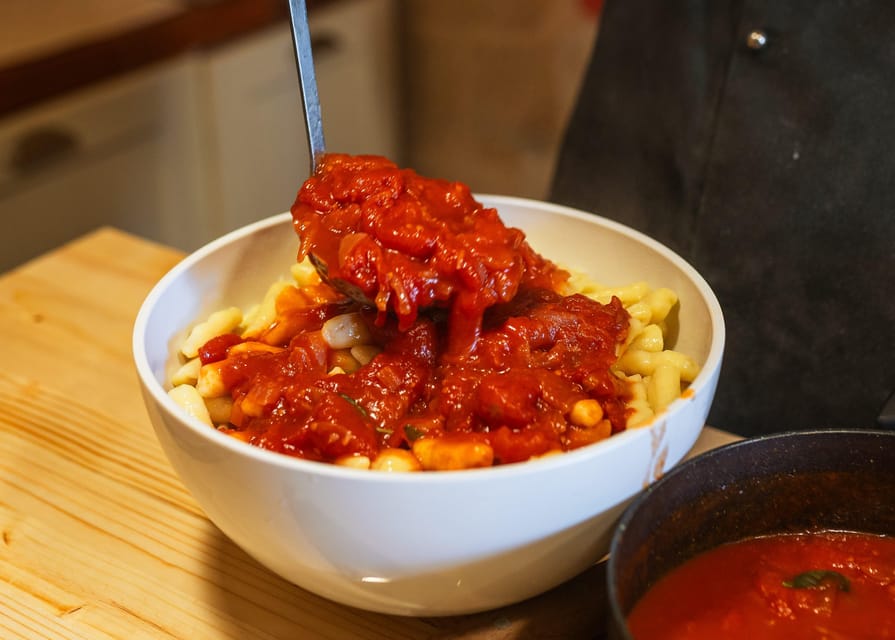
I would recommend it most strongly to:
- Couples who want a relaxed, shared activity
- Families with an interest in food and local traditions
- Solo visitors who enjoy meeting people in a small group
- Home cooks who want fresh pasta techniques they can repeat
- Anyone staying in Matera who wants more than a standard restaurant meal
- Visitors who appreciate history through homes, food, and personal stories
It is less suitable for people with gluten intolerance, anyone looking for a strictly formal cooking school, or anyone with a tightly packed schedule.
The language options are English, Italian, and Spanish. That makes the class accessible to a broad range of participants, though the experience depends heavily on conversation, so choose a language in which you can comfortably ask questions.
The activity offers free cancellation up to 24 hours before the start time, and you can reserve now and pay later. Those policies are helpful if your Matera plans are still shifting.
Should you book the Matera pasta class?
Yes, if you want a personal food experience tied closely to the Sassi.
The strongest reasons to book are the restored cave, the small group, and the human side of the teaching. Lorenzo, Cosimo, and Adalina bring local memories and family food traditions into the room, while the pasta lesson gives you something practical to take home.
I would not book it solely for a cooking certificate or a tightly structured professional lesson. That is not the point. Book it for the chance to knead pasta, hear stories about Matera, and share a generous meal in a place that still carries the shape of the city’s past.
FAQ
Where does the cooking class meet?
Meet at the cave in Recinto Santa Maria, 8. Look for an arch and a large green door, or search for Cava Marlò on a map.
Where does the experience end?
The activity ends back at the same meeting point where it begins.
How long does the experience last?
The experience lasts three hours. Starting times vary, so check availability when booking.
How many people are in the group?
The group is limited to eight participants.
Which languages are offered?
The instructor can lead the experience in English, Italian, or Spanish.
What food will I learn to prepare?
The class includes fresh pasta, bruschetta, and strascinate al tegamino, along with other traditional regional dishes.
Is a meal included?
Yes. The experience ends with a farmer-style lunch and food tasting using traditional regional recipes.
Is the class suitable for someone with gluten intolerance?
No. The experience is not suitable for people with gluten intolerance.
What is included besides the cooking lesson?
The price includes a tour of a traditional ex-wine cellar, stories and anecdotes about Matera, the Sassi hypogeum setting, the pasta workshop, ancient farmer recipes, and food tasting.
Can I cancel for a refund?
You can cancel up to 24 hours in advance for a full refund. You can also reserve now and pay later.
More Workshops around Italy
- Sorrento: Pizza Lesson, Wine, and Limoncello at a Local Farm
★ 5.0 · 1,513 reviews - Sorrento Farm by Tuk Tuk: Cheese, Limoncello & Hands-On Pizza
★ 5.0 · 628 reviews - Sorrento: Farm Tour with Cheese Tasting & Pizza Making Class
★ 5.0 · 503 reviews - Amalfi: Cooking Class and Farmhouse Visit With Meal
★ 5.0 · 262 reviews
Just added around Italy
- Volterra: Fresh Pasta Cooking Class at a Tuscan Farmhouse★ 5.0 · 33 reviews
- Volterra: Pizza Cooking Class in a tuscan farmhouse★ 4.6 · 11 reviews
- Visit Siena and San Gimignano with lunch at a family farm★ 5.0 · 8 reviews
- Vico Equense: Tour in the dairy “Mozzarella Experience”★ 5.0 · 19 reviews
- Turin: Meet the Monviso Alpacas at the Educational Farm with a Guide★ 5.0 · 5 reviews
- Bardolino: Garda Lake Pasta Cooking Class at the Agritourism★ 5.0 · 32 reviews
- Rialto Farmers & Fish Market Food Tour in Venice with Wine Tasting & Sightseeing★ 5.0 · 3 reviews
- Rialto Market Food Tour: Wine Tasting and Sightseeing in Venice★ 5.0 · 57 reviews
Cooking Classes, farm by farm.
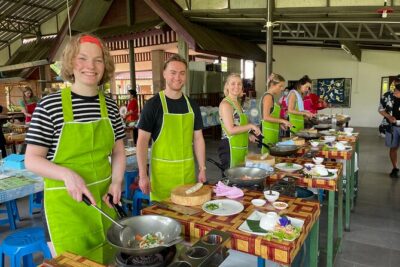
Half-Day Thai Cooking Class at Organic Farm in Chiang Mai
Read our review →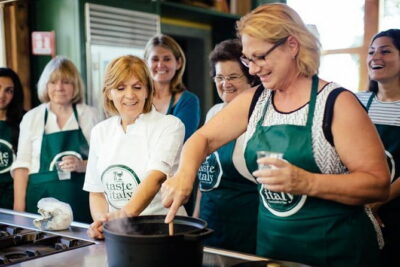
Cooking Class and Lunch at a Tuscan Farmhouse with Local Market Tour from Florence
Read our review →
Authentic Cooking Class with Market & Farm Visit
Read our review →
Hands-On Cooking Class & Farmhouse Tour on the Amalfi Coast
Read our review →
Other lists this farm sits on