
REVIEW · KAMPOT
Kampot: Pepper Farm Tour, Salt Field, Cave & Secret Lake
Kampot’s countryside tells the real story. This tour brings you close to salt workers, farmers, fishermen, and village life, then adds a limestone cave, a temple, and the famous pepper farms. I especially like the mix of hands-on stops and local conversation, with guides such as Micki, Vandy, Nak, and Seth praised for their warmth, English, and good humor.
I also like that the day can bend around the weather. Guides have adjusted the order in rain, arranged sunset stops, shown videos when salt work was out of season, and helped with cave photos. The main drawback is seasonal: salt fields may be quiet or dry, and the cave requires walking on uneven ground. At $23 per person, though, the range of stops makes this a strong value.
Six reasons this Kampot tour earns attention
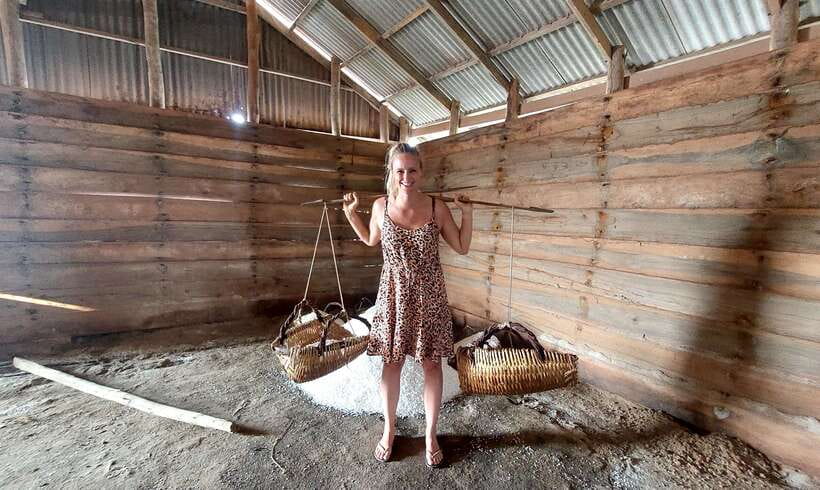
- Salt fields in working season: See how sea salt is produced and speak with workers when the pans are active.
- Kampot pepper tasting: Learn the difference between pepper types and try unusual combinations, including pepper ice cream.
- A limestone cave with a 7th-century temple: The cave is more than a quick photo stop, with local history and bats adding interest.
- A peaceful secret lake: Hear its stories, including its connection to Cambodia’s difficult past, while resting with a drink.
- Local guides make the difference: Micki, Vandy, Nak, Seth, and other guides are praised for safe driving, clear English, and personal stories.
- A flexible countryside day: Rain, dry salt pans, and sunset timing may change the order without ruining the outing.
What the $23 price really gives you
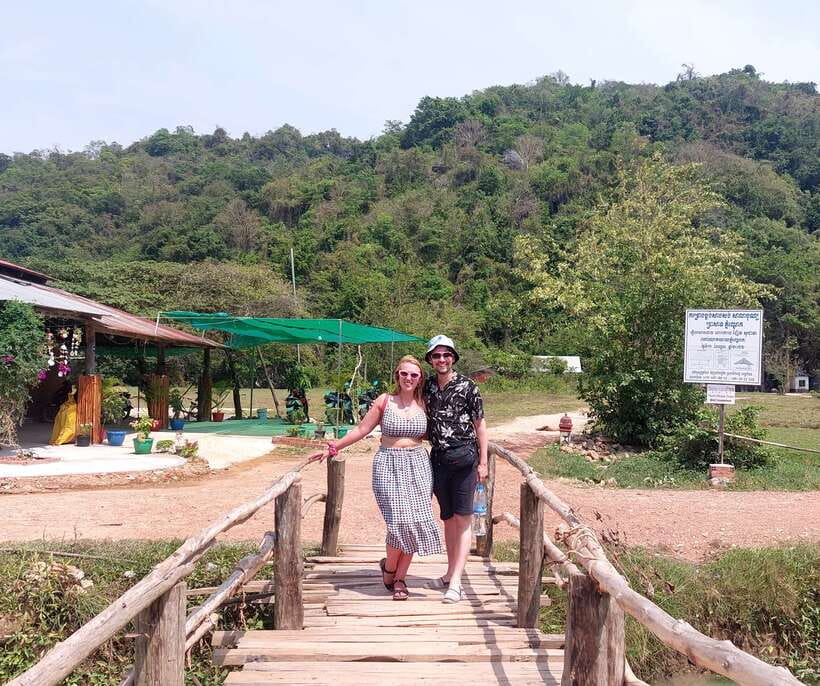
For $23 per person, this is not just a ride between four sights. You get a guide, entrance fees, drinking water, soft drinks, and hotel pickup and drop-off when your hotel is within 3 kilometers of central Kampot. Meals are not included, though some guides have added small local treats or helped arrange food along the way.
The value comes from the range. In one outing, you see a working rural industry, a cave, a historic site, a lake, and a pepper plantation. You also get explanations instead of simply being dropped at each place. That matters in Kampot, where the best parts of the countryside are often easy to miss without someone to explain what you are seeing.
Transport is by tuk-tuk or similar local vehicle. Several accounts praise the smooth driving and comfortable pace. The schedule is described as a day trip in some cases and a half-day outing in others, so confirm the expected length when booking. The order can change. Some departures begin at the salt fields, while others finish there for sunset.
Pickup beyond 3 kilometers from central Kampot costs extra, starting at $2. The tour is offered in English, and the guide is usually a local person born and raised in the area. That local connection is one of the strongest reasons to choose this outing over a simple hired tuk-tuk.
More Pepper Farm Tours around Kampot:
- Kampot: Full-day Countryside Tour with Pepper Farm and Kep
★ 4.9 · 245 reviews - Kampot: Tuk Tuk Trip to Pepper Farm, Kep, Crab Market & More
★ 4.9 · 143 reviews - Kampot Countryside include Pepper farm, Salt field & Lake
★ 4.9 · 100 reviews
Salt fields: Kampot’s workday in open air
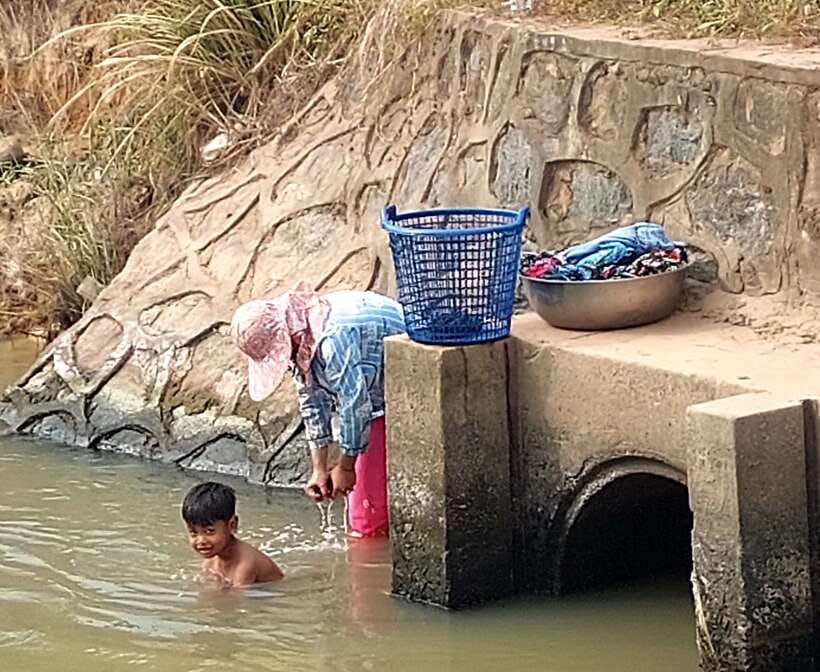
The salt fields are a practical first stop in the planned route. In the dry season, seawater is collected and left in broad shallow pans so the sun can do the hard work. You can walk into the area, get near the workers, take photographs, and learn how the salt is gathered and prepared.
This stop gives you a useful look at rural work. It is not polished for sightseeing, and that is the point. You see the conditions in which people produce one of the region’s basic products, often under strong sun and with little shade. The guide helps explain what each part of the process means.
Keep your expectations seasonal. Heavy rain can stop the work, while the pans may be dry or inactive at other times of year. A few tours have reached the fields when nobody was working. In those cases, guides have explained the process, shown videos, or used the stop to discuss local life instead.
That flexibility is important. You are not guaranteed a dramatic scene of workers harvesting salt. You are guaranteed a chance to understand the place and its role in Kampot’s countryside. If sunset is included in your schedule, the salt pans can also provide a broad, open setting for the final light of day.
Bring sunscreen. There may be little shelter, and the open ground reflects the sun. Comfortable footwear is useful because you may walk across uneven or dusty areas.
Limestone caves and a temple from the 7th century
The cave is often the most active part of the outing. You enter a limestone formation and walk through its darker, rougher interior, with the guide leading the way and pointing out features that are easy to overlook. Bats have been spotted inside, adding a little wildness to the visit.
The cave is not a polished museum. Expect natural surfaces, low or awkward sections, and footing that calls for care. Guides have been praised for moving at a sensible pace, helping with photographs, and paying attention to physical limits. If you are uneasy in confined spaces or have trouble walking on uneven ground, this is the stop to consider carefully.
Inside the cave is a Hindu temple dating from the 7th century. That pairing makes the visit far more interesting than a short cave walk. You get geology and religious history in the same place, with the guide supplying the context.
The exact cave route can vary. Some outings have included two caves, while the main description highlights one limestone cave and the temple. Do not expect a long technical expedition. This is a guided exploration suitable for people who want some activity without signing up for a serious climbing trip.
Rain can make the cave experience more atmospheric, but it can also make surfaces slippery. Your guide may adjust the order of stops depending on conditions. That is a good reason to avoid planning a tight evening connection after the tour.
Secret Lake, cold drinks, and difficult stories
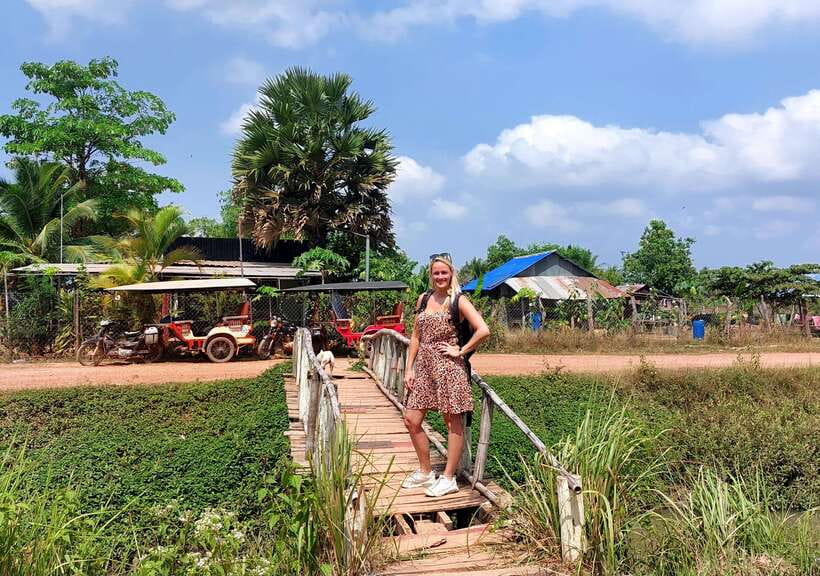
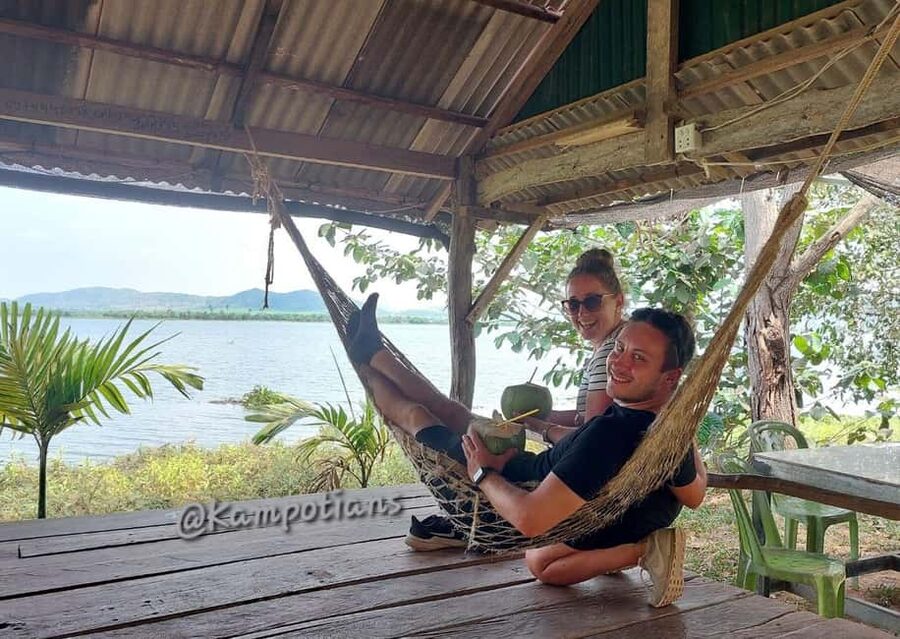
The secret lake offers a change of pace after the cave. Instead of climbing and watching your footing, you get a quiet place to sit, listen, and look across the water. Soft drinks are included, and some guides have offered coconut water as well.
The lake is not only a scenic pause. Guides explain its stories and its connection to the Khmer Rouge period, giving the stop a more serious purpose. You may also hear about nearby villages, local history, and how Cambodian families have lived through major changes.
I like this part because it allows the guide’s personal knowledge to come through. Micki, Vandy, Seth, and others are praised for answering questions about Cambodian culture and sharing details about their own lives. The information feels more grounded when it comes from someone raised in the province.
The lake stop may include hammocks or time to rest. It works well for anyone who wants a tour with breathing room rather than a nonstop chain of photo stops. Still, the word secret should not make you expect a completely untouched place or a major attraction. Its appeal is the quiet pause and the story attached to it.
More Salt Farm Tours around Kampot:
- Kampot Private Tour: Pepper Farm, Salt Field & Secret Lake
★ 5.0 · 27 reviews - Kampot Pepper Farm, Salt Fields, Crab Market from Phnom Penh
★ 4.8 · 21 reviews - Kampot Pepper Farm Tour: Salt Fields, La Plantation & Cave
★ 4.8 · 18 reviews - Hawaiian Salt Farm Tour in Kona
★ 5.0 · 767 reviews
Kampot pepper at La Plantation
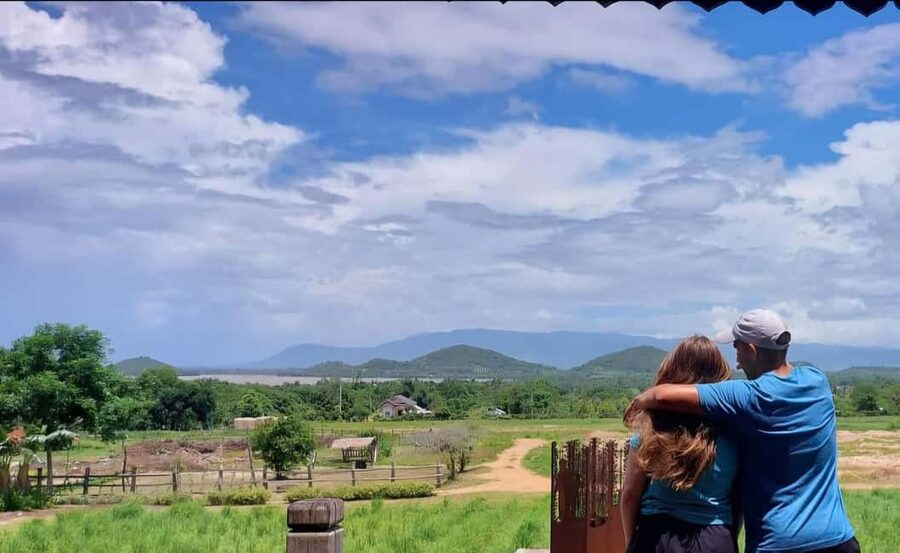
For many people, the pepper farm is the highlight. Kampot pepper is one of the province’s best-known products, and the guided visit shows how it is grown, processed, and used. You learn about different pepper types and taste them rather than simply hearing a short explanation.
The tasting makes this stop memorable. Fresh pepper has a character that is easy to miss in a packet from a shop. The experience may also include pepper and curry tastings, and some visitors have tried pepper ice cream. That unusual combination is worth approaching with curiosity. You may like it more than expected.
La Plantation is one of the farms used on this route. Its own guide may lead part of the plantation visit, while your Kampot guide adds local context and helps keep the day moving. This two-guide setup can give you more detail, though it also means the style of explanation may change from one stop to the next.
The farm is valuable even if you are not a food enthusiast. Pepper growing connects the area’s soil, farming skills, trade, and identity. You leave with a better sense of why Kampot pepper appears on menus and in shops across Cambodia.
Plan to buy pepper only if you want it. The tour is not described as requiring a purchase, and the tasting is part of the experience. Ask about the different varieties before deciding what suits your cooking.
The guides are the heart of the outing
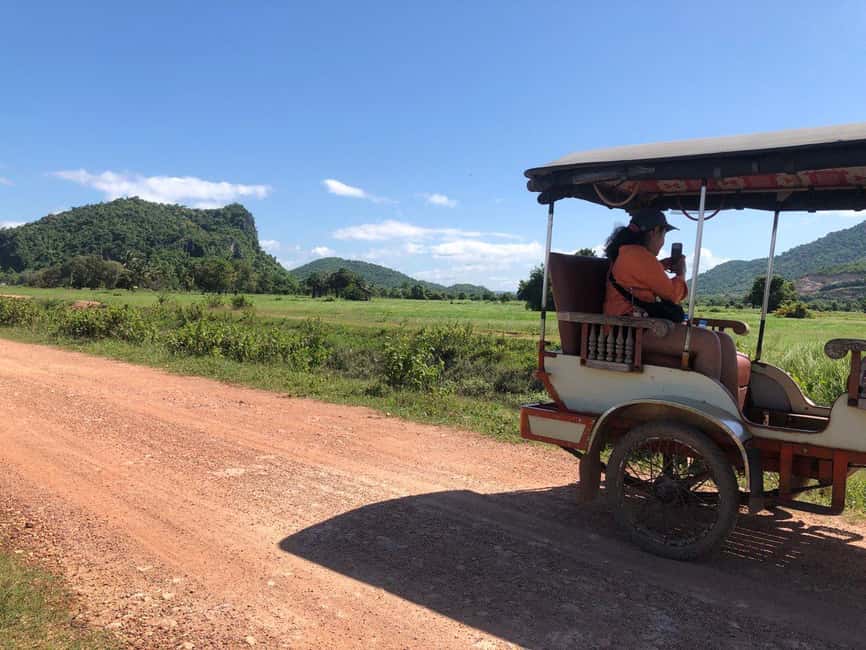
The strongest part of this experience is not a single view. It is the guide. Names vary by departure, but Micki receives repeated praise for being funny, patient, warm, and clear in English. Vandy is praised for explaining salt production and local customs, while Nak and driver Fi are noted for their knowledge of plants and village life.
Seth is described as a safe driver who shares personal experiences, and other guides have adapted plans around rain, sunset, and individual limits in the cave. That matters because rural touring rarely follows a perfect clock. A good guide can turn an inactive salt field or wet afternoon into a worthwhile day.
You should also expect a mix of guiding styles. Some guides talk often and answer every question, while others give you more quiet time at each stop. The shared strengths are local knowledge, friendliness, and care behind the wheel.
The driver and guide may be the same person, or you may have a separate driver. In either case, the experience depends heavily on the person assigned that day. If a particular guide is available, you can ask for Micki, Vandy, Nak, Seth, or another recommended name, but availability is not guaranteed.
Timing, weather, and what to bring
The route covers several stops, so this is an active day rather than a quick city excursion. You may spend around 30 minutes at the salt fields before continuing, but the full length is not fixed in the supplied details. Ask about departure and return times, especially if you have a bus, train, or dinner plan.
Weather can change the order and the mood. Rain has not prevented every successful outing, and in some cases it has meant an emptier cave or lake. Still, wet conditions may affect the cave, salt production, and road travel.
Bring sunscreen, water-friendly or sturdy footwear, and clothes you do not mind wearing in dusty or damp conditions. Drinking water and soft drinks are supplied, but meals are not. A small snack is sensible if you prefer not to wait until the next food stop.
Strollers and baby carriages are not allowed. The tour is not considered suitable for people over 70, which likely reflects the cave walking, uneven ground, and full countryside schedule. That does not mean every younger person will find it easy, so be honest about your mobility before booking.
Cancellation is flexible, with a full refund available when you cancel at least 24 hours ahead. You can also reserve now and pay later, which helps if your Kampot plans are still shifting.
Who should book this Kampot countryside tour?
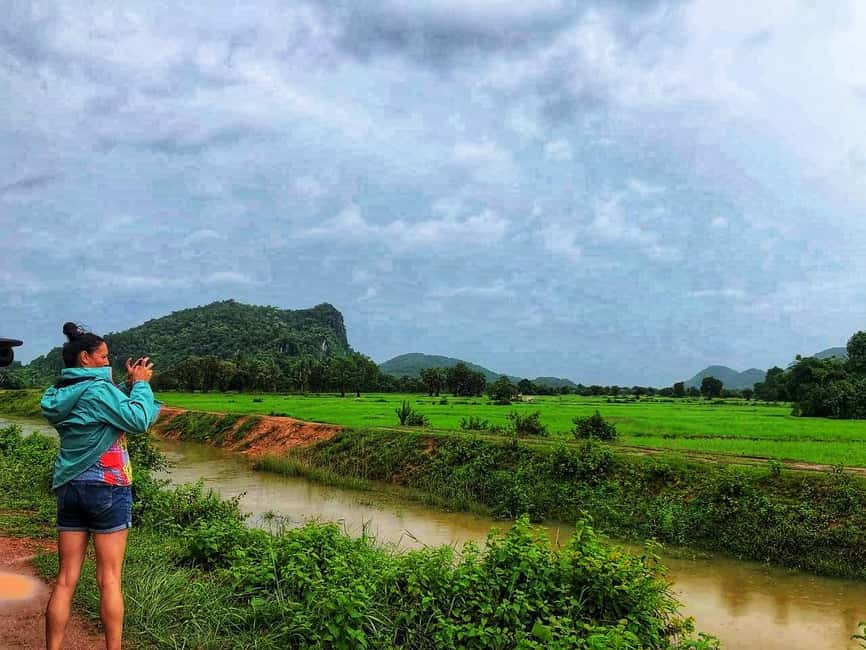
I would choose this tour if you want more than Kampot’s town center and prefer meeting local people through their work. It suits first-time visitors who want several major countryside sights in one outing without arranging separate tuk-tuks, entrance fees, guides, and tastings.
It is also a good fit for curious eaters. The pepper stop gives you something to taste and remember, while the salt fields show another side of local production. Families with older children may enjoy the cave and unusual food tasting, but the no-stroller rule and uneven cave floor make it less suitable for very young children.
You may want a different plan if you need a slow, fully accessible day, dislike caves, or want guaranteed salt harvesting. The outing is strongest when you accept some uncertainty and let the guide adjust the route.
Should you book it?
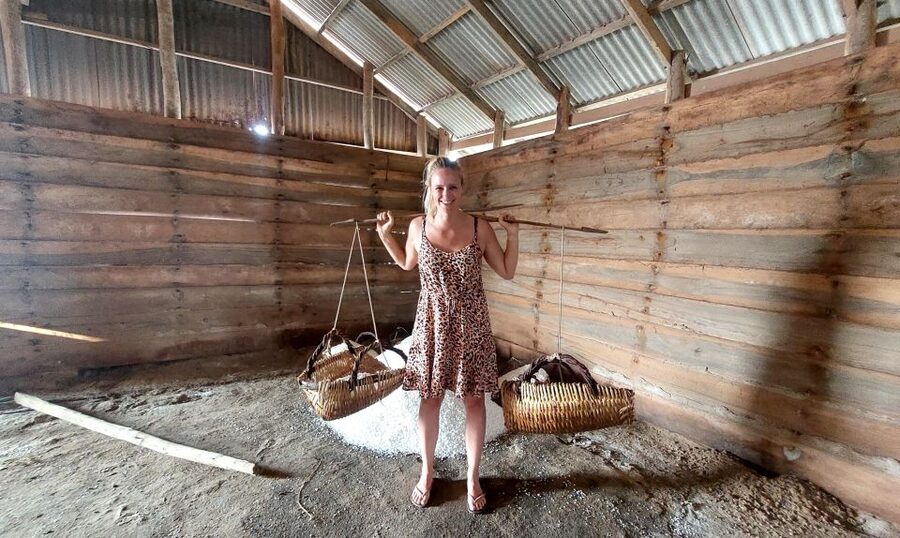
Yes, if you want a practical introduction to Kampot Province at a modest price. The pepper farm, cave, and local guide provide the clearest value, while the salt fields and secret lake add useful context rather than empty filler.
Book it knowing that seasons and weather shape what you see. You may find active salt workers, or you may receive an explanation and a video instead. Either way, you get a thoughtful look at farming, food, history, and everyday life beyond Kampot town, with transport and entry costs already handled.
FAQ
How much does the Kampot countryside tour cost?
The tour costs $23 per person. The price includes the guide, entrance fees, drinking water, and soft drinks.
What stops are included?
The planned route includes salt fields, a limestone cave with a 7th-century Hindu temple, the secret lake, and a pepper farm. Some outings have also included a second cave, a local market, rice fields, or a sunset stop.
Is hotel pickup included?
Pickup and drop-off are included for hotels within 3 kilometers of Kampot city center. Locations farther away cost extra, starting at $2.
Are meals included?
No. Meals are not included, although some guides may offer or help arrange small local foods during the day. Drinking water and soft drinks are included.
Can I see salt workers in action?
You may see active salt production during the dry season. Rain or seasonal conditions can leave the fields inactive, so the guide may explain the process or show a video instead.
Is the cave suitable for everyone?
The cave involves walking on uneven ground and may include narrow or awkward sections. Baby strollers and baby carriages are not allowed, and the tour is listed as unsuitable for people over 70.
Can I cancel or pay later?
You can reserve the tour and pay later. Cancellation is allowed up to 24 hours in advance for a full refund.
Just added around Kampot
- Trip with Local tuk tuk to Country side & Pepper farm…★ 5.0 · 13 reviews
- Pepper farm guided tour, Kep/Crab Market, salt & secret lake★ 4.9 · 16 reviews
- Kampot Pepper Farm Tour: Salt Fields, La Plantation & Cave★ 4.8 · 18 reviews
- Kampot Pepper Farm, Salt Fields, Crab Market from Phnom Penh★ 4.8 · 21 reviews
- Kep town: Local tuk tuk to Countryside & Pepper farm★ 4.6 · 8 reviews
- Kampot Private Tour: Pepper Farm, Salt Field & Secret Lake★ 5.0 · 27 reviews
- Kampot Pepper farm Enjoy Tour & Testing our process 4 free★ 4.8 · 5 reviews
- Kampot Countryside include Pepper farm,Kep crab market beach★ 5.0 · 4 reviews
Pepper Farm Tours, farm by farm.
Full-day Countryside Tour with Pepper Farm and Kep
Read our review →
Tuk Tuk Trip to Pepper Farm, Kep, Crab Market & More
Read our review →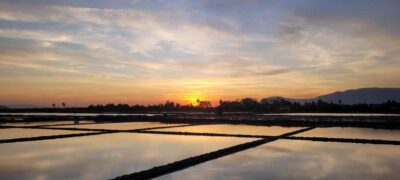
Kampot Countryside include Pepper farm, Salt field & Lake
Read our review →
KAMPOT TRAVEL-Pepper farm. Cave.Secret lake-Crab market & Salt…
Read our review →
Kampot’s Countryside & Kayak Tour, Pepper Farm include Lunch
Read our review →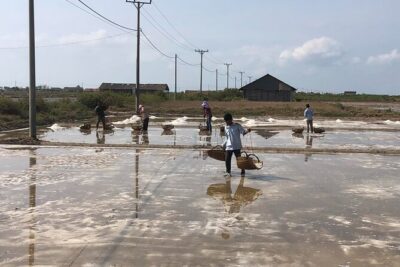
Kampot Countryside Tour – Pepper Farm, Salt Lake, Caves, and more
Read our review →
Kampot Private Tour: Pepper Farm, Salt Field & Secret Lake
Read our review →
Kampot/Cambodia pepper farm . Cave. lake. Kep Crab market & more.
Read our review →Other lists this farm sits on