
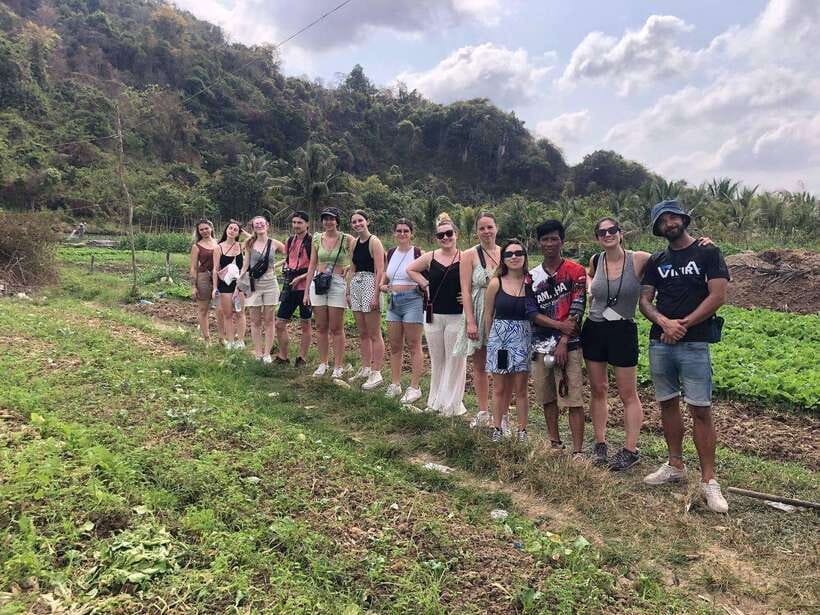
REVIEW · KAMPOT
Kampot Pepper Farm, Salt Fields, Crab Market from Phnom Penh
Pepper, salt, caves, and crab in one long day. This 11-hour trip from Phnom Penh packs several of southern Cambodia’s best food and culture stops into a single outing, with air-conditioned transport, hotel pickup, entrance fees, and a visit to La Plantation included. I especially like the mix of working farms and local food, plus the chance to see Kampot’s colonial streets and Kep’s famous seafood scene rather than spending the whole day on the road.
The strongest parts are La Plantation’s Kampot pepper tasting and the salt fields, where traditional work still shapes the region’s identity. The main drawback is the schedule: Phnom Penh and Kampot are about 150 kilometers apart, so traffic and road conditions can leave you with a long day and limited time at each stop. Bring patience, comfortable shoes, and a hat.
The experience costs $87 per person, with breakfast, lunch, dinner, and personal expenses extra. That price can be fair if you want private or small-group transport and several sites in one day, but you should budget separately for lunch at the Kep Beach Crab Market. Guide quality can also affect the day. Visitors have praised guides including Mr. Vann and Simon, while the formal English or French guide service is specifically provided at La Plantation.
Five useful things to know before you book
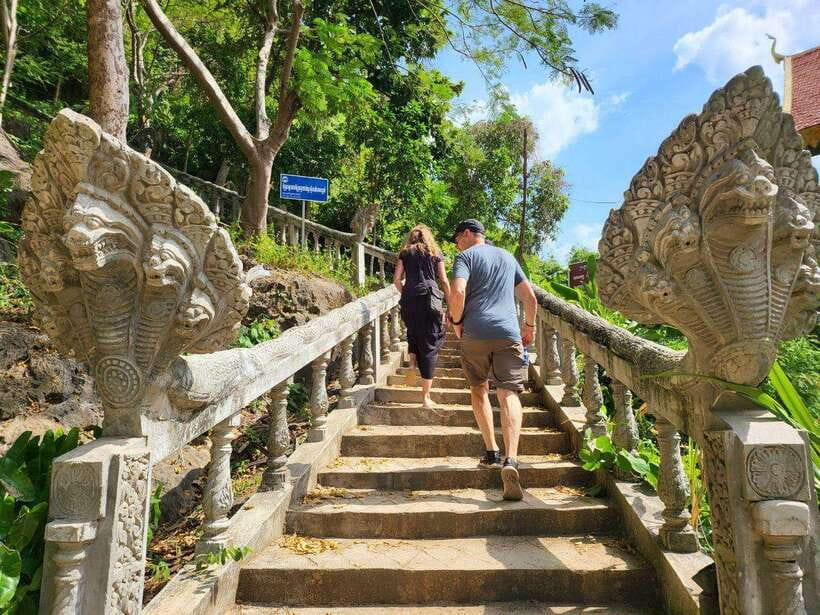
- La Plantation is likely the highlight: You learn how Kampot pepper is grown and handled, with a formal English or French tour at the farm.
- The salt fields are working places, not a staged attraction: Traditional seawater ponds and manual harvesting give this stop its value.
- Kep lunch is not included: You choose and pay for your seafood at the Crab Market, so carry some spending money.
- The day involves a lot of driving: The route from Phnom Penh to Kampot usually takes about 2.5 to 4 hours depending on traffic and transport.
- Phnom Chhngok Cave requires walking: Wear proper shoes and expect moderate physical activity.
- The transport has earned strong marks: Ninety-one percent of ratings for transport were perfect, and the overall score is 4.8 from 21 ratings.
Leaving Phnom Penh for Cambodia’s southern coast
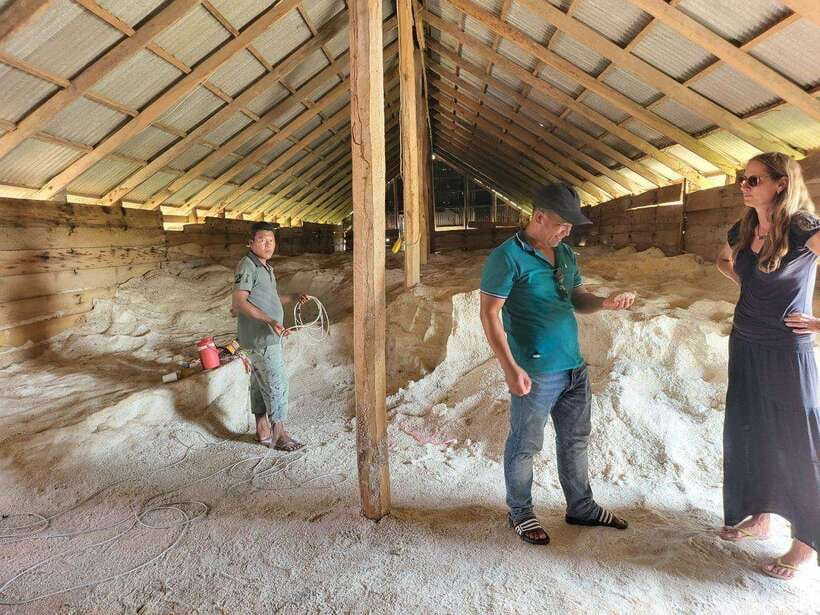
Your day begins with hotel pickup in Phnom Penh. The included vehicle has air conditioning, which matters in southern Cambodia, especially when the route stretches across much of the day. An English-speaking driver is provided, and hotel drop-off in Phnom Penh is also included.
The distance to Kampot is approximately 150 kilometers. The stated travel time is around 2.5 to 4 hours, depending on traffic and the transport used. That range is important. A smooth run can make this feel like an efficient day trip, while a slower journey reduces time for walking around town, exploring the cave, or lingering over seafood.
I would treat the drive as part of the cost of seeing several separate places in one day, not as a minor transfer. This is not a relaxed Kampot weekend. You leave Phnom Penh, reach the southern region, visit several attractions, and return the same day.
The transport is one of the best-rated parts of the experience. One Polish visitor was pleasantly surprised by receiving a private tour at this price, though you should not assume every booking will be private unless your reservation confirms it. If you are assigned a guide such as Simon, Mr. Vann, or another experienced local escort, the drive can also become a useful chance to ask about Cambodian life and history.
More Pepper Farm Tours around Kampot:
- Kampot: Pepper Farm Tour, Salt Field, Cave & Secret Lake
★ 4.9 · 283 reviews - Kampot: Full-day Countryside Tour with Pepper Farm and Kep
★ 4.9 · 245 reviews - Kampot: Tuk Tuk Trip to Pepper Farm, Kep, Crab Market & More
★ 4.9 · 143 reviews
Kampot town and its French colonial streets
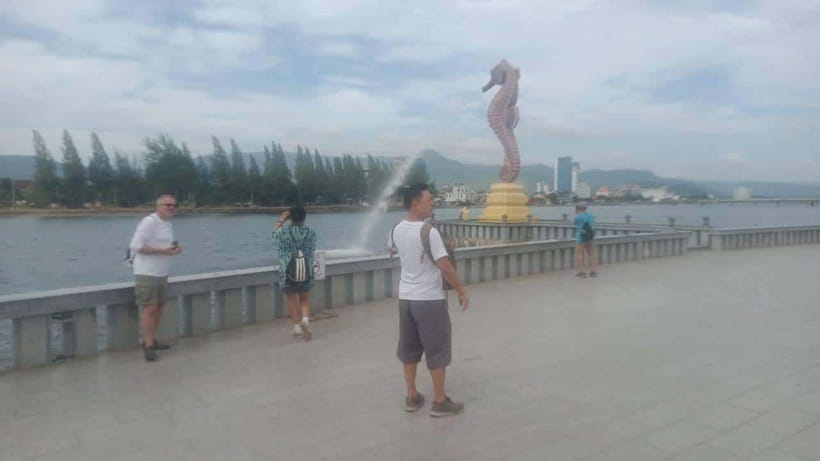
Kampot sits beside the Kampot River, with mountains visible around the town. Its appeal is not one grand monument. It is the combination of river views, old French colonial buildings, traditional wooden houses, and everyday market life.
A short walk gives you a feel for the town’s past and present. The colonial architecture provides attractive photo stops, while the riverside promenade offers a calmer view across the water. If you have only seen Phnom Penh, Kampot feels smaller and slower, with a different rhythm.
The town visit is also a useful counterpoint to the farms and cave. You are not only looking at scenery. You are seeing the setting where Kampot’s pepper and salt industries connect with local food and trade.
Do not expect a long independent wandering period unless the guide specifically allows it. The full route includes several stops, and the day must keep moving. If architecture and town life matter more to you than checking off every attraction, ask how much time is planned in Kampot before departure.
Reading the salt fields through traditional work
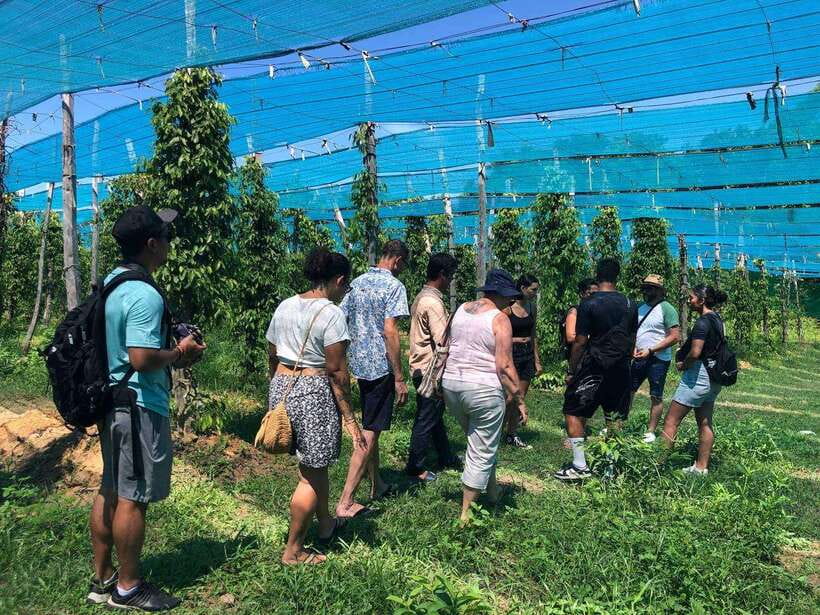
The Kampot salt fields show how a simple product depends on land, weather, water, and repeated manual work. Seawater is directed into shallow ponds, where farmers carefully manage evaporation. As the water disappears, salt forms and can be gathered.
This stop is worthwhile because it presents salt as a local industry rather than a souvenir or a label on a restaurant table. You can see the practical steps behind a product that has been made in the area for generations.
The fields are especially photogenic in open light, but the same openness means little shade. Bring sunscreen, a hat, and water. Comfortable shoes are useful even if the walking here is not described as difficult. The tour provides water, but carrying your own bottle is still sensible.
The salt fields are a good place to slow down and listen to the guide. The most useful explanation is not simply how salt looks. It is why the ponds must be managed with care and how traditional methods continue to support local farmers.
Phnom Chhngok Cave and its limestone interior
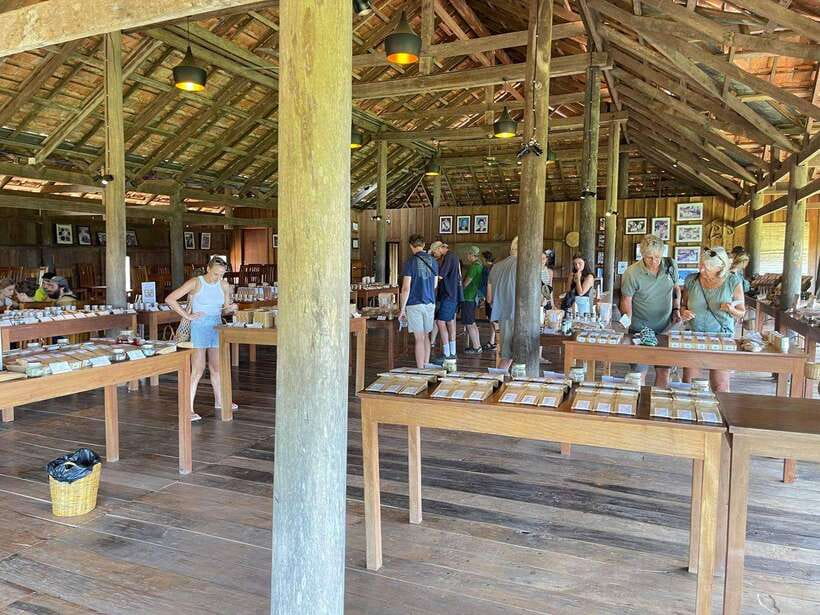
Phnom Chhngok Cave adds a natural and historical change of pace. The cave is known for limestone formations and has historical importance, making it more than a quick photo stop.
Expect moderate walking. The tour specifically recommends comfortable walking shoes, and the experience is not suitable for people with back problems or wheelchair users. Those limitations matter here because uneven access and a cave visit can be tiring during an already long day.
The cave should appeal to you if you like places where geology and history meet. It is also one of the stops that breaks up the food-focused parts of the trip. After the open salt fields, the cave gives you a more enclosed setting and a different view of the area’s natural character.
Bring a camera, but keep your attention on your footing. A hat and sunscreen help outside, while water is useful before and after the cave walk. The itinerary does not promise a long cave exploration, so think of it as a guided stop within a larger regional tour rather than a dedicated caving excursion.
More Salt Farm Tours around Kampot:
- Kampot Countryside include Pepper farm, Salt field & Lake
★ 4.9 · 100 reviews - Kampot Private Tour: Pepper Farm, Salt Field & Secret Lake
★ 5.0 · 27 reviews - Kampot Pepper Farm Tour: Salt Fields, La Plantation & Cave
★ 4.8 · 18 reviews - Hawaiian Salt Farm Tour in Kona
★ 5.0 · 767 reviews
La Plantation and the story of Kampot pepper
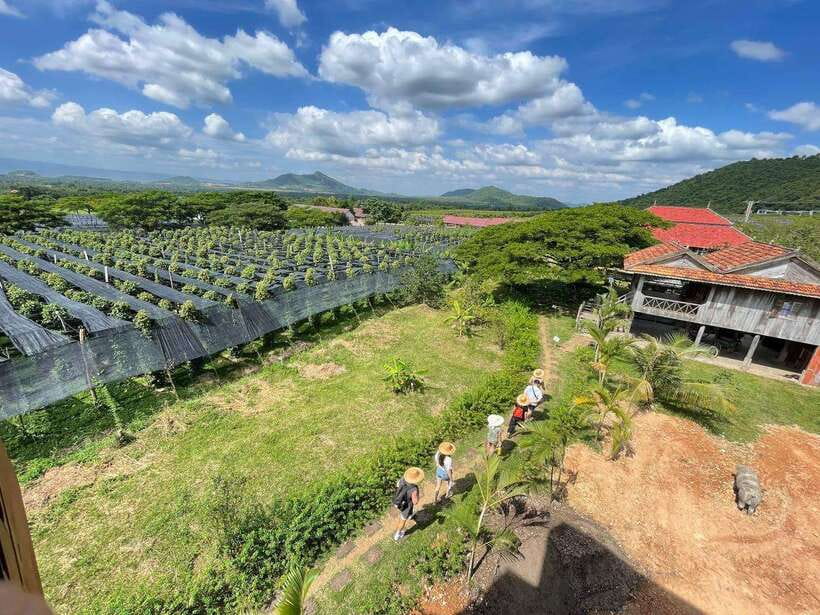
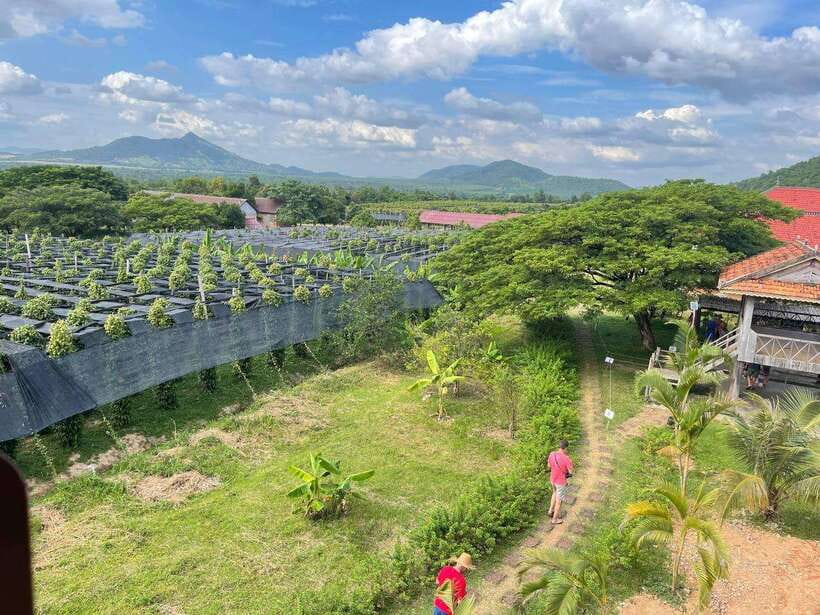
La Plantation is likely the most rewarding stop for anyone interested in food. This organic pepper farm explains why Kampot pepper has such a strong reputation and how the crop is grown and handled.
The formal tour at the farm is offered in English or French. That is a useful distinction: the listed English-speaking driver handles transport, while the structured language service is specifically attached to La Plantation. If you want detailed information about cultivation and processing, this is the place to listen closely.
Kampot pepper is valuable because it connects agriculture, local identity, and cooking. At La Plantation, you can learn about the work behind the finished spice rather than simply buying a packet at a market. The visit also gives the day a clear culinary thread that later continues at Kep.
One German guest called the pepper farm the high point of the trip, and that assessment makes sense. The salt fields show how a basic ingredient is produced, while La Plantation gives you a more developed food experience with guided explanation.
Allow yourself to focus here. Ask questions about the pepper varieties, organic methods, and how the pepper is used in Cambodian food if the guide offers time for discussion. The farm is not just a retail stop. Its value comes from understanding the product before you taste or purchase it.
Seafood at the Kep Beach Crab Market
Kep provides the day’s most direct food experience. The Crab Market is known for fresh seafood, and lunch is arranged there, but the meal is not included in the $87 price.
That setup gives you some choice. You can select seafood that appeals to you and pay for your own meal, rather than accepting one fixed dish. It also means the final cost depends on what you order. Keep personal spending money available and confirm prices if needed before choosing food.
The market is a lively setting, but do not expect a quiet restaurant meal. You are there for the connection between the coast, the market, and the plate. Fresh crab is the obvious draw, while other seafood may also be available, though the exact selection is not specified.
Lunch is an important practical consideration. Breakfast and dinner are also excluded, so plan around the full 11-hour schedule. The tour provides water, but food and drinks are not allowed during the bus ride. That makes the market stop especially useful for taking a proper break.
If seafood is not your preference, this part of the day may feel less rewarding. The tour’s appeal is closely tied to Kampot pepper and Kep seafood, so people seeking only temples or historic buildings may prefer another route.
What the $87 price really covers
At $87 per person, the value depends on how much you want to see in one day. The price includes air-conditioned transportation, hotel pickup and drop-off in Phnom Penh, an English-speaking driver, entrance fees, water, and the La Plantation guide service in English or French.
It does not include meals, personal purchases, or anything not clearly listed in the itinerary. Lunch at the Crab Market is therefore an extra cost, and you should also allow for any pepper or salt products you want to buy.
The price looks stronger if your booking gives you private transport or a very small group. One person from Poland described being surprised by a private tour at this rate, and praised Simon for using the available time well and discussing Cambodian life and history along the way. That is a meaningful advantage on a long route.
The value is weaker if you want a slow, unhurried visit at each location. You are paying for reach and variety: Kampot town, salt fields, Phnom Chhngok Cave, La Plantation, and Kep in one day. You are not paying for long stays at one attraction.
Free cancellation up to 24 hours before departure and the option to reserve now and pay later add useful flexibility. Still, the main decision is not the booking policy. It is whether you are comfortable with a long road day.
Guide quality, language, and the human side of the day
The strongest personal praise centers on the guides. Mr. Vann was described as excellent, while Simon was praised for organizing the day well and talking about Cambodian life and history, not only the sights. Another guest described the guide as friendly, helpful, and generous with explanations.
Those details matter because this route has several stops that benefit from context. Salt ponds can look simple without explanation. Colonial buildings can pass quickly if nobody points out what you are seeing. A good guide links each place to the region’s food, work, and past.
The listed driver language is English. At La Plantation, the formal guide may speak English or French. If you need detailed commentary at every stop, clarify how guiding works for your booking. The experience clearly includes guided interpretation at the pepper farm, while the amount of commentary elsewhere may depend on the assigned driver or guide.
The best approach is to ask questions. This is particularly useful on the road, where you have time to learn about daily life, local products, and the places ahead.
Comfort, walking, and what to pack
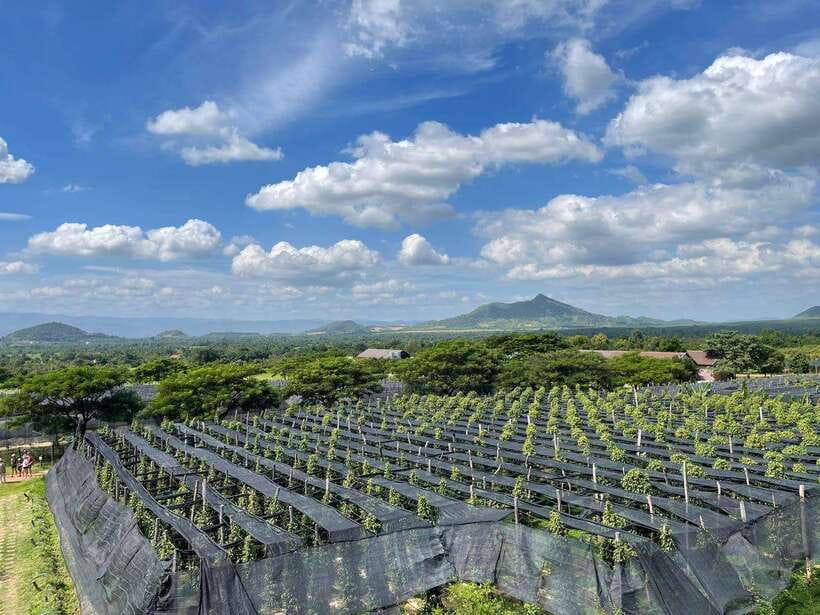
This is not a demanding trek, but it is not a sit-down sightseeing day either. You will get in and out of the vehicle, walk around the town and salt fields, and explore Phnom Chhngok Cave. The tour describes the walking as moderate.
Pack:
- Comfortable walking shoes
- Hat
- Sunscreen
- Camera
- Water bottle
- Money for lunch and personal expenses
Smoking is not allowed. Food and drinks are also not allowed during the bus ride, so plan to eat at the designated meal stop rather than expecting to snack in the vehicle.
People with back problems should think carefully before booking. Wheelchair users cannot be accommodated according to the stated restrictions. The combination of a long drive, moderate walking, and cave access makes this better for people who can manage a full day on the move.
Who should book this Kampot day trip?
I would recommend it to you if you have limited time in Cambodia and want a broad taste of the southern region. Food lovers will get the most from the pepper farm and Kep seafood. Photographers will find plenty to work with in the colonial town, open salt ponds, cave, and coastal market.
It also suits curious first-time visitors who prefer working places to polished attractions. The salt fields and pepper farm show how local products are made, while the Crab Market lets you connect those products with Cambodian cooking.
I would hesitate if you dislike long drives or want a slow holiday pace. You may also want another tour if seafood, walking, or uneven cave access is a problem. Since meals are excluded, the price is not the complete cost of the day.
Should you book it?
Book this tour if you want maximum variety in one long day and you value local food production more than free time. La Plantation is the strongest reason to go, while the salt fields and Crab Market give the day a clear regional identity.
Skip it if you are already staying in Kampot or Kep, since an overnight visit would let you explore at a gentler pace. But for a Phnom Penh base, $87 is a reasonable package for transport, admissions, hotel transfers, and several distinct stops, provided you accept the long road time and extra meal costs.
FAQ
How long is the tour from Phnom Penh?
The experience lasts 11 hours. The journey between Phnom Penh and Kampot is approximately 150 kilometers and generally takes about 2.5 to 4 hours, depending on traffic and transportation conditions.
Is hotel pickup included?
Yes. Pickup from your hotel in Phnom Penh and drop-off back at your hotel are included.
What does the $87 price include?
The price includes air-conditioned transportation, an English-speaking driver, entrance fees, water, hotel pickup and drop-off, and an English or French guide at La Plantation.
Are meals included?
No. Breakfast, lunch, and dinner are not included. Lunch at the Kep Beach Crab Market is an additional personal expense.
Is La Plantation guided?
Yes. La Plantation includes a guide in English or French. The listed English-speaking driver provides the transport portion of the day.
Can I cancel for a full refund?
Yes. You can cancel up to 24 hours in advance for a full refund.
Is the tour suitable for wheelchair users?
No. The experience is listed as unsuitable for wheelchair users.
What should I bring?
Bring comfortable walking shoes, a hat, sunscreen, a camera, and water. You should also carry money for lunch and personal expenses.
More Market Tours around Kampot
- Pepper farm guided tour, Kep/Crab Market, salt & secret lake
★ 4.9 · 16 reviews - Kampot Countryside include Pepper farm,Kep crab market beach
★ 5.0 · 4 reviews - Cooking Class and Lunch at a Tuscan Farmhouse with Local Market Tour from Florence
★ 5.0 · 4,831 reviews - Chiang Mai: Authentic Cooking Class with Market & Farm Visit
★ 4.9 · 4,546 reviews
Just added around Kampot
- Trip with Local tuk tuk to Country side & Pepper farm…★ 5.0 · 13 reviews
- Pepper farm guided tour, Kep/Crab Market, salt & secret lake★ 4.9 · 16 reviews
- Kampot Pepper Farm Tour: Salt Fields, La Plantation & Cave★ 4.8 · 18 reviews
- Kep town: Local tuk tuk to Countryside & Pepper farm★ 4.6 · 8 reviews
- Kampot Private Tour: Pepper Farm, Salt Field & Secret Lake★ 5.0 · 27 reviews
- Kampot Pepper farm Enjoy Tour & Testing our process 4 free★ 4.8 · 5 reviews
- Kampot Countryside include Pepper farm,Kep crab market beach★ 5.0 · 4 reviews
- Kampot Pepper farm & Kayak trip around Green cathedral Sunse★ 5.0 · 2 reviews
Pepper Farm Tours, farm by farm.
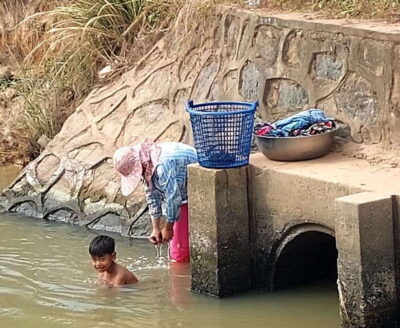
Pepper Farm Tour, Salt Field, Cave & Secret Lake
Read our review →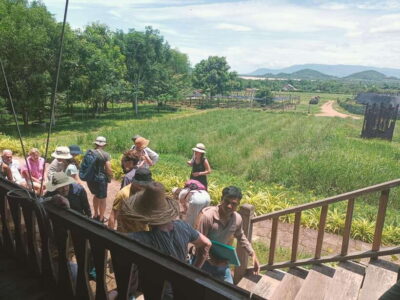
Full-day Countryside Tour with Pepper Farm and Kep
Read our review →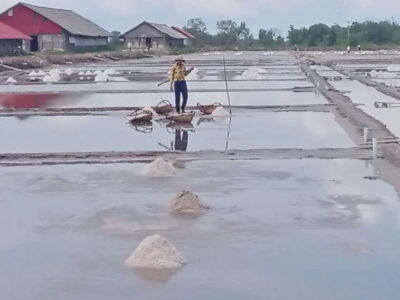
Tuk Tuk Trip to Pepper Farm, Kep, Crab Market & More
Read our review →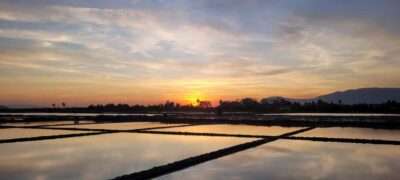
Kampot Countryside include Pepper farm, Salt field & Lake
Read our review →
KAMPOT TRAVEL-Pepper farm. Cave.Secret lake-Crab market & Salt…
Read our review →
Kampot’s Countryside & Kayak Tour, Pepper Farm include Lunch
Read our review →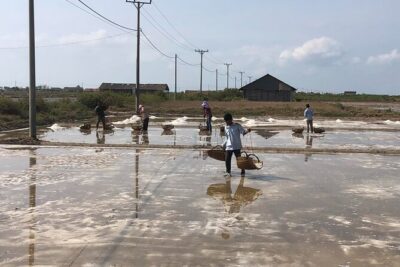
Kampot Countryside Tour – Pepper Farm, Salt Lake, Caves, and more
Read our review →
Kampot Private Tour: Pepper Farm, Salt Field & Secret Lake
Read our review →Other lists this farm sits on