
REVIEW · ITALY
Volterra: Fresh Pasta Cooking Class at a Tuscan Farmhouse
Make pasta, then eat your lesson. At a working farmhouse in the Tuscan hills near Peccioli, you learn three traditional pasta shapes, including one filled pasta and two egg pastas, then sit down to eat what you made. I like the hands-on cooking and the warm, family-style setting. You are not just watching a chef work. You mix, shape, and prepare the food yourself.
I also like the way the class connects food with local life. The ingredients come from the farm, the sauces follow old Tuscan recipes, and the meal comes with Diacceroni wine. Lucia has a gift for keeping the class cheerful and on track, while Ilanea has earned praise for being patient and personable. The main consideration is time: at only two hours, this is a focused introduction rather than a long culinary workshop.
Key points
- Three pasta shapes in two hours: Prepare one filled pasta and two types of egg pasta, then eat the finished dishes.
- A real farmhouse setting: Meet at Agriturismo Biologico Diacceroni in Peccioli, at Via della Bonifica, 156.
- Chefs who teach as they cook: The instructors share practical methods, family recipes, anecdotes, and small cooking secrets.
- Lunch or dinner is included: Your handmade pasta is cooked with traditional sauces and served with Diacceroni wine.
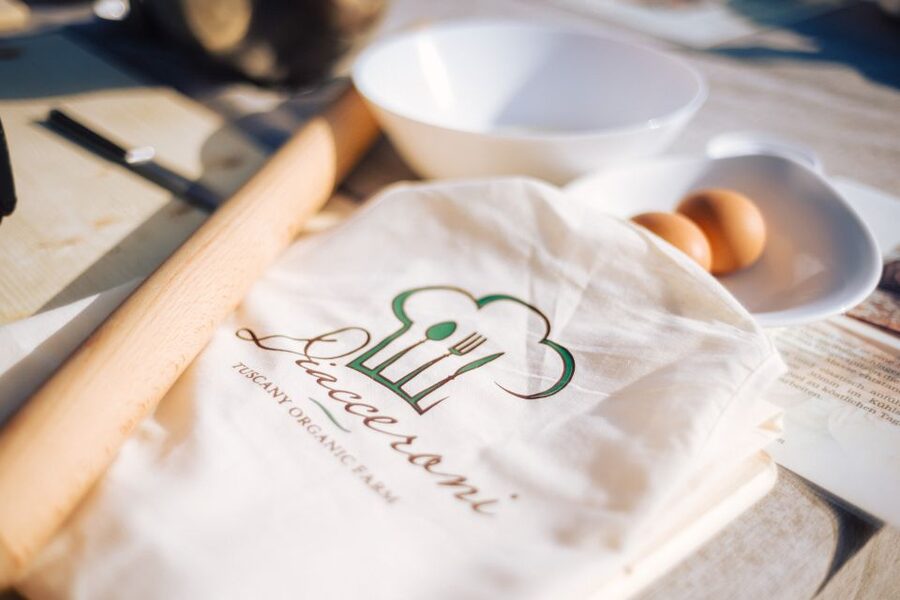
- A friendly, hands-on class: Your station has an apron and ingredients ready when you arrive.
- Useful booking flexibility: The class lasts two hours, is offered in Italian and English, and allows cancellation up to 24 hours before the start for a full refund.
Arriving at the farmhouse near Peccioli
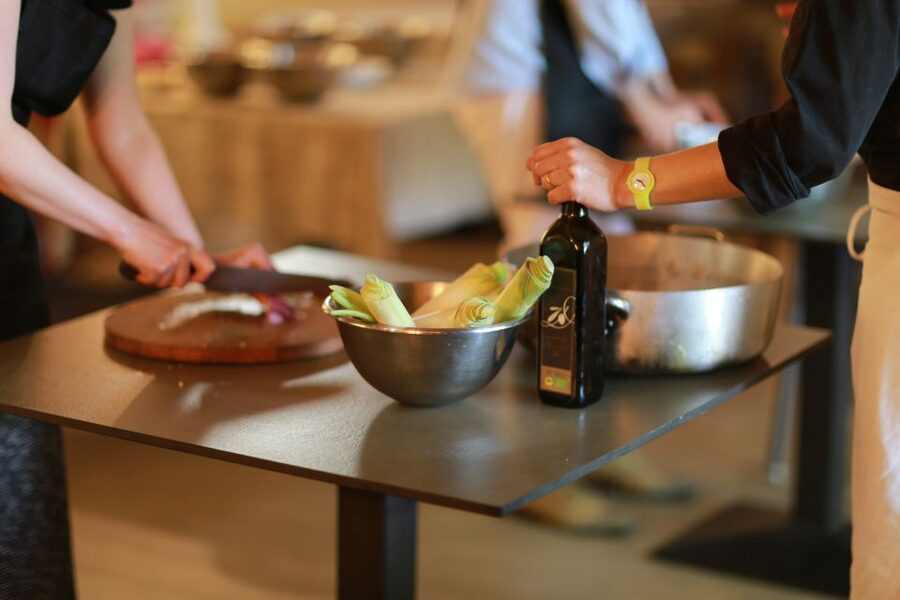
The meeting point is the reception of Agriturismo Biologico Diacceroni in Peccioli, not a central meeting point in Volterra. That detail matters. You will need to arrange your own way there because hotel pickup and drop-off are not included.
The farmhouse setting gives the class a clear sense of place. You are cooking at an active agricultural property in the Tuscan hills, using ingredients connected to the farm rather than working in a generic city kitchen. The setting is part of the appeal, especially if you are already touring the Volterra and Peccioli area by car.
At arrival, you are welcomed at your cooking station. An apron and the ingredients for the class are already waiting. This keeps the opening simple and practical. You do not spend the first part of the session collecting supplies or watching a long demonstration before touching the food.
The activity runs rain or shine. That is useful to know if your Tuscan plans are built around outdoor sightseeing. The cooking itself gives you a dependable indoor activity, but you still need to plan your transportation to and from the farmhouse in poor weather.
More Cooking Classes around Italy:
- Cooking Class and Lunch at a Tuscan Farmhouse with Local Market Tour from Florence
★ 5.0 · 4,831 reviews - Hands-On Cooking Class & Farmhouse Tour on the Amalfi Coast
★ 5.0 · 956 reviews - Florence: Cooking Class at a Tuscan Farm & Local Market Tour
★ 4.9 · 354 reviews
Learning three pasta shapes from scratch
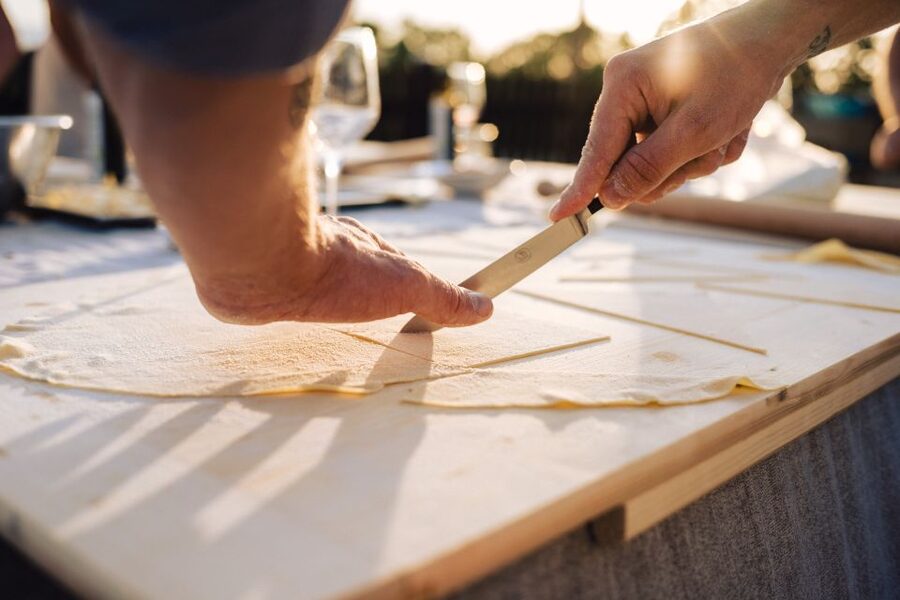
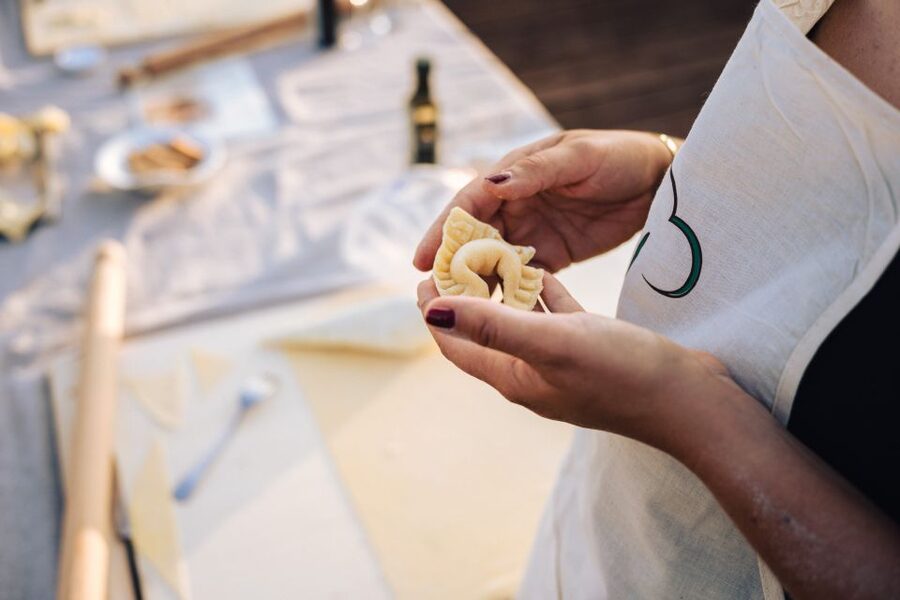
The class centers on three traditional forms of pasta. One is filled pasta, and two are egg pastas. The exact shapes are not specified in advance, so do not arrive expecting a particular named variety. What is clear is that you will work through different techniques rather than repeating one simple dough exercise.
That variety is the strongest part of the class. Filled pasta asks you to think about filling, sealing, and handling the dough. Egg pasta gives you another set of skills, including working the dough and shaping it into different forms. In two hours, you get a useful sample of the basic craft without committing an entire afternoon.
You participate directly in the preparation. The chef guides you through each stage, explains the traditional method, and helps keep the class moving. Lucia is especially good at this balance. Her approach, based on the available feedback, is both organized and playful. She keeps people on track, but the mood stays relaxed rather than stiff.
You may also work with a small group. One particularly positive account came from two friends who had the chef and guide to themselves. That kind of small-group atmosphere can make it easier to ask questions and receive individual help, though group size can vary and is not specified as a fixed feature.
The recipes are presented as the kind of food associated with Tuscan grandmothers. That does not mean you are receiving a formal cooking-school lecture. Instead, you get practical instruction tied to home cooking, along with anecdotes and curiosities about Tuscan cuisine. For many people, that is more useful than a polished demonstration where the chef does all the work.
From flour and eggs to a proper meal
The point of the class is not simply to make pasta for practice. Once you have prepared it, the pasta is cooked and served to you with traditional sauces. Your meal is the payoff for the work at the station, and it gives you a chance to taste how the dough performs after shaping.
This is one reason I consider the price reasonable for the right visitor. At $118.95 per person, this is not a cheap meal or a basic market demonstration. You are paying for instruction, ingredients, equipment, a prepared meal, and wine, all in a farmhouse setting. If you only want to eat pasta, a restaurant will cost less. If you want to learn a skill and eat the result, the value is much better.
The meal follows the cheerful rhythm of a Tuscan family lunch or dinner. That detail gives the class its personality. You are not expected to rush away immediately after shaping the last piece. The finished food is served as part of the same social occasion, with Diacceroni wine included.
Extra menu items and extra drinks are not included. The supplied details do not specify what additional food or beverages may be available, so it is best to treat the included pasta meal and wine as the planned offering. If you have a large appetite or want several courses, ask about extras before booking.
A nice practical touch emerged from Lucia’s class: when people could not finish all the pasta, she packed it for them to take away. This is not presented as a guaranteed service, so you should not count on it. Still, it shows the class is handled with a generous, informal spirit rather than a rigid schedule.
The value of the chefs’ stories and methods
A pasta class can easily become a stage show. The chef performs, you watch, and you leave with a few photographs but little confidence. This format is more useful because you participate and interact with the instructors throughout the session.
The chefs share secrets from traditional recipes, along with anecdotes and small facts about Tuscan cooking. I like this kind of teaching because food makes more sense when you understand its place in daily life. A recipe is not just a list of measurements. It reflects how families cook, what ingredients are available, and how a meal is meant to be shared.
The strongest praise has focused on the instructors’ personalities. Lucia is described as funny, encouraging, and able to keep everyone moving together. Ilanea has been singled out for patience and a personable teaching style. Those qualities matter more than a grand title in a short class. You need someone who can correct your technique without making you feel clumsy.
That said, a two-hour lesson has limits. You will learn the process for three shapes, but you should not expect an advanced course in Tuscan pasta making. The class is best for building confidence and picking up methods you can try at home. If you already make fresh pasta often, you may find the instruction more introductory than challenging.
More Pasta Experiences around Italy:
- Florence Pizza or Pasta Class with Gelato Making at a Tuscan Farm
★ 5.0 · 6,801 reviews - Florence: Pizza or Pasta Class with Gelato at a Tuscan Farm
★ 4.9 · 1,181 reviews - Alghero Home Cooking Pasta Class at a Farmhouse with Wine
★ 5.0 · 130 reviews - Bardolino: Garda Lake Pasta Cooking Class at Agritourism
★ 5.0 · 114 reviews
Wine, conversation, and the family-table mood
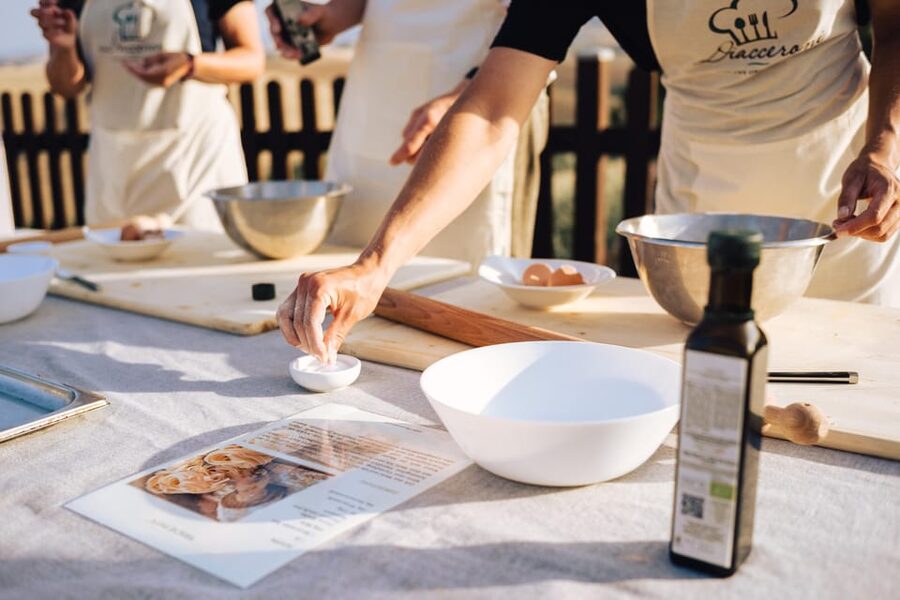
Diacceroni wine is included with the lunch or dinner. It helps turn the class into a complete Tuscan meal rather than a cooking task followed by a quick taste. If you enjoy food experiences for their social side, this shared table is likely to be as important as the pasta itself.
The atmosphere is described as cheerful and festive, similar to a typical Tuscan family lunch. That suggests an informal setting where conversation and humor are part of the lesson. It is a good match for couples, friends, and families who want to spend time together instead of splitting up for separate sightseeing activities.
The class also suits solo visitors who like meeting people through food. You will have a natural subject for conversation because everyone is working on the same recipes. Still, the activity is not described as a structured social mixer, so the amount of group interaction will depend on the people attending that day.
Wine is included, but other drinks are extra. If you do not drink alcohol, the supplied information does not state what replacement beverage is offered. You should mention any preference when making your reservation rather than assuming a substitute is available.
Who will get the most from this class
I would choose this activity for someone who wants a real Tuscan food memory and a skill to take home. It works particularly well for:
- Couples looking for a shared activity beyond museums and churches.
- Families who want children or teens to take part in making lunch, provided they can follow the class format.
- First-time pasta makers who prefer friendly guidance over a formal cooking school.
- Food lovers staying around Volterra, Peccioli, or the surrounding Tuscan countryside.
- Visitors with a flexible schedule who can reach the farmhouse independently.
The class is wheelchair accessible, which broadens its usefulness for visitors who need an accessible activity. You should still confirm any personal access needs when booking, since the supplied details do not describe the route from parking or the exact kitchen layout.
I would be less likely to choose it if you are looking for a full-day culinary program, a market visit, several courses, or a lesson devoted to one advanced pasta style. The class gives you three shapes and a meal in two hours. Its strength is a lively, efficient introduction, not an exhaustive course.
Language, timing, and practical planning
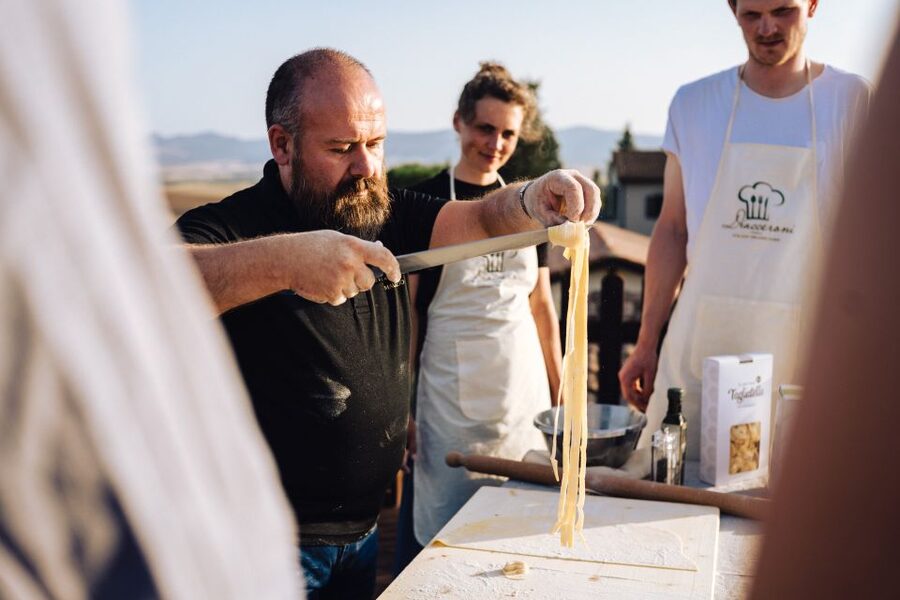
Instruction is available in Italian and English. That makes the class workable for English-speaking visitors, while the Italian setting remains part of the charm. If you have food allergies or intolerances, report them when you reserve. This is especially important in a pasta class, where ingredients are central to nearly every stage.
Starting times vary, so you need to check availability for the date you want. The total duration is two hours. That makes it easy to fit around a half-day of sightseeing, but allow extra time for the drive to Peccioli and for finding the Agriturismo Biologico Diacceroni at Via della Bonifica, 156.
The activity ends back at the meeting point. Since no transportation is provided, plan your return before you arrive. This is a simple detail, but farmhouse locations can be less forgiving than city attractions if you are relying on a tight bus connection or a prearranged transfer.
Booking is flexible. You can reserve now and pay later, and cancellation is allowed up to 24 hours before the start for a full refund. That is helpful when your Tuscan route depends on weather or changing plans. The class itself runs rain or shine, so cancellation flexibility may be more useful than waiting for a clear forecast.
Is $118.95 a fair price?
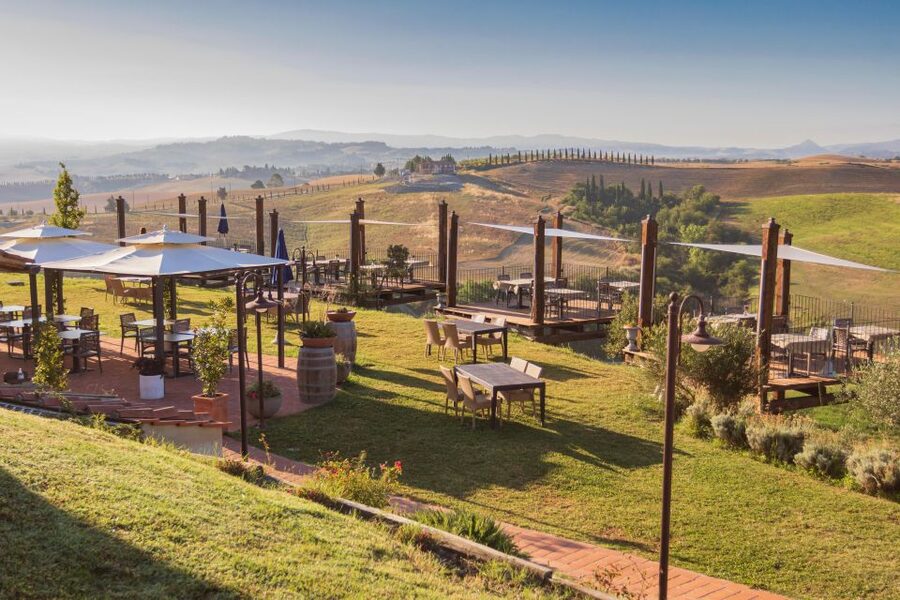
The honest answer depends on what you value. At $118.95 per person, the cost is high if you compare it with a simple restaurant lunch. It becomes more reasonable when you count the chef-led instruction, cooking utensils, ingredients, three pasta preparations, the meal you create, and included Diacceroni wine.
You are also paying for the farmhouse setting and the chance to learn from local cooks who explain traditional methods. The value is not in the amount of food alone. It is in the combination of doing the work, hearing the stories, and sitting down to eat the result.
I would not book this solely because the price includes wine. I would book it because you want to take part. If you plan to stand back and watch, a cheaper meal will give you better value. If you like practical activities and want to recreate the recipes at home, the cost is easier to justify.
The positive feedback has been unusually consistent, with a perfect 5 rating across 33 reviews. The most praised points are the fun teaching style, the quality of the finished pasta, the instructors’ patience, and the satisfaction of eating the food you prepared. Those are the features I would give the most weight when deciding.
Should you book the Diacceroni pasta class?
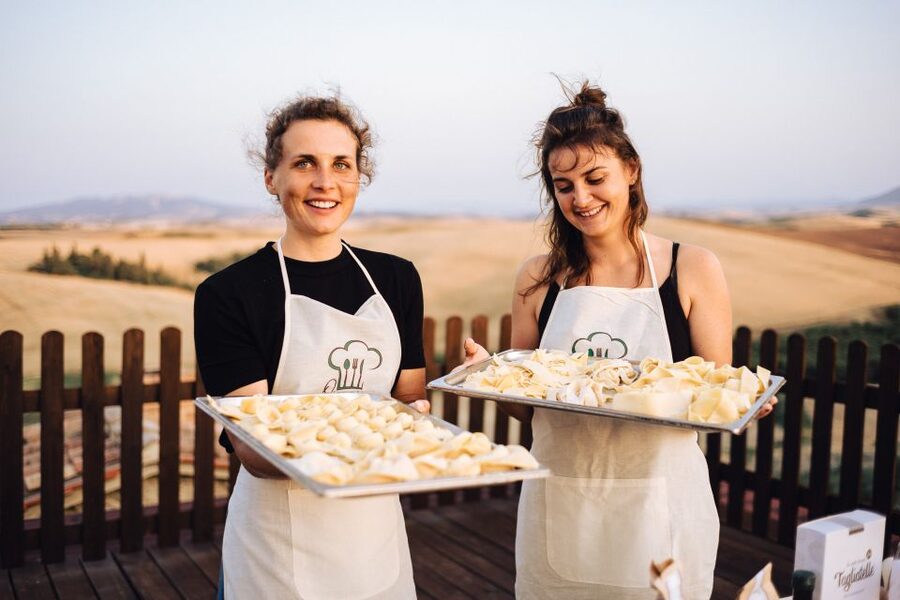
Book it if you want a warm, hands-on food activity near Peccioli and Volterra, especially if you enjoy learning by doing. The three pasta shapes give you enough variety to make the two hours feel worthwhile, and the meal with Diacceroni wine completes the experience.
Skip it if you need hotel transportation, want an advanced culinary course, or prefer to spend your time on a long sightseeing itinerary. You must reach the farmhouse yourself, and the class is intentionally compact.
For most visitors who like Tuscan food and can manage the meeting point, I would book this. The best reason is simple: you do not just hear about traditional pasta. You make it, eat it, and leave with methods you can try again at home.
FAQ
Where does the pasta class meet?
The class begins at the reception of Agriturismo Biologico Diacceroni, located in Peccioli at Via della Bonifica, 156.
How long does the activity last?
The cooking class lasts two hours. Starting times vary, so you need to check availability for your chosen date.
What kinds of pasta will I make?
You will prepare three traditional pasta shapes: one filled pasta and two types of egg pasta.
Is the meal included?
Yes. The pasta prepared during the class is cooked and served with traditional sauces. The meal also includes Diacceroni wine.
Are ingredients and cooking equipment provided?
Yes. Ingredients and cooking utensils are included, and an apron is waiting at your station when you arrive.
Is hotel pickup available?
No. Hotel pickup and drop-off are not included. You need to make your own way to the farmhouse and return from the meeting point.
What languages are offered?
The instructor can teach in Italian or English.
Can I cancel the booking?
Yes. You can cancel up to 24 hours before the activity for a full refund. You can also reserve now and pay later.
More Workshops around Italy
- Sorrento: Pizza Lesson, Wine, and Limoncello at a Local Farm
★ 5.0 · 1,513 reviews - Sorrento Farm by Tuk Tuk: Cheese, Limoncello & Hands-On Pizza
★ 5.0 · 628 reviews - Sorrento: Farm Tour with Cheese Tasting & Pizza Making Class
★ 5.0 · 503 reviews - Amalfi: Cooking Class and Farmhouse Visit With Meal
★ 5.0 · 262 reviews
Just added around Italy
- Volterra: Pizza Cooking Class in a tuscan farmhouse★ 4.6 · 11 reviews
- Visit Siena and San Gimignano with lunch at a family farm★ 5.0 · 8 reviews
- Vico Equense: Tour in the dairy “Mozzarella Experience”★ 5.0 · 19 reviews
- Turin: Meet the Monviso Alpacas at the Educational Farm with a Guide★ 5.0 · 5 reviews
- Bardolino: Garda Lake Pasta Cooking Class at the Agritourism★ 5.0 · 32 reviews
- Rialto Farmers & Fish Market Food Tour in Venice with Wine Tasting & Sightseeing★ 5.0 · 3 reviews
- Rialto Market Food Tour: Wine Tasting and Sightseeing in Venice★ 5.0 · 57 reviews
- Rialto Market Food Tour: Wine Tasting & Sightseeing in Venice★ 5.0 · 18 reviews
Cooking Classes, farm by farm.
Half-Day Thai Cooking Class at Organic Farm in Chiang Mai
Read our review →
Cooking Class and Lunch at a Tuscan Farmhouse with Local Market Tour from Florence
Read our review →
Authentic Cooking Class with Market & Farm Visit
Read our review →
Hands-On Cooking Class & Farmhouse Tour on the Amalfi Coast
Read our review →
Other lists this farm sits on