
REVIEW · SPAIN
Valencia: Orange Farm and Orchard Trip with Tastings
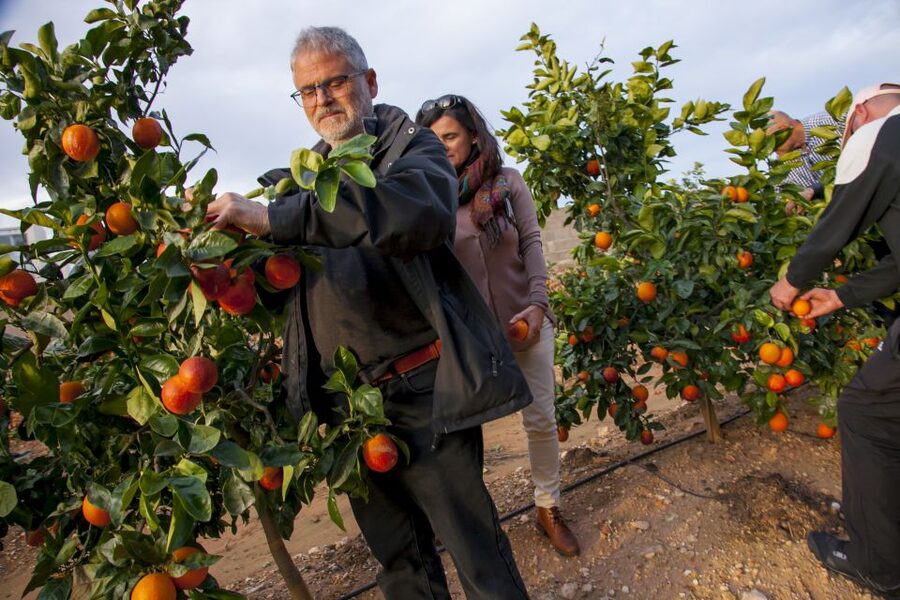
Fresh oranges taste better from the tree. This two-hour visit to Huerto Ribera offers a real look at Valencian citrus farming, not just a photo stop among orange trees. I like the mix of orchard walking, hands-on picking, warehouse work, and generous tastings. I also like the family connection, with guides such as Teresa, Ana, Claire, and Luis sharing practical knowledge about the farm and its crops.
The main drawback is getting there without a car. The train from Valencia is quick, but the final walk from the station can take about 30 minutes, and some visitors have found it long and unattractive. The tour itself is not suitable for wheelchair users, though the staff has made thoughtful efforts to help a wheelchair companion in at least one case.
Key things to know before you go
- Carcaixent is known as the orange cradle of Valencia, and Huerto Ribera sits about 35 kilometers from the city.
- The tour goes beyond ordinary oranges, with Buddha’s hand, yuzu, citrus caviar, kumquats, grapefruit, papayas, avocados, pomegranates, and more.
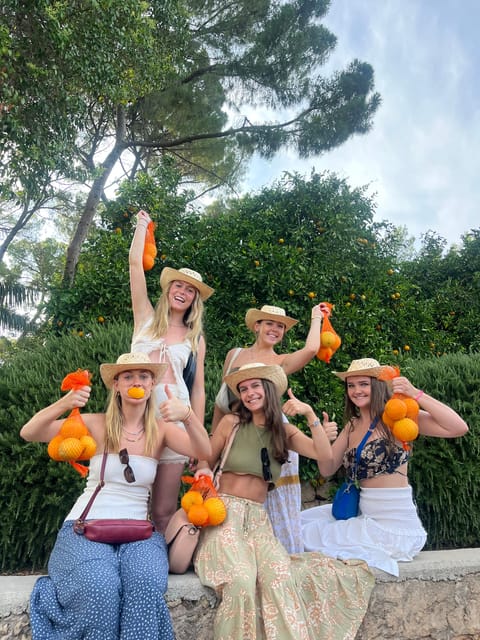
- Seasonal picking is a highlight, with a bag of oranges included from February through June. The wider picking season is described as running from October into June, so confirm what is available on your date.
- The warehouse visit adds real substance, showing how oranges are selected, calibrated, and prepared for shipment across Europe.
- Tastings are a major part of the value, including juice, citrus fruit, jams, orange blossom honey, and Valencian liqueurs.
- The two-hour length works well, giving you plenty to see without turning a pleasant orchard visit into a full-day commitment.
Why Carcaixent adds meaning to an orange tour
Valencia is famous for oranges, but the city itself does not show you much about how the crop reaches the market. For that, you need to leave the center and head toward Carcaixent, a town identified with citrus growing for generations.
Huerto Ribera has operated since 1870. That long connection matters because the visit is not only about tasting sweet fruit. You also get a look at the work, decisions, and changes behind the crop.
The guide explains traditional cultivation alongside modern methods. You learn about pruning, grafting, flowering, irrigation, and the different stages of fruit production. This gives the orchard a practical purpose. You are not simply walking past pretty trees. You are learning why the trees look and grow the way they do.
I especially like that the experience deals with the current citrus industry as well as the past. The visit touches on the changing economy and the pressures facing Valencian growers. That makes it more useful than a simple farm attraction built around a few samples and a gift shop.
More Fruit Picking Farms around Spain:
- Kamananui Cacao Orchard Tour
★ 5.0 · 132 reviews - Traditional Olive Grove and Dragon Fruit Farm Tour
★ 4.8 · 118 reviews - Cai Rang floating market, see sunrise, CaCao orchard, small canal
★ 5.0 · 44 reviews
Arriving at the 19th-century estate
The meeting point is Huerto Ribera, Polígono Nº 53, 5, 46740 Carcaixent. If you drive, you can go directly to the property. If you use public transport, direct trains from Valencia Nord take about 35 minutes.
The train is simple in principle, but allow time for the full journey. A train departure may not come as often as you expect, and one visitor noted that tickets had to be bought at the counter and that services could be an hour apart. Check the timetable before leaving Valencia, and do not plan to arrive at the station just before the tour begins.
Getting from the station to the farm needs extra thought. Some people have used a taxi from Alzira or arranged a taxi pickup, while others have walked. The walk can take about 30 minutes and is not especially scenic according to one detailed account. If you are traveling with children, carrying bags, or walking in summer heat, a taxi is the easier choice.
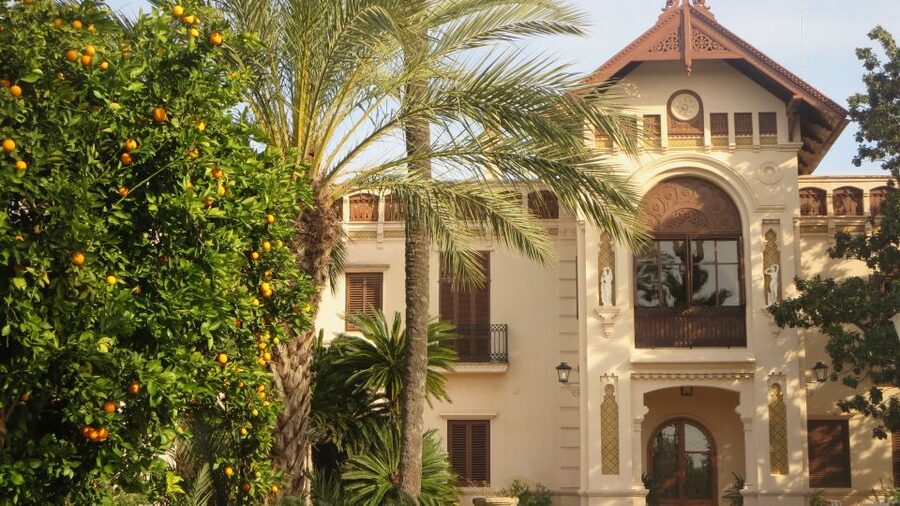
At the property, the tour begins outside the estate’s eclectic 19th-century modernist house. You do not tour the interior, but the exterior and surrounding gardens give the visit a sense of place. The house is part of the farm’s identity, rather than a separate museum attraction.
Walking through the citrus collection
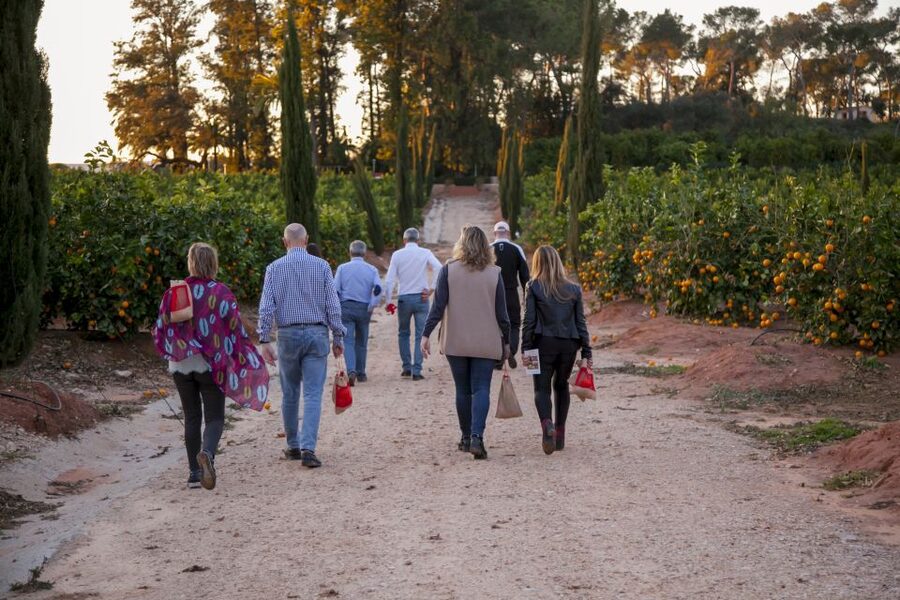
The orchard walk is the heart of the visit. You move through trees that include oranges and tangerines, but also avocados, lemons, kumquats, grapefruit, pomegranates, papayas, medlars, and less familiar citrus varieties.
The unusual plants are what make this tour different from a standard orange farm outing. Buddha’s hand has an odd, finger-like shape. Yuzu brings a sharp, fragrant citrus note. Citrus caviar offers tiny juice-filled beads. Sanguinelli, a blood orange variety, may be available depending on the season.
You may also see fruits at different stages of growth, flowers, and trees that do not resemble the familiar orange tree at all. The guide explains the varieties planted on the farm and how they differ. This is a good place to ask questions, especially if you cook with citrus or grow fruit yourself.
The timing of your visit changes the feel of the orchard. In spring, orange blossom can fill the air with a powerful sweet scent. Several spring visits were especially memorable because the trees were in bloom. In summer, the heat becomes a bigger factor, but the farm has provided hats on hot days, and the staff has made an effort to keep people comfortable.
Wear sturdy, comfortable shoes. The visit involves walking outdoors, and the ground may not be as smooth as a city street. Light clothing is sensible in warm months, since one visitor found the farm noticeably hotter than Valencia.
Learning how oranges are grown
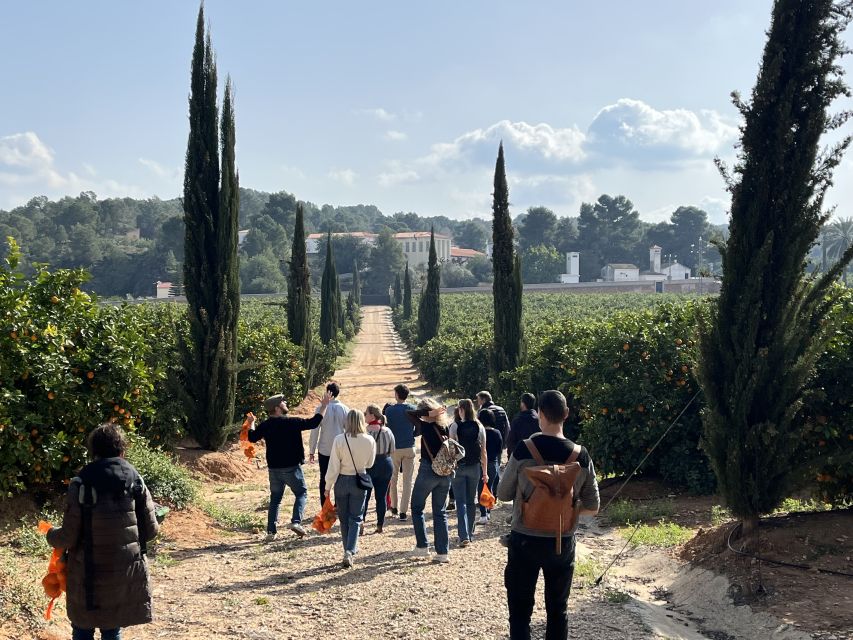
The guide covers traditional cultivation and modern production methods in a way that keeps the subject grounded. You hear about pruning, grafting, flowering, and irrigation, along with the seasonal work needed to keep the trees productive.
The irrigation well is another useful stop. It shows how water reaches the orchard and connects the farm’s long history with present-day growing. This is a small part of the tour, but it helps explain how a citrus farm functions beyond the fruit hanging from the branches.
Guide quality appears to be one of the strongest parts of the experience. Teresa is connected with the family farm and is described as warm, funny, and well informed. Ana, Ana E., Claire, Luis, and Mylene have also led visits, with particular praise for their clear English, friendly manner, and ability to answer questions.
The experience can feel personal because the guides share first-hand knowledge of the property and local industry. That does not mean every guide will give the exact same talk. If you want detailed information about the origin of citrus around the world or an extensive breakdown of every variety, you may find the coverage limited. The focus is Valencian farming, the farm itself, and the fruit you can see and taste that day.
More Farm Tours around Spain:
- Montserrat Lunch & Wine at Farmhouse Small Group from Barcelona
★ 5.0 · 2,368 reviews - Barcelona: Montserrat Visit & Lunch at Farmhouse Small Group
★ 4.7 · 1,313 reviews - Montserrat Full Day Tour with Farmhouse Lunch and Winery Visit
★ 5.0 · 1,068 reviews - Montserrat & Winery Visit Tour with Traditional Farmhouse Lunch
★ 4.5 · 1,035 reviews
Picking your own oranges
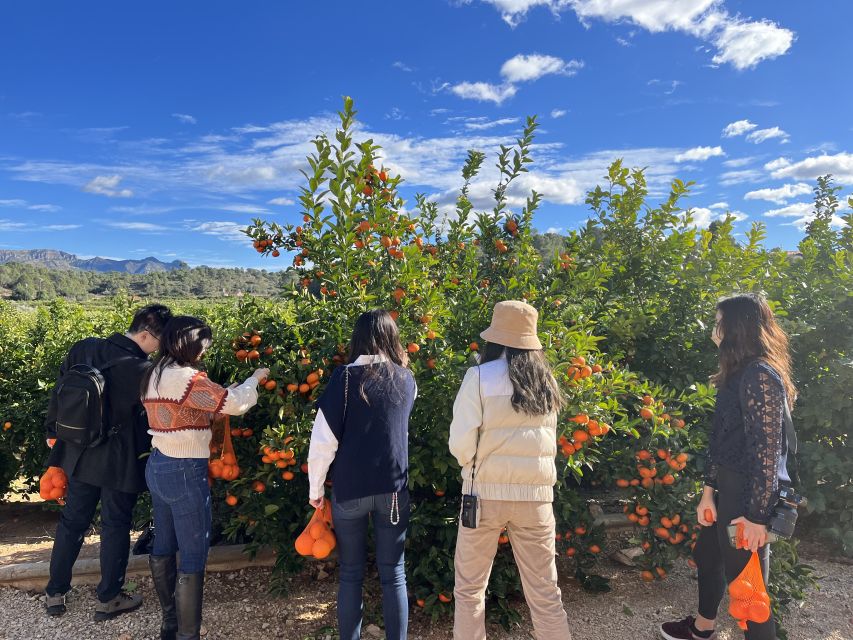
The hands-on picking session is the moment that turns this from a farm talk into an activity. During the appropriate season, you choose oranges from the trees and fill a bag to take home.
The included bag is listed for February through June. The wider description gives the orange-picking period as October through June, so availability and the exact fruit may vary with the harvest. If picking is the main reason you want to go, check the date carefully before booking.
Families tend to get good value from this part. Children can take part in a simple task, see exactly where the fruit grows, and carry home something they selected themselves. An eight-year-old particularly enjoyed picking, trying the sorting machine, and drinking juice made from the farm’s fruit.
The oranges are not just a souvenir. Several visitors used them later for fresh juice, and the fruit was repeatedly praised for its sweetness. Bring a bag with room for the produce, and remember that a full bag can be awkward if you are continuing around Valencia by train.
Seeing the warehouse and orange calibration
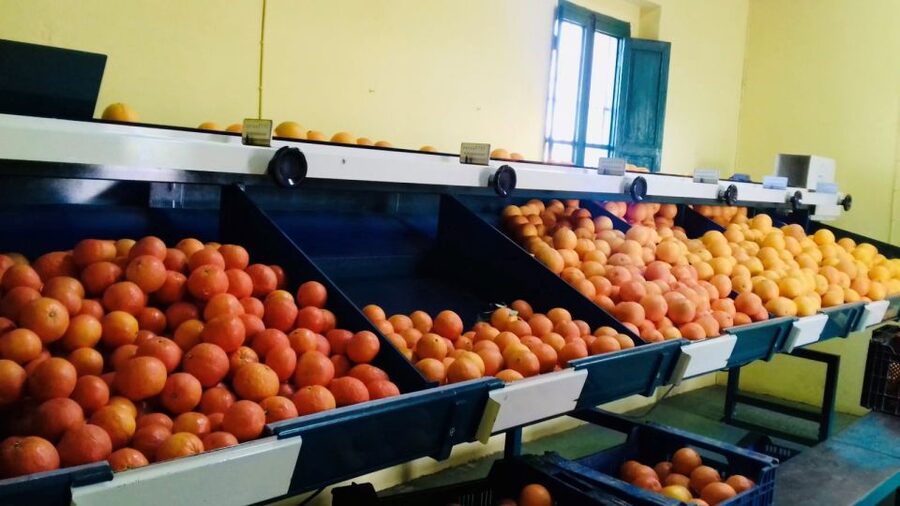
The visit to the Naranjas Ribera warehouse gives the tour a welcome change of pace. Here, you see how the farm calibrates and selects oranges before packing them for delivery across Europe.
This step answers a question many farm tours skip: what happens after the fruit is picked? Size, quality, and selection affect how the oranges are prepared and sold. Seeing the process helps you understand that farming is only one part of the business.
The sorting demonstration can be a hit with children, but adults will also find it useful. It links the orchard to the commercial side of citrus growing and shows why a good-looking fruit does not simply go straight from tree to box.
The warehouse is not presented as a large industrial attraction. It is a working part of the farm visit, which is exactly why it has value. You get enough information to understand the process without spending the whole two hours among machines.
Tasting juice, fruit, jams, and liqueurs
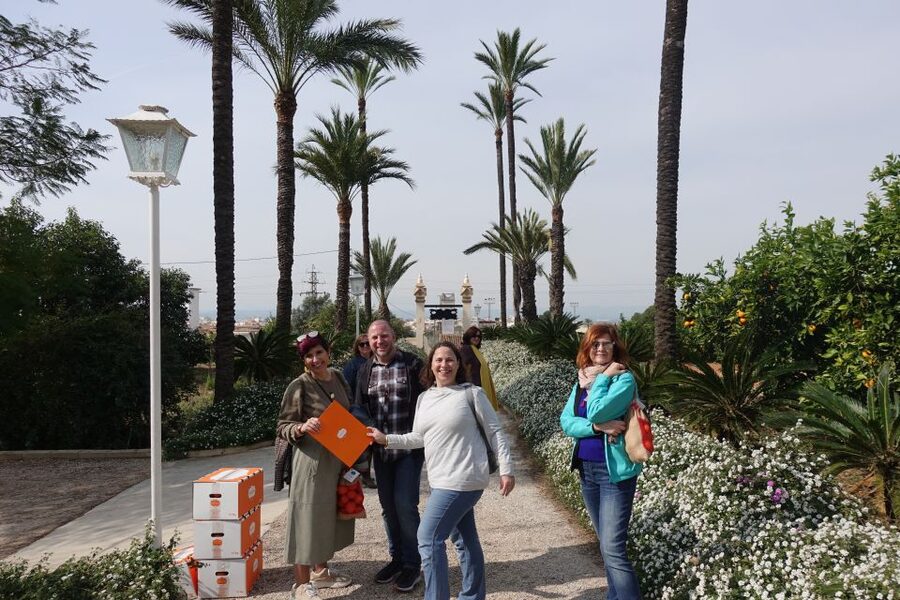
The tasting comes near the end and is generous for a $35 price. Depending on the season and the day, you may try fresh orange juice, tangerines, lemons, limes, grapefruit, kumquats, citrus caviar, jams, orange blossom honey, homemade products, and Valencian liqueurs.
Some visits begin with lemonade, coffee, biscuits, or orange blossom cookies. Fresh orange juice often finishes the experience, and it may be the simplest and best sample of the day. Juice made from fruit picked nearby has a clean, direct flavor that bottled juice rarely matches.
The tasting also helps you compare varieties instead of treating all citrus as the same. You can notice differences in sweetness, acidity, bitterness, fragrance, and texture. For anyone who cooks, the unusual fruits offer ideas for desserts, drinks, preserves, and savory dishes.
The small shop provides a chance to buy marmalades, honey, liqueurs, and other products. There is no need to buy anything, and the visit is not built around hard selling. Still, leave a little space in your luggage if you enjoy bringing home edible souvenirs.
Is $35 good value?
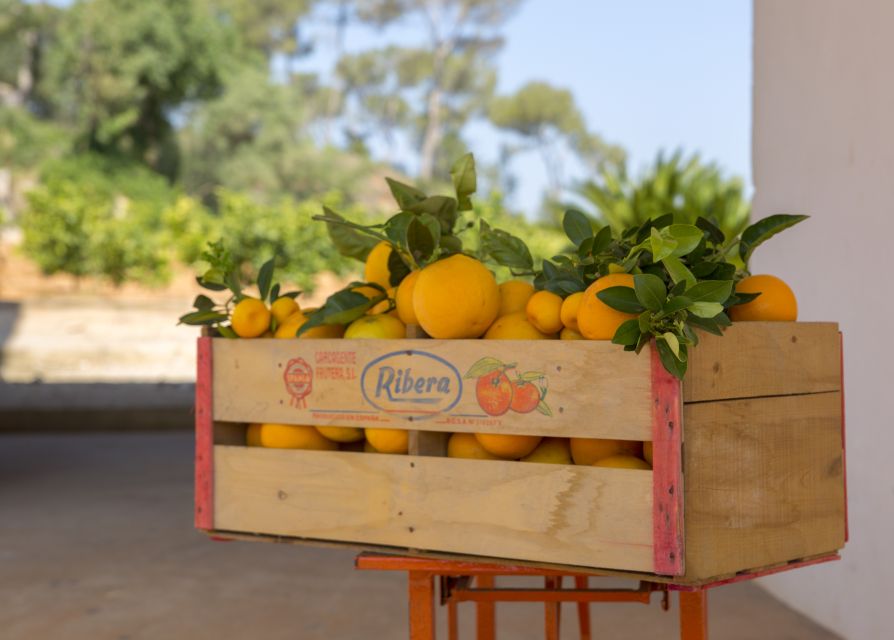
At $35 per person, I consider this a strong value for a two-hour outing. The price includes a live English-speaking guide, the orchard tour, the warehouse visit, the tasting, and a bag of oranges during the listed picking season.
You are paying for more than a walk through trees. The experience combines local history, agricultural information, hands-on harvesting, a working warehouse, and food samples. Similar money in Valencia may buy a short attraction visit with less personal contact and nothing useful to take home.
The value is strongest from late winter through spring, when you may have ripe oranges, citrus tastings, and orange blossom at the same time. Summer can still be enjoyable, especially for tasting and seeing the range of fruit, but heat may make the walk harder for young children.
Transportation is the main extra cost. A train is usually the practical option, but you may need a taxi for the last section. Add that time and expense before deciding if the trip fits your schedule.
Who will enjoy this farm visit most?
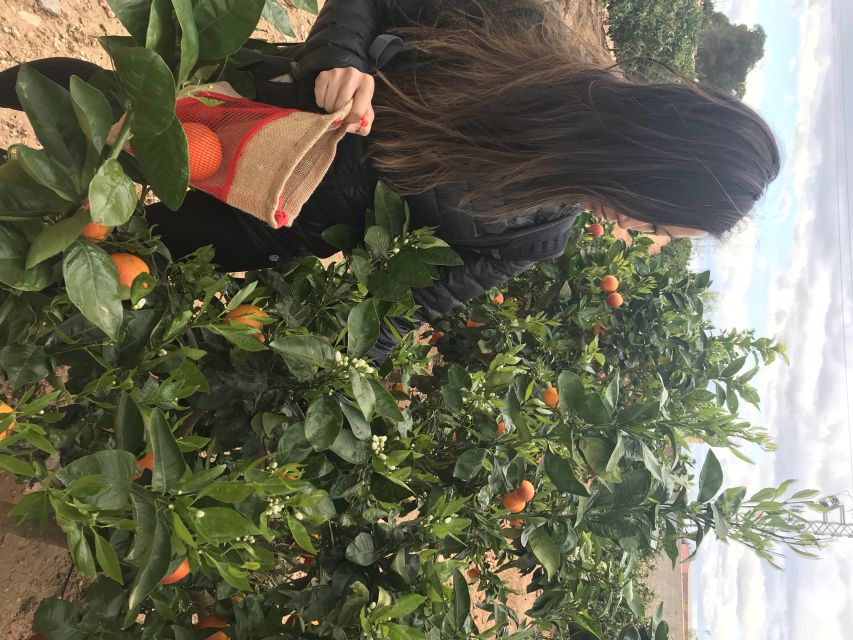
I would recommend Huerto Ribera to families, food lovers, gardeners, and anyone who wants a break from museums and city streets. Children have several things to do, including picking fruit and trying the sorting equipment, while adults receive enough agricultural detail to keep the visit interesting.
It also suits visitors who care about family businesses and local food production. The personal involvement of the owners and guides gives the farm a human side that a large commercial attraction would lack.
The outing is less suitable if you want an indoor activity, a polished sightseeing site, or a very short trip from central Valencia. It is also a poor choice for anyone who dislikes walking outdoors or cannot manage uneven access. The official information says it is not suitable for wheelchair users, although staff have shown care toward a wheelchair companion in at least one situation. Contact the farm before booking if access is important.
Timing, weather, and what to bring
The tour lasts about two hours, and that length feels well judged. You have enough time for the grounds, orchard, farm explanation, warehouse, picking, and tasting without making the subject drag.
Wear comfortable shoes and light clothing in warm weather. Hats have been provided on hot days, but it is still sensible to prepare for sun. Spring may offer the best mix of pleasant walking weather and fragrant blossom, while the fruit available will depend on the harvest.
English is the listed tour language. The guides have been praised for speaking clearly and handling questions, which makes the visit suitable for English-speaking visitors who want more than a quick photo opportunity.
Free cancellation is available up to 24 hours before the start, and you can reserve while paying later. Those terms are useful if your Valencia plans are still changing, but the transport timetable still needs your attention.
Should you book Huerto Ribera?
Yes, if you want a practical, tasty, and distinctly Valencian outing. The best reasons to go are the family-run feel, the wide citrus collection, the chance to pick fruit, and the unusually good range of tastings.
Book it during the fruit-picking season if taking home oranges matters to you. Plan your train or taxi carefully, and do not underestimate the summer heat or the walk from the station.
Skip it if you have only a few hours in Valencia and cannot spare the travel time, or if outdoor walking is difficult. For most visitors with half a day to spare, though, this is a memorable way to understand why oranges matter so much to the region.
FAQ
How far is Huerto Ribera from Valencia?
Huerto Ribera is in Carcaixent, about 35 kilometers from Valencia. A direct train from Valencia Nord takes about 35 minutes, followed by a taxi or roughly a 30-minute walk from the station.
How long does the orange farm tour last?
The tour lasts about two hours. It includes the house exterior and gardens, the orchard walk, citrus cultivation information, warehouse activities, seasonal picking, and tastings.
Can I pick oranges during the visit?
You can pick oranges in season. The included bag is listed from February through June, while the wider seasonal information describes picking from October through June. Confirm availability for your date if this is important to you.
What food and drinks are included?
The tasting may include orange juice, seasonal tangerines, other citrus fruits, homemade jams, orange blossom honey, and Valencian liqueurs. Some visits also begin with lemonade, coffee, biscuits, or orange blossom cookies.
Is the tour suitable for wheelchair users?
The activity is officially not suitable for wheelchair users. One visit did accommodate a wheelchair companion with care, but the property is not fully accessible, so contact Huerto Ribera before booking.
What should I bring?
Bring comfortable shoes for walking through the orchard. Light clothing and sun protection are useful in warm weather, and you may want extra room in your bag for the oranges and farm products.
Just added around Spain
- Vigo: Bay of San Simón Mussel Farming Tour★ 5.0 · 6 reviews
- Animal farm park with free hotel pickup★ 5.0 · 2 reviews
- Olive Oil Farm Tour with Tasting from Seville★ 4.5 · 61 reviews
- From Seville: Pig Farm private day tour and old villages visit★ 4.5 · 4 reviews
- Bull Breeding Farm: Guided Half-Day Tour from Seville★ 4.5 · 24 reviews
- ” Basque Farm House & Cider house” tour + meal from San Sebastian★ 5.0 · 9 reviews
- Fuerteventura Villages Caves and Farm Tour with Lunch from North★ 3.0 · 9 reviews
- Menorca: Cheesemaking and Farm-Fresh Product Tasting★ 5.0 · 29 reviews
Fruit Picking Farms, farm by farm.

Traditional Olive Grove and Dragon Fruit Farm Tour
Read our review →
Cai Rang floating market, see sunrise, CaCao orchard, small canal
Read our review →

Gettysburg: Horse-Drawn Carriage Tour Countryside & Orchards
Read our review →

Aegina: Organic Pistachio Orchard Tour with Factory Visit
Read our review →
Mattituck Bike Wine Country and Fruit Orchard Tour
Read our review →Other lists this farm sits on