
REVIEW · MALAYSIA
Penang: Tropical Fruit Farm Ticket
Fresh fruit tastes better uphill. Penang Tropical Fruit Farm gives you a pleasant look at Malaysian agriculture, with orchards spread across 25 acres in Teluk Bahang. I like the chance to taste fruit picked close to where it grows, and I like that the farm protects rare species while teaching visitors about sustainable farming. The main drawback is getting there, since you need a taxi or Grab.
The short guided tour is packed with useful information. I also like the extra tastings, especially the wild honey, fruit enzyme sample, and cinnamon and lemongrass tea. At $7 per person, this is good value if you want more than a quick fruit snack, though the basic tour lasts only 30 minutes.
Key things to know before you go
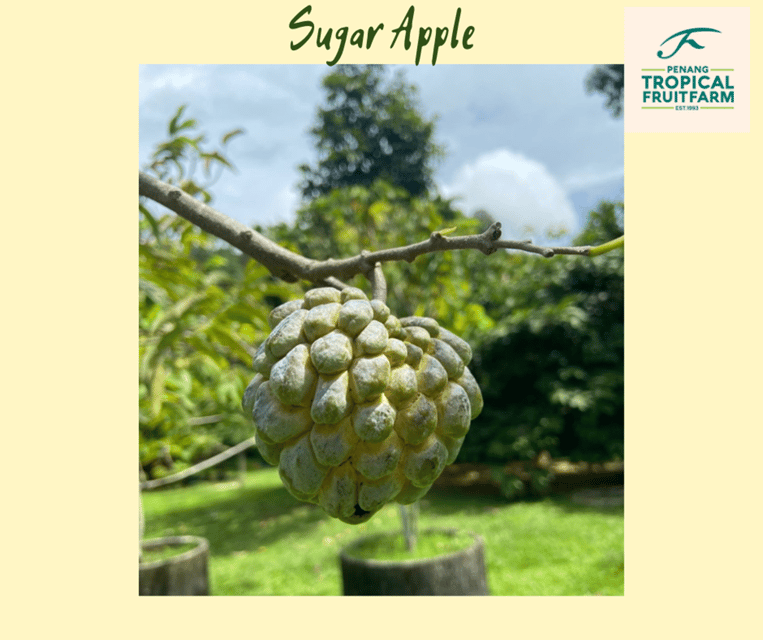
- Over 200 fruit species: You can see edible tropical and sub-tropical trees from across Malaysia and beyond.
- A hillside farm at 800 feet: The cooler, raised setting in Teluk Bahang supports a wide mix of fruit trees.
- A 30-minute guided tour: An English-speaking guide explains the farm, its crops, and its work in sustainable agriculture.
- Several tastings included: Expect fruit enzyme, wild honey, and cinnamon and lemongrass tea samples.
- Optional juice or fruit box: Some ticket options include one glass of pure fruit juice or a fresh fruit box.
- Transport needs planning: The farm is reached by taxi or Grab, so do not treat it as a walk-up attraction.
What makes Penang Tropical Fruit Farm worth your time
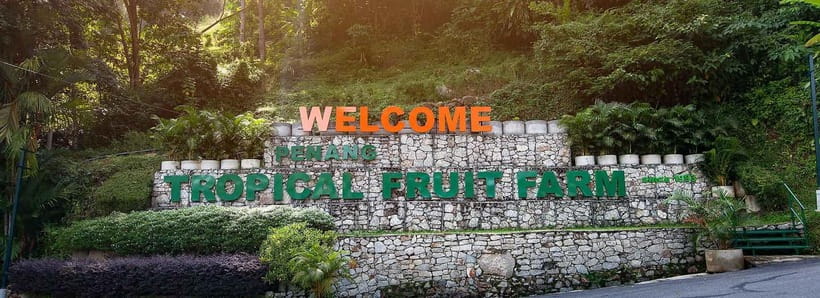
Penang is often associated with street food, colonial buildings, beaches, and forested hills. This farm gives you a different side of the island. Instead of tasting fruit in a market or restaurant, you get a basic look at where it begins.
The farm covers 25 acres on the hilly terrain of Teluk Bahang, in the northwest of Penang. At about 800 feet above sea level, the site has conditions suited to tropical and sub-tropical trees. The setting also helps explain why the farm can grow such a broad selection in one place.
The collection includes more than 200 species of edible fruit. That number matters because you are not simply walking past rows of one familiar crop. You may see fruit trees that are common in Malaysia alongside less familiar varieties, including rare and unusual types the farm works to preserve.
I find the conservation angle especially worthwhile. The farm was developed in 1993 with three linked aims: protect rare fruit trees, teach people about Malaysia’s fruit diversity, and encourage sustainable agriculture. That gives the visit more purpose than a simple tasting stop.
You should still set your expectations correctly. This is not a full-day guided program in the usual sense. The ticket is valid for one day, but the listed guided portion lasts about 30 minutes. The rest of your time can be spent around the farm, taking in the orchards and using any selected food or drink options.
More Fruit Picking Farms around Malaysia:
- Penang Tropical Fruit Farm with Fruit Tasting
★ 4.5 · 12 reviews - Penang Full Day Tour with Penang Hill, Kek Lok Si & Fruit Farm
★ 3.5 · 3 reviews - Valencia: Orange Farm and Orchard Trip with Tastings
★ 4.9 · 702 reviews
Reaching the farm in Teluk Bahang
The meeting point is the farm itself. You go directly to Penang Tropical Fruit Farm to redeem your ticket, so plan your transport before leaving your hotel or sightseeing route.
A verified booking described the farm as reachable by taxi or Grab and said the trip was worth making. That is useful practical advice. This is not the sort of attraction you should expect to reach easily on foot from central Penang.
The location is both a benefit and a small inconvenience. The hillside setting gives the farm its growing conditions and separates it from the more urban parts of the island. At the same time, you need to allow for the ride and arrange your return. Since no pickup is included, transport costs are separate from the $7 ticket.
Bring an umbrella. The farm is outdoors, and the weather in Penang can change quickly. Food and drinks are not allowed, so do not plan to carry a picnic into the orchard. Personal expenses and anything not specifically included are also separate.
The 30-minute orchard tour
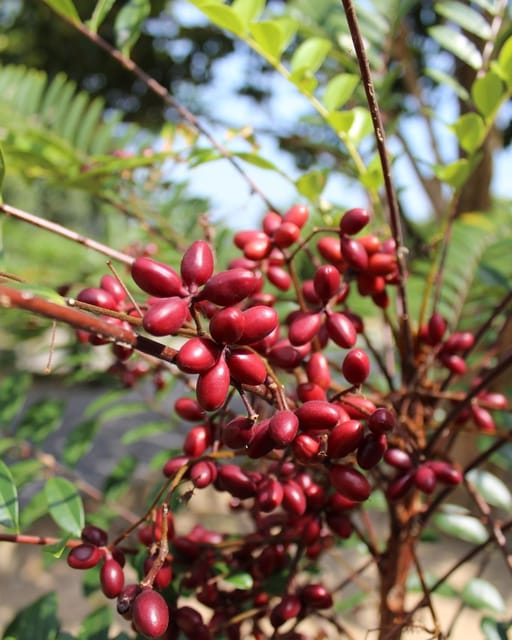
The main activity is a guided farm tour lasting about 30 minutes. An English-speaking guide leads the visit and introduces the fruit trees, the farm’s work, and the role of agriculture in tourism.
I would pay attention to the variety rather than trying to rush through every tree. With over 200 species on the property, the most useful part is learning how different tropical and sub-tropical fruits fit into Malaysia’s farming traditions and food culture.
The farm’s educational displays and explanations are designed to give context. You are not only looking at fruit. You are learning why rare varieties need protection, how a working farm can welcome the public, and how eco-tourism can support awareness of agriculture.
Two available bookings praised the tour as informative, and that seems to be its strongest feature. One highly rated booking from Germany described the guided visit as both enjoyable and informative. Another, from the United States, praised the amount of interesting information. Those comments point to the guide’s explanations as the part most likely to make the visit feel worthwhile.
The guide language is English. Chinese, Cantonese, Arabic, Malay, and Indonesian may be available on request, but this depends on availability. If language support matters to your group, ask before making plans rather than assuming it will be arranged.
Fruit enzyme, honey, and herbal tea tastings
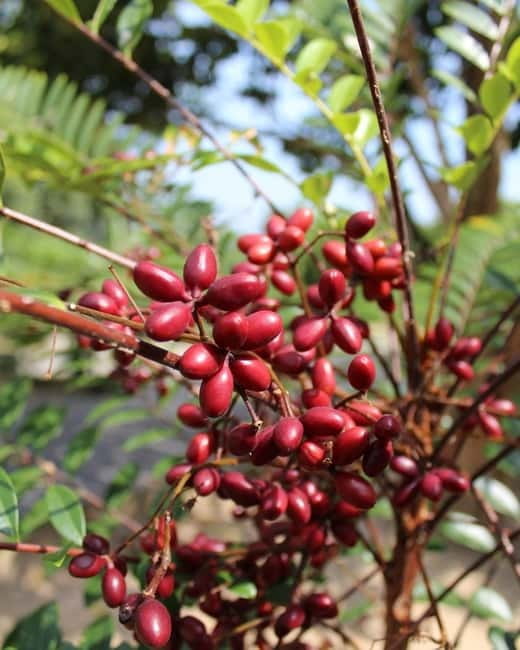
The tasting portion adds welcome variety to the orchard walk. You receive an introduction to the fruit enzyme process, followed by fruit enzyme tasting, wild honey tasting, and cinnamon and lemongrass tea testing.
These samples help connect the farm to everyday food and drink. You can see that fruit production is not limited to eating fresh pieces straight from the tree. Fruit can also be processed, combined with herbs, or turned into products with a longer use.
The tea tasting is a small but pleasant touch. Cinnamon and lemongrass are familiar flavors in Southeast Asian cooking, and trying them in this setting gives the farm experience a more local feel.
The wild honey sample is another chance to compare farm produce with processed food you might find in a shop. Portions and exact tasting details are not specified, so you should see these as samples rather than a full meal.
Do not bring outside food or drinks. That rule is clear, and it makes sense for a tasting visit where the farm is presenting its own products. If you need a meal, arrange it separately.
More Tickets around Malaysia:
- Selangor: Farm In The City Entry Ticket
★ 3.9 · 4 reviews - Skip the Line: Highgate Ostrich Farm Tour Ticket
★ 4.5 · 110 reviews - Lion Habitat Ranch Admission Ticket in Las Vegas
★ 4.5 · 106 reviews - Old Phuket Farm Ticket – Countryside Local Life Culture
★ 4.9 · 88 reviews
Fresh juice and fruit box options
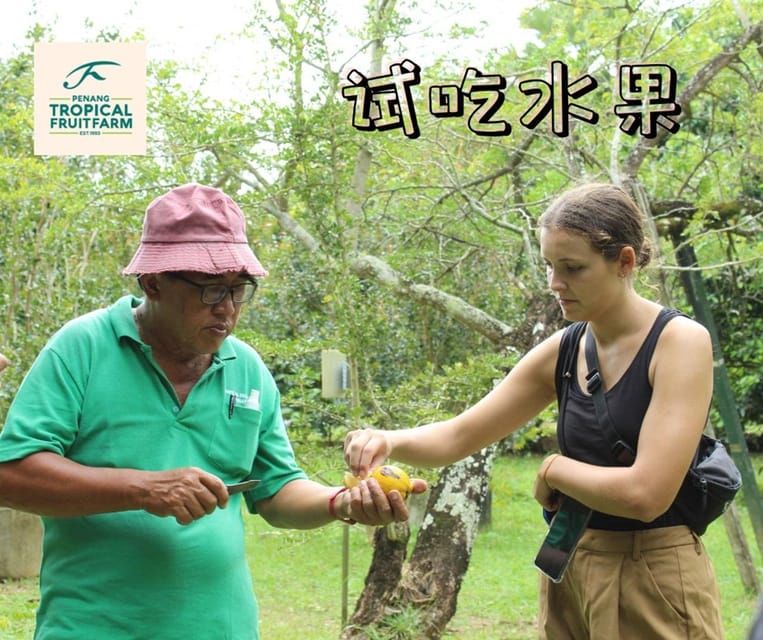
Some ticket choices include one glass of 100 percent pure fruit juice. Other selected options include a fresh fruit box. Check the exact option you choose, since these are not automatically listed as part of every ticket.
The juice is the better choice if you want something easy to enjoy during the visit. The fruit box may suit you better if you want to take a selection with you, though the provided information does not specify its size, fruit mix, or packaging.
The distinction matters when comparing prices. The basic $7 ticket covers the guided tour and tastings, while juice or a fruit box may depend on the option selected. Read the inclusion details before booking so you know which version you are buying.
Fresh, seasonal fruit is the central pleasure here. Availability can change with the harvest, so you should not expect a fixed menu of particular fruits. That seasonal quality is part of the appeal, but it also means the exact tasting experience may vary.
Sustainable farming with a practical purpose
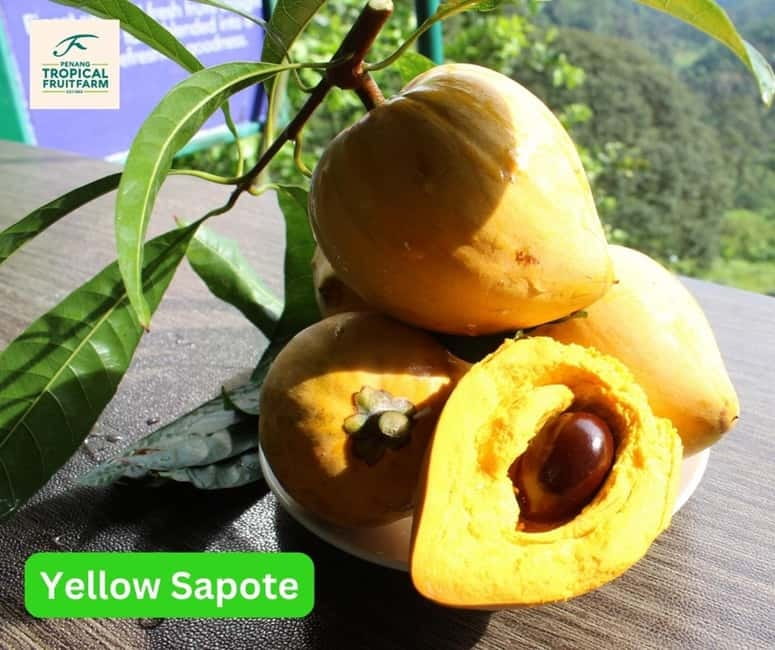
The farm’s conservation work gives the visit a useful message without requiring a long lecture. Malaysia has a wide range of fruit species, but unusual crops can easily be overlooked when farming focuses only on familiar commercial varieties.
By keeping rare and exotic trees on the property, the farm creates a living collection. You can see how conservation and tourism can work together: the farm protects plants, and visitors provide a reason to keep explaining their value.
The sustainable agriculture theme is also important for families. Children can connect food with growing plants rather than seeing fruit as something that simply appears in a supermarket. The listed child age range is 5 to 12 years, making the tour suitable for school-age children who can follow a short guided walk.
The experience may also suit adults interested in botany, food production, eco-tourism, or Malaysian agriculture. It is less suited to anyone looking for a long hike, a major adventure, or a full day of structured activities.
How much value do you get for $7?
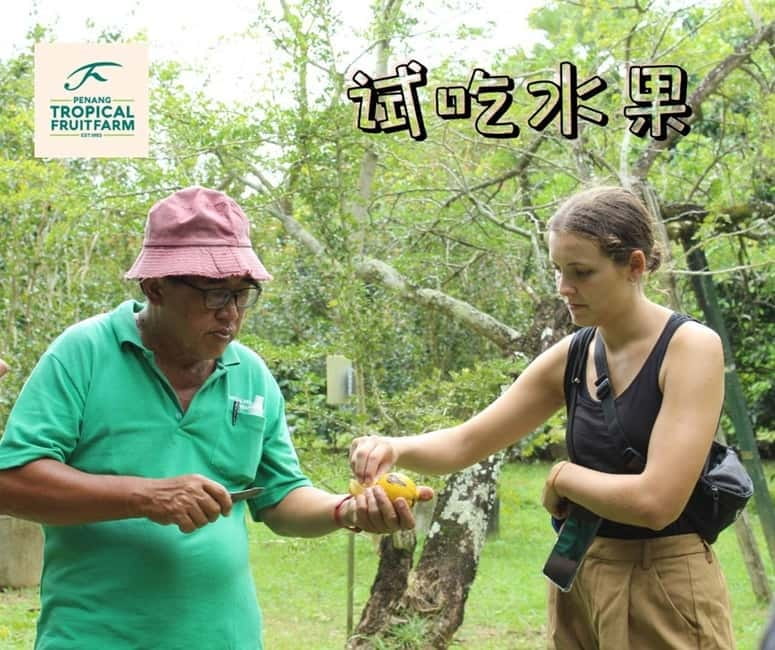
At $7 per person, the price is modest for a guided visit to a 25-acre farm with more than 200 fruit species. The included tastings improve the value, especially if you are curious about fruit enzyme, wild honey, and local herbal tea.
The short tour is the main limit. You are paying for a focused introduction, not several hours of guided activities. If you compare it with a simple farm shop visit, the educational tour makes the ticket more useful. If you expect a large meal, extensive transport service, or a full-day program, the value will feel weaker.
Transport is the other cost to consider. Since you must reach the farm by taxi or Grab and arrange your own return, the overall expense will be higher than the ticket alone.
I would consider the farm a good-value add-on to a day in the Teluk Bahang area. It works best when you are already visiting nearby sights or want a quieter stop focused on food and nature. It is less compelling as a costly cross-island journey if fruit farming is not a strong interest.
Who should book this experience?
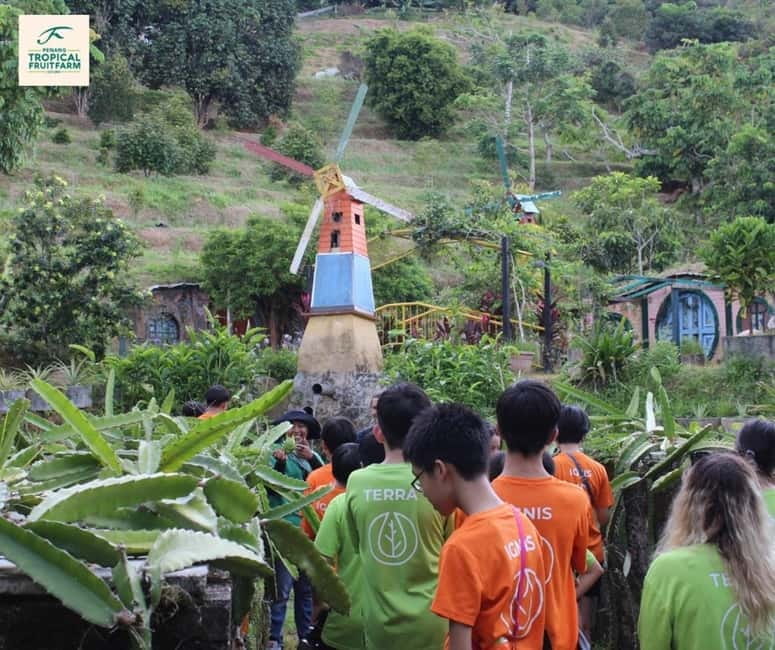
I would recommend it to families with children aged 5 to 12, food lovers, plant enthusiasts, and anyone who wants to understand a more agricultural side of Penang. The short tour is easy to fit into a wider day, and the tastings keep the visit active.
It is also a sensible choice if you enjoy learning through local produce. You get a clearer connection between the fruit in Malaysian dishes, drinks, and markets and the trees that produce it.
You may want to skip it if you dislike outdoor visits, have very limited time, or cannot manage the taxi or Grab ride. The tour is guided in English, with other language options only on request and subject to availability.
The activity is non-refundable, so check your transport plans, weather expectations, and ticket inclusions before committing. An umbrella is worth carrying, and outside food and drinks should be left behind.
Should you book Penang Tropical Fruit Farm?
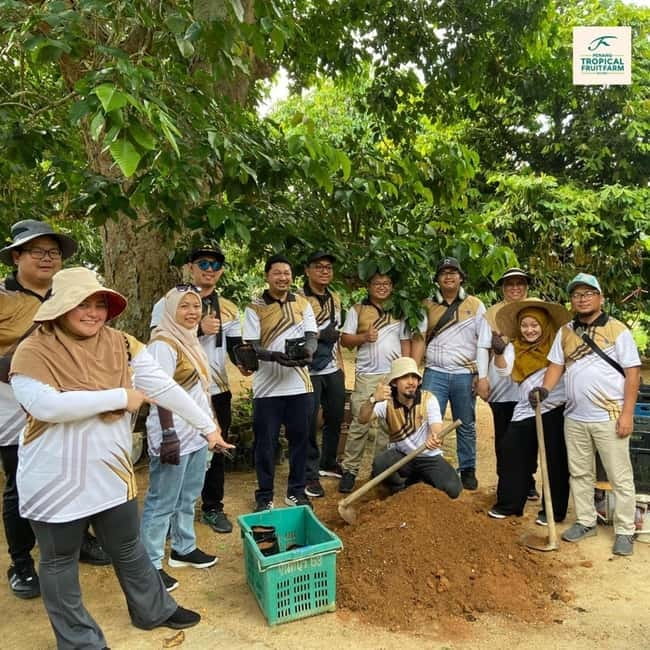
Book it if you want a low-cost, informative stop with fresh produce, practical agriculture lessons, and a short guided walk. The strongest reasons are the wide range of fruit species, the conservation work, and the tastings included with the visit.
I would treat it as a compact experience rather than a full-day attraction. The $7 price is fair, but remember that transport is not included and the guided tour lasts only 30 minutes. For families and food-focused visitors, it offers good value. For anyone seeking a major sightseeing highlight, it may feel too brief.
FAQ
Where is Penang Tropical Fruit Farm located?
The farm is in Teluk Bahang in the northwest of Penang, on hilly terrain about 800 feet above sea level.
How much does the experience cost?
The listed price is $7 per person. Extra personal expenses and items not mentioned in the inclusions are not covered.
How long does the guided tour last?
The guided farm tour lasts 30 minutes. The ticket itself is valid for one day.
What tastings are included?
The experience includes an introduction to the fruit enzyme process, fruit enzyme tasting, wild honey tasting, and cinnamon and lemongrass tea testing.
Are juice and a fruit box included?
One glass of 100 percent pure fruit juice or a fresh fruit box is included only if you select the option that lists it.
What language is the tour conducted in?
The tour is conducted in English. Chinese, Cantonese, Arabic, Malay, and Indonesian may be available on request, subject to availability.
How do I reach the meeting point, and what should I bring?
You should go directly to Tropical Fruit Farm for ticket redemption. The farm is reached by taxi or Grab, and you should bring an umbrella. Food and drinks are not allowed.
Just added around Malaysia
- Penang Full Day Tour with Penang Hill, Kek Lok Si & Fruit Farm★ 3.5 · 3 reviews
- Bird Park & Butterfly Farm Nature Include All Entrance Tour From Kuala Lumpur★ 4.5 · 7 reviews
- Bird Park & Butterfly Farm Nature Tour From Kuala Lumpur★ 3.5 · 3 reviews
- Kinabalu Park & Poring Hot Springs Tour with Desa Dairy Farm★ 3.5 · 3 reviews
- Kinabalu Park With Rumah Terbalik & Desa Cow Farm★ 5.0 · 14 reviews
- Kinabalu Park Tour with Desa Dairy Farm & Poring Hot Springs★ 4.5 · 2 reviews
- Private Desa Dairy Farm, Kinabalu National Park, Hot Spring & Canopy Walk Tour★ 5.0 · 9 reviews
- Penang Tropical Fruit Farm with Fruit Tasting★ 4.5 · 12 reviews
Fruit Picking Farms, farm by farm.
Traditional Olive Grove and Dragon Fruit Farm Tour
Read our review →
Cai Rang floating market, see sunrise, CaCao orchard, small canal
Read our review →
Gettysburg: Horse-Drawn Carriage Tour Countryside & Orchards
Read our review →
Aegina: Organic Pistachio Orchard Tour with Factory Visit
Read our review →
Mattituck Bike Wine Country and Fruit Orchard Tour
Read our review →Other lists this farm sits on