
REVIEW · SIHANOUKVILLE
KAMPOT- Pepper farm ..salt fields.Kep/Crab market & more……..
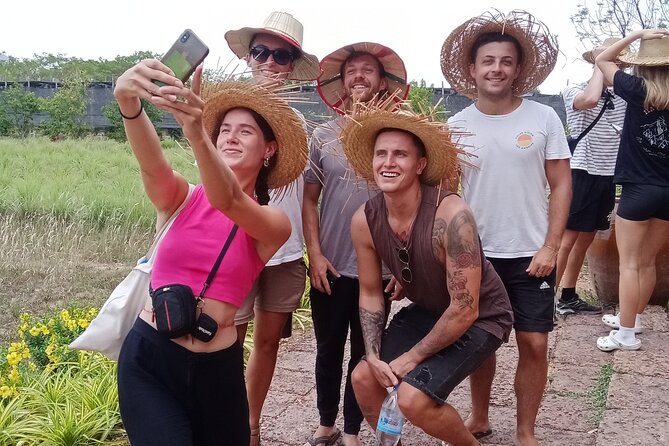
Kampot slows you down nicely. This full-day countryside outing links a pepper farm, old cave temple, Khmer Rouge-era lake, salt fields, and Kep’s famous crab market in one practical loop. I like the mix of food, rural life, and history, and I like that an English-speaking driver-guide such as Tang Go or Nak can adjust the day to your interests.
The main drawback is distance and timing. This is a Kampot-area tour, not a convenient Sihanoukville shore excursion, and the day can run six to eight hours on rural roads. The cave also involves walking, and food at Kep is not clearly included in the price.
Key points at a glance
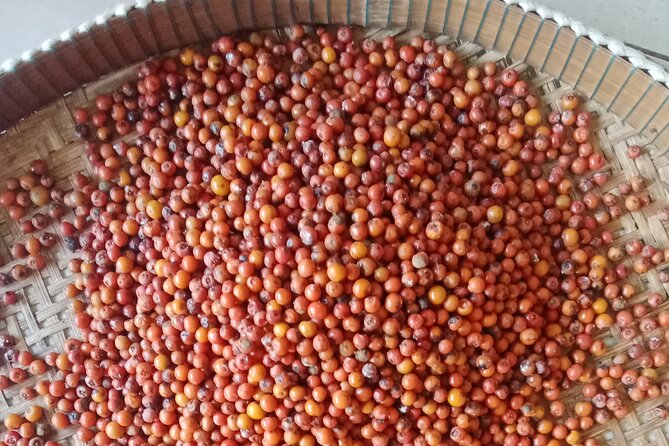
- Kampot pepper at the source: Spend about two hours at La Plantation, with a farm visit and pepper tasting.
- A cave temple from the seventh century: Phnom Chhngok contains a Hindu shrine built from Funan brick and dedicated to Shiva.
- A difficult Cambodian past: Brateak Krola, known as the Secret Lake, was made using forced labor during the Khmer Rouge period.
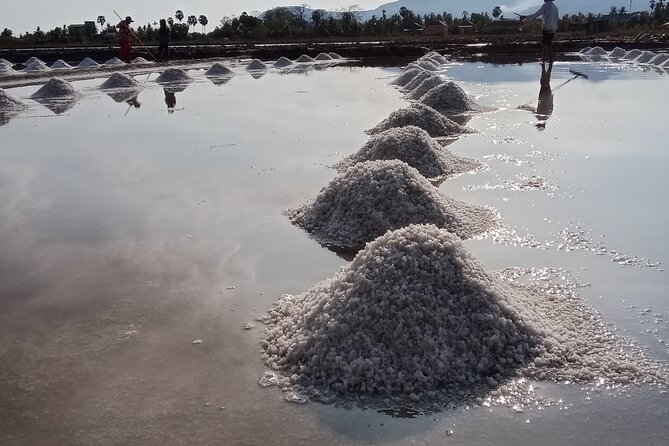
- Salt made by sun and water: The coastal salt fields near Kampot and Kep show a simple evaporation process.
- Kep crab with Kampot pepper: The final long stop gives you time for fresh seafood and a relaxed break by the coast.
- A private price for up to three: At $50 per group, the cost is especially strong for a small party sharing one tuk-tuk.
What this Kampot day trip actually covers
This is a private countryside circuit with pickup, transport, water, and entry fees included. The advertised price is $50 per group for up to three people, not $50 per person. That makes a major difference when you are traveling as a couple or small family.
The day begins in or around Kampot and moves through rural villages before reaching the main stops. You travel by tuk-tuk with an English-speaking local driver-guide. Tang Go is one named guide associated with the experience, and Nak is another. Their role is more than simply getting you from place to place. They explain local sights, answer questions, wait while you explore, and can sometimes adjust the route.
You should allow six to eight hours. That is long enough to see a lot, but not so long that every stop becomes a rushed photograph. The exact pace depends on your pickup point, weather, time spent at the farm, and how long you eat at Kep Crab Market.
One practical point matters before booking: the tour description focuses on Kampot town pickup. If you are arriving by cruise ship at Sihanoukville, do not assume you can join easily. One booking attempt failed because the port was about 75 kilometers away. Confirm the pickup location before paying, especially if you are staying outside Kampot. Pickup and drop-off more than four kilometers from the Durian Roundabout cost an additional $5.
More Pepper Farm Tours around Sihanoukville:
- KAMPOT TRAVEL-Pepper farm. Cave.Secret lake-Crab market & Salt…
★ 5.0 · 87 reviews - Kampot Countryside Tour – Pepper Farm, Salt Lake, Caves, and more
★ 5.0 · 60 reviews - Kampot Countryside include Pepper farm,Salt field and Secret lake
★ 5.0 · 52 reviews
La Plantation: where Kampot pepper becomes more than a souvenir
La Plantation receives about two hours, the longest scheduled stop. That is sensible. A quick ten-minute tasting would tell you little, while two hours gives you time to walk through the farm, hear about the growing process, and sample the pepper.
Kampot pepper is one of the region’s best-known products, and the farm setting helps explain why it has a higher profile than an ordinary market spice. You see the agricultural side of the product, then taste it in a place connected to its production. The farm is also described as a sustainable agro-tourism project, with its spices sold through fine food shops in Europe.
I like this stop because it gives the day a clear sense of place. You are not just buying a packet labeled Kampot pepper in a city shop. You are seeing the farming side of an important local crop and learning how it reaches kitchens far beyond Cambodia.
The stop may also include time at the farm restaurant. Food is not listed among the included items, so carry extra cash if you want to eat or buy products. Your guide may wait while you complete the tour and have a meal, which is useful if your interests differ from those of the rest of your group.
Brateak Krola and the weight of the Secret Lake
The Secret Lake, also called Brateak Krola Lake, gets about 30 minutes. It is a man-made reservoir that changes size with the seasons. Depending on the time of year, you may see a larger body of water or more exposed edges.
The important part is not simply the view. The lake was made using slave labor during the Khmer Rouge period. That history gives the stop a serious tone and reminds you that rural Cambodia cannot be understood through pretty scenery alone.
Half an hour is enough for a short stop and explanation, though it is not a long historical visit. The information available for the tour does not promise a museum, memorial, or formal presentation. I would treat this as a place for quiet observation and conversation with your guide rather than a fully developed heritage attraction.
This is one spot where having an English-speaking guide matters. A bare landscape and a few minutes beside the water may mean little without context. Ask questions if you want to understand how the lake fits into Cambodia’s recent past.
Phnom Chhngok Cave Temple and the climb inside
Phnom Chhngok Cave Temple is one of the most unusual stops. The Hindu shrine was built in the seventh century from Funan brick and dedicated to Shiva. It predates Angkor Wat, which gives the site real archaeological importance even though the visit is much smaller and less polished than a major temple complex.
The temple sits inside a cave in Kampot Province, about five miles northeast of Kampot. Expect a walk into the cave and uneven ground. A local guide may lead you through for about $1, a small extra payment that can help you see the shrine and understand what you are looking at.
The cave is the sort of place I value on a countryside tour because it feels tied to the local setting. You are not crossing a huge monument complex with crowds and souvenir stalls. You are entering a natural space that holds a small, early temple.
The trade-off is comfort. Cave visits are not ideal for every visitor, and the tour information does not describe the walking surface in detail. Wear shoes suited to uneven ground, and tell your guide if you need a slower pace. The scheduled visit lasts about 45 minutes, so you should have time to look around without turning it into a major expedition.
More Salt Farm Tours around Sihanoukville:
- Kampot Tuktu tour: Pepper farm, Salt field & Secret lake
★ 5.0 · 17 reviews - Pepper Farm Guided Tour, Kep/Crab Market, Salt Field &Secret Lake
★ 4.5 · 2 reviews - Kampot Pepper Farm, Salt Fields, Cave from Sihanoukville
★ 4.5 · 2 reviews - Hawaiian Salt Farm Tour in Kona
★ 5.0 · 767 reviews
Salt fields near Kampot and Kep
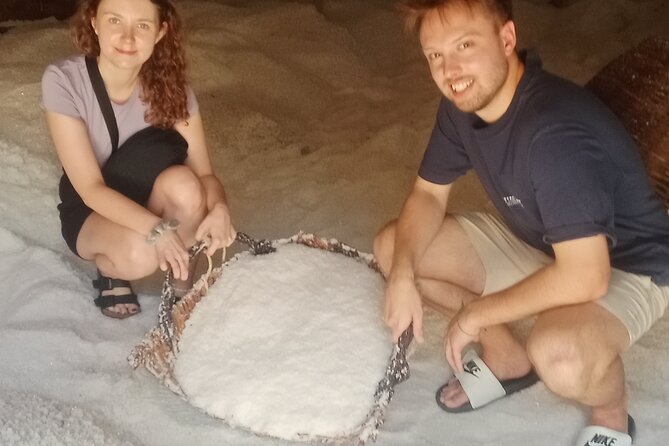
The salt fields are scheduled for about 30 minutes. Around Kampot and Kep, coastal salt is produced through evaporation. Seawater is directed into shallow man-made fields, where sun and heat remove the water and leave salt behind.
This is a simple process, but it gives you a direct look at a working local industry. The fields also show how strongly the coast shapes daily life in this part of Cambodia. After the cave and the pepper farm, the salt pans add a different kind of stop, based on labor, weather, and the movement of water.
Do not expect a formal attraction with displays or a long guided program. Thirty minutes is a viewing stop. The appearance of the fields can change with the season and weather, so the scene will not look identical every day.
The tuk-tuk is useful here because the route connects several spread-out places. You can pause for photographs and ask questions without having to arrange separate rides between each stop.
Kep Crab Market: the best place to slow the schedule
Kep Crab Market receives about two hours, making it the second major stop after La Plantation. That extra time gives you room to see the seafood stalls, choose a meal, and sit down rather than treating the market as a quick photo stop.
Kep is closely associated with crab, and the local style pairs seafood with Kampot pepper. The description also allows time to relax at Kep Beach. This is a pleasant shift in rhythm after several short sightseeing stops and rural roads.
Food is not listed as included, so plan to pay for your own meal and drinks. You can ask Tang Go or another guide to help you find a less expensive place, and one account of the experience specifically praises the guide’s willingness to suggest cheaper food and drink options.
The market is not only about eating. It gives you a chance to watch a coastal food economy at work and to compare the polished reputation of Kampot pepper with the everyday way it is used in local cooking. If seafood is not your thing, confirm your options with the guide before ordering.
The two-hour allocation is generous enough for lunch and a little time by the water. It also protects the day from becoming a race. You will have already seen the farm, lake, cave, and salt fields, so Kep gives you a place to sit down and let the trip breathe.
The guide can shape the quality of the day
The strongest part of this experience is the personal service. Tang Go is described as friendly, helpful, patient, and good at English. He has waited during the farm visit and meal, pulled down mangoes from a nearby tree, made room for photo requests, and adjusted plans when guests wanted a different food stop or a short detour.
Nak is also praised for explaining local plants and animals and for sharing personal stories and experiences. That matters because this is not a large coach tour with a fixed script. The guide’s ability to talk with you can turn a string of stops into a connected day.
You should still be clear about what you want. Tell the guide if the cave matters more than the beach, if you want extra time at the pepper farm, or if you prefer a cheaper lunch. The tour is private, so your group has more control than it would on a shared excursion.
Weather can affect the experience. One account describes a good day despite poor weather, but a tuk-tuk ride through the countryside is naturally more exposed than travel in a closed vehicle. Bring water, protect yourself from the sun when needed, and accept that dust or changing road conditions may be part of the rural setting.
Is $50 good value for a private tour?
For up to three people, $50 is a strong price for a six to eight-hour private outing. You receive transport, water, and entry fees, plus a guide who can wait for you and help shape the day. Divided between three people, the transport cost is especially reasonable.
The price is less simple if you are alone, and extra spending remains possible. You may pay for food, drinks, the optional local cave guide, pepper products, and the $5 pickup surcharge if you are more than four kilometers from the Durian Roundabout.
The value comes from the number of places covered without arranging several separate rides. La Plantation, the Secret Lake, Phnom Chhngok, salt fields, and Kep are not one compact attraction. A private tuk-tuk removes much of the planning work and lets you connect them in one day.
I would not book it expecting luxury transport or a polished museum experience. I would book it for local contact, flexible pacing, and a broad look at the countryside around Kampot.
Who should book this Kampot countryside tour?
I would recommend it to couples, small families, and groups of up to three who want a full day outside town. It suits you if you enjoy food, farming, local history, small religious sites, and ordinary working places more than major tourist monuments.
It is also a good fit if you want a guide who can explain what you are seeing. The cave and Secret Lake gain much more meaning when someone provides context, and the guide’s flexibility helps if you want to stop for photos or change your lunch plan.
You may want a different outing if you need a fully accessible route, dislike uneven cave walks, or want a short and highly polished sightseeing program. This is a long day with several distinct stops, not a relaxed beach transfer.
Also check your starting point carefully. The experience is based around Kampot. It is not a sensible choice for a cruise passenger who has to travel from Sihanoukville unless transport and timing are separately confirmed.
Final call: a well-priced day with real local variety
I would book this tour if I had one free day in Kampot and wanted to see more than the town center. The combination is unusually useful: pepper at the farm, salt at the coast, a pre-Angkor cave temple, a Khmer Rouge-era lake, and seafood in Kep.
The best reason to choose it is the guide-led flexibility. Tang Go and Nak are described as warm, patient, and willing to explain the area rather than simply drive between stops. The main caution is to confirm pickup, budget for meals and small extras, and be ready for a long tuk-tuk day.
FAQ
Where does the tour take place?
The tour is based around Kampot and includes stops in the Kampot and Kep area. Pickup is offered, with an additional $5 charge if your pickup and drop-off point is more than four kilometers from the Durian Roundabout.
Is pickup available from Sihanoukville?
The tour information focuses on pickup in Kampot town. Sihanoukville is about 75 kilometers from the port mentioned in one booking problem, so you should confirm your location before booking rather than assume port pickup is available.
How long does the tour last?
The experience lasts approximately six to eight hours, depending on the route, stops, weather, and time spent at the pepper farm or Kep Crab Market.
How many people can join for $50?
The $50 price covers one group of up to three people. It is a private tour, so only your own group participates.
Is food included?
Food is not listed among the included items. The tour includes entry fees, transport, and water, so you should budget separately for seafood, drinks, or food at La Plantation and Kep Crab Market.
Is there an extra fee at Phnom Chhngok Cave Temple?
A local guide at the cave may charge about $1 for showing you through the temple. This is separate from the listed tour inclusions.
What happens if I need to cancel?
You can receive a full refund if you cancel at least 24 hours before the local start time. Cancellations or changes made within 24 hours are not refunded or accepted.
More Market Tours around Sihanoukville
- Full day Tour, Countryside, Pepper farm & Kep, crab market…
★ 5.0 · 49 reviews - Kampot/Cambodia pepper farm . Cave. lake. Kep Crab market & more.
★ 5.0 · 27 reviews - Private Kampot Countryside Tour & Pepper farm, Kep/Crab Market
★ 5.0 · 21 reviews - Cooking Class and Lunch at a Tuscan Farmhouse with Local Market Tour from Florence
★ 5.0 · 4,831 reviews
Just added around Sihanoukville
- Private Kampot Countryside Tour & Pepper farm, Kep/Crab Market★ 5.0 · 21 reviews
- Kampot Tuktu tour: Pepper farm, Salt field & Secret lake★ 5.0 · 17 reviews
- Pepper Farm Guided Tour, Kep/Crab Market, Salt Field &Secret Lake★ 4.5 · 2 reviews
- Kampot/Cambodia pepper farm . Cave. lake. Kep Crab market & more.★ 5.0 · 27 reviews
- Kampot Classic Tour & Kayaking at the Green Cathedral with lunch★ 5.0 · 9 reviews
- Full Day Pepper Farm Adventure by Scooter★ 5.0 · 4 reviews
- Half-Day Adventure to the Pepper Farm by Scooter★ 5.0 · 3 reviews
- Kampot Pepper Farm, Salt Fields, Cave from Sihanoukville★ 4.5 · 2 reviews
Pepper Farm Tours, farm by farm.
Pepper Farm Tour, Salt Field, Cave & Secret Lake
Read our review →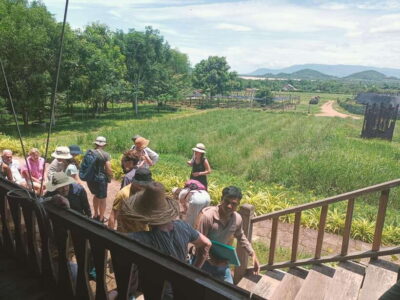
Full-day Countryside Tour with Pepper Farm and Kep
Read our review →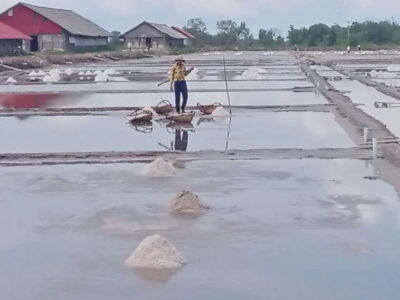
Tuk Tuk Trip to Pepper Farm, Kep, Crab Market & More
Read our review →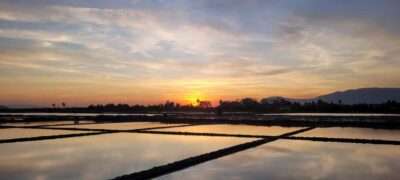
Kampot Countryside include Pepper farm, Salt field & Lake
Read our review →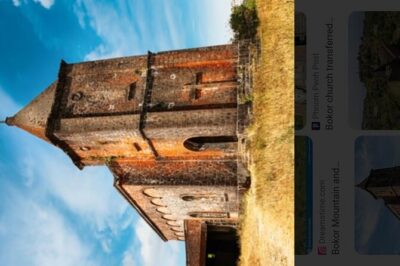
KAMPOT TRAVEL-Pepper farm. Cave.Secret lake-Crab market & Salt…
Read our review →
Kampot’s Countryside & Kayak Tour, Pepper Farm include Lunch
Read our review →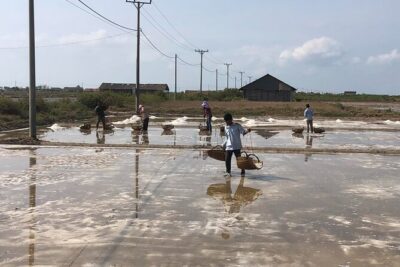
Kampot Countryside Tour – Pepper Farm, Salt Lake, Caves, and more
Read our review →
Kampot Private Tour: Pepper Farm, Salt Field & Secret Lake
Read our review →Other lists this farm sits on