
REVIEW · SPAIN
Full-Day Tour Exploring History, Nature and Aloe Vera Farm
See the island beyond the resorts. This full-day trip gives you mountain scenery and historic villages in one outing, with visits to Agüimes, Arucas, Teror, Valleseco, Roque Nublo, and an aloe vera farm. I especially like the chance to reach highland roads you may not want to drive yourself, plus the steady stream of local stories from guides such as Tom, Miguel, and Simone. The main drawback is pace: much of the day is spent on the coach, and several stops are short.
I also like that hotel pickup and drop-off are included from southern Gran Canaria, making this a useful first outing if you are staying in Maspalomas, Playa del Inglés, San Agustín, or nearby. But you should know that lunch is not included, the group can be large, and the aloe farm may feel more like a sales stop than a serious agricultural visit.
At a Glance
- A broad island introduction: See old villages, mountain roads, cave dwellings, volcanic rock, and agricultural traditions in one long day.
- Guayadeque and aboriginal culture: The cave-home area gives you a glimpse of Gran Canaria’s first pre-Hispanic inhabitants and homes still in use today.
- Roque Nublo viewpoint: Stop near one of the island’s best-known volcanic formations, an eighty-meter rock with spiritual importance to the original islanders.
- Lunch costs extra: The usual menu del día costs about €12, including a three-course meal and a drink, but you can bring your own food.
- Expect a coach tour: The advertised duration is about seven hours, but pickup and return can stretch the day closer to nine hours.
- Best for first-time visitors: You will cover a lot of ground without renting a car, though you will trade long visits for variety.
Why This Tour Works as a First Day on Gran Canaria
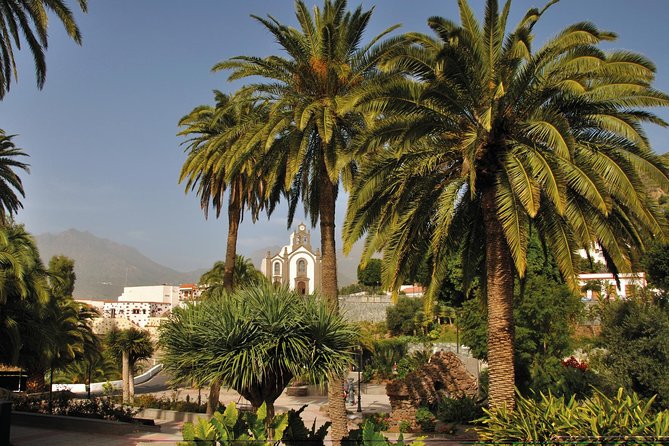
Gran Canaria is compact on a map but surprisingly demanding by road. The southern resorts sit in a dry coastal zone, while the interior rises quickly into twisting mountain roads, farming villages, pine country, and old settlements. This trip gives you a useful overview without asking you to navigate those roads yourself.
The strongest part is the range. In one day, you move from the old quarter of Agüimes to the green ravines of the interior, then on to villages known for rum, bananas, religious buildings, and Canarian houses. Roque Nublo adds a dramatic volcanic stop, while the aloe farm introduces one of the region’s modern crops.
That variety makes the tour good for getting your bearings fast. You can decide later which places deserve a second visit by rental car or taxi. The tradeoff is clear: this is an overview, not a slow village walk. You may spend roughly 70 percent of the day in the vehicle, depending on pickup times and traffic.
The group limit is listed as 40 people, though some departures have reportedly felt larger after passengers transfer into a main coach. A smaller vehicle may collect you first, followed by a change to a larger bus. That arrangement is practical for hotel pickup but can reduce the intimate feel some people expect from a guided excursion.
More History and Heritage Tours around Spain:
- Tromsø: Reindeer Camp and Sami Cultural Tour with Lunch
★ 4.7 · 3,326 reviews - Kona Tour: Bee Farm, Kona Coffee, and National Historical Parks
★ 4.5 · 78 reviews - Zanzibar Stone Town Historical Tour and Spice Farm Tour
★ 5.0 · 30 reviews
Agüimes: Old Streets and Cave-Dwelling Culture
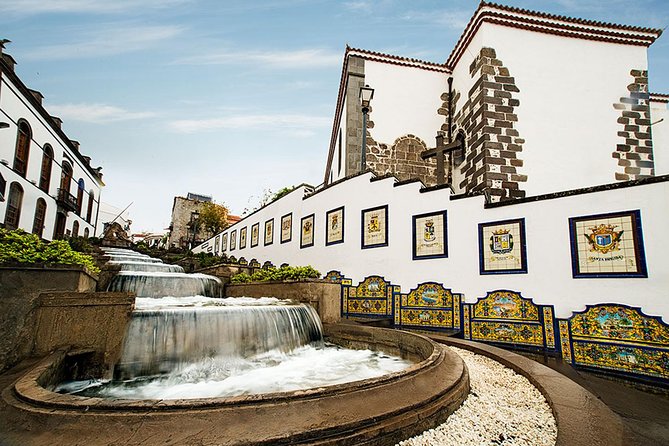
The first stop is the historic center of Agüimes, an old settlement with roots reaching back to the island’s aboriginal population. You get about an hour here, with free admission and time to see the traditional streets and buildings.
Agüimes is a sensible opening stop because it introduces the human side of Gran Canaria before the day moves higher into the mountains. Look for Canarian architectural details, compact streets, and signs of a town shaped by both pre-Hispanic life and later Spanish settlement.
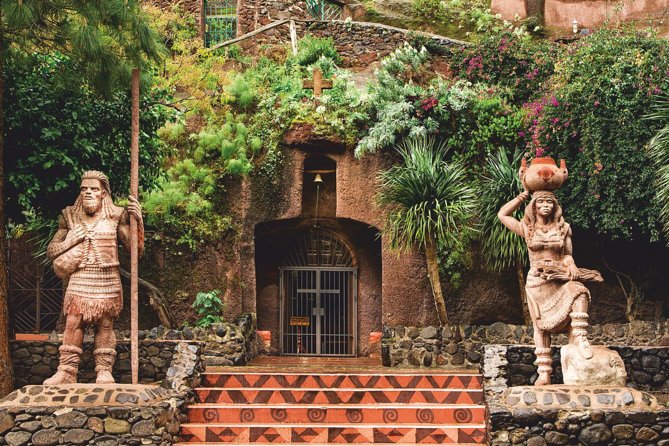
The itinerary also connects Agüimes with Guayadeque, a major valley known for its cave homes. The valley was declared a Natural Monument in 2000. Its cliffs and ravines sheltered the first inhabitants of the island, and some cave dwellings remain in use.
You should listen closely during this section. The cave homes are more than a picturesque photo stop. They show how local people adapted to the island’s dry climate and steep terrain. Still, the schedule may not allow a long walk or a detailed visit inside every part of the valley. This is an introduction rather than a hiking tour.
Arucas: Rum, Bananas, and a Quick Town Visit
Arucas gets about an hour. The town is associated with local rum production and banana cultivation, two useful clues to Gran Canaria’s agricultural economy.
I like this stop for the change of mood. After the rugged feel of Guayadeque, Arucas gives you a more settled town setting, with time to walk around rather than simply stare from a bus window. Admission is free, but the tour does not include a separate rum distillery visit or a detailed farm tour in the information provided.
The hour goes quickly. You may have enough time for photographs and a short stroll, but not for a long museum visit, extensive shopping, and a relaxed meal. Keep your expectations practical: the value is seeing another side of the island, not checking off every sight in Arucas.
Teror: Canarian Houses and the Basilica of Nuestra Señora del Pino
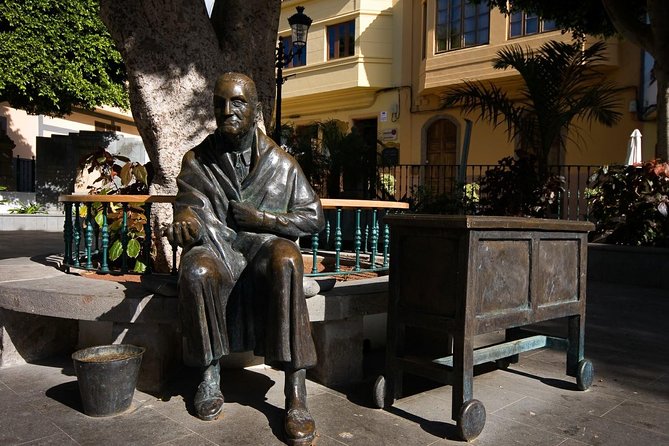
Teror is one of the most attractive village stops on the route. Its main landmark is the Basilica of Nuestra Señora del Pino, home to the patron saint of the Canary Islands. The town is also known for stately homes and palaces built in traditional Canarian style.
The basilica gives the stop a clear focus, while the streets provide the setting. You will see balconies, stonework, and homes that help explain the look of older island towns. The religious importance of Teror also adds context that you will not get from a purely scenic bus ride.
The schedule allows about an hour, although actual time in town can vary. Some departures have included a much shorter visit, around 30 minutes, because of the day’s timing. If Teror is your main reason for booking, check the pace with the guide at the start and be ready to move when asked.
More Full-Day Trips around Spain:
- Montserrat Full Day Tour with Farmhouse Lunch and Winery Visit
★ 5.0 · 1,068 reviews - Full Day Thai Cooking at Farm (Chiang Mai)
★ 5.0 · 1,127 reviews - Hidden Gems: Boutique Full-Day Wine, Farm & Lunch Tour
★ 5.0 · 881 reviews - Kampot: Full-day Countryside Tour with Pepper Farm and Kep
★ 4.9 · 245 reviews
Valleseco: Green Interior and the Included Meal That Is Not Included
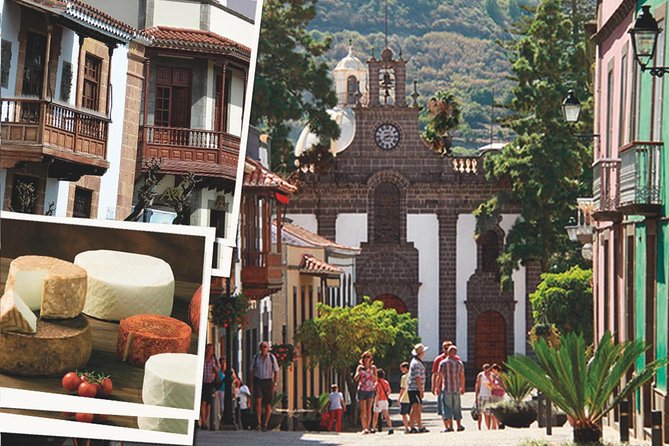
Valleseco is the longest planned stop, with about two hours for walking and lunch. Its name may sound like dry country, but the area is known for heavy vegetation. Around 80 percent of its territory is considered a Protected Natural Area.
This is where the tour feels less like a checklist. You can walk the streets, look at the surrounding highland scenery, and have a local-style midday meal. The usual arrangement is a set three-course menu for about €12, with a drink included. That is a fair price for a full meal, but lunch is optional in theory and not included in the tour price.
In practice, the group is taken to a specific restaurant, and independent alternatives may be limited. If you do not want the set menu, bring a sandwich or other food. That small bit of planning can make the stop easier, especially if you have dietary needs or simply prefer a lighter lunch.
The restaurant may be busy because the whole group arrives together. You may enjoy the convenience, but do not expect a long, quiet meal. The two-hour stop also includes walking time and group coordination, so the actual time at the table can be under an hour.
Roque Nublo: The Day’s Strongest Natural Stop
Roque Nublo is likely to be the visual high point of the outing. The volcanic crag rises about 80 meters above its base and is regarded as one of the largest natural rock formations of its kind in the world.
The rock also matters culturally. It was an ancient place of worship for the island’s aboriginal people, and the surrounding area became a protected natural area in 1987 before gaining rural park status seven years later.
You get about an hour here. That is enough for photographs and a short look around, but it may not be enough for a serious hike. The itinerary describes a stop rather than a full walking route, so wear shoes suitable for uneven ground, but do not book this excursion expecting a long mountain trek.
The coach ride itself is part of the experience. Mountain roads can be tight and winding, and the drivers receive strong praise for handling them calmly. Drivers named Manolo, Lessandro, and Alfredo have been singled out for steady work on difficult roads. If you are uneasy on bends, sit toward the front and keep your eyes on the horizon.
Fataga and the Aloe Vera Farm
Fataga is associated with the Valley of the Thousand Palm Trees, but the group does not stop in the village. That is worth noting because the name appears in the route description, yet you should not expect a walking visit there.
The final planned stop is an aloe vera property. You will hear about the plant’s uses, properties, cultivation, and growing role in the Canary Islands. The farm visit is included in the price, and it adds an agricultural angle to a day otherwise centered on history and scenery.
The quality of this stop depends on what you want. If you are curious about aloe production and traditional claims surrounding the plant, you may find it interesting. If you expect a detailed lesson in farming, processing, or plant science, you may be disappointed.
The stop also includes a sales element. Some departures have found the presentation too much like an infomercial, with strong claims about aloe’s benefits and pressure to buy products. I would treat the talk as a commercial demonstration, not medical advice. Enjoy the explanation, ask sensible questions, and feel no need to purchase anything.
Guides, Languages, and Time on the Coach
The guide travels with the group all day, which is one of the tour’s biggest strengths. Guides including Tom, Miguel, Simone, Angel, and Maribel have been praised for friendly service, island knowledge, and practical care.
Several guides speak three languages, and one guide was described as speaking seven. That helps mixed-language groups, but it also creates a real problem: commentary can take longer, and English explanations may become shorter later in the day. You may hear the same information repeated in several languages while having less time at each stop.
The bus is another important consideration. Marketing language may suggest a minibus, but some departures use a full-size coach. A coach offers safer handling on mountain roads and plenty of seats, but it can limit side views and make group movement slower.
You will likely leave your southern hotel between 9:00 and 10:30, depending on the pickup point. A typical day can run from around 9:40 until 6:40, even though the stated tour duration is about seven hours. Plan this as a full day, not a short excursion that leaves your afternoon free.
Price, Value, and Who Should Book
At $59.61 per person, the tour offers solid value if you want transportation, a guide, insurance, hotel pickup, and a wide island overview. The price becomes more attractive when you consider the mountain driving involved and the number of separate areas covered.
You should budget extra for lunch, usually around €12, and for any purchases at the aloe stop or elsewhere. The tour is not the best value for someone who wants long visits, quiet meals, or detailed historical interpretation at every stop.
I would recommend it most strongly if you:
- Are visiting Gran Canaria for the first time.
- Are staying in the south and do not want to rent a car.
- Want to see inland villages and mountain roads.
- Enjoy variety more than long museum visits.
- Prefer a guide and organized transport.
I would be more cautious if you want a small group, a hiking-focused day, or a tour with no commercial stops. You may also want to skip it if you already plan to visit Teror, Roque Nublo, and the mountain villages independently.
The experience requires good weather and a minimum number of participants. If the operator cancels for either reason, you are offered another date, another experience, or a full refund. You can cancel for a full refund up to 24 hours before the start time.
Should You Book This Gran Canaria Tour?
Book it if your priority is seeing a lot of Gran Canaria without driving. The scenery, Roque Nublo, Guayadeque’s cave culture, and the old villages give you a useful picture of the island beyond the resort strip.
Skip it if you want depth over breadth. The day can feel rushed, the coach may be large, and the aloe stop has a clear retail purpose. For a first visit, though, the route offers a practical introduction at a reasonable price. Bring water, comfortable shoes, about €12 for lunch, and patience for a long day on winding roads.
FAQ
How long does the tour last?
The stated duration is approximately seven hours, but pickup and return times can make the overall day longer. Some departures have run from about 9:40 in the morning until 6:40 in the evening.
Is hotel pickup included?
Yes. Pickup and drop-off are offered from hotels in southern Gran Canaria. The vehicle may collect you at your hotel or at the nearest pickup point.
What time does pickup begin?
The listed start time is 9:00 am, but the transfer service operates approximately between 9:00 and 10:30, depending on your hotel and pickup arrangement.
Is lunch included?
No. Lunch is not included in the tour price. A set three-course meal with a drink is usually available for about €12, or you may bring your own food.
How many people can join the tour?
The stated maximum is 40 people. Some departures may involve a smaller pickup vehicle transferring passengers to a larger coach.
Does the tour include a visit to Fataga?
Fataga is mentioned as part of the route, but the group does not stop in the village. The planned stop in that area is the aloe vera property.
Is the aloe vera farm visit included?
Yes. The aloe vera farm visit, guide, transfer, and insurance are included. Any products you choose to buy are not stated as part of the tour price.
Can I cancel for a full refund?
Yes. You can cancel at least 24 hours before the experience start time for a full refund. Cancellations or changes made less than 24 hours before the start are not accepted for a refund.
Just added around Spain
- Vigo: Bay of San Simón Mussel Farming Tour★ 5.0 · 6 reviews
- Animal farm park with free hotel pickup★ 5.0 · 2 reviews
- Olive Oil Farm Tour with Tasting from Seville★ 4.5 · 61 reviews
- From Seville: Pig Farm private day tour and old villages visit★ 4.5 · 4 reviews
- Bull Breeding Farm: Guided Half-Day Tour from Seville★ 4.5 · 24 reviews
- ” Basque Farm House & Cider house” tour + meal from San Sebastian★ 5.0 · 9 reviews
- Fuerteventura Villages Caves and Farm Tour with Lunch from North★ 3.0 · 9 reviews
- Menorca: Cheesemaking and Farm-Fresh Product Tasting★ 5.0 · 29 reviews
Historical Tours, farm by farm.

Reindeer Camp and Sami Cultural Tour with Lunch
Read our review →
Kona Tour: Bee Farm, Kona Coffee, and National Historical Parks
Read our review →
Zanzibar Stone Town Historical Tour and Spice Farm Tour
Read our review →
Private Traditional Cooking Class on a Historic Farm near Porto
Read our review →
Ocala: Gypsy Gold Horse Farm Horses & History Tour
Read our review →

Other lists this farm sits on