
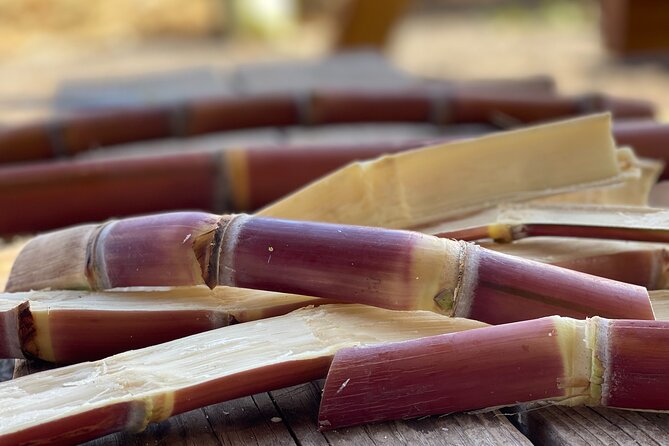
REVIEW · MAUI
Taste of Hawaii: A Maui Farm Tour
Maui tastes better straight from the farm. At Lā Kāhea Community Farm, you spend about 90 minutes tasting tropical produce, learning about Hawaiian crops, and seeing how a small community farm works. I especially like the hands-on sugarcane juicing and the clear focus on regenerative farming. The views toward Haleakalā and the West Maui Mountains add plenty of photo appeal.
I also like the friendly, personal hosting, especially from Winsome, Anna, Emily, Jakke, Whit, and Jake. The main consideration is that this is a working farm, not a polished botanical garden. Some areas can look rough or muddy, and one part of the experience may feel smaller than expected if you want a large farm with many formal displays.
What makes this Maui farm tour worth your time
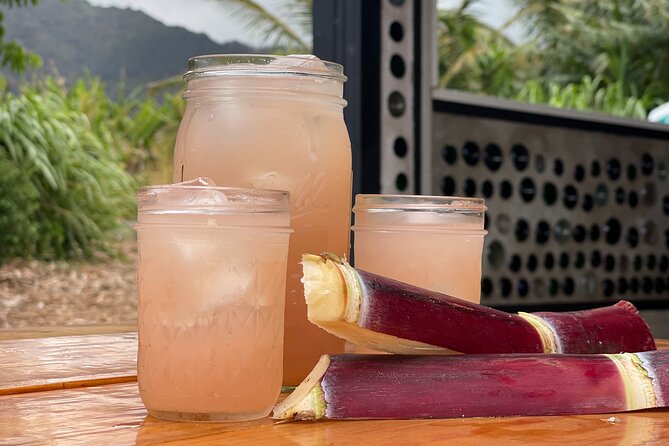
- Fresh tropical tastings: Try farm-grown fruit, sugarcane juice, and often banana ice cream with roasted macadamia nuts.
- Hands-on sugarcane pressing: You do more than watch. You may help turn sugarcane into a cold, refreshing drink.
- Hawaiian crop knowledge: Learn about plants brought by Polynesians, along with their leaves, fruit, and role in island food traditions.
- Regenerative farming in plain terms: The tour connects soil care, food production, and the needs of Maui communities.
- Mountain views from the farm: Haleakalā and the West Maui Mountains provide a fine setting for photographs.
- A small group setting: The farm can host up to 35 people, so the experience feels more personal than a large commercial attraction.
Arriving at Lā Kāhea Community Farm at 10:30
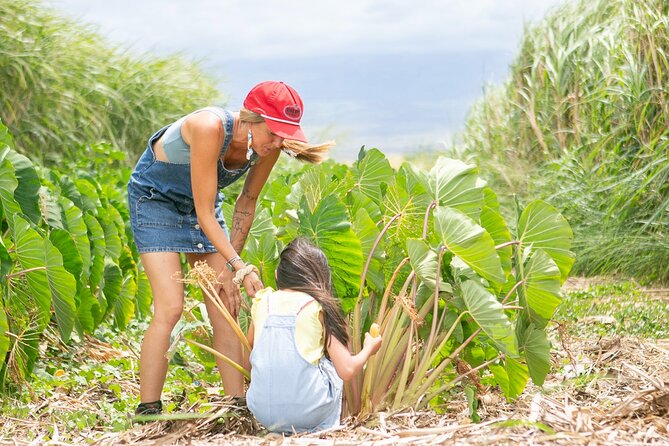
The tour begins at 10:30 a.m. at 2100 HI-30 in Wailuku. It ends at the same place, which keeps the outing simple for a morning or midday plan.
This is a useful choice if you want an activity that does not consume a full day. You will not spend hours on a bus or move between several unrelated stops. Instead, the time stays focused on one farm and the people working to build it.
The farm sits in an area with wide views toward Haleakalā and the West Maui Mountains. Those views help give the visit a sense of place. You are not just sampling anonymous tropical fruit. You are learning about food grown on Maui, under Maui conditions, with local community needs in mind.
Bring water, sunscreen, and comfortable clothing. One part of the farm is described as dry, while rain can also affect the walking portion. The weather matters here because much of the experience takes place outdoors.
More Farm Tours around Maui:
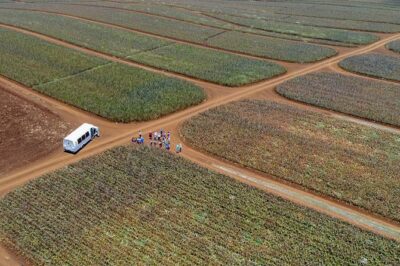
- Maui Pineapple Farm Tour in Haliimaile
★ 5.0 · 2,855 reviews - Lahaina: Maui Ku’ia Estate Guided Cacao Farm Tour and Tasting
★ 5.0 · 1,103 reviews - Maui: Road to Hana Adventure with Farm to Table Lunch
★ 5.0 · 877 reviews
Fruit, sugarcane, and a welcoming first taste
The food is one of the strongest reasons to book. The tasting can include a plate of sliced tropical fruit, with the exact selection depending on what is available on the farm. You may try familiar fruit alongside less common varieties, then learn how they grow and how they fit into local agriculture.
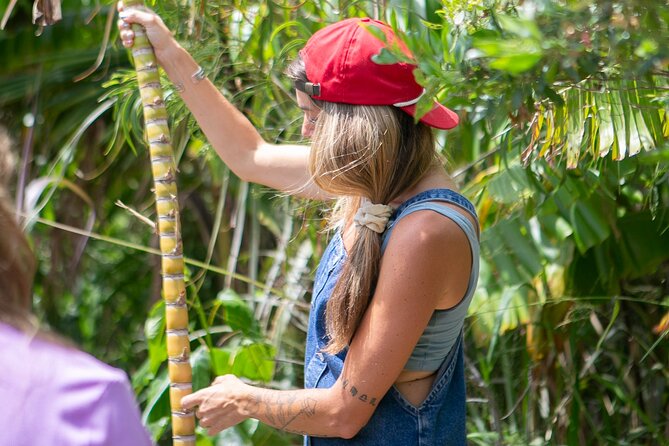
The sugarcane activity gives the tasting some personality. You can help squeeze the cane and drink the juice soon after. It is sweet, fresh, and refreshing, and the hands-on part makes it more memorable than receiving a prepared sample in a cup.
Some visits also include banana ice cream, sometimes served with fresh roasted macadamia nuts. The banana dessert receives especially strong praise, and one appealing detail is the chance to learn how the ice cream is made. The farm may also offer additional food samples or a dessert at the end.
Do not arrive expecting a full restaurant meal. The experience centers on tasting and education, not lunch. If you need a substantial meal afterward, plan one separately.
Walking among Hawaiian crops
After the initial tasting, the tour moves into the farm itself. You are introduced to tropical plants, fruit trees, leaves, and growing methods. This is where the visit becomes more than a pleasant snack stop.
A useful part of the talk focuses on plants brought to Hawaiʻi by Polynesians. You can learn how food plants traveled across the Pacific and how they became part of island life. The discussion also covers modern farming, which gives the tour a bridge between older food traditions and present-day concerns.
The guides explain crops in a practical way. You may learn what a plant produces, how its leaves or fruit are used, and how it fits into a healthy farm system. If you enjoy gardening, this section may be especially rewarding. One guest with a home garden in Northern California found the tropical growing information useful, even while noting that more time would have been welcome.
The farm is still developing. That matters. You may see a mix of active growing areas, unfinished sections, and rougher ground rather than a perfectly arranged garden. If you appreciate seeing a project in progress, this makes the visit feel honest. If you want neat paths and a large collection of labeled specimens, set your expectations lower.
Regenerative farming with a local purpose
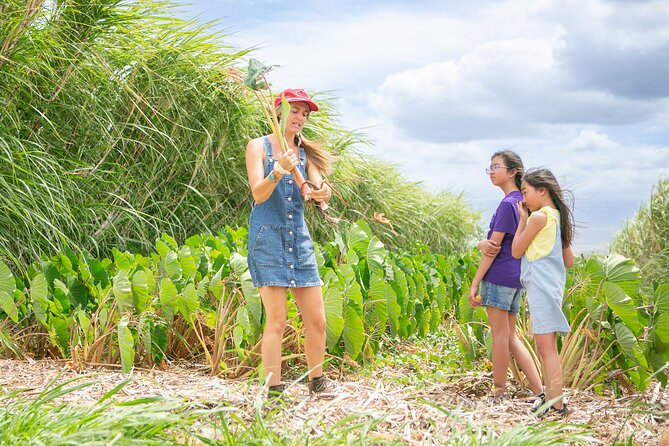
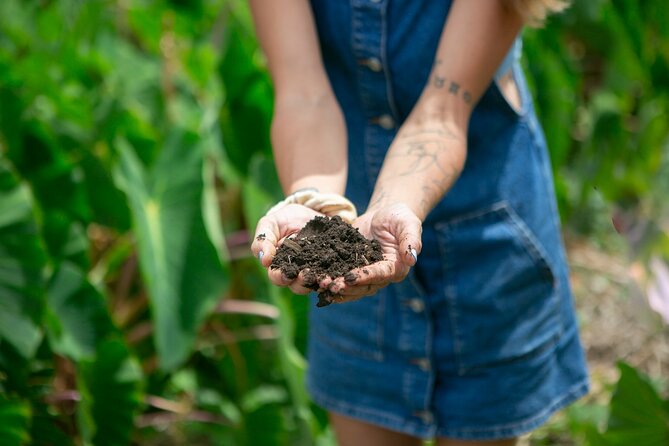
The central idea behind the tour is regenerative farming. The guides explain how farming can care for soil, support food production, and help the surrounding community. The discussion also touches on the broader agricultural needs of Maui.
I like this focus because it gives the tasting a reason. The fruit is not just a sweet reward. It shows what the farm is trying to grow and why farming methods matter. You hear about natural farming practices and the long-term goal of creating a healthier food system.
Winsome, the owner, is often praised for her clear delivery and strong sense of purpose. Anna is also known for bringing energy and warmth to the walking portion. Emily, Jakke, Whit, and Jake have each been associated with positive hosting experiences as well.
The tone appears friendly rather than academic. You do not need a background in farming to follow the discussion. At the same time, the subject has enough substance for gardeners, food-minded visitors, and anyone curious about island agriculture.
Same fields, a different sort of morning:
- Maui Horseback Adventure at Circle M Ranch With Real Cowboys
★ 5.0 · 761 reviews - The Maui Butterfly Farm Tour
★ 5.0 · 446 reviews - Lahaina: Maui Ku’ia Estate Guided Cacao Farm Tour & Tasting
★ 4.8 · 137 reviews - Hali’imaile: Pineapple Farm Tour
★ 4.9 · 126 reviews
Friendly pigs and the farm’s everyday character
You might have the chance to feed or interact with the farm’s friendly pigs. This is not presented as the entire point of the visit, but it adds a small, lively moment, particularly for families.
The animal interaction is also a reminder that this is a working farm. The setting may feel informal and lived-in rather than staged for tourism. Rain can make the ground messy, and one account described the farm as somewhat rough around the edges. I would treat that as part of the setting, not a defect that can be separated from it.
Still, expectations matter. A young child who needs constant action may not enjoy a talk about plants and farming. One family found the experience enjoyable for a nine-year-old, while another note suggested it suited teenagers better than very young children. The farm can work for families, but your child’s interest in food, animals, and outdoor learning will make a difference.
The views toward Haleakalā and West Maui
The farm’s setting gives the experience a strong visual side. You can take photographs with Haleakalā and the West Maui Mountains in view, and the open scenery helps break up the educational portions.
This is not a dedicated sightseeing viewpoint, so the scenery should be seen as part of the farm visit rather than the main event. You will not be driven to several lookouts. Instead, the views frame the plants, food, and work happening around you.
The light and weather can change the feel of the farm. On a clear day, the mountain backdrop may be a highlight. In wet weather, the walking portion may be less comfortable and the ground may be muddy. The operator requires good weather and will offer another date or a full refund if poor conditions force cancellation.
Is $75 a fair price?
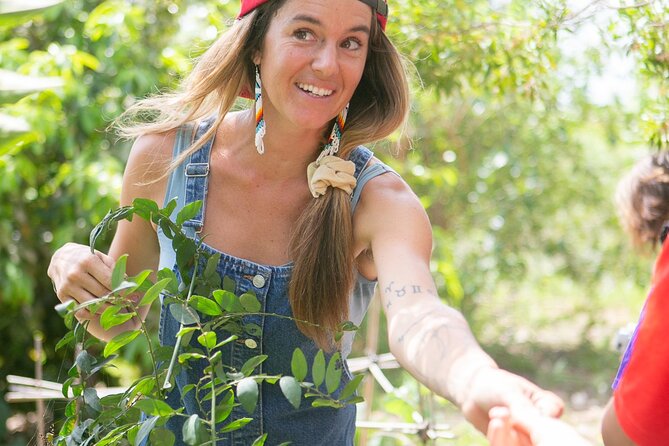
At $75 per person, this is not the cheapest way to sample fruit in Maui. The value comes from the full combination: about 90 minutes on a working farm, guided instruction, multiple tastings, sugarcane juice, possible dessert, animal interaction, and views.
I think the price makes the most sense if you want context with your food. You are paying for access to a small farm and time with hosts who explain why the work matters. The outing also supports a community farming project rather than giving you a quick sample with little background.
The value is weaker if you mainly want a large number of fruit samples or a full meal. The amount and type of produce can vary, and the farm is still expanding. You should book this for the experience and the conversation, not for a guaranteed feast.
With a 4.9 rating from 152 reviews and a 99 percent recommendation rate, the experience has a strong overall record. Still, the lower rating provides useful guidance: some people expect more to see, and the working-farm appearance is not for everyone.
Group size, timing, and practical details
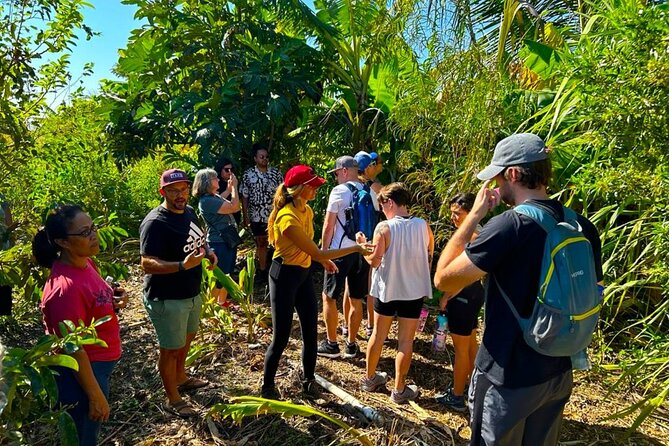
The maximum group size is 35 people. That is large enough for the tour to have energy, but still smaller than a major commercial attraction. Your experience may feel more personal if the group is well below the limit.
The tour is offered in English and uses a mobile ticket. Confirmation arrives when you book. Most people can participate, but you should be ready for an outdoor farm walk and changing ground conditions.
The experience is often booked about 32 days ahead. That suggests you should not leave it until the last morning of your Maui stay, particularly if your schedule is tight. Booking ahead also gives you room to move the activity if weather affects the farm.
Free cancellation is available until 24 hours before the start time for a full refund. Changes or cancellations inside that window are not accepted for a refund. The operator may also cancel if the minimum number of people is not reached, in which case you can choose another date or receive a full refund.
Who will enjoy this most?
I would recommend this tour to you if you enjoy:
- Local food with a story behind it
- Small farms and community projects
- Tropical fruit and unusual crops
- Practical discussions about soil and farming
- Hands-on activities such as pressing sugarcane
- Easy outdoor outings with time for conversation
- Family activities for children who enjoy animals, food, or nature
Gardeners may get more from the crop discussion than visitors who only want sightseeing. Couples can treat it as a relaxed food experience, while families may enjoy the fruit, pigs, and sugarcane activity.
I would think twice if you want a grand farm estate, formal paths, a large meal, or a packed schedule of attractions. The farm is growing, and its rough edges are part of the deal.
Should you book Taste of Hawaii: A Maui Farm Tour?
Book it if you want to taste Maui while learning how food, soil, history, and community connect. The sugarcane juice, tropical fruit, banana ice cream, and mountain views give the outing plenty of pleasure, while the farming discussion adds real substance.
Skip it if your priority is polished scenery, a long list of attractions, or a guaranteed full lunch. For the right visitor, $75 buys a friendly, useful, and distinctly local morning. I would place it among Maui’s better choices for people who prefer meeting the people behind the food instead of simply photographing it.
FAQ
Where does the Maui farm tour begin?
The tour begins at Lā Kāhea Community Farm, located at 2100 HI-30, Wailuku, Hawaii 96793.
What time does the tour start?
The scheduled start time is 10:30 a.m.
How long does the farm tour last?
The experience lasts approximately 1 hour and 30 minutes.
What food and drinks are included?
The tour includes farm-to-table tastings, which can include tropical fruit and fresh sugarcane juice. Banana ice cream, sometimes with roasted macadamia nuts, is also described as part of the experience.
Is the tour offered in English?
Yes. The tour is offered in English.
What happens if the weather is poor?
The experience requires good weather. If the operator cancels because of poor conditions, you will be offered a different date or a full refund.
Just added around Maui
- Alpaca Farm Experience on the Road to Hana★ 4.0 · 12 reviews
- Maui Farm Distillery and local craft experience Full-Day Tour★ 5.0 · 22 reviews
- Farm to Taco: A Farm to Table Cooking Class★ 5.0 · 41 reviews
- Pueo Farm Tour (1.5 hr) Upcountry Kula Maui Hawaii★ 5.0 · 21 reviews
- Maui Pineapple Tour: Farm and Feast Experience★ 5.0 · 32 reviews
- Maui: Interactive Butterfly Farm Entrance Ticket★ 4.9 · 62 reviews
- Hali’imaile: Pineapple Farm Tour★ 4.9 · 126 reviews
- Lahaina: Maui Ku’ia Estate Guided Cacao Farm Tour & Tasting★ 4.8 · 137 reviews
Maui Farm Tours, farm by farm.
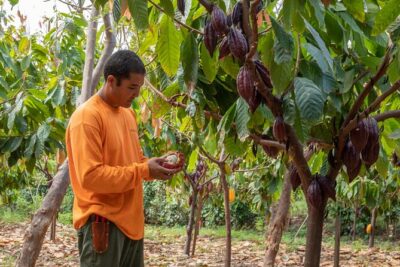
Maui Ku’ia Estate Guided Cacao Farm Tour and Tasting
Read our review →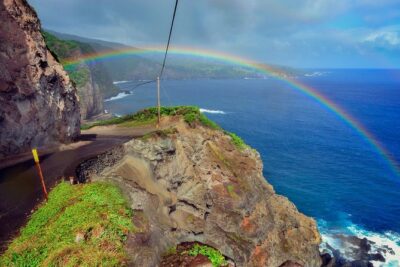
Road to Hana Adventure with Farm to Table Lunch
Read our review →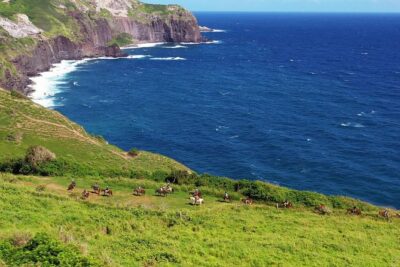
Maui Horseback Adventure at Circle M Ranch With Real Cowboys
Read our review →

Other lists this farm sits on