
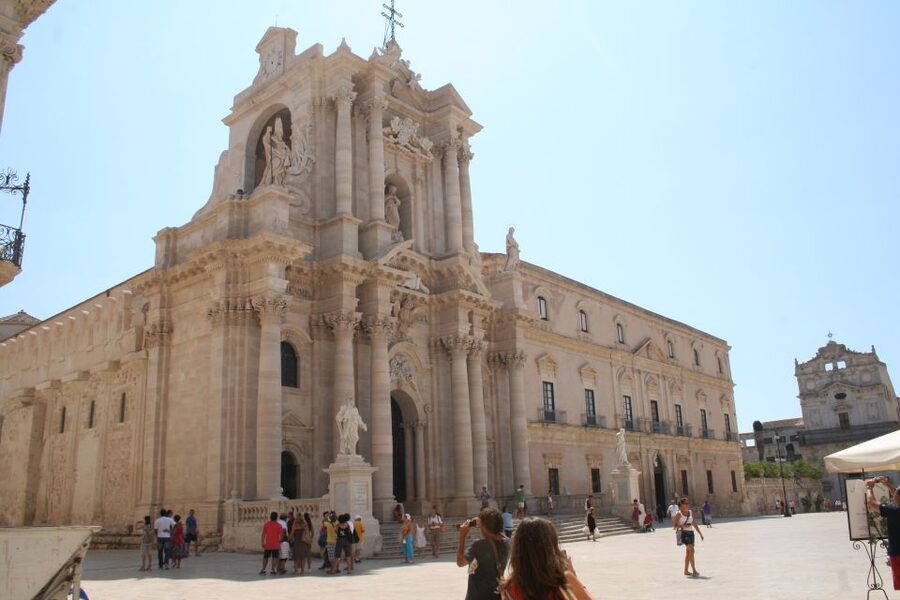
REVIEW · ITALY
Slowlife Family Farm: From Garden to Table
Fresh food begins outdoors. Sicily’s Slowlife Family Farm combines a working organic garden, ancient archaeological sites, wheat milling, pasta making, and local tastings in one four-hour visit. I especially like the rare Giarratana onion and the chance to gather ingredients before cooking lunch.
I also like the personal welcome from Jess and Carlo, whose 16-year off-grid project gives the visit a clear sense of purpose. The main consideration is transport: taxi or pickup is not included, and the farm is not suitable for people with mobility impairments.
Key Points at a Glance
- Rare Sicilian vegetables: See protected local varieties, including the enormous Giarratana onion, which can weigh more than 2 kilograms.
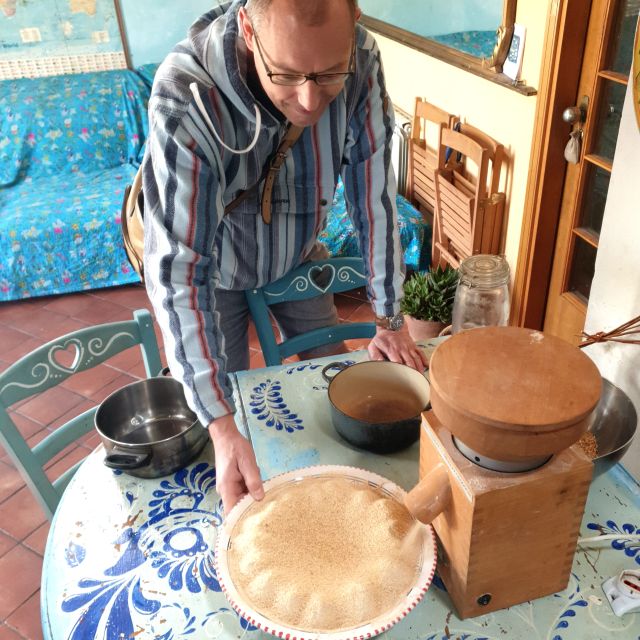
- From wheat to pasta: Learn how wheat is milled and turned into pasta using the farm’s modern tools.
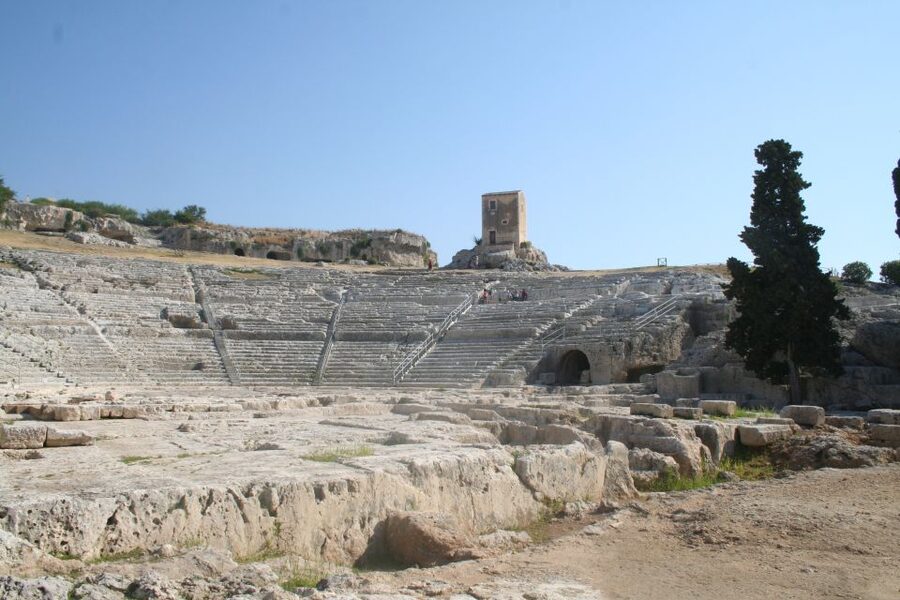
- A 2,500-year-old sacred site: Walk among archaeological remains linked to Greek and Roman worship.
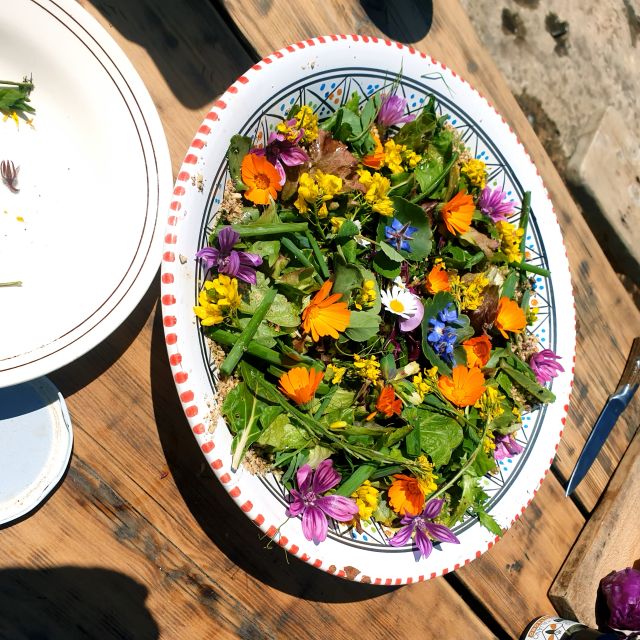
- Garden-to-table lunch: Pick vegetables and wild edible plants, then prepare the meal together.
- Local flavors in one sitting: Taste Sicilian olive oil and wine in the farm’s food and wine pantry.
- Small-group setting: The group is limited to 10 people, with English and Italian guiding.
Why This Farm Visit Feels Different
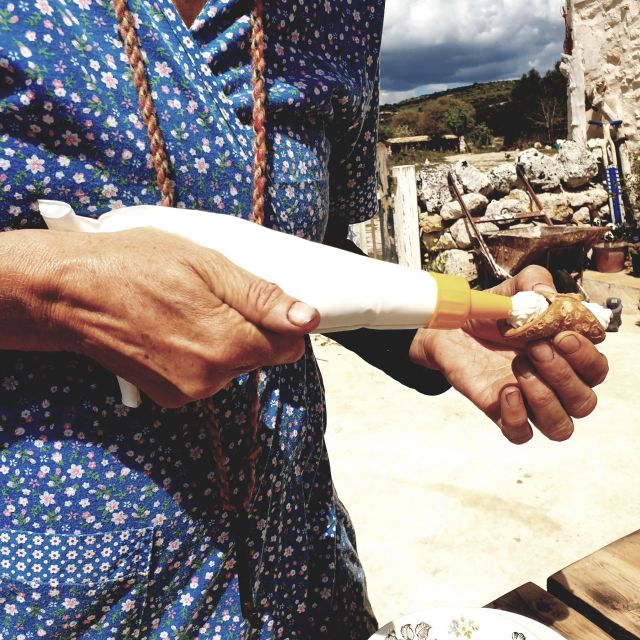
Many Sicilian food activities begin in a kitchen. This one begins in the soil. You first see where the ingredients grow, learn why certain varieties matter, and then use them in a shared meal.
The farm has followed an off-grid, slow-living approach for 16 years. That does not simply mean a rustic setting for photographs. The owners work to protect local vegetable varieties, support nearby wheat, olive oil, and wine producers, and keep older food traditions in daily use.
I like that the farm’s ideas are practical rather than decorative. The garden is not just a backdrop. It supplies ingredients for the meal, while the wheat lesson explains an important part of Sicilian food culture from the ground up.
The setting adds another layer. The property lies beside a river in one of Sicily’s notable canyons. Ancient trees offer shade, and the river and an old bathing area give the farm a peaceful outdoor character. Swimming may be possible as part of the visit, but you should confirm current conditions with the local partner before booking.
More Farm Tours around Italy:
- Florence Pizza or Pasta Class with Gelato Making at a Tuscan Farm
★ 5.0 · 6,801 reviews - Cooking Class and Lunch at a Tuscan Farmhouse with Local Market Tour from Florence
★ 5.0 · 4,831 reviews - Sorrento Farm and Food Experience including Olive Oil, Limoncello, Wine tasting
★ 5.0 · 2,524 reviews
Meeting Jess and Carlo in Siracusa
The listed meeting point is Via Malta, 7, 96100 Siracusa. An alternate meeting point may be arranged depending on where you are staying, but you need to contact the local partner in advance. That matters because the calendar is not always updated, and start times can be customized.
Jess and Carlo are the hosts named for this experience. Their personal connection to the farm is one of its strongest features. They have turned the property into a family project centered on food, nature, archaeology, and a slower pace of life.
You should not expect a polished restaurant operation or a quick cooking demonstration. The appeal is closer to spending part of the day with people who care for a place and want to explain how it works. That can make the visit feel more generous and personal, though the pace may be less predictable than a standard commercial tour.
The group limit of 10 is useful here. A small group gives you a better chance to ask questions, handle the ingredients, and follow what is happening in the garden and kitchen. It also means this is not designed for a large family reunion or a big coach party.
Walking Through the Organic Vegetable Garden
The garden is the heart of the visit. The farm grows rare and protected Sicilian vegetable varieties, including plants associated with the Slow Food movement. You learn about the farm’s growing methods and see which crops are in season during your visit.
The most memorable example is the Giant Onion of Giarratana. This local variety can grow beyond 2 kilograms and has traditionally been cooked directly on an open fire. It is a useful reminder that Sicilian food is not only about famous dishes. It is also about particular plants tied to particular towns and older cooking habits.
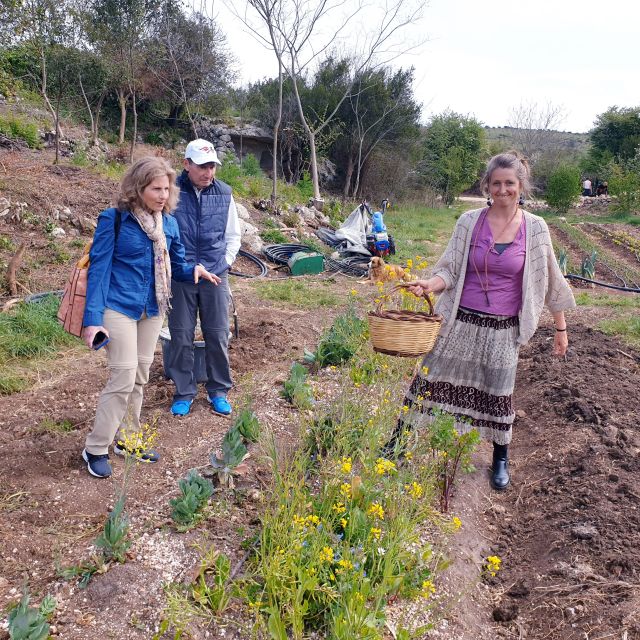
You may taste rare vegetables if they are in season. That qualification is important. A garden changes with the calendar, so no particular crop should be treated as guaranteed. The same applies to wild edible plants. A qualified nature guide leads the recognition portion, helping you understand what can be gathered safely for the meal.
I like this part because it gives context to the food you later eat. Picking an ingredient yourself does not automatically make lunch better, but it does make you pay closer attention to texture, freshness, and place. You begin to see the meal as a chain of choices rather than something that simply appears on a plate.
Wear comfortable shoes. Paths around a farm and archaeological site may not be even, and the activity is specifically not suitable for people with mobility impairments.
Ancient Altars Beneath the Trees
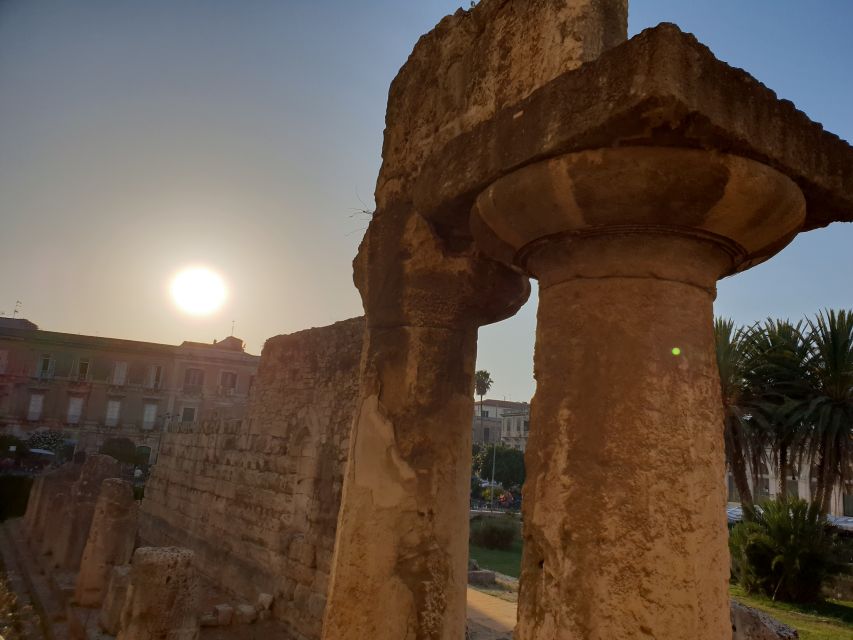
The farm is also an archaeological site. It has been considered sacred for more than 2,500 years, and archaeologists found altars connected with Greek and Roman use.
A licensed historical guide leads this part of the visit. The remains give the property a sense of time that a normal cooking class cannot provide. You are not only learning how locals grow onions or make pasta. You are walking through a place that has drawn people for religious and practical reasons across many centuries.
The archaeological portion may appeal most to visitors who want more than a food stop. It helps explain why the farm feels like a place with several layers: agriculture, water, worship, and community use. At the same time, you should keep expectations realistic. The information provided does not promise a large museum collection or a fully restored monument. The attraction is the site itself and the guide’s interpretation.
The old water mill is another point of interest. It is currently under restoration, so you see a historic structure in the process of being brought back into use rather than a finished attraction. That may be less satisfying if you want a perfectly preserved building, but it gives you a clearer look at how local heritage projects actually progress.
Same fields, a different sort of morning:
- Sorrento: Pizza Lesson, Wine, and Limoncello at a Local Farm
★ 5.0 · 1,513 reviews - Florence: Pizza or Pasta Class with Gelato at a Tuscan Farm
★ 4.9 · 1,181 reviews - Hands-On Cooking Class & Farmhouse Tour on the Amalfi Coast
★ 5.0 · 956 reviews - Pizza School with Wine and Limoncello Tasting in a Local Farm
★ 5.0 · 845 reviews
The River, Canyon, and Old Water Mill
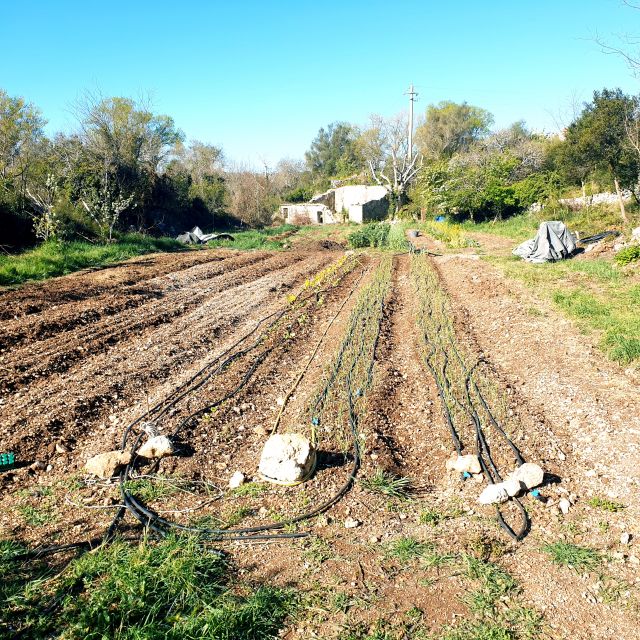
The river is a major reason this farm feels different from a city cooking class. The property lies in a famous Sicilian canyon, with tall trees providing shade near the water. There is also an ancient bathing lagoon where visitors have historically entered the water.
The supplied details say you may swim and enter the water, but they do not promise that this will happen on every date or under every condition. Ask about the current plan before you go, especially if access to the river is important to you. Bring water and a sun hat, and choose shoes that will remain comfortable outdoors.
The natural setting gives the four-hour visit breathing room. You can move between garden, archaeological remains, mill, pantry, and cooking area instead of staying indoors from start to finish. Still, this is not presented as a dedicated swimming excursion. The food, farming, and history remain the main focus.
I would choose this experience for someone who likes a mixed itinerary. You receive several short encounters rather than one long lesson: plants, ancient remains, water, milling, cooking, and tastings. If you want a tightly timed professional culinary workshop, the variety may feel a little scattered.
From Milling Wheat to Homemade Pasta
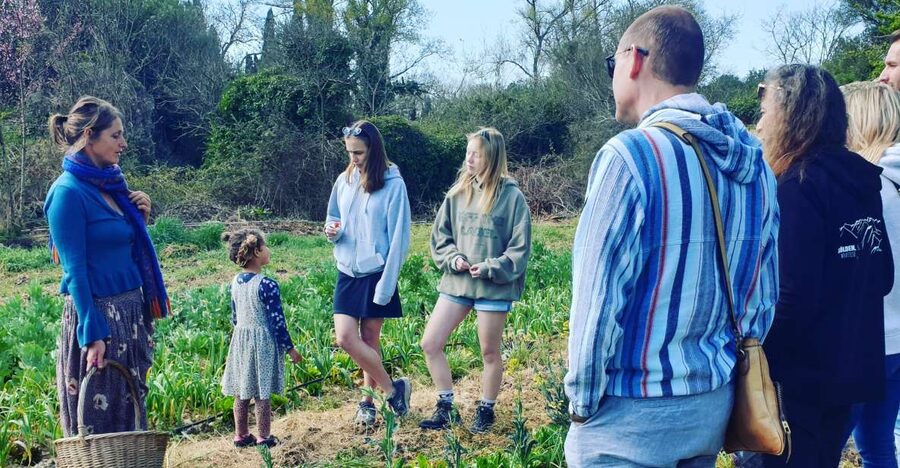
The cooking class is described as from wheat to pasta. You learn about milling wheat and use the farm’s modern tools to turn it into pasta. That sequence gives the class more substance than simply mixing dough from flour already measured in a bowl.
Wheat has a central place in Sicilian food culture, so this lesson connects the final meal to farming and milling. You see how an ordinary pantry staple begins as grain, then becomes flour, dough, and pasta. The process also makes the class suitable for people who enjoy understanding how food is made, not just eating it.
You will work together rather than watch a chef perform everything. That means the experience can be satisfying for families, couples, and curious cooks who want to take part. It also means the final result may depend on the group’s pace and skill. You are joining a shared activity, not booking private kitchen instruction.
The ingredients come from the farm garden and local producers when available. You may gather vegetables and wild edible plants before preparing the Sicilian lunch together. I like this structure because it gives the meal a clear beginning, middle, and end: collect, prepare, cook, eat.
Olive Oil, Wine, and the Farm Pantry
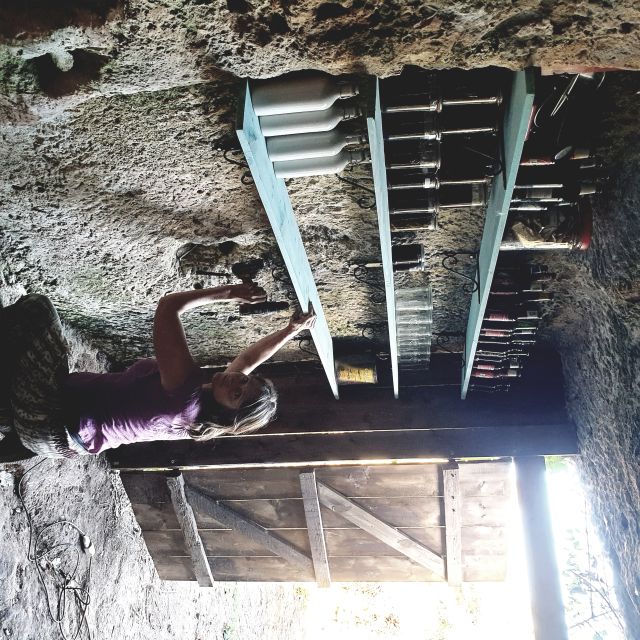
The food and wine pantry adds two classic Sicilian tastes to the day. You receive a local wine tasting and a local olive oil tasting, with the farm supporting producers from the surrounding area.
These tastings are small but useful. Olive oil can taste very different depending on the olives, harvest, and handling, while local wine helps connect the meal to the wider area. The information does not specify brands, grape varieties, or the number of pours, so you should think of this as a regional tasting rather than a formal winery visit.
The pantry visit also helps tie the meal to preservation and storage. Sicilian home cooking has long depended on keeping good ingredients close at hand, from oil and wine to wheat and vegetables. Even without a long lecture, seeing these foods together gives the cooking class a wider setting.
If you do not drink alcohol, the key attractions remain the garden, pasta class, archaeological walk, and lunch preparation. The wine is included, but it is not the whole point of the experience.
What the Four Hours Actually Offer
The stated duration is four hours. The exact order can change because start times and meeting arrangements may be customized. The likely flow includes:
- Meeting the guide and reaching the farm
- Walking through the organic garden
- Learning about rare local vegetables and edible wild plants
- Visiting the archaeological areas and old mill
- Seeing the river and bathing lagoon
- Milling wheat and making pasta
- Tasting olive oil and local wine
- Preparing and sharing a Sicilian lunch
That is a generous amount for half a day. The strength is variety. You gain a look at the property as a living farm rather than visiting only for a recipe.
The possible weakness is that no single element receives a full-day treatment. The archaeology is part of a broader tour, the river is not the main activity, and the pasta lesson is one section of the visit. I would book it for the combination, not for one isolated feature.
Is $164.26 a Fair Price?
At $164.26 per person, this is not a budget cooking class. The price needs to be judged against what is included: a historical guide, a nature guide, the organic garden, pantry visit, olive oil and wine tastings, wheat-to-pasta instruction, and a shared meal prepared from gathered ingredients.
For me, the value is strongest if you want several experiences in one booking. A separate archaeology visit, food tasting, nature walk, and cooking class could take more planning and transport. Here, they are connected by one farm and one local food story.
The value is weaker if you are mainly looking for a basic pasta lesson. You would be paying for the property, guides, garden, archaeology, tastings, and wider program. That is worthwhile only if you plan to take part in those pieces.
Transport is not included, and no entrance tickets are included. Ask exactly what transportation is needed before you commit, since getting from the Siracusa meeting point to the farm may affect your final cost. The experience allows free cancellation up to 24 hours before the start and offers reserve-now, pay-later booking, which gives you some flexibility.
Who Will Enjoy This Most
I would recommend the farm to you if you enjoy food with a sense of place. It suits people who want to meet local hosts, learn about cultivation, handle ingredients, and eat a meal connected to the land.
It also works well for travelers who like history but do not want to spend the entire day in a museum. The 2,500-year-old sacred site and old mill add depth without turning the visit into a formal archaeological tour.
Families can enjoy the hands-on format, though parents should consider the uneven outdoor setting and the mobility restriction. Food lovers will appreciate the garden and milling lesson, while nature-minded visitors will value the river, trees, and edible plant recognition.
I would hesitate if you need a highly predictable schedule, private transport, step-free access, or a polished restaurant-style meal. The farm is a working project, not a conventional attraction. Contacting the hosts before booking is essential because the calendar is not always current.
Should You Book Slowlife Family Farm?
Book it if you want a personal Sicilian day built around food, farming, archaeology, and nature. The strongest parts are the rare vegetables, the wheat-to-pasta lesson, the old sacred site, and the warm involvement of Jess and Carlo.
Skip it if your priority is a simple pasta class, a dedicated river outing, or an easy-access attraction with fixed times and included transport. For everyone else, this is a thoughtful way to see how Sicilian food begins long before lunch reaches the table.
FAQ
Where does the experience meet?
The listed meeting point is Via Malta, 7, 96100 Siracusa. An alternate meeting point may be arranged based on your accommodation.
How long does the activity last?
The activity lasts four hours. Starting times should be confirmed because the schedule can be customized.
Is transportation included?
No. Taxi service or pickup and drop-off are not included in the price.
What languages are available?
The experience is offered in English and Italian.
How large is the group?
The group is limited to 10 participants.
What food activities are included?
You take part in a cooking class that covers milling wheat and making pasta. You also gather ingredients from the organic garden and wild edible plants for a Sicilian lunch prepared together.
Are olive oil and wine tastings included?
Yes. Local wine tasting and local olive oil tasting are included.
Can I swim at the farm?
The farm includes a river and an ancient bathing lagoon where you may have the opportunity to swim. Confirm current access and conditions with the local partner before booking.
Is the experience suitable for people with mobility impairments?
No. The activity is not suitable for people with mobility impairments. Comfortable shoes, a sun hat, and water are recommended.
Just added around Italy
- Volterra: Fresh Pasta Cooking Class at a Tuscan Farmhouse★ 5.0 · 33 reviews
- Volterra: Pizza Cooking Class in a tuscan farmhouse★ 4.6 · 11 reviews
- Visit Siena and San Gimignano with lunch at a family farm★ 5.0 · 8 reviews
- Vico Equense: Tour in the dairy “Mozzarella Experience”★ 5.0 · 19 reviews
- Turin: Meet the Monviso Alpacas at the Educational Farm with a Guide★ 5.0 · 5 reviews
- Bardolino: Garda Lake Pasta Cooking Class at the Agritourism★ 5.0 · 32 reviews
- Rialto Farmers & Fish Market Food Tour in Venice with Wine Tasting & Sightseeing★ 5.0 · 3 reviews
- Rialto Market Food Tour: Wine Tasting and Sightseeing in Venice★ 5.0 · 57 reviews
Italy Farm Tours, farm by farm.
Florence Pizza or Pasta Class with Gelato Making at a Tuscan Farm
Read our review →
Cooking Class and Lunch at a Tuscan Farmhouse with Local Market Tour from Florence
Read our review →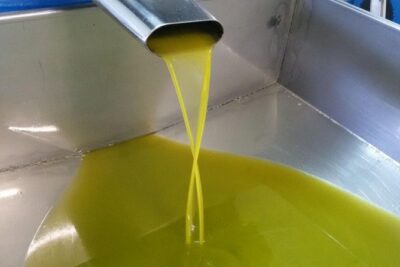
Sorrento Farm and Food Experience including Olive Oil, Limoncello, Wine tasting
Read our review →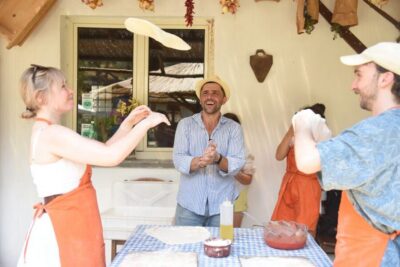
Pizza Lesson, Wine, and Limoncello at a Local Farm
Read our review →
Hands-On Cooking Class & Farmhouse Tour on the Amalfi Coast
Read our review →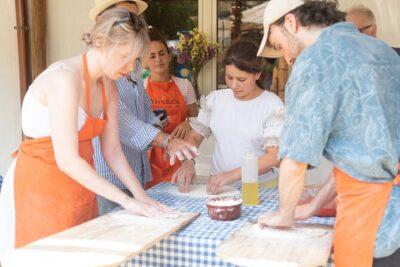
Pizza School with Wine and Limoncello Tasting in a Local Farm
Read our review →
Authentic Farm Tour with Pizza, Cheese, Wine & Limoncello Tasting
Read our review →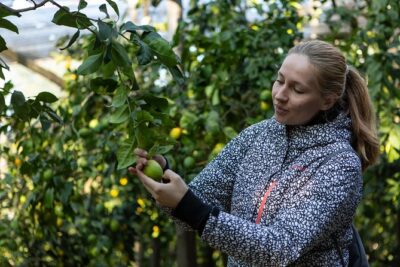
Sorrento Farm by Tuk Tuk: Cheese, Limoncello & Hands-On Pizza
Read our review →Other lists this farm sits on