
REVIEW · ITALY
Parma: Parmigiano Reggiano Farm Tour & Tasting with Transfer
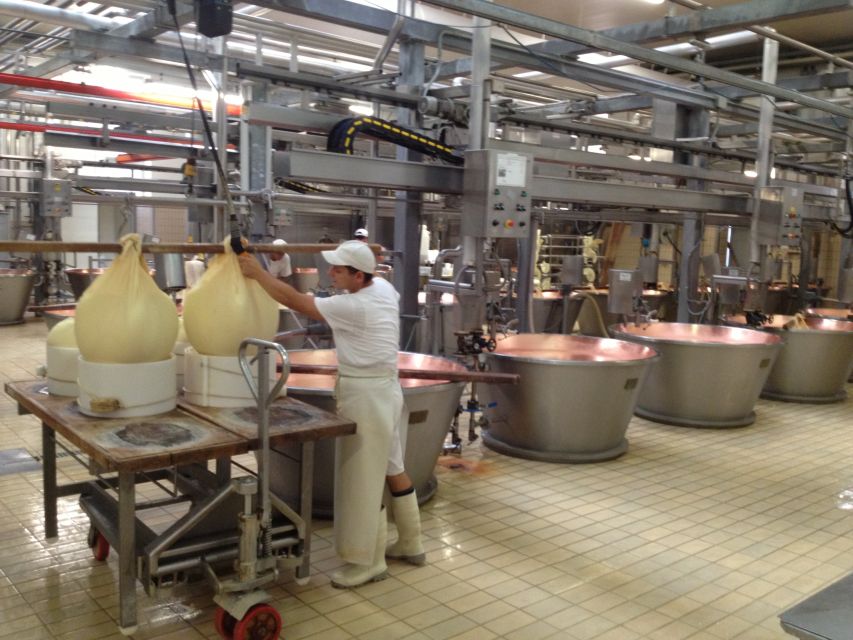
Cheese here is made like a ritual. This Parma outing gives you a close look at traditional Parmigiano-Reggiano production, from milk vats and whey separation to salting and long aging. I like that the visit is practical rather than polished for show, and I especially like the final tasting, where different ages of cheese are paired with sparkling local wine.
The main drawback is the meeting point. The NH Parma hotel is by the station, but it can be confusing if you arrive from town rather than by train. The hotel is underneath the station area, down the stairs near the underpass, and the van waits in the bus parking area outside. Guides such as George, Loris, Lawrence, Sergio, and Mattia have all been praised for clear explanations and good humor.
At $91 per person, the tour is a fair buy if you want factory access and transport without arranging a rural visit yourself. The group is limited to 10 people, though the cheese rooms can feel tight when several groups arrive close together.
Key points to know before booking
- See the cheese in production: Watch cheese makers work with milk vats, cook the curds, separate whey, shape the cheese, and prepare it for aging.
- The aging room is the visual highlight: Thousands of wheels fill the stagionatura, where Parmigiano-Reggiano develops its texture and flavor over time.
- Taste several ages of cheese: The tasting helps you notice how age changes the cheese, with sparkling local wine alongside it.
- Transport keeps the visit simple: A van collects you at NH Parma, takes you to the dairy, and returns you to the same area.
- The meeting point needs care: Find the NH hotel beneath the station area and arrive early, since the van leaves 10 minutes after the scheduled pickup.
- Small groups make the explanations useful: With no more than 10 participants, you have a better chance of hearing the guide in the production rooms.
Why Parmigiano-Reggiano is worth a morning in Parma
Parma is famous for food that has a clear sense of place. Parmigiano-Reggiano is not simply a hard cheese made anywhere in Italy. The protected production zone covers Parma, Reggio Emilia, Modena, and parts of Bologna and Mantova.
That geographic limit matters. The cheese is made under rules set by the Consorzio, and the traditional method has continued for more than nine centuries. A visit like this gives you the useful context behind the familiar wedge wrapped in supermarket paper.
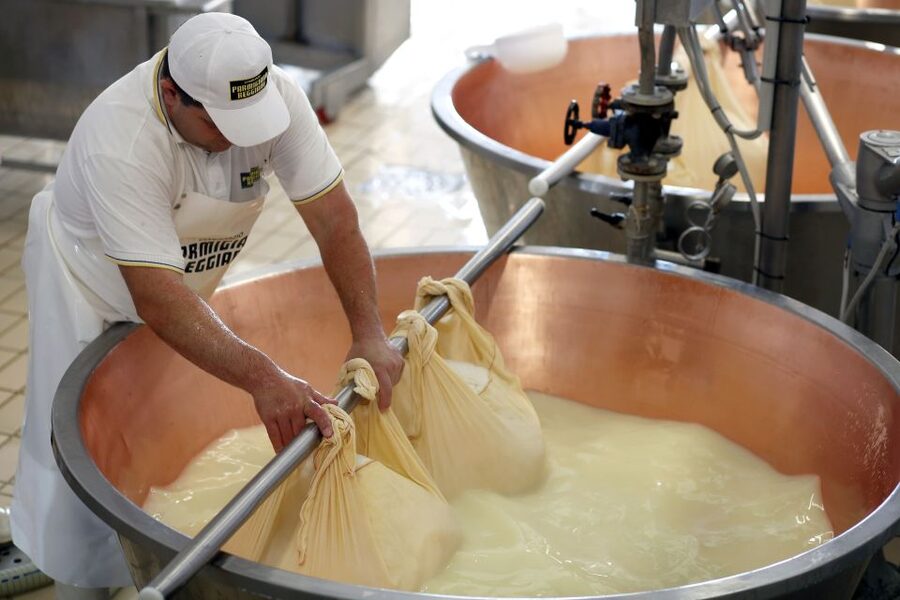
I like this tour because it shows the cheese before it reaches the table. You do not just hear that Parmigiano-Reggiano is carefully made. You see the large copper or stainless steel vats, the curds being cooked, and the cheese makers handling a product that will spend months or years changing in storage.
The process also explains why the cheese costs more than an ordinary grated topping. Every stage requires time, labor, testing, and careful control. Once you understand that, a small piece of aged Parmigiano-Reggiano feels less like a garnish and more like the final product of a long local craft.
More Food and Drink Tours around Italy:
- Sorrento Farm and Food Experience including Olive Oil, Limoncello, Wine tasting
★ 5.0 · 2,524 reviews - Pizza School with Wine and Limoncello Tasting in a Local Farm
★ 5.0 · 845 reviews - Authentic Farm Tour with Pizza, Cheese, Wine & Limoncello Tasting
★ 5.0 · 698 reviews
The 25-minute ride from NH Parma
The tour begins at NH Parma, beside Parma railway station. The van waits at the bus parking area in front of the hotel. The pickup instructions refer to the station’s north exit, Falcone/Borsellino, but the hotel’s position can still be hard to spot if you are coming from central Parma.
Here is the practical trick: the NH hotel is below the station area, reached by stairs near the underpass. If you are not arriving on a train, do not assume you can simply follow signs from the station concourse. Give yourself extra time to locate the hotel and the correct bus parking area.
The van ride takes about 25 minutes each way. That transfer is a real part of the value. You avoid finding a rural dairy on your own, and the round-trip ride keeps the outing manageable if Parma is only one stop on a larger Emilia-Romagna trip.
Do not bring a suitcase or large bag. Large luggage is not allowed in the van. Also remember that the vehicle leaves after 10 minutes past the planned pickup time, so a late arrival can mean missing the departure.
The full outing lasts about three and a half hours. That makes it easy to fit into a morning or afternoon, though you should allow enough time to reach the station area before pickup.
Inside the Parmigiano-Reggiano production rooms
The factory visit lasts roughly 65 minutes, and it follows the cheese through its main stages. Your guide explains the process as you move through the working areas, so the tour has a clear beginning, middle, and end.
You first see the milk in the large vats. The cheese makers heat it and work with the curds until the solid cheese separates from the whey. This is the part of the visit that turns an abstract food lesson into something you can watch happening in front of you.
The cooking stage is especially useful to see because it shows how much control goes into the texture of the finished cheese. The curds must be handled correctly before the cheese can be gathered and shaped. A guide can explain the order of these steps, and the small group makes it easier to follow the explanation.
The tour then moves through the shaping and salting rooms. These spaces are functional rather than decorative, which is part of their appeal. You are looking at a working dairy, not a museum display prepared only for visitors.
Depending on the day and the facility, you may also see more of the farm setting, including the cows connected with the milk supply. The main value remains the production process itself, from the vats to the finished wheels.
The stagionatura and thousands of aging wheels
The stagionatura is the aging room, and it is likely to be the moment you remember most clearly. Rows of Parmigiano-Reggiano wheels fill the space, creating a strong visual impression and a distinct dairy scent.
Here, the cheese sits and changes over time. The wheels are not rushed to market. They are aged, inspected, and sorted according to their condition. The length of aging affects the cheese’s firmness, flavor, and use in cooking.
This is also where the price begins to make sense. You are not paying only for milk and a finished wheel. You are paying for storage, care, inspection, and the risk involved in holding a product for a long time before it can be sold.
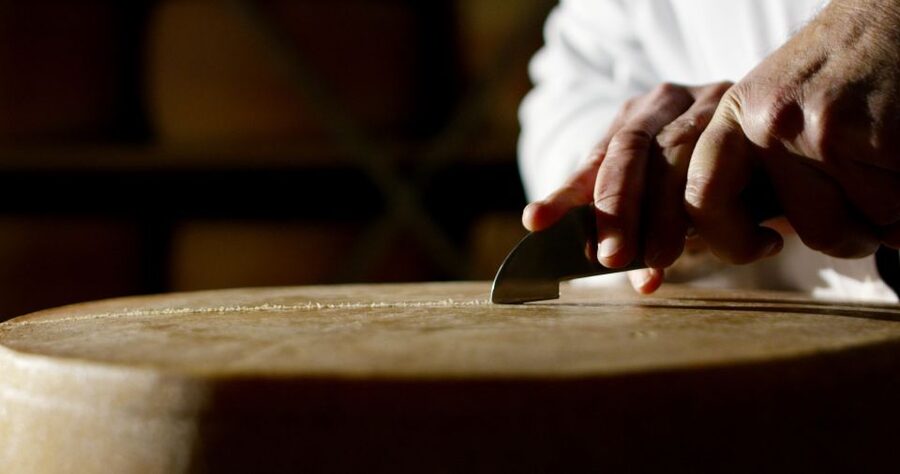
The guides make this part more interesting by explaining what happens before the cheese receives its official mark. The Consorzio carries out strict checks, including tapping the wheels with a small hammer. That sound helps inspectors detect flaws that might not be visible from the outside.
A wheel that passes inspection receives the fire-branding ritual associated with Parmigiano-Reggiano. The mark confirms that it meets the rules for the protected product. This is a small but memorable detail, and it gives you a better way to judge authentic Parmigiano-Reggiano after you leave Parma.
More Farm Tours around Italy:
- Florence Pizza or Pasta Class with Gelato Making at a Tuscan Farm
★ 5.0 · 6,801 reviews - Cooking Class and Lunch at a Tuscan Farmhouse with Local Market Tour from Florence
★ 5.0 · 4,831 reviews - Sorrento: Pizza Lesson, Wine, and Limoncello at a Local Farm
★ 5.0 · 1,513 reviews - Florence: Pizza or Pasta Class with Gelato at a Tuscan Farm
★ 4.9 · 1,181 reviews
Why the guides make a difference
The tour is available in English and Italian, and the guide or greeter leads the explanation. Clear guiding matters here because the production rooms are active workplaces, and the machinery and vats can otherwise become a blur of unfamiliar details.
George is praised for presenting the process clearly, while Loris is singled out for making the outing especially enjoyable. Lawrence is described as both well informed and an excellent guide, and Sergio is remembered for combining useful information with humor. Mattia has also been praised for explaining the production process carefully.
You should not expect a long classroom lecture. The best parts are short explanations attached to something you can see: the cooked curds, the shaping process, the salt, the aging shelves, or the hammer test.
One point to keep in mind is that the group may feel crowded in certain rooms. A short gap between groups would give everyone more space, but the limit of 10 participants is still helpful. It is far more personal than a large coach outing.
The tasting: aged cheese and sparkling wine
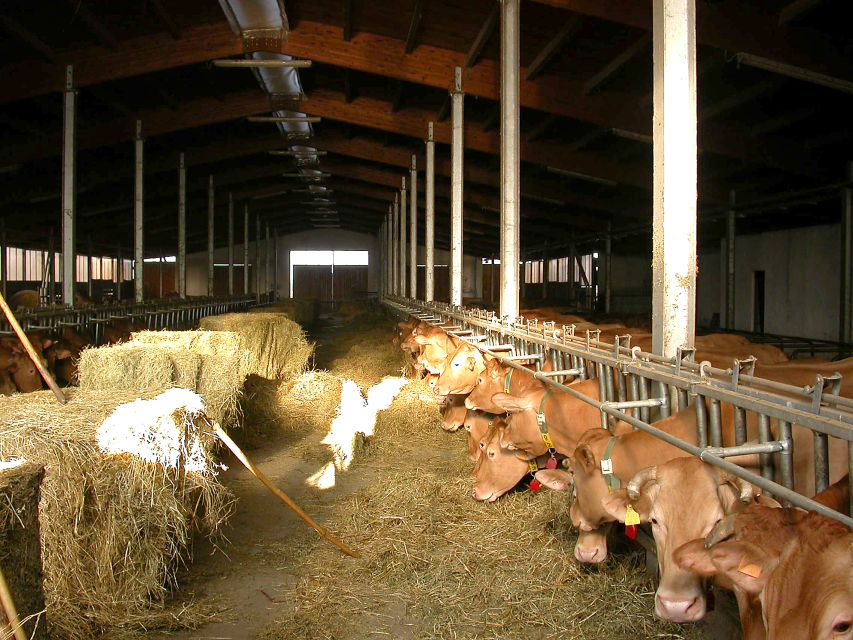
The tasting follows the factory visit. You sample Parmigiano-Reggiano and compare different ages of the cheese. This is more useful than tasting one piece in isolation because aging changes the character of the cheese.
You may notice differences in firmness, saltiness, sharpness, and the way the cheese breaks apart. Younger cheese can feel more supple, while older cheese tends to be harder and more intense. The tasting gives you a simple lesson in why cooks use different ages for different jobs.
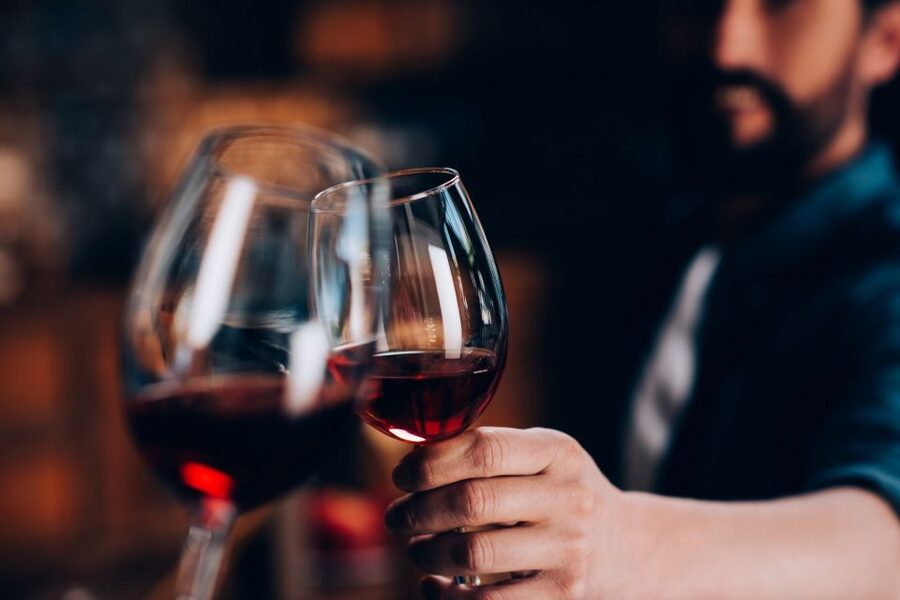
The cheese is paired with sparkling local wine. The wine adds a light, festive finish and helps cut through the salt and density of the cheese. It also connects the tasting to the wider food culture of Emilia-Romagna, where cheese and regional wines belong together at the table.
I like that the tasting comes after the production visit. By then, you have watched the work behind the food, so the sample has more meaning. You can also ask the guide about the ages and the best ways to use the cheese at home.
There is time for shopping as well. That can be useful if you want to bring back a piece of Parmigiano-Reggiano, though you should remember the restriction on large bags during the van ride.
Is $91 a fair price?
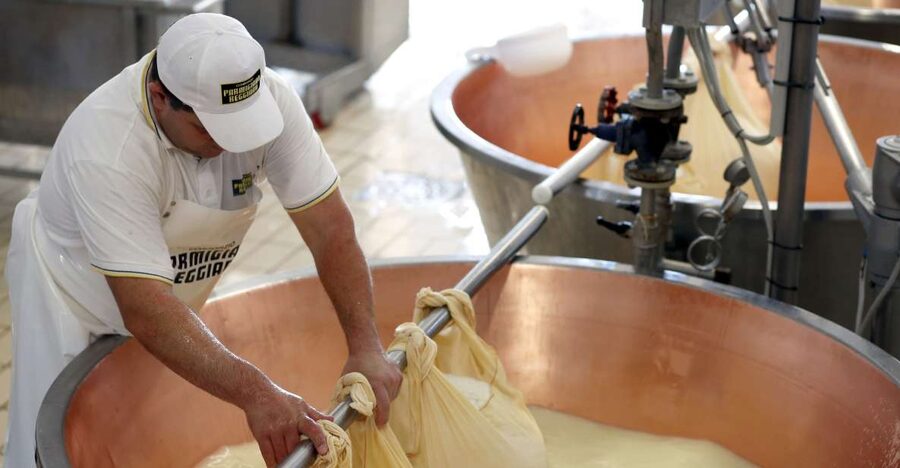
At $91 per person, this is not the cheapest food activity in Parma. It is a fair price if you value the round-trip transfer, the small group, the factory access, the tasting, and the guide.
The price is easier to justify for visitors without a car. You do not need to work out the route to a dairy outside the city, and you avoid paying separately for transport. The tour also saves planning time, which matters during a short stay.
The value is less clear if your main goal is simply to eat Parmigiano-Reggiano. Parma’s restaurants, markets, and food shops can provide that at a much lower cost. This outing earns its price by showing you how the cheese is made and tested.
A rating of 4.8 out of 5 from 87 bookings suggests a consistently strong experience, and the praise is focused on the parts that matter most: the full production process, clear guiding, the tasting, and the friendly atmosphere.
Who should book this Parma food experience?
I would recommend it to anyone curious about how Italian food is made, especially if you enjoy seeing working production rather than only visiting a shop. It suits couples, small groups, solo visitors, and anyone staying near Parma station.
It is also a good choice if your schedule is tight. Three and a half hours gives you a substantial food outing without taking an entire day. The included transfer removes much of the friction.
Families may enjoy the large vats, the rows of wheels, and the visible stages of production, though the tour includes explanations in English or Italian and takes place in working areas. Young children may find the technical parts less engaging than the tasting.
Food lovers who already know Parmigiano-Reggiano will still get something from the aging room and inspection process. You can see the difference between a protected regional product and an ordinary hard cheese made elsewhere.
I would hesitate only if you dislike group tours, have difficulty standing or moving through production areas, or need to carry luggage. The available information does not specify accessibility arrangements, so ask before booking if that is important for you.
Practical details that can save you trouble
Book with enough time to reach the pickup point. The van leaves 10 minutes after the scheduled time, and the station area is not as simple to navigate as the instructions may suggest.
Use the NH Parma hotel as your landmark, then look for the bus parking area in front. If you are walking from Parma rather than arriving by train, remember that the hotel is beneath the station zone, near the underpass and stairs.
The tour operates in bad weather when conditions are safe. Wear clothing that suits a working dairy and keep your belongings light. Large bags are not allowed in the van.
The host or greeter speaks English or Italian. Free cancellation is available up to 24 hours before the activity for a full refund, and you can reserve now and pay later if you want to keep your plans flexible.
Should you book it?
Book this tour if you want the story behind Parmigiano-Reggiano, not just a taste of it. The best reasons are the access to the vats and aging rooms, the explanation of the Consorzio’s hammer test, the small group, and the chance to compare aged cheese with local sparkling wine.
Skip it if you only have time for a quick meal or if reaching a precise station meeting point will be stressful. For most food-focused visits to Parma, though, the tour gives you a useful look at one of the region’s most important products and a tasting that feels earned.
FAQ
Where does the tour begin?
The meeting point is the NH Parma hotel by Parma railway station, near the north exit called Falcone/Borsellino. The van waits at the bus parking area in front of the hotel.
How long does the experience last?
The full experience lasts about three and a half hours. The van ride takes about 25 minutes each way, and the factory visit lasts about 65 minutes.
What will I see at the cheese factory?
You can see the milk vats, the cooking and separation of the whey, the shaping and salting rooms, and the aging area called the stagionatura. The visit also covers the Consorzio’s inspection process and fire-branding.
Is tasting included?
Yes. The experience includes a Parmigiano-Reggiano tasting with different ages of cheese and a tasting of sparkling local wine.
Is transportation included?
Yes. Hotel pickup and drop-off from NH Parma are included in the experience.
Can I bring luggage?
No. Large bags and luggage are not allowed in the van.
Just added around Italy
- Volterra: Fresh Pasta Cooking Class at a Tuscan Farmhouse★ 5.0 · 33 reviews
- Volterra: Pizza Cooking Class in a tuscan farmhouse★ 4.6 · 11 reviews
- Visit Siena and San Gimignano with lunch at a family farm★ 5.0 · 8 reviews
- Vico Equense: Tour in the dairy “Mozzarella Experience”★ 5.0 · 19 reviews
- Turin: Meet the Monviso Alpacas at the Educational Farm with a Guide★ 5.0 · 5 reviews
- Bardolino: Garda Lake Pasta Cooking Class at the Agritourism★ 5.0 · 32 reviews
- Rialto Farmers & Fish Market Food Tour in Venice with Wine Tasting & Sightseeing★ 5.0 · 3 reviews
- Rialto Market Food Tour: Wine Tasting and Sightseeing in Venice★ 5.0 · 57 reviews
Food & Drink, farm by farm.
Sorrento Farm and Food Experience including Olive Oil, Limoncello, Wine tasting
Read our review →
Maui Ku’ia Estate Guided Cacao Farm Tour and Tasting
Read our review →
Ría de Arousa: Boat Ride to Mussel Farm with Tasting
Read our review →
Pizza School with Wine and Limoncello Tasting in a Local Farm
Read our review →
Authentic Farm Tour with Pizza, Cheese, Wine & Limoncello Tasting
Read our review →
Olive Farm Tour with Tasting of Local Delicacies
Read our review →Other lists this farm sits on