
REVIEW · ITALY
Oristano: visit a farm with oil tasting
Olive oil tells Sardinia’s story. This 1.5-hour visit to a family farm in Massama gives you a close look at local farming, ancient olive trees, and the careful work behind excellent extra virgin olive oil. I like the fifth-generation sommeliers, Anna and Antonella, who guide the tasting with family knowledge, and I like the chance to compare oils made from rare Sardinian cultivars. The main drawback is that the experience is not suitable for people with mobility impairments.
You will begin among the olive trees, then move into a historic manor house for an organoleptic tasting and a small farm meal. I would treat this as a focused food experience rather than a full half-day outing: the scheduled visit lasts 90 minutes, so it fits well between sightseeing in Oristano and the coast.
Key points to know before you book
- Family farming since 1857: The farm is a fifth-generation enterprise and a historic business recognized by Unioncamere.
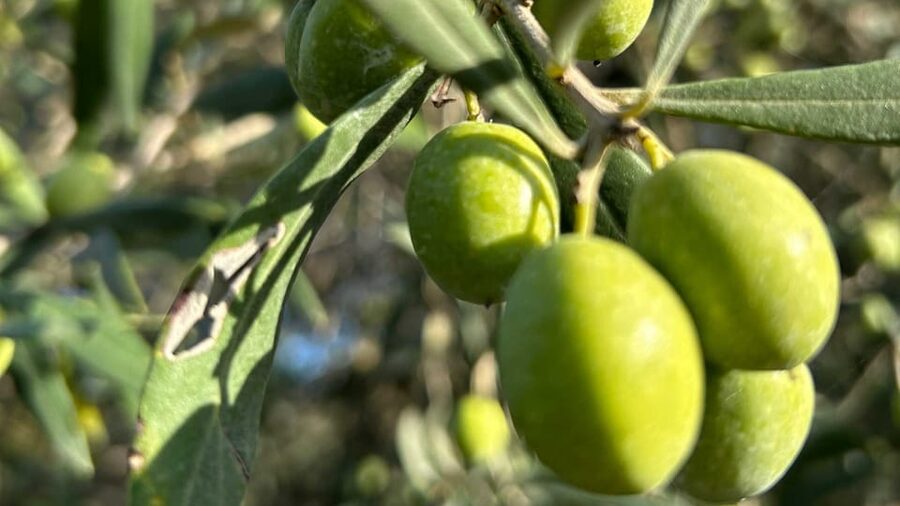
- Four native Sardinian cultivars: Taste oils made from Bosana, Nera di Villacidro, Sa Manna, and Semidiana, a variety linked especially with the Oristano area.
- A real tasting lesson: Anna and Antonella explain how to distinguish extra virgin olive oil from ordinary olive oil and lampante oil through smell and taste.
- Food is part of the lesson: The tasting includes country crostone, seasonal vegetables, legume hummus, a chef’s surprise, water, and a glass of local wine.
- English and Italian guidance: The tour is available with a live guide in either language.
- Plan ahead for dietary needs: Vegetarian, vegan, allergy, and intolerance accommodations are available if you notify the farm at least two days ahead.
Massama and the farm’s Sardinian setting
Massama is a small village near Oristano, and this setting gives the visit a more local feel than a tasting room in a city center. You are not simply sampling a bottle on a shop counter. You are visiting a working agricultural property with olive trees, production areas, and a family story that reaches back to 1857.
I like the sense of place here. Sardinia is often sold through beaches and archaeological sites, but food traditions explain the island just as well. Olive oil connects the soil, the seasons, the family business, and the meal on your plate.
The farm is certified organic and produces award-winning extra virgin olive oil recognized in Italy and abroad. Those awards may interest food travelers, but the more useful point is what you learn about the oil itself. You get a clearer idea of why one bottle tastes grassy, another bitter, and another spicy.
The farm’s long history does not mean the visit is a museum tour. The program focuses on practical production and tasting. You learn what happens from harvest to pressing, and why storage matters after the oil leaves the mill.
More Food and Drink Tours around Italy:
- Sorrento Farm and Food Experience including Olive Oil, Limoncello, Wine tasting
★ 5.0 · 2,524 reviews - Pizza School with Wine and Limoncello Tasting in a Local Farm
★ 5.0 · 845 reviews - Authentic Farm Tour with Pizza, Cheese, Wine & Limoncello Tasting
★ 5.0 · 698 reviews
Under the ancient olive trees
The visit begins in the olive grove. This first section helps you understand the raw material before you taste the finished product.
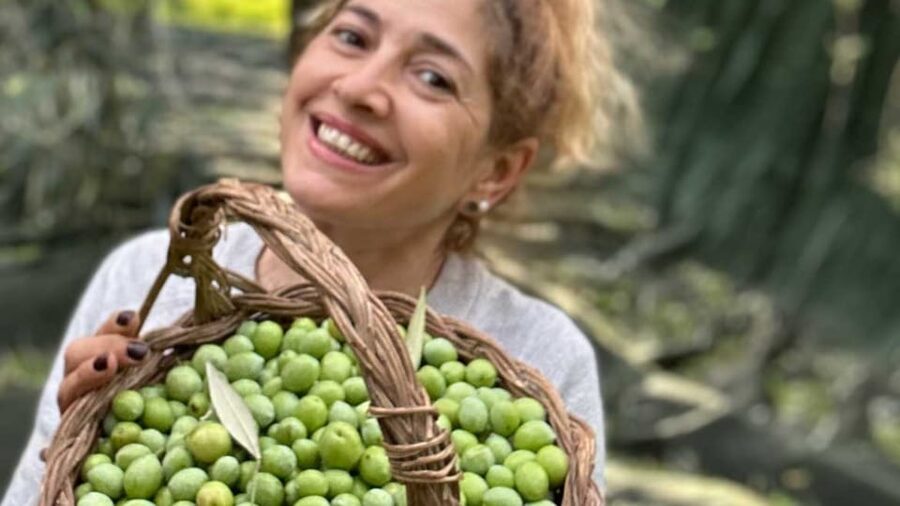
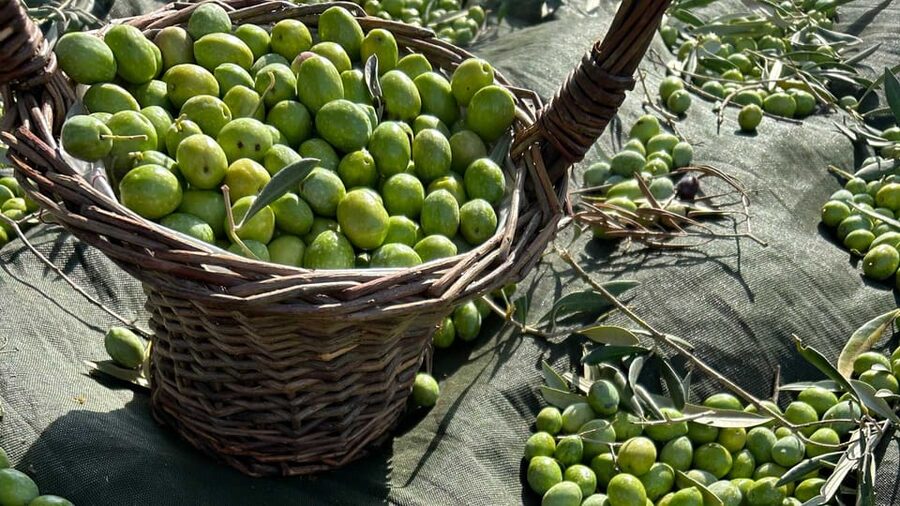
Anna and Antonella introduce the main Sardinian cultivars grown on the farm. The varieties include Bosana, Nera di Villacidro, Sa Manna, and Semidiana. Semidiana is especially tied to the Oristano area, so it gives the tasting a strong local connection.
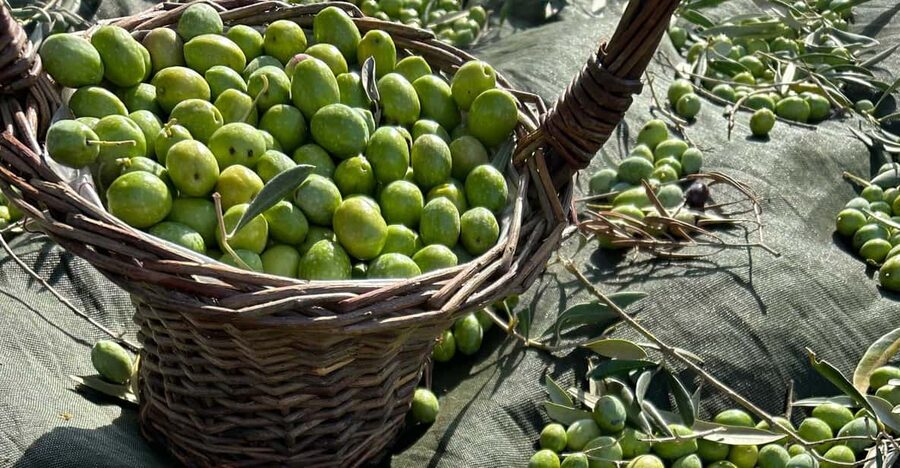
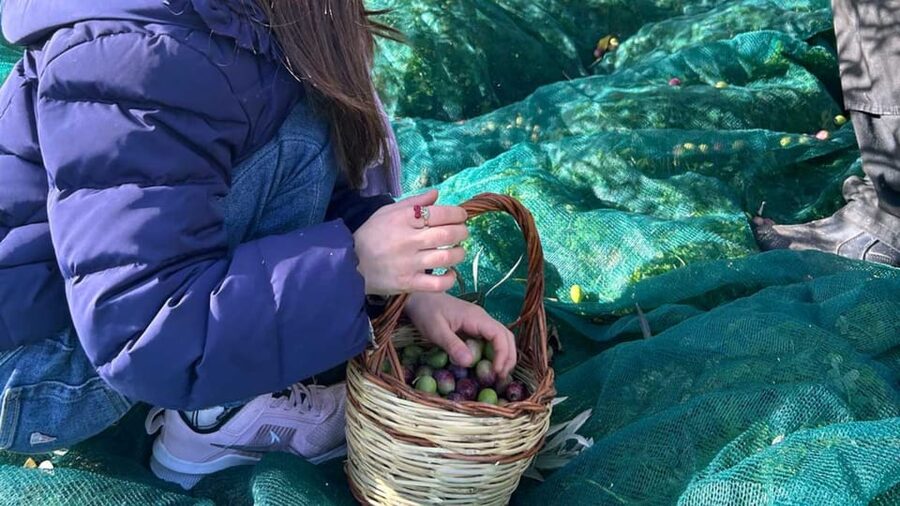
You learn how olives are harvested, transported, and pressed. These details matter because good oil depends on handling long before it reaches the table. The timing of harvest, the condition of the fruit, and the speed of processing all affect the final flavor.
The explanation also covers the best way to preserve extra virgin olive oil. This is one of the most useful parts for home cooks. You may buy excellent oil in Sardinia, but poor storage can damage it. The farm’s advice helps you make better use of the bottle after your holiday ends.
The grove section is also a good reason to wear comfortable clothes. You should expect an outdoor portion, even though the main tasting takes place indoors. Pets are allowed on a leash outside and inside the facility, except in processing rooms or food-handling areas. They must also be docile.
From fruit to bottle: what makes the oil extra virgin
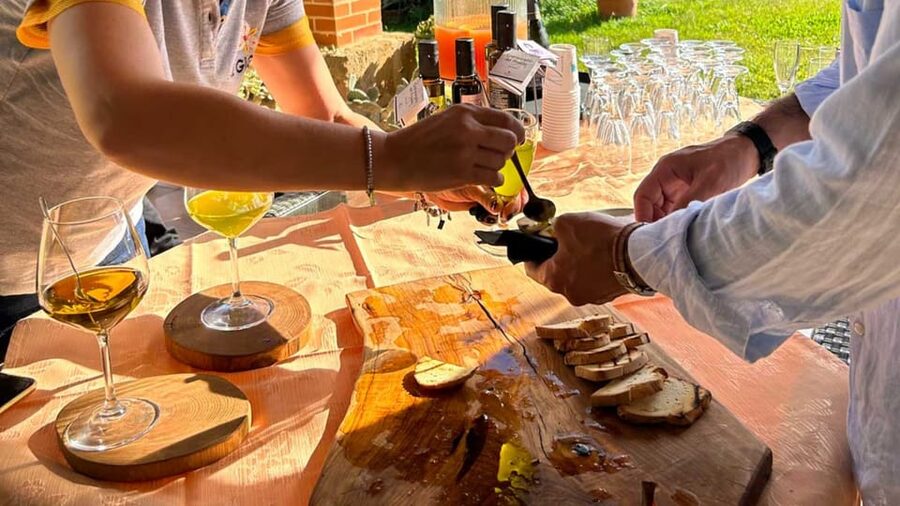
The tasting lesson is more than a quick sip followed by a plate of snacks. You are taught how to assess oil through its smell, taste, and physical sensations.
Anna and Antonella explain how to recognize extra virgin olive oil compared with olive oil and lampante oil. The terms can sound technical, but the lesson is aimed at helping you notice real differences.
Extra virgin olive oil should show positive aromas and flavors, while defects can reveal poor fruit, bad handling, or weak storage. Lampante oil is a lower-grade category that is not intended for direct consumption in its original state. Knowing the difference helps you shop with more confidence.
You also learn about bitter and spicy fruitiness. These qualities are not automatically flaws. They can signal character and freshness, and they can work well with the right food.
This is where the experience becomes useful beyond Sardinia. After the tour, you should have a better sense of why a delicate oil might suit vegetables, while a stronger, peppery oil could work better with beans, bread, or a hearty dish. The goal is not to memorize tasting language. It is to understand what your palate prefers and how to use it.
The clear teaching is one of the strongest parts of the visit. The experience is designed to explain, not merely impress, and the guides’ family connection to the farm gives the discussion a personal edge.
The historic manor house tasting
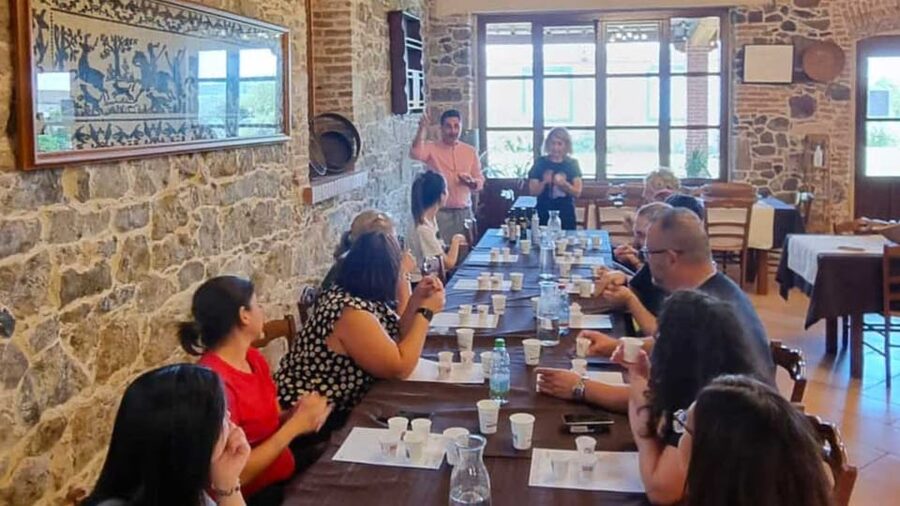
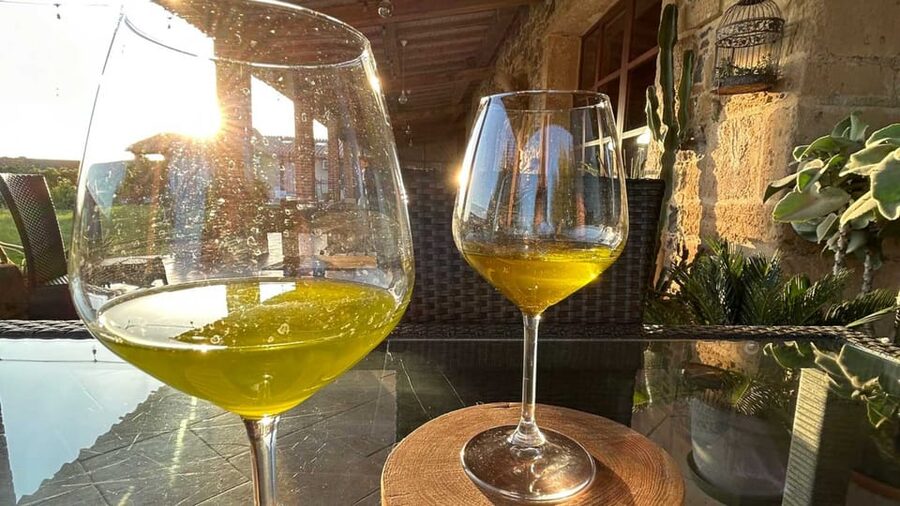
After the grove and production explanation, you move into a historic manor house for the tasting. This change of setting works well. Outside, you learn about trees and farming. Inside, you focus on aroma, flavor, and food pairing.
The tasting includes several oils, allowing you to compare them rather than judge one bottle in isolation. That comparison is important. A single oil may taste pleasant, but tasting several varieties side by side gives you a better sense of how cultivar and production choices shape the result.
The food is simple in the best sense. You can expect:
- Country crostone
- Seasonal vegetables
- Legume hummus
- A chef’s surprise
- Water
- One glass of local wine
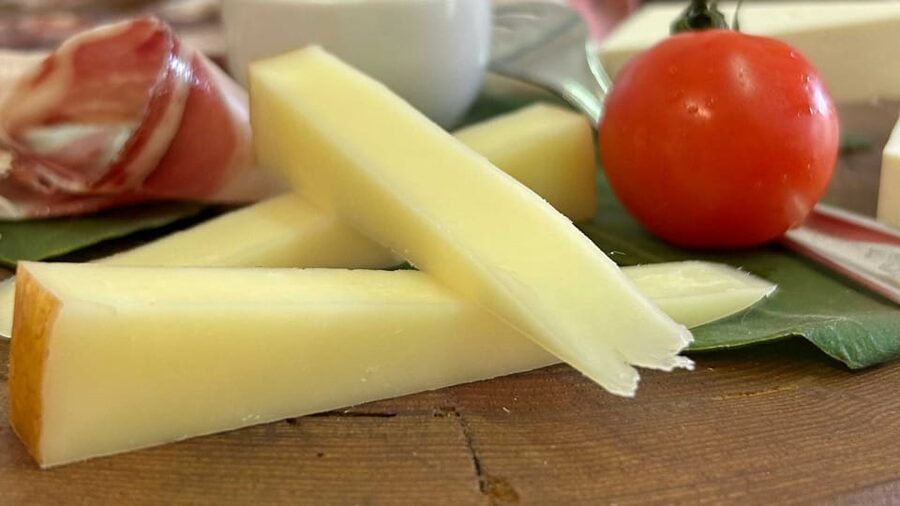
The menu is not presented as a full lunch, so you should not book it expecting a large meal. Instead, food serves as a testing ground for the oils. Bread gives you a plain base. Vegetables show how oil can support fresh flavors. Legume hummus lets you try the oils with a creamy, earthy dish.
The seasonal element is worth noting. The vegetables may vary, so you should expect the menu to reflect what the farm can offer at that time. The chef’s surprise adds another small change from one visit to the next, though no specific dish is promised.
I like this approach because the meal has a purpose. You do not taste oil from a tiny cup and then forget it. You see how the flavor behaves with food, which is exactly the skill the farm wants you to take home.
More Farm Tours around Italy:
- Florence Pizza or Pasta Class with Gelato Making at a Tuscan Farm
★ 5.0 · 6,801 reviews - Cooking Class and Lunch at a Tuscan Farmhouse with Local Market Tour from Florence
★ 5.0 · 4,831 reviews - Sorrento: Pizza Lesson, Wine, and Limoncello at a Local Farm
★ 5.0 · 1,513 reviews - Florence: Pizza or Pasta Class with Gelato at a Tuscan Farm
★ 4.9 · 1,181 reviews
Learning to pair oil with food
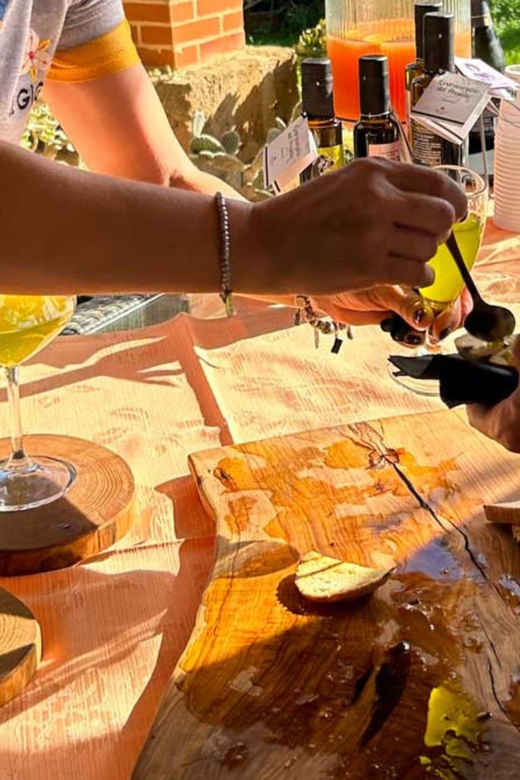
Many olive oil tastings stop after asking you to identify fruitiness or pepper. This one spends time on pairing, which makes it more useful for everyday cooking.
You will compare oils according to their bitter and spicy qualities, then try them with the prepared dishes. A gentle oil may disappear beside a strongly flavored food, while a bolder oil could overpower something delicate. The point is to match intensity rather than assume the most expensive or strongest oil is always best.
I find this especially helpful for visitors who enjoy cooking. You can bring the lesson home and experiment with different oils on salads, bread, beans, vegetables, and other simple dishes. You also gain a better way to describe what you like when buying oil at a market or specialty shop.
The food pairings are also a good introduction for people who think they dislike bitter or spicy oil. Those sensations may make more sense when balanced with the right food. The guides show you how to use them rather than treating tasting as a test with correct and incorrect answers.
The experience is suitable for beginners, but food lovers who already know olive oil may also appreciate the focus on Sardinian cultivars. The rare local varieties give the tasting a regional identity that you would not get from a generic Italian oil session.
Anna and Antonella’s family connection
Anna and Antonella are fifth-generation oil and wine sommeliers. Their role matters because the visit is tied directly to the farm’s family history rather than presented as a detached lecture.
You learn about the farm’s heritage while standing among the trees that support its work. That connection helps make the production story easier to follow. The family has been involved with the enterprise for generations, and the business has official recognition as a historic enterprise from Unioncamere.
I would expect the tone to be personal and instructional. A high-quality tasting can feel intimidating when the presenter uses too much specialist language. Here, the emphasis is on helping you recognize what is in the glass and understand how to use it.
The clearest praise for this experience centers on how interesting and well explained the visit is. That is important because a tasting depends heavily on the guide. In this case, the named hosts and the family background give the session a clear human focus.
English is available, along with Italian. If you are not comfortable with technical food vocabulary, English guidance should make the production and tasting steps easier to follow.
Timing, comfort, and practical limits
The scheduled duration is 1.5 hours. I see this as a strength if you are building a busy day around Oristano, but it also sets a limit. You will receive a concentrated farm visit, not an unhurried afternoon wandering through every part of the property.
You should wear comfortable clothes because part of the program takes place outdoors in the olive grove. The supplied information does not list transportation, so you should check the meeting details carefully when booking and avoid assuming that hotel pickup is included.
The farm is not suitable for people with mobility impairments. Since the program includes an olive grove and movement between outdoor and indoor areas, anyone with walking concerns should confirm the conditions before reserving.
Pets are welcome on leashes in most areas, including inside the facility, but not in processing rooms or places where food is handled. This is useful if you are touring Sardinia with a dog, although the animal must be calm and well behaved.
For food restrictions, contact the number on your reservation voucher at least two days before the visit. Vegetarian and vegan options are available, as are accommodations for allergies and intolerances. Do not wait until you arrive, since the farm needs advance notice.
Is the tasting good value?
No price is provided here, so I cannot judge the exact cost against similar experiences. I can judge what you receive for the booking: a guided farm visit, an explanation of production, a tasting of multiple oils, food pairings, a glass of local wine, and direct instruction from fifth-generation sommeliers.
That package offers good value for visitors who want more than a souvenir bottle. You are paying for context and practical tasting skills as well as food. If you only want to sample olive oil quickly, a shop tasting may be faster. If you want to understand why Sardinian oils differ, this visit makes better use of your time.
The 90-minute schedule also keeps the commitment reasonable. You can fit it into a day focused on Oristano, the Sinis Peninsula, or nearby villages without giving up an entire afternoon.
I would not choose it as your only food experience in Sardinia. The tasting is small, and it is not a full meal. But it works very well alongside a pasta workshop, a local wine stop, or a coastal excursion.
Who should book this Oristano farm visit?
I would recommend it to you if you enjoy local food, family businesses, and hands-on explanations. It is especially suited to home cooks who want to improve their use of olive oil rather than simply buy another bottle.
It also suits couples, small groups, and visitors looking for a quieter experience away from the main sights. The farm setting and historic manor house offer a different side of Sardinia than beaches and ruins.
You may want to skip it if you dislike tastings, have serious mobility limits, or expect a substantial lunch. The program is short and focused. Its reward comes from learning to compare oils and use them with food.
I would also plan your dietary request early. The farm can provide vegetarian, vegan, allergy, and intolerance options, but you must give notice at least two days in advance.
Should you book the Massama olive oil experience?
Book it if you want a clear, friendly introduction to Sardinian olive oil with real local context. The combination of an organic farm, native cultivars, family production since 1857, and practical pairings gives the visit more substance than a basic tasting.
I especially like that you move from the trees to the table. You learn how olives are harvested, transported, pressed, and stored, then taste the results with bread, vegetables, hummus, and wine.
Skip it if you need step-free access or want a long farm day with a large meal. For everyone else, this is a smart 90-minute addition to an Oristano itinerary, and the strong praise for its clear explanations is well deserved by the structure of the experience itself.
FAQ
Where does the olive oil experience take place?
It takes place at an olive farm in Massama, a village near Oristano in Sardinia, Italy.
How long does the experience last?
The scheduled duration is 1.5 hours.
Which languages are available?
The live guide is available in Italian and English.
Which olive cultivars are included?
The farm works with Bosana, Nera di Villacidro, Sa Manna, and Semidiana. Semidiana is especially typical of the Oristano area.
What food is included in the tasting?
The tasting includes country crostone, seasonal vegetables, legume hummus, a chef’s surprise, water, and one glass of local wine.
Can the farm accommodate dietary restrictions?
Yes. Vegetarian, vegan, allergy, and intolerance accommodations are available with at least two days’ advance notice using the number on the reservation voucher.
Are pets allowed?
Pets are allowed on leashes outside and inside the facility, except in processing rooms and areas where food is handled. They must be docile.
Just added around Italy
- Volterra: Fresh Pasta Cooking Class at a Tuscan Farmhouse★ 5.0 · 33 reviews
- Volterra: Pizza Cooking Class in a tuscan farmhouse★ 4.6 · 11 reviews
- Visit Siena and San Gimignano with lunch at a family farm★ 5.0 · 8 reviews
- Vico Equense: Tour in the dairy “Mozzarella Experience”★ 5.0 · 19 reviews
- Turin: Meet the Monviso Alpacas at the Educational Farm with a Guide★ 5.0 · 5 reviews
- Bardolino: Garda Lake Pasta Cooking Class at the Agritourism★ 5.0 · 32 reviews
- Rialto Farmers & Fish Market Food Tour in Venice with Wine Tasting & Sightseeing★ 5.0 · 3 reviews
- Rialto Market Food Tour: Wine Tasting and Sightseeing in Venice★ 5.0 · 57 reviews
Food & Drink, farm by farm.
Sorrento Farm and Food Experience including Olive Oil, Limoncello, Wine tasting
Read our review →
Maui Ku’ia Estate Guided Cacao Farm Tour and Tasting
Read our review →
Ría de Arousa: Boat Ride to Mussel Farm with Tasting
Read our review →
Pizza School with Wine and Limoncello Tasting in a Local Farm
Read our review →
Authentic Farm Tour with Pizza, Cheese, Wine & Limoncello Tasting
Read our review →
Olive Farm Tour with Tasting of Local Delicacies
Read our review →Other lists this farm sits on