
REVIEW · ITALY
Noto: Highlights Experience tour Cooking from Farm to Fork
Fresh food begins in the garden. This four-hour farm-to-fork cooking class near Noto combines vegetable harvesting, handmade pasta, Sicilian desserts, and a shared meal in the countryside. I especially like the garden-to-table format and the practical zero-waste lessons, which show you how leftovers can become gels, powders, and crisp chips. The main drawback is that transport is not included, so you need to arrange your own way to the farm.
The private setting suits families and small groups better than people seeking a large social class. I also like that the menu follows the season and what the garden provides, though that means you may not know every dish in advance. The setting welcomes children, pets, and curious cooks, but you will need closed shoes and clothing suitable for kitchen work.
Key points to know before booking
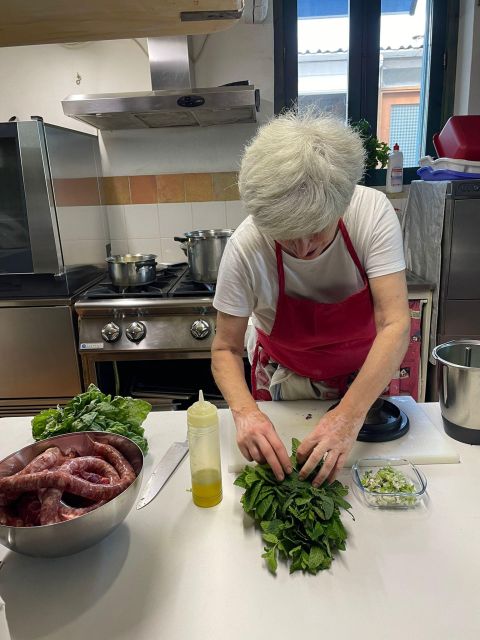
- Harvest your own ingredients: You begin in the farm garden, collecting vegetables and eggs for the cooking lesson.
- Learn Sicilian classics: The class includes handmade pasta, plus ravioli, cannoli, or a traditional Sicilian dessert, along with another seasonal dish.
- Practice zero-waste cooking: Leftovers may be turned into gels, powders, or chips for a polished presentation.
- Eat what you prepare: Lunch is served in the on-site restaurant and includes your cooked dishes and nonalcoholic drinks.
- Enjoy a private class: The experience is designed for a private group, with Italian and English instruction.
- Plan your transport: The price does not include getting to or from the countryside location, and wine from the farm vineyard costs extra.
A four-hour taste of rural Sicily
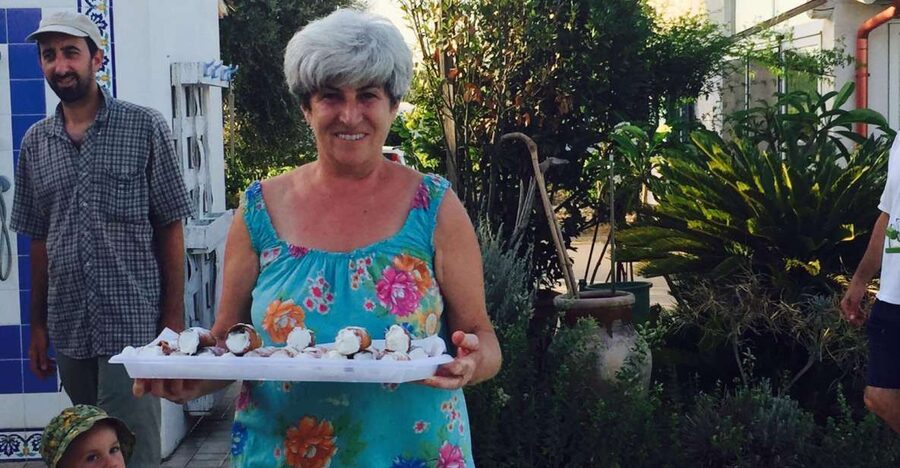
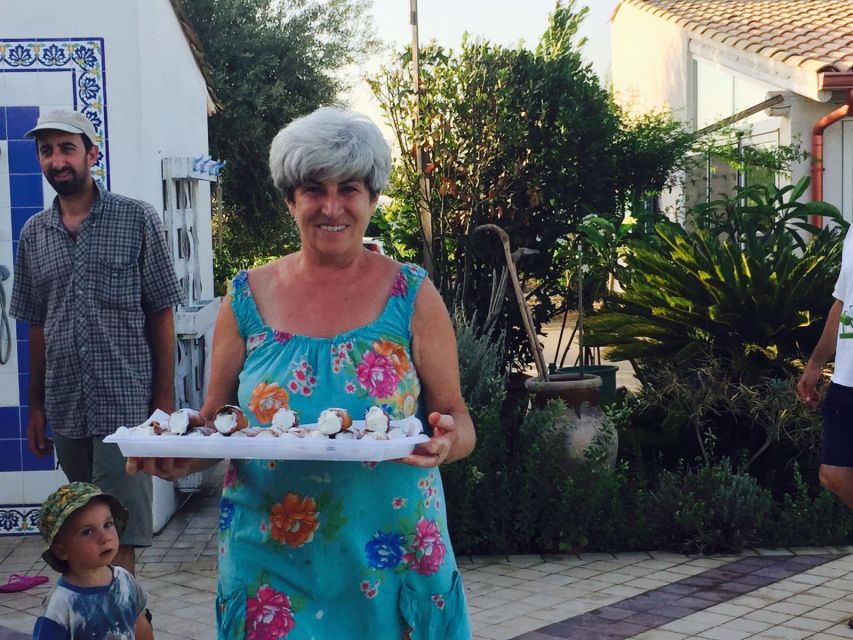
This experience takes place in the countryside around Noto, away from the stone streets and grand churches of town. The farm has olive, orange, and lemon trees, a vineyard, a tomato garden, a vegetable patch, animals, pets, and birds. That setting matters because the food lesson begins before anyone turns on a stove.
You are not simply handed a bowl of prepared ingredients. You are taken into the garden to collect vegetables and eggs for the class. The exact harvest depends on the season, so the meal has a local and slightly flexible character. You may need to accept that the menu is not fully fixed, but that is also what makes the class feel connected to the farm.
The total time is four hours. That gives you enough room for the garden visit, cooking instruction, appetizers, drinks, and lunch without turning the day into an exhausting marathon. Check the available start times when booking, since the schedule is not fixed in the details provided.
More Cooking Classes around Italy:
- Cooking Class and Lunch at a Tuscan Farmhouse with Local Market Tour from Florence
★ 5.0 · 4,831 reviews - Hands-On Cooking Class & Farmhouse Tour on the Amalfi Coast
★ 5.0 · 956 reviews - Florence: Cooking Class at a Tuscan Farm & Local Market Tour
★ 4.9 · 354 reviews
Picking vegetables and eggs from the farm
The opening garden visit is one of the strongest parts of the experience. You can see where the ingredients come from, then carry that connection into the kitchen. For children, this can make vegetables less abstract and more appealing. The organizers specifically recommend the class for young children and hope to encourage interest in vegetables and a healthy diet.
The farm setting also gives the class a slower rhythm. Olive, citrus, and grape plants provide a clear sense of place, while the tomato and vegetable gardens explain why Sicilian cooking often depends on freshness and restraint. The ingredients do not need much decoration when they have been picked nearby.
You should keep an open mind about the menu. The dishes are based on the season and the garden’s supply, so the class may not match a fixed restaurant menu. If you have a particular dish in mind, you can ask about arranging it ahead of time. One French-speaking party was able to choose dishes in advance, which suggests that menu planning may be possible for some bookings.
The farm also welcomes pets. That is useful for families who dislike leaving an animal behind, though you should still confirm the practical arrangements before arriving.
Handmade pasta and Sicilian sweets
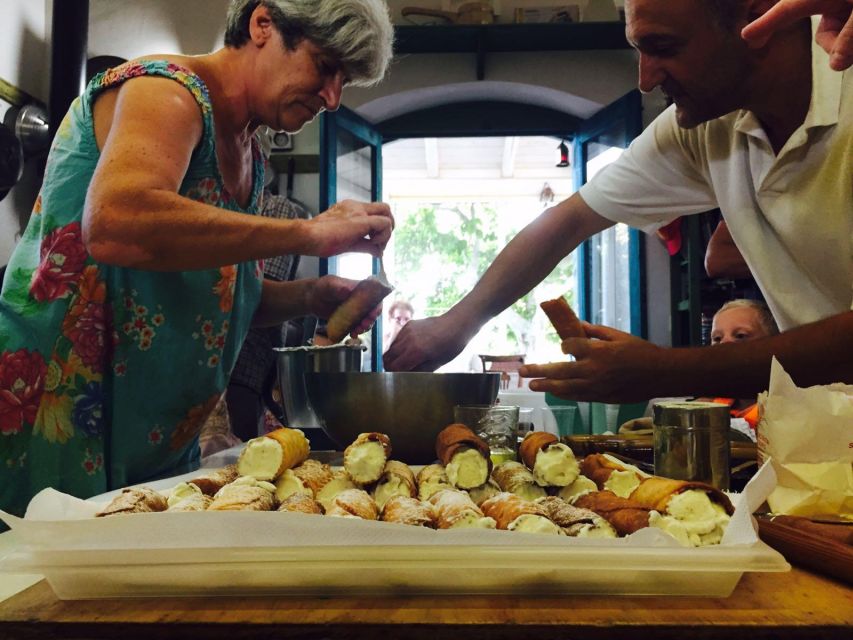
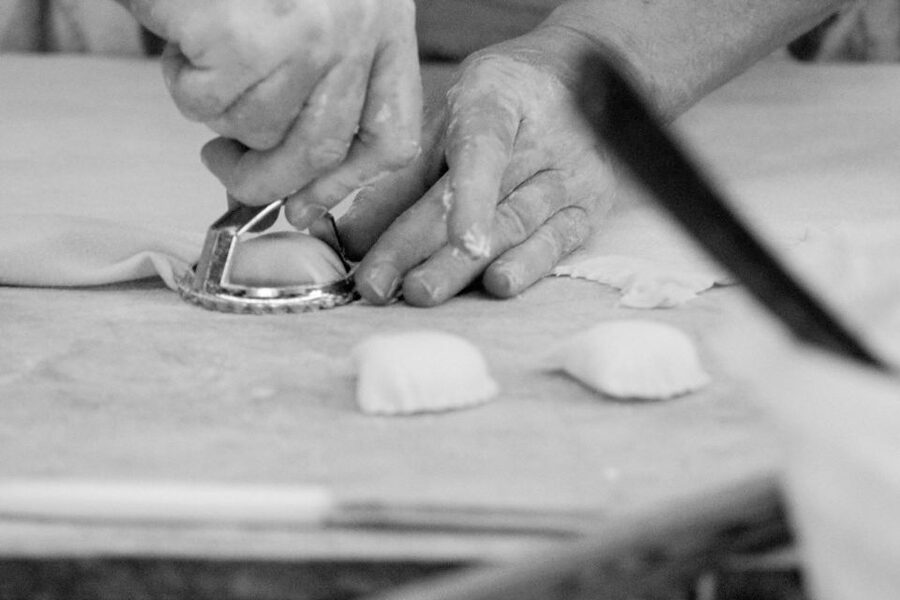
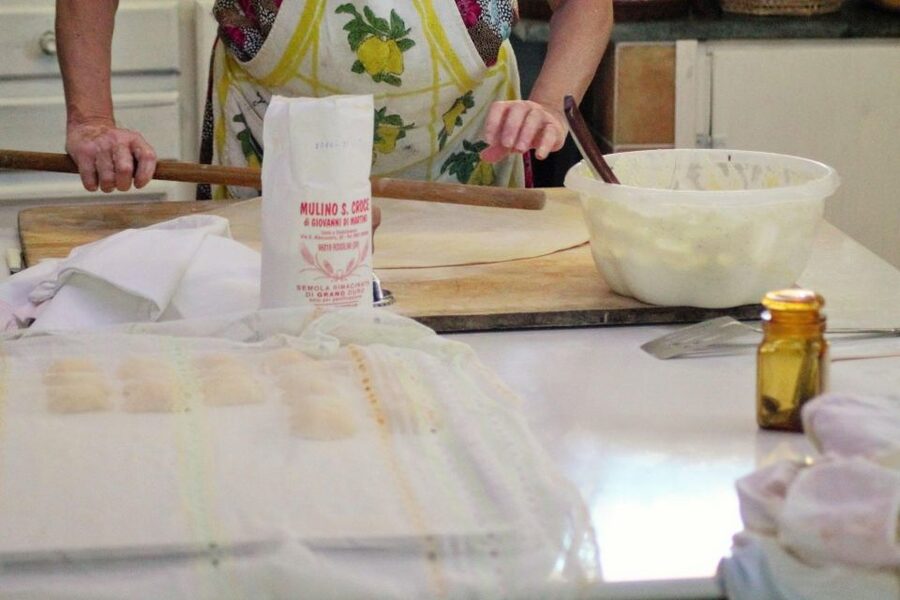
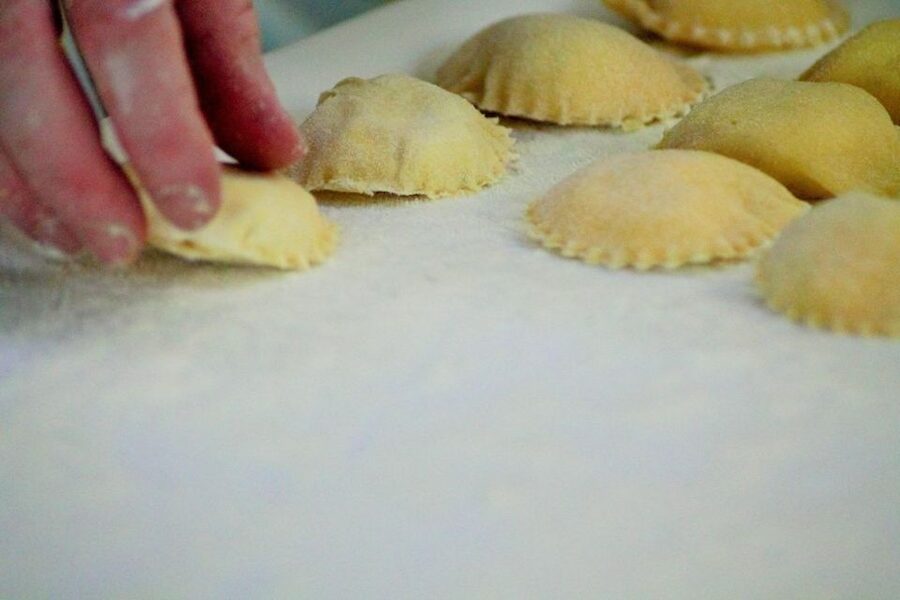
Once you leave the garden, the class moves into the kitchen. A professional chef teaches the group how to prepare handmade pasta, with lessons that can include ravioli, cannoli, or a traditional Sicilian dessert. You also prepare another dish chosen around the season and available produce.
This is not presented as a demonstration where you watch from the side. You receive an apron, kitchen equipment, ingredients, and the recipes for the food prepared during the lesson. No previous culinary experience is required, so you can take part even if your home cooking normally stops at opening a jar.
The pasta portion should appeal to anyone who wants a skill to repeat at home. Handmade dough rewards patience, and learning the process in a Sicilian kitchen gives the technique a stronger sense of place than a generic pasta class. Ravioli also offers a useful lesson in filling, shaping, and handling dough, while cannoli or another dessert brings in the sweet side of local cooking.
The class is taught in Italian and English. The chef team is described as Rabbi and Giusi, with more than 20 years of professional experience. One account identifies the chef as Jose, so if the instructor’s name matters to you, confirm who will lead your session. The key point is that you receive instruction from working culinary professionals rather than a casual host with a few family recipes.
Zero-waste ideas with a gourmet finish
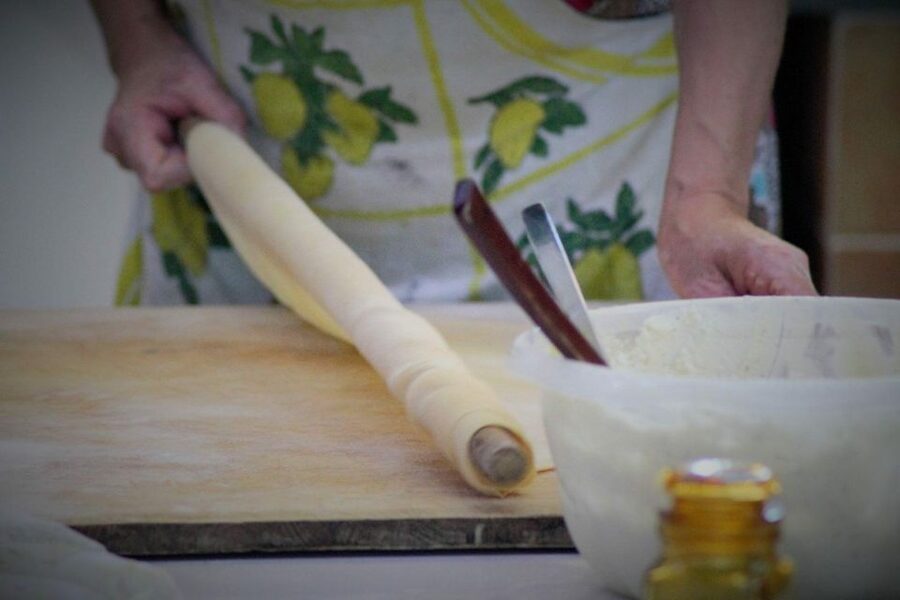
The most unusual part of the class is the lesson on using leftovers. The chefs show you how scraps and extra ingredients can be turned into gels, powders, and chips. These techniques add a restaurant-style finish, but the practical value is simpler: they help you waste less food.
This section may be especially useful if you enjoy experimenting in your own kitchen. It moves beyond the usual advice to save vegetable trimmings for stock. You learn that leftovers can become part of the presentation, texture, or flavor of another dish.
The gourmet approach also gives the class a little flair. Traditional Sicilian flavors remain at the center, but the presentation is more polished than a basic home-cooking lesson. You get a look at how professional chefs manage preparation time, organize ingredients, and turn ordinary components into something more refined.
The chefs also share ways to improve cooking times and preparation. That can be more useful than a long list of recipes. A good recipe helps once, but better timing and preparation habits help every time you cook.
More Farm Tours around Italy:
- Florence Pizza or Pasta Class with Gelato Making at a Tuscan Farm
★ 5.0 · 6,801 reviews - Sorrento Farm and Food Experience including Olive Oil, Limoncello, Wine tasting
★ 5.0 · 2,524 reviews - Sorrento: Pizza Lesson, Wine, and Limoncello at a Local Farm
★ 5.0 · 1,513 reviews - Florence: Pizza or Pasta Class with Gelato at a Tuscan Farm
★ 4.9 · 1,181 reviews
Appetizers, lemonade, and lunch in the restaurant
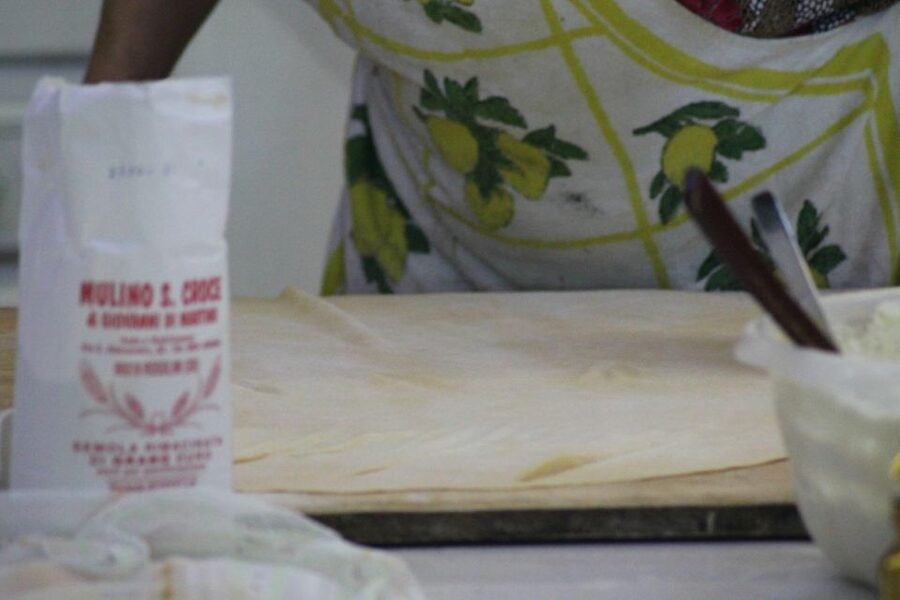
While you work, the kitchen team serves a few appetizers and lemonade. These small servings break up the lesson and give you something to enjoy while the main dishes are being prepared.
At the end, you eat the food you made for lunch in the farm’s in-house restaurant. Nonalcoholic drinks are included. Wine from the farm vineyard is available to buy separately, which gives you the option of adding a local bottle without forcing every member of the group to pay for wine.
Eating your own work changes the feel of the class. You see the full path from garden harvest to finished plate, then get time to enjoy the result at the table. It also makes the $158.60 per-person price easier to assess. You are paying for four hours of instruction, ingredients, equipment, recipes, an apron, appetizers, drinks, and a meal, not just a short pasta demonstration.
Still, this is not a low-cost meal. If your main goal is simply to eat Sicilian food, a restaurant will cost less. The value improves when you want private instruction, hands-on preparation, a farm visit, and recipes you can take home.
What the private format changes
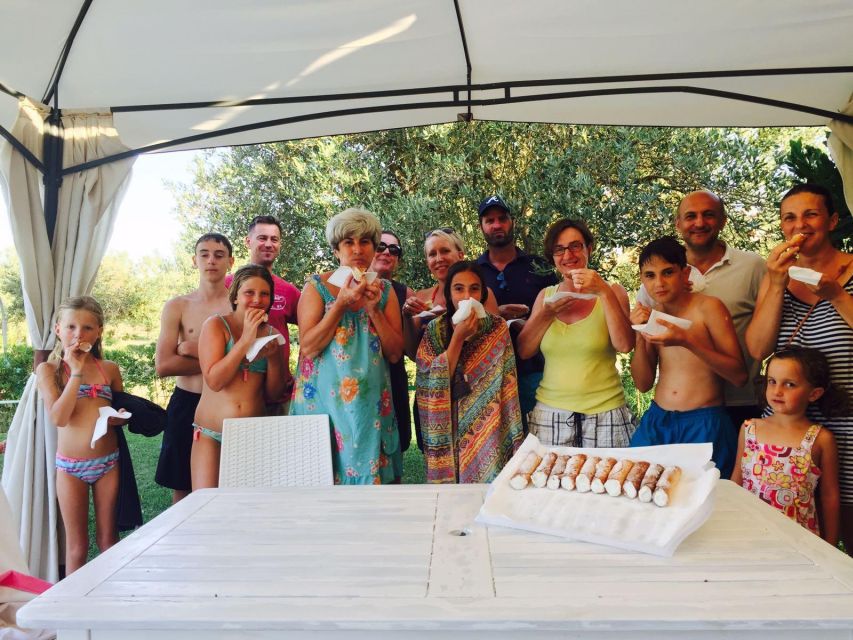
A private group can make the class more relaxed and personal. You can ask questions without competing with a large room, and the chefs can adjust their guidance to your pace. This is helpful for families, mixed-age groups, or anyone who feels nervous about cooking in front of strangers.
The private format also fits the family atmosphere described by one French-speaking group. The class felt convivial and informal, with a sense of cooking together rather than attending a formal school. Another account described a very professional but fun session with Jose, along with helpful input from friends and family connected to the farm.
That personal tone is part of the appeal, but it may not suit everyone. If you want a highly structured professional cooking school with a fixed syllabus, this class may feel more flexible than expected. The menu changes with the season, and the farm setting suggests a warm, home-style experience rather than a strict classroom.
The private arrangement can also be a good choice for children. Young cooks can help with garden harvesting and simple kitchen tasks, and the lesson may make unfamiliar vegetables more approachable. Adults should still supervise children and make sure everyone follows food safety and hygiene instructions.
Location, clothing, and access
Transport to the farm is not included. You will need to arrange your own way to the location, and the available details do not provide a pickup service. This is the biggest practical point to settle before booking. If you are staying in Noto, check the exact address and travel time in advance rather than assuming the farm is in the town center.
The experience is wheelchair accessible, according to the provided information. Since the class takes place both in a garden and a kitchen, it is sensible to confirm any specific mobility needs before arrival. The organizers can give more useful guidance once they know what support is needed.
Wear appropriate clothing and closed shoes. You may be handling ingredients, moving around a kitchen, and walking through a garden, so delicate clothing and open sandals are poor choices. An apron is provided, but it is not a substitute for sensible footwear.
Instruction is available in Italian and English. The language option makes the class practical for international visitors, but cooking lessons often depend on demonstrations as much as words. Watching the technique closely will help if a particular culinary term is unfamiliar.
Who will get the most from this experience
I would choose this class for a family, a couple, or a small private group that wants more than a standard restaurant meal. It gives you several kinds of experience in one outing: a farm visit, a cooking lesson, a look at Sicilian food traditions, and lunch.
It is also a good fit for people interested in food waste and practical kitchen skills. The zero-waste section is not just a slogan. You learn ways to reuse leftovers in attractive and edible forms, and you get advice on reducing wasted time during preparation.
The class may be less suitable if you need a guaranteed menu, dislike group participation, or have limited time around Noto. Four hours is a substantial part of a day, and the countryside location requires separate transport planning.
Wine lovers should note the distinction between included and extra items. Nonalcoholic drinks are included with lunch, while wine from the farm vineyard can be purchased separately. That arrangement keeps the base price clearer, but you should budget more if a bottle is part of your plan.
Is the $158.60 price fair?
At $158.60 per person, this belongs in the special-occasion category rather than the everyday activity budget. The price is easier to justify for a private group because the cost covers more than food. You receive professional guidance, all equipment and ingredients, an apron, recipes, appetizers, lemonade, and lunch made from your own work.
The farm setting adds another layer of value. You are not only learning how to prepare pasta or dessert. You are seeing the garden, collecting ingredients, and connecting the meal to the countryside around Noto. That is a fuller experience than a short class held in a city kitchen.
The price is less compelling if you only want to learn one recipe. You may find cheaper cooking lessons elsewhere, and anyone focused mainly on sightseeing should consider how much of the day they want to spend cooking. But for a private, food-centered outing with a meal included, the package is reasonably well balanced.
The 4.9 rating from eight reviews is encouraging, though the sample is small. The strongest praise centers on the warm, family-like atmosphere, the calm farm setting, the excellent recipes, and the mix of professionalism and fun. Those are the qualities I would prioritize when deciding, more than the rating alone.
Booking advice and cancellation flexibility
You can reserve now and pay later, which helps if your Sicilian schedule is still changing. Free cancellation is available up to 24 hours in advance for a full refund. Accommodation, personal expenses, transport, and optional activities outside the cooking lesson are not included.
Ask about the menu if you have dietary needs or a specific dish in mind. The available information confirms that seasonal ingredients shape the class, but it does not give a full list of dietary substitutions. It is better to raise those questions before arrival.
Also confirm the meeting point, the instructor for your date, and the time needed to reach the farm. These small checks will prevent the main practical drawback from overshadowing an otherwise relaxed experience.
Should you book this Noto cooking class?
Book it if you want a hands-on Sicilian food experience with a rural setting, private instruction, and a meal you help create. Families should find the garden and animal-friendly farm appealing, while experienced home cooks may enjoy the zero-waste methods and professional preparation tips.
Skip it if you want a quick activity, a fixed menu, or a simple meal without arranging transport. At $158.60, the class needs to be a meaningful part of your Noto plans, not a filler between sights.
For the right group, this is a generous four hours of food, countryside, and practical cooking. The strongest reason to go is not just the pasta. It is the full chain from picking ingredients to sitting down with the finished meal.
FAQ
How long does the cooking experience last?
The experience lasts four hours. Starting times vary, so check availability when booking.
How much does the experience cost?
The listed price is $158.60 per person.
Is transport to the farm included?
No. Transport to and from the location is not included.
Is lunch included?
Yes. Lunch includes the dishes prepared during the lesson and nonalcoholic drinks.
Are wine and other alcoholic drinks included?
No. Wine from the farm vineyard can be purchased separately.
Do I need previous cooking experience?
No. No culinary experience is required.
What food will I learn to prepare?
The lesson includes handmade pasta, and may include ravioli, cannoli, or a traditional Sicilian dessert, along with another seasonal dish based on the garden’s produce.
Are ingredients and cooking equipment provided?
Yes. Kitchen equipment, ingredients, recipes, and aprons are provided.
Is the experience suitable for children?
Yes. The class is recommended for young children, with the aim of helping them enjoy vegetables and healthy food.
Is the experience wheelchair accessible?
Yes. The experience is listed as wheelchair accessible. You should still discuss specific access needs before arrival because the activity includes both a garden and kitchen.
What languages are available?
Instruction is available in Italian and English.
Can I cancel for a refund?
Yes. You can cancel up to 24 hours in advance for a full refund.
Just added around Italy
- Volterra: Fresh Pasta Cooking Class at a Tuscan Farmhouse★ 5.0 · 33 reviews
- Volterra: Pizza Cooking Class in a tuscan farmhouse★ 4.6 · 11 reviews
- Visit Siena and San Gimignano with lunch at a family farm★ 5.0 · 8 reviews
- Vico Equense: Tour in the dairy “Mozzarella Experience”★ 5.0 · 19 reviews
- Turin: Meet the Monviso Alpacas at the Educational Farm with a Guide★ 5.0 · 5 reviews
- Bardolino: Garda Lake Pasta Cooking Class at the Agritourism★ 5.0 · 32 reviews
- Rialto Farmers & Fish Market Food Tour in Venice with Wine Tasting & Sightseeing★ 5.0 · 3 reviews
- Rialto Market Food Tour: Wine Tasting and Sightseeing in Venice★ 5.0 · 57 reviews
Cooking Classes, farm by farm.
Half-Day Thai Cooking Class at Organic Farm in Chiang Mai
Read our review →
Cooking Class and Lunch at a Tuscan Farmhouse with Local Market Tour from Florence
Read our review →
Authentic Cooking Class with Market & Farm Visit
Read our review →


Hands-On Cooking Class & Farmhouse Tour on the Amalfi Coast
Read our review →
Other lists this farm sits on