
REVIEW · OAHU
Kona Coffee Tasting: A Farm to Cup Experience
Coffee tells a story before you take a sip. At The Coffee LAB by Hala Tree Cafe, you taste three 100% Kona coffees while learning how farming, processing, fermentation, drying, and roasting change the final cup. I like the small group size, limited to 12 people, and the easy one-hour format. I also like that the coffee comes from a family-owned farm on the slopes of Mauna Loa, not from a generic tasting menu.
The main point to keep in mind is location. This is held in Kaʻaʻawa on Oahu, while the coffee itself comes from Kona on the Big Island. The advertised session lasts about an hour, though one tasting finished in roughly 35 minutes, so you may want to allow extra time only if you hope for a slower presentation or time in the café afterward.
Key points at a glance
- Three 100% Kona coffees: Compare different varieties and processing methods in one sitting.
- Farm-to-cup story: Learn how the family farm grows, harvests, dries, ferments, and roasts its beans.
- Small group setting: The maximum is 12 people, which suits a personal, low-pressure tasting.
- Practical tasting lesson: Smell the coffee with your mouth slightly open, then let it move across your palate before swallowing.
- Useful for all experience levels: The session is designed for curious beginners as well as serious coffee drinkers.
- Strong price value: At $10 per person, it is an inexpensive way to learn about a premium Hawaiian crop.
Starting at The Coffee LAB by Hala Tree Cafe
Your visit begins at The Coffee LAB by Hala Tree Cafe, at 51-666 Kamehameha Highway in Kaʻaʻawa, Oahu. The activity also ends here, so there is no second meeting point or complicated transfer to manage.
That simple setup matters. You are not being sent between a café, a farm, and a roasting facility during a short session. Instead, the tasting and presentation happen together at one location. You can focus on the coffee rather than keeping track of transport.
The venue is described as being near public transportation, and service animals are allowed. The listing does not provide parking details, so if you are driving, check the location and local parking conditions before setting out. Mobile tickets make arrival easy, and confirmation is provided when you book.
The setting also adds a visual bonus. A tasting note specifically points to the ocean view while enjoying the coffee. That gives the session a stronger sense of place than a standard indoor tasting, where the beans could have come from almost anywhere.
More Coffee Farm Tours around Oahu:
- Award Winning Farm Tour: Coffee, Chocolate and Unique Gifts
★ 5.0 · 484 reviews - La Herradura Coffee Farm: tour in Europe’s only plantation
★ 4.8 · 430 reviews - Big Island: Volcanoes, Waterfalls, & Coffee Farm Day-Trip
★ 4.9 · 414 reviews
Three cups, three ways to understand Kona coffee
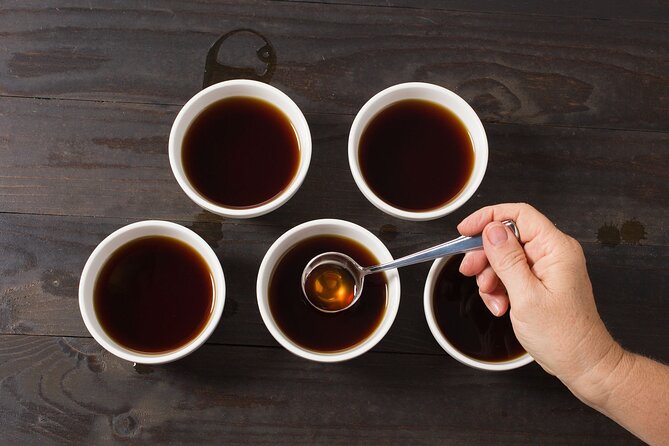
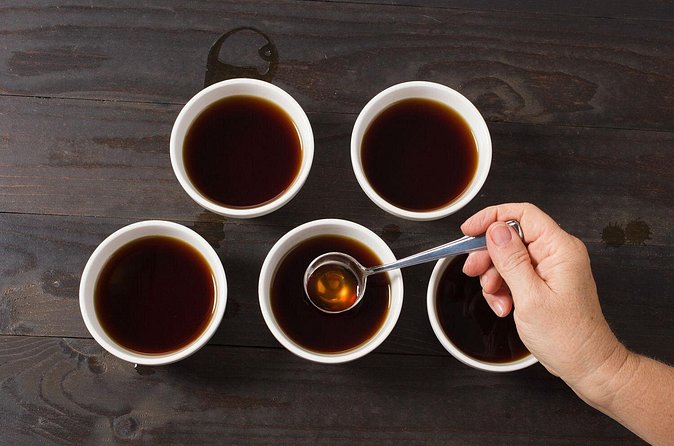
The heart of the session is a flight of three Kona coffees. You taste them side by side, rather than trying to remember one cup from a previous day. That comparison is the best reason to book.
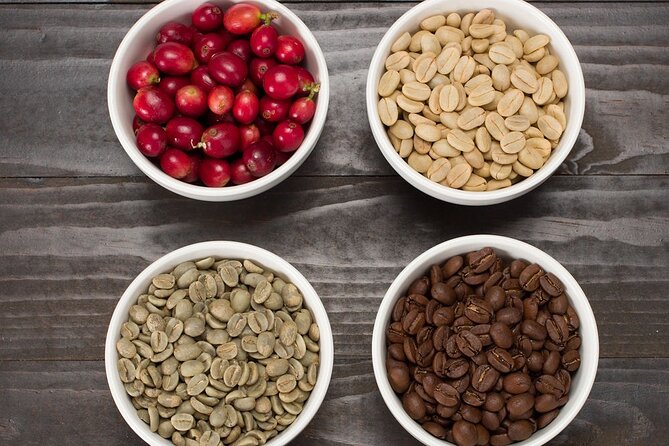
Each coffee reflects choices made before roasting. The beans may differ by variety, processing method, fermentation approach, drying technique, or roast level. Tasting them together helps you notice how much the final flavor depends on farm work and preparation, not just on the word Kona printed on a bag.
You do not need a trained palate. The session is intended to work for beginners, and the presentation explains what to look for as you go. If you already drink coffee every day, you will have a useful chance to slow down and examine what is usually swallowed between meetings or at breakfast.
The tasting covers light and darker roasting differences as well. A light roast can preserve more of the bean’s individual character, while a darker roast brings a different balance of roast flavor and body. The exact coffees served can change, so do not expect a fixed menu of three named beans.
How to taste the coffee without overthinking it
You can get more from the flight by tasting slowly. One useful technique is to smell the coffee with your mouth slightly open. This helps the aroma reach your nose and mouth together, giving you more than a quick sniff over the cup.
Next, take a small sip and let the liquid pass across different parts of your mouth. After swallowing, breathe out through your nose. This can help you notice the flavor notes more clearly.
The method does not require fancy tasting language. Start with simple questions:
- Does the coffee smell floral, fruity, earthy, sweet, or roasted?
- Does it feel light, smooth, heavy, or sharp?
- Does the flavor stay after you swallow?
- Does one cup taste cleaner, sweeter, brighter, or more intense than another?
I like this practical side of the session because it gives you something to do with the information. You are not simply being told that two coffees differ. You are given a way to notice the difference yourself.
The experience is also casual. That makes it less intimidating if you normally order coffee without thinking about origin or roast. At the same time, people who want formal instruction should understand the limits of the standard tasting. The basic session is accessible rather than a full sensory certification class. The provider also offers more advanced custom classes in tasting, brewing, and roasting for people who want a deeper lesson.
From Mauna Loa farm to the cup
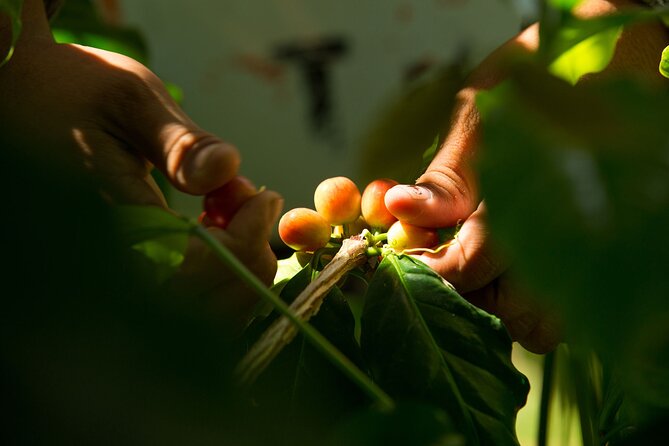
The beans come from a family-owned farm in Kona, on the slopes of Mauna Loa. The presentation explains the full chain from cultivation to roasting, giving you a better sense of what the Kona name represents.
You learn about growing conditions and harvest work, then move into the steps that shape the coffee after picking. Processing and fermentation are especially important because they can alter the flavors that later appear in the cup.
The farm also emphasizes traceability. That means the coffee can be followed through the stages of production instead of being treated as an anonymous blend. For you, this adds meaning to the tasting: each cup connects to a particular growing and processing story.
The presentation includes innovative drying techniques and experimental fermentation methods. Those details make the session more than a basic lesson about coffee plants. You get a look at the decisions producers make when trying to bring out different qualities in the bean.
The award-winning status of the farm is part of the presentation, but the useful takeaway is not simply the award. You are shown why the farm earned attention, through its growing practices, processing choices, and care with roasting.
More Food and Drink Tours around Oahu:
- Bee Farm Ecotour and Honey Tasting in Waialua, North Shore Oahu
★ 5.0 · 72 reviews - Sorrento Farm and Food Experience including Olive Oil, Limoncello, Wine tasting
★ 5.0 · 2,524 reviews - Lahaina: Maui Ku’ia Estate Guided Cacao Farm Tour and Tasting
★ 5.0 · 1,103 reviews - Pizza School with Wine and Limoncello Tasting in a Local Farm
★ 5.0 · 845 reviews
Why the Kona connection matters on Oahu
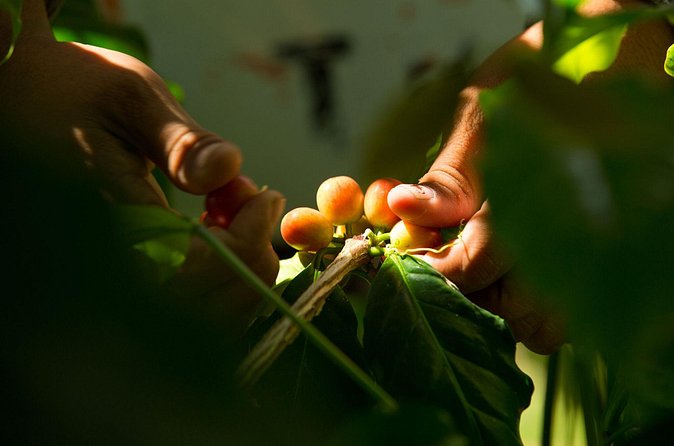
This tasting presents an interesting geographic contrast. You are on Oahu, but the coffee comes from Kona on the Big Island. The location makes the activity convenient for an Oahu itinerary, while the beans give you a connection to one of Hawaii’s best-known coffee regions.
That also means this is not a farm walk through the Kona growing area. The experience focuses on tasting and explanation at The Coffee LAB. If you want to walk among coffee trees or watch a harvest in progress, this format will not provide that. If you want to understand the crop without committing to a long farm visit, it is a practical alternative.
The ocean view adds to the Hawaiian setting, but the real sense of place comes through the coffee itself and the story of the farm on Mauna Loa. I would think of this as a regional food experience held on Oahu, not as a visit to the Big Island coffee belt.
A compact session with a personal feel
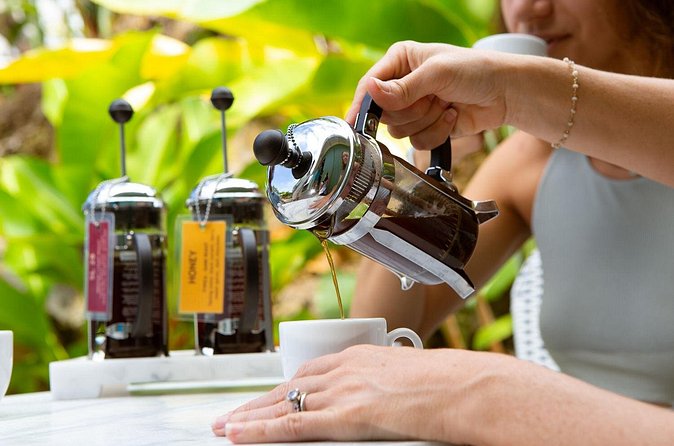
The maximum group size is 12 people. That is small enough for a more personal presentation and gives the instructor room to explain the tasting without addressing a crowd.
The advertised duration is approximately one hour. One session lasted about 35 minutes, so timing can vary. If you have a tight schedule, the shorter format may be welcome. If you are expecting a full hour of guided sensory work, you may find the actual tasting moves quickly.
That shorter timing is not necessarily a flaw. Three coffees, an explanation of growing and processing, and a tasting lesson can fit into a compact visit. Still, I would avoid scheduling an important appointment immediately afterward. You may want a little breathing room, especially if you plan to enjoy the café or discuss the coffees with the staff.
The tone is casual and friendly rather than formal. That suits people who drink coffee for pleasure and want a clear introduction without a technical lecture. It may feel too brief for someone seeking detailed instruction in professional cupping.
Is $10 a good value?
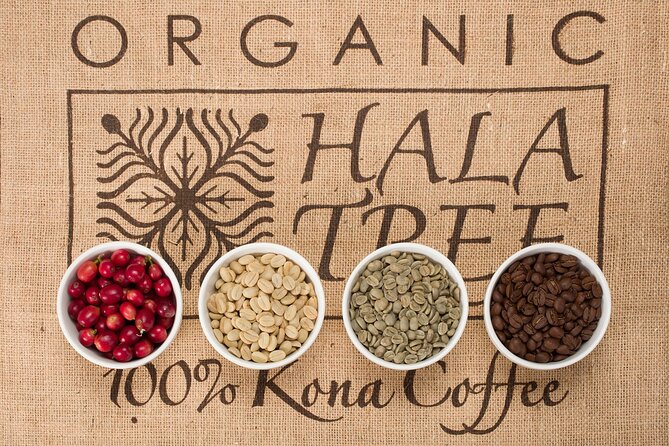
At $10 per person, this is a strong value. You receive three Kona coffees, a guided explanation of the farm’s production methods, and practical advice on tasting. A single premium coffee drink can cost a large share of that amount, while this session gives you a better understanding of what you are drinking.
The value is strongest if you are already interested in coffee, Hawaiian agriculture, or local food production. It is also a good low-cost choice for a couple, family, or small group looking for something different from the usual sightseeing stops.
You should keep expectations in proportion to the price. This is not a full farm tour, roasting workshop, or multi-hour coffee course. You will not receive a detailed professional certification lesson for $10. What you get is a focused introduction with three samples and a clear explanation of the farm-to-cup process.
If the session runs closer to 35 minutes, the price still works well, but the value depends on your goal. For a quick and affordable introduction, it is excellent. For an extended coffee class, choose the custom options offered by the provider instead.
Who will enjoy this tasting most?
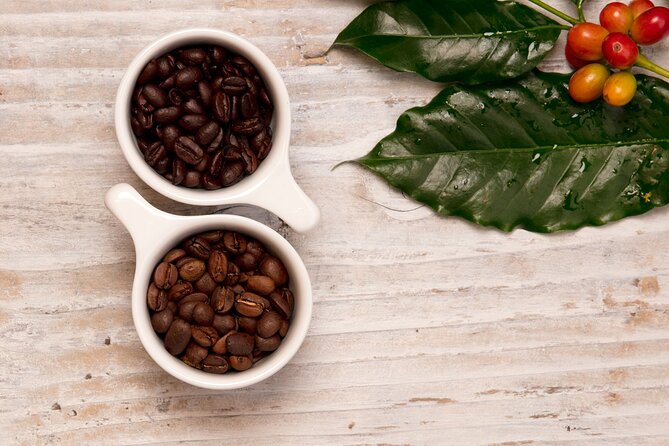
I would recommend it to:
- Coffee drinkers who want to understand origin, roast, and processing.
- Beginners who enjoy guided instruction without a formal classroom feel.
- People interested in Hawaiian agriculture and regional food.
- Couples or small groups looking for a short activity on Oahu.
- Visitors who want to compare coffees instead of ordering one cup at a time.
- Serious coffee fans curious about fermentation and drying methods.
It may be less suitable if you dislike coffee, want a long outdoor farm visit, or need a tightly guaranteed one-hour program. It is also not the right choice if you expect to visit the Kona farm itself, since the meeting point is The Coffee LAB in Kaʻaʻawa.
Planning the visit
The experience is offered in English and uses mobile tickets. Since the maximum is 12 people and the activity is often reserved about 21 days ahead, booking early is sensible if your Oahu schedule is fixed.
Free cancellation is available up to 24 hours before the start time for a full refund. Changes or cancellations inside that 24-hour window are not accepted for a refund. The activity also depends on good weather, and if the provider cancels because of poor conditions, you can choose another date or receive a full refund.
Check the local time carefully when making changes. The meeting point is specific, so save the full address: 51-666 Kamehameha Highway, Kaʻaʻawa, Hawaii 96730.
Should you book the Kona coffee tasting?
Book it if you want an inexpensive, well-focused introduction to Kona coffee. The three-cup comparison, farm story, small group size, and practical tasting advice give you more than a standard café stop. I especially like the chance to connect each cup with cultivation, fermentation, drying, and roasting choices.
Skip it if you are looking for a walk through a Kona farm or a long technical workshop. The session is short, and the actual tasting may finish in about 35 minutes. For everyone else, $10 buys a pleasant and useful hour, with enough coffee knowledge to make your next cup taste a little less ordinary.
FAQ
Where does the Kona coffee tasting take place?
It takes place at The Coffee LAB by Hala Tree Cafe, located at 51-666 Kamehameha Highway, Kaʻaʻawa, Hawaii 96730.
Does the experience take place on the Big Island?
No. The tasting takes place on Oahu in Kaʻaʻawa. The coffee comes from a family-owned farm in Kona on the slopes of Mauna Loa.
How long does the tasting last?
The stated duration is approximately one hour. One session lasted about 35 minutes, so the actual timing can vary.
How many coffees will I taste?
You will taste three Kona coffees. The flight highlights differences between varieties and processing methods.
Is the coffee 100% Kona coffee?
Yes. The experience features 100% Kona coffee grown on the family-owned farm connected with the presentation.
Is the tasting suitable for beginners?
Yes. It is designed for both curious beginners and experienced coffee drinkers. The standard session is intended to be accessible without formal tasting experience.
How many people can join the activity?
The maximum group size is 12 people.
Can I cancel for a full refund?
Yes. You can cancel at least 24 hours before the start time for a full refund. Cancellations or changes made less than 24 hours before the start time are not eligible for a refund.
Just added around Oahu
- North Shore Farm: Anahulu River, Kayak-Sup, Turtles, Lunch & More★ 4.5 · 23 reviews
- Kualoa Ranch – Kualoa Grown Tour★ 4.0 · 37 reviews
- Kualoa Ranch – Ultra E-Bike Tour 3-Hour★ 3.0 · 2 reviews
- Bee Farm Ecotour and Honey Tasting in Waialua, North Shore Oahu★ 5.0 · 72 reviews
- Kualoa Ranch: Ocean Voyage Tour★ 4.5 · 78 reviews
- Oahu: North Shore Zip Line Adventure with ATV and Farm Tour★ 4.9 · 91 reviews
- Mini ATVs and Farm Animal Experience★ 5.0 · 129 reviews
- Kualoa Ranch: Novice E-Bike★ 4.5 · 128 reviews
Coffee Farm Tours, farm by farm.
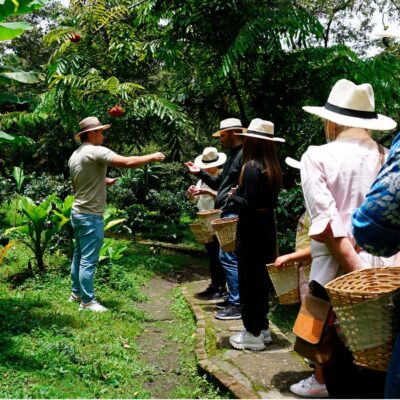
Award Winning Farm Tour: Coffee, Chocolate and Unique Gifts
Read our review →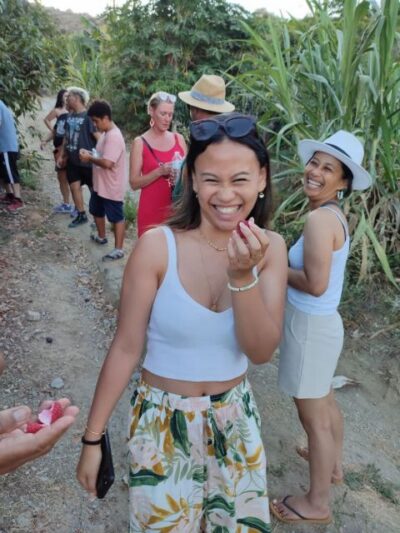
La Herradura Coffee Farm: tour in Europe’s only plantation
Read our review →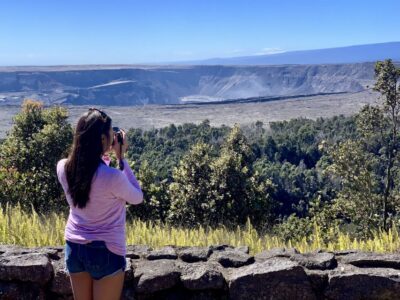

Small-Group Big Island Tour: Hawaii Volcanoes National Park and Kona Coffee Farm
Read our review →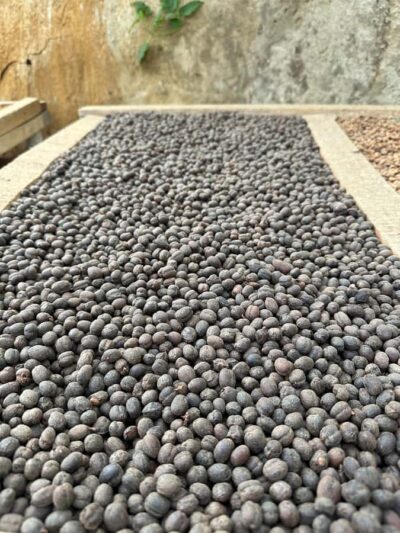
Medellín Coffee Farm Tour with Trolley and Cable Car Ride
Read our review →
Private Cocora Valley, Salento & Coffee Farm Tour
Read our review →
Liamuiga Natural Farm Tour – St.Kitts’ Coffee Farm
Read our review →
Other lists this farm sits on