
REVIEW · USA
Gypsy Gold Horse Farm Tour
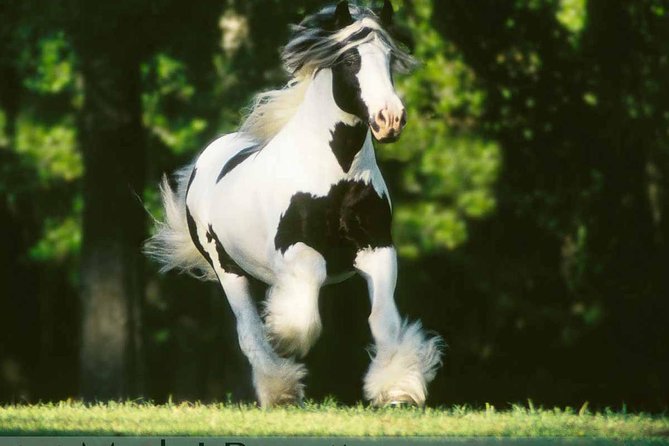
This is a horse story with a human heart. The Gypsy Gold Horse Farm Tour gives you far more than a look at pretty animals. Dennis Thompson, the man who discovered and founded the Gypsy Vanner breed, leads the opening lesson with personal stories about the horses, their origins, and the culture connected to them. I especially like the chance to see the breed through an insider’s eyes, then walk among stallions, mares, foals, donkeys, and mules beneath old oaks draped in Spanish moss.
I also like the calm pace and small-group feel. The tour lasts about two hours, costs $55 per person, and is limited to 20 people. The main consideration is that the first 45 minutes are mostly an indoor educational presentation, so anyone expecting a full morning of hands-on horse time may find the opening slower than anticipated. Closed-toe shoes are a smart choice, and some walking and standing are involved.
Key Points to Know Before You Go
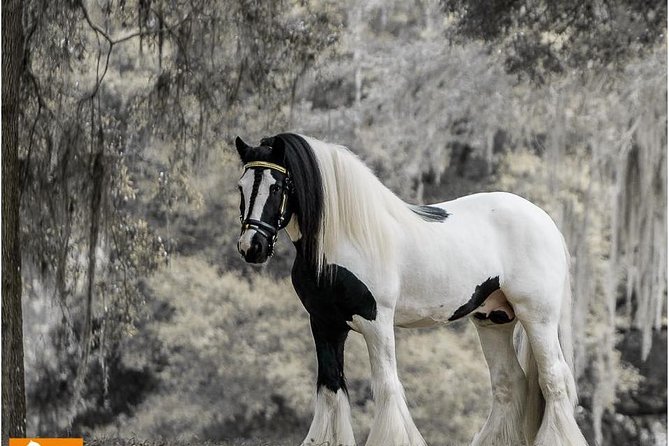
- Dennis Thompson tells the breed’s origin story: The founder’s firsthand account is the heart of the experience.
- The farm is in Ocala: The listed meeting point is 12501 8th Ave, Ocala, Florida, not central Orlando.
- The tour changes pace halfway through: Expect about 45 minutes of education, followed by roughly an hour around the paddocks.
- You see horses at different ages: Stallions, mares, foals, and older horses are part of the farm experience.
- The final photo is included: You can have your picture taken with a Gypsy Vanner stallion.
- Five-year-olds and younger enter free: Children must still be accompanied by an adult.
Why This Farm Tour Feels Different
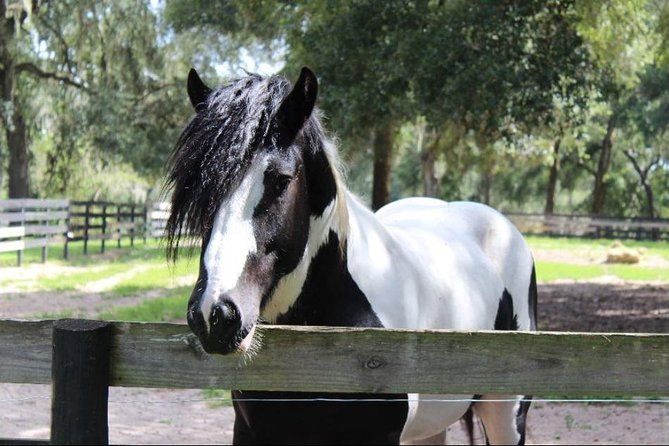
Many horse-farm visits focus on grooming, riding, or a quick photo. Gypsy Gold takes another route. The central subject is the Gypsy Vanner horse, a breed developed in the United States after Dennis Thompson and his wife, Cindy, identified and brought the first horses over from the British Isles.
That gives the visit a clear purpose. You are not simply looking at attractive horses in a pasture. You are learning why the breed was created, what physical traits define it, and how the Thompson family worked to give it an identity in America.
Dennis is the main storyteller, and his approach is personal rather than formal. He explains the breed’s beginnings, the Gypsy culture connected to the horses, and the work involved in building a new breed. His stories are often funny, but the serious point is clear: this has been a life’s work, not a short-term attraction.
I would choose this tour if you enjoy hearing how an idea becomes a real institution. You do not need to be an expert in horses. In fact, the visit may be most useful if you know little about them, because the presentation gives you a framework for understanding what you see later.
More Horse and Stud Farms around the USA:
- Half-Day Thoroughbred Horse Farm Tour in Kentucky
★ 5.0 · 1,924 reviews - Unique Horse Farm Tours with Insider Access to Private Farms
★ 5.0 · 1,192 reviews - Lexington: Thoroughbred Horse Farm Tour and Scenic Bluegrass
★ 4.9 · 363 reviews
The First 45 Minutes: Dennis Thompson’s Horse Story
The tour begins at Gypsy Gold Horse Farm at 10 a.m. The first section lasts about 45 minutes and is built around an educational talk by Dennis Thompson.
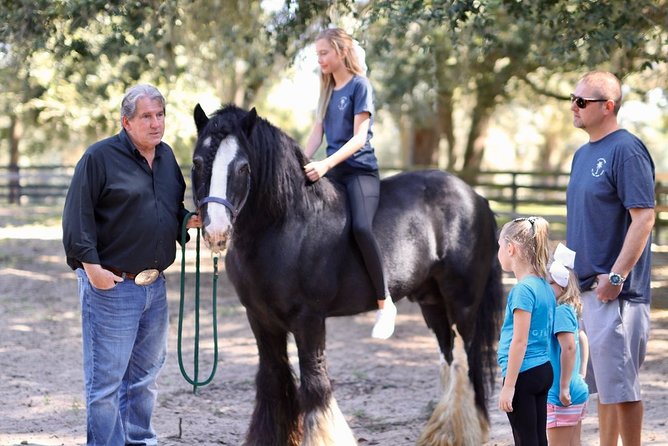
He explains the traits that make a Gypsy Vanner recognizable. The breed is known for its striking appearance, flowing feathering around the lower legs, and calm, people-friendly nature. Dennis and Erin then introduce a Gypsy Vanner stallion and point out the details that shape the breed’s intended look.
This is the most distinctive part of the tour. You are hearing the story from the person credited with discovering and founding the breed, rather than from a general farm guide reading a standard script. Dennis’s storytelling is a major reason the tour earns such strong marks, and his humor helps keep the history from feeling like a lecture.
Still, you should set the right expectations. This opening portion involves listening, not constant animal contact. One past participant suggested adding more visual aids, such as large photographs, maps, and clearer displays of breed lineages. That is useful advice if you learn best through images instead of spoken stories.
The presentation also covers the Gypsy lifestyle and the effort to present that culture in a more positive light. The subject is broader than horse breeding, and that cultural context gives the animals a stronger sense of place.
Meeting the Stallion and Understanding the Breed
After the opening discussion, you get a closer look at a Gypsy Vanner stallion. This helps connect the words to a living example.
Dennis and Erin explain the horse’s features and the qualities they want the breed to show. Pay attention to the details they point out, since you will have a better eye for the horses during the walk afterward.
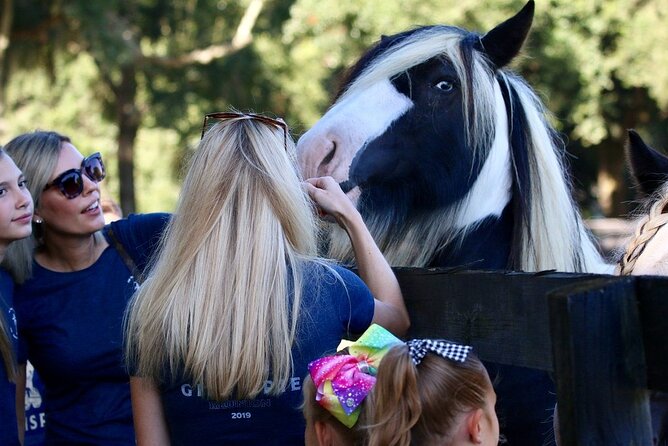
The stallion introduction is also a good moment for families. Children can see the size and character of the animal up close, while adults get a clearer idea of why the breed has attracted such a devoted following. The horses are not presented only as show animals. Their temperament and ability to connect with people are part of the story.
The farm also has friendly donkeys and mules. Petting the horses depends on the setting and the staff’s direction, but the donkeys are described as especially gentle and eager for attention. One miniature donkey named Patience has become a memorable character for many people who meet him.
The Second Hour: Ancient Oaks, Spanish Moss, and Paddocks
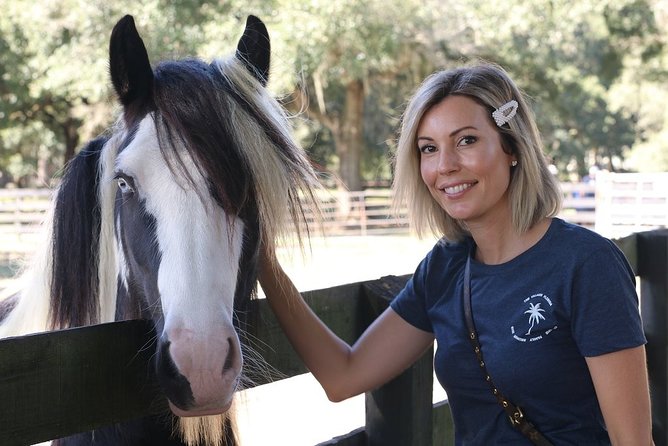
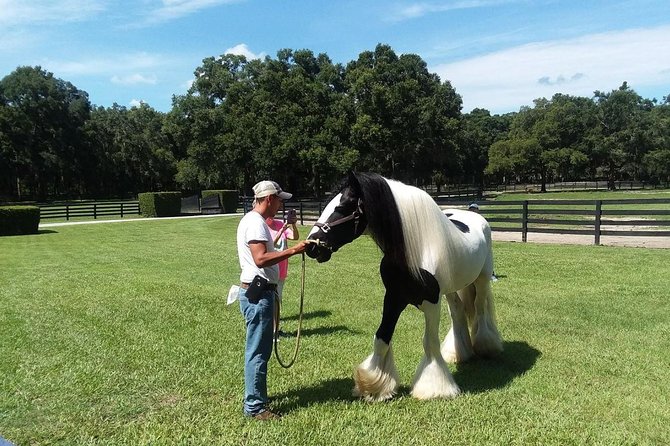
The second part moves outdoors, where you walk through the farm’s paddocks beneath old oak trees hung with Spanish moss. This is the peaceful counterpoint to the opening talk.
You meet stallions, mares, and young Gypsy Vanner horses. Seeing the animals at different ages makes the breed story easier to understand. The foals are naturally a favorite, but the older horses matter too. The farm’s appeal comes partly from seeing a whole community of animals rather than a single star attraction.
The grounds are described as quiet and restful, with the sort of southern scenery that makes you slow down. If you are coming from a busy Orlando schedule, this change of pace may be the real treat. The property offers a few hours away from theme parks, traffic, and indoor attractions.
Do not mistake peaceful for inactive. You may spend time standing beside paddocks while Dennis or another guide explains the animals. One account describes a new colt learning to stand, a reminder that real farm life can provide unscripted moments.
The outdoor portion is not a long hike, but comfortable shoes matter. Wear sneakers or other closed-toe footwear. Some people may prefer covered ankles as well, and the farm provides water, coffee, insect spray, sunscreen spray, and pleasant facilities according to the information available for the experience.
More Horse Riding Trips around the USA:
- Maui Horseback Adventure at Circle M Ranch With Real Cowboys
★ 5.0 · 761 reviews - Horseback Riding on Scenic Texas Ranch near Waco
★ 5.0 · 720 reviews - Waipi’o on Horseback: Mountain Ocean Views Working Cattle Ranch
★ 5.0 · 252 reviews - Sedona Horseback Rides At Dead Horse Ranch with River Crossing
★ 4.5 · 160 reviews
A Photo With a Gypsy Vanner Stallion
The tour ends with a photo opportunity beside one of the Gypsy Vanner stallions. This is included in the ticket price, so you do not need to budget separately for the main keepsake.
The photo works best as the final chapter of the visit. By then, you have heard how the breed came to America, learned what makes it distinct, and walked through the farm where the horses live. The image becomes more than a quick animal snapshot.
The stop at the gift shop follows the photo. It is a small but useful finish, especially if you want a souvenir connected to the breed or the farm.
What the $55 Price Buys You
At $55 per person, this is not the cheapest animal attraction in central Florida. The value depends on what you want from the morning.
You are paying for a two-hour guided experience, a founder-led presentation, access to the farm grounds, an outdoor walk among the animals, and a photo opportunity with a Gypsy Vanner horse. For someone who simply wants to see a horse, the price may feel high. For a horse fan or anyone curious about how a breed was created, the personal history gives the ticket more weight.
The group limit of 20 is another advantage. A smaller group gives you a better chance to hear Dennis, ask questions, and see the animals without the feel of a large attraction. The experience is not built around rides or a long menu of activities. Its value comes from the story, the setting, and the chance to see the animals in a working farm environment.
I would compare it with the cost of another paid morning activity in Ocala, not with a free walk through a public park. If you are already interested in horses, the $55 price is reasonable. If your group includes people who are bored by animal history, the opening presentation could make the value less certain.
How the Experience Works for Families
Families are welcome, and children five and under are free. Children must be accompanied by an adult, and most people can take part.
The horses are visually impressive, but parents should explain that this is a guided educational tour, not a petting zoo. Young children may enjoy the animals, especially the foals and miniature donkey, but they will also need to listen during the first 45 minutes.
Older children and teenagers may get more from the visit if they enjoy animals, stories of discovery, or unusual breeds. The chance to learn about a breed from its founder gives the tour more substance than a basic farm stop.
Service animals are allowed. The tour begins and ends at the farm, so you do not need to arrange separate transportation between stops.
The Best Fit for Your Ocala Day
The farm is located at 12501 8th Ave in Ocala. Although the experience is marketed for the Orlando area, the actual meeting point is in Ocala, so check your drive time before booking.
This is a natural choice if you are already spending time in Ocala or passing through horse country. It can also work as a planned side trip from the Orlando region, but you should not treat the location as if it were in downtown Orlando.
The tour is particularly well suited to:
- Horse owners and breed enthusiasts
- Families with children who enjoy animals
- Couples looking for a quiet morning activity
- Visitors curious about Ocala’s horse culture
- People who enjoy personal stories and guided history
It is less suited to anyone seeking a riding lesson, a short photo stop, or an attraction with constant action.
Practical Tips for a Better Visit
Book ahead if your dates are fixed. The experience is often reserved around 18 days in advance, which suggests that popular mornings can fill before your trip.
Arrive ready for both listening and walking. The tour starts at 10 a.m., and the first section is mainly educational. Wear closed-toe shoes for the farm walk, bring sun protection, and be prepared for Florida insects even though spray is available.
Keep your camera ready, but follow the staff’s instructions around the animals. The included photo with a stallion is the planned picture moment, while the paddock walk gives you chances to photograph the horses in a more natural setting.
Free cancellation is available if you cancel at least 24 hours before the 10 a.m. start time. Cancellations or changes made inside that window are not refunded or accepted.
What Could Be Improved
The tour’s main weakness is the balance between talk and activity. The opening 45 minutes can be absorbing if you enjoy Dennis’s storytelling, but it may feel long for anyone expecting immediate contact with the horses.
The presentation could also be easier to follow for visual learners. Large photographs, maps, and diagrams of breed development would help support the spoken material. This is not a dealbreaker, but it is worth knowing before you arrive.
The outdoor walk may also include standing near paddocks rather than walking continuously. That is part of the farm’s quiet character, but people wanting a more active outing should choose something else.
These are modest concerns beside the strongest part of the experience: the clear care given to the animals and the family’s commitment to the breed.
Should You Book the Gypsy Gold Horse Farm Tour?
I would book this tour if you want a thoughtful horse experience rather than a quick animal encounter. Dennis Thompson’s personal story, the close look at the Gypsy Vanner breed, and the peaceful farm setting give the morning a clear sense of purpose.
Horse lovers should make room for it in an Ocala visit. Families should book if their children can handle a 45-minute talk before the outdoor portion. If you are unsure about horse culture, the tour still offers plenty, but go because you enjoy stories and quiet places, not because you expect a ride or nonstop petting.
At $55, it is a fair buy for the right audience. The best reason to go is not only the beauty of the horses. It is the chance to see how one family turned a vision into a breed, a farm, and a lasting connection between people and animals.
FAQ
Where is the Gypsy Gold Horse Farm Tour located?
The meeting point is Gypsy Gold Horse Farm at 12501 8th Ave, Ocala, FL 34473, USA.
What time does the tour start?
The tour starts at 10:00 a.m.
How long does the tour last?
The experience lasts approximately two hours.
How much does the tour cost?
The listed price is $55 per person.
What happens during the first part of the tour?
The first 45 minutes are an educational presentation led by Dennis Thompson, the discoverer and founder of the Gypsy Vanner horse breed. Dennis and Erin also introduce a Gypsy Vanner stallion and explain the breed’s features.
What happens during the outdoor portion?
You walk among paddocks lined with old oak trees and Spanish moss, meeting Gypsy Vanner stallions, mares, and young horses.
Is a photo with a horse included?
Yes. The tour includes a photo opportunity with one of the Gypsy Vanner horses.
Are children allowed on the tour?
Yes. Children must be accompanied by an adult, and children five and under are free.
How many people can join the tour?
The maximum group size is 20 people.
Can I cancel for a refund?
Yes. You can receive a full refund if you cancel at least 24 hours before the experience starts. Cancellations or changes made less than 24 hours before the start time are not refunded.
Just added around the USA
- Yolo: Vineyards, Farms & Cultural Gems – Audio Driving Tour★ 4.3 · 5 reviews
- Ventura: Rail Bike Guided Tour with Farm Stand Stop★ 4.1 · 18 reviews
- Small-Group Vineyard and Orchard Tour with Wine Tasting in Muscoda★ 5.0 · 2 reviews
- Alpaca Ranch and Fiber Processing Mill Tour★ 5.0 · 24 reviews
- Farm Tour at Clover Brooke Llama/Alpaca/Goat Farm★ 4.5 · 6 reviews
- Connect with Rescue Animals on a Private Farm Tour in Catskills★ 5.0 · 27 reviews
- Gourmet Mushroom Farm Tour in Tennessee★ 5.0 · 5 reviews
- Cozy Farm Experience with Wagon Wheels and Acoustic Meal★ 5.0 · 2 reviews
Horse and Stud Farms, farm by farm.
Half-Day Thoroughbred Horse Farm Tour in Kentucky
Read our review →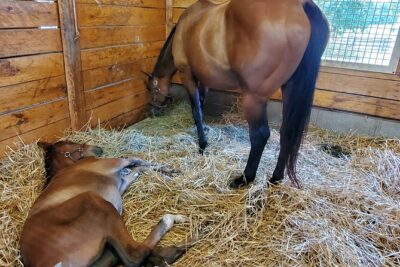
Unique Horse Farm Tours with Insider Access to Private Farms
Read our review →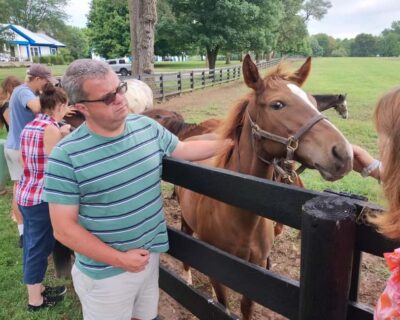
Thoroughbred Horse Farm Tour and Scenic Bluegrass
Read our review →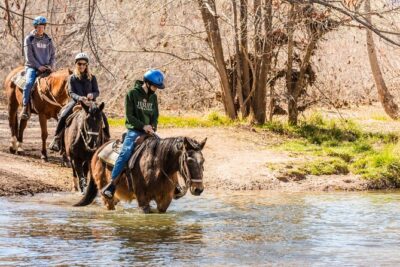
Sedona Horseback Rides At Dead Horse Ranch with River Crossing
Read our review →
From Ljubljana: Lipica Stud Farm and Piran Full-Day Tour
Read our review →
Traditional Egyptian Breakfast at the AlHabib Arabian Horse Farm
Read our review →Other lists this farm sits on