
REVIEW · NAIROBI
From Nairobi: Kiambethu Tea Farm Tour & Lunch
Tea and forest make an easy Nairobi escape. Kiambethu Tea Farm gives you a gentler side of Kenya, with a guided plantation walk, a preserved indigenous forest, colobus monkeys, and a three-course lunch served at the estate. I like the combination of tea history and nature because it offers more than a meal in the countryside. I also like the convenience of hotel pickup and drop-off, especially when you have only one free day in Nairobi.
The main caution is value. At $160 per person, this is not a cheap half-day outing, and the drive takes a large part of the six-hour schedule. If you want dramatic wildlife sightings or a major safari experience, this will feel modest. If you want a quiet, organized introduction to Kenya’s tea country, it makes much more sense.
Key Points Before You Book
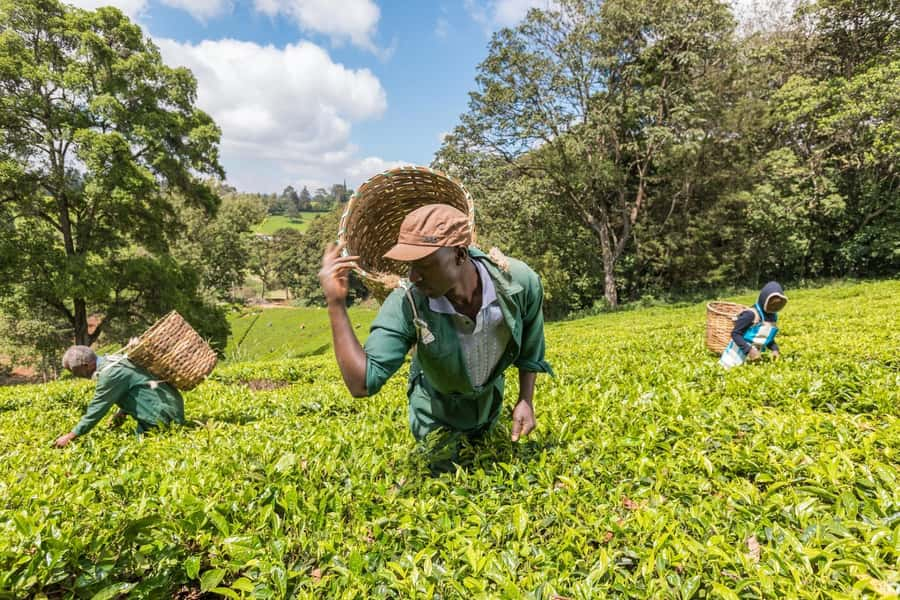
- Tea and Kenyan history: Learn how tea became one of Kenya’s major export crops while enjoying tea and homemade biscuits at the estate.
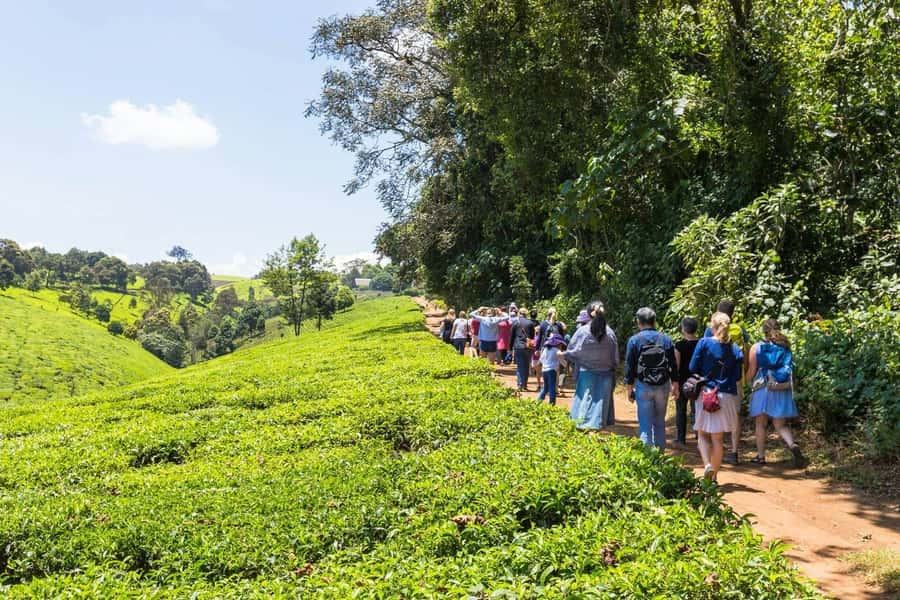
- A forest walk near Nairobi: Walk through an old indigenous forest rather than spending the whole day at the dining table.
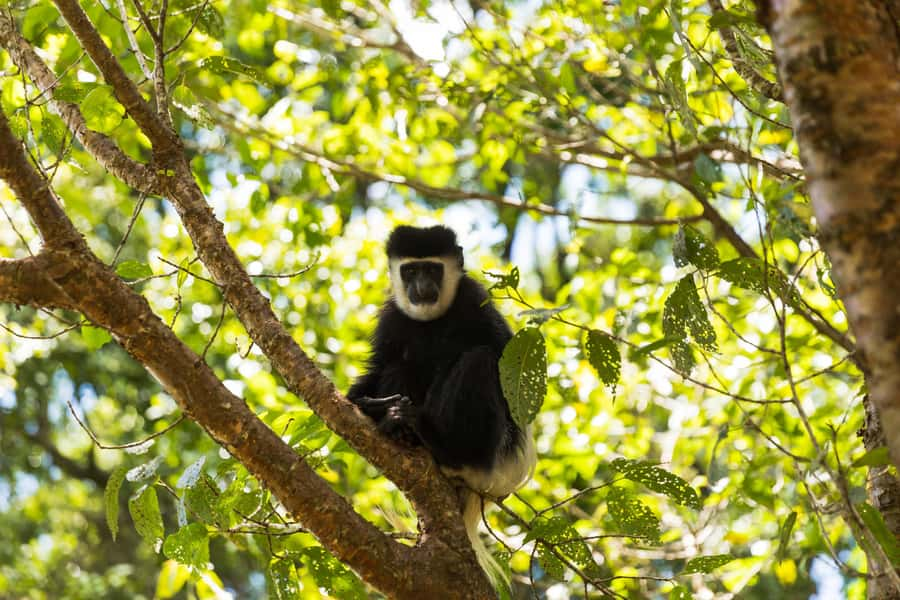
- Colobus monkeys: Keep an eye on the gardens and forest for the resident colobus monkeys.
- Three-course farm lunch: The meal uses locally sourced produce and includes soft drink, tea, and coffee.
- Small-group format: The group is limited to 15 people, which should make the guided walk easier to follow.
- A full six-hour outing: Pickup is around 9:30 am, arrival is planned for 11 am, and you return to Nairobi after the farm visit.
Why Kiambethu Makes a Different Nairobi Day Trip
Many Nairobi outings focus on city sights, wildlife, or busy attractions. Kiambethu offers something slower. The point is not to collect a long list of stops. It is to spend several hours learning how a working tea estate fits into Kenya’s past and present, then walking through the grounds and forest before lunch.
That pace can be a welcome change after a packed safari schedule. You get time to look closely at the tea plants, listen to an explanation of the tea-making process, and enjoy the setting without rushing from one attraction to another.
I also like that the visit connects food and agriculture. The lunch is not an unrelated restaurant stop. It is part of the estate experience, with produce sourced locally and tea and coffee served alongside the meal. That makes the outing feel tied to the place rather than simply transported there.
Still, you should set your expectations correctly. This is not a full plantation production tour with a long factory demonstration described in detail. The emphasis is on the farm’s story, the tea process, the gardens, the forest, and lunch.
More Tea Plantation Tours around Nairobi:
- Nairobi to Kiambethu Tea Farm Tour
★ 5.0 · 51 reviews - Private Day Trip to Kiambethu Tea Farm in Limuru from Nairobi
★ 5.0 · 31 reviews - Day Tour To Kiambethu Tea Farm in Limuru
★ 5.0 · 22 reviews
Leaving Nairobi at 9:30 am
Pickup is included from your Nairobi accommodation, with the listed meeting point at Haile Selassie Avenue. The planned departure is 9:30 am, and arrival at Kiambethu’s main house is scheduled for about 11 am.
The drive is one of the practical reasons to book this as a package. You do not need to arrange separate transport to the estate, and the return journey is included. For a first stay in Nairobi, that simplicity has real value.
The transport portion is listed as about four hours in total, so the road time is a major part of the day. I would not book this expecting six full hours at the farm. You are paying for an organized round trip, a guided visit, lunch, and entrance, not just for access to the tea estate.
The driver can shape your impression of the journey. Francis received especially warm praise for being a wonderful driver, while another account found the driver quiet and offered little explanation during the ride. That suggests you should treat the road transfer mainly as transport unless your assigned guide provides commentary.
Arrival at the Main House
The visit begins at the main house, where you are welcomed with homemade biscuits and tea. This is a pleasant opening because it gets you into the subject immediately. Instead of waiting around for the formal walk, you can settle in with a cup of tea while hearing about the farm.
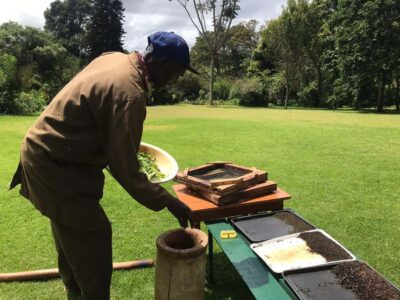
The introduction covers the estate and the tea-making process. You will learn how tea became one of Kenya’s largest export crops, giving the visit a useful historical frame. The subject is simple but important. Tea is not just a drink served at the end of the meal. It is a major part of Kenya’s agricultural economy and colonial-era story.
I would pay close attention here, especially if you are interested in how crops shape a country’s history. The introduction may be the strongest part for anyone who wants cultural context rather than only scenery.
The homemade biscuits are a small detail, but they help set the tone. This is a hosted estate visit, not a quick photo stop. You have a chance to enjoy the food and drink before walking around the grounds.
Walking Through the Tea Plantation and Gardens
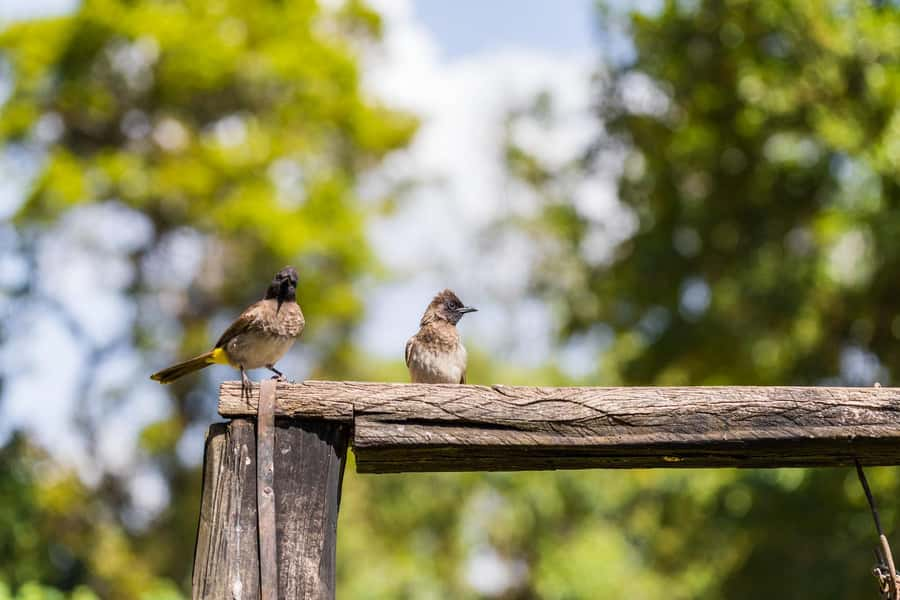
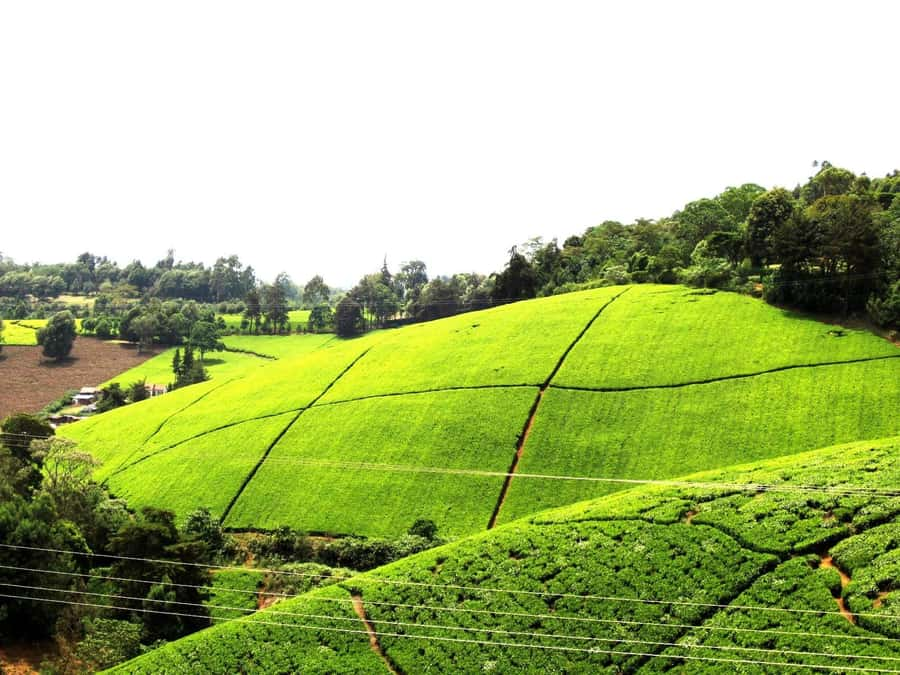
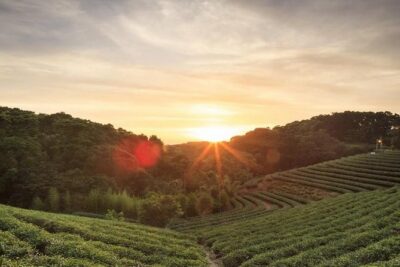
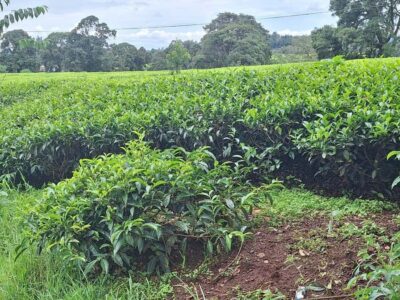
After tea, you stroll through the gardens around the main house and the tea plantation. The appeal is the close-up view. You can see where the crop grows and connect the earlier explanation with the land around you.
The walk is also a good chance to slow down. You are not covering a large safari area or waiting for a rare animal to appear. You are looking at the estate itself, the gardens, the plants, and the setting.
Colobus monkeys are one of the special details here. The resident monkeys may be seen around the gardens and forest, adding a wildlife element to what is otherwise an agricultural visit. That possibility makes it worth keeping your eyes up during the walk, rather than focusing only on the tea plants.
The monkey sighting is not a guaranteed wildlife encounter. You should think of it as an added feature, not the main reason to book. If seeing animals is your top priority, a safari or dedicated wildlife outing will offer a stronger experience.
More Lunch Experiences around Nairobi:
- Nairobi: Tea Farm Day Trip with Lunch at kiambethu
★ 4.0 · 21 reviews - Kiambethu Tea Farm Tour & Lunch From Nairobi
★ 5.0 · 7 reviews - Riara tea farm tour with lunch and tea tasting from Nairobi
★ 5.0 · 3 reviews - From Porto: 2 Wine Regions, Farm-to-Table Lunch & Boat
★ 4.9 · 5,724 reviews
Entering the Indigenous Forest
The forest walk is what gives the tour more variety. After hearing about tea and walking around the estate, you enter a well-preserved indigenous forest with a guide who can explain the wildlife and culture of the area.
This part should appeal to you if you enjoy walks with a sense of place. The forest offers a change from the cultivated tea fields and formal gardens. It also gives you another chance to spot colobus monkeys.
The forest is described as old and indigenous, but the supplied details do not specify the trail length or difficulty. I would therefore avoid assuming that it is a long hike or a strenuous trek. It is better understood as a guided nature walk included within the estate visit.
The quality of this section depends heavily on the guide. The guides are English-speaking and described as experts in African wildlife and culture. A good guide can help you notice details you would otherwise pass, while a less talkative escort may leave the walk feeling more like a pleasant stroll than a lesson.
That difference matters at this price. Listen for clear explanations of the forest, the wildlife, and the relationship between the farm and its surroundings. If you are interested in plants, animals, or Kenyan culture, this is the time to ask questions.
A Three-Course Lunch at the Estate
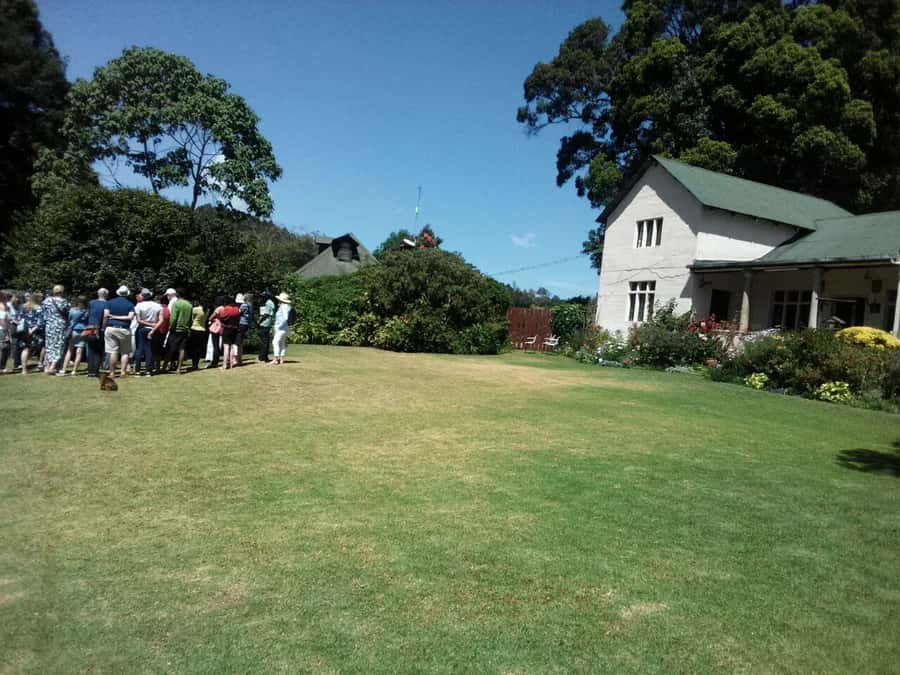
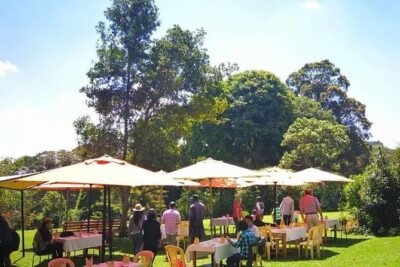
Lunch is the relaxed finish to the visit. You receive a three-course meal made with locally sourced produce, along with a soft drink and tea or coffee.
I like this arrangement because the meal is part of the day’s theme. You have just seen an agricultural estate and walked through its grounds, then sit down to food linked to local sourcing. It gives the visit a clear beginning, middle, and end.
The meal may also be the main attraction for anyone who enjoys food-focused day trips. You should not expect a choice of many restaurants or a fast buffet stop. The appeal is a hosted meal in a country estate setting.
The menu is not specified, so you should not book based on a particular dish. The confirmed details are the three courses, locally sourced ingredients, a soft drink, and tea and coffee. Items of a personal nature are not included, so bring money for anything extra and plan to tip your guide or driver separately.
Lunch also gives you time to rest after the forest walk. The six-hour schedule is not packed with constant activity, which suits a leisurely day. If you prefer nonstop sightseeing, the slower rhythm may feel underpowered.
Is the $160 Price Fair?
The price is $160 per person. That is a significant amount for a six-hour trip, particularly when the listed drive time takes roughly four hours of the day.
The package does include several costs that can add up: hotel pickup and return, transport, entrance, an English-speaking guide, tea and biscuits, lunch, a soft drink, and tea or coffee. For someone who values convenience and does not want to organize transport, the price can be reasonable.
The value is strongest when you want a complete, easy day outside Nairobi. You are not simply paying for tea and a walk. You are paying for the round trip, a hosted estate visit, a forest walk, possible monkey sightings, and a full meal.
The value is weaker if you compare it with large wildlife outings. A person who has already visited Maasai Mara, Amboseli, Lake Nakuru, and Mombasa may find Kiambethu less dramatic. That comparison is fair. The farm cannot compete with Kenya’s major safari destinations for scale, scenery, or animal variety.
I would judge the price by your available time. If this is your only open morning and you want an easy countryside experience, it may be worth it. If you have several days left for a major park, I would put the money toward that first.
Small Groups and Guide Quality
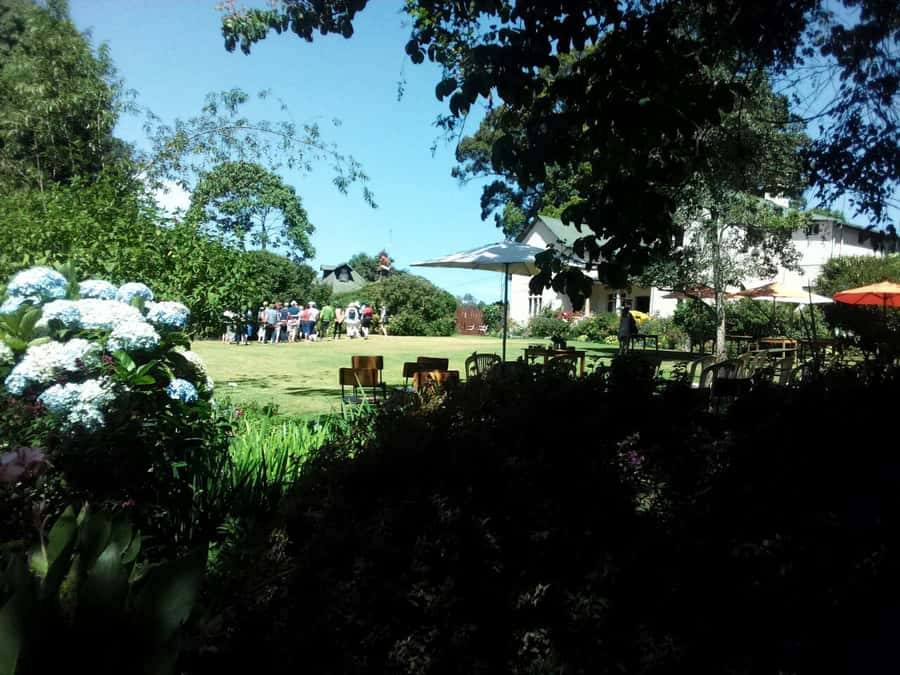
The group limit is 15 people. That is large enough to keep the tour social but small enough that you should be able to hear the guide and ask questions during the walk.
The tour is conducted in English. Guides are described as experts in African wildlife and culture, which fits the mix of tea history, estate life, and forest wildlife.
Still, a small group does not automatically guarantee a highly talkative guide. The experience can change depending on who handles the driving and guiding. Francis is specifically praised for his driving, while another account found the driver did not explain much during the road journey.
My advice is simple: ask questions early. Ask how tea became an export crop, how the estate operates, what you should watch for in the forest, and where colobus monkeys are commonly seen. You will get more from the day if you take an active role.
Tips are not included. If the guide or driver gives you a useful, warm service, plan to tip separately.
Who Will Enjoy This Experience Most?
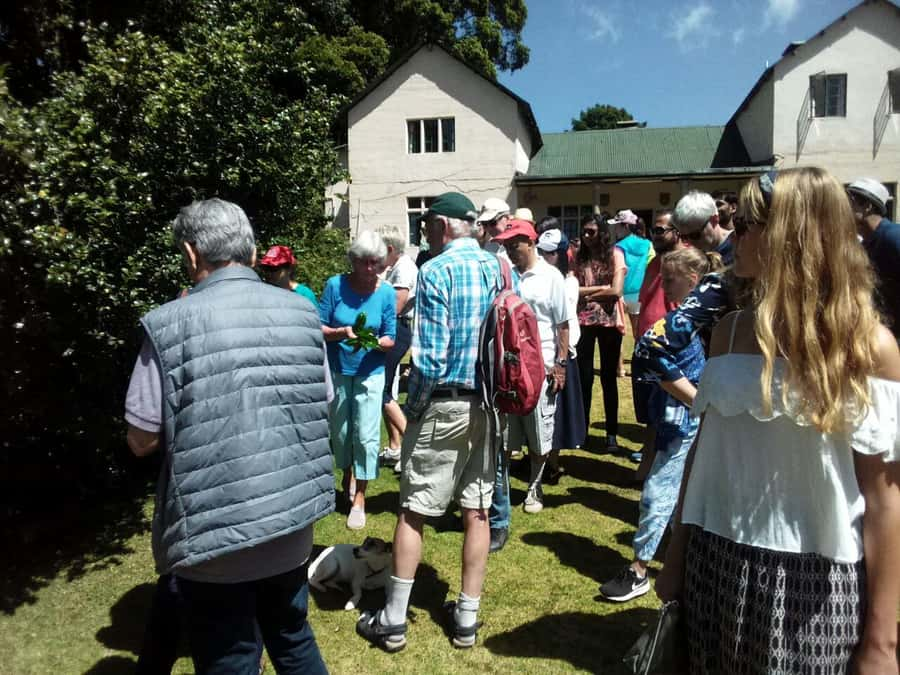
I would recommend Kiambethu to you if you want a calm break from Nairobi, enjoy food and agriculture, or have an interest in Kenya’s history. It also suits people who like short nature walks but do not want a demanding hike.
It works well for a first-time Kenya visit when you want to see more than the city but do not have time for a long safari. The included transport makes it easy to fit into a short itinerary.
Families and mixed-age groups may also appreciate the gentle combination of garden, forest, tea, and lunch. The available details do not describe trail difficulty or special family facilities, so you should ask the operator if you have specific mobility or child-related needs.
I would be less likely to recommend it if your main goal is dramatic wildlife. Colobus monkeys are a welcome possibility, but the farm is not a replacement for Maasai Mara, Amboseli, or Lake Nakuru.
It may also disappoint you if you expect a long, technical explanation of tea manufacturing. The experience covers the farm and tea-making process, but its strength is the overall visit rather than a detailed industrial tour.
Practical Advice for a Better Day
Keep your morning free. Pickup is planned for 9:30 am, arrival is around 11 am, and the full outing lasts about six hours.
Wear something suitable for a garden and forest walk. The supplied information does not describe the trail surface, so practical walking clothes are safer than dressing only for lunch.
Bring a little extra money for tips and personal purchases. The tour includes the listed meal and drinks, but personal items are not covered.
Do not count on seeing colobus monkeys. Watch carefully, but treat them as a bonus.
Finally, compare the tour with your wider Kenya plans. If you already have safari days arranged, Kiambethu adds food, farming, and history. If you have not yet booked a major wildlife park, that may offer more for your money.
Should You Book Kiambethu Tea Farm?
Book it if you want a well-organized countryside outing with tea, a forest walk, possible colobus monkeys, and a three-course lunch. The pickup service and small-group format make it a simple choice, and the praised drivers, including Francis, show how much a good transfer can improve the day.
Skip it if $160 feels high for a half-day experience or if you are seeking Kenya’s biggest wildlife moments. Kiambethu is a quiet cultural and food experience, not a safari substitute. For the right person, that is exactly its value.
The cancellation terms are flexible, with a full refund available when you cancel at least 24 hours ahead. You can also reserve now and pay later, which helps if your Nairobi schedule is still moving around.
FAQ
How long is the Kiambethu Tea Farm tour?
The experience lasts six hours, including transport from Nairobi and the return journey.
What time is pickup from Nairobi?
Pickup is scheduled for 9:30 am from your Nairobi accommodation. Haile Selassie Avenue is listed as the pickup location.
What is included in the price?
The price includes hotel or accommodation pickup and drop-off, transport, entrance, an English-speaking guide, lunch, a soft drink, tea, and coffee.
Is lunch included?
Yes. You receive a three-course lunch made with locally sourced produce, plus afternoon tea and coffee.
Can I see colobus monkeys?
Colobus monkeys live around the gardens and forest, so you may see them during the visit. Sightings are possible but not guaranteed.
Is the tour conducted in English?
Yes. The tour has a live English-speaking guide, and the guides are described as experts in African wildlife and culture.
Just added around Nairobi
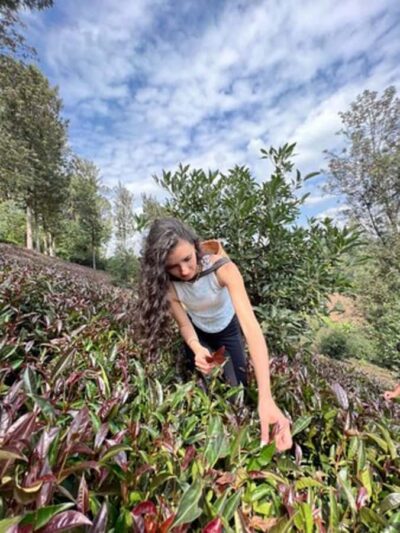
- Purple Tea Farm Tour from Nairobi City – Specialty Tea Tasting★ 4.5 · 12 reviews
- Kiambethu Tea Farm Tour & Lunch From Nairobi★ 5.0 · 7 reviews
- Riara tea farm tour with lunch and tea tasting from Nairobi★ 5.0 · 3 reviews
- Private Half-Day Tour in Fairview Coffee Farm from Nairobi★ 5.0 · 13 reviews
- Fairview Estate Coffee Farm Tour With Pick up★ 5.0 · 2 reviews
- Tea Farm Experience at Riara Tea Farm And Factory Tour★ 5.0 · 11 reviews
- Private Tour to Fairview Coffee Farm in Nairobi with Pickup★ 5.0 · 2 reviews
- Day tour to Kiambethu tea farm in Limuru from Nairobi★ 4.5 · 2 reviews
Tea Plantation Tours, farm by farm.
Private Day Trip to Kiambethu Tea Farm in Limuru from Nairobi
Read our review →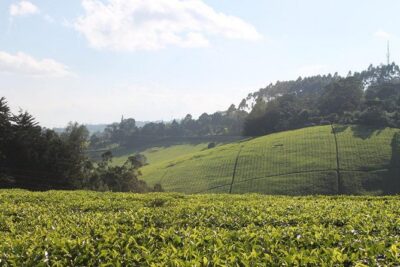
Purple Tea Farm Tour from Nairobi City – Specialty Tea Tasting
Read our review →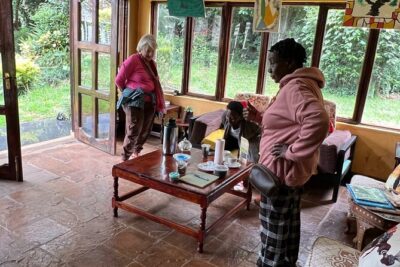
Tea Farm Experience at Riara Tea Farm And Factory Tour
Read our review →Other lists this farm sits on