
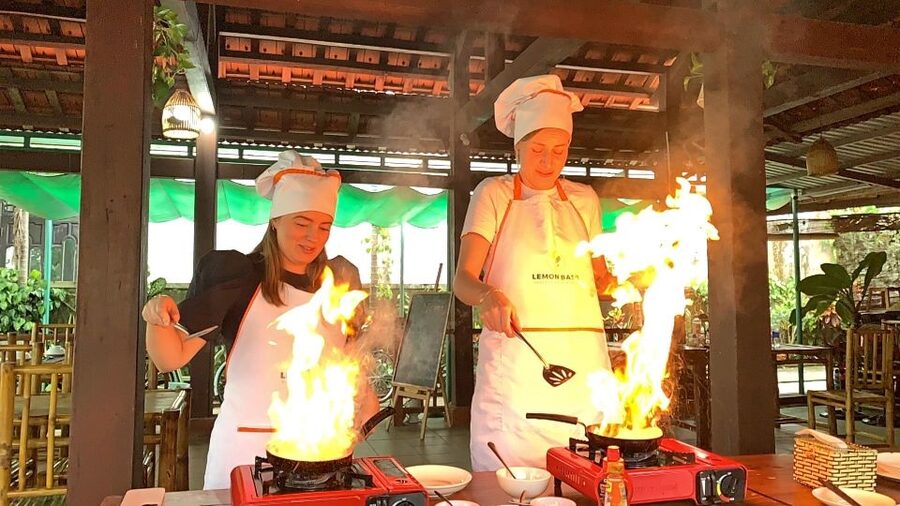
REVIEW · HOI AN
From Hoi An: Cooking Class at Organic Farm
Fresh herbs make the best classroom. Lemon Basil Cookery and Restaurant combines a small organic farm tour with a hands-on lesson in four Vietnamese dishes. I like the farm-to-table setting, where you see the herbs and vegetables before cooking with them, and I like the warm, family-run feel created by instructors such as Min and her relatives. The main drawback is simple: you must arrange your own transport to Tra Que Vegetable Village.
This three-hour class costs $27 per person, which is a fair price for the farm visit, instruction, ingredients, full meal, and certificate. You will cook in a group of no more than 10, so the class should feel personal rather than factory-made. Plan to arrive 5 to 10 minutes early, and tell the team about allergies or dietary needs before you begin.
Key points to know before booking
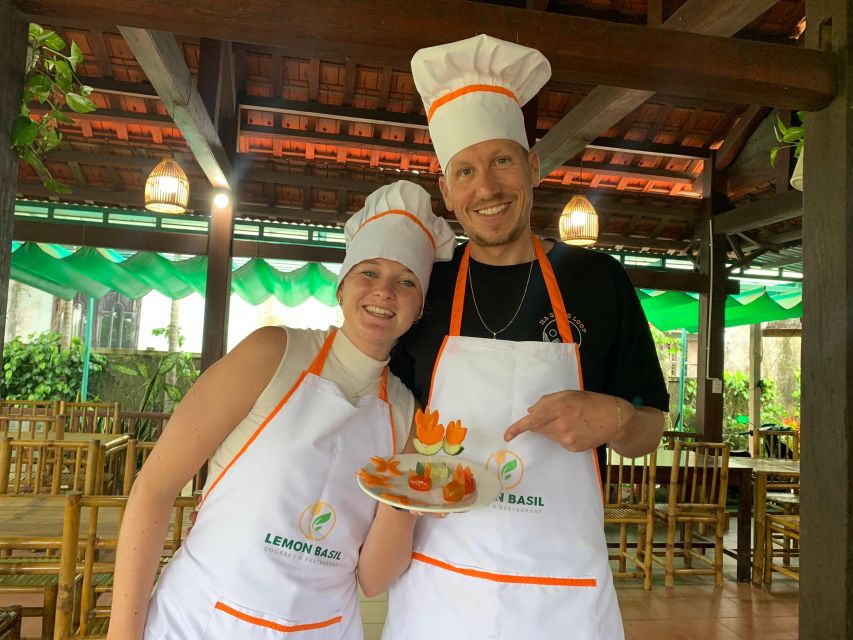
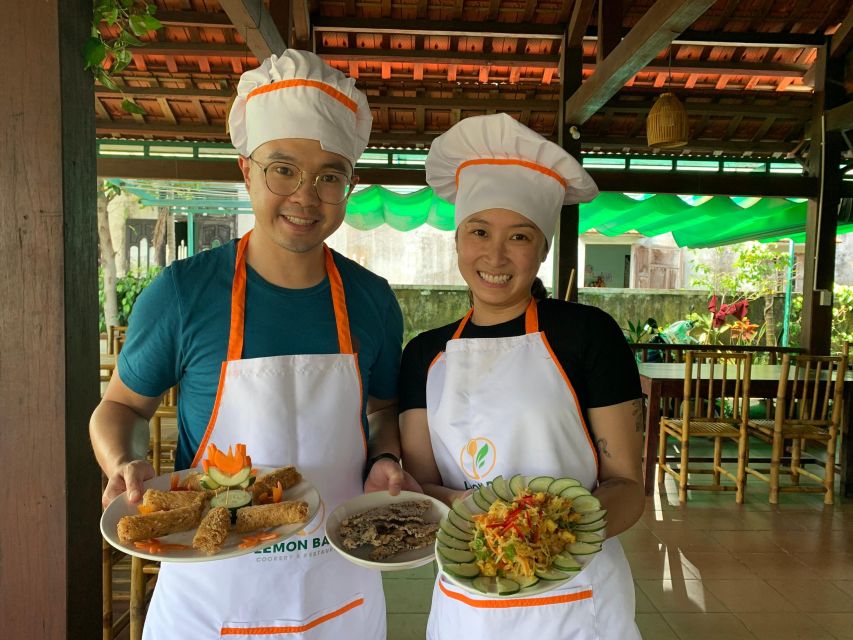
- Four Vietnamese dishes: Prepare Tra Que spring rolls, green papaya salad, fish in a clay pot, and bánh xèo, the crisp Vietnamese pancake.
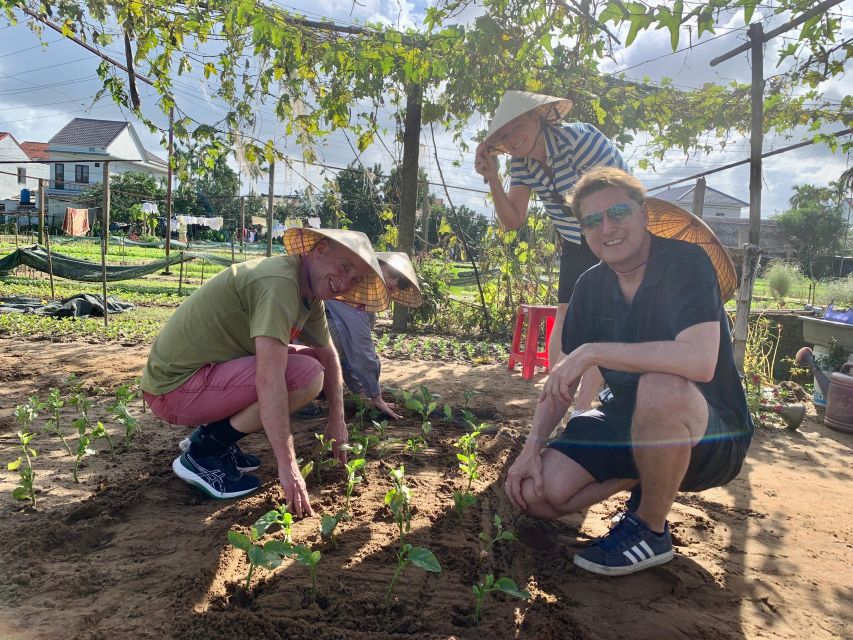
- A real working farm: Walk through the family garden, learn about local herbs, and help with simple planting or watering tasks when available.
- Small English-speaking class: Groups are limited to 10, with instruction designed for beginners as well as confident home cooks.
- A generous meal: You eat the dishes you prepare in a communal setting, so this functions as both a lesson and lunch or dinner.
- Family hospitality: Min, her aunt, uncle, and other family members have helped create a friendly, relaxed atmosphere in past sessions.
- Independent arrival: Pick-up is not included, so you need to reach Lemon Basil Cookery and Restaurant in Tra Que on your own.
Arriving at Lemon Basil in Tra Que Vegetable Village
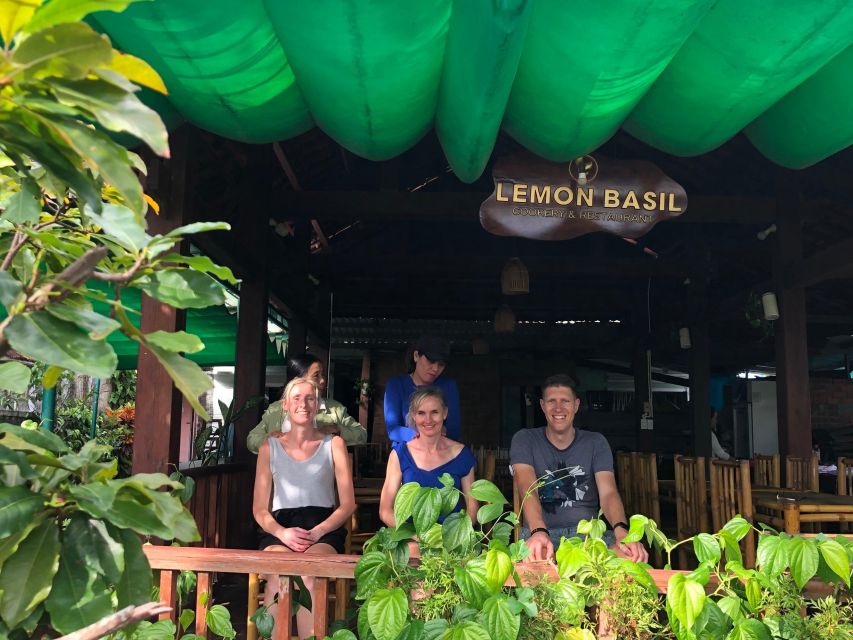
The class meets at Lemon Basil Cookery and Restaurant, in the heart of Tra Que Vegetable Village outside Hoi An. Look for the restaurant’s distinctive sign and welcoming entrance. The setting matters here. You are not walking into a hotel kitchen or a polished cooking studio with decorative farm props. The activity begins around a working family garden.
The exact start time depends on availability, so check the schedule when booking. The class lasts about three hours, sometimes closer to three and a half. Arriving 5 to 10 minutes early gives you time to find the restaurant, settle in, and mention any food restrictions before knives and hot pans appear.
Transportation is the one practical wrinkle. There is no included pick-up or drop-off. You can arrive independently, but the supplied information does not specify a transfer service or a fixed fare, so arrange your own ride from Hoi An. If you are already planning time in Tra Que, the class fits nicely with a bicycle outing, a meal, or a quiet wander around the village.
More Organic Farm Visits around Hoi An:
- Rural Hoi An Cycling, Cooking Class at Organic Farm
★ 5.0 · 72 reviews - Rural Cycle, Market Tour, Basket Boat & Organic Farm Cooking
★ 5.0 · 64 reviews - Cooking Class Hoi An – Organic Garden – Farming Tour-Handicrafts
★ 5.0 · 56 reviews
The farm tour comes before the cooking
The first part takes place among the crops and herbs used in Vietnamese kitchens. You learn what is growing, how the family prepares the soil, and how the produce reaches the plate. Depending on the session, you might help plant greens, water crops, or handle a small farm task.
This is more than a pleasant opening walk. Vietnamese cooking depends on fresh herbs, sharp greens, fragrant leaves, and a balance of salty, sweet, sour, and spicy tastes. Seeing and tasting ingredients in the garden helps explain why herbs are not just decoration at the table. They shape the meal.
Past sessions have included introductions to many different herbs and crops, with family members explaining how they are cultivated. An uncle has demonstrated soil preparation, while Min has guided people through the garden and explained the plants. You may also get to taste herbs before using them in your food, which gives you a better sense of their role.
Do not expect a long agricultural lecture. The appeal is the direct contact with the garden and the chance to take part. If your ideal cooking class begins with a market visit or a formal lesson on regional agriculture, this may feel informal. If you prefer to understand food through the people who grow it, the opening section adds real value.
Four dishes, four different cooking lessons
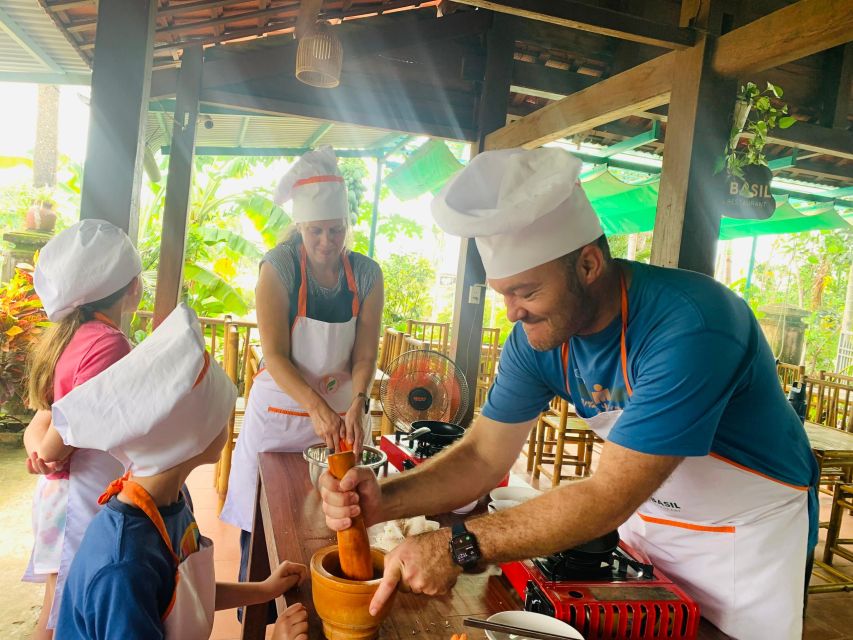
After the farm visit, the class moves to the kitchen. The menu covers four familiar Vietnamese preparations, and each one teaches a different technique.
Tra Que spring rolls
You begin with spring rolls using fresh farm ingredients. The process introduces careful preparation, wrapping, and the combination of crisp, fragrant elements. Reviews of the experience refer to crispy spring rolls, although the supplied menu calls them Tra Que Spring Rolls.
This is a useful first dish because it gets your hands working without requiring advanced cooking skills. You learn how to handle the ingredients, shape the rolls, and follow the chef’s pace. The class is designed for beginners, so you do not need previous Vietnamese cooking experience.
More Cooking Classes around Hoi An:
- Cocolocal Farm Cooking Class with market tour and basket boat
★ 5.0 · 231 reviews - Farming & Cooking Class in Hoi An – Small Group Tour
★ 5.0 · 71 reviews - Farmer & cooking class package
★ 5.0 · 18 reviews - Private Biking, Farming, & Cooking Class in Hoi An
★ 5.0 · 15 reviews
Green papaya salad
Green papaya salad brings a different lesson: balance. Vietnamese food often depends on several tastes arriving together, and the instructor explains how to bring those flavors into line. You will work with fresh ingredients and learn how the dressing changes the character of the salad.
The salad may be prepared with chicken or another approved variation, depending on dietary requests and the session. One past participant specifically received chicken papaya salad, while the standard description names green papaya salad. Tell the team what you eat before the class so they can plan the ingredients.
Fish in a clay pot
Fish cooked in a clay pot gives the meal a savory centerpiece. The class introduces a traditional Vietnamese approach to cooking fish, with the chef explaining the ingredients and method as you work. This dish also adds a useful contrast to the fresh salad and crisp pancake.
The information does not specify the fish used for every class. One session included basa fillet, but you should not assume that is always the choice. The important point is the technique and the chance to prepare a classic home-style dish rather than simply watch someone else cook.
Bánh xèo, the Vietnamese crispy pancake
Bánh xèo is likely to be the most entertaining dish of the four. The batter needs the right texture, and the pancake must become crisp without turning heavy. You will practice pouring, shaping, and cooking it, with help from the instructor.
Flipping or forming a pancake can be harder than it looks. That is part of the fun, especially in a small group where people can laugh at their first attempts. The class keeps the mood light, and instructors such as Min are known for joking while still giving clear directions.
Cooking with Min and the Lemon Basil family
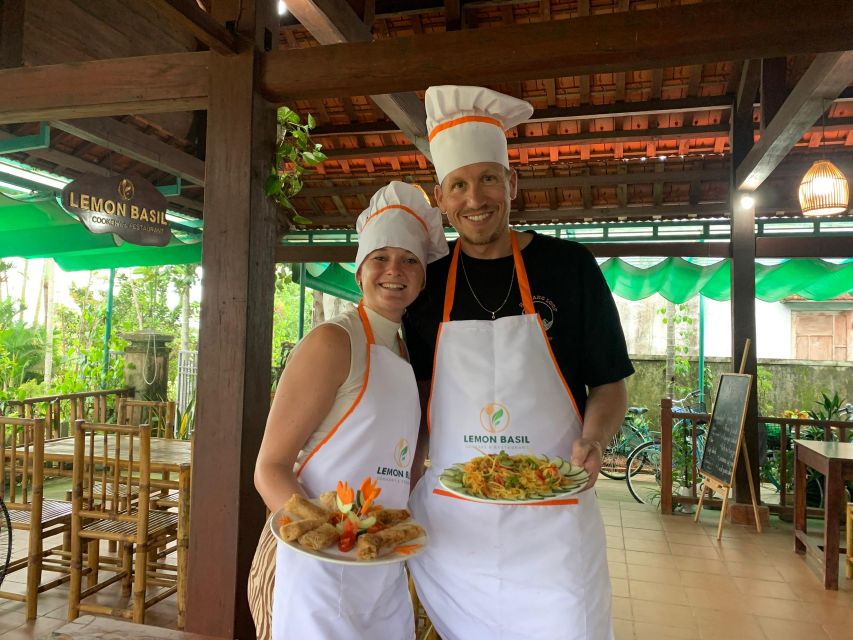
The teaching style appears friendly and informal. Min is frequently named as the main guide, and several sessions have included her aunt and uncle. Their role gives the class the feeling of being welcomed into a family kitchen rather than attending a staged demonstration.
Min’s humor is a repeated part of the experience. She has been described as funny, encouraging, and easy to follow. That combination matters because cooking in a new cuisine can feel awkward at first. You want enough guidance to avoid confusion, but not so much correction that the activity becomes stiff.
Communication is in English. The class is suitable for all skill levels, and you do not need to know anything about Vietnamese cooking before arriving. The small-group limit of 10 helps the instructor keep an eye on several cooking stations and answer questions.
The family approach also explains why the pace may feel less formal than a professional culinary school. You are there to cook, eat, and connect with the people running the farm. If you expect a highly technical chef-led course with exact measurements and restaurant-level plating, this is not that. It is a practical cultural activity with a relaxed tone.
Eating together after the cooking
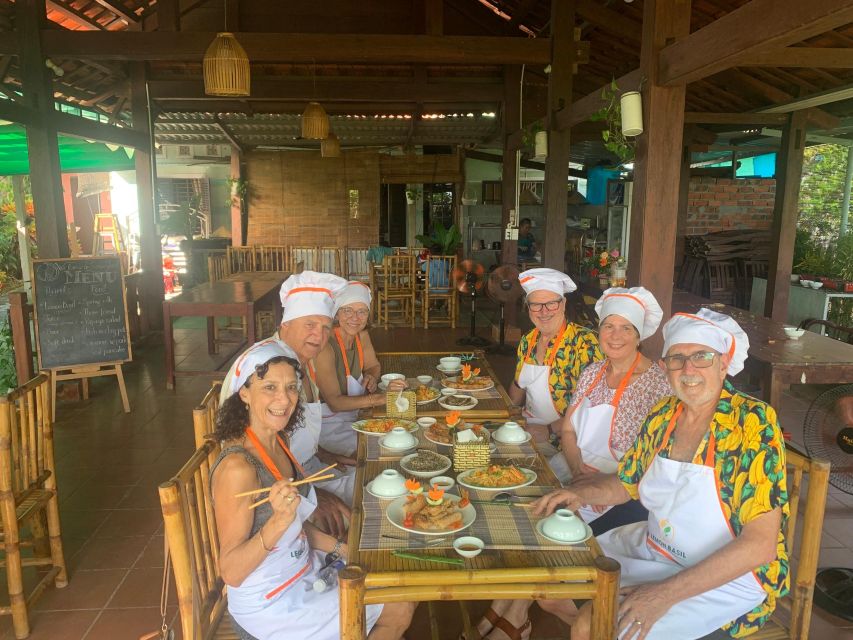
The meal is not an afterthought. Once the four dishes are ready, you sit down and eat what the group has prepared. Communal dining gives you a chance to compare results, ask final questions, and enjoy the food while it is fresh.
The portion of food can be substantial. One person described being too full for dinner after the class, and another session ended with fresh fruit such as mango, pink jackfruit, and lychees. Fresh fruit is not listed as a guaranteed inclusion, so treat it as a possible extra rather than part of the promised menu.
The communal table also suits people who enjoy meeting others. You may be cooking beside couples, solo visitors, or small groups, and the work naturally creates conversation. The class is not designed for private dining, so anyone seeking a quiet, exclusive meal should keep that in mind.
Dietary flexibility is a strong point. The team asks about allergies and intolerances, and pork-free meals have been accommodated. Still, you should provide this information in advance. The class includes fish in its standard menu, so people avoiding seafood need to discuss possible changes before booking rather than wait until the kitchen is busy.
What the $27 price really covers
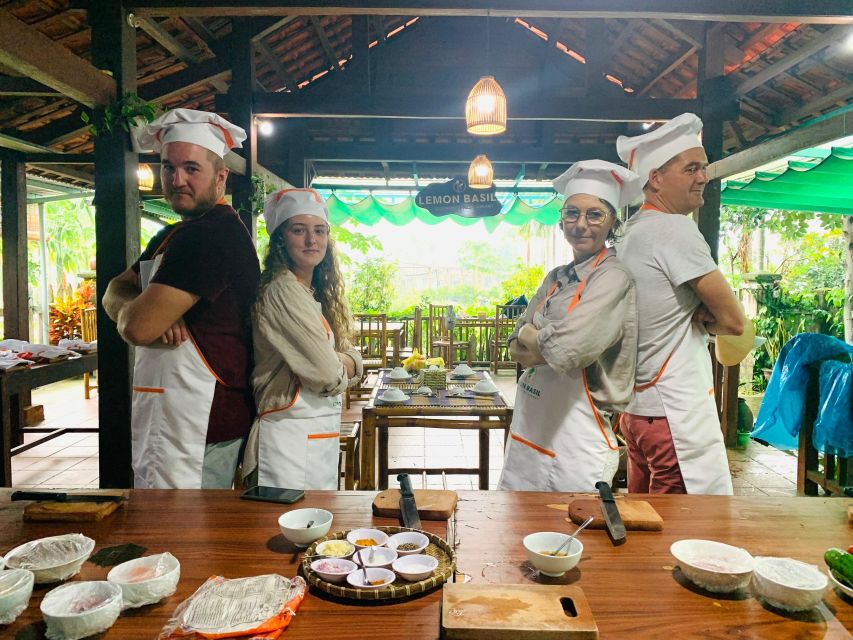
At $27 per person, this is good value if you want more than a cooking demonstration. The price includes the farm tour, English-speaking instruction, all ingredients for the four named dishes, the communal meal, and a certificate of completion.
You are effectively paying for three connected activities: a short farm visit, an active cooking lesson, and a full meal. A restaurant meal alone would cost less in many parts of Vietnam, but it would not include the instruction or the chance to prepare the dishes yourself. The value depends on how much you enjoy taking part.
The certificate is a small extra rather than a major reason to book. The lasting benefit is learning techniques you can try at home, especially the flavor balance in papaya salad and the handling of bánh xèo. You also leave with a better understanding of the herbs and produce used in central Vietnamese cooking.
Extra food and drinks are not included beyond the stated menu. Personal expenses, insurance, and transportation are also your responsibility. Keep that in mind when comparing the total cost with other Hoi An cooking classes.
Who should book this Hoi An cooking class?
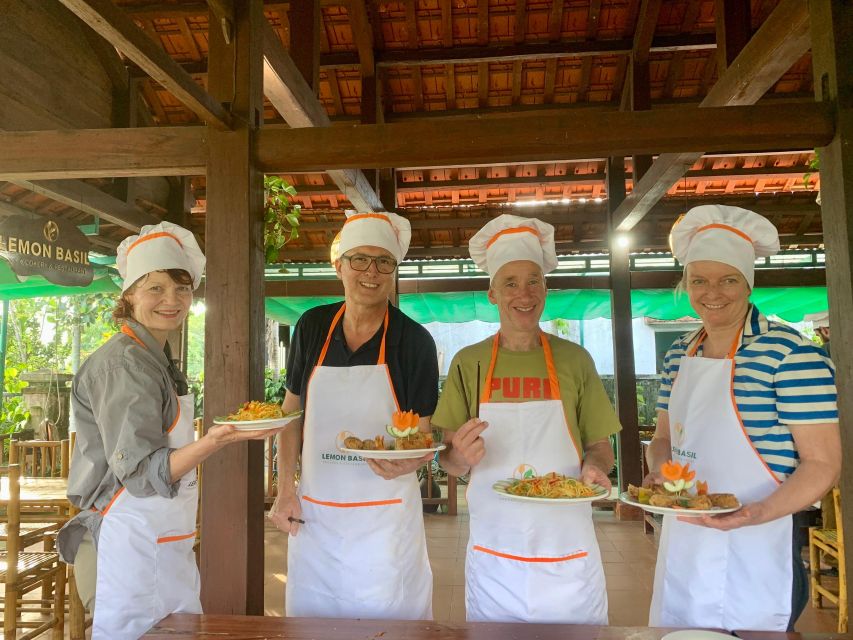
I would recommend Lemon Basil to first-time visitors who want a relaxed introduction to Vietnamese food and rural life near Hoi An. It works especially well for couples, solo visitors who enjoy small groups, and families or friends who want to cook together rather than sit through a demonstration.
It is also a good choice for people who care about ingredients. The farm visit gives the food a clear setting, and you get to see how local produce is grown before it reaches the cooking table. The family connection adds warmth without requiring you to join a formal cultural lecture.
Beginners should feel comfortable here. You will receive hands-on help, and no previous cooking ability is required. Experienced home cooks can still enjoy the class, though they may find the lesson more social and introductory than technical.
You might choose another activity if you need hotel pick-up, a private group, a completely fixed menu, or detailed culinary training. The class is also not ideal for anyone who dislikes communal meals or wants to avoid all fish without arranging a change in advance.
Practical details that make the day easier
Book with enough notice to secure a time that fits your Hoi An plans, then check the starting time because it varies. Reserve and pay later is available, which helps if your itinerary is still moving around.
Wear clothing that is comfortable for a garden visit and kitchen work. The supplied information does not set a dress code, but you should expect to walk around the farm and handle ingredients. Arrive early, bring your dietary information, and allow extra time for your independent trip to Tra Que.
The activity ends at Lemon Basil, not at a hotel or another Hoi An sight. That can be useful. You can continue exploring the village, arrange your ride back, or spend more time enjoying the area instead of rushing straight into the next scheduled stop.
Free cancellation is available up to 24 hours before the activity for a full refund. That is helpful when weather, transport, or changing Hoi An plans create uncertainty.
Should you book Lemon Basil?
Book it if you want to cook four recognizable Vietnamese dishes, meet a welcoming local family, and see where some of the ingredients begin. The farm setting, funny English-speaking instruction, generous meal, and small group make this a strong choice at $27.
Go in expecting a friendly, practical class rather than a professional chef course. Arrange your own transport, report dietary needs early, and leave enough time for the three-hour activity. If those details suit your plans, Lemon Basil offers a useful and enjoyable way to connect a Hoi An visit with the food of central Vietnam.
FAQ
How long does the Lemon Basil cooking class last?
The class lasts about three hours, although the full activity may take approximately three to three and a half hours.
Where does the cooking class meet?
It meets at Lemon Basil Cookery and Restaurant in Tra Que Vegetable Village, near Hoi An. Look for the restaurant’s distinctive signage.
Is transportation included?
No. Pick-up and drop-off are not included, so you must reach the restaurant independently.
Which dishes will I cook?
The stated menu includes Tra Que spring rolls, green papaya salad, fish in a clay pot, and Vietnamese crispy pancake, also called bánh xèo.
Is the class suitable for beginners?
Yes. No previous cooking experience is required, and the English-speaking instructors provide hands-on guidance.
Can dietary restrictions be accommodated?
Dietary needs, allergies, and intolerances can be discussed in advance. Pork-free meals have been accommodated, but you should inform the team before the class.
What is included in the $27 price?
The price includes the farm tour, ingredients for the four dishes, English-speaking instruction, communal dining, and a certificate of completion. Transportation, insurance, extra food, drinks, and personal expenses are not included.
More Workshops around Hoi An
- Lantern making Class-Basket Boat- Buffalo Ride-Vegatable Farming
★ 5.0 · 6 reviews - Cooking Class with Tra Que Eco Farm & Local Market Discovery
★ 5.0 · 5 reviews - Gardening at Tra Que Vegetable Village and cooking class
★ 5.0 · 3 reviews - Farming – Local Market – Cooking Class In Tra Que Vegetable
★ 5.0 · 2 reviews
Just added around Hoi An
- Tra Que Village Vegetable Farm Experience by Bike★ 5.0 · 2 reviews
- Experience Buffalo Ride and Farmer in Hoi An★ 5.0 · 3 reviews
- Tra Que Village Cycling And Farming★ 5.0 · 15 reviews
- Hoi An Rural Life And Cooking At Organic Farm★ 5.0 · 7 reviews
- Sunset photo tour with the farmers★ 4.5 · 7 reviews
- Hoi An Rice Farm Tour and Buffalo Riding with Local Home Meal★ 5.0 · 6 reviews
- Hoi An Farming And Fishing Life★ 5.0 · 45 reviews
- Hoi An Home Hosted Meal in Rice Farmer Home★ 5.0 · 3 reviews
Organic Farm Visits, farm by farm.
Half-Day Thai Cooking Class at Organic Farm in Chiang Mai
Read our review →
Evening Cooking Class in Organic Farm with Local Market Tour
Read our review →
ATV to Macao Beach and Water Cave with Organic Farm
Read our review →
Buggy Tour with Organic Farm, Macao Beach Visit from Punta Cana
Read our review →
Authentic Bali Farm Cooking School & Organic Farm
Read our review →
Farm To table Experience on an organic hilltop estate in Tuscany
Read our review →Other lists this farm sits on