
REVIEW · SALENTO
Coffee Tour Salento-Ocaso Farm- English Tour
Coffee begins with a cherry. This 1.5-hour visit to Finca El Ocaso near Salento offers a clear, hands-on look at how Colombian coffee moves from plant to cup. I like the chance to harvest and sow coffee yourself, and I like that the tour covers both traditional farming and modern processing. The main catch is the rough road and the fact that you must arrange your own transport.
The English-language guiding is another strong point. Guides Nicolas and Johnathan have been praised for clear explanations, humor, and patience with questions. I would allow extra time around the tour, though, since the visit is short and the farm sits 4 kilometers from Salento on a partly unpaved tertiary road.
Key points to know before you go
- Harvest coffee by hand: You get to pick coffee cherries and take part in sowing, rather than only watching a demonstration.
- Follow the bean from plant to cup: The route covers cultivation, pulping, drying, storage, threshing, roasting, and brewing.
- English guiding is a major strength: Nicolas and Johnathan are both noted for good English, humor, and useful answers.
- Reach the farm by Willys Jeep: Jeeps leave from Salento’s main square, but the fare is separate from the tour price.
- Traditional methods remain part of the visit: You see cloth-strainer brewing and traditional drying alongside mechanical equipment.
- A strong value at $14: The low price includes a guided English tour, but not transport, food, or drinks.
Why this farm visit works so well near Salento
Salento is known for its coffee country, but a town stroll alone cannot show you how much work goes into a morning cup. At Finca El Ocaso, you get beyond the café menu and into the farm itself. The experience explains coffee as an agricultural product, a family livelihood, and a carefully managed process.
The tour is built around participation. You do not simply look at rows of coffee trees while someone talks. You may harvest cherries, help with sowing, and see the stations where coffee is composted, dried, stored, and prepared for sale. That hands-on element gives the visit more weight than a simple tasting.
I also like the scale of the experience. At 1.5 hours, it fits easily into a Salento day. You can pair it with time in town or another nearby outing without giving up half your day. The short format does mean the explanations move at a steady pace, so keep questions in mind and ask them as you go.
The farm has certifications in sustainable production, and sustainability is part of the teaching. You learn about composting, crop fertilization, local plant life, and animals found around the farm. The point is not just that coffee is grown here, but that the soil and surrounding environment affect the crop.
More Coffee Farm Tours around Colombia:
- Medellín Coffee Farm Tour with Trolley and Cable Car Ride
★ 4.9 · 277 reviews - Salento: Private Cocora Valley, Salento & Coffee Farm Tour
★ 4.9 · 202 reviews - Medellin: Horseback Riding Coffee Farm Tour with Coffee Spa
★ 4.8 · 151 reviews
Getting from Salento to the 4-kilometer farm
The farm is 4 kilometers from Salento, but the short distance does not mean a quick, smooth road. The route is considered tertiary and is not fully paved. Expect a more rural ride than a standard transfer.
A Willys Jeep can take you from the square in Salento to the farm. This is an important detail because transportation is not included in the $14 tour price. You need to budget separately for the ride and make sure you know where to meet the vehicle before your start time.
A regular taxi may also be possible for reaching the farm, but the available information specifically points to the Willys Jeep as the usual option from town. The return ride to Salento can be taken by Jeep as well. One visitor paid 4,000 Colombian pesos per person for the ride back, but fares can change, so treat that figure as a useful reference rather than a fixed price.
I would arrive in Salento’s square with enough time to arrange the ride. The road and transport are part of the rural setting, but they can create stress if you leave them until the last minute. Since the tour starts at the farm, not in central Salento, your arrival plan matters.
Coffee trees, cherries, and the first farm lessons
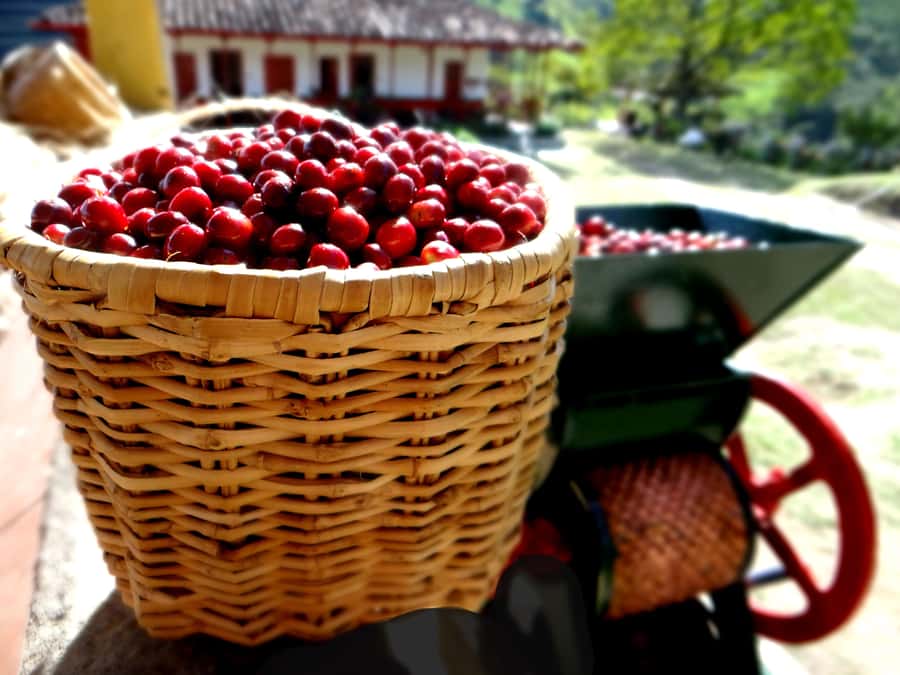
The opening part of the tour introduces the history of coffee, the main species grown, and the life of a coffee tree. You learn how coffee is planted and how the plant develops before producing its familiar red fruit.
The garden and plantation walk gives those explanations a physical setting. Instead of trying to remember a diagram, you can see the plants, the fruit, and the growing area directly. The walk also leads into harvesting and sowing, two activities that help explain the work done by coffee farmers.
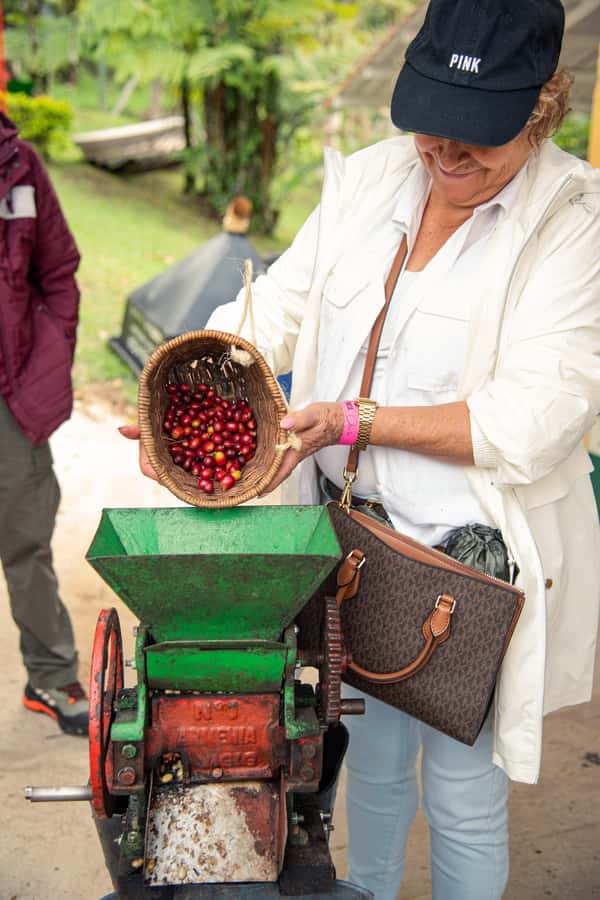
Harvesting is a useful part of the visit because it shows that coffee picking is selective and labor-intensive. The fruit must be gathered from the plant before it can move into processing. You are not only seeing a finished bean in a bag or cup. You are handling the earlier stage of the product.
Sowing adds another layer. It makes clear that a coffee farm depends on planning well before harvest season. Planting, growth, soil care, and crop maintenance all shape what happens later in the processing plant.
The experience is suitable for people who like to ask practical questions. The guides have received strong praise for explaining the process in English, and Nicolas in particular is described as funny and engaging. One useful caution is that he can speak a little fast at times. If you miss a point, ask him to repeat it.
Composting and sustainability in everyday practice
The composting and fertilization station gives the sustainability discussion a practical focus. You see how a traditional farm handles soil and crop care rather than hearing only broad claims about green production.
The farm holds certifications in sustainable production, and the tour explains why this matters. Coffee quality does not begin with roasting. It begins with healthy plants, good soil, careful cultivation, and attention to the farm’s wider setting.
The discussion also covers fauna and flora. That makes the visit more than a lesson about a single crop. You get a sense of how coffee production fits into the surrounding natural setting and why farm management can affect more than the coffee trees.
I would not expect a long scientific lecture here. This is a short working-farm tour, not a university course. The value is in seeing the basic systems together: composting, fertilization, planting, harvesting, and care for the area around the crop.
More Farm Tours around Colombia:
- From Bogotá: Coffee Farm and Tequendama Falls Tour
★ 4.5 · 130 reviews - Coffee Farm Experience Private Day Tour
★ 5.0 · 81 reviews - VIP Bogota City Tour: Farmers Market, Monserrate, Candelaria, 9hr
★ 5.0 · 66 reviews - Medellin: Guatape, El Peñol Coffee Farm Private Tour & Fruit
★ 5.0 · 49 reviews
Inside the processing plant, from hopper to dryer
The processing plant is where the harvested coffee begins its major transformation. The route includes the hopper, pulper, mechanical dryer, and traditional drying area. Each station answers a basic question: what happens after the coffee cherry leaves the plant?
The hopper receives the harvested coffee before it moves through the next steps. The pulper removes the outer fruit from the bean. Seeing this equipment makes it easier to understand why coffee production needs more than fields and a roasting machine.
Mechanical drying is shown alongside traditional drying. That comparison is especially useful because it lets you see two approaches to removing moisture. Drying affects how coffee can be stored and prepared later, so it is not a minor technical detail.
The contrast between machinery and traditional methods also fits the character of the farm. Finca El Ocaso presents itself as a traditional farm, but it does not ignore mechanical equipment. You see a working process that combines older practices with practical technology.
The tour then moves to the storage warehouse, threshing, and marketing. These steps explain what happens after drying and before the coffee reaches a buyer. Threshing prepares the beans for the next stage, while the marketing discussion connects farm production to the coffee sold beyond the property.
This part can be easy to rush through because the equipment is less familiar than a coffee cup. Pay attention to the order. The main lesson is that every stage affects the final product, and a problem early in the process cannot be fixed simply by roasting the beans later.
Roasting and the road to a better cup
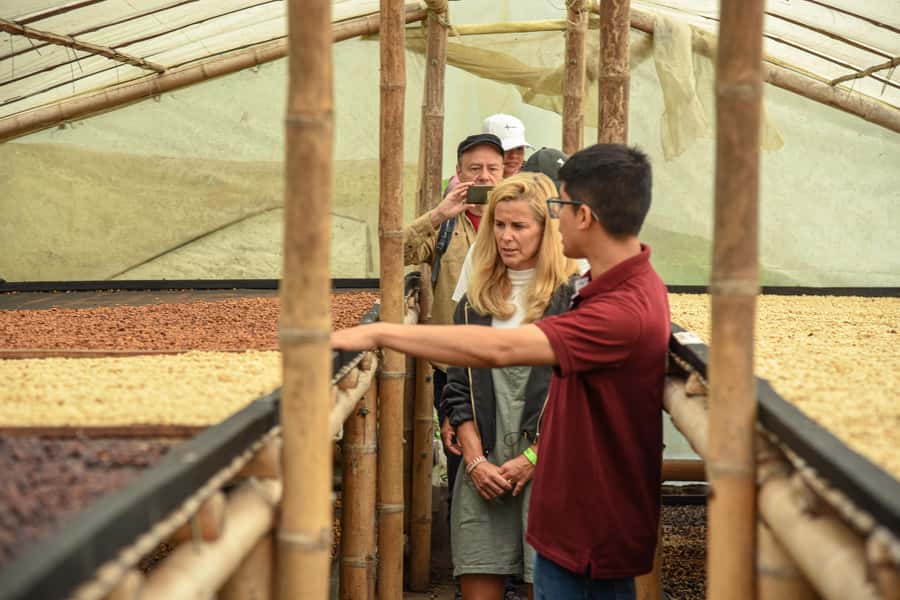
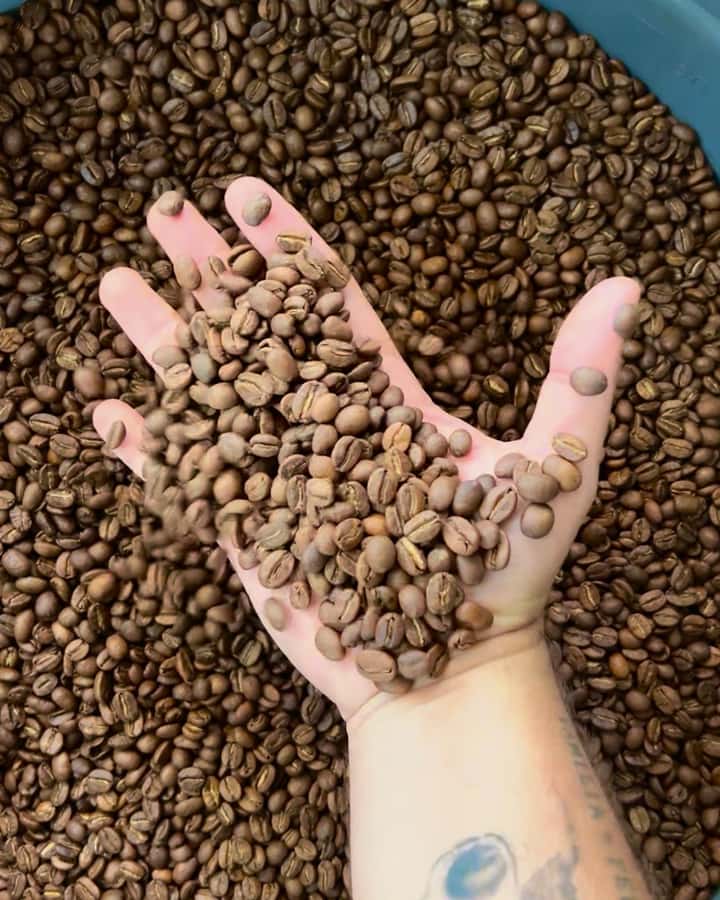
Roasting receives its own explanation because it has a major effect on coffee quality. You learn about different roast types and why the choice matters. This is useful even if you already drink coffee every day, since roasting changes the taste and character of the finished bean.
The tour does not stop at general talk about roasting. It also introduces the basics of correct coffee extraction. That means you get a link between farm production and preparation. The bean must be grown, processed, dried, stored, roasted, and then extracted properly for the cup to show its best qualities.
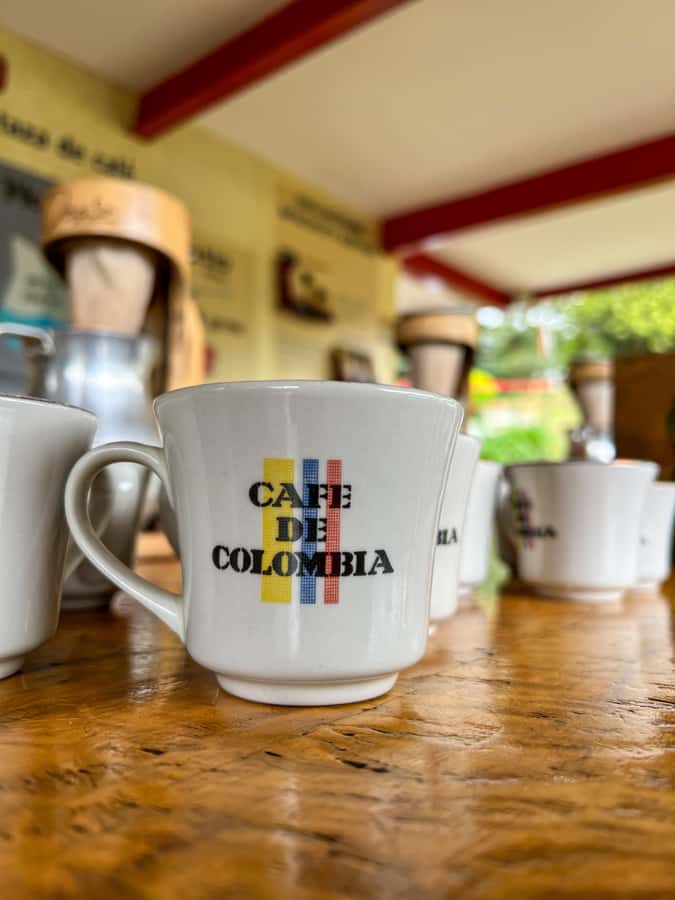
The final preparation uses a traditional cloth strainer and pot. This is one of the most distinctive parts of the experience. It gives you a direct look at a simple brewing method that does not depend on a modern espresso machine or complicated equipment.
The tasting at the end helps bring the long process together. You have already seen the plantation, handling, drying, storage, and roasting stages. The cup becomes a practical finish rather than an unrelated café stop.
Do not expect a large meal or a full food service. Food and drinks are not included as separate tour provisions, so plan accordingly. The coffee preparation is part of the guided experience, but this is not presented as a restaurant visit.
What the English guiding is really like
The quality of the explanation matters on a coffee tour, and the English guiding here receives unusually strong praise. Nicolas is described as funny, clear, and confident in English. Johnathan is also praised for answering questions and making the process easy to follow.
That humor matters because coffee production includes unfamiliar terms and several technical stages. A guide who can explain the machinery, growing cycle, and brewing method in plain English makes the short visit much more useful.
One point to keep in mind is pace. Nicolas may speak quickly at times. I would not let that put you off, especially since the guide is also described as responsive and willing to answer questions. Speak up if you need a slower explanation.
The high rating of 4.6 from 88 ratings fits the strongest parts of the experience: good English, an interactive format, and guides who know how to keep the subject lively. The praise is not limited to the coffee itself. The guiding is a central reason the tour works.
Is $14 good value for a coffee tour?
At $14 per person, this is good value if you want more than a quick coffee tasting. The price covers a guided English visit lasting about 1.5 hours and includes the farm walk, production explanations, and traditional preparation.
You are getting a full process rather than one isolated activity. The tour covers cultivation, harvesting, composting, processing, drying, storage, threshing, marketing, roasting, and extraction. That range gives the low price real weight.
The costs outside the ticket are simple but important. Transportation is not included, and neither are food or drinks. You must pay for your ride from Salento separately, so the final outing costs more than the advertised admission.
Even with transport added, the tour can make sense for a budget-minded visit to the coffee region. It offers a real farm setting, an English-speaking guide, and a hands-on format without taking up a full day. The value is strongest for people who want context and process, not just a souvenir cup.
Who should book this Salento coffee experience?
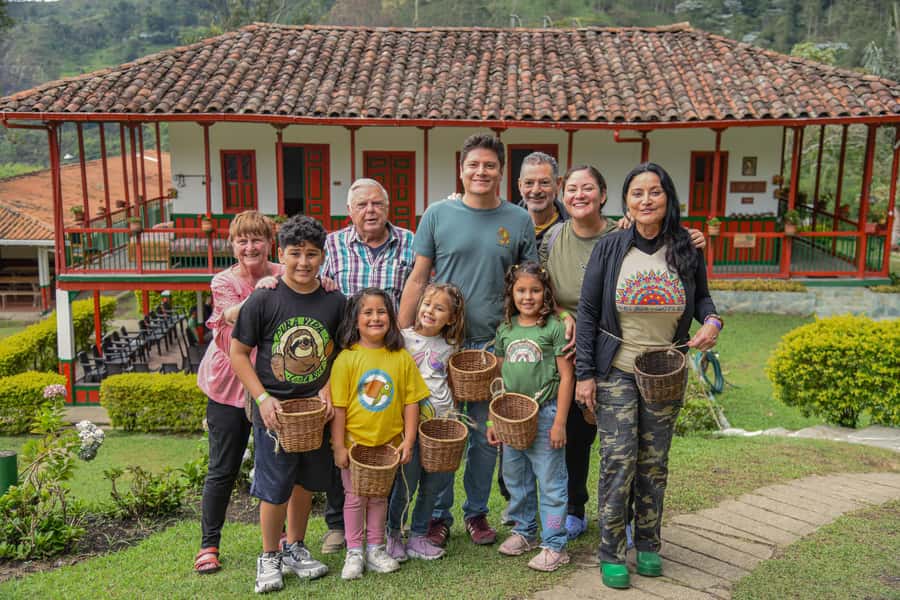
I would recommend it to coffee drinkers who want to understand the work behind Colombian coffee. It is also a good fit for families and curious first-time visitors because harvesting and sowing make the lesson active.
People interested in sustainable agriculture will appreciate the composting, fertilization, fauna, and flora sections. The certifications give the discussion a practical basis, while the farm setting helps you see how sustainability connects to day-to-day production.
It suits anyone who prefers a smaller, focused outing. The visit lasts 1.5 hours, and you return to the farm meeting point at the end. That leaves room for the rest of your plans in Salento.
I would think twice if you need smooth transport right to the entrance or dislike rough rural roads. The 4-kilometer route is partly unpaved, and you must arrange transportation yourself. Anyone expecting a long tasting menu, a meal, or a broad sightseeing trip should also choose a different activity.
Bring insect repellent. Alcohol and drugs are not allowed. Free cancellation is available up to 24 hours before the activity for a full refund, and you can reserve now and pay later if you want to keep your plans flexible.
Should you book Finca El Ocaso?
Book this tour if you want a practical introduction to Colombian coffee at a sensible price. The best reasons are the hands-on harvest and sowing, the complete route from coffee tree to brewed cup, and the strong English guiding from people such as Nicolas and Johnathan.
Skip it if your schedule cannot handle the trip out to the farm or if you want a polished urban tasting room. This is a traditional farm on a partly unpaved road, and that rural setting is both its charm and its main inconvenience.
For most coffee-minded visitors staying in Salento, I think the balance is right. Arrange your Jeep ride early, bring insect repellent, and listen closely during the processing and roasting sections. At $14, the tour gives you a useful understanding of Colombian coffee without asking for a full day or a large budget.
FAQ
How long does the coffee tour last?
The tour lasts 1.5 hours. Available starting times are shown when you check the booking options.
Where does the tour start and finish?
The tour starts at the farm and ends back at the same meeting point.
How far is Finca El Ocaso from Salento?
The farm is located 4 kilometers from Salento.
How can I reach the farm from Salento?
You can take a Willys Jeep from the square in Salento. Transportation is not included in the activity price.
Is the tour conducted in English?
Yes. The experience includes a live English-speaking guide.
What does the tour include?
It includes the guided English tour, covering coffee cultivation, harvesting, processing, drying, storage, roasting, extraction, and traditional preparation with a cloth strainer and pot.
What should I bring, and what is not allowed?
Bring insect repellent. Alcohol and drugs are not allowed.
Just added around Colombia
- Cocora Valley Tour and Coffee Farms★ 4.5 · 40 reviews
- Salento and Cócora Tour plus Coffee Farm from Pereira or Armenia★ 5.0 · 40 reviews
- Medellín: Flower Farm & Silletero History Tour★ 4.3 · 23 reviews
- Salento and Cócora Tour + Coffee Farm from Pereira/Armenia★ 5.0 · 33 reviews
- Private Tour to Coffee Farm (farm of your choice)★ 5.0 · 2 reviews
- Medellin: Coffee Farm Tour & Spa with Overnight Glamping★ 4.5 · 3 reviews
- Most complete COFFEE TOUR at local family farm★ 5.0 · 2 reviews
- Medellin: Guatape, El Peñol Coffee Farm Private Tour & Fruit★ 5.0 · 49 reviews
Coffee Farm Tours, farm by farm.
Award Winning Farm Tour: Coffee, Chocolate and Unique Gifts
Read our review →
La Herradura Coffee Farm: tour in Europe’s only plantation
Read our review →

Small-Group Big Island Tour: Hawaii Volcanoes National Park and Kona Coffee Farm
Read our review →
Medellín Coffee Farm Tour with Trolley and Cable Car Ride
Read our review →
Private Cocora Valley, Salento & Coffee Farm Tour
Read our review →
Liamuiga Natural Farm Tour – St.Kitts’ Coffee Farm
Read our review →
Other lists this farm sits on