
REVIEW · NAIROBI
Coffee farm tour, coffee roasting and tasting experience
Coffee tells a bigger story than the cup. This two-hour visit to All Seasons Coffee takes you outside Nairobi for a close look at growing, processing, roasting, and tasting Kenyan coffee. I like the hands-on roasting session, and I like that the farm is a long-running family operation with trees said to have produced coffee for more than a century. The main thing to consider is the final road to the farm, which can be rough.
The group is limited to 10 people, so the experience should feel more like a visit with a local host than a large commercial outing. Guides including Stanley and Duncan explain the work clearly and add context about Kenya’s coffee industry. At $35 per person, the price is fair if you value the small group, refreshments, coffee tasting, and beans to take home. Just confirm that you selected the transfer option if you need transport from Nairobi.
Key points to know before you book

- You roast coffee yourself: The beans you roast are yours to take home, giving the visit a useful hands-on finish.
- The tour follows the whole coffee chain: You see the coffee trees, hear about processing, roast beans, and drink freshly brewed coffee.
- It is a small group experience: A maximum of 10 participants allows time for questions and personal attention.
- The farm has a long family connection: The coffee trees have reportedly been producing for more than 100 years.
- Transfers depend on the option chosen: Round-trip transport from Nairobi is available with the appropriate booking option, but it is not included in every booking.
- Allow for a rough final road section: Getting to the farm may be less smooth near the end, so this is not a polished city attraction.
Why this coffee visit makes sense in Nairobi
Nairobi is often used as a base for wildlife trips, museums, and city tours. Coffee gives you another way to understand Kenya. Instead of only buying a packet of beans or ordering a cup, you get to see the work that comes before roasting.
That matters because coffee production is easy to reduce to a simple chain: plant, pick, roast, drink. At the farm, you can ask questions and see how each stage connects. The tour is short, but it covers the key ideas without turning the visit into a full-day agricultural program.
I especially like the farm-to-cup structure. You begin with the coffee trees and finish with a drink made from freshly roasted coffee. The middle section, where you roast beans yourself, keeps the visit from becoming a passive talk.
This is also a useful choice if you have already seen Nairobi’s main sights. It gets you away from the city for a quieter setting and gives you a local activity that is not built around wildlife. One visitor even described it as a reminder that Kenya offers much more than animals. That is a good way to think about the experience.
More Coffee Farm Tours around Nairobi:
- Nairobi Coffee Farm and Factory Tour
★ 5.0 · 87 reviews - Nairobi: Coffee Factory and Farm Tour with Transfer
★ 4.5 · 60 reviews - Coffee Farm Village & Factory Half Day Tour with Pick-Up
★ 5.0 · 33 reviews
Arriving at a historic family coffee farm
The destination is All Seasons Coffee, a working farm outside Nairobi. The setting is described as quiet and pleasant, with coffee trees and open surroundings. It is not presented as a grand estate attraction with elaborate visitor facilities. Its appeal is the working farm and the family connection.
The farm’s age adds interest. The trees are said to have been producing coffee for more than 100 years, giving the visit a connection to Kenya’s long coffee story. You are not just looking at a modern roasting setup. You are seeing a place where coffee growing has continued across generations.
The practical catch is the road. The last part of the route may be difficult because of its condition. That does not ruin a two-hour farm visit, but it is worth knowing before you go. If you have mobility concerns or expect a smooth transfer all the way to the entrance, ask the operator for current road details.
Round-trip transfers from Nairobi are available when the transfer option is selected. If you do not choose that option, transportation to and from the attraction is not included. This is one detail to check carefully while booking, since the headline price does not automatically mean every booking includes pickup and drop-off.
Walking among the coffee trees
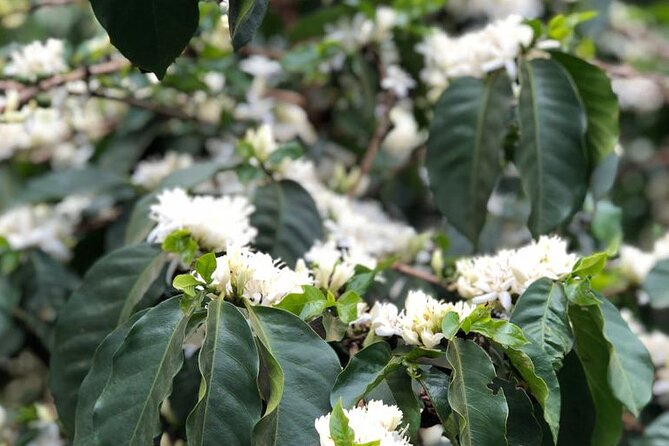
The first part of the visit takes you through the farm. You see the coffee trees and hear about how coffee grows. This is a good starting point because it puts the finished drink in context.
Your guide can explain the basic work behind the crop and the kind of care required before beans reach a roaster. The tour is not just a scenic walk. It is meant to show how the farm operates and how coffee moves from plant to finished product.
The value here depends partly on your questions. If you already drink specialty coffee or work with coffee, ask about the varieties grown, the growing process, and the qualities the farm looks for in its beans. If you know little about coffee, ask the guide to explain the process from the beginning. Guides such as Duncan and Stanley have been praised for making the subject accessible and interesting.
The farm walk also gives the experience a calmer pace. You are not rushing from one display to another. You can look at the trees, listen, and then move on to the processing discussion. Wear comfortable shoes, since this is a working farm rather than a formal indoor attraction.
From coffee fruit to processed beans
After seeing the trees, the tour turns to processing. This is where the visit starts to answer the questions many coffee drinkers have but rarely get to ask. What happens after the fruit is picked? How does the coffee become ready for roasting? What affects the final flavor?
The exact level of technical detail may depend on the guide and the questions in your group. Still, the tour is designed to explain the process from growing and harvesting through processing and roasting. Several parts of the experience focus on how quality coffee is made, not simply on serving a good cup at the end.
That farm-to-cup explanation is one of the strongest parts of the visit. It helps you understand why coffee production takes care, time, and judgment. Even a regular coffee drinker can come away with more respect for the beans in an everyday cup.
The small group helps here. With no more than 10 people, you have a better chance to ask about the stages that interest you. A larger group might move faster or leave less room for questions. This format feels better suited to people who want a conversation rather than a quick photo stop.
More Food and Drink Tours around Nairobi:
- Purple Tea Farm Tour from Nairobi City – Specialty Tea Tasting
★ 4.5 · 12 reviews - Riara tea farm tour with lunch and tea tasting from Nairobi
★ 5.0 · 3 reviews - Sorrento Farm and Food Experience including Olive Oil, Limoncello, Wine tasting
★ 5.0 · 2,524 reviews - Lahaina: Maui Ku’ia Estate Guided Cacao Farm Tour and Tasting
★ 5.0 · 1,103 reviews
Roasting your own beans to take home
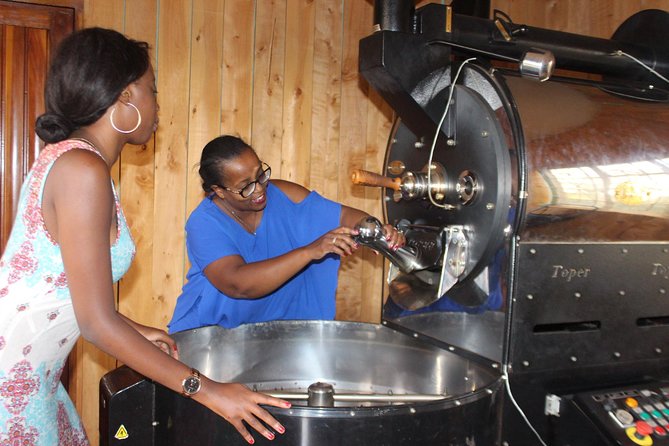
The hands-on roasting session is the tour’s most distinctive feature. You get to roast some coffee yourself, then take those beans home. This gives you a physical reminder of the visit and makes the $35 price easier to justify.
Roasting also changes the way you think about coffee. You are no longer only hearing about production. You are taking part in one of the final steps before brewing. The activity is simple enough to suit beginners, while coffee fans can pay closer attention to how roasting affects aroma and flavor.
I would book this experience for the roasting session alone if I wanted a short, practical coffee activity in Nairobi. It is more memorable than a standard tasting because you have done some of the work yourself.
The amount of coffee you take home is not specified, so do not book expecting a large supply of beans. Think of it as a personal souvenir and a small continuation of the farm visit. If you are flying onward, the roasted coffee should also be an easier keepsake than a bulky craft item, though the tour does not state any packaging or baggage arrangements.
Fresh coffee, snacks, and a relaxed finish
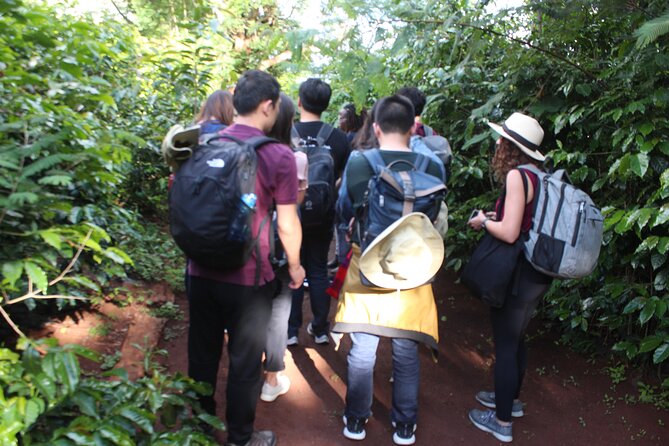
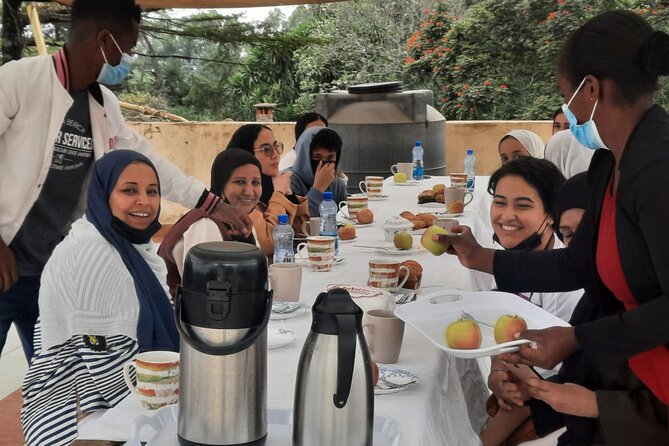
The final stage is the tasting. After the farm walk, processing talk, and roasting, you sit down with freshly brewed coffee and refreshments. Coffee and tea, bottled water, snacks, and light refreshments are included.
The tasting makes sense because you have just followed the coffee through its main stages. You can drink with a better idea of what went into the cup. The coffee has been described as excellent, delicious, and made from Arabica beans, though taste is personal and the exact brew served can vary.
Do not expect a formal multi-course tasting or a long café session. The visit lasts about two hours, and the tasting is one part of a larger program. You get a cup of coffee, something to eat, and time to talk with the host.
The refreshments are useful, especially if the farm visit takes place between meals. They should not be treated as a full lunch. If you have dietary restrictions, ask in advance, since the available information only confirms snacks and light refreshments.
The guides shape the experience
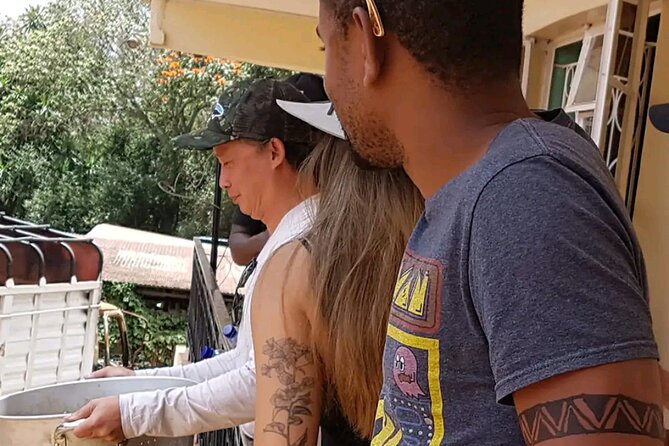
The people leading the visit are a major part of its appeal. Stanley is praised for his warm hosting and for explaining both coffee production and the industry. Duncan is described as friendly, entertaining, and well informed about coffee and Kenya.
Susan, the operator, is also noted for clear communication and a helpful attitude. That matters when you are arranging a pickup, running late, or trying to confirm the meeting details. Still, the tour may not always be led by the same person, so treat these names as examples of the team rather than a guarantee.
A good guide is important on a coffee tour because the subject can become technical fast. Here, the strongest descriptions point to explanations that are friendly and easy to follow. You should expect a mix of farm information, coffee history, production details, and practical conversation.
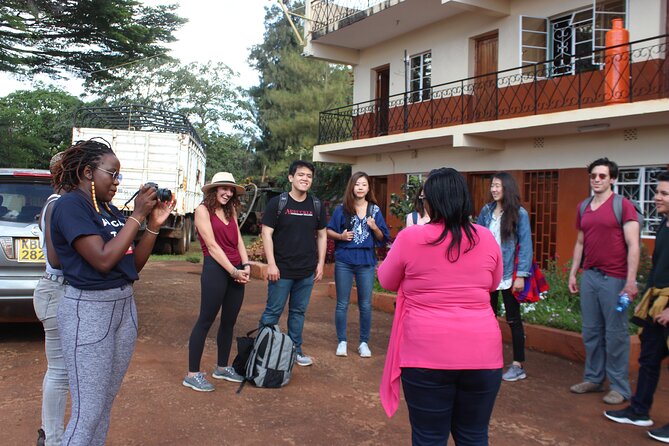
The small group supports that style. A group capped at 10 is large enough to have a social feel but small enough for direct questions. Solo visitors, couples, and families with older children can all fit comfortably into that setup. Children must be accompanied by an adult, and most people can participate.
Is $35 good value?

At $35 per person, this is not the cheapest way to drink coffee in Nairobi. You could buy a cup for far less. The comparison is not really fair, though, because this price covers an activity, a farm visit, guided instruction, roasting, coffee tasting, snacks, bottled water, and taxes.
The value is strongest if your booking includes round-trip transfers from Nairobi. Transport is a practical cost and a major convenience, especially when the final road section may be rough. Check the selected option carefully, because hotel pickup and drop-off are not included in every booking.
The tour is also a good value for anyone who wants a focused experience rather than a long excursion. Two hours is enough to learn the basic process without taking up a full morning or afternoon. The trade-off is that you will not see every part of a large commercial coffee estate or spend a full day studying agricultural work.
The rating is very strong, with all available feedback recommending the experience. That supports the idea that the tour delivers what it promises. Still, the road condition and the limited duration are real considerations, not reasons to dismiss it.
Who should book this experience?
I would recommend it most strongly to coffee drinkers who want to understand more than flavor notes on a menu. The roasting session and the chance to take beans home give you something active to do, while the farm walk explains where the coffee begins.
It also suits visitors who want a quieter break from Nairobi. You leave the city for a working farm and spend time in pleasant surroundings. It can work well for families, provided children stay with an adult and are interested in a guided agricultural visit.
Baristas and serious coffee fans should find enough substance to make the visit worthwhile, especially if they ask detailed questions. One professional barista described gaining a greater respect for every bean after the experience. That is a fair measure of what the tour can offer.
You may want to skip it if you are looking for a polished attraction with easy roads, extensive facilities, or a long technical demonstration. You should also confirm transport before booking if you do not have your own way to the farm.
Booking, timing, and cancellation details
The experience usually sells about 18 days ahead, so booking early is sensible if your Nairobi schedule is fixed. Confirmation is provided at booking, and mobile tickets are accepted.
The tour lasts about two hours. The maximum group size is 10 people, and most people can take part. Children must have an adult with them.
Free cancellation is available when you cancel at least 24 hours before the local start time. Cancellations made within 24 hours are not refunded, and changes within that window are not accepted.
Should you book the Nairobi coffee farm tour?
Book it if you want a personal, hands-on look at Kenyan coffee rather than just another café stop. The strongest reasons are the small group, the family-run farm setting, the chance to roast beans yourself, and the final cup of freshly brewed coffee.
I would especially choose it for a free half-day in Nairobi, for coffee lovers, or for anyone who wants a local experience beyond the usual attractions. Just select the transport option if you need it, and prepare for a rough final road section. At $35, it offers good value when you want a short activity with real participation and a useful souvenir to take home.
FAQ
Where does the coffee farm tour take place?
The tour takes place at All Seasons Coffee, a working coffee farm outside Nairobi, Kenya.
How long does the experience last?
The experience lasts approximately two hours.
How many people can join the tour?
The tour has a maximum of 10 participants.
Is transportation from Nairobi included?
Round-trip transfers from Nairobi are available if you select the appropriate option. Hotel pickup and drop-off are not included if that option is not selected.
What happens during the farm visit?
You walk through the coffee farm, see the coffee trees, and learn how the farm and coffee processing work.
Can I roast coffee during the tour?
Yes. You get the chance to roast coffee beans yourself and take the roasted coffee home.
Are food and drinks included?
Yes. Coffee or tea, bottled water, snacks, and light refreshments are included.
Can children join the experience?
Yes. Children can participate, but they must be accompanied by an adult.
What is the cancellation policy?
You can cancel at least 24 hours before the local start time for a full refund. Cancellations or changes made less than 24 hours before the start time are not accepted for a refund.
Just added around Nairobi
- Purple Tea Farm Tour from Nairobi City – Specialty Tea Tasting★ 4.5 · 12 reviews
- Riara tea farm tour with lunch and tea tasting from Nairobi★ 5.0 · 3 reviews
- Kiambethu Tea Farm Tour & Lunch From Nairobi★ 5.0 · 7 reviews
- Fairview Estate Coffee Farm Tour With Pick up★ 5.0 · 2 reviews
- Tea Farm Experience at Riara Tea Farm And Factory Tour★ 5.0 · 11 reviews
- Private Half-Day Tour in Fairview Coffee Farm from Nairobi★ 5.0 · 13 reviews
- Private Tour to Fairview Coffee Farm in Nairobi with Pickup★ 5.0 · 2 reviews
- Day tour to Kiambethu tea farm in Limuru from Nairobi★ 4.5 · 2 reviews
Coffee Farm Tours, farm by farm.
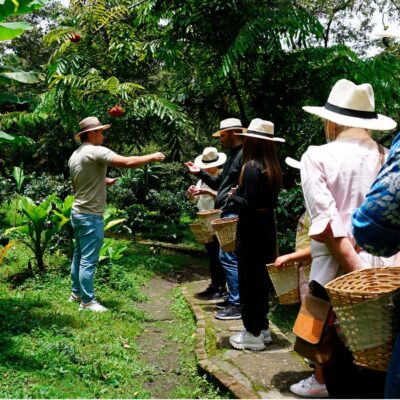
Award Winning Farm Tour: Coffee, Chocolate and Unique Gifts
Read our review →
La Herradura Coffee Farm: tour in Europe’s only plantation
Read our review →

Small-Group Big Island Tour: Hawaii Volcanoes National Park and Kona Coffee Farm
Read our review →
Medellín Coffee Farm Tour with Trolley and Cable Car Ride
Read our review →
Private Cocora Valley, Salento & Coffee Farm Tour
Read our review →
Liamuiga Natural Farm Tour – St.Kitts’ Coffee Farm
Read our review →
Other lists this farm sits on