
REVIEW · SPAIN
Canarian farmhouse in Mogan, mango farm and vermouth factory
A farm visit with a local pour. This relaxed two-hour experience in Mogán combines a 200-year-old Canarian farmhouse with a working mango plantation, cactus garden, and vermouth tasting. I like the mix of food, farming, and architecture, especially because you see how mangoes, avocados, soursops, and tunera cacti fit into local cooking. I also like the small scale, with no more than 15 people.
The main consideration is access. The route down to the mango plantation is not suitable for baby carriages or people with disabilities, so check the walking conditions before booking. The experience costs $69.79 per person, and dinner at the nearby restaurant costs extra.
Key points to know before booking
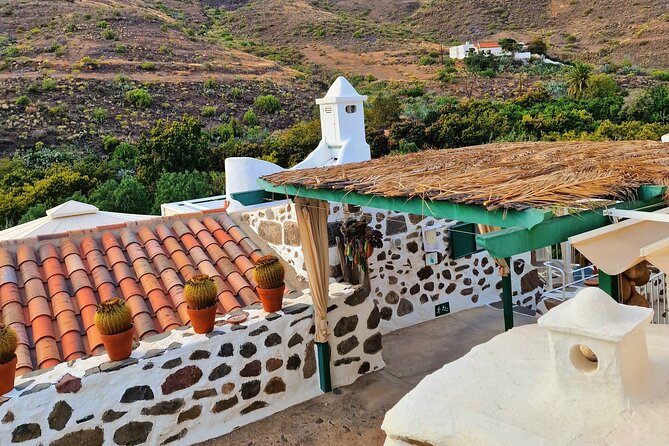
- A 200-year-old farmhouse: See a restored complex built in the traditional Canarian style in Pueblo de Mogán.
- Mangoes grown on site: Learn how mangoes, avocados, and soursops grow and how they are used in Canarian cuisine.
- Gran Canaria’s first Lolito vermouth: Taste both red and white vermouth made at the farm.
- A garden with a local twist: The cactus garden introduces tunera, a prickly pear cactus used in the islands.
- A small-group visit: The experience accepts a maximum of 15 people, making conversation with the owner easier.
- A creative dessert: The tasting includes cold mango and yogurt soup with chocolate cubes, also described as mango gazpachuelo.
Why this Mogán farm visit feels different
Mogán is often associated with its sunny coast and the carefully painted streets of Puerto de Mogán. This experience takes you a short distance away from that seaside setting and into a quieter agricultural corner of the municipality. The change is useful: instead of simply looking at Canarian scenery, you get to see how food is grown and prepared here.
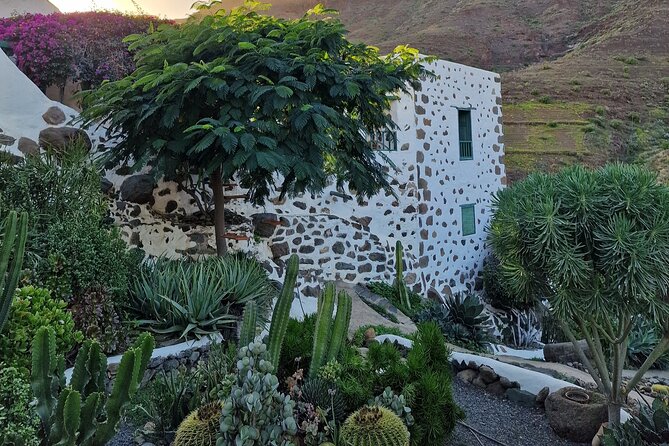
The property at Los Pasitos, 2, is an old Canarian farmhouse restored according to traditional local building methods. It is not just a restaurant with a few decorative touches. The farmhouse is a complex of buildings, and the visit gives you a look at how older Canarian rural properties were arranged and maintained.
I like this approach because it connects several parts of island life in one short visit. You see architecture, plants, food production, and a small local drinks business without spending half a day on a bus. The experience is best understood as a gentle cultural and food visit rather than a formal farm class or a full meal.
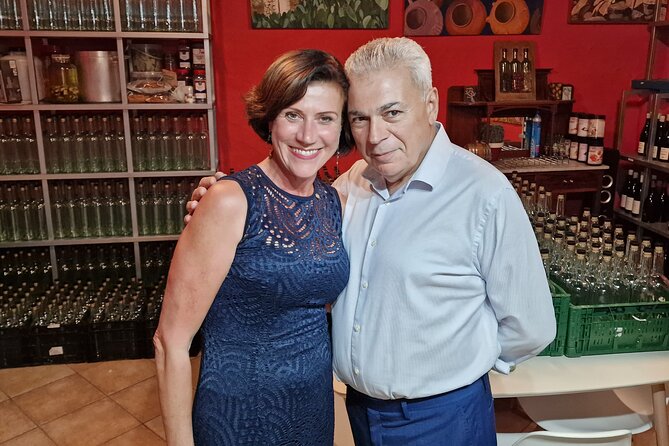
The setting also gives the visit a personal feel. The owner runs the restaurant, mango plantation, and vermouth operation, and the experience is built around explaining that work directly. Previous visitors especially appreciated chatting with the owner, who comes across as passionate about both the farm and the products made there.
More Farm Tours around Spain:
- Montserrat Lunch & Wine at Farmhouse Small Group from Barcelona
★ 5.0 · 2,368 reviews - Barcelona: Montserrat Visit & Lunch at Farmhouse Small Group
★ 4.7 · 1,313 reviews - Montserrat Full Day Tour with Farmhouse Lunch and Winery Visit
★ 5.0 · 1,068 reviews
Walking through a traditional Canarian farmhouse
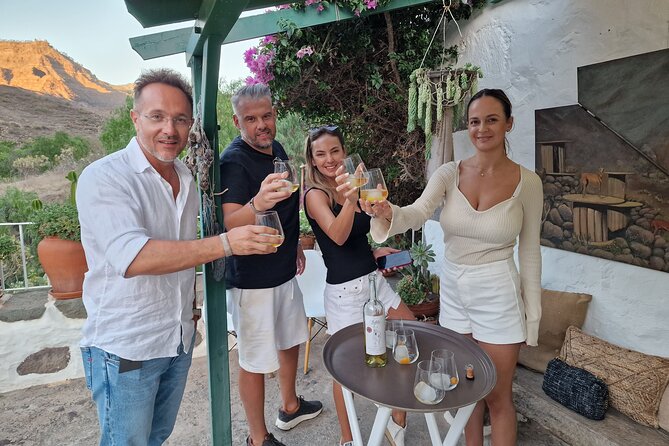
Your visit begins with a tour of the Pueblo de Mogán area where the property is located. The farmhouse is about 200 years old and has been restored in the style of popular Canarian architecture. That wording matters, because the appeal is not only age. You are seeing a local building tradition kept in use rather than a museum piece separated from everyday food production.
The property consists of several restored buildings. As you walk through, pay attention to how the structures relate to one another. The supplied details do not specify every room or original function, so you should not expect a highly scripted architectural tour. Instead, the farmhouse provides the setting for a broader conversation about rural Mogán and the products made on the land.
This part suits you if you enjoy places with a sense of use and continuity. You will not get the grand scale of a major historic monument. You will get something more modest and local, with the farmhouse, gardens, crops, and food business all connected.
The visit also avoids the rushed feel of a large attraction. With a maximum of 15 people, the owner has a better chance to answer questions and explain the property in a natural way. That small group limit is one of the strongest practical features here.
The cactus garden and Canarian food plants
Next comes the cactus garden. Cacti are not simply decorative in the Canary Islands. The tunera, or prickly pear cactus, has food uses and forms part of the island’s agricultural story. The experience explains how cacti are used in Canarian cuisine, adding a useful food connection to what might otherwise be a quick garden walk.
You also learn about mangoes, avocados, and soursops. These crops show the warmer side of Mogán’s agriculture and give you a clearer idea of what can grow in the area. The tour focuses on how the fruit is used, not just on naming plants or pointing out rows of trees.
I appreciate that practical angle. A good garden visit should help you understand what you are looking at, and this one links the plants to the kitchen. You can connect the mango in the plantation to the dessert later, and the cactus to local culinary traditions.
The information provided does not promise a harvest demonstration or hands-on picking, so do not book this expecting an agricultural workshop. Think of it as an introduction to the crops and their place in local food.
The walk down to the mango plantation is the main physical issue. The route is specifically noted as unsuitable for baby carriages and people with disabilities. If you have mobility concerns, contact the provider before paying rather than assuming the entire visit takes place on level ground.
What the mango plantation adds to the visit
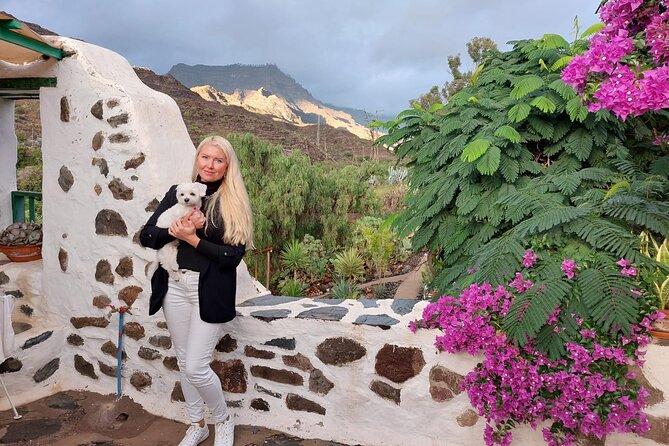
The mango plantation is more than a scenic stop between the house and the tasting. It shows the source of one of the main flavors used in the experience. You can see how mangoes grow, hear about production, and then taste mango in a prepared dish.
This gives the tour a pleasant rhythm. First comes the farm and its plants. Then comes the explanation of how those plants support Canarian cooking. Finally, the fruit appears at the table. That connection makes the tasting feel less generic than a standard restaurant sample.
The plantation also helps explain why the experience is not simply a vermouth tasting. The farm has several strands: old architecture, crop production, garden plants, restaurant food, and a small drinks factory. You get a short look at each one.
Still, the two-hour duration means the visit cannot cover every farming detail. You should expect an overview rather than a technical lesson on irrigation, soil, pruning, or export production. The value lies in the range of subjects and the direct setting, not in exhaustive agricultural instruction.
Same fields, a different sort of morning:
- Montserrat & Winery Visit Tour with Traditional Farmhouse Lunch
★ 4.5 · 1,035 reviews - Ría de Arousa: Boat Ride to Mussel Farm with Tasting
★ 4.7 · 845 reviews - Valencia: Orange Farm and Orchard Trip with Tastings
★ 4.9 · 702 reviews - La Herradura Coffee Farm: tour in Europe’s only plantation
★ 4.8 · 430 reviews
Tasting Lolito, Gran Canaria’s first vermouth
The farm produces Lolito vermouth, described as the first vermouth made in Gran Canaria. The tasting includes both red and white versions. That is a strong reason to choose this outing if you want to try something specific to the island rather than another general wine or spirits stop.
The tasting is likely to be the most distinctive part of the visit. Vermouth is often treated as an aperitif, and here it is tied directly to the property and the owner’s work. You can compare the white and red styles while learning about the product in the place where it is made.
The supplied menu lists the vermouth as the starter, with red and white Lolito served before the dessert. Water is included as well. No dinner is included, so this should not replace a full evening meal.
I like the modest scale of this tasting. You are not being sent through a large commercial factory with a long production line. You are seeing a small local operation connected to a farmhouse and restaurant. The trade-off is that the experience may feel less polished and extensive than a major winery tour, but it should feel more personal.
The information available does not specify the exact ingredients, alcohol content, serving size, or production equipment. If those details matter to you, ask the owner during the visit. The attraction here is the chance to taste and discuss a local product, not a formal spirits certification course.
The mango and yogurt dessert
The sweet course is a cold mango and yogurt soup with chocolate cubes, also called mango gazpachuelo. It is an original use of the fruit grown on the property, and it gives the tasting a clear finish.
The dish sounds light rather than heavy. Cold mango and yogurt should suit a warm day in Gran Canaria, while the chocolate cubes add contrast. It is a smart choice for this type of visit because it lets the farm’s main crop remain the central flavor.
Food quality is difficult to judge from a menu alone, but the dessert received particularly warm praise. If you have a sweet tooth, this is likely to be one of the most memorable parts of the afternoon. It is also a useful detail for anyone who wants a small food experience without committing to a full restaurant meal.
The menu information uses both mango gazpachuelo and cold mango and yogurt soup, so you may see either name when booking or discussing the dish. They refer to the same listed dessert.
If you need a substantial meal, plan accordingly. The tasting does not include dinner, and the provider lists a separate dinner option at €30 to €50 per person. You can reserve a table at the Valle de Mogán restaurant before or after the excursion if you want to turn the visit into a longer meal stop.
Is $69.79 a fair price?
At $69.79 per person, this is not a bargain garden stroll. The price makes more sense when you count the full package: the restored farmhouse, guided property visit, crop explanations, cactus garden, mango plantation, two vermouth samples, water, and a prepared mango dessert.
You are also paying for a small-group format capped at 15 people. That matters because the owner is central to the experience. In a large group, a personal farm visit can quickly become a one-way talk. Here, the group limit gives you a better chance to ask about mango production, Canarian food, or the vermouth.
The price is strongest for people who value local food and character over a packed sightseeing schedule. If you only want a quick drink and snack, it may feel expensive. If you want a short cultural stop near Mogán that combines several connected activities, the cost is easier to justify.
Dinner is not included, and that is important when budgeting. Adding the €30 to €50 restaurant dinner turns this into a more expensive outing, though it may suit you if you want to stay at the property and eat there afterward.
Timing, group size, and practical planning

The experience lasts about two hours and begins and ends at Los Pasitos, 2, 35140 Mogán, Las Palmas, Spain. Since the activity returns to the meeting point, you do not need to arrange a separate end location.
A mobile ticket is accepted, and the experience is offered in English. Confirmation is provided at booking. The property is near public transportation, though the supplied information does not give a route, timetable, or pickup service. You should plan your own way to Los Pasitos rather than expecting hotel transport.
Most people can participate, and service animals are allowed. The clear exception is the route down to the mango plantation, which is not suitable for baby carriages or people with disabilities. That limitation is worth taking seriously because the plantation is a central part of the visit.
Free cancellation is available if you cancel at least 24 hours before the local start time. Cancellations or changes made less than 24 hours before the start are not refunded or accepted. This is a useful safety net, but it does not cover last-minute changes.
Who will enjoy this experience most?
I would choose this outing if you like small food producers, old buildings, gardens, and conversations with the people who run a place. It is also a good fit if you want a break from beach time and resort dining without committing to a full-day excursion.
The experience suits couples, small groups, and curious food lovers. The vermouth tasting gives it a clear focus for adults, while the farm and garden elements may interest families, provided children can manage the walking route and the group understands that dinner is not included.
It may not suit you if you need step-free access, want a formal museum-style tour, or expect a large meal. It is also not the best choice if you dislike short walks on uneven or inaccessible routes. The provider does not describe the plantation path in detail, so ask about current conditions if that is important for you.
Should you book this Mogán farmhouse visit?
Book it if you want a personal, two-hour introduction to Canarian rural life with a genuine food angle. The strongest reasons are the restored farmhouse, the mango plantation, and the chance to taste both red and white Lolito vermouth, made on site. The mango and yogurt dessert adds a pleasant final touch.
Skip it if you need full accessibility, want a complete dinner included, or prefer a large attraction with extensive displays and formal production demonstrations. For the right visitor, the $69.79 price buys a compact but varied experience, and the small group keeps it from feeling like a production-line stop.
FAQ
Where does the experience begin?
It begins at Los Pasitos, 2, 35140 Mogán, Las Palmas, Spain.
Where does the experience end?
The activity ends back at the same meeting point.
How long does the experience last?
The visit lasts approximately two hours.
What language is the experience offered in?
The experience is offered in English.
What is included?
Water and toilet, bathroom, or service facilities are included. The visit also includes the farmhouse and farm tour, vermouth tasting, and the listed dessert.
Is dinner included?
No. Dinner is not included. A separate dinner at the Valle de Mogán restaurant costs €30 to €50 per person, and a table reservation can be made before or after the excursion.
Is the route suitable for wheelchairs or baby carriages?
The route down to the mango plantation is not suitable for baby carriages or people with disabilities. Most people can participate, and service animals are allowed.
How many people can join the experience?
The maximum group size is 15 people.
Just added around Spain
- Vigo: Bay of San Simón Mussel Farming Tour★ 5.0 · 6 reviews
- Animal farm park with free hotel pickup★ 5.0 · 2 reviews
- Olive Oil Farm Tour with Tasting from Seville★ 4.5 · 61 reviews
- From Seville: Pig Farm private day tour and old villages visit★ 4.5 · 4 reviews
- Bull Breeding Farm: Guided Half-Day Tour from Seville★ 4.5 · 24 reviews
- ” Basque Farm House & Cider house” tour + meal from San Sebastian★ 5.0 · 9 reviews
- Fuerteventura Villages Caves and Farm Tour with Lunch from North★ 3.0 · 9 reviews
- Menorca: Cheesemaking and Farm-Fresh Product Tasting★ 5.0 · 29 reviews
Spain Farm Tours, farm by farm.

Montserrat Lunch & Wine at Farmhouse Small Group from Barcelona
Read our review →
Montserrat Visit & Lunch at Farmhouse Small Group
Read our review →
Montserrat Full Day Tour with Farmhouse Lunch and Winery Visit
Read our review →
Montserrat & Winery Visit Tour with Traditional Farmhouse Lunch
Read our review →
Ría de Arousa: Boat Ride to Mussel Farm with Tasting
Read our review →
La Herradura Coffee Farm: tour in Europe’s only plantation
Read our review →
Alicante : E-Bike Coast Tour, Roman Fish Farm and Snorkeling
Read our review →Other lists this farm sits on