
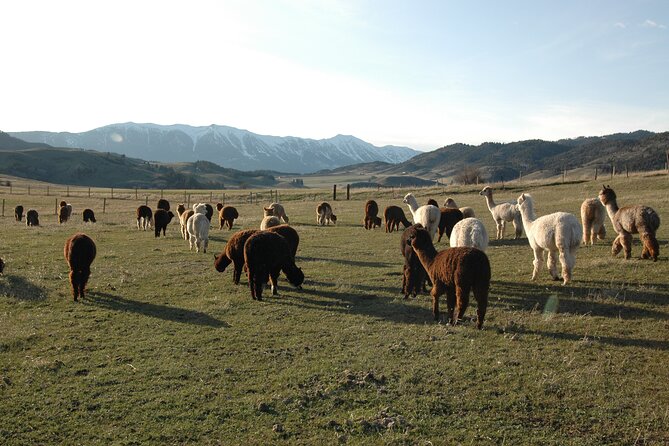
REVIEW · USA
Alpaca and Llama Farm Tour
Come for the alpacas, stay for the farm stories. This small-group outing near Bozeman gives you time to feed, walk, pet, and photograph llamas and alpacas rather than simply view them from behind a fence. I especially like the hands-on animal time and the calm, personal pace. The main drawback is that you spend the full tour outdoors on uneven farm ground, with no public restroom on site.
You may meet Sarah, Jenna, Fiona, or another member of the farm team, depending on the day. Guides have been praised for explaining camelid biology, farm routines, and the role of Anatolian guard dogs in a friendly, easy-to-follow way. I also like the small farewell gift, a keychain or ornament, though you should bring old closed-toe shoes, water, sunscreen, and long pants if flies are active.
Key things to know before you go
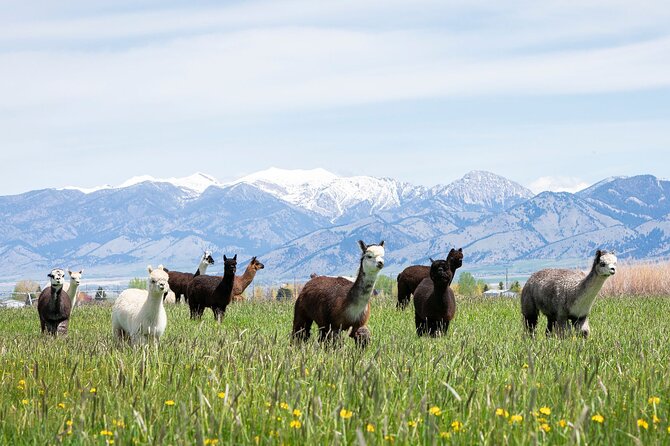
- You get real animal contact: Feeding, walking, watering, bathing, and petting are part of the visit.
- The group is capped at four people: This makes it easier to ask questions and spend time with an animal without feeling rushed.
- The farm has more than alpacas: Look for llamas, three Turkish Anatolian Guard Dogs, chickens, seasonal horses, and sometimes Jill the cat.
- The full visit lasts about 90 minutes: The active farm portion is roughly an hour, leaving room to fit it into a Bozeman sightseeing day.
- The ground is natural and uneven: Gravel, dirt roads, and rocks require sturdy shoes and careful footing.
- The tour is weather dependent: You can cancel up to 24 hours before the start for a full refund, but poor weather may also lead to a new date or refund.
Why this small Bozeman farm visit works so well
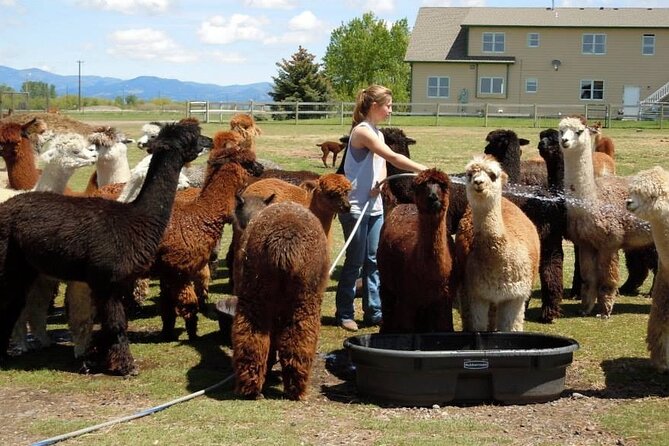
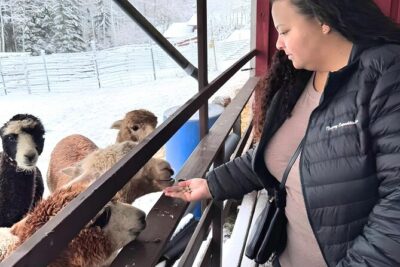
This is not a quick photo stop where you admire a few animals and leave. The point is interaction. You help feed the alpacas and llamas, walk one on a lead, and may help with watering or bathing. That hands-on work gives the visit a useful rhythm: listen, ask questions, handle the feed, then watch the animal respond.
I like that the farm treats the animals as working residents rather than props. The contact helps keep them comfortable around people, which matters when they need routine care such as shearing or veterinary attention. You are not just collecting a cute alpaca photograph. You are learning how calm, respectful handling becomes part of farm life.
The small group size adds to the appeal. With no more than four people, you should have a better chance to ask about feeding, breeding, babies, guard dogs, or individual animals. It also means your guide can adjust the pace if you are traveling with children or if you prefer to spend more time with one particular alpaca.
The setting is outside Bozeman, at 8255 South Cottonwood Road. You arrange your own way there, since private transportation is not included. For most people, the visit makes sense as a short addition to a day in the Bozeman area rather than as a full-day outing.
More Alpaca and Llama Farms around the USA:
- Llama/Alpaca Hike and Farm Tour
★ 5.0 · 111 reviews - Guided Lilymoore Alpaca Farm Tour
★ 5.0 · 38 reviews - Alpaca Ranch and Fiber Processing Mill Tour
★ 5.0 · 24 reviews
Meeting alpacas, llamas, and the farm family
The visit begins at the farm and ends at the same place, so there is no complicated route to follow. Once you arrive, expect an outdoor visit from start to finish. The pace is relaxed, but you should be ready to walk about 100 yards from the parking area toward the barn and across uneven ground.
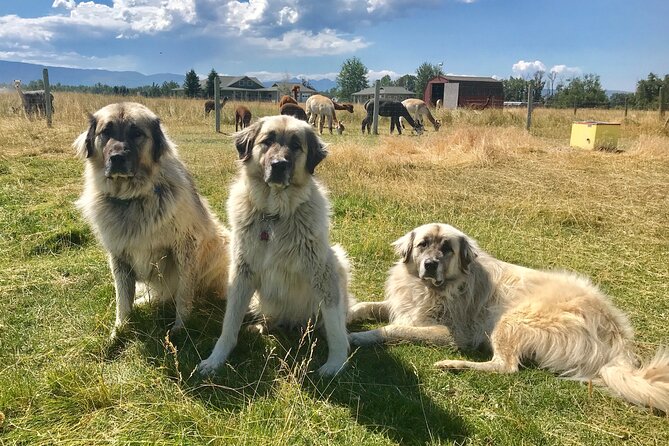
The alpacas and llamas are the main attraction, but the supporting cast gives the farm its character. You will meet Chili, Hazel, and Finn, three Turkish Anatolian Guard Dogs that are litter-mates and best friends. These dogs help protect the herd, and learning about their role adds useful context to the farm.
Chickens and seasonal horses may also come over for treats. Ground squirrels, deer, and bald eagles can appear around the property, although wildlife sightings are not guaranteed. Jill the cat sometimes makes an appearance too. You may find that these extra animals make the place feel like a working homestead rather than a narrow, single-animal attraction.
The farm may also include babies and mothers at different stages of care. Some people have had the chance to hold a very young alpaca, but that is not something you should expect on every visit. Farm conditions change, and animal contact must depend on safety and the animals’ needs.
You should also understand that this is an active farm. Breeding and live births may occur, and you could see parts of farm life that are less polished than a standard petting zoo. That honesty is useful. Families who want a gentle introduction to agriculture may appreciate it, while anyone uncomfortable with natural farm events should think carefully before booking.
Feeding and walking your own alpaca
The most praised part of the visit is the chance to interact directly with an animal. Your guide explains how to approach and feed the alpacas and llamas, then gives you time to practice. The animals may be soft and friendly, but they are still animals, so calm movements and close attention matter.
Walking an alpaca or llama on a lead is a highlight for many people. It gives you a simple job and helps you notice how the animal moves, pauses, and reacts to its surroundings. You may walk with a particular animal such as Billy or Hamlet, but names and assignments can vary.
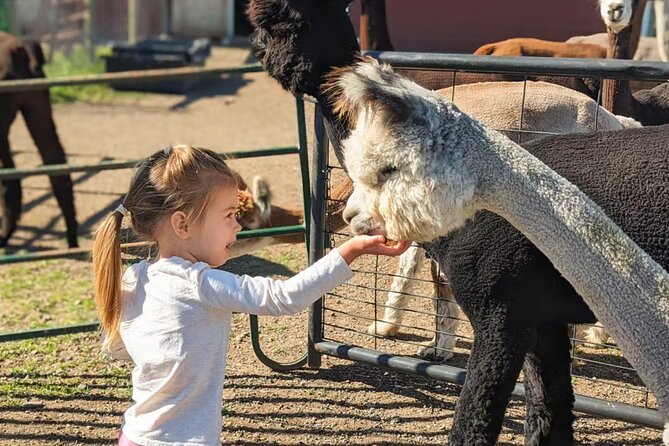
Feeding is usually a hit with children, though adults often enjoy it just as much. The guide remains nearby to explain what to do and to keep interactions safe. Parents should supervise children at all times. The farm recommends at least one adult for every two young children, which is sensible when several animals and uneven ground are involved.
You may also have a chance to help with water or an alpaca shower. That sort of practical task gives the tour more substance than petting alone. It also shows you that keeping these animals healthy involves daily work, not just cuddly encounters.
Do not force contact. Some animals may be more eager than others, and your guide will help you read their behavior. The best photographs usually come when you slow down and let the animal approach in its own time.
What the guides add to the hour
The guide makes a major difference here. Sarah, Jenna, and Fiona have all been praised for being warm, clear, and well prepared. Jenna, in particular, has led many highly regarded visits, with guests enjoying her cheerful manner and the way she explains each stage of the tour. Fiona has also been praised for making time for questions and sharing fun facts about the animals.
The educational side covers alpaca and llama history, biology, farming, and daily care. You may learn why farms keep certain animals, how the guard dogs work, and what is involved in handling animals for shearing or medical care. The information is aimed at ordinary visitors, not livestock specialists, so you do not need previous farm experience.
This is also a good choice if you are new to alpacas and llamas. A guide can explain differences you might miss on your own, including how the animals behave and how their care fits into farm routines. I would expect the visit to feel more like a conversation than a formal lecture.
Because the group is so small, you can ask about the individual animals in front of you. That personal exchange is one reason the 90 minutes tends to pass quickly. The active portion is long enough to feel worthwhile, but short enough to fit before lunch, after another morning activity, or between Bozeman plans.
More Farm Tours around the USA:
- Maui Pineapple Farm Tour in Haliimaile
★ 5.0 · 2,855 reviews - Half-Day Thoroughbred Horse Farm Tour in Kentucky
★ 5.0 · 1,924 reviews - Premium Amish Country Tour including Amish Farm and House
★ 4.5 · 1,306 reviews - Unique Horse Farm Tours with Insider Access to Private Farms
★ 5.0 · 1,192 reviews
Photos, souvenirs, and the practical details
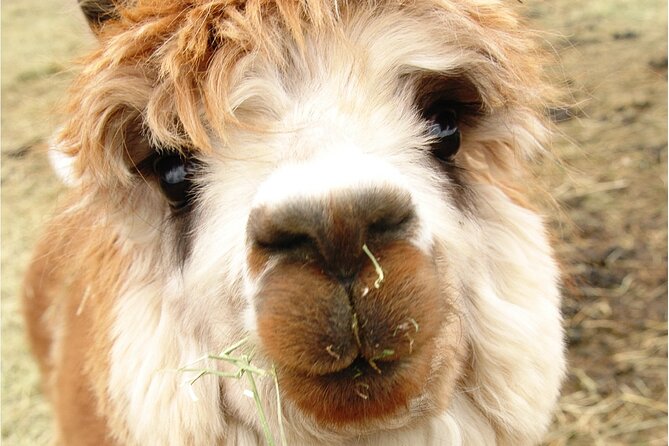
Bring your camera. You will have several chances to take pictures with your favorite alpaca, llama, or another animal on the farm. The animals are naturally photogenic, but the best shots will depend on weather, animal mood, and patience.
At the end, you can choose a keychain or ornament as a souvenir. It is a small touch, but it gives children something tangible to take home and helps mark the visit without requiring a stop at a separate shop. There is also a gift shop area that has been praised for its appearance.
Dress for a real farm, not a clean indoor attraction. Closed-toe shoes are required, and you should choose footwear you do not mind getting dirty. One useful detail from a rainy visit is that the farm has sometimes provided spare shoes, but you should not rely on that. Old sturdy shoes remain the safer plan.
Long pants are wise during warmer months because flies may be present. Apply sunscreen before arriving, since you will be outside for the entire visit. Bring water, especially on a warm day.
There is no public restroom on site. Plan ahead in Bozeman before driving to the farm. This is one of the most important practical details for families, older adults, and anyone who needs regular restroom access.
The tour is offered in English and uses a mobile ticket. Confirmation is provided when you book. The tour can run in morning or afternoon time slots, which makes it easier to fit around other plans.
Access, children, and uneven farm ground
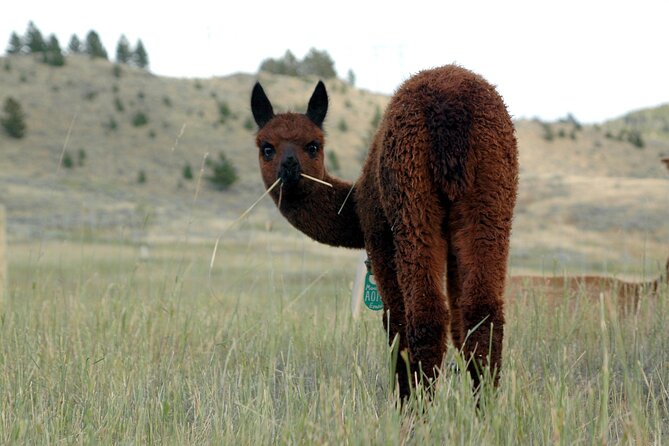
Most people can take part, but this is not a paved attraction. The property includes gravel, dirt roads, and natural rocks. If you can walk roughly 100 yards from the parking area to the barn, you should be able to reach the main activity area, though your comfort on uneven ground matters.
The farm offers a thoughtful option for people who cannot manage the full route. A shaded swinging chair is available near the barn, and the team may bring alpacas over for close interaction. Contact the farm ahead of time if you need help planning your visit or have questions about mobility.
Families can have a wonderful time here, especially children who enjoy animals and practical activities. Still, supervision is required at all times. The animals need calm treatment, and the ground can make it harder to keep track of a child who wanders.
The small group limit helps, but it does not remove the need for adult attention. I would choose this tour for families who are comfortable explaining animal manners and staying close throughout the visit.
How much value do you get?
The exact price is not provided here, so I cannot judge it against a specific dollar amount. I can judge what you receive for the time: a roughly 90-minute visit, a very small group, direct animal contact, farm education, photo opportunities, and a keychain or ornament.
That is stronger value than a brief viewing stop if you want to do something rather than simply look. You are paying for staff time, animal care, a guided activity, and access to a working farm. The experience is particularly worthwhile for animal lovers, families, couples, honeymooners, and anyone looking for a quieter alternative to a more crowded attraction.
It may feel less worthwhile if you want a scenic drive, a long walk, or a broad tour of several Bozeman sights. The activity is focused on animals and farm life. You also need to budget extra time for getting to the property, since transportation is not included.
The group maximum of four is a real value point. A private-feeling visit can make the price easier to justify, especially when you want to ask questions or take your time with the animals.
Cancellation and weather planning
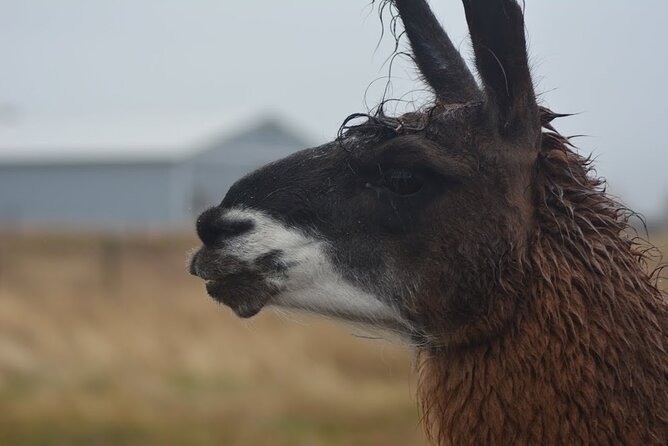
You can cancel for a full refund if you do so at least 24 hours before the start time. Changes or cancellations inside that 24-hour window are not accepted for a refund.
The farm requires suitable weather. If poor weather causes cancellation, you are offered another date or a full refund. Since you remain outside for the whole activity, check the forecast and dress with care rather than assuming a light jacket will be enough.
A flexible morning or afternoon schedule helps here. If the weather looks uncertain, choose a time that gives you room to reschedule other plans if needed.
Who should book this farm tour?
I would recommend it most strongly to:
- Families with children who enjoy animals and can follow instructions
- Couples seeking a gentle, unusual activity in the Bozeman area
- People who want hands-on contact rather than a viewing-only farm visit
- First-time alpaca and llama visitors who want simple explanations
- Photographers who enjoy close animal portraits
- Anyone with enough mobility for gravel, dirt, and roughly 100 yards of walking
I would be more cautious if you need a public restroom, require smooth paved paths, dislike outdoor weather, or prefer a tightly scheduled sightseeing stop. The farm is friendly and accommodating, but it cannot remove the basic conditions of a working property.
Should you book the Alpaca and Llama Farm Tour?
Yes, if you want a personal, animal-focused activity near Bozeman. The feeding, walking, bathing, and photo time give you more to do than a standard farm viewing, while the small group keeps the visit relaxed.
Book it with old shoes, long pants, sunscreen, water, and a plan to use a restroom before arrival. If you accept uneven ground and the realities of farm life, this is an easygoing and memorable addition to a Bozeman itinerary. If you need polished facilities or indoor comfort, choose another activity.
FAQ
Where does the Alpaca and Llama Farm Tour begin?
It begins at 8255 S Cottonwood Road, Bozeman, Montana 59718. The activity also ends back at the meeting point.
How long does the tour last?
The tour lasts approximately 1 hour and 30 minutes. The listed farm activity itself is about one hour.
What animals can I meet?
You can meet alpacas and llamas, along with three Turkish Anatolian Guard Dogs named Chili, Hazel, and Finn. Chickens and seasonal horses may also be present. Ground squirrels, deer, bald eagles, and the cat Jill may sometimes be seen.
Can I feed and walk an alpaca or llama?
Yes. The experience includes opportunities to feed and walk the animals. You may also help with watering or bathing, depending on the activities available during your visit.
Is there a restroom at the farm?
No. There is no public restroom on site, so plan ahead before arriving.
Is the tour suitable for children?
Yes, children are welcome, but they must be supervised at all times. For families with young children, the farm recommends at least one adult for every two children.
Is the farm accessible for people with mobility concerns?
The property has gravel, dirt roads, and natural rocks. If you can walk about 100 yards from the parking area to the barn, you can use the shaded swinging chair, and the team may bring alpacas over for close interaction.
What happens if the weather is poor?
The experience requires good weather. If the farm cancels because of poor conditions, you can choose another date or receive a full refund. You can also cancel for a full refund up to 24 hours before the start time.
Just added around the USA
- Yolo: Vineyards, Farms & Cultural Gems – Audio Driving Tour★ 4.3 · 5 reviews
- Ventura: Rail Bike Guided Tour with Farm Stand Stop★ 4.1 · 18 reviews
- Alpaca Ranch and Fiber Processing Mill Tour★ 5.0 · 24 reviews
- Small-Group Vineyard and Orchard Tour with Wine Tasting in Muscoda★ 5.0 · 2 reviews
- Farm Tour at Clover Brooke Llama/Alpaca/Goat Farm★ 4.5 · 6 reviews
- Connect with Rescue Animals on a Private Farm Tour in Catskills★ 5.0 · 27 reviews
- Gourmet Mushroom Farm Tour in Tennessee★ 5.0 · 5 reviews
- Cozy Farm Experience with Wagon Wheels and Acoustic Meal★ 5.0 · 2 reviews
Alpaca and Llama Farms, farm by farm.
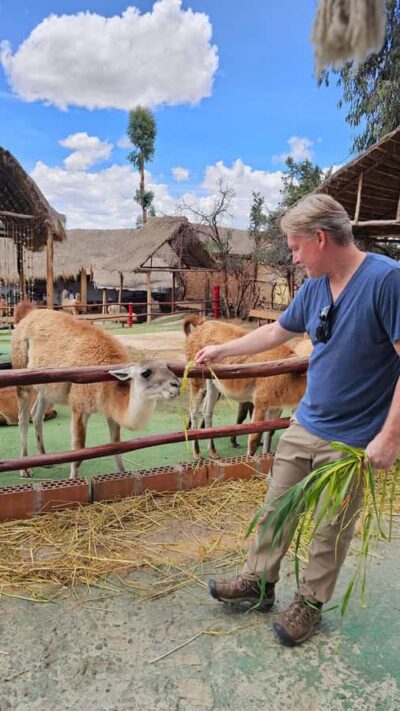
Cusco: Alpaca and Llama Farm Tour w/ Transfer & Weaving Demo
Read our review →
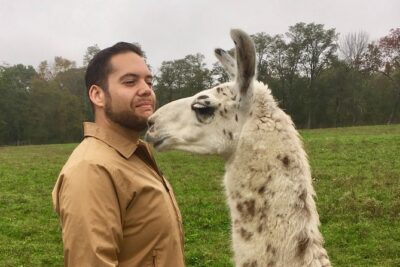
PRIVATE Alpaca Guided Forest Walk + Feeding Helsinki
Read our review →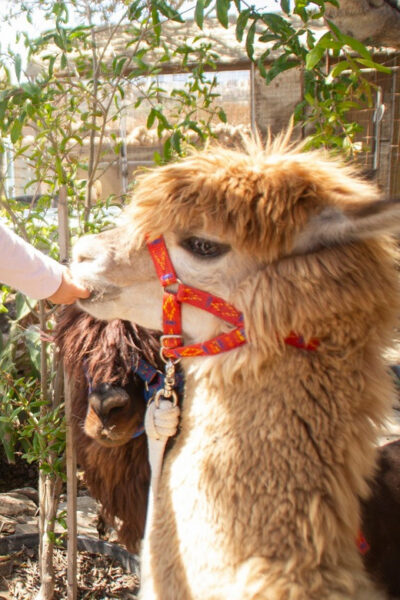
Other lists this farm sits on