
REVIEW · AUSTRALIA
Rockhampton: Koorana Crocodile Farm Guided Tour
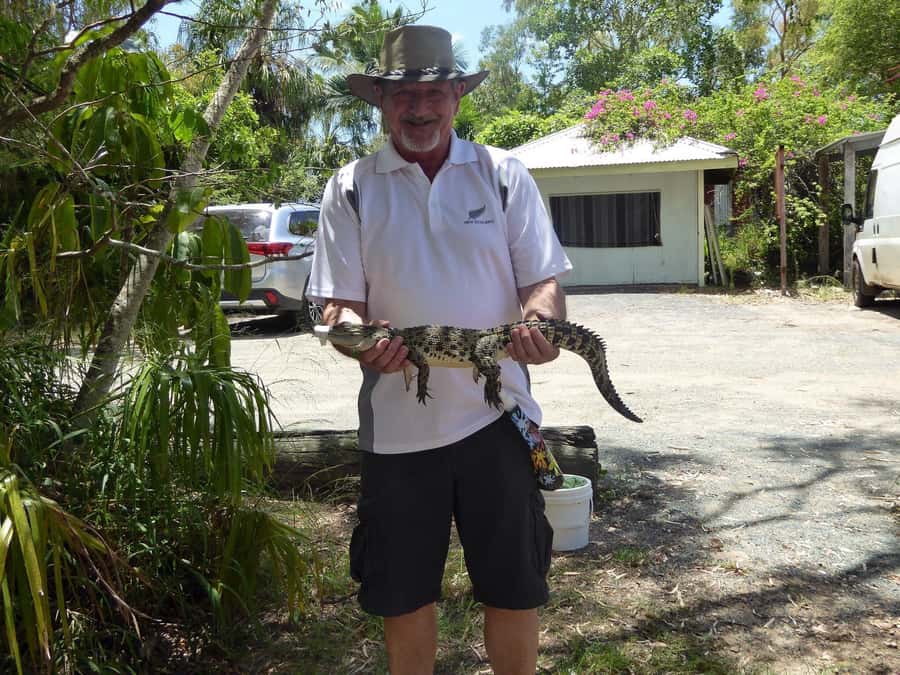
Crocodiles make excellent teachers. At Koorana Crocodile Farm, Queensland’s first commercial crocodile farm, you get a close look at these powerful reptiles while learning how farming, conservation, breeding, and public education fit together. I like the hands-on baby crocodile photo and the clear focus on crocodile behavior. I also like that the 90-minute visit includes feeding time, eggs, and a video rather than offering only a quick animal display.
The main drawback is the heat and exposure. Much of the farm visit takes place outdoors, and one January visitor found the sun intense enough to stress the value of a hat and sunscreen. The English commentary is lively and informative, though one international visitor found the guide a little fast to follow.
Key things to know before you go
- The tour lasts 90 minutes: That is enough time for an introduction, video, farm walk, feeding demonstration, and baby crocodile photo without taking up your whole day.
- Baby crocodile handling is included: You can hold a small crocodile for a supervised photo, a memorable moment for children and adults.
- Season changes the visit: Egg collection and nest raids take place from December to February, while hatching activity runs from February to May.
- Guides make a big difference: Kia and Mel received especially strong praise for their humor, enthusiasm, safety focus, and ability to explain crocodile behavior.
- The experience costs $28 per person: Food and drinks are not included, but the admission covers the fully guided tour and listed activities.
- Prepare for sun and insects: Bring comfortable shoes, water, sunscreen, a hat, a camera, and insect repellent.
Why Koorana Crocodile Farm is worth your time
Koorana Crocodile Farm gives you more than a look at crocodiles behind fences. The visit explains how these animals behave, how they reproduce, why conservation matters, and how a commercial farm operates. That mix makes the experience useful for families, wildlife fans, and anyone who wants more context than a standard animal attraction provides.
I like the way the tour links crocodile farming with conservation. Crocodiles are often treated as frightening predators, but the guide helps you see them as animals with specific habits, physical limits, and important roles in their environment. The emphasis is on understanding the animal rather than simply posing beside it.
The tour has a strong educational side, but it does not sound like a classroom lesson. Guides use humor, stories, and live demonstrations to keep the pace moving. Kia is praised for his enthusiasm and care for the crocodiles, while Mel is described as both highly informed and fun. A good guide matters here because crocodiles can spend long periods looking still. The explanation turns that stillness into part of the lesson.
At $28 per person, the value is good if you want a structured activity rather than a quick self-guided visit. Your admission includes the 90-minute tour, introduction, video, farm walk, feeding session, and supervised photo opportunity. Food and drinks cost extra, so plan this as an attraction visit rather than an all-inclusive outing.
More Guided Tours around Australia:
- Bundaberg: Monsoon Aquatics Coral Farm Guided Tour
★ 4.9 · 25 reviews - Bundaberg: Splitters Farm Guided Tour
★ 4.5 · 5 reviews - Guided Paspaley Pearl Farm Tour with Return Transfers
★ 4.0 · 4 reviews
Starting with conservation and commercial crocodile farming
The visit begins with an introductory talk about crocodile conservation and commercialization. This opening gives you a useful frame for the rest of the tour. Instead of seeing the farm only as a place where crocodiles are kept, you learn why commercial breeding exists and how it relates to the protection of crocodile populations.
That distinction matters. A crocodile farm can raise questions about animal welfare, meat, skins, breeding, and conservation. The introduction helps explain the farm’s purpose before you begin looking at the animals. One visitor wanted more detail about how live reptiles connect to the meat and byproducts process, so you should not expect every commercial question to receive equal attention during the short tour.
The opening is also where you can ask questions. Guides are encouraged to explain crocodile behavior and conservation, and the strongest feedback points to a friendly, inclusive style. If you have a particular interest in breeding, farming, or crocodile safety, ask early. You may get a more useful answer than waiting until the final part of the walk.
The crocodile behavior video
A video presentation follows the introduction. It covers crocodile behavior, the animals’ lives, and the farm’s background. This gives you information that can be hard to show in a live enclosure, especially details about behavior over time, nesting, and the differences between crocodiles and alligators.
I see the video as a practical part of the tour, not filler. Crocodiles may appear motionless during a farm walk, but the video provides a clearer picture of their habits and life cycle. It also helps children understand that these reptiles are not simply large, dangerous lizards waiting for food.
The presentation adds variety before the outdoor walk. That matters in hot weather, when a full 90-minute session under the sun can feel longer. Still, the tour’s main appeal is the live section, so the video works best as preparation for what you are about to see.
Walking among the farm’s crocodiles
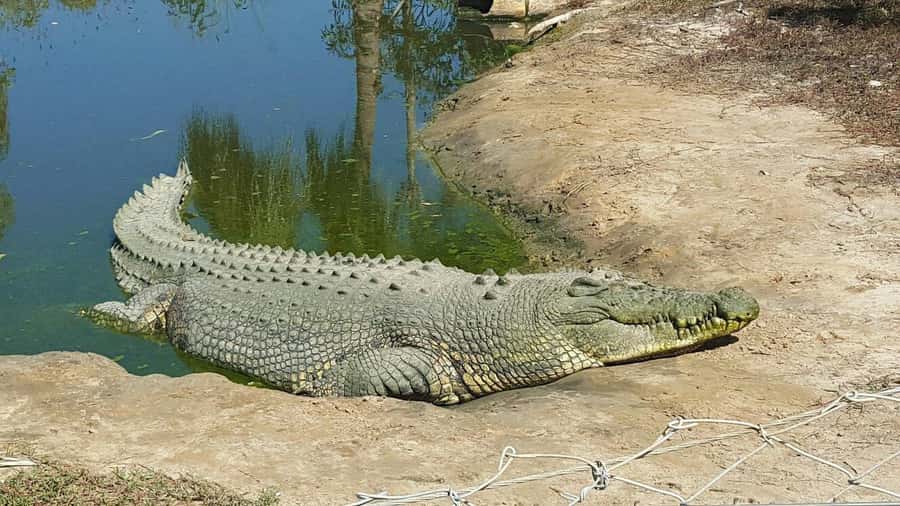
The farm walk brings you to the crocodile enclosures and breeding areas. You can expect to see crocodiles at close range while the guide explains their behavior, physical features, and daily habits. The tour focuses on the animals rather than on a long list of unrelated attractions.
One visitor described seeing many crocodiles and learning a great deal about them, while another felt the live presentation focused mainly on breeding pairs. That is useful to know. You may see a good number of animals, but the exact parts of the farm visited can vary with the tour, weather, and the farm’s daily operations.
The walk is not a free-for-all. Safety is taken seriously, and the guide controls where you stand and how close you get. Kia received particular praise for making people feel safe while explaining the animals. You should follow directions carefully, especially during feeding time. These are powerful reptiles, not oversized pets.
Comfortable shoes are important because the tour involves walking around the farm. Bring water, sunscreen, insect repellent, and a camera. A hat is also sensible, particularly during the warmer months. One visitor enjoyed the tour despite poor weather, but the farm is easier to appreciate when you are prepared for heat or rain.
More Farm Tours around Australia:
- Amazing Yarra Valley Wine Tour + Chocolate, Farm Fresh, Gin
★ 5.0 · 1,566 reviews - Hidden Gems: Boutique Full-Day Wine, Farm & Lunch Tour
★ 5.0 · 881 reviews - Melbourne: Yarra Valley Wine, Choc, Farm Fresh, Gin Tour
★ 4.9 · 258 reviews - 3- Hour Wine and Harvest the Hunter Horse Tour in Pokolbin
★ 5.0 · 165 reviews
Feeding time brings the crocodiles to life
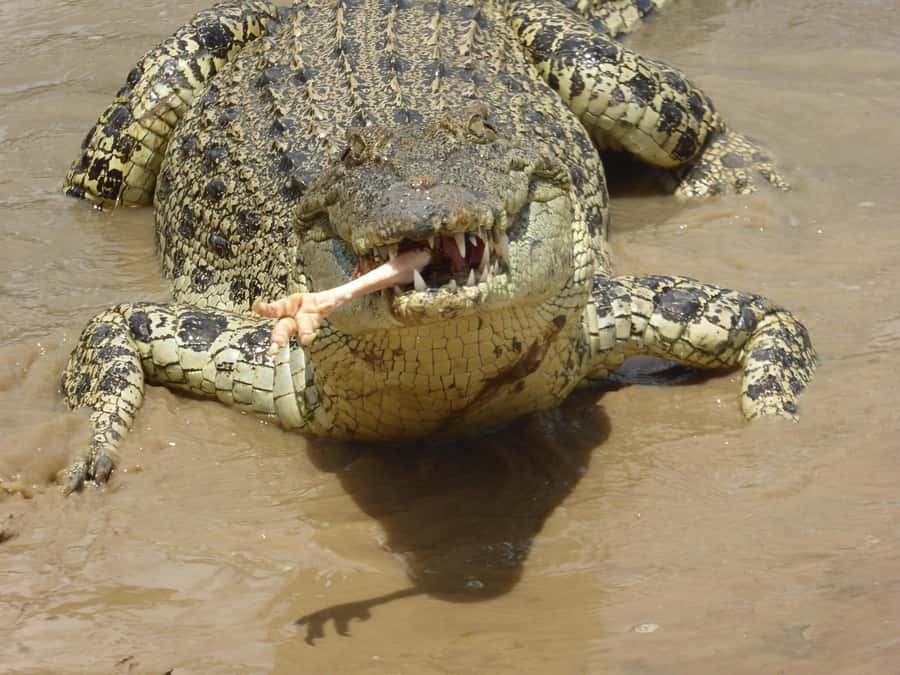
The feeding demonstration is often the liveliest section of the visit. Farm staff feed the crocodiles while the guide explains how the animals respond. Seeing a large crocodile move suddenly after remaining still helps you understand its strength, speed, and hunting behavior.
The feeding is also a safety lesson. Crocodiles do not need to chase constantly to be effective predators. Their stillness, patience, and quick reactions are part of what makes them so successful. Watching staff manage the feeding gives you a better sense of the care and control required around these animals.
One visitor felt the guide talked up the feeding action more than the amount of activity delivered. That is a fair expectation check. Do not book this tour expecting a nonstop animal show. Crocodile feeding involves short bursts, and the educational explanation is as important as the movement itself.
The feeding section suits children, but it is not only for families. Adults who have seen crocodiles in zoos or wildlife parks may still learn something from the way the farm explains their behavior. I would pay close attention to the guide’s commentary rather than waiting only for a dramatic snap.
Holding a baby crocodile for a photo
The hands-on photo opportunity is the tour’s most memorable feature for many people. Under staff supervision, you can hold a small crocodile and have your photo taken. It is a brief encounter, but it gives you a direct sense of the animal’s size, texture, and unusual shape.
The activity is handled as a controlled experience, not casual cuddling. Follow the guide’s instructions and treat the crocodile with care. The point is to learn about the animal while enjoying a rare photo, not to handle it like a domestic animal.
This moment works especially well for families with older children, couples, and anyone who wants a clear memory of the visit. Several people described holding a baby crocodile as the highlight of the day. One January review referred to paying $40 to hold a baby crocodile, but the supplied tour information lists admission at $28 and does not confirm a separate handling charge. If this detail matters to your budget, check the current booking conditions before arrival.
You should also note the age restriction. Children under three are not suitable for this activity, and the tour is not suitable for pregnant women. The supplied information does not give a detailed reason for the pregnancy restriction, so follow the operator’s current guidance.
Eggs, nest raids, and baby crocodile hatching
The most seasonal part of the experience concerns crocodile reproduction. From December to February, staff may conduct nest raids to collect eggs. From February to May, you may see baby crocodiles hatching. These activities depend on timing and natural breeding cycles, so they are not guaranteed on every date.
The egg collection process adds something special to the farm visit because it connects the adult animals with the next generation. You can see crocodile eggs and learn how hatching works, rather than viewing the reptiles as isolated exhibits. During hatching season, baby crocodiles may provide an especially strong moment for children.
If you are choosing dates mainly for the seasonal activities, aim for the correct months and confirm what is taking place when you book. The farm may be worth visiting outside those periods, but the experience will focus more on behavior, feeding, breeding pairs, and the standard guided walk.
January can be a particularly interesting time because it falls within the nest raid period and near the start of the hatching window. Even so, the tour description only says these activities occur seasonally. It does not promise that every group will see eggs being collected or babies emerging.
The guides are central to the experience
The strongest part of this tour is the human explanation. Kia is repeatedly praised for his passion, clear information, and attention to safety. Mel is also praised for turning a hot day into an engaging visit. Other guides are described as prepared, humorous, and able to share curious facts without losing the group.
That matters because the farm itself is only part of the experience. You can see crocodiles in several places, but a good guide explains why the animals behave as they do and points out details you might otherwise miss.
English is the tour language. One international visitor found the pace a little fast, so you may want to stand close to the guide and ask for clarification if needed. The tour is designed to be inclusive, but the amount of information means it may require extra concentration for anyone less comfortable with spoken English.
Is the tour suitable for families?
The tour works well for families with children over three. Kids get the combination that usually holds attention: a video, live animals, feeding time, eggs, and the chance to hold a baby crocodile. The educational material also gives the visit more substance than a simple photo stop.
You should still judge your child’s comfort around reptiles and outdoor heat. The tour is not an indoor activity, and crocodiles can look less active between feeding moments. Children who enjoy animal facts and hands-on experiences are likely to get the most from it.
Adults should enjoy it too. The conservation message, breeding information, and farming context give the tour enough depth for people who do not need a baby animal photo to have a good time. It suits couples and solo visitors who want an unusual stop near Rockhampton and the Capricorn Coast.
Practical advice for a smoother visit
Wear comfortable shoes and bring water. Sunscreen, a hat, and insect repellent are sensible choices because the farm walk takes place outdoors. A camera is worth bringing, especially for the baby crocodile photo.
Allow the full 90 minutes rather than trying to squeeze the tour into a tight schedule. The experience includes several parts, and rushing away before the feeding or photo opportunity would weaken its value.
Food and drinks are not included. One visitor referred to having crocodile steak at lunch, but that does not form part of the included tour, so treat any food option as separate and confirm availability directly.
The booking terms are flexible: you can cancel up to 24 hours before the activity for a full refund, and reserve now while paying later. Starting times vary, so check availability for your chosen date. The admission price includes the tour itself.
Who should book Koorana Crocodile Farm?
Book this tour if you want a close look at crocodiles with clear explanations, controlled animal contact, and a conservation focus. It is especially good for families, wildlife fans, photographers, and curious adults who want to understand how crocodile farms operate.
You may want to skip it if you dislike reptiles, struggle with outdoor heat, or expect a fast-moving show packed with constant action. The feeding session can be brief, and the farm walk depends heavily on the guide’s narration.
For the best chance of seeing eggs or hatchlings, choose a date from December through May and confirm the seasonal activity before booking. For a straightforward wildlife experience at $28, the standard tour is still good value at any time of year.
FAQ
How long does the Koorana Crocodile Farm tour last?
The guided tour lasts 90 minutes. It includes an introduction, a crocodile behavior video, a farm walk, feeding, and a supervised baby crocodile photo opportunity.
What is included in the $28 admission price?
Admission includes the fully guided 90-minute tour, conservation and commercialization talk, video presentation, farm walk, crocodile feeding, hands-on photo opportunity, and listed seasonal activities.
Can I hold a baby crocodile?
Yes. The tour includes a supervised opportunity to hold a small crocodile and take a photo. The supplied information does not confirm whether a separate fee applies, so check current conditions if this is important to you.
When can I see crocodile eggs or hatching?
Nest raids and egg collection take place from December to February. Baby crocodile hatching takes place from February to May. Seasonal activities are not guaranteed on every tour date.
What should I bring?
Bring comfortable shoes, a camera, sunscreen, water, and insect repellent. A hat is also a practical choice for the outdoor farm walk.
Is the tour suitable for young children?
Children under three are not suitable for the activity. The tour is otherwise described as suitable for children, especially those interested in animals, feeding demonstrations, and holding a baby crocodile.
Just added around Australia
- Wonga: Guided Fishing, Farming and Tasting Tour★ 5.0 · 2 reviews
- Alpaca Farm Tours with Toffeemont★ 5.0 · 8 reviews
- One Hour Coral Farm Tour, Discover Australia’s Marine Life★ 5.0 · 15 reviews
- Hook-A-Barra Fishing and Farm Activity★ 5.0 · 47 reviews
- Macadamias Australia Orchard Tour in Bundaberg★ 5.0 · 15 reviews
- Experience Coffin Bay Short and Sweet Oyster Farm Tour★ 5.0 · 56 reviews
- Oyster Farm Tour with Hotel Pick-up and return from Port Lincoln★ 5.0 · 11 reviews
- Group Live Pearl Harvest Experience – Perth★ 5.0 · 2 reviews
Australia Farm Tours, farm by farm.
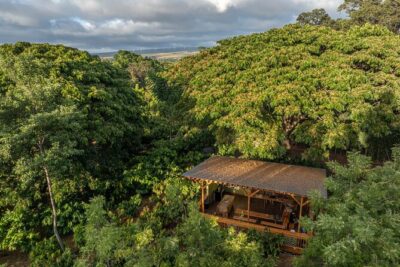
Amazing Yarra Valley Wine Tour + Chocolate, Farm Fresh, Gin
Read our review →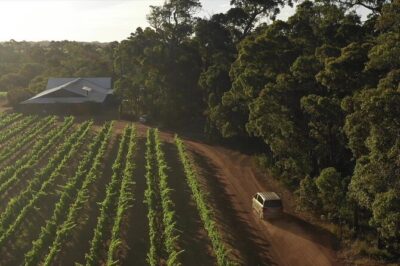
Hidden Gems: Boutique Full-Day Wine, Farm & Lunch Tour
Read our review →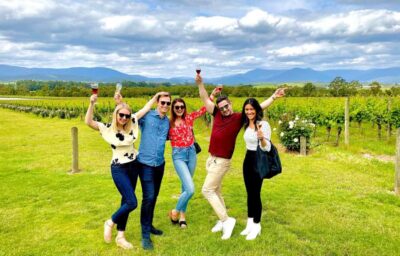
3- Hour Wine and Harvest the Hunter Horse Tour in Pokolbin
Read our review →
Experience Coffin Bay Oyster Farm and Bay Tour
Read our review →
Hidden Gems Margaret River: Authentic Wine & Farm Experience
Read our review →Other lists this farm sits on