
REVIEW · FRANCE
Loupian: Tour guide of our oyster farm and tasting
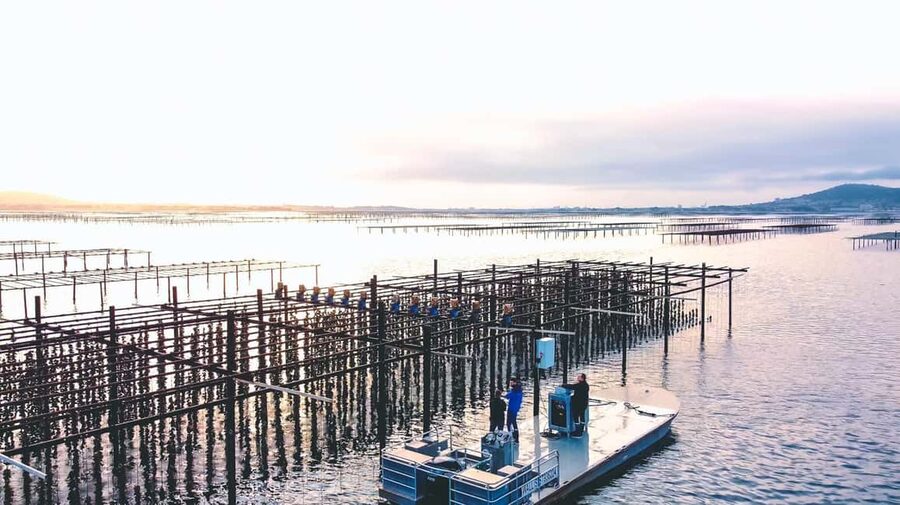
Oysters reveal the Thau basin’s working soul. This 90-minute visit to Sanchez Huîtres in Loupian shows how oysters are raised, prepared, and shipped, then finishes with a tasting of several types and a glass of white wine. I like the honest look at a real family business, and I like that the tour costs only $11 per person. The main drawback is that the experience is focused on oyster production, not on a wider sightseeing program, so it may feel too specialized if you are not keen on seafood.
The tour also earns points for its clear English and French guiding, friendly presentation, and sensible length. A few people have found it especially good value, while others have praised the guide’s energy and passion. You should wear proper shoes, since slippers and bare feet are not allowed, and the farm is open only from April 1 through the end of October.
Five things to know before you go
- The tour follows oysters from farm work to shipping, including fining, detroquing, and preparation for sale.
- Rope suspension is part of the farm’s method, allowing the oysters to age according to the family’s own technique.
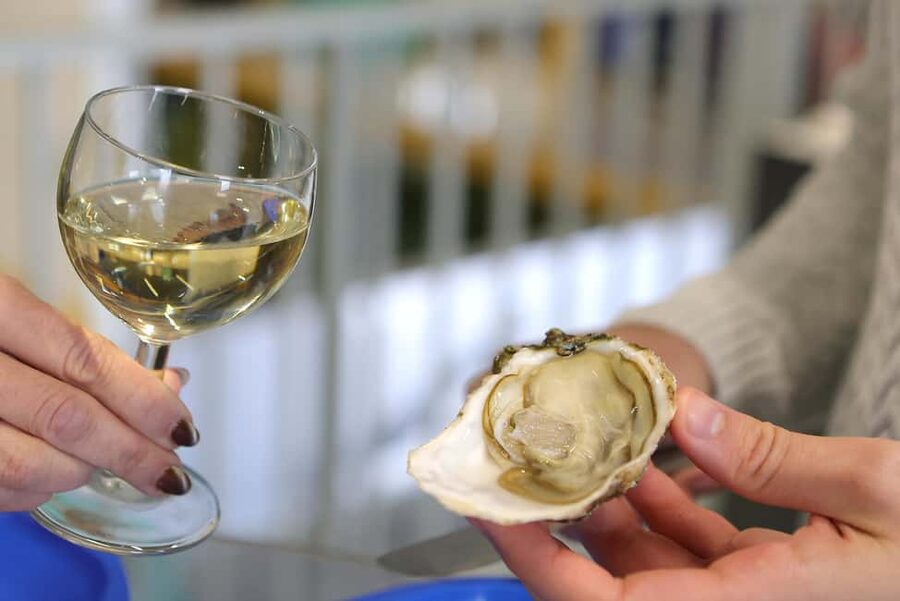
- The tasting includes several oyster varieties, plus one glass of white wine.
- The visit lasts 1.5 hours, long enough for explanation and tasting without taking over your day.
- The price is $11 per person, with parking included, making it one of the easier food experiences to fit into a South of France itinerary.
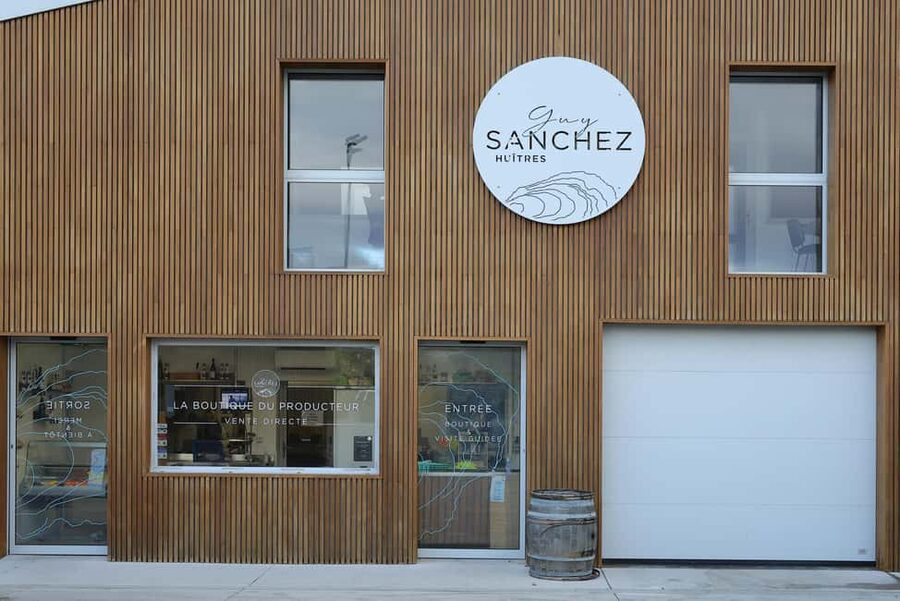
- The meeting point is a large brown building at the oyster farm parking area in Loupian, near Le Port de Loupian, Le Bourbou, 34140 Loupian.
Why this small farm visit works so well
Oyster farming can look simple from the outside: oysters grow in water, then appear on a plate. This tour fills in the missing steps. You get to see the work behind that neat shell, including the handling, aging, preparation, and movement of the oysters through the business.
That matters because the Thau basin is not just a pretty body of water near Sète. It is also a working place, and oyster production is part of its local identity. The visit connects the food on your plate with the people and methods that produce it.
I especially like the family-business setting. Passing on traditional know-how is presented as a central part of the experience, rather than as a quick sales pitch attached to a tasting. The point is to explain how the profession works and why oysters from the Étang de Thau have their own character.
The tone also seems to be a strength. The guide has been praised for being dynamic, friendly, and able to explain the subject in clear English. That is useful here, because oyster farming includes unfamiliar terms and a series of small production steps that could easily become dry.
More Oyster Farm Tours around France:
- Experience Coffin Bay Oyster Farm and Bay Tour
★ 5.0 · 161 reviews - Broken Bay Pearl & Oyster Farm Tours
★ 5.0 · 150 reviews - Coffin Bay Oyster Farm Wading Tour & Tasting Experience
★ 5.0 · 142 reviews
Starting at the Loupian oyster farm
The tour begins at the farm’s parking area, not in central Sète or Montpellier. The supplied meeting information gives the location as 838 Rte de la Coquille, with the farm described as being at Le Port de Loupian, Le Bourbou, 34140 Loupian.
You will look for a large parking area and a large brown building. Parking is included, which makes this a practical stop if you have a car and are touring the Thau basin independently.
The location details use more than one address reference, so I would check the precise map pin before setting out. This is particularly useful if you are driving directly from Sète, Montpellier, or another nearby town. Once you reach the farm, the large parking area and brown building should help you identify the meeting point.
Because the activity takes place at a working farm, do not expect a polished museum entrance or a formal visitor center. That is part of the appeal, but it also means you should arrive ready for a practical, hands-on setting.
Seeing how oysters are raised in the Thau basin
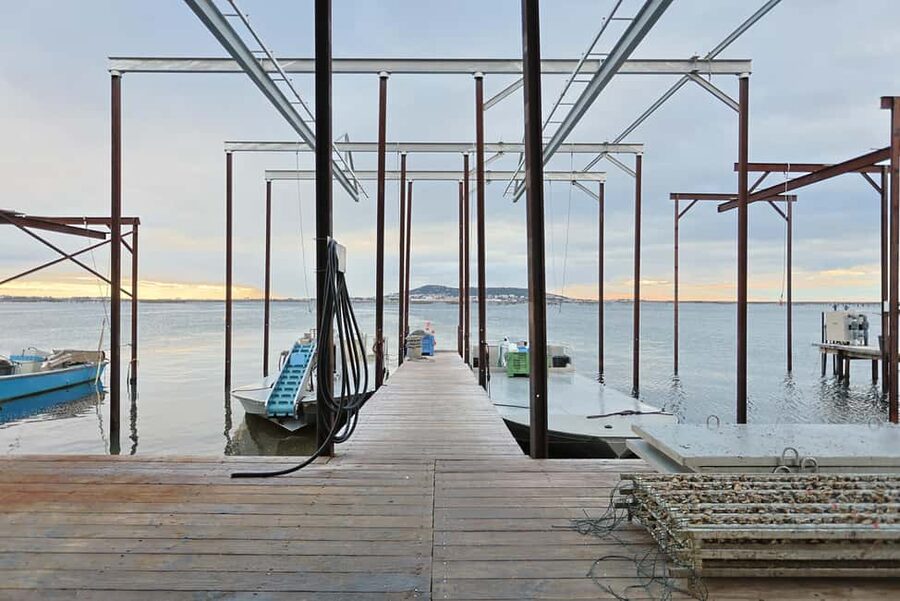
The main portion of the visit explains the stages of oyster farming in the Thau basin. The guide’s job is not simply to point at equipment. You are shown how oysters are cared for before they reach the customer, and why each stage requires time and labor.
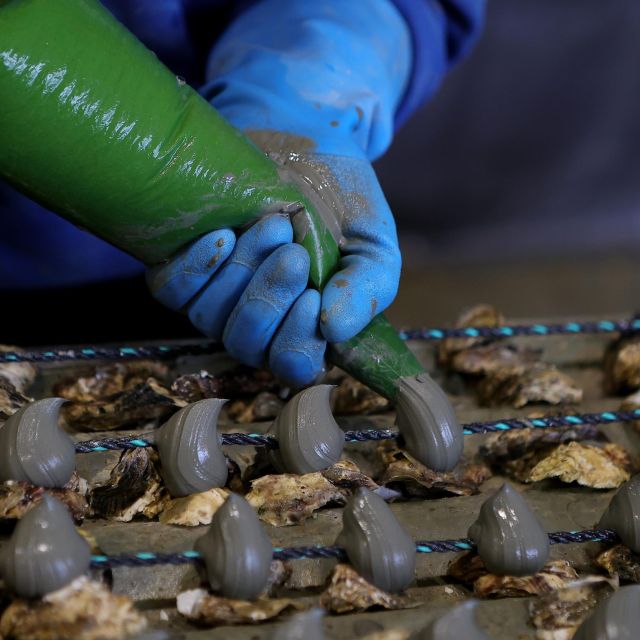
One method highlighted here is rope suspension. Before reaching your plate, the oysters are aged and cared for using this technique. Even without a long technical lecture, this gives you a useful way to understand that oyster farming is managed production, not passive waiting.
The tour also covers fining, detroquing, and shipping. These terms are part of the farm’s working vocabulary and show the full path from cultivation to sale.
Fining relates to the process of preparing oysters for their final quality and presentation. Detroquing is another handling stage in the farm’s routine. Shipping completes the chain, showing that the farm is not only producing oysters but also preparing them for customers beyond the immediate area.
The exact amount of time spent on each stage may vary with the group and the day’s operations. Still, the structure gives you a useful sense of the full business. You are not stopping at the attractive final moment of opening a shell. You are seeing the less glamorous work that makes the tasting possible.
That practical focus is one of the best reasons to choose this visit over a simple seafood meal. You can eat oysters in many places. Here, you learn why they taste the way they do and how much work comes before the plate.
A family business with a personal point of view
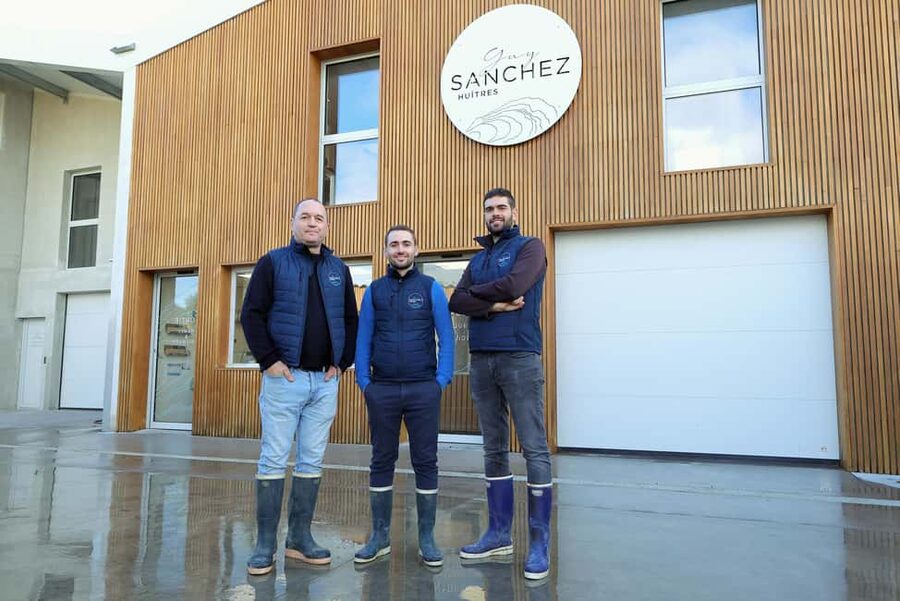
Sanchez Huîtres presents oyster farming as a family trade and places strong value on passing its methods to the next generation. That gives the tour a personal angle.
You are not just receiving a general explanation of aquaculture. You are hearing about one family’s way of working in the Thau basin. The farm’s approach includes its own rope-suspension technique and its own understanding of how the oysters should be aged and handled.
I find that kind of detail more useful than a broad lecture about seafood. It helps you connect local food with a specific place and working tradition. The guide’s passion also seems to make a difference. A visit like this depends heavily on presentation, and the feedback points to a guide who keeps the material lively and interactive.
The strongest praise has centered on three qualities: the guide’s energy, the clarity of the explanations, and the realistic picture of oyster farming as hard work. That last point matters. This is not presented as an effortless coastal lifestyle. You get a better sense of the physical demands and patience involved.
The family-business setting can also mean a less standardized experience than a large commercial attraction. For me, that is usually a plus, but you should choose this tour for its local character, not for a highly staged production.
More Food and Drink Tours around France:
- Sturgeon Fish-Farm Visit and Caviar Discovery Tasting in Neuvic
★ 4.5 · 81 reviews - Versailles: Farmers Market & Royal Vegetable Garden Food Tour
★ 5.0 · 11 reviews - Cannes Ooh La La Food Tour
★ 5.0 · 10 reviews - Sturgeon Fish-Farm Visit and Caviar Master Class Tasting in Neuvic
★ 5.0 · 8 reviews
The oyster tasting and white wine
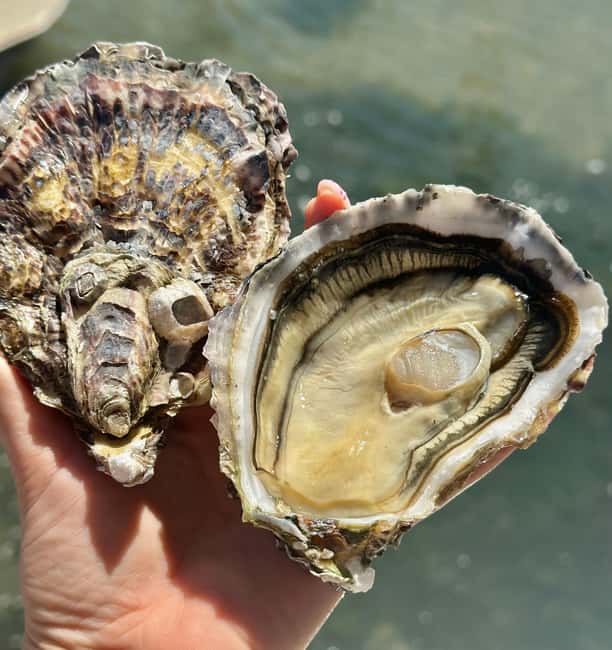
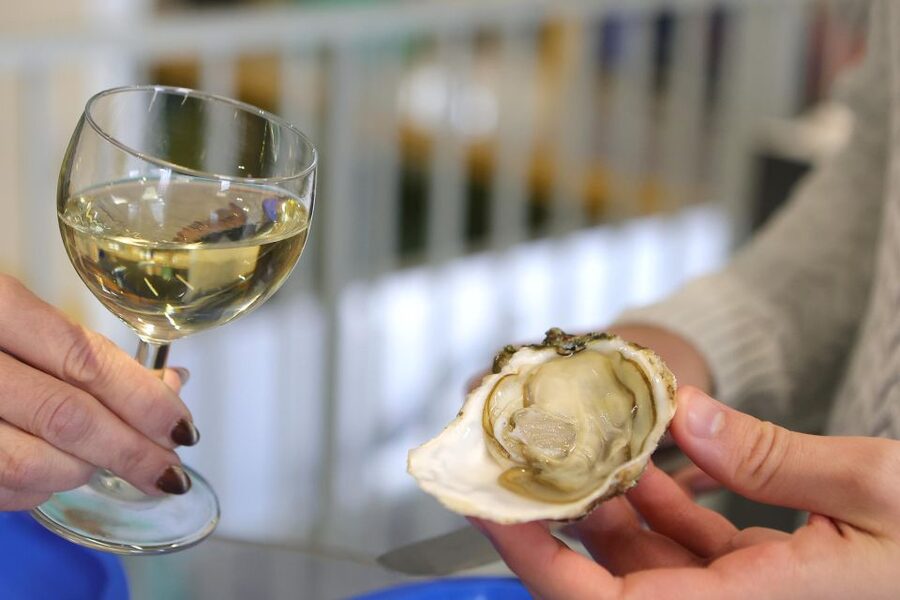
The tour ends with the part many people are waiting for: a tasting of different oysters. One glass of white wine is included.
The tasting is not just an add-on. It gives the earlier explanation a clear purpose. After hearing about aging, handling, and rope suspension, you can pay closer attention to the oysters themselves. You may notice differences in size, texture, or flavor between the types offered, although the specific selection is not fixed in the available information.
The inclusion of several oyster varieties is especially useful if you are still learning what you like. You can compare rather than judge a single oyster in isolation. If you already enjoy oysters, the tasting gives you a chance to think about the local product. If you are uncertain, the relaxed format may make the first taste less intimidating.
The white wine is a natural match and keeps the final portion simple. One glass is included, not an unlimited drinks service, so you should think of it as a pairing rather than a full winery-style tasting.
The feedback on this closing portion is very strong. The oysters and wine have been praised as high quality, and the tasting is often described as a welcome bonus for the price. I would still keep expectations in proportion: this is a short farm tasting, not a long restaurant meal. If you want lunch, you will need to make separate plans.
Is $11 good value?
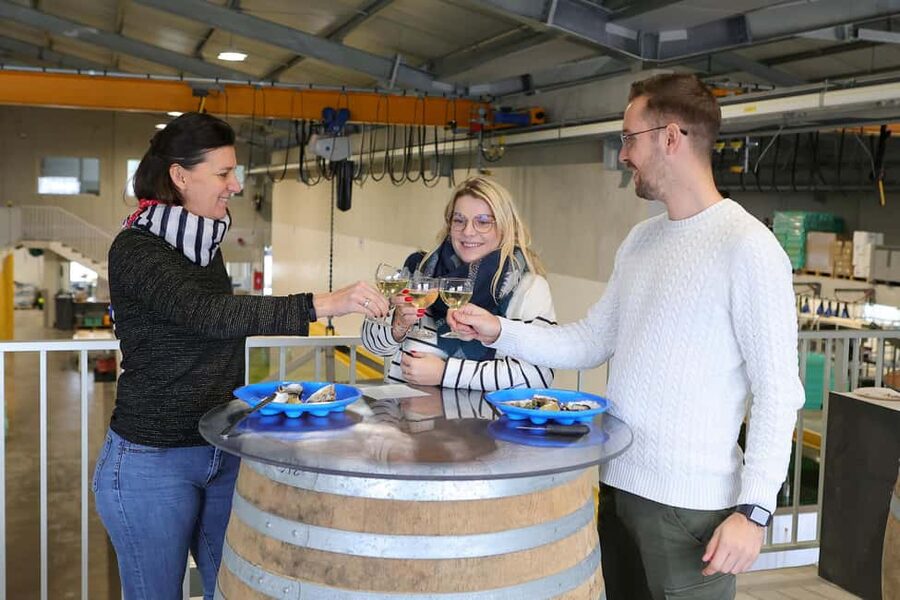
At $11 per person, this is excellent value if you are interested in local food and have access to the Loupian area. The price covers the guided visit, the oyster tasting, one glass of white wine, and parking.
The value comes from the combination. A tasting alone might be enjoyable but brief. A farm explanation alone might be informative but less memorable. Here, you get both in about 90 minutes.
The duration also helps. One person specifically praised the length because it kept the experience interesting from start to finish. That is a useful sign for anyone planning a busy day around Sète or the Étang de Thau. You can fit the farm visit into a broader route without giving up half a day.
There are limits to the value. The tour does not include transport from Sète, Montpellier, or another town. You need to reach Loupian yourself, and a car will make that easier based on the parking arrangements. The activity also does not include a complete meal, extra drinks, or a wider tour of the basin.
Still, for a low-cost local experience, the package is hard to fault. It offers something specific and connected to the area rather than a generic tasting that could happen anywhere.
How long the visit feels
The advertised duration is 1.5 hours. That breaks naturally into an introduction at the farm, an explanation of oyster production, and the final tasting.
You should have enough time to ask questions and understand the main stages without being trapped in a long technical session. The positive comments about the length suggest that the pacing is one of the tour’s practical strengths.
The visit is also short enough to pair with other activities around the Thau basin. You could plan it as part of a day that includes Sète, nearby coastal towns, or another food stop. Do not try to cram it into a schedule with no margin, though. Working farms do not always feel as tightly timed as city attractions, and you will want a little breathing room for parking and finding the building.
The season matters. The farm operates this tour from April 1 through the end of October. If you are visiting in winter, you will need another plan for learning about local oysters.
Language, access, and what to wear
The live guide speaks English and French. That makes the experience suitable for international visitors who want a clear explanation without relying on translated signs.
The English has been praised as clear and effective, which is important for technical subjects such as oyster farming. French speakers should also be able to enjoy the visit in the local language.
The activity is listed as wheelchair accessible. If accessibility is essential for your plans, I would still confirm the current conditions directly before booking, since the visit takes place at a working farm rather than in a purpose-built attraction.
Dress for a practical setting. Slippers and bare feet are not permitted, so wear secure shoes. The supplied information does not set out a full clothing list, but proper footwear is the one firm requirement. You should also be comfortable walking or standing around a farm environment.
Pets are not allowed. Keep that in mind if you are touring the region with a dog.
Who will enjoy this Loupian experience?
I would recommend this tour to several kinds of visitors:
- Seafood fans who want to understand oysters before eating them.
- Food-focused visitors looking for a local product rather than a standard restaurant meal.
- Families and couples who want a short activity with a tasting at the end.
- English-speaking visitors who prefer a live explanation in English.
- Independent drivers exploring Loupian, Sète, and the Thau basin.
- Budget-conscious visitors who want a meaningful activity for $11.
It may be less suitable if you dislike oysters, do not drink white wine, or want a broad sightseeing tour with scenery and transport included. The focus stays firmly on the oyster farm.
It is also not the best choice for someone expecting a long sit-down lunch. The tasting is a pleasant finish, but the tour is an educational farm visit first.
How it compares with other Thau basin activities
The area offers boat trips, canal tours, kayaking, food tours, and excursions in Sète and Montpellier. Those activities show the region from the water, through its streets, or via a broader food program.
This Loupian visit has a narrower purpose. It shows you one local trade in detail. I would choose it when you want a direct connection to the food of the Thau basin rather than another sightseeing ride.
You can also pair it with a boat trip or a visit to Sète. The 1.5-hour length makes that realistic, provided you account for driving time and the tour’s fixed starting time. The farm is a good choice for adding local flavor to a larger itinerary, not for replacing a full day of sightseeing.
Booking and cancellation details
You can cancel up to 24 hours in advance for a full refund. There is also a reserve-now, pay-later option, so you do not have to pay at the time of booking.
These policies are useful if your South of France plans are still moving around. The farm is seasonal, though, so check availability for your date between April 1 and the end of October.
The tour has received a 4.9 rating from 86 ratings, with repeated praise for the guide, the clear explanations, the tasting, the friendly organization, and the price. The most consistent message is that the visit feels both informative and easygoing.
Should you book the Sanchez Huîtres tour?
Book it if you want an affordable, local, and focused introduction to oyster farming in the Thau basin. The combination of a family-run farm, practical production details, several oysters, white wine, parking, and a 90-minute schedule gives you a lot for $11.
I would especially choose it if you are driving through Loupian or building a food-centered day around Sète. Wear proper shoes, check the exact meeting point, and do not expect a full meal or a general sightseeing tour.
Skip it if oysters are not your thing or if you want an attraction with transport, scenery, and several different stops. For everyone else, this is a smart little experience that connects the local product with the work behind it.
FAQ
Where does the oyster farm tour start?
The tour starts at the oyster farm parking area in Loupian. The supplied address is 838 Rte de la Coquille, with the location also described as Le Port de Loupian, Le Bourbou, 34140 Loupian.
How long does the tour last?
The guided visit lasts 1.5 hours, including the farm explanation and oyster tasting.
What is included in the price?
The $11 price includes the guided tour, tasting of the oysters, one glass of white wine, and parking.
Is the tour available in English?
Yes. Live guiding is available in English and French.
Can I bring a pet?
No. Pets are not allowed on the activity.
When does the oyster farm operate?
The tour is open from April 1 through the end of October.
Just added around France
- Valensole : Visit of a winery and lavender farm★ 5.0 · 5 reviews
- Versailles: Farmers Market & Royal Vegetable Garden Food Tour★ 5.0 · 11 reviews
- Award winning “From Farm to Table, A Culinary Day in Lyon”★ 5.0 · 10 reviews
- Half Day Grape Harvest Experience with Tasting in Epernay★ 5.0 · 2 reviews
- Cannes Ooh La La Food Tour★ 5.0 · 10 reviews
- English Tour into the Sturgeon Farm With a Discovery Tasting★ 5.0 · 6 reviews
- English Tour into the Sturgeon Farm With a Initiation Tasting★ 3.5 · 2 reviews
- Sturgeon Fish-Farm Visit and Caviar Master Class Tasting in Neuvic★ 5.0 · 8 reviews
Oyster Farm Tours, farm by farm.
Experience Coffin Bay Oyster Farm and Bay Tour
Read our review →
Coffin Bay: Oyster Farm Boat Tour with Wading & 12 Oysters
Read our review →
Oyster Farm & Complimentary Tasting Sea Kayak Tour in Casco Bay
Read our review →
Oyster farm experience / Private day trip from Dubrovnik
Read our review →
Other lists this farm sits on