
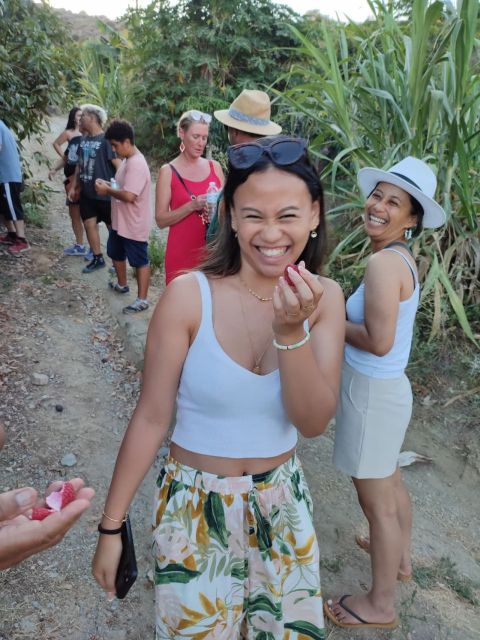
REVIEW · SPAIN
La Herradura Coffee Farm: tour in Europe’s only plantation
Coffee grows in Spain. That alone makes this farm worth a look. La Herradura Coffee Farm, near Nerja and within walking distance of La Herradura beach, offers a personal walk through Europe’s only coffee plantation, along with mangoes, avocados, dragon fruit, lychees, sugar cane, bananas, and many other tropical crops. I especially like the family-run setting and the chance to see practical organic farming up close. The main drawback is the hilly ground, with two steep sections that can be tiring in heat.
The tour costs about $17 per person, which is good value for a 70-minute visit led by the farm owner, Manuel. I also like that the tour explains water use, soil care, and the hard work behind growing coffee in this corner of Andalusia. Just do not expect a polished factory tour or a guaranteed coffee tasting at every visit. This is a working farm, and conditions, crops, and samples change with the season.
Key points at a glance
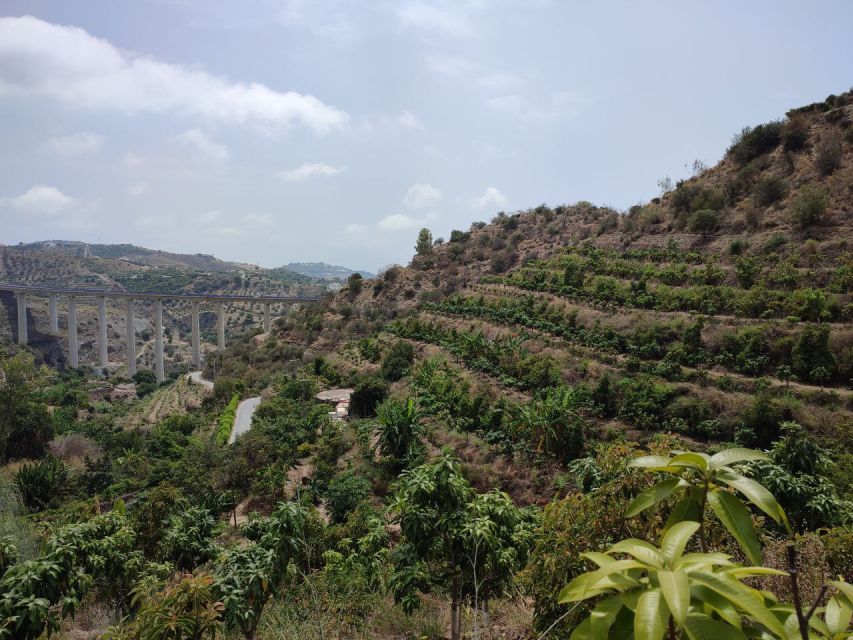
- Europe’s only coffee farm: See productive coffee plants growing outdoors near the Mediterranean.
- A tropical fruit collection: The farm includes up to 30 kinds of exotic fruit, including mango, avocado, chirimoya, dragon fruit, lychee, and sugar cane.
- A personal guide: Manuel, the owner, leads many tours with humor, family stories, and clear explanations.
- Useful farming lessons: Learn about organic methods, permaculture, water optimization, and soil regeneration.
- Beautiful sea views: The plantation’s hills look toward La Herradura and the Mediterranean.
- A rustic ending: The walk finishes at a 300-year-old Andalusian cortijo, where you can buy coffee, seasonal produce, and local goods.
Why coffee grows near La Herradura

The Costa del Sol is best known for beaches, white villages, and sunny holidays. Yet the area around La Herradura has a special climate that can support plants more often linked with warmer parts of the world. Sea air, hills, and mild conditions give the farm a useful growing environment for coffee and tropical fruit.
That setting gives this visit its appeal. You are not looking at rows of coffee plants in a distant producing country. You are seeing coffee growing in Andalusia, only minutes from Nerja and a short distance from the beach.
The farm is presented as Europe’s only coffee plantation, and you will see productive plants rather than a few decorative specimens. The coffee crop shares space with fruit trees and other plants, which is part of the farm’s approach. Instead of relying on one crop, Manuel has developed a mixed plantation with many varieties growing together.
I find that more interesting than a simple coffee tasting. You get a sense of how farming works from the ground up: choosing plants, managing water, protecting soil, dealing with pests, and waiting for the right season.
More Coffee Farm Tours around Spain:
- Guided Tour to the only coffee farm in Europe
★ 5.0 · 174 reviews - Award Winning Farm Tour: Coffee, Chocolate and Unique Gifts
★ 5.0 · 484 reviews - Big Island: Volcanoes, Waterfalls, & Coffee Farm Day-Trip
★ 4.9 · 414 reviews
Meeting Manuel and starting the farm walk
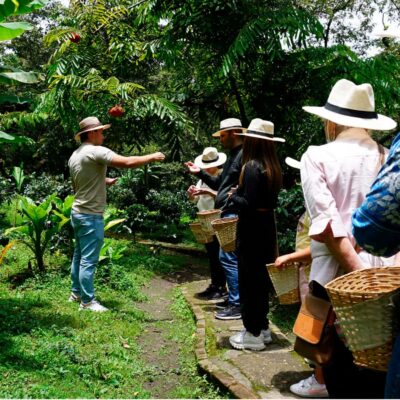
Manuel is often the guide, as well as the owner of the farm. His style is one of the strongest parts of the visit. He explains the farm with humor and energy, but the jokes do not replace useful information. You hear about his family’s connection with the land, how the farm developed, and why growing coffee and tropical fruit is not as easy as it might look.
The tour is available in English and Spanish, with guide language options also listed as French and German. This matters if your group includes people with different language needs. Manuel has also guided mixed-language groups successfully, using a lively style that keeps children and adults involved.
At the start, expect an outdoor walking tour rather than a formal visitor center. Wear shoes with a firm sole, bring sun protection, and be ready to walk over uneven ground. There are two steep areas. Chairs and pauses are available, but the farm is not suitable for wheelchair users, people with major mobility limits, or anyone with a low level of fitness.
The meeting point and ending point are different, so pay attention to the instructions before you set out. The farm can be reached on foot from La Herradura beach, and some people have walked from La Herradura in roughly 30 to 35 minutes. If you arrive by taxi or ride service, arrange your return in advance. A local taxi may be easier to find than an Uber for the trip back.
Coffee plants, harvesting, and roasting
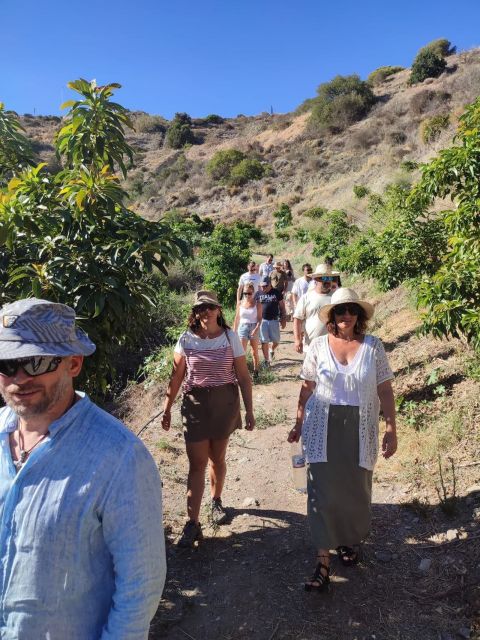
The coffee section is the obvious star for many people. You will see coffee plants growing among the fruit trees and hear how they are planted, tended, harvested, and prepared. The tour also covers roasting, giving you a better sense of the work between a coffee plant and the drink in your cup.
The local setting makes the lesson memorable. Coffee cultivation depends on careful conditions, and a small farm in southern Spain faces different pressures from a large plantation in a traditional coffee-growing region. Water, heat, soil health, and seasonal changes all matter.
The farm sells its own roasted coffee at the end of the walk. That is a good reason to wait until then before deciding what to buy. You can connect the product in the bag with the plants you have just seen.
A small point to keep in mind: coffee tasting is not described as a fixed part of every tour. The experience includes freshly brewed coffee in its general description, while some visitors specifically wished for more product tastings. Fruit sampling is more commonly part of the visit, but availability depends on what is ripe.
A tour through 30 kinds of tropical fruit
Coffee is only part of the story. The farm may contain up to 30 different types of exotic fruit, and the range is what turns this into a broader farming visit.
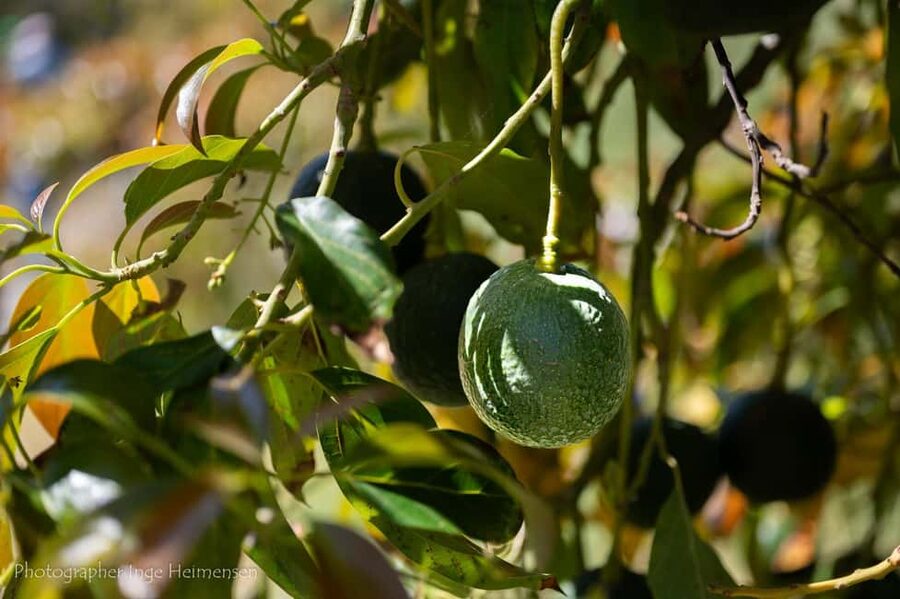
You can expect to see mango trees, avocado trees, bananas, papayas, lychees, dragon fruit, sugar cane, and chirimoyas. The farm also includes Spain’s oldest mango tree, centennial chirimoya trees, and a low-water avocado plantation. These details give the walk a strong sense of place and show how much experimentation goes into the property.
Fruit seasons matter here. Mangoes may not be ripe during your visit, even in warm weather. That is not a flaw in the farm, but it does mean you should not arrive expecting every crop to be ready for tasting. Depending on the season, you might smell leaves, taste fresh fruit, or see crops at different stages of growth.
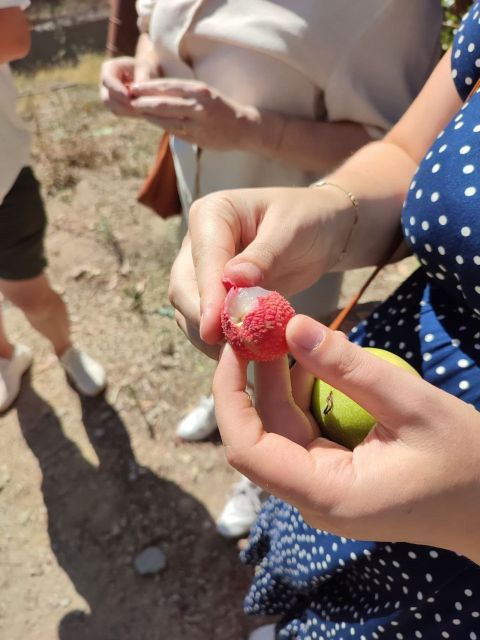
The tasting, when available, adds a welcome hands-on element. Fresh fruit straight from the plant is a simple pleasure, and it helps you understand how much flavor can be lost between harvest and supermarket shelves. Some visits have also included free fruit or a small farm product, though you should not count on a particular item.
Children tend to get more from this walk than you might expect. The variety keeps the visit moving, and the chance to see where mangoes, avocados, coffee, and dragon fruit come from gives the tour a practical focus. The farm is not a playground, though, and the steep sections may require patience with younger children.
More Farm Tours around Spain:
- Montserrat Lunch & Wine at Farmhouse Small Group from Barcelona
★ 5.0 · 2,368 reviews - Barcelona: Montserrat Visit & Lunch at Farmhouse Small Group
★ 4.7 · 1,313 reviews - Montserrat Full Day Tour with Farmhouse Lunch and Winery Visit
★ 5.0 · 1,068 reviews - Montserrat & Winery Visit Tour with Traditional Farmhouse Lunch
★ 4.5 · 1,035 reviews
Organic farming, water, and soil care
The most useful part of the experience may be the discussion of how the farm operates. Manuel explains the problems involved in developing an organic farm in this environment, including the need to control water use and protect the soil.
You will hear about permaculture, water optimization, and soil regeneration. These are not just fashionable labels here. They relate directly to the farm’s survival, especially when many different plants share limited growing space and water.
The low-water avocado area is a good example of the farm’s practical thinking. Avocados can need substantial water, so reducing consumption is important in a dry Mediterranean climate. The tour gives you a clearer idea of the decisions behind each crop rather than treating organic farming as a simple slogan.
The mixed planting is also significant. The farm combines coffee with fruit trees and other crops, rather than creating a single-crop plantation. This supports the farm’s aim of encouraging plant variety and avoiding monoculture.
You will also hear about the challenges of growing dragon fruit. One unusual detail is that the flowers require night-time pollination, a reminder that farming often involves work at inconvenient hours. It is the sort of detail that makes the operation feel real rather than staged.
Sea views and the old Andalusian cortijo
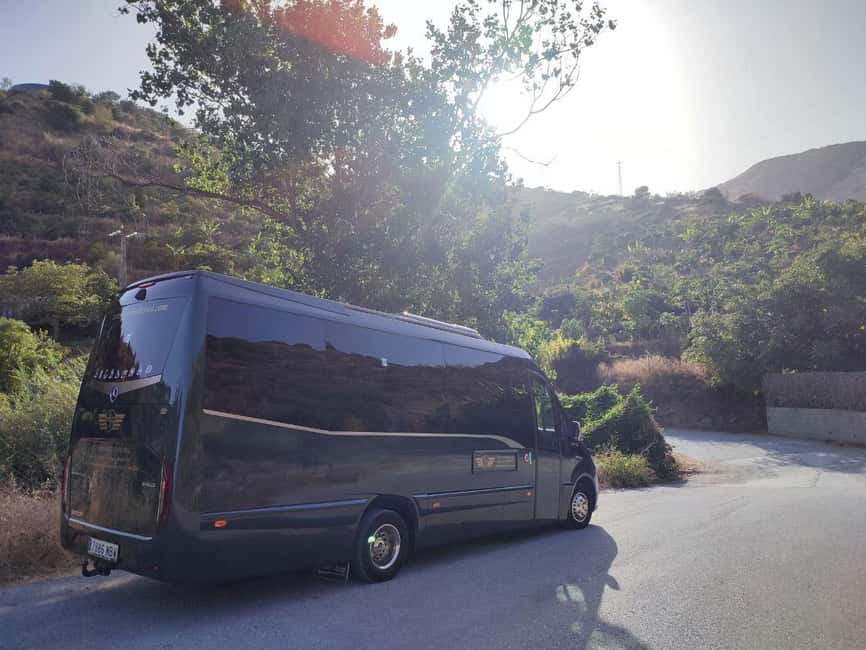
The farm is set among hills with views toward La Herradura and the sea. You will work a little for those views because of the sloping ground, but the pauses provide time to look around and catch your breath.
This is not a flat garden stroll. If you have knee problems, heart trouble, insect allergies, or limited stamina, take the health warnings seriously. The farm is not suitable for people with heart problems or low fitness, and comfortable shoes are essential.
The walk ends at a 300-year-old Andalusian cortijo. This gives the experience a satisfying finish because you move from the crops to an older part of the property and local rural life.
At the cortijo, you can buy seasonal fruit, roasted coffee, and local products. Purchases are not included in the tour price, but they offer a practical way to support the family business and take home something connected to the visit. Available items will depend on the season.
How much value do you get for $17?

At around $17 per person, the tour is fairly priced. You get a guided farm walk, access to a rare coffee plantation, a large collection of tropical crops, a lesson in organic farming, and views over the coast.
The value is strongest if you enjoy personal tours and local agriculture. Manuel’s role as owner gives the visit a directness that you rarely get from a standard attraction. He can explain not only what a plant is, but why it is grown, what makes it difficult, and how the family has shaped the farm.
The value is weaker if you want a highly structured coffee production tour with a full roasting demonstration and a formal tasting flight. The farm is more about plants, farming methods, family history, and conversation than about a polished coffee museum.
The advertised duration is 70 minutes, while the guided plantation section is also described as lasting around 1.5 hours. Allow roughly 70 to 90 minutes, depending on the pace of the group, questions, pauses, and what is growing during your visit.
Free cancellation up to 24 hours before the start and a reserve-now, pay-later option make booking less risky. Still, check the exact starting time and meeting point because the arrival location is different from the finishing point.
Who will enjoy this coffee farm most?
I would recommend this tour to you if you like seeing how food is grown, prefer small family businesses to large attractions, or want a break from the usual Costa del Sol sightseeing.
It works especially well for:
- Families with children who enjoy plants, fruit, and hands-on learning
- Coffee drinkers curious about cultivation and roasting
- Gardeners and anyone interested in organic farming
- Visitors staying in Nerja, La Herradura, or Almuñécar
- People who enjoy meeting the person behind a local business
- Couples looking for a quieter activity away from the beach
You should think twice if you dislike walking on slopes, have serious mobility restrictions, or want a cool indoor activity. The farm can be hot, sunny, and physically demanding in places. Insect allergies are also listed as a concern, so plan accordingly.
Bring water, comfortable shoes, and sun protection. Smoking, fires, and littering are not allowed, which is sensible on a working organic farm.
Should you book La Herradura Coffee Farm?
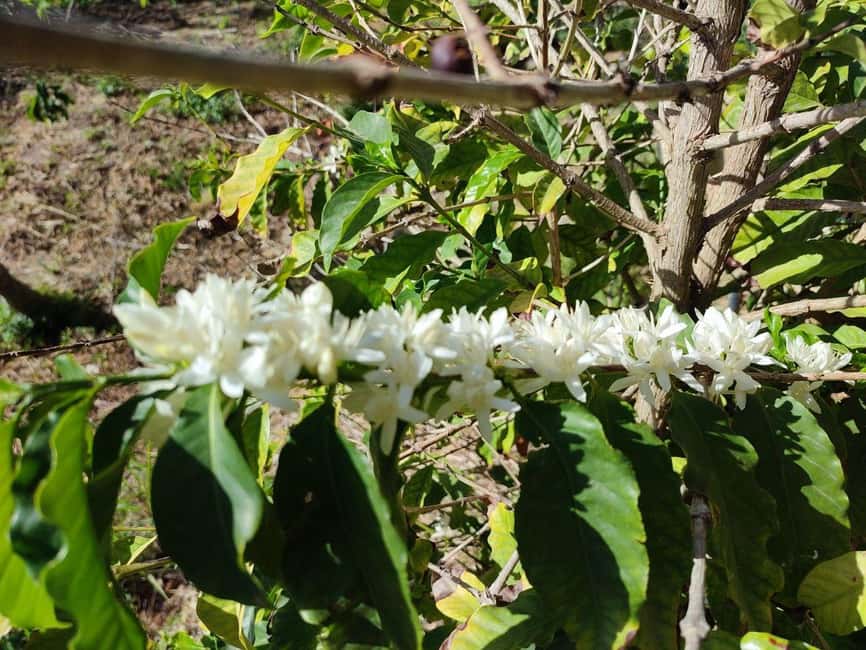
Yes, if you want an unusual and personal outing near Nerja. The coffee plants are the hook, but the real pleasure comes from the full farm: rare fruit, old trees, sea views, sustainable growing methods, and Manuel’s entertaining account of his family’s work.
I would not book it solely for a guaranteed coffee tasting or a flat, easy walk. Instead, book it for the chance to see coffee growing in Spain and to understand the effort behind a small regenerative farm.
At $17, it is an easy recommendation for fit visitors who enjoy local food, plants, and a good story. Check the meeting point, allow extra time for the hills, and visit with an open mind. You may leave with roasted coffee, seasonal fruit, and a new respect for how much work goes into a single crop.
FAQ
Where is La Herradura Coffee Farm?
The farm is in La Herradura, Andalusia, near Nerja and within walking distance of La Herradura beach. The meeting point can vary by booking option.
How long does the tour last?
The listed duration is 70 minutes. The guided plantation walk is also described as lasting about 1.5 hours, so allow roughly 70 to 90 minutes.
How much does the tour cost?
The price is about $17 per person.
What will I see at the farm?
You can see coffee plants and up to 30 types of exotic fruit, including mangoes, avocados, chirimoyas, dragon fruit, sugar cane, lychees, bananas, and papayas.
Is coffee tasting included?
Freshly brewed coffee is described as part of the experience, but a full coffee tasting is not guaranteed on every visit. You can buy the farm’s roasted coffee at the end.
Can I taste fruit during the visit?
Fruit sampling may be available, depending on the season and what is ripe. Mangoes and other crops may not be ready during every visit.
What should I wear?
Wear comfortable shoes suitable for walking on sloped ground. Sun protection is also sensible because the tour takes place outdoors.
Is the farm suitable for wheelchair users?
No. The tour is not suitable for wheelchair users or people with significant mobility impairments. There are two steep areas, although pauses and chairs are available.
Which languages are available?
Tours are available in English and Spanish. Guide language options are also listed as French and German.
Just added around Spain
- Vigo: Bay of San Simón Mussel Farming Tour★ 5.0 · 6 reviews
- Animal farm park with free hotel pickup★ 5.0 · 2 reviews
- Olive Oil Farm Tour with Tasting from Seville★ 4.5 · 61 reviews
- From Seville: Pig Farm private day tour and old villages visit★ 4.5 · 4 reviews
- Bull Breeding Farm: Guided Half-Day Tour from Seville★ 4.5 · 24 reviews
- ” Basque Farm House & Cider house” tour + meal from San Sebastian★ 5.0 · 9 reviews
- Fuerteventura Villages Caves and Farm Tour with Lunch from North★ 3.0 · 9 reviews
- Menorca: Cheesemaking and Farm-Fresh Product Tasting★ 5.0 · 29 reviews
Coffee Farm Tours, farm by farm.
Award Winning Farm Tour: Coffee, Chocolate and Unique Gifts
Read our review →
Small-Group Big Island Tour: Hawaii Volcanoes National Park and Kona Coffee Farm
Read our review →
Medellín Coffee Farm Tour with Trolley and Cable Car Ride
Read our review →
Private Cocora Valley, Salento & Coffee Farm Tour
Read our review →
Liamuiga Natural Farm Tour – St.Kitts’ Coffee Farm
Read our review →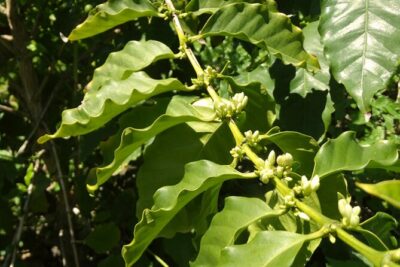
Horseback Riding Coffee Farm Tour with Coffee Spa
Read our review →Other lists this farm sits on