
REVIEW · SPAIN
GUIDED TOUR + TASTE IN A MUSHROOM FARM
Mushrooms tell a bigger story. At Bolets de Menorca, you learn how fungi grow, follow their path from laboratory to indoor forest, and finish with a creative tasting that puts Menorcan produce on the plate. I like the clear, three-part format and the chance to see mushroom cultivation at close range. I also like that the experience costs just $23 and includes a drink.
The main limitation is simple: this is a 100% indoor activity, so it will not show you wild mushrooms growing outdoors. The tasting includes one product, while extra recipes cost more. Still, for anyone curious about food, farming, or the natural world, this is a smart two-hour stop.
Key things to know before you go
- Menorca’s only mushroom farm: This is a focused look at commercial mushroom growing on the island.
- A three-part visit: You begin with mycology, continue through the production areas, and end with a tasting.
- An indoor forest: The growing rooms offer the most unusual part of the visit, showing how mushrooms are raised away from open fields.
- A useful stop for food lovers: The tasting pairs mushroom products with other ingredients from Menorca.
- A strong value at $23: A two-hour guided experience includes explanations, the farm tour, one tasting, and a drink.
- Spanish and English tours: The live guide can present the experience in either language, and the site is wheelchair accessible.
Why this mushroom tour is different from a normal farm visit
Many farm tours are about fields, animals, or traditional tools. This one takes you into a less familiar form of food production. Mushrooms do not grow like ordinary crops, and the tour explains the controlled process that lets them develop throughout the year.
That makes the visit useful even if you know little about fungi. You are not simply shown a display of finished products. The route follows the work from laboratory stages to production rooms and then to the workshop, where the mushrooms become food.
I especially like the way the experience connects science with cooking. You first learn what happens in nature, then see how cultivation is managed, and finally taste the result. The progression gives the visit a clear purpose instead of making it feel like a short sales stop.
Bolets de Menorca, also known as Sa Cuina de Sa Sinia, is described as the only mushroom farm in Menorca. The business has also been catalogued by SEGITTUR, part of Spain’s Ministry of Tourism, as one of the country’s notable agricultural experiences. That recognition does not guarantee that every visitor will enjoy the same things, but it does signal that this is more than a casual product shop.
More Guided Tours around Spain:
- Guided Tour to the only coffee farm in Europe
★ 5.0 · 174 reviews - Bull Breeding Farm: Guided Half-Day Tour from Seville
★ 4.5 · 24 reviews - Half-Day Guided Tour to a bull farm in Madrid
★ 5.0 · 2 reviews
The mycology introduction starts with the basics
The first part is an introduction to mycology, the study of fungi. Videos and images help explain the processes that happen in nature, giving you a foundation before you enter the working areas.
This is a good choice for a mixed group. A mushroom enthusiast can listen for growing details, while someone who normally thinks of mushrooms only as a pizza topping can learn why fungi matter in natural systems. The presentation is designed to explain the subject in steps, rather than assume you already know the terminology.
The subject also reaches beyond food. Menorca is presented as a place with notable mushroom variety, and the introduction helps you view the island’s wild fungi with more attention. One guide’s enthusiasm reportedly made a visitor more aware of fungi during future walks in the United Kingdom. That is a sign of a good teaching experience: you leave noticing more than you did before.
The tone appears to be friendly and energetic. Several visitors praised the guides’ passion, and one specifically appreciated how clearly the information was explained with images. If you prefer a dry technical lecture, the lively approach may feel a little informal. For most people, though, that energy should keep the subject moving.
From the laboratory to the production rooms
After the introduction, you tour the facilities and follow the growing process. The route includes the laboratory, production areas, an indoor forest, and the workshop.
The laboratory matters because it shows that mushroom farming begins well before anything reaches the kitchen. The experience is not limited to looking at trays of mature mushrooms. You get a sense of the preparation and control needed to produce them throughout the year.
The production areas are where the process becomes easier to understand. You can see how the operation moves from early cultivation stages toward harvestable mushrooms. The precise details may vary with the season and what is being grown at the time, so you should think of this as a working introduction rather than a fixed museum display.
The indoor forest is likely to be the visual highlight. It gives the farm a memorable setting while showing how mushrooms can be cultivated in an enclosed environment. This is also the part most likely to interest anyone considering growing mushrooms at home. The visit does not promise a full home-growing course, but it can help you understand the conditions and stages involved.
One visitor who enjoys gardening found the step-by-step explanation especially useful for anyone interested in raising mushrooms independently. That is a good reason to pay close attention during this section. Ask questions if the guide allows them, particularly about the difference between natural growth and farm production.
The facility tour finishes in the workshop. Here you see how the farm’s mushrooms are turned into prepared products. This connects the growing process to the tasting and helps explain why the farm is also a food business, not only an agricultural site.
The tasting puts mushrooms in a new role
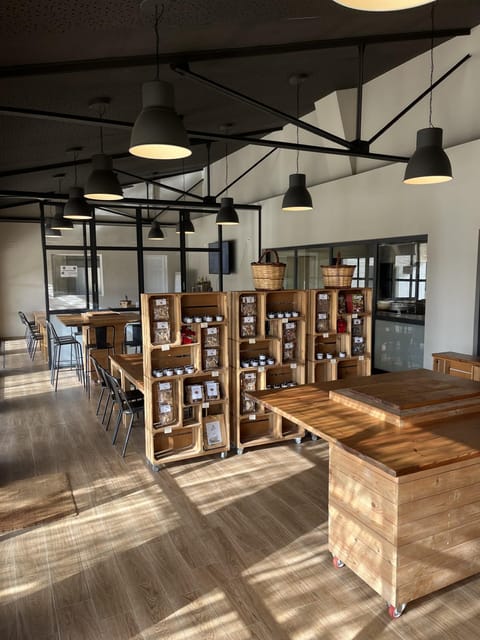
The final tasting is included in the $23 price and comes with a beverage. The listed drink choices include water, local soft drinks, local beer, and wine.
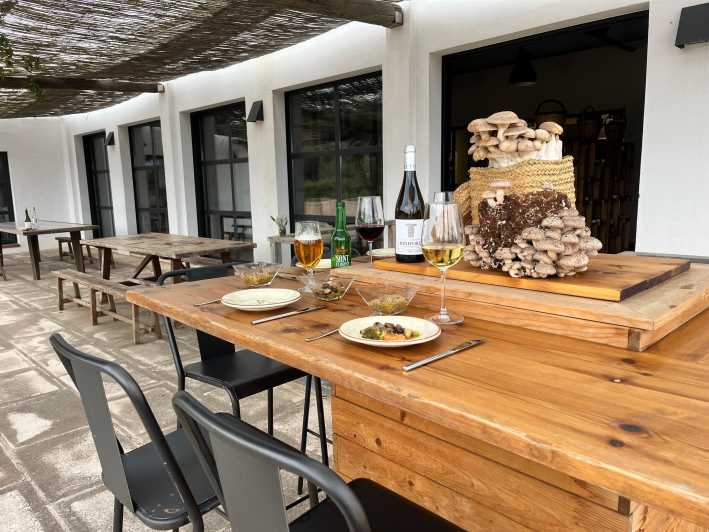
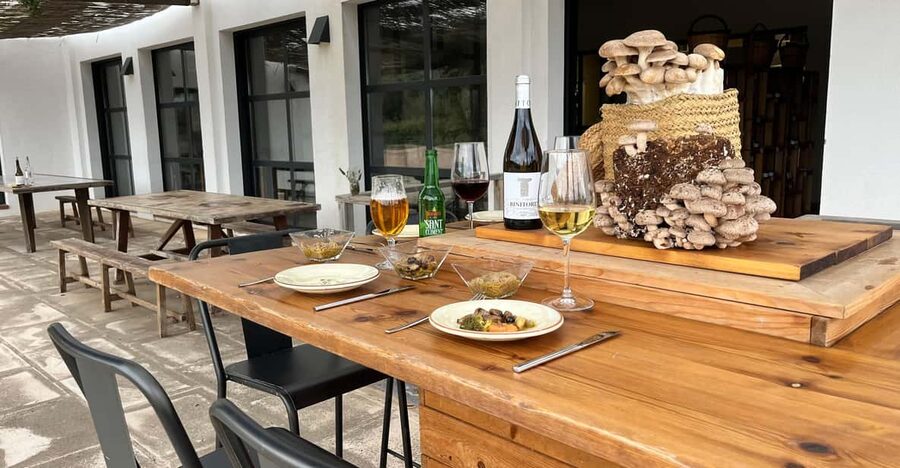
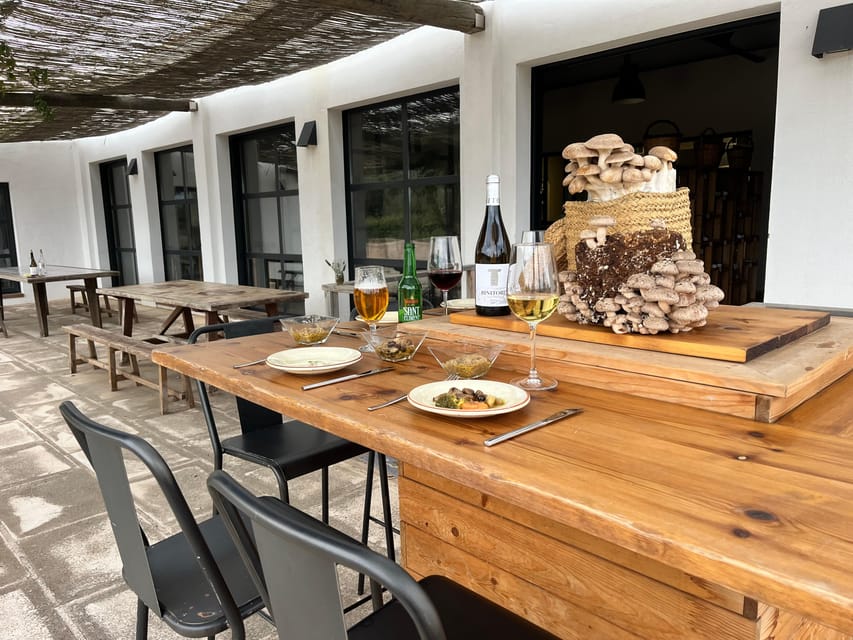
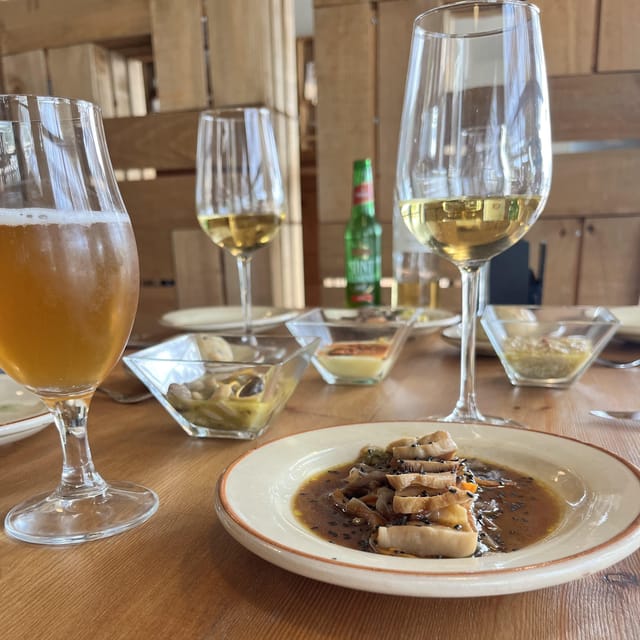
You taste one of the farm’s products through an unusual preparation, paired with other island ingredients. The exact recipe is not specified, so do not arrive expecting one fixed dish. The menu can vary, and extra recipes are available at an additional cost.
This part gives the tour its strongest sensory finish. You have just watched the cultivation process, and now you can judge the ingredient in a prepared dish. One popular combination mentioned by visitors is the mushroom and shrimp burger, praised for its flavor. Other visitors described the food as delicious and said the tasting was their personal highlight.
I like this approach because it avoids treating mushrooms as a side dish. Creative recipes can show their texture and flavor in ways that a basic sauté would not. At the same time, the tasting is not a full meal. If you have a large appetite, plan around it rather than treating the included portion as lunch.
The drink adds value, especially if you choose a local beer or wine. If you want to sample more recipes, you can buy additional tastings, but budget for those separately. That distinction matters when you compare the experience with a standard farm tour.
More Farm Tours around Spain:
- Montserrat Lunch & Wine at Farmhouse Small Group from Barcelona
★ 5.0 · 2,368 reviews - Barcelona: Montserrat Visit & Lunch at Farmhouse Small Group
★ 4.7 · 1,313 reviews - Montserrat Full Day Tour with Farmhouse Lunch and Winery Visit
★ 5.0 · 1,068 reviews - Montserrat & Winery Visit Tour with Traditional Farmhouse Lunch
★ 4.5 · 1,035 reviews
What the $23 price really covers
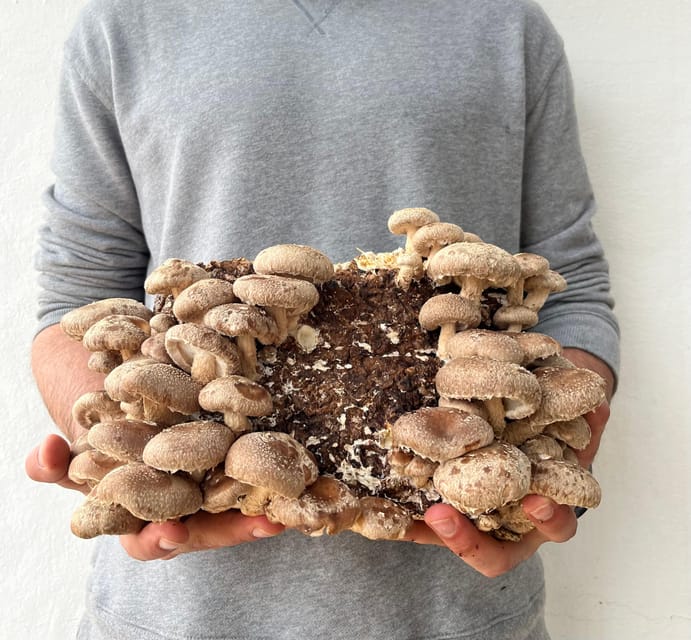
At $23 per person, the tour is fairly priced for a two-hour guided activity. You receive three useful elements: a mycology lesson, access to the working facilities, and a food tasting with a drink.
The value is strongest if you enjoy learning how food is produced. You are paying for explanation and access, not just for a snack. The tour also gives you something different from the usual Menorca sightseeing choices, which can make it a good change of pace during a longer island stay.
The price is less attractive if you only want to taste mushroom dishes. Since the included tasting is one product and extra recipes cost more, a food-focused visitor may want to confirm the available options before booking. The main purpose is education plus tasting, not a long meal.
Free cancellation up to 24 hours before the visit and the option to reserve now and pay later make the booking less rigid. Starting times vary, so you need to check availability for your date. These terms are useful if your Menorca plans are still moving around.
Who will enjoy the two-hour visit most
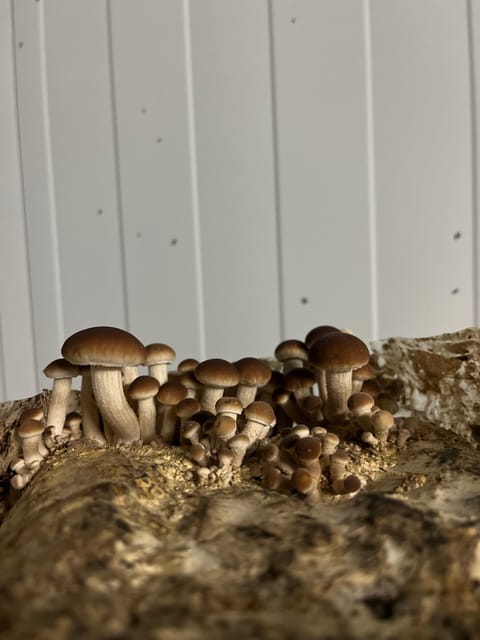
I would recommend this experience to several types of visitors:
- Food lovers who want to see where an ingredient comes from before eating it.
- Families and curious children who respond well to visual explanations and unusual production spaces.
- Home growers looking for a better understanding of mushroom cultivation.
- Vegetarian diners and adventurous eaters who want new ideas for preparing mushrooms.
- Rainy-day planners because the entire visit takes place indoors.
- Visitors seeking a different Menorca activity beyond beaches and historic sites.
It may be less suitable if you want a long outdoor farm walk or a broad tour of Menorcan agriculture. This is a specialist visit focused on fungi. Its narrow subject is also its strength: you get more detail than you would from a general food tour.
The tour is available in Spanish and English. It is also wheelchair accessible, which makes it easier for more people to take part. Since the entire activity is indoors, hot weather or rain should not affect the main program.
The guide makes a real difference
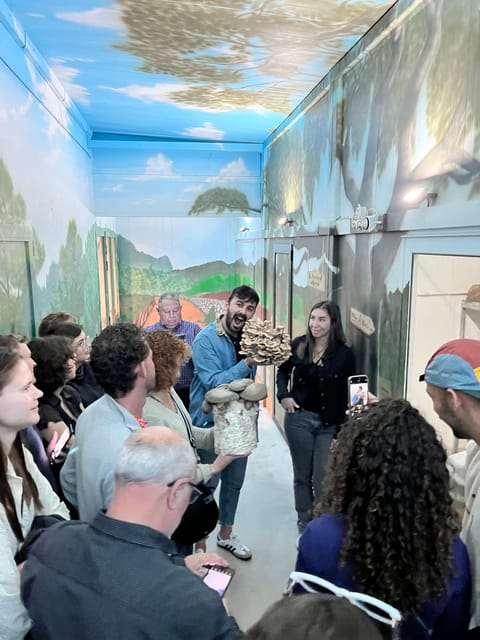
The quality of this experience depends heavily on the guide. The strongest comments describe guides who explain the subject with joy, patience, and clear images. That matters here because mushroom cultivation can sound technical if it is presented as a list of procedures.
The best version of the tour should help you understand why each stage exists. You want the guide to connect the laboratory to the production rooms, and the growing rooms to the final dish. The available feedback suggests that this connection is handled well.
No guide’s name is provided in the available information, so I cannot give you a named host to request. The important point is the reported style: friendly, enthusiastic, and able to explain the subject in practical steps.
If you are interested in growing mushrooms at home, say so at the beginning. The guide may be able to place more emphasis on the cultivation side. If you are mainly interested in food, ask about the recipes used in the tasting and any additional dishes available that day.
Practical expectations for your visit
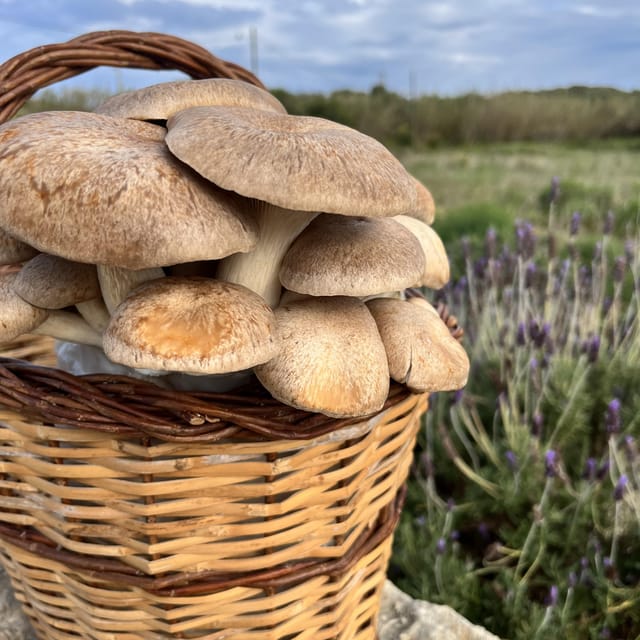
Set aside the full two hours. The schedule has three parts, and rushing through the facility would reduce the value of the visit. The introduction prepares you for what you see, so it is worth giving equal attention to the videos and the physical tour.
Wear whatever is comfortable for an indoor activity. There is no outdoor walking program described, and the experience takes place entirely inside. That makes it a dependable option when the weather is poor, but it also means you will not see mushrooms growing in a natural forest.
Check the starting time before booking. The tour runs at set times, and availability changes by date. English and Spanish are offered, so select the language that will let you follow technical explanations most easily.
The tasting includes one product and one beverage. Water, local soft drinks, beer, and wine are listed. Extra drinks and additional recipes are not included, so ask about those if you want more than the standard tasting.
A thoughtful stop for families and serious food fans
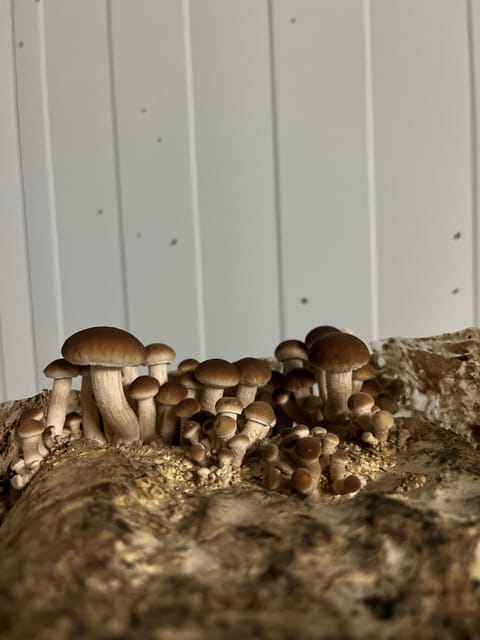
The tour has enough visual variety to work for people who are not already interested in fungi. Videos, growing rooms, the indoor forest, workshop activity, and food create a steady rhythm. You are not sitting through two hours of lecture.
For serious food fans, the strongest point is the full chain from cultivation to cooking. You see why the ingredient has value before you taste it. The unusual recipes also offer ideas for using mushrooms in a less familiar way.
Families should consider the interests and attention spans of their children. The activity is educational and dynamic, but the subject remains specialized. The indoor setting and short duration help, while the tasting gives everyone a clear ending.
I would not book it solely because it has a perfect rating. Book it because the format matches what you want: a small agricultural experience with science, production, and food in one visit. The positive response is strongest around the guides, the clear explanations, and the flavor of the tasting.
Should you book Bolets de Menorca?
Yes, if you want an unusual Menorca activity that works in any weather and gives you more than a quick sample. The $23 fee covers a well-structured two-hour visit, a guided explanation of mycology, access to the mushroom-growing facilities, one tasting, and a drink.
Book it especially if you enjoy local food, want to understand how mushrooms are cultivated, or are curious about growing them yourself. Keep your expectations realistic: this is an indoor specialist tour, not a wild mushroom walk and not a full meal.
The best reason to go is the complete story. You learn what fungi do in nature, see how a farm raises them throughout the year, and taste the finished product in an inventive recipe. That is a satisfying way to spend two hours on Menorca.
FAQ
Where does the mushroom tour take place?
It takes place at Bolets de Menorca, also known as Sa Cuina de Sa Sinia, in the Balearic Islands of Spain.
How much does the experience cost?
The listed price is $23 per person.
How long does the tour last?
The guided experience lasts two hours.
What happens during the tour?
The visit has three parts: an introduction to mycology using videos and images, a tour of the laboratory and production facilities, and a final tasting.
Is the activity indoors?
Yes. The activity is described as 100% indoor.
Is a tasting included?
Yes. The price includes a taste of one product.
Are drinks included?
Yes. One beverage is included. Options listed are water, local soft drinks, local beer, and wine.
Can I taste extra recipes?
Yes, but extra recipes to taste are not included in the base price.
What languages are available?
The live tour guide offers the experience in Spanish and English.
Is the tour wheelchair accessible?
Yes, the activity is listed as wheelchair accessible.
Can I cancel for a full refund?
Yes. You can cancel up to 24 hours in advance for a full refund.
Just added around Spain
- Vigo: Bay of San Simón Mussel Farming Tour★ 5.0 · 6 reviews
- Animal farm park with free hotel pickup★ 5.0 · 2 reviews
- Olive Oil Farm Tour with Tasting from Seville★ 4.5 · 61 reviews
- From Seville: Pig Farm private day tour and old villages visit★ 4.5 · 4 reviews
- Bull Breeding Farm: Guided Half-Day Tour from Seville★ 4.5 · 24 reviews
- ” Basque Farm House & Cider house” tour + meal from San Sebastian★ 5.0 · 9 reviews
- Fuerteventura Villages Caves and Farm Tour with Lunch from North★ 3.0 · 9 reviews
- Menorca: Cheesemaking and Farm-Fresh Product Tasting★ 5.0 · 29 reviews
Spain Farm Tours, farm by farm.
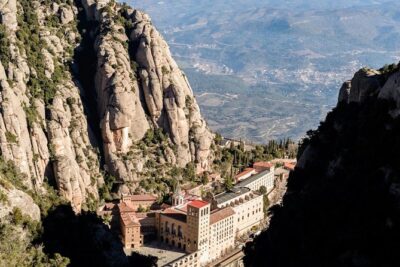
Montserrat Lunch & Wine at Farmhouse Small Group from Barcelona
Read our review →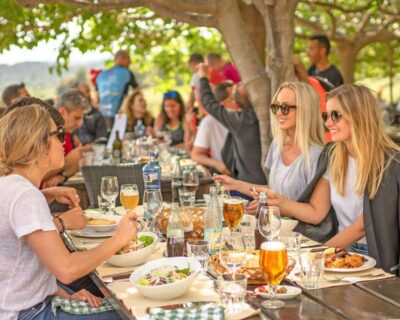
Montserrat Visit & Lunch at Farmhouse Small Group
Read our review →
Montserrat Full Day Tour with Farmhouse Lunch and Winery Visit
Read our review →
Montserrat & Winery Visit Tour with Traditional Farmhouse Lunch
Read our review →
Ría de Arousa: Boat Ride to Mussel Farm with Tasting
Read our review →
La Herradura Coffee Farm: tour in Europe’s only plantation
Read our review →
Alicante : E-Bike Coast Tour, Roman Fish Farm and Snorkeling
Read our review →Other lists this farm sits on