
REVIEW · SPAIN
Fuerteventura farm, caves and rural villages tour with lunch
Fuerteventura rewards curious eyes. This $74, eight-hour tour links the island’s rural heart with black-sand beaches, sea caves, old churches, food producers, and wide mountain views. I like the mix of places, especially Ajuy’s unusual coast and historic Betancuria. I also like having transport, a guide, lunch, admission fees, and tastings included in one price.
The main compromise is the pace. You cover a large part of the island, so time at some stops can feel short. Pickup arrangements also need care, since several people had confusion over meeting points, and the coach may spend a long time collecting passengers before the sightseeing begins.
The best parts of the day
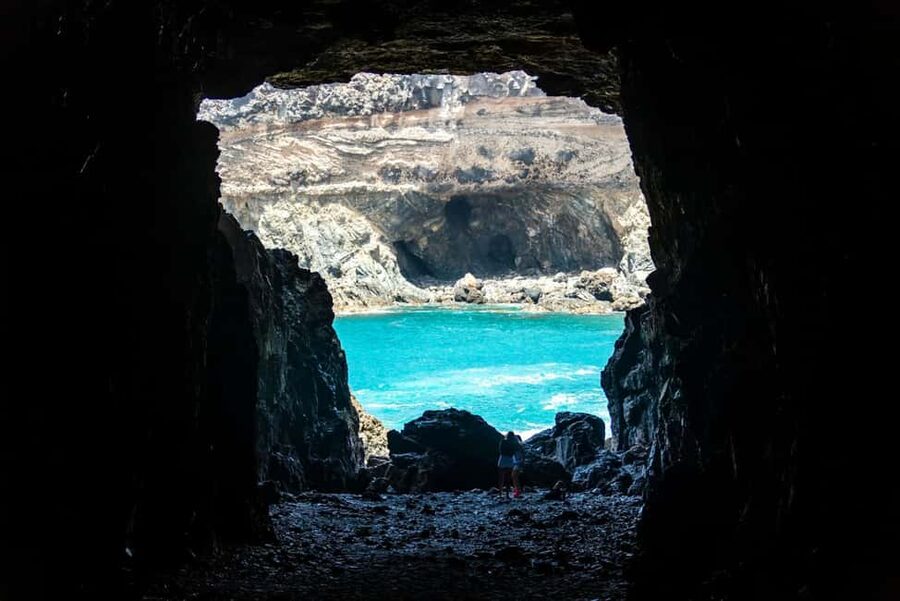
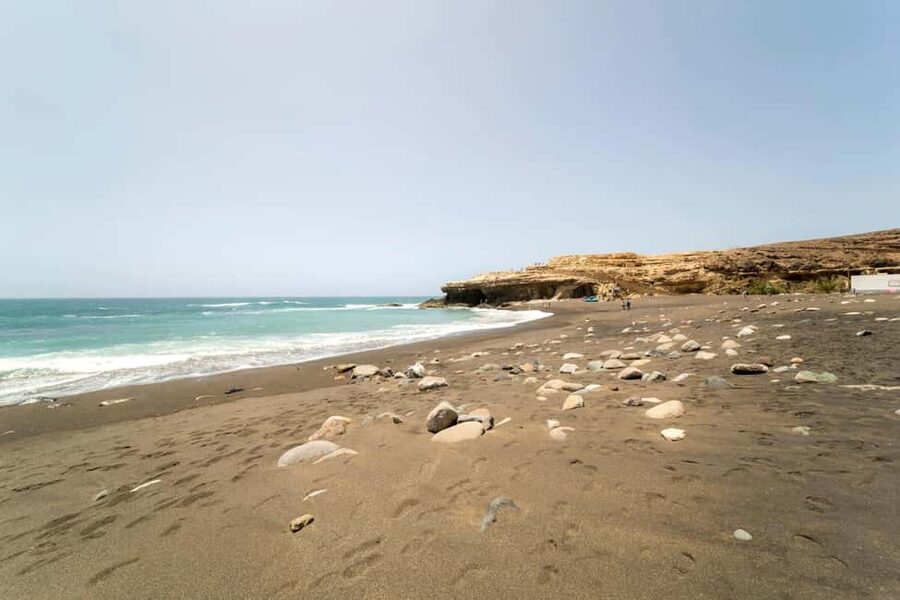
- Ajuy’s black-sand beach and sea caves: This is the most striking natural stop, but you may wish for more time here.
- Betancuria’s old churches: Santa María, consecrated in 1424, gives the day a strong historical focus.
- Pajara’s Aztec-style church façade: Nuestra Señora de la Regla has a detail-packed exterior unlike anything else on this route.
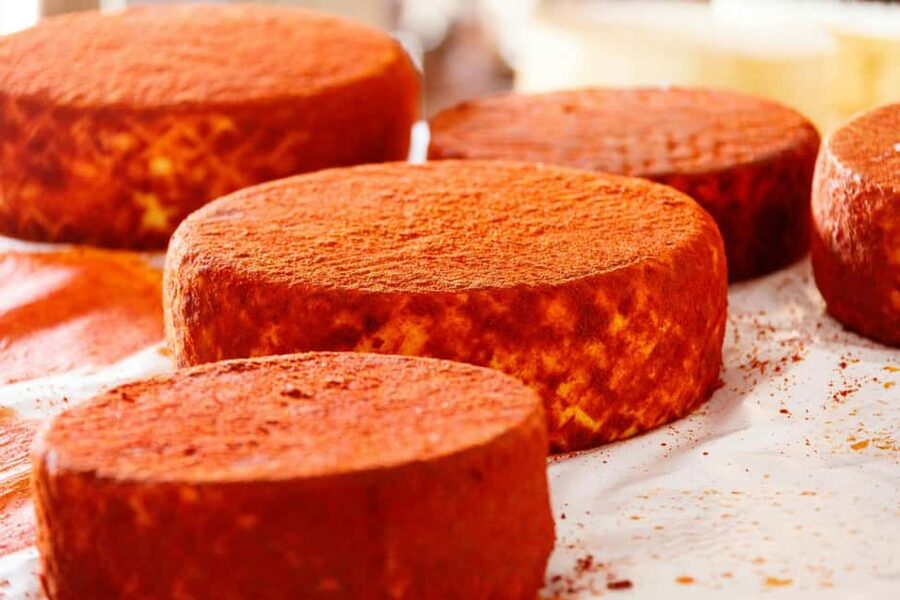
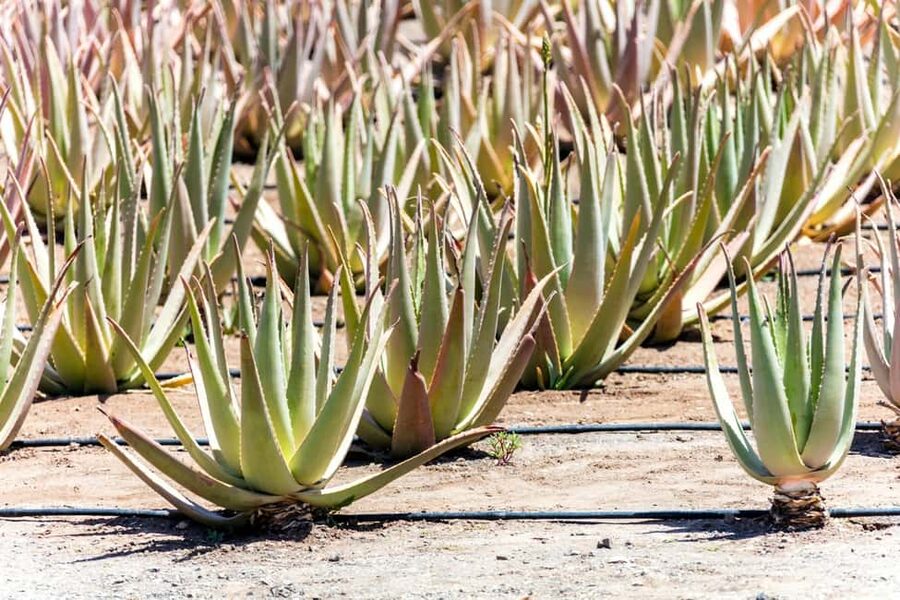
- Aloe vera and goat products: You get a look at two important local products, with cheese, preserves, and honey rum to taste.
- Marta and the guiding: The guide can add useful island context, including the surprising fact that 44 bird species live on Fuerteventura.
- Lunch in Valle de Santa Ines: A family-run restaurant and locally sourced food make the midday break more than a simple coach stop.
Why this tour is useful for seeing Fuerteventura
Fuerteventura is easy to misunderstand from a resort pool or a hotel transfer. Much of the island looks dry, spare, and almost empty, but that plain surface hides old settlements, working farms, fishing villages, religious art, and a distinct food culture.
This tour gives you a broad look at that quieter side of the island in one day. You are not simply driven to one major attraction and sent back. You pass through rural towns, stop at viewpoints, visit Ajuy on the west coast, walk around Betancuria, and sample products made on the island.
I like the way the route joins several different themes. The aloe farm explains a modern island industry. Pajara and Betancuria show older religious and colonial traditions. Ajuy brings in the sea and geology. The goat farm and lunch add the everyday food of Fuerteventura.
That range is also the source of the tour’s weakness. The route covers a lot of ground. You should expect a full day on the road, with some time spent collecting passengers and moving between stops. One report described a return after 4:30pm, so this is not a gentle half-day outing.
The live guide languages are English and German. The guide is one of the strongest parts of the experience. Marta, named in the tour information, brings useful facts to the coach ride, and one guide was praised for being informative and speaking at least three languages. The exact guide may vary, but good commentary appears to be central to the day.
More Lunch Experiences around Spain:
- Montserrat Lunch & Wine at Farmhouse Small Group from Barcelona
★ 5.0 · 2,368 reviews - Barcelona: Montserrat Visit & Lunch at Farmhouse Small Group
★ 4.7 · 1,313 reviews - Montserrat Full Day Tour with Farmhouse Lunch and Winery Visit
★ 5.0 · 1,068 reviews
Aloe vera: Fuerteventura’s practical island crop
The first stop introduces aloe vera, one of Fuerteventura’s best-known products. You learn how the plant is used in wellbeing products and why it has become an important part of the island’s visitor economy.
This is a useful opening because it gives you something concrete to look for during the rest of your trip. Aloe vera is not just a decorative plant here. The stop connects local agriculture with the creams, gels, and other products sold across the Canary Islands.
Do not expect this to be a major botanical garden visit. The point is the explanation of the crop and its uses. If you enjoy learning how regional products are made, you will appreciate the stop. If you prefer historic buildings or natural scenery, the later parts of the day will probably be more memorable.
Pajara and the church with Aztec-style details
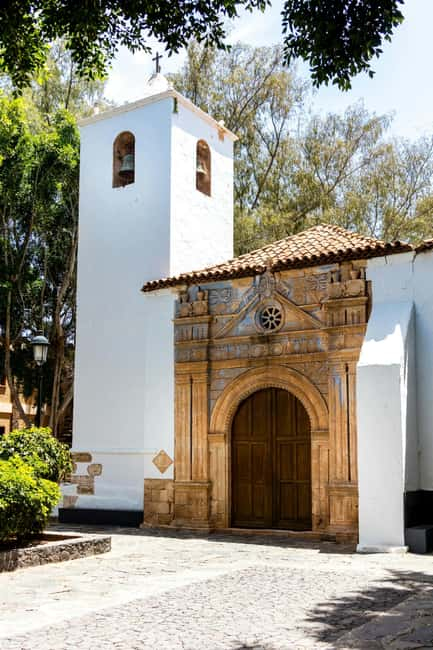
Pajara is a small rural village with a handsome central church, Nuestra Señora de la Regla. Its façade is the reason to stop. Carved details around the entrance have an Aztec appearance, giving the church a look that feels unusual in the Canaries.
The stop helps explain why Pajara has been praised as one of Spain’s most beautiful villages. Its appeal is not grand scale. It comes from the quiet plaza, the church exterior, and the sense of a small settlement shaped by local tradition.
Take time to inspect the arch and the carving rather than only photographing the front. This is a place where a guide’s explanation matters, since the decorative details are easy to miss if you are moving quickly.
One practical point is that some tour commentary may be delivered on the bus before you arrive. That keeps the schedule moving, but it can mean the guide is not always explaining the building while you are standing beside it. I would listen carefully on the drive, then take a moment at the church to look back at the features already described.
Ajuy’s black sand and sea caves
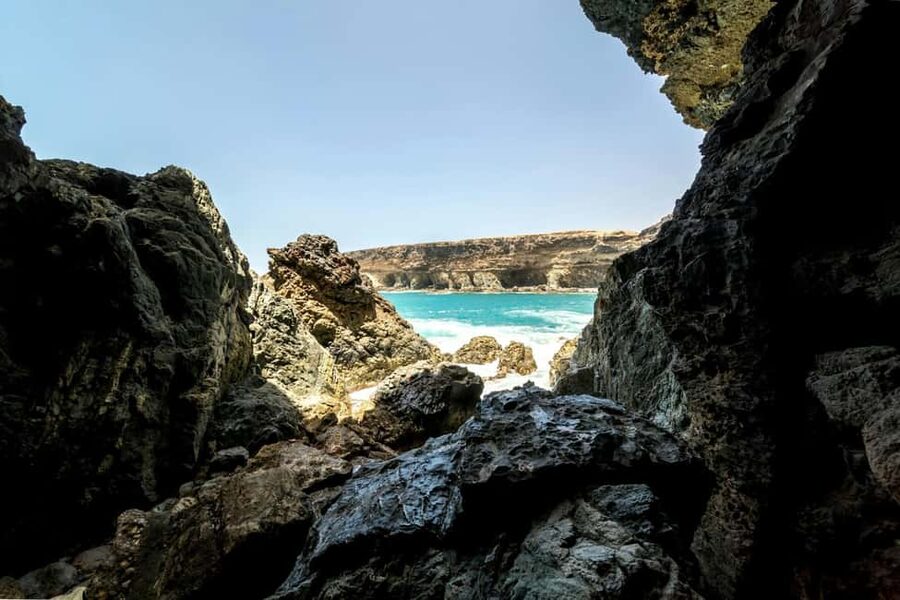
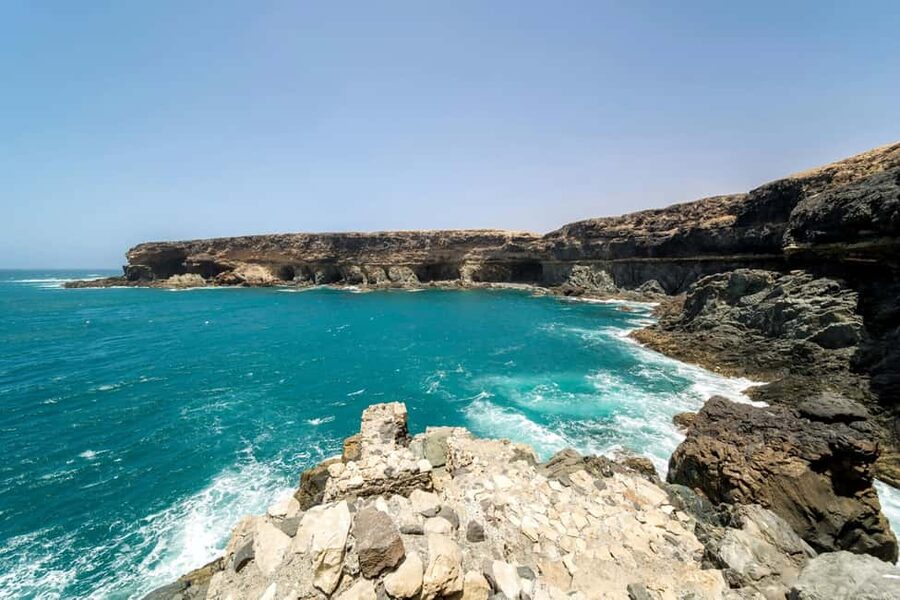
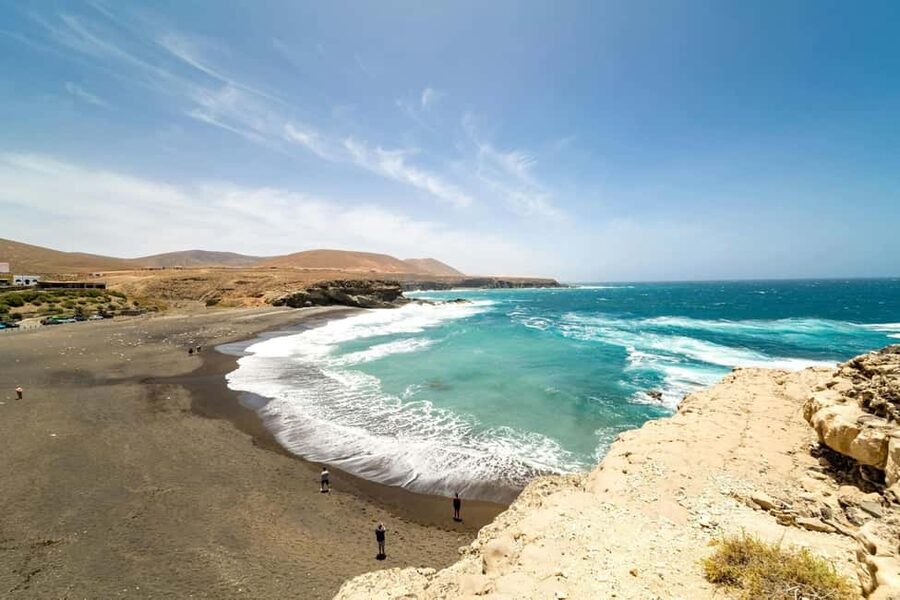
Ajuy is the natural highlight for many people. This tiny fishing village on the west coast has a black-sand beach and sea caves cut into pale chalk cliffs. The contrast between dark sand, light rock, and open sea gives the stop a strong visual punch.
The caves are reached on foot, so suitable footwear matters. This is not the place for smooth sandals or shoes with poor grip, particularly if you want to make the most of the walking section.
I would keep your expectations realistic about the time available. Several comments point to the caves and Ajuy receiving less time than they deserved. One person felt Ajuy was the most beautiful stop and would have preferred to stay much longer. Another barely had a chance to reach the cave because the coach needed to continue.
That does not make the stop pointless. It means you should treat it as a well-chosen introduction rather than a full coastal walk. Stay focused, follow the guide’s timing, and head directly toward the cave path if that is your priority. If Ajuy is the main reason you are booking, a separate visit by car may give you more freedom.
More Farm Tours around Spain:
- Montserrat & Winery Visit Tour with Traditional Farmhouse Lunch
★ 4.5 · 1,035 reviews - Ría de Arousa: Boat Ride to Mussel Farm with Tasting
★ 4.7 · 845 reviews - Valencia: Orange Farm and Orchard Trip with Tastings
★ 4.9 · 702 reviews - La Herradura Coffee Farm: tour in Europe’s only plantation
★ 4.8 · 430 reviews
Las Peñitas viewpoint and Fuerteventura’s bare beauty
On the way toward Betancuria, the coach stops at Las Peñitas viewpoint. From here, you can look across the dry mountains toward the sea. This is the part of the island that some people find stark and others find beautiful.
The lack of trees is not the same as a lack of life. Marta points out that Fuerteventura has 44 bird species, only four fewer than forested Madeira. That is a useful reminder to look beyond the color palette. The island’s appeal comes from rock, light, distance, and the shape of the hills rather than green vegetation.
The viewpoint also gives you a break from village streets and coach travel. Bring a hat and comfortable shoes, and be ready for exposed conditions. The tour information specifically advises suitable footwear, and moderate walking is involved during the day.
Betancuria and the island’s earliest church
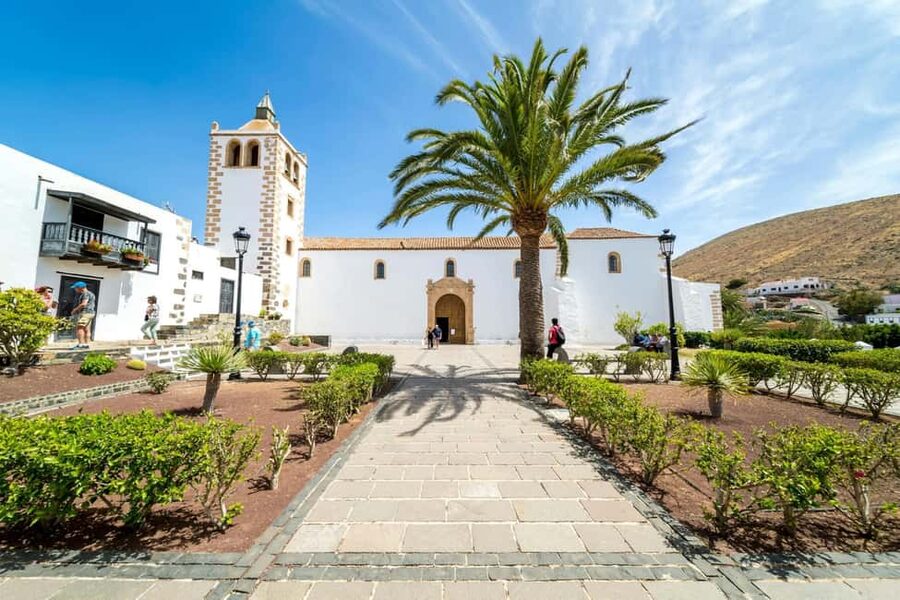
Betancuria is the historical center of the tour. The settlement is tied to the early history of Fuerteventura, and the old church of Santa María was consecrated in 1424. It is described as the oldest church in the Canary Islands, making this more than a quick photo stop.
You may have the chance to see the church or visit the archaeological museum, depending on the arrangements during your visit. The museum offers exhibitions connected with the island’s earlier people and past. If the church is open and time allows, its age gives the village a special weight.
The pleasure here comes from walking through a small historic settlement rather than chasing one huge monument. You can look at the church, pause in the plaza, and take in the surrounding hills. The stop works best when you slow down and notice the setting.
The possible drawback is the same one found elsewhere on the route: timing. Some commentary is given before arrival, then the guide may lead the group to the main sight without gathering everyone for a full explanation at the building. If you want detailed information, stay close to the guide and listen on the approach.
Lunch in Valle de Santa Ines
Lunch takes place at a family-run restaurant in Valle de Santa Ines, with food made from locally sourced ingredients. This is a welcome middle-to-late break after a morning of driving, walking, and sightseeing.
The meal was generally described as acceptable or good, but not as a major culinary event. That is a fair way to view it. The value is in having lunch arranged and included, rather than searching for a restaurant while trying to keep up with a group schedule.
A family-run setting also fits the tone of the day. This tour is less about polished resort dining and more about seeing how rural Fuerteventura presents its food. If you have dietary needs, the supplied information does not explain the options, so ask before booking.
The goat farm and local tasting
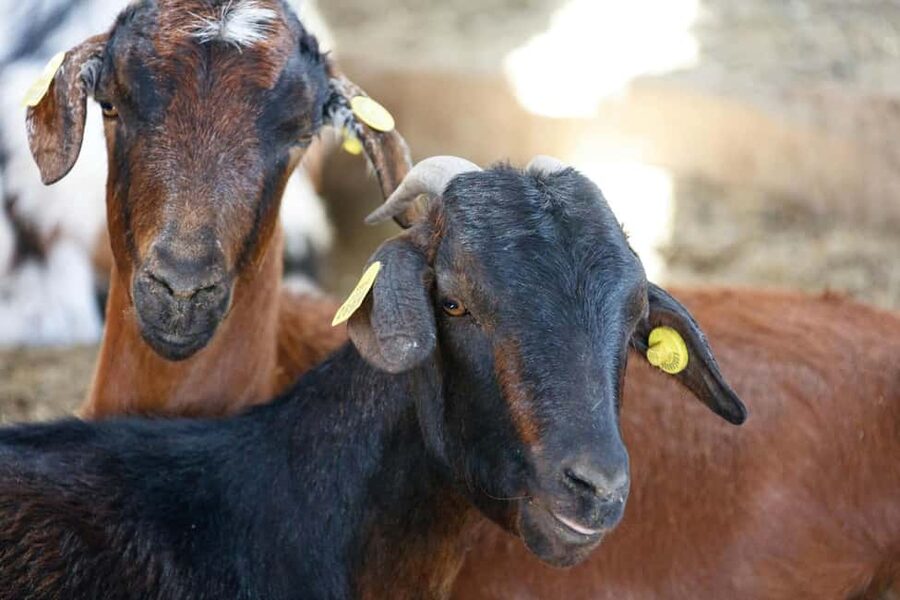
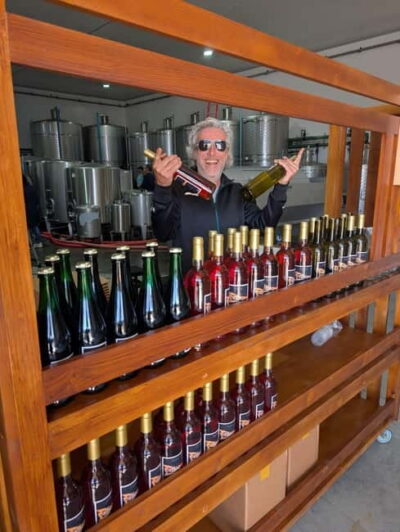
The goat farm is meant to finish the day with a taste of Fuerteventura’s rural food culture. You sample local goat cheese, jams, conserves, and honey rum liqueur, a popular island drink.
For many people, this is the most enjoyable stop. The combination of cheese and sweet local products gives you a direct taste of the island, and the farm visit feels more connected to daily life than a standard souvenir shop.
Still, keep the tasting modest in your expectations. The portions have been described as small, with a few crackers and a limited selection of sauces. The visit may also offer little explanation of the cheese-making process, and the animal conditions have raised concerns for some people.
I would treat this as a short tasting stop, not a full agricultural tour. You are not promised an extended look at milking, production, or farm work. The best part is the chance to try local flavors and decide what you might want to buy later.
Transport, pickup points, and the long day
Transport is included, which is a major part of the tour’s value. Fuerteventura’s villages and west coast are spread out, and arranging all these stops independently would take planning and a rental car.
The downside is the pickup system. Some people were collected from a local bus station, while others had hotel pickup. Confusion over similar-sounding meeting points caused missed departures, and one person had to rebook. Another group was collected, then spent about an hour waiting while other passengers were picked up.
Confirm your exact pickup point and time before the day. Do not rely on a nearby stop with a similar name. If you are traveling with children or a large amount of luggage, allow extra time to reach the meeting place.
The coach itself has been described as comfortable, and some pickups run on time. Your place in the route can affect the morning. Being among the first pickups may mean an earlier start, but being collected later can mean more waiting before the actual sightseeing begins.
Is $74 good value?
At $74 per person, the price is reasonable if you want a broad introduction to Fuerteventura without hiring a car. The fee includes transport, a live guide, admission fees, lunch, and local tastings. Those inclusions matter because the route covers a wide area and would be difficult to reproduce with separate taxis.
The value is strongest for first-time visitors who want variety. In one day, you see rural villages, churches, a viewpoint, a fishing village, sea caves, an aloe farm, and a goat farm.
The value is weaker if you want long visits at each stop. You are paying for coverage rather than depth. Ajuy, in particular, may leave you wishing for more time, and the tasting portions are not large.
I would also factor in the cost of a vacation day. Eight hours is a substantial commitment, especially if your hotel is far from the pickup route. For an easy overview of the island’s inland and west-coast character, the price works. For a relaxed day at one beach or a detailed food tour, it is not the right format.
Who should book this Fuerteventura tour?
I would recommend it for you if you:
- Want to see rural Fuerteventura without driving
- Enjoy a mix of history, food, villages, and natural scenery
- Are comfortable with moderate walking
- Prefer an English or German-speaking guide
- Want lunch and tastings included
- Are happy with short visits across a wide route
I would think twice if you:
- Use a wheelchair or have reduced mobility
- Want a slow schedule with plenty of free time
- Mainly want to explore Ajuy’s caves
- Dislike coach transfers and multiple pickups
- Expect a large food tasting or a detailed working-farm visit
The experience is not suitable for wheelchair users or people with mobility impairments. Moderate walking is part of the day, especially around the village streets, viewpoint, beach, and caves.
Should you book it?
Book this tour if you want a well-rounded first look at Fuerteventura and value having transport, lunch, guiding, and tastings handled for you. The churches at Pajara and Betancuria, the scenery around Las Peñitas, and the black beach at Ajuy give the day real variety.
Skip it if your priority is a slow coastal outing or an in-depth farm visit. Before booking, confirm the pickup point, wear sturdy shoes, and accept that the route may feel rushed. For $74, it offers a lot of island coverage, but Ajuy and the farm tasting would benefit from more time.
FAQ
How long is the Fuerteventura farm, caves and villages tour?
The tour lasts eight hours. Some departures may return after 4:30pm, depending on the route and pickup arrangements.
How much does the tour cost?
The listed price is $74 per person.
Is lunch included?
Yes. Lunch at a family-run restaurant in Valle de Santa Ines is included.
What food and drinks are included?
The tour includes tastings of local goat cheese, jams, conserves, and honey rum liqueur.
Which languages are available?
The live tour guide is available in English and German.
Is transport included?
Yes. Transport is included in the tour price.
Will the tour visit Ajuy?
Yes. The route includes Ajuy, where you can see the black-sand beach and sea caves in the cliffs.
Is the tour suitable for wheelchair users?
No. The tour is not suitable for wheelchair users or people with mobility impairments.
What should I bring?
Bring suitable footwear because the tour includes moderate walking and a visit to the sea caves.
Can I cancel the tour?
You can cancel up to 24 hours in advance for a full refund. The tour also offers reserve now and pay later booking.
Just added around Spain
- Vigo: Bay of San Simón Mussel Farming Tour★ 5.0 · 6 reviews
- Animal farm park with free hotel pickup★ 5.0 · 2 reviews
- Olive Oil Farm Tour with Tasting from Seville★ 4.5 · 61 reviews
- From Seville: Pig Farm private day tour and old villages visit★ 4.5 · 4 reviews
- Bull Breeding Farm: Guided Half-Day Tour from Seville★ 4.5 · 24 reviews
- ” Basque Farm House & Cider house” tour + meal from San Sebastian★ 5.0 · 9 reviews
- Fuerteventura Villages Caves and Farm Tour with Lunch from North★ 3.0 · 9 reviews
- Menorca: Cheesemaking and Farm-Fresh Product Tasting★ 5.0 · 29 reviews
Lunch Experiences, farm by farm.
Cooking Class and Lunch at a Tuscan Farmhouse with Local Market Tour from Florence
Read our review →
Reindeer Camp and Sami Cultural Tour with Lunch
Read our review →
Montserrat Lunch & Wine at Farmhouse Small Group from Barcelona
Read our review →
Montserrat Visit & Lunch at Farmhouse Small Group
Read our review →
Montserrat Full Day Tour with Farmhouse Lunch and Winery Visit
Read our review →
Montserrat & Winery Visit Tour with Traditional Farmhouse Lunch
Read our review →
Hidden Gems: Boutique Full-Day Wine, Farm & Lunch Tour
Read our review →Other lists this farm sits on