
REVIEW · SPAIN
Fuerteventura: Artisan Goat’s Cheese Making at Local Farm
Cheese tastes better when you make it yourself. This 2.5-hour Fuerteventura farm visit gives you a close look at Majorera goats, traditional milking, and the island’s famous cheese. I especially like the hands-on milking and the chance to take home a roughly 1-kilo cheese made and labeled by you. The farm team also makes time for baby goats, feeding, and plenty of animal contact.
The second big plus is the food. Your break includes fresh cheese sandwiches, a local cheese board, Canarian mojos, homemade jams, and one drink. The main consideration is communication: the activity is offered in English and Spanish, but one past session reportedly had no guide present, leaving the farm worker to communicate partly through Google Translate. That appears to be an exception, but a little Spanish or a translation app could still help.
Key points before you book
- You milk the Majorera goats: Learn both hand milking and machine milking, then see how the milk becomes cheese.
- You make and take home cheese: Your own cheese is pressed, vacuum-packed, labeled, and ready to bring home.
- Baby goats are part of the charm: Feeding and holding young goats has been a highlight, with some visitors meeting newborns only minutes old.
- Breakfast is part of the lesson: Fresh farm cheese, mojos, jams, sandwiches, and a drink make this more than a production demo.
- The group is capped at 10: The small size suits a hands-on activity where everyone needs a turn.
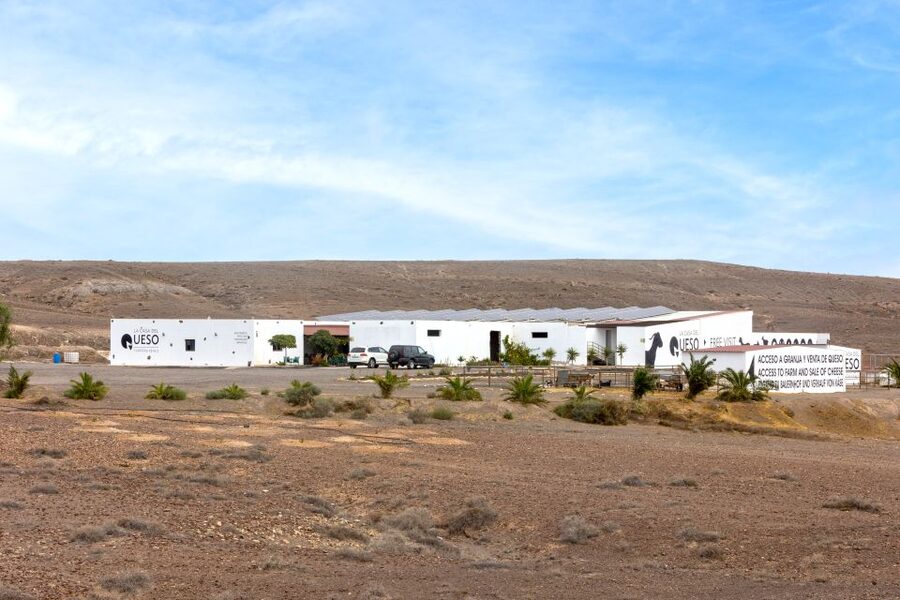
- Allow for a rural, practical setting: You are visiting a working goat farm, not a polished museum or restaurant.
Why Majorero cheese matters on Fuerteventura
Fuerteventura is famous for goat cheese because the island’s dry climate suits goats particularly well. The Majorera goat is known for coping with desert conditions, and the cheese made from its milk is one of the island’s signature foods.
That local connection gives this activity more weight than a standard cooking class. You are not simply following a recipe chosen for tourists. You are learning a food tradition tied to the farm, the animals, and the island’s limited natural resources.
I like activities that explain a place through something ordinary and edible. Here, cheese becomes a way to understand daily work on Fuerteventura. You see where the milk comes from, handle the equipment, shape the cheese, and eat the finished product later.
More Cheese Farm Tours around Spain:
- Tenerife – Farm Tour with Cheese Tasting
★ 4.9 · 54 reviews - Visit San Sebastian and a Family Cheese Farm with Tasting (From Bilbao)
★ 5.0 · 4 reviews - Authentic Farm Tour with Pizza, Cheese, Wine & Limoncello Tasting
★ 5.0 · 698 reviews
Arrival, coffee, and meeting the farm team
The visit begins with a welcome coffee while the host introduces the farm and explains how the session will run. That first drink matters because the morning moves between animal care, milking, cheese production, and breakfast rather than following a simple sit-down demonstration.
The farm is family-run, and the warmth of the people is a major part of the visit. Farm owner David has been described as patient and clearly caring toward the goats. Guides including Elaine and Helen have led sessions, with Elaine receiving especially strong praise for her friendly explanations and steady encouragement.
You should expect an informal working farm atmosphere. The staff may ask you to feed animals, help with the milking routine, or take part in basic tasks. That is the point, but it also means the setting is practical rather than luxurious.
Feeding goats and meeting the babies
Before or around the milking portion, you may spend time feeding the goats and meeting the younger animals. Several sessions included bottle-feeding baby goats, and one group saw two babies born during the visit. Other animals, including donkeys, were also mentioned during the farm activities.
This is likely to be the most memorable part for families and animal lovers. Young children can connect with the farm quickly when they are doing something simple, such as feeding an animal, instead of only watching from behind a fence.
Still, keep your expectations sensible. The animals are central to a working farm, not performers in a staged show. The amount of time with them can vary depending on the day, the farm routine, and what is happening at the time of your visit.
The animal contact also gives the milking lesson a clear purpose. You are not handling equipment in isolation. You first see the goats as living animals, then learn how their care and milk production fit into the farm’s daily work.
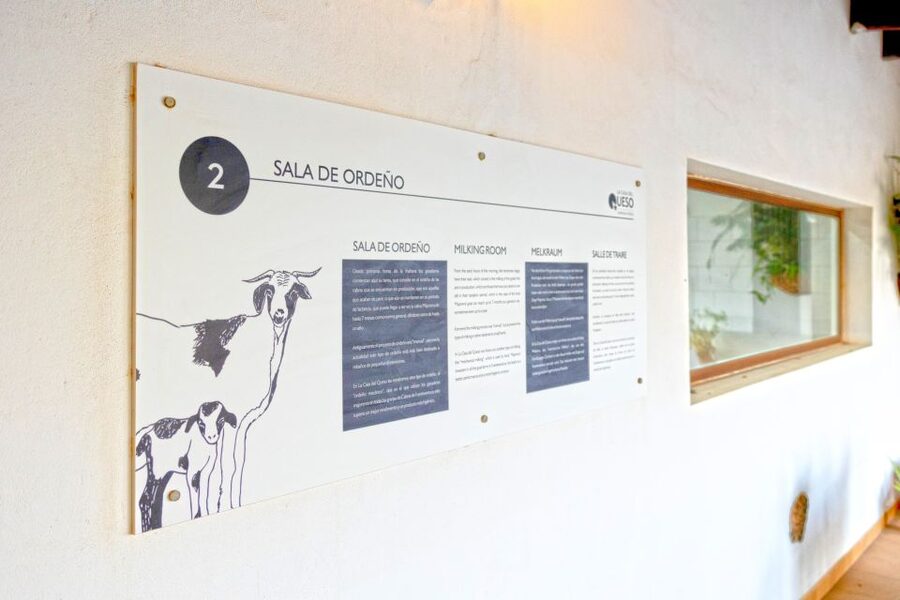
Learning hand and machine milking
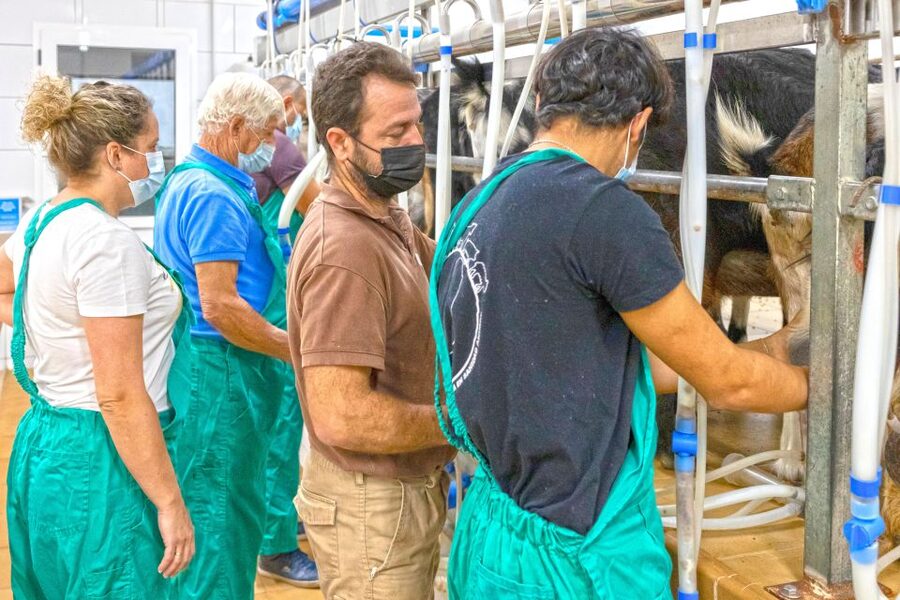
The milking section covers both manual and machine techniques. Hand milking gives you a direct feel for the skill involved. It is more difficult than it looks, and a patient instructor makes a real difference for first-timers.
You may also be shown the machine used on the farm. This comparison helps explain how a traditional method fits alongside modern farm work. The experience does not treat old-fashioned methods as a museum piece, nor does it hide the practical machinery needed to handle a herd.
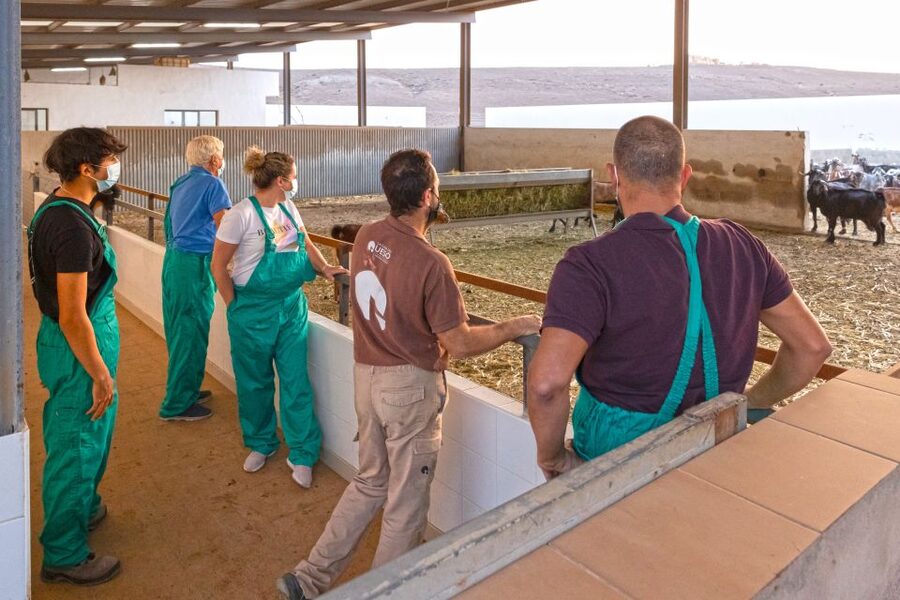
One important detail from the farm visits is the scale. You may meet around 50 goats from a herd of more than 100. That makes the farm feel active and genuine, but it also means you should be prepared for a hands-on session rather than a quiet photo stop.
Some past participants even drank fresh milk straight from the udder. This is mentioned in the experience accounts, but you should follow the farm team’s instructions on the day and never assume that every group will do the same thing.
More Farm Tours around Spain:
- Montserrat Lunch & Wine at Farmhouse Small Group from Barcelona
★ 5.0 · 2,368 reviews - Barcelona: Montserrat Visit & Lunch at Farmhouse Small Group
★ 4.7 · 1,313 reviews - Montserrat Full Day Tour with Farmhouse Lunch and Winery Visit
★ 5.0 · 1,068 reviews - Montserrat & Winery Visit Tour with Traditional Farmhouse Lunch
★ 4.5 · 1,035 reviews
Making your own cheese from scratch
The central activity is preparing an individual Majorero cheese. You work through the process step by step, using the tools and equipment provided by the farm.
This is where the experience earns much of its price. You are not merely tasting finished cheese. You are learning how the curds are handled, how the cheese is shaped, and how pressing affects the final product. The practical work also gives you a better sense of why handmade cheese takes time and attention.
Your cheese rests in a press while you take the breakfast break. Later, you return to the production room, remove it from the press, and vacuum-pack it yourself. You also label it with the farm sticker, creating a useful edible souvenir rather than another souvenir-shop trinket.
The take-home cheese is a generous feature. Past visitors described bringing home about one kilogram, although the exact final size may depend on the production process. You should check any food transport rules that apply to your journey home, especially if you are flying internationally.
A Canarian breakfast with a farm view
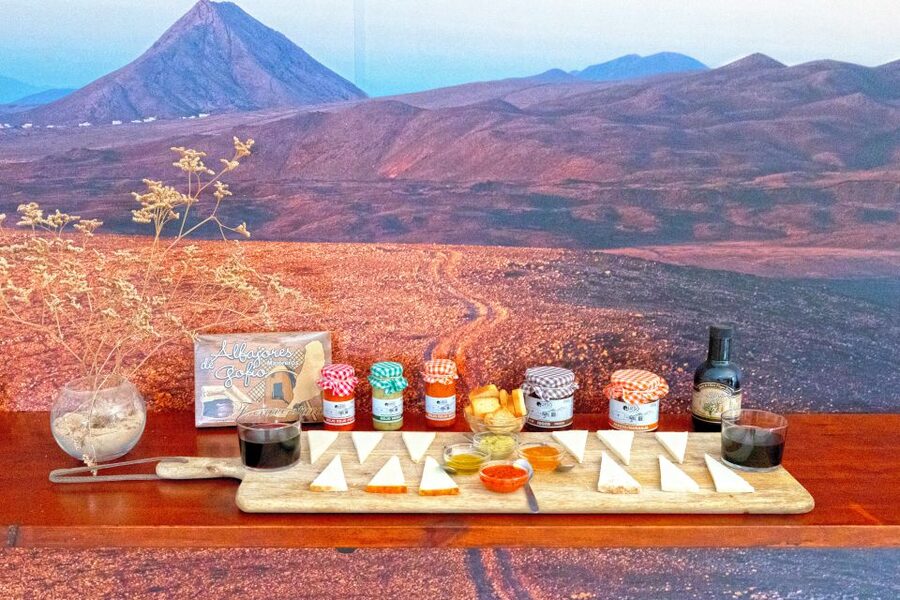
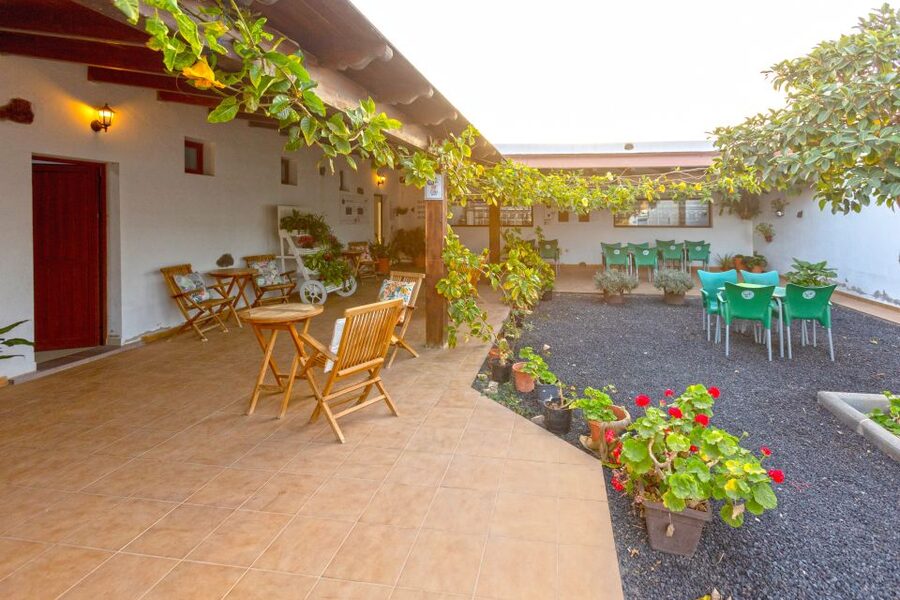
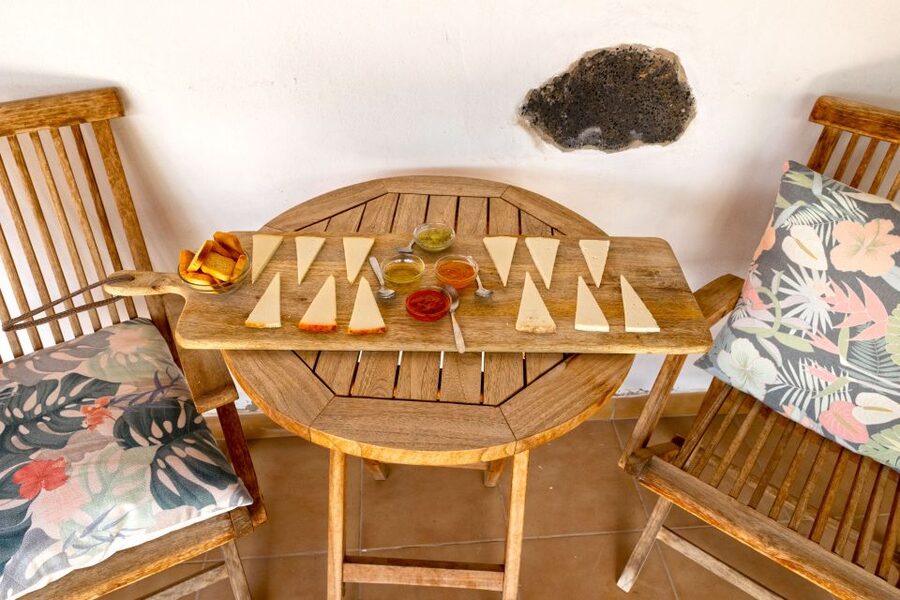
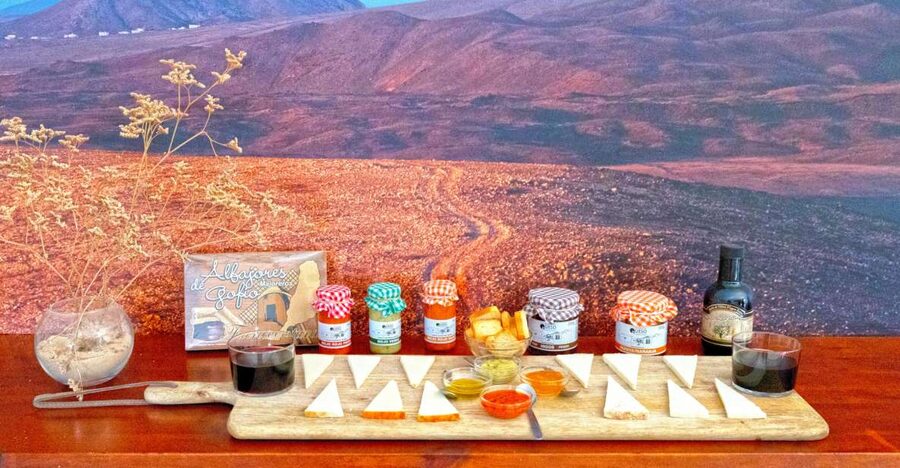
While the cheese sets, you sit in the garden patio for a traditional Fuerteventura breakfast. The meal includes a fresh cheese sandwich, a cheese board, Canarian mojos, homemade jams, and one drink.
The cheese board turns the morning into a tasting session as well as a meal. You can compare local cheeses and see how accompaniments such as spicy or savory mojos and sweet jams change the flavor. It is a good moment to slow down and ask questions about what you have just made.
Your included drink can be coffee, tea, Tenerife wine, beer, a soft drink, or water. Additional drinks are not included, so keep that in mind if you plan to linger or want more than the single beverage provided.
The breakfast is substantial enough to feel like part of the value rather than a token snack. It also gives the cheese time to rest, so the pause has a practical role in the workshop.
The final packing and labeling session
The last stage brings you back to the production room. Your cheese is vacuum-packed and labeled, and you take it home as proof of the work you completed.
I like this closing step because it turns a short farm visit into something you can continue enjoying after the holiday. The label also gives the cheese a personal touch. You are not leaving with a generic package selected from a shop shelf.
The packing is especially useful if you are staying elsewhere on the island and want to eat the cheese later. It should help protect the product during your remaining holiday, though you should still follow any food storage advice given by the farm.
Is $85 a fair price?
At $85 per person, this is not the cheapest food activity on Fuerteventura. The value depends on how much you want from the morning.
You are paying for a small group of up to 10 people, a guided workshop, animal care, hand and machine milking instruction, your own cheese, breakfast, and one drink. You also receive the equipment and materials needed for the cheese-making process.
For someone who only wants to taste Majorero cheese, the price may feel high. A local market or restaurant will cost less. But those options will not give you two and a half hours of farm access, direct instruction, animal contact, and a cheese to take home.
The small group helps justify the cost. Everyone needs time at the goats and a chance to work with the cheese. A group limit of 10 makes that more realistic than a large coach excursion.
Families should also calculate the value in terms of shared activity. Feeding goats, meeting babies, milking, and making cheese give children several different things to do. Adults who enjoy food traditions and rural life will find the session more rewarding than a quick tasting.
Who will enjoy this farm visit most?
I would recommend it most strongly to food lovers, families, and curious people who prefer meeting local producers rather than staying with the usual sightseeing circuit.
It is also a good choice for anyone who enjoys animals. The baby goats have been a major highlight, and the farm team may allow time for feeding and close contact.
The activity works well for mixed-age groups because it combines movement, food, animals, and explanation. You do not need to be an experienced cook or cheesemaker. The process is taught from the beginning.
It may be less suitable if you want a polished, quiet, or purely scenic outing. This is a working farm. You could encounter animal smells, practical equipment, and an active routine. That is part of its appeal, but it is worth knowing before you book.
The activity is wheelchair accessible, according to the supplied details. Since the visit involves a farm setting and hands-on work, I would still confirm any personal access needs directly before arrival.
Language, group size, and timing tips
The live instruction is available in English and Spanish. Elaine has been praised for guiding people patiently, including visitors with limited Spanish. Helen has also led a detailed session.
Because the farm staff and guides may divide roles, the exact guide on your date can vary. One past session had a communication problem when the expected guide did not arrive, and Google Translate became necessary. That report should not put you off, but downloading Spanish offline or carrying a translation app is sensible.
The full activity lasts 2.5 hours. Starting times vary, so check availability when booking. Past sessions have felt unhurried, with plenty of time around the goats, though the formal schedule remains limited to the stated duration.
You can cancel up to 24 hours before the activity for a full refund, and you can reserve now and pay later. Those terms are useful if your Fuerteventura plans are still shifting.
My verdict on this Fuerteventura cheese experience
Book this if you want a real farm activity with work, food, animals, and a personal souvenir. The strongest reasons are the chance to milk Majorera goats, make your own cheese, meet baby goats, and eat a breakfast built around the farm’s product.
I especially like that the activity connects every part of the morning. The goats provide the milk, the milk becomes cheese, the cheese appears at breakfast, and your own cheese goes home with you.
Skip it if your main goal is a low-cost tasting or a short sightseeing stop. At $85, this is a hands-on workshop, not simply a sample plate.
For most food-focused families and curious visitors, I consider it a very good use of a morning. The 4.9 rating from 112 bookings reflects the activity’s strongest qualities: friendly staff, generous animal contact, clear instruction, and a satisfying cheese-making result.
FAQ
How long does the Fuerteventura cheese-making experience last?
The activity lasts 2.5 hours.
How much does the experience cost?
The price is $85 per person.
What kind of goats will I meet?
You will meet Majorera goats, the breed associated with Fuerteventura’s famous cheese.
Will I learn how to milk the goats?
Yes. The session covers both manual milking and machine milking techniques.
Can I make my own cheese?
Yes. You prepare an individual Majorero cheese, place it in a press, then vacuum-pack and label it yourself.
Can I take the cheese home?
Yes. Your cheese from the press is vacuum-packed and labeled for you to take home.
Is breakfast included?
Yes. Breakfast includes a fresh cheese sandwich, a local cheese board, Canarian mojos, homemade jams, and one drink.
What drinks are included?
You can choose one drink from coffee, tea, Tenerife wine, beer, a soft drink, or water. Additional drinks cost extra.
Is the activity offered in English?
Yes. The live tour guide service is available in English and Spanish.
Just added around Spain
- Vigo: Bay of San Simón Mussel Farming Tour★ 5.0 · 6 reviews
- Animal farm park with free hotel pickup★ 5.0 · 2 reviews
- Olive Oil Farm Tour with Tasting from Seville★ 4.5 · 61 reviews
- From Seville: Pig Farm private day tour and old villages visit★ 4.5 · 4 reviews
- Bull Breeding Farm: Guided Half-Day Tour from Seville★ 4.5 · 24 reviews
- ” Basque Farm House & Cider house” tour + meal from San Sebastian★ 5.0 · 9 reviews
- Fuerteventura Villages Caves and Farm Tour with Lunch from North★ 3.0 · 9 reviews
- Menorca: Cheesemaking and Farm-Fresh Product Tasting★ 5.0 · 29 reviews
Cheese Farm Tours, farm by farm.
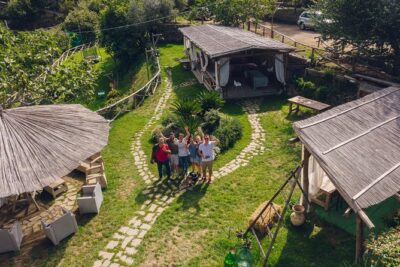
Authentic Farm Tour with Pizza, Cheese, Wine & Limoncello Tasting
Read our review →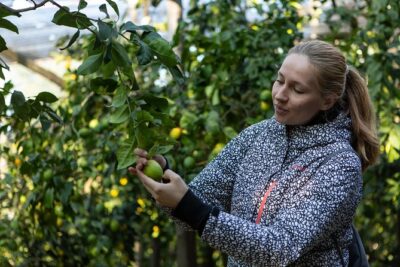
Sorrento Farm by Tuk Tuk: Cheese, Limoncello & Hands-On Pizza
Read our review →
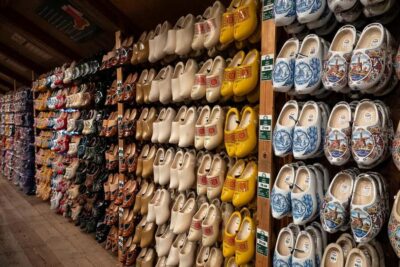
Experience Zaanse Schans Windmills & Cheese Farm
Read our review →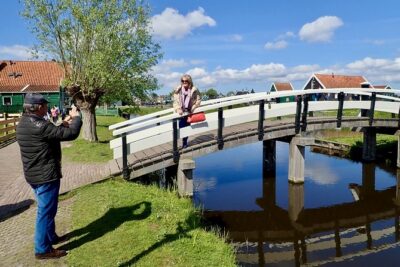
Amsterdam private tour to windmills, cheese farm and villages
Read our review →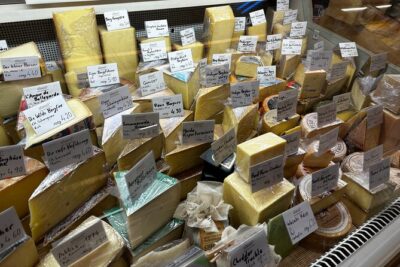
Basel Farmer’s Market, Cheese, Chocolate & Pastry Tour
Read our review →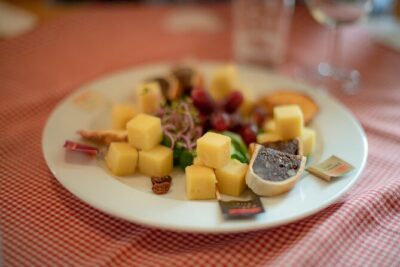
Appenzell Alps Day Trip from Zurich – Farm Life & Cheese Tasting
Read our review →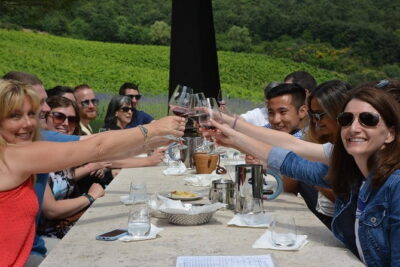
Experience Chianti & Cheese w/ 3 wineries & dairy visit—max 8 pp
Read our review →Other lists this farm sits on