
REVIEW · DALAT
Experience specialty coffee with sustainable coffee farmers
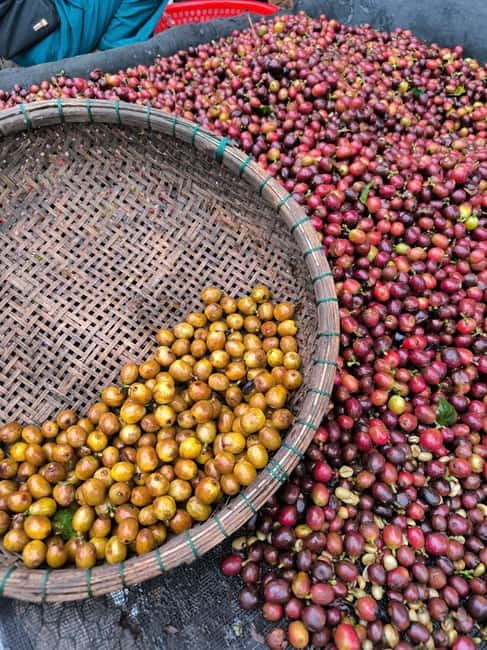
Taste coffee at its source. HuyEco Coffee & Culture gives you a close look at Vietnamese coffee, from green beans and farm methods to roasting and brewing. I especially like the chance to compare five coffees made from Arabica and Robusta, and I like that Huy, the farmer and host, explains how processing changes flavor. The main thing to consider is the flexible 90-minute to five-hour duration, so you should confirm exactly what your booking includes.
This is not a quick cup of sweetened Vietnamese coffee. You can taste clean, unblended beans with sour, sweet, or fruity notes, then roast and brew some yourself. The central Da Lat cafe is easy to reach, but some longer versions include time at the farm, which may require extra transport.
Key points before you book
- Five coffees in one sitting: Compare Arabica and Robusta beans prepared with different processing and roasting methods.
- You roast the beans yourself: Watch green coffee turn brown, then taste the result through several brewing styles.
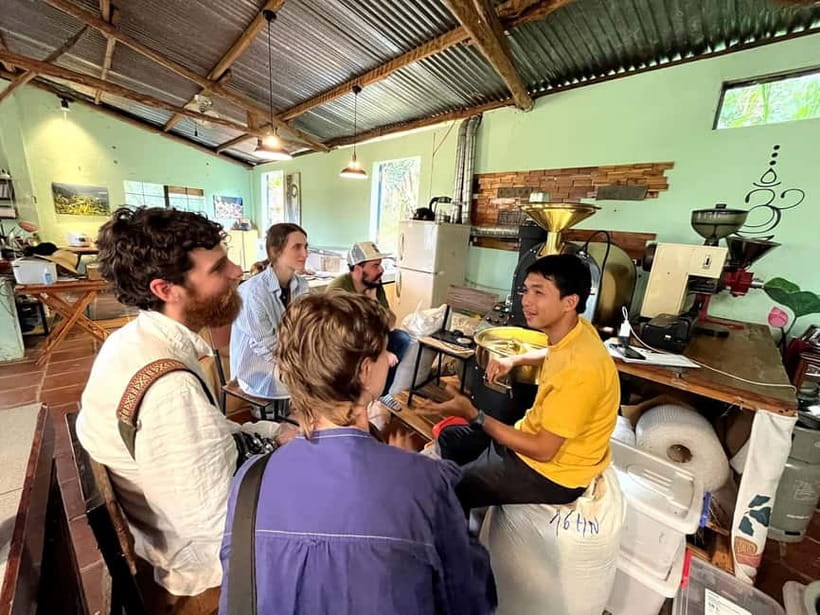
- Huy leads the experience: The owner and coffee farmer explains growing, processing, roasting, and brewing in English or Vietnamese.
- Phin coffee with a view: Finish by preparing your own traditional Vietnamese drip coffee at the cafe.
- Small group setting: Bookings are limited to 10 people, giving you room to ask questions.
- Good value at $14: Five coffee drinks, the guided experience, and a hands-on activity make this a strong low-cost choice for coffee fans.
Why Da Lat coffee tastes different
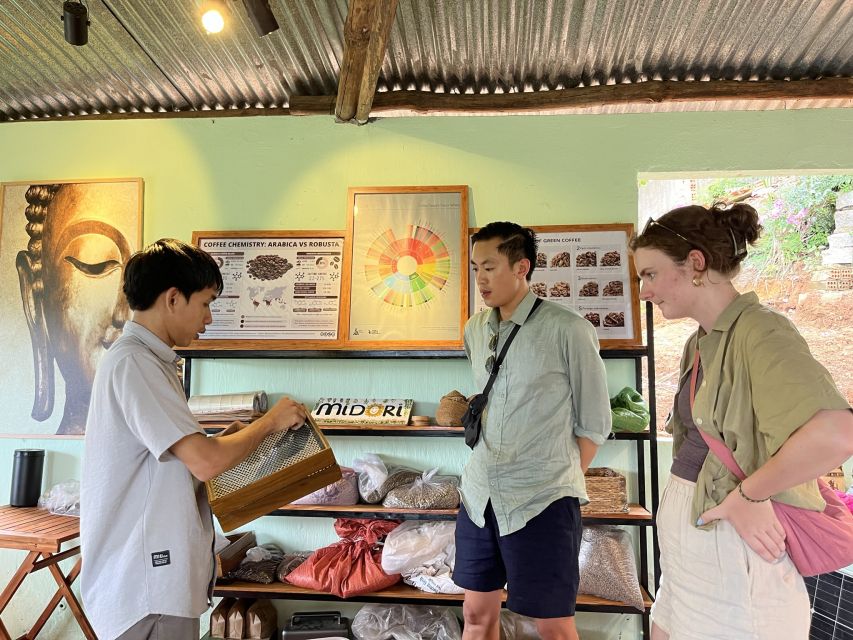
Da Lat is one of Vietnam’s best-known coffee-growing areas, and this experience gives you a chance to connect the drink with the work behind it. Instead of treating coffee as a finished product, Huy explains how growing conditions, bean type, processing, roasting, and brewing each affect the cup.
That matters because Vietnamese coffee is often presented in a very narrow way overseas: strong Robusta, dark roast, condensed milk, and a metal phin filter. That style is worth trying, but it is only part of the story. At HuyEco Coffee & Culture, you can taste coffee without anything mixed into it.
The clean beans may show sour, sweet, or fruity notes. If you usually drink coffee with milk or sugar, the first taste may surprise you. I would approach this as a tasting lesson rather than a search for one perfect cup.
The experience uses five coffees from the farm, including Arabica and Robusta. The beans also use different processing and roasting methods, so you get a useful side-by-side comparison. Instead of trying to remember what a particular bean tasted like last week, you can taste several versions close together.
More Coffee Farm Tours around Vietnam:
- Coffee Farm Tour with Roasting & Tasting Workshop – Da Lat
★ 5.0 · 126 reviews - Dalat Countryside Motorbike Day Tour–Coffee Farms & Pagodas
★ 5.0 · 53 reviews - Dalat: MOTORBIKE TOUR TO PONGOUR FALLS- SILK- COFFEE FARM
★ 4.9 · 52 reviews
Meeting Huy at HuyEco Coffee & Culture
The meeting point is HuyEco Coffee & Culture, a cafe in central Da Lat. Search for the full name in Google Maps and check the location carefully before setting out. You can reach it on foot, by motorbike, taxi, or a booking app.
Huy is the owner, coffee farmer, and main guide. His style comes across as friendly, funny, and relaxed. He seems happy to answer questions instead of rushing through a fixed speech, which is useful if you want to understand the reasons behind each flavor.
The group limit is 10 people. That is small enough for a personal session, while still allowing you to meet other coffee drinkers. Several people have found the atmosphere calm and welcoming, with pleasant seating areas and city views. One particularly practical detail: a visitor arrived without a jacket in Da Lat’s cool weather, and the owners lent one. I would still bring your own warm layer, but the gesture tells you something about the tone of the place.
The cafe setting also makes this easy to fit into a day of sightseeing. You do not need to commit to a full farm excursion if you only want a focused coffee lesson. On the other hand, if your booking includes the farm portion, confirm the meeting and transport details in advance. The listed meeting point is the city cafe, while some past experiences included a farm outside Da Lat.
The five-coffee tasting
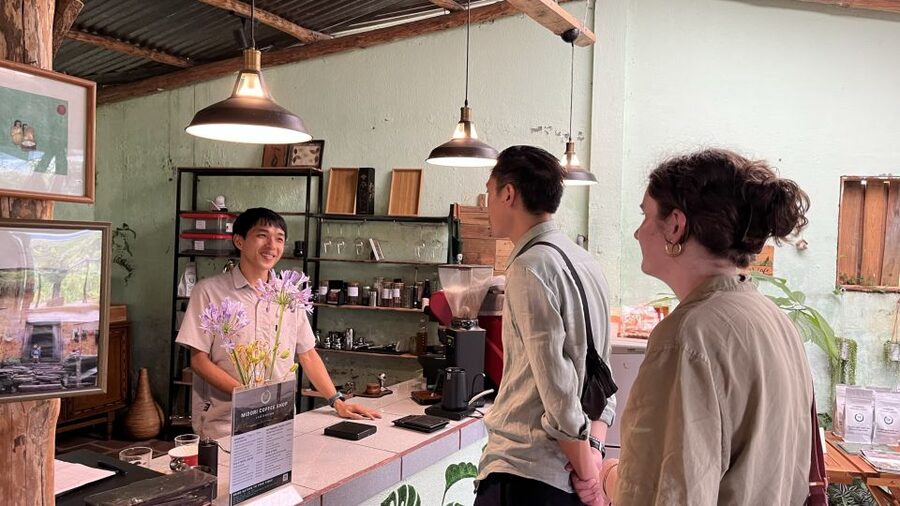
The tasting is the heart of the experience. You try five coffees from Huy’s farm, with Arabica and Robusta represented alongside different processing and roasting choices.
This is where the $14 price begins to make sense. You are not paying for one standard drink and a short explanation. The session includes five coffee drinks, plus the guide experience and hands-on roasting and brewing.
I like the comparison format because it teaches you to notice differences. A light roast may keep more delicate or fruity notes. A medium roast can bring a fuller balance. A dark roast tends to taste stronger and more roasted. Those broad patterns are useful, but the exact cup will also depend on the bean and brewing method.
The tasting can also correct some common assumptions. Arabica is not automatically better than Robusta, and dark coffee is not always stronger in caffeine or more authentic. The point is to see how several choices alter the final drink.
You will probably get more from the tasting if you slow down. Smell each coffee before drinking it. Notice whether one tastes sharp, sweet, heavy, or fruity. You do not need expert vocabulary. Simple words such as bright, bitter, soft, or earthy are enough to build a useful comparison.
Roasting your own green beans
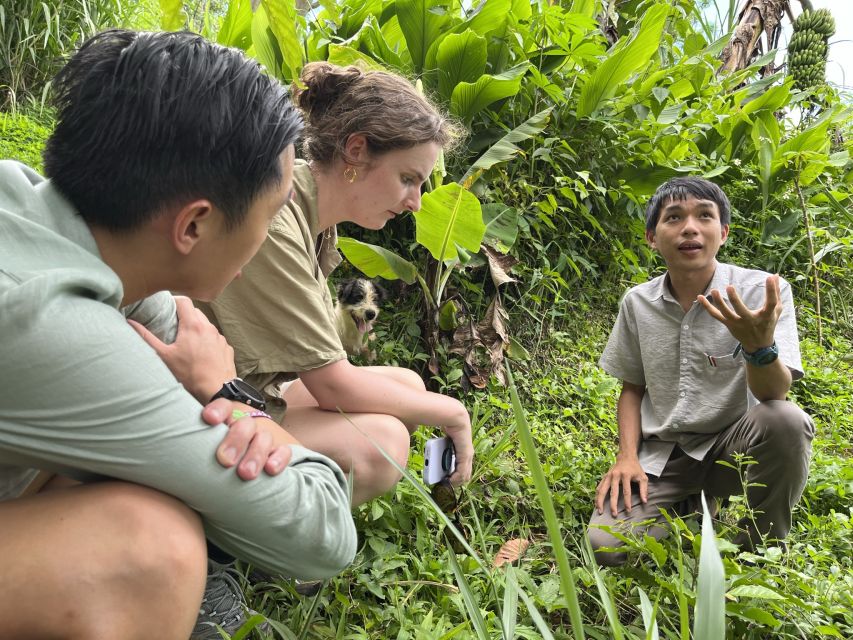
The hands-on roasting section gives the experience its best physical detail. You begin with green coffee beans and watch them change into the familiar brown beans used for brewing.
Roasting is not just a small performance for the group. It helps you understand why coffee can taste so different even when it comes from the same plant. Heat changes the bean’s color, smell, texture, and flavor. Your own batch gives you a better sense of how much care goes into a cup that may take only a few minutes to drink.
The activity is also approachable. You do not need previous coffee training, and the point is not to produce a perfect commercial roast. You get to take part, observe the change, and then connect the process with the tasting.
One past visitor described roasting beans that began green and turned dark brown before tasting several versions from two bean types. That is a useful way to think about the session: you are learning through direct comparison, not just listening to a lecture.
If you are hoping to spend most of the time outdoors among coffee plants, check the version you book. The core experience takes place at the cafe, while longer visits may include the farm, vegetable garden, and more time learning about cultivation.
More Farm Tours around Vietnam:
- From Ho Chi Minh: Can Gio Trek – Monkey Island & Crocodile Farm
★ 5.0 · 353 reviews - Cocolocal Farm Cooking Class with market tour and basket boat
★ 5.0 · 231 reviews - Phu Quoc: Kayaking with Starfish Beach and Bee Farm Tour
★ 4.4 · 213 reviews - Farm-To-Table Healthy Cooking Class in Ho Chi Minh City
★ 5.0 · 79 reviews
Sustainable farming, explained by the farmer
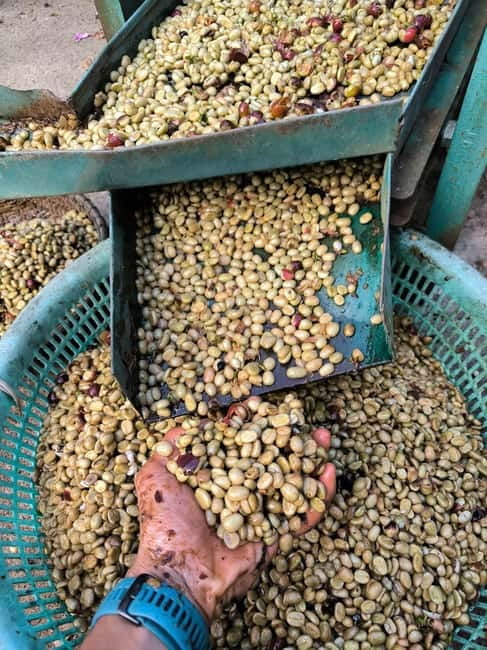
Huy talks about how he grows coffee sustainably, which gives the discussion a practical angle. You are hearing from someone who works with the crop himself, rather than from a guide repeating general facts.
The farm connection also helps explain the full chain from plant to cup. You can ask about how coffee is grown, how the beans are processed, and why different treatments affect taste. Several people have found this behind-the-scenes part especially useful because it connects what you drink in Da Lat with the work involved before the beans reach a cafe or shop abroad.
The word sustainable can cover many things, so I would treat this as an opportunity to ask direct questions. Ask how the farm handles growing, processing, and waste. Ask which methods are used for the Arabica and Robusta beans. The small group format should give you time to do that.
The farm visit, when included in the chosen format, adds another layer. One longer experience included the coffee farm, a vegetable garden, and the roasting session. Another person described the farm setting as peaceful and said they would consider staying at the farm stay next time. Those details suggest that longer bookings may feel more like a rural visit, while the cafe session is the shorter city option.
Brewing with light, medium, and dark roasts
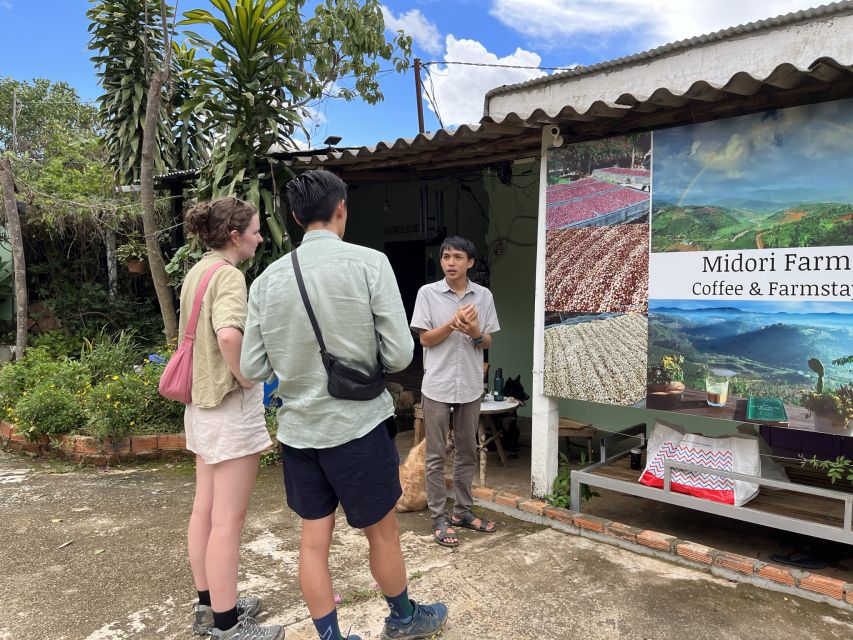
After roasting, you taste coffee prepared through different brewing techniques. The experience specifically includes light, medium, and dark roast comparisons, then your own cup of traditional phin coffee.
The phin is a small metal filter placed over a cup. Water passes slowly through the grounds, producing the familiar Vietnamese-style drip coffee. Making it yourself is more useful than simply receiving one at the table because you see the pace and method firsthand.
I like that the session does not present one brewing method as the only correct answer. A coffee that works well as a strong phin brew may taste different through another method. Roasting level and brewing style work together, and this is the point where the earlier tasting starts to make sense.
Your final coffee comes with a city view from the cafe. That creates a relaxed finish after the more technical sections. It also gives you a chance to enjoy the drink without being rushed.
Five drinks can be a lot for some people, especially if you are sensitive to caffeine. The information does not specify decaffeinated options or serving sizes, so ask Huy if that is a concern. You can also pace yourself during the tasting rather than treating every sample as a full-size cup.
How long does the experience take?
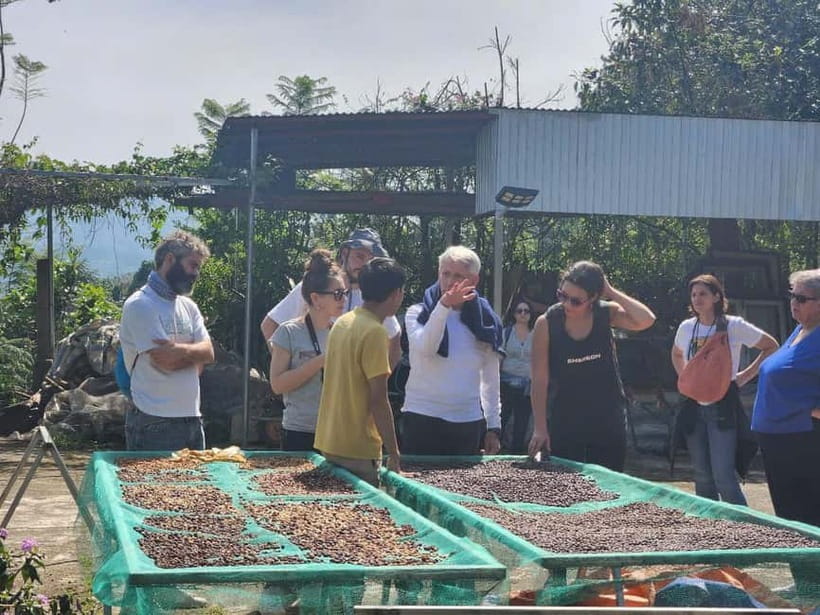
The stated duration ranges from 90 minutes to five hours. That is a wide spread, and it likely reflects different formats, such as a shorter cafe session and a longer farm-focused visit.
Several people found the main session took about one to one and a half hours. That shorter format suits you if you want to fit coffee between Da Lat’s other sights. It should give you time for the explanations, tasting, roasting, and phin preparation without taking up half a day.
The longer option may suit you if the farm and vegetable garden are included. It offers more time with the growing side of coffee and a quieter setting outside the city. Since the meeting information points to the central cafe, confirm whether you need to arrange transport for any farm portion.
Starting times vary, so check availability for your date. Bring your passport, which is listed as required. English and Vietnamese are available, and the small group limit is capped at 10 people.
Is $14 good value?
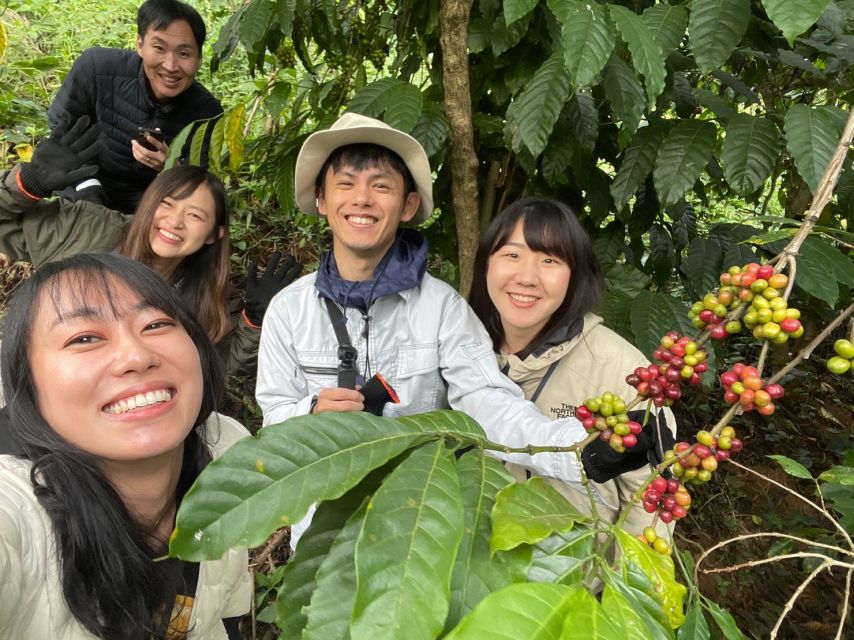
At $14 per person, I consider this very good value for anyone who genuinely likes coffee. The price includes five coffee drinks and the guided experience, along with roasting and brewing activities.
You are also paying for access to a small producer’s point of view. A standard cafe visit gives you a drink. This experience gives you the story of the beans, a tasting comparison, and the chance to handle the process yourself.
The value is strongest if you ask questions and take part. If you only want a quick traditional Vietnamese coffee, the cafe can probably meet that need for less time and effort. If you want to understand the difference between Arabica and Robusta, or between light and dark roasting, the added cost is modest.
Food, extra drinks, and hotel or airport transfers are not included. Plan to eat elsewhere and arrange your own ride to the cafe. The listed price also should not be treated as a promise of a farm transfer, so check the details of your selected duration.
Who will enjoy this coffee experience?
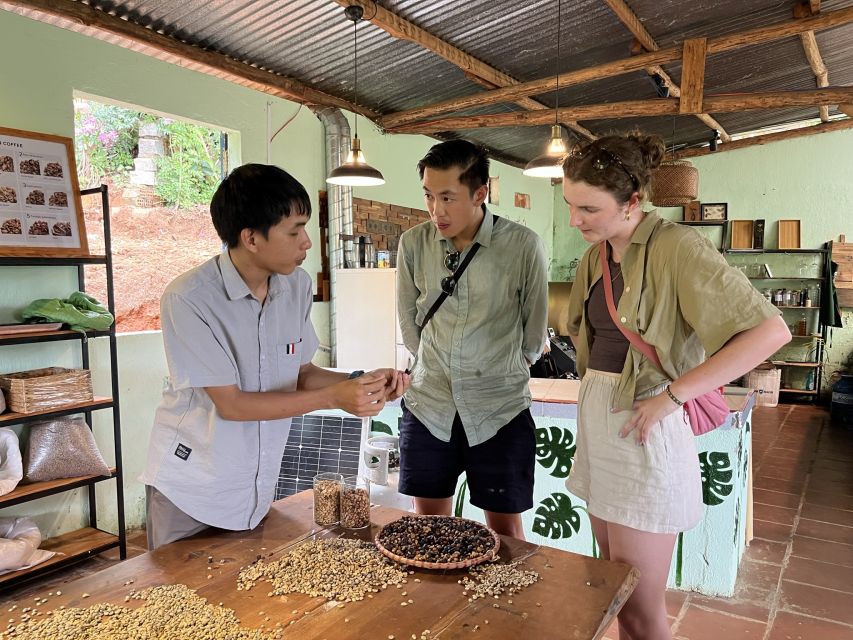
I would recommend it first to coffee fans who want more than a pretty cafe. You will get the most from it if you enjoy tasting carefully, asking questions, and learning why a cup tastes the way it does.
It also suits curious first-time coffee drinkers. You do not need to know coffee terms before arriving. The comparison of five coffees gives you a simple way to find out what you like.
The experience works well for a solo visitor, a couple, or a small group of friends. The 10-person limit keeps the session from feeling like a large class. Huy’s warm style also makes it less formal than a professional tasting course.
I would think twice if you dislike strong coffee, have a low caffeine tolerance, or want a full-day plantation excursion with transport included. The listed duration is flexible, and the core meeting point is the city cafe, so you should confirm the longer format before booking.
Practical tips for a better visit
Wear a jacket or bring a warm layer. Da Lat can feel cool, especially if you arrive without enough clothing.
Use the exact Google Maps name, HuyEco Coffee & Culture, and check the pin carefully. The cafe is in central Da Lat and can be reached by foot, motorbike, taxi, or booking app.
Allow about 90 minutes for the shorter format, but check the confirmed duration if you want the farm. If a farm visit matters to you, ask where you will meet, how transport works, and what is included.
Bring your passport, as requested by the operator. Extra drinks and food cost more, and transfers are not included.
If you have already tasted only dark, sweetened Vietnamese coffee, arrive with an open mind. The clean beans may taste sharper or fruitier than expected. That contrast is part of the lesson.
Should you book HuyEco Coffee & Culture?
Yes, if you want a friendly, hands-on introduction to Da Lat coffee for a modest price. The strongest parts are the five-bean comparison, roasting your own coffee, and learning directly from Huy, who farms and processes the beans himself.
I would book the shorter cafe session if your schedule is tight. Choose the longer option only after confirming whether it includes the farm, vegetable garden, and transport details.
With a 4.9 rating from 91 reviews, the experience has earned strong praise for its relaxed setting, clear explanations, and warm hosts. I would not book it simply for a caffeine stop. I would book it because you want to understand what is in the cup, then make one yourself.
FAQ
Where does the coffee experience meet?
It meets at HuyEco Coffee & Culture in central Da Lat. You can reach the cafe by walking, motorbike, taxi, or booking app.
How much does the experience cost?
The price is $14 per person.
How long does the experience last?
The stated duration ranges from 90 minutes to five hours. Check the available starting time and confirm the format you are booking.
How many coffees are included?
Five coffee drinks are included. The tasting covers coffee from the farm, including Arabica and Robusta prepared with different processing and roasting methods.
Can I roast and brew coffee myself?
Yes. You can roast coffee beans, taste different roast levels and brewing techniques, and make your own traditional phin coffee.
What languages are available?
The experience is offered in English and Vietnamese.
Just added around Vietnam
- Cave Explore- Paradise Cave & Phong Nha Cave – Duck Farm★ 4.8 · 16 reviews
- Trekking to Hidden Waterfall & Sturgeon Farm for dog-lovers★ 4.8 · 43 reviews
- Tra Que Village Vegetable Farm Experience by Bike★ 5.0 · 2 reviews
- Full Day Experience to Farm and Chocolate★ 5.0 · 22 reviews
- Sapa Half Day Local Farming Experience★ 5.0 · 3 reviews
- Private Cycling Tour in Rural Hue with Farming Experience★ 5.0 · 18 reviews
- Hue Organic Farm Visit and Traditional Cooking Class★ 5.0 · 4 reviews
- Experience Buffalo Ride and Farmer in Hoi An★ 5.0 · 3 reviews
Coffee Farm Tours, farm by farm.
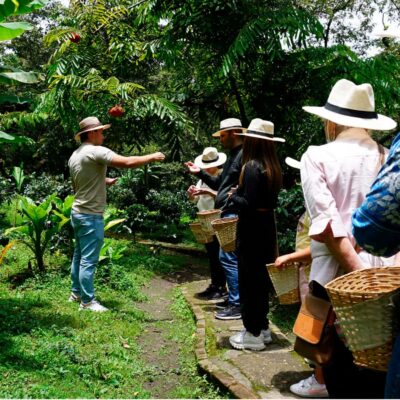
Award Winning Farm Tour: Coffee, Chocolate and Unique Gifts
Read our review →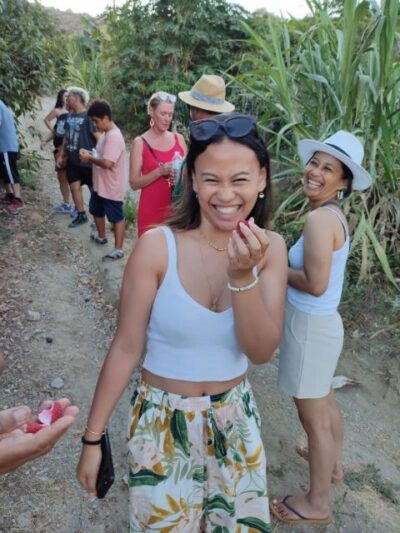
La Herradura Coffee Farm: tour in Europe’s only plantation
Read our review →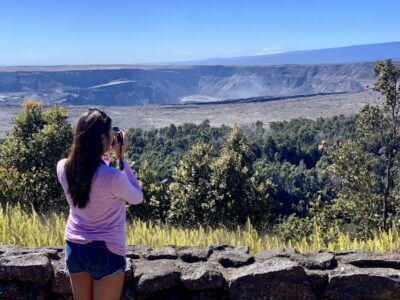

Small-Group Big Island Tour: Hawaii Volcanoes National Park and Kona Coffee Farm
Read our review →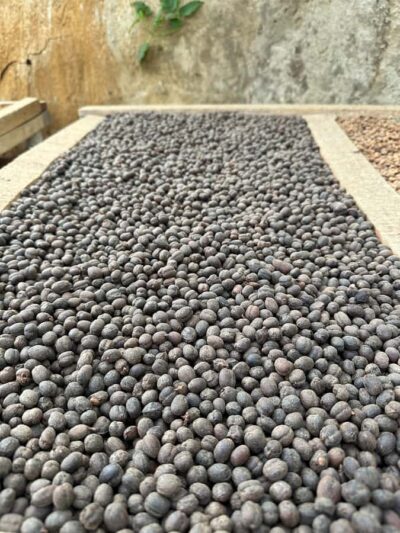
Medellín Coffee Farm Tour with Trolley and Cable Car Ride
Read our review →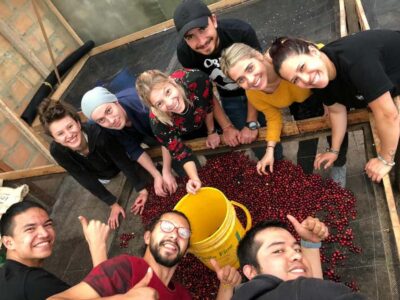
Private Cocora Valley, Salento & Coffee Farm Tour
Read our review →
Liamuiga Natural Farm Tour – St.Kitts’ Coffee Farm
Read our review →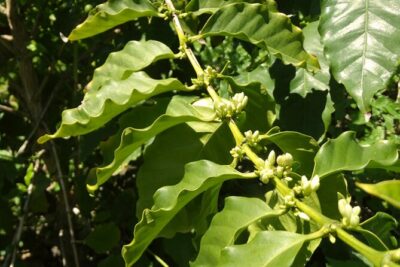
Other lists this farm sits on