
REVIEW · MONTEPULCIANO
Montepulciano: Italian Cooking Class at a Tuscan Farm
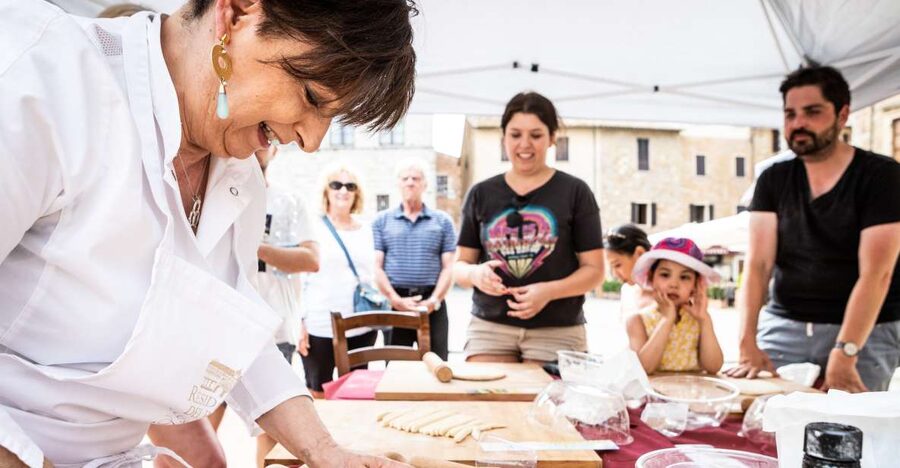
Good food makes Tuscany feel close. This three-hour cooking class near Montepulciano brings you into the local kitchen, where you prepare bruschetta, handmade pici, sauce, and dessert with local home cooks. I like the practical, hands-on format, and I like that the meal you help make becomes your lunch or dinner, paired with Tuscan wine.
The class costs $164.26 per person, which is not cheap for a three-hour activity. Still, the price covers instruction, ingredients, a welcome drink, the full meal, and wine during the cooking and dining portions. The main drawback is that transportation is not included, and the exact farmhouse is only shared after confirmation, so you need to plan your own way there.
The small group limit of 10 people should keep the class personal without making it feel like a private lesson. One useful detail comes through clearly: the teaching style is practical and direct, with hands-on guidance rather than a long demonstration. That suits you if you want to cook, not simply watch someone else do it.
Key points to know before booking
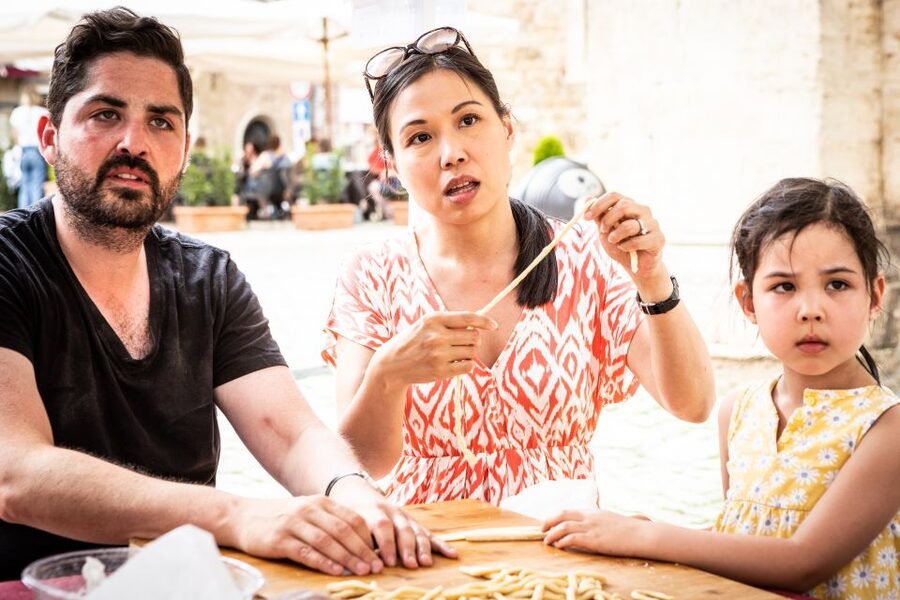
- You make pici by hand: This thick, rustic pasta is a specialty of the Province of Siena and begins with the simple mix of flour and water.
- The menu follows the season: Ingredients are selected from local, zero-mile production when possible, so the exact details may vary.
- Your cooking becomes the meal: Bruschetta, pasta, sauce, and dessert are prepared during class, then served as lunch or dinner.
- Wine is part of the rhythm: A glass of local wine accompanies the cooking, followed by wine with the finished meal.
- The group stays small: With no more than 10 participants, you should have room to follow the preparation and ask questions.
- You must arrange transportation: The farmhouse location is provided after booking, and no transportation service is included.
A Tuscan meal that begins with flour and water
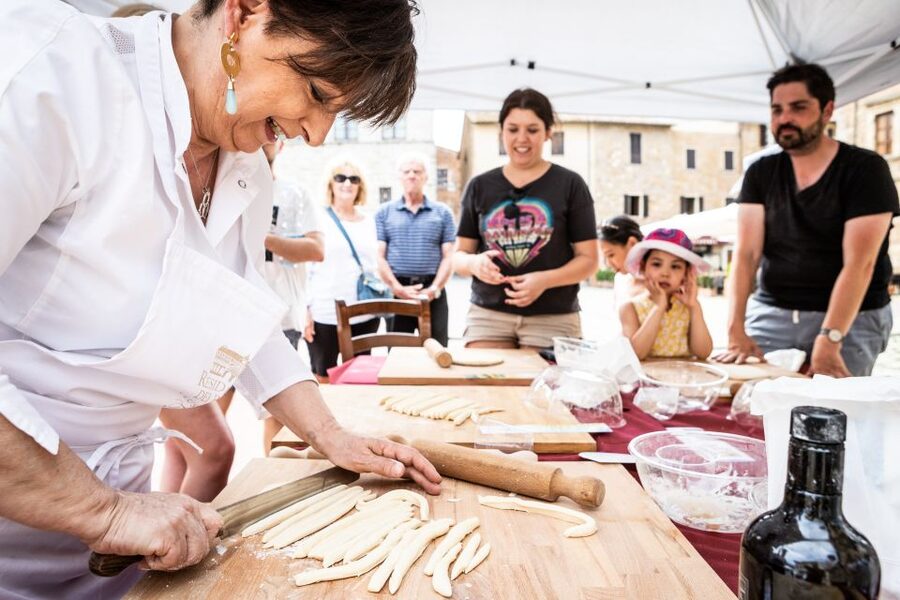
This experience is built around a simple idea: understand Tuscany through the food people have cooked at home for generations. The dishes are tied to the cooking of the Valdichiana Senese, an area known for straightforward meals made from basic local ingredients.
The class reflects the food of the old sharecropping period. That does not mean a fancy cooking-school menu. It means flour, water, tomatoes, olive oil, herbs, and seasonal produce used with care. The appeal is in seeing how a small number of ingredients can become a complete meal.
You will work alongside local home cooks, with English and Italian available. The instructions are meant to be practical. If you prefer a class where you get your hands into the dough, this format should suit you better than a polished demonstration with little participation.
The activity lasts three hours. That gives you enough time to prepare several courses, sit down, and eat without turning the meal into a rushed tasting. Check the available starting times carefully, since the class may be scheduled for lunch or dinner depending on the date.
More Cooking Classes around Italy:
- Cooking Class and Lunch at a Tuscan Farmhouse with Local Market Tour from Florence
★ 5.0 · 4,831 reviews - Hands-On Cooking Class & Farmhouse Tour on the Amalfi Coast
★ 5.0 · 956 reviews - Florence: Cooking Class at a Tuscan Farm & Local Market Tour
★ 4.9 · 354 reviews
Starting with bruschetta and Tuscan olive oil
The first preparation is bruschetta and several types of croutons. One version uses tomato and basil. Another lets the Tuscan extra virgin olive oil do much of the work.
This is a useful opening because bruschetta looks simple but depends on balance. You get to see how bread, tomatoes, herbs, and oil work together without heavy seasoning or complicated equipment. In Tuscan cooking, the quality of the ingredients matters more than a long ingredient list.
The class also gives you a first taste of the local food culture before the main pasta course is ready. A welcome drink is included, and wine is present between preparations. That helps make the session feel like a social meal in progress rather than a strict lesson divided into timed sections.
Do not expect a detailed culinary lecture about every step. The strongest part of this experience is the doing. The practical approach gets you cooking quickly, which is helpful if you would rather learn through your hands than take notes.
Making pici, Siena’s rustic pasta
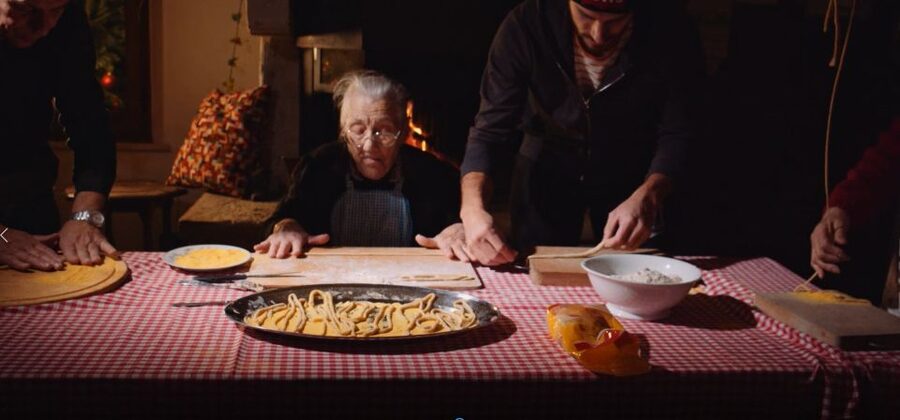
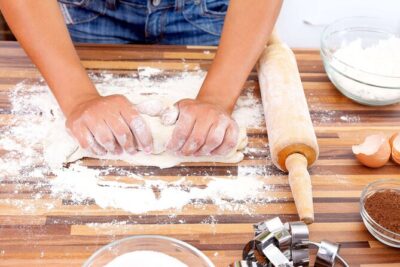
The central task is preparing pici, the handmade pasta associated with the Province of Siena. You mix water and flour, then work the dough into thick strands.
Pici is a good choice for a short class because it does not require complicated machinery. Its handmade shape is part of the point. You can see how rustic pasta differs from thin, uniform noodles, and you get a dish that feels firmly connected to the local area.
The process also fits the older style of Tuscan home cooking. The ingredients are humble, but the result depends on patience and touch. That gives you something useful to take home as a cooking lesson: regional food is often less about elaborate technique and more about making a few ingredients work well together.
The available information does not specify the exact pasta sauce. That is worth keeping in mind if you have a particular dish in mind. The course promises an excellent homemade sauce, but the recipe may follow the season and the ingredients available at the farmhouse.
A seasonal menu instead of a fixed restaurant plate
The ingredients are selected according to seasonality, with a focus on local production. This is a real advantage, since Tuscan cooking makes the most sense when you taste what is available at that time of year.
It also means you should not expect a fixed menu identical to one offered on every date. The bruschetta may change with the produce, and the sauce or dessert may reflect the season. If you have food restrictions or strong dislikes, ask before booking or contact the provider after confirmation.
The phrase zero-mile production points to local sourcing, but it does not promise that every single ingredient comes from the farm. The practical takeaway is that the meal is designed around nearby, seasonal products rather than a standardized cooking-school package.
The final course is a homemade dessert. No exact dessert is named, so it is best to treat it as a pleasant part of the meal rather than booking for one specific sweet. You will get a fuller sense of the meal structure: starter, pasta, sauce, dessert, and wine.
More Workshops around Italy:
- Florence Pizza or Pasta Class with Gelato Making at a Tuscan Farm
★ 5.0 · 6,801 reviews - Sorrento: Pizza Lesson, Wine, and Limoncello at a Local Farm
★ 5.0 · 1,513 reviews - Florence: Pizza or Pasta Class with Gelato at a Tuscan Farm
★ 4.9 · 1,181 reviews - Sorrento Farm by Tuk Tuk: Cheese, Limoncello & Hands-On Pizza
★ 5.0 · 628 reviews
From cooking station to farmhouse table
After the preparations, the table is set and the food you made is served. This transition is important. You are not simply carrying a box of pasta home or tasting one small portion before leaving. The class ends with a shared lunch or dinner.
That meal gives the three-hour activity a clear payoff. You can taste the pici after handling the dough, compare the sauce with the pasta, and see how the bruschetta works as part of a Tuscan meal. The food is connected to the work you have just done.
Local wines are paired with the meal, and wine is also available during the preparations. If you are looking for a wine-focused tour, this is not that. The wine supports the social setting, while the main subject remains cooking.
The dining portion should also help the group get to know one another. The group limit is 10, and the activity is designed as a shared experience. A four-star assessment reflects the strong practical side while leaving room for individual expectations. People seeking a polished professional kitchen or highly detailed instruction may find the approach too plain. If you want a relaxed meal made with local guidance, the direct style is a plus.
What the small group changes
A maximum of 10 participants is a useful middle ground. You get more contact with the hosts than you would in a large bus tour, but you still have enough people for a social meal.
The small group also matters during pasta preparation. Pici is made by hand, so clear access to the work area and a chance to follow the technique are more valuable than a large number of printed recipes. The practical nature of the class works best when you can see what is happening and try it yourself.
The English and Italian language options make the experience accessible to a wider range of participants. Still, the cooking itself may be the main common language. You can follow a hands-on demonstration even if you do not speak Italian, while basic English support should help with directions and questions.
One person described the format as a good introduction to basic Italian cooking, with a no-nonsense approach and hands-on guidance. That is a useful expectation to carry with you. You are signing up for a working class followed by a meal, not a theatrical presentation.
Location and transportation need careful planning
The exact farmhouse is communicated only after booking confirmation. This is the biggest practical point to consider before paying. You cannot fully judge the route, distance from Montepulciano, or best arrival plan from the general activity description alone.
Transportation service is not included. You are responsible for reaching the meeting point, so avoid booking this until you know where the class will take place. If you are staying in Montepulciano or elsewhere in Valdichiana Senese, check driving time and local transport options as soon as the farmhouse address arrives.
The activity ends back at the meeting point. That is convenient once you arrive, but it does not solve the initial transportation issue. Build enough time into your plan so that a missed turn or a slow rural route does not cut into the class.
This arrangement may work best for people with a rental car or a clear local transportation plan. It is less convenient if you are trying to fit the class into a tightly scheduled day using uncertain connections.
Is $164.26 a fair price?
At $164.26 per person, this is a special-occasion cooking experience rather than a cheap meal. The value depends on what you want from your time in Tuscany.
The fee includes a welcome drink, instruction, all the cooking described, lunch or dinner, and local wine. You are also paying for access to a farmhouse or rural setting and for direct contact with local cooks. If you would otherwise pay separately for a meal and a cooking class, the total becomes easier to justify.
The class also gives you a skill you can repeat at home. Making pici from flour and water is more memorable than simply tasting another restaurant pasta. Bruschetta, a homemade sauce, and a simple dessert add enough variety to make the meal feel complete.
Still, the value drops if you care only about eating or if you expect a professional-level lesson. The format is basic and practical. Transportation is extra, the location is confirmed later, and the menu is not fully specified in advance. I would book it for the local setting and participation, not because it offers the lowest-cost lunch in Tuscany.
Free cancellation up to 24 hours before the activity and the option to reserve now and pay later reduce some planning risk. Those policies help if your schedule is still moving, but they do not replace the need to check the farmhouse location and transport plan.
Who will enjoy this class most?
I would recommend this experience to you if you like food, small groups, and activities that connect directly to local life. It is especially suitable if you want to learn one traditional pasta shape and then eat the result at the same table.
It should also work well for couples, friends, and solo participants who enjoy meeting other people over a meal. The group limit of 10 keeps it personal, while the shared cooking gives everyone an easy topic of conversation.
Families may find the hands-on pasta work appealing, though the supplied details do not specify a child age policy. Ask the provider before booking if children are part of your plan.
You may want a different experience if you need a fixed menu, hotel pickup, a highly technical lesson, or a precise farmhouse address before purchase. The class has a rural, local feel, and that includes a few unknowns.
Who should skip it?
Skip this activity if transportation is difficult for you or if you do not want to spend time arranging your own route. The location is shared after confirmation, so the logistics require some follow-up.
You may also be disappointed if your main goal is wine tasting. Wine is included and accompanies the food, but the focus is cooking and dining.
Finally, do not book it expecting a long list of advanced recipes. The class centers on simple, traditional food: bruschetta, pici, sauce, and dessert. That simplicity is the charm for some people and the limitation for others.
Should you book the Montepulciano cooking class?
Book it if you want to work with local ingredients, make handmade pici, and finish with a Tuscan meal in a farmhouse setting. The practical teaching style, small group, and food you prepare yourself give the experience real value.
Before booking, make two checks. Confirm the farmhouse address once it is sent, then make sure you can reach the meeting point without included transportation. If that plan works, $164.26 is reasonable for a three-hour class, a full meal, drinks, and a taste of everyday cooking in the Valdichiana Senese.
FAQ
How long does the Tuscan cooking class last?
The activity lasts three hours. Starting times depend on availability.
What food will I prepare?
You will prepare bruschetta and different croutons, handmade pici pasta, a pasta sauce, and a homemade dessert.
What is pici?
Pici is handmade pasta typical of the Province of Siena. In this class, it is made by mixing water and flour.
Is a meal included?
Yes. The freshly prepared dishes are served as lunch or dinner at the end of the class.
Is wine included?
Yes. A welcome drink is included, and local wine accompanies the cooking and the finished meal.
What languages are available?
The host or greeter can provide the activity in English or Italian.
How many people are in the group?
The group is limited to 10 participants.
Is transportation included?
No. Transportation service is not included. The farmhouse meeting point is provided after booking confirmation.
Can I cancel for a full refund?
Yes. You can cancel up to 24 hours in advance for a full refund. You can also reserve now and pay later.
Just added around Italy
- Volterra: Fresh Pasta Cooking Class at a Tuscan Farmhouse★ 5.0 · 33 reviews
- Volterra: Pizza Cooking Class in a tuscan farmhouse★ 4.6 · 11 reviews
- Visit Siena and San Gimignano with lunch at a family farm★ 5.0 · 8 reviews
- Vico Equense: Tour in the dairy “Mozzarella Experience”★ 5.0 · 19 reviews
- Turin: Meet the Monviso Alpacas at the Educational Farm with a Guide★ 5.0 · 5 reviews
- Bardolino: Garda Lake Pasta Cooking Class at the Agritourism★ 5.0 · 32 reviews
- Rialto Farmers & Fish Market Food Tour in Venice with Wine Tasting & Sightseeing★ 5.0 · 3 reviews
- Rialto Market Food Tour: Wine Tasting and Sightseeing in Venice★ 5.0 · 57 reviews
Cooking Classes, farm by farm.
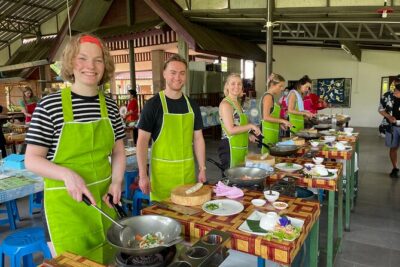
Half-Day Thai Cooking Class at Organic Farm in Chiang Mai
Read our review →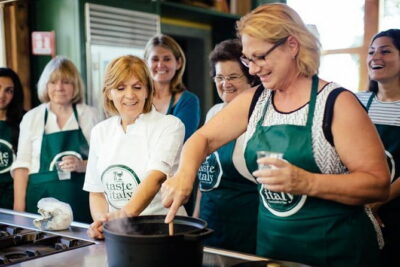
Cooking Class and Lunch at a Tuscan Farmhouse with Local Market Tour from Florence
Read our review →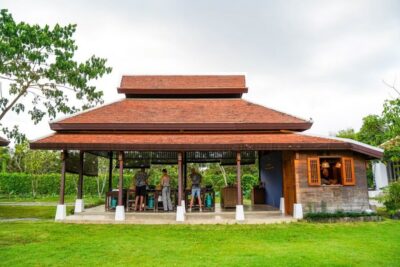
Authentic Cooking Class with Market & Farm Visit
Read our review →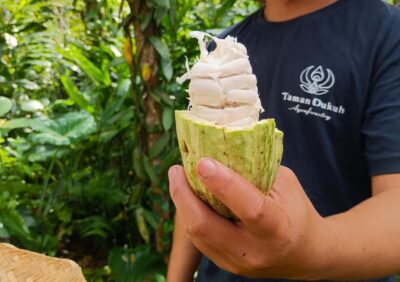
Hands-On Cooking Class & Farmhouse Tour on the Amalfi Coast
Read our review →
Other lists this farm sits on