
REVIEW · UBUD
From Ubud: Authentic Bali Farm Cooking School & Organic Farm
Fresh food tastes better outdoors. This Ubud cooking experience combines a local market visit with hands-on work on an 8,000-square-meter organic farm in Taro Village. I like the farm-to-table setup and the chance to prepare six Balinese dishes, including dessert. The main drawback is that the morning market visit is not part of every session, and the cooking can run longer than expected.
At $38 per person, this is a strong value if you want more than a standard cooking demonstration. You pick vegetables, learn about Balinese ingredients, cook with a small group, eat the results, and take home recipes. Just be ready for a full five and a half hours, some repetitive chopping, and a ride from central Ubud into the countryside.
Key points to know before booking
- The morning option includes a traditional market visit, with local fruit, spices, produce, and breakfast before heading to the farm.
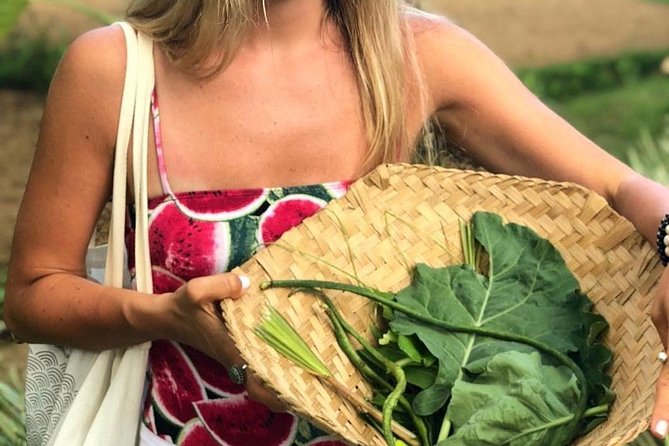
- You harvest ingredients from an organic garden, giving the class a clear farm-to-table focus.
- You cook six Indonesian dishes, including dessert, then sit down to eat everything you prepare.
- The farm is in Taro Village north of Ubud, surrounded by quiet countryside rather than town streets.
- The class welcomes different diets and food allergies, though you should provide those details when booking.
- A recipe book comes in print and PDF form, with substitutions, cooking tips, and links to technique videos.
From Ubud’s parking area to Taro Village
The experience begins at Ubud Central Parking on Jalan Suweta, not at the farm itself. An air-conditioned vehicle is provided, and hotel pickup has worked well for some participants, but the formal meeting point listed for the activity is Ubud Central Parking.
That detail matters. Ubud traffic can be slow, and Taro Village is north of the center. The drive is part of the change in mood: busy streets give way to countryside, farms, and a quieter setting. Allow the full five and a half hours rather than trying to squeeze this class between tightly scheduled sightseeing stops.
The class allows up to 20 people. That is not an intimate private lesson, but it gives the experience a social feel. You may work alongside people from several countries, which adds a pleasant communal element to the meal. The instructors keep the mood light and offer help throughout the cooking.
The vehicle has received one criticism for needing a better cleaning. That is worth noting, though the overall transport arrangement has generally been praised for being on time and convenient. If you are sensitive to vehicle cleanliness, ask about the pickup details before setting out.
More Organic Farm Visits around Indonesia:
- Ubud: Balinese Cooking Class at an Organic Farm
★ 5.0 · 1,786 reviews - Balinese Cooking Class at Organic Farm
★ 5.0 · 51 reviews - Ubud: Organic Farm Harvest, Bali Cooking Class by Pemulan
★ 4.8 · 12 reviews
The morning market gives the class its local flavor
If you choose a morning session, the day begins at a traditional market. This is one of the best parts of the experience because it gives you a quick introduction to the ingredients before you start handling them in the kitchen.
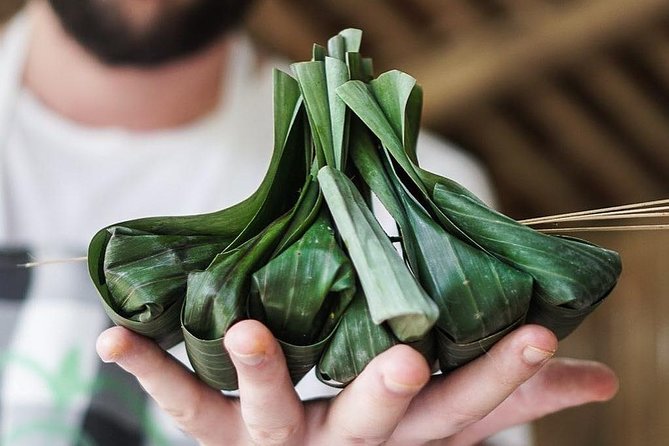
You may see unfamiliar fruit, fresh vegetables, herbs, spices, and local delicacies. The market visit is not just a shopping stop. It helps you understand how Balinese cooking begins, with fresh produce and strongly scented seasonings rather than packaged sauces and prepared ingredients.
The guide explains what you are seeing and may offer chances to taste fruit you have never encountered before. That makes the market useful even if you do not cook much at home. You get a clearer sense of what belongs in Balinese kitchens and why the finished dishes taste so different from familiar Western food.
There is an important planning point here: the market visit belongs to the morning experience. Afternoon participants may go directly to the farm. A communication mix-up left one participant expecting a market visit that was not included in that session, so confirm the start time and exact itinerary when you book.
The morning class can also include breakfast. Since lunch consists of the food you cook, arrive hungry. One of the best practical tips from the experience is simple: do not eat a large breakfast before the class. There is plenty of food ahead.
Picking vegetables on an 8,000-square-meter organic farm
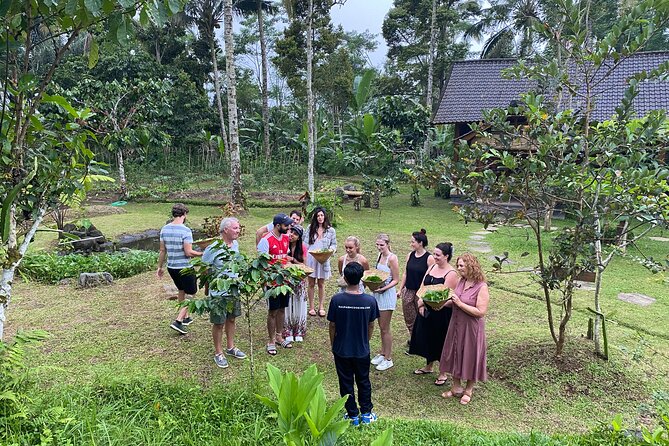
After the market, you head to the farm in Taro Village. The property covers about 8,000 square meters and is carefully maintained, with shaded areas for the class and gardens where you collect ingredients.
This is where the experience becomes more than a cooking lesson. Instead of receiving a tray of premeasured vegetables, you see where some of the food begins. You pick produce from the garden, learn about local plants, and hear about organic farming practices.
I like this part because it gives the meal a sense of place. You are not simply cooking Indonesian dishes in a generic kitchen. You are preparing ingredients grown on the same farm where you are learning about them.
The grounds have been praised for being clean, peaceful, and well kept. The setting feels rural and quiet, with greenery around the cooking area. It is a good counterpoint to central Ubud, especially if you want a slower half-day outside the town center.
The farm itself is not a formal sightseeing attraction with a long guided tour. Think of it as a working garden that supports the class. You will spend enough time learning about the plants and collecting ingredients, but the main purpose is to prepare lunch.
Wear clothes that can handle food splashes and garden work. An apron is supplied, along with cooking utensils, bottled water, coffee, and tea. Specific footwear requirements are not provided, so practical shoes are the sensible choice.
Six Balinese dishes, prepared from scratch
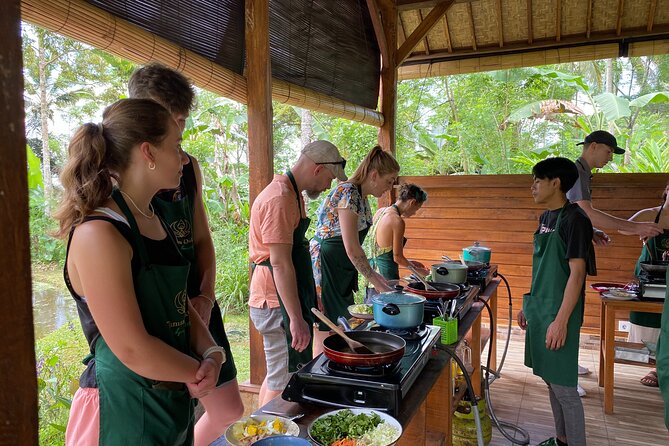
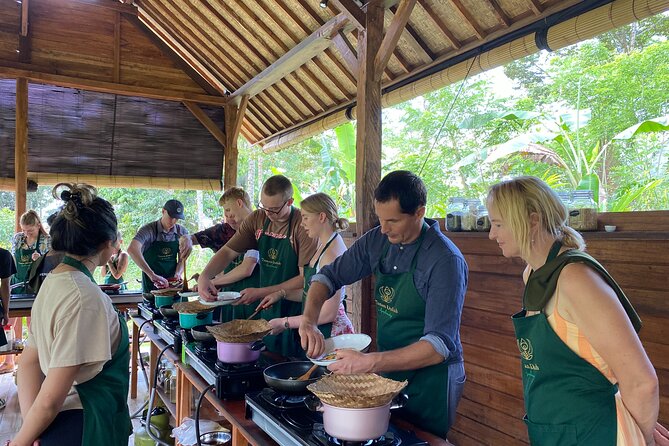
The cooking class is the heart of the outing. You prepare six Indonesian dishes, including dessert, with guidance from the instructors. The recipes are designed to be practical enough to make at home, and the cooking process is explained in clear English.
The class is suitable for different experience levels. You do not need to be an experienced cook to take part. The instructors demonstrate the steps, help with technique, and keep an eye on the food as it cooks.
The strongest praise has gone to the staff. They are friendly, patient, funny, and willing to help when you need it. That matters in a group class, where some people may cook often and others may rarely pick up a knife.
You should expect genuine participation. You will chop, mix, season, and help prepare the dishes rather than simply watch a chef work. One participant felt there was too much cutting of onions and chilies, especially in the main courses. That is fair criticism. Repeated chopping can feel slow when you are eager to learn about unfamiliar ingredients and cooking methods.
Still, the hands-on approach has a clear advantage. You learn the actual sequence of the recipes, not just the final presentation. If you have limited cooking experience, the repetition may help you feel comfortable with the basics. If you cook often, you may wish the instructors would preprepare some of the less interesting chopping.
The class also takes dietary needs seriously. One family reported that the staff accommodated a child’s nut allergy. You should still communicate allergies and dietary restrictions in advance, since the provided information does not promise that every request can be handled in every session.
More Cooking Classes around Indonesia:
- Balinese Farm Cooking Class by Pemulan Bali
★ 5.0 · 410 reviews - Balinese Vegan Cooking Class with Fresh Harvesting & Garden Tour
★ 5.0 · 86 reviews - Small-Group Farm Tour & Balinese Cooking Class in Ubud with Kadek
★ 5.0 · 16 reviews - Farm-to-Table Balinese Cooking Experience
★ 4.0 · 3 reviews
Eating everything you cook
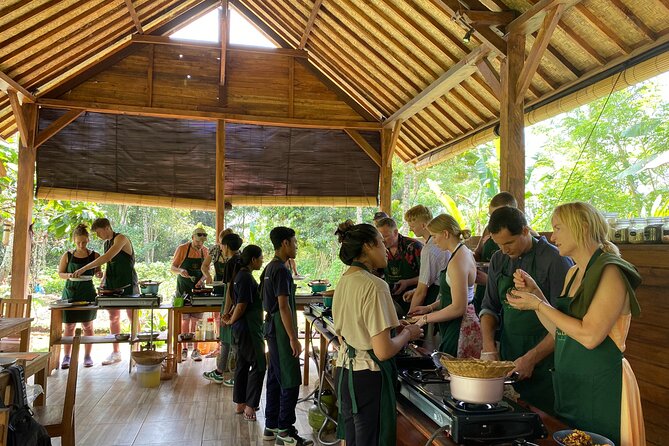
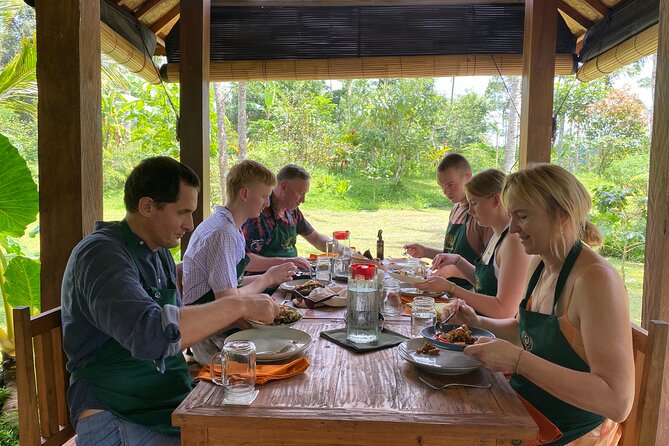
Once the dishes are ready, you sit down in the shaded farm setting and eat the meal together. This is not a tasting menu with tiny portions. The food you prepare becomes lunch, and the class includes all the dishes you cook.
That arrangement adds real value to the $38 price. You receive instruction, transport in an air-conditioned vehicle, ingredients, garden access, the meal, drinks such as coffee or tea, an apron, utensils, and recipes. Alcohol and soft drinks are available for purchase, but they are not included.
The meal also gives you time to talk with the rest of the group. Several participants enjoyed meeting people from different countries, and the shared table helps make the class feel social rather than strictly instructional.
Come hungry. You will eat the main dishes and dessert, and the morning option may include breakfast as well. If you are a light eater, you may find the quantity generous.
The food has been one of the most consistently praised parts of the experience. The recipes are described as flavorful but easy enough to recreate, which is a useful combination. Some cooking classes produce a memorable lunch but leave you unsure how to repeat it. This one aims to send you home with workable instructions.
The recipe book makes the experience last
The printed and PDF recipe book is more useful than a simple souvenir. It includes ingredient substitutions, cooking advice, and links to technique videos. That helps if you cannot find every Balinese ingredient at home.
This is particularly valuable for cooks outside Indonesia. You may not have access to the exact chilies, herbs, or vegetables used during the class, but substitutions give you a way to recreate the general flavor.
I would keep the recipe book somewhere easy to find after returning home. The best souvenir here is not a photograph of the farm. It is the ability to make a Balinese meal for friends and family and explain that you picked some of the ingredients yourself.
What the $38 price really buys you
At $38 per person, this is not the cheapest way to eat lunch in Bali. It is a good price for a five-and-a-half-hour experience that includes transport, ingredients, instruction, a full meal, garden time, and recipes.
The value is strongest for people who appreciate several parts of the day rather than only the food. If you only want to learn two or three quick recipes, the class may feel long. If you want a cultural outing that combines food, farming, countryside, and conversation, the price is easier to justify.
The group size can reach 20 people, so do not expect a private chef lesson. The benefit is that the class has energy and gives you a chance to meet other people. The tradeoff is that individual attention may vary, especially during busy chopping and preparation periods.
Free cancellation is available up to 24 hours before the start time. Changes or cancellations inside that period are not accepted for a refund. The activity also depends on suitable weather and a minimum number of participants. If the operator cancels for either reason, you are offered another date or a full refund.
Who will enjoy this Bali cooking class
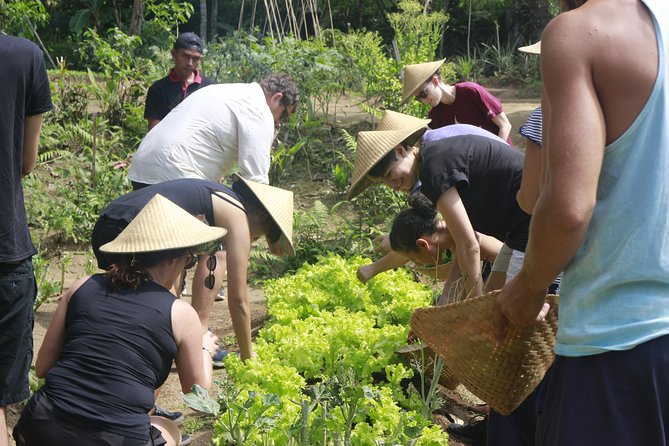
I would recommend this experience to you if you enjoy food but also want to understand where it comes from. The garden visit gives the class more substance than a kitchen-only lesson, and the morning market adds a useful look at everyday ingredients.
It suits:
- First-time visitors who want a friendly introduction to Balinese cuisine
- Couples and families looking for a half-day activity outside central Ubud
- People who enjoy hands-on classes rather than demonstrations
- Home cooks who want recipes with substitutions and video help
- Visitors interested in organic farming and community-run experiences
- Anyone who likes meeting other people over a shared meal
It may not suit you if you dislike group activities, have limited time, or prefer a short, polished cooking demonstration. The class can feel lengthy, especially during the chopping stages. Also, do not book the afternoon session expecting the traditional market visit.
Practical advice for a better day
Choose the morning session if the market is important to you. Confirm that point before booking, since the market is tied to the morning schedule.
Eat lightly before you arrive, or skip breakfast if you can. The morning option may include breakfast, and lunch includes everything you prepare. You will be happier with room for the full meal.
Tell the operator about allergies and dietary needs in advance. The staff have accommodated a nut allergy, but clear communication gives them the best chance to prepare safely.
Bring patience for the chopping. You may spend more time cutting onions and chilies than you expect. Treat that work as part of learning the recipe, but know that the class is not a fast-paced professional kitchen.
Plan for the entire five and a half hours. The meeting point is in Ubud, the farm is north in Taro Village, and the activity ends back at the meeting point. The exact pace can vary with the group and the amount of cooking involved.
FAQ
Where does the cooking class begin and end?
It begins at Ubud Central Parking, at Jl. Suweta No. 18 in Ubud. The activity ends back at the meeting point.
How long does the experience last?
The experience lasts approximately five hours and 30 minutes.
Is transportation included?
Yes. An air-conditioned vehicle is included, and a shuttle transfer is available from Ubud Central Parking. Hotel pickup has also been provided in some cases, but the listed meeting point is Ubud Central Parking.
Does every session include a traditional market visit?
No. The traditional market visit is part of the morning experience. The afternoon option may go directly to the farm.
How many dishes will I cook?
You will prepare six Indonesian dishes, including dessert. You eat the food you cook as part of the included lunch.
Are drinks and cooking equipment included?
Coffee, tea, bottled water, cooking utensils, and an apron are included. Alcoholic drinks and soda are available to buy but are not included.
Can I cancel for a full refund?
Yes, if you cancel at least 24 hours before the experience starts. Cancellations or changes made less than 24 hours before the start time are not refundable. Weather or minimum-participant cancellations may result in a different date or a full refund.
Should you book it?
Book this class if you want a full food experience, not just a recipe lesson. The market, organic garden, countryside setting, six-dish meal, and take-home recipes make it a well-rounded choice at $38.
I would choose the morning session, confirm the market visit, report any allergies early, and arrive hungry. If you can accept a group of up to 20 people and a fair amount of chopping, this is a practical and enjoyable way to connect Balinese food with the farms and markets that support it.
Just added around Indonesia
- Ubud Eco-Adventure: Farm, Rice Terraces, River & Dance Show!★ 5.0 · 2 reviews
- Yogyakarta Cycling Tour Around the Villages and Fish Farm★ 5.0 · 16 reviews
- Farm-to-Table Balinese Cooking Experience★ 4.0 · 3 reviews
- Small-Group Farm Tour & Balinese Cooking Class in Ubud with Kadek★ 5.0 · 16 reviews
- Farmer market, waterfalls, holy spring – All Inclusive★ 5.0 · 4 reviews
- Seaweed Farming Activity and Sightseeing at Diamond Beach★ 4.5 · 3 reviews
- Safari Lagoi & Eco Farm Bintan★ 3.0 · 7 reviews
- Ubud: Organic Farm Harvest, Bali Cooking Class by Pemulan★ 4.8 · 12 reviews
Organic Farm Visits, farm by farm.
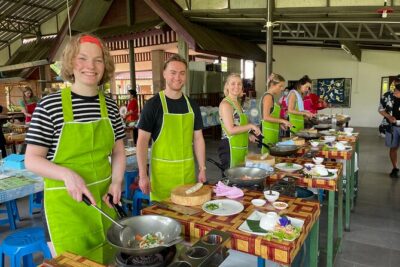
Half-Day Thai Cooking Class at Organic Farm in Chiang Mai
Read our review →
Evening Cooking Class in Organic Farm with Local Market Tour
Read our review →
ATV to Macao Beach and Water Cave with Organic Farm
Read our review →
Buggy Tour with Organic Farm, Macao Beach Visit from Punta Cana
Read our review →
Farm To table Experience on an organic hilltop estate in Tuscany
Read our review →
Other lists this farm sits on