
REVIEW · SIHANOUKVILLE
Kampot/Cambodia pepper farm . Cave. lake. Kep Crab market & more.
Kampot has more than pepper. This private tuk-tuk day links a Hindu cave temple, a quiet lake, working salt fields, La Plantation pepper farm, and Kep’s famous crab market in about seven to eight hours. Local guide Om Pheary grew up in the Kampot area, so the day is built around places he knows well rather than only the obvious city sights.
I especially like the private format for up to three people, which keeps the price at $38 per group instead of $38 per person. I also like the mix of sights: you get food, farming, religion, scenery, and local commerce in one outing. The main consideration is the long list of stops. Three hours at La Plantation and ninety minutes at Kep Crab Market leave less room for lingering elsewhere, and the market may feel uneven if you expect a polished attraction.
Quick take: five useful things to know
- La Plantation gets the longest visit: Plan on about three hours at this sustainable spice farm, with time to learn why Kampot pepper is sold in fine delis around the world.
- Phnom Chhnork is more than a cave: The one-hour stop includes a Hindu temple built inside a limestone cave.
- The $38 price covers a group: Up to three people can ride together, with tuk-tuk transport, entry fees, cold water, and coconut fruit juice included.
- Kep adds a food-market stop: You get about ninety minutes at the crab market, where pepper, produce, clothes, and seafood share the same space.
- Pickup details need checking: An extra $5 applies if your accommodation is more than five kilometers from Kampot’s Durian roundabout.
- Pheary adds local context: His connection to Kampot is one of the strongest reasons to choose this trip over a simple driver-for-hire arrangement.
Why this day works well from Kampot
Kampot is easy to enjoy slowly, but its best surrounding sights are spread out. A cave temple sits northeast of town. Pepper farms and salt fields lie in different directions. Kep is farther along the coast. Seeing all of them independently would mean arranging separate rides and negotiating several short journeys.
This excursion solves that problem with one private tuk-tuk and one local guide. You can move from countryside to cave, from farm to market, without rebuilding your plan at every stop. The route also gives you a clearer sense of what supports the area’s economy. Pepper, salt, fishing, farming, and market trade are not separate museum subjects here. They are part of daily life.
The tour is listed at $38 per group of up to three people. That is strong value if you fill the tuk-tuk with two or three people, especially because admission fees, cold water, and coconut fruit juice are included. A solo visitor pays the same group price, so the value is less impressive alone, but the private arrangement still gives you control over your own small group.
The day lasts roughly seven to eight hours. That is long enough for a proper look at each stop, but it is not a casual half-day outing. You should expect a full day of moving between sites, walking at the cave, touring the farm, and browsing the market.
More Pepper Farm Tours around Sihanoukville:
- KAMPOT TRAVEL-Pepper farm. Cave.Secret lake-Crab market & Salt…
★ 5.0 · 87 reviews - Kampot Countryside Tour – Pepper Farm, Salt Lake, Caves, and more
★ 5.0 · 60 reviews - Kampot Countryside include Pepper farm,Salt field and Secret lake
★ 5.0 · 52 reviews
Inside Phnom Chhnork’s Hindu cave temple
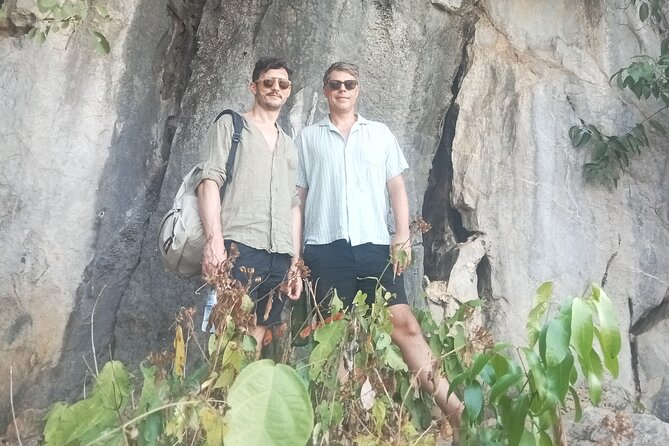
The first stop is Phnom Chhnork, also written as Phnom Chhnork or Phnom Chhnong in some references. It is about eight kilometers northeast of Kampot and includes a Hindu cave temple built into the rock. The visit lasts about one hour, with admission included.
This is the sort of place that makes the day feel more than a food excursion. You are not simply stopping for a photograph. You are seeing a religious site in a natural cave, where the setting is part of the experience. The stone walls and enclosed space give the temple a different character from a freestanding monument.
Bring shoes you are comfortable walking in. The supplied information does not specify the exact walking conditions, so you should be ready for an uneven natural site rather than a smooth indoor attraction. Keep your expectations practical: this is a one-hour stop, not a full archaeological visit with an entire museum attached.
Pheary’s local background is useful here. He grew up in the Kampot area and can connect the cave to the surrounding countryside. One especially appealing detail from the day is the possibility of an extra stop at a local farm near the temple. It is not listed as a formal timed stop, so do not count on it as a guarantee, but it shows how the outing can include more than the headline attractions.
Brateak Krola, the Secret Lake
After the cave, the route continues to Brateak Krola Lake, often called the Secret Lake. The stop lasts about forty-five minutes, and entry is included.
The lake offers a change of pace. After the enclosed cave, you get open water and a quieter rural setting. The lake is in southern Cambodia near the border with Vietnam, according to the supplied information, and its nickname gives you a good idea of its appeal. This is a pause to look around rather than a major activity stop.
Forty-five minutes is a sensible amount of time. You can take in the view, stretch your legs, and enjoy the contrast with the temple without turning the stop into a long wait. I would treat it as a scenic break, not as the main reason to book the day.
The name Secret Lake may set your expectations too high if you picture a completely unknown place. It is better to think of it as a less formal countryside stop included in a wider tour. Its value comes from the route and the variety, especially when paired with the cave and pepper farm.
Three hours at La Plantation pepper farm
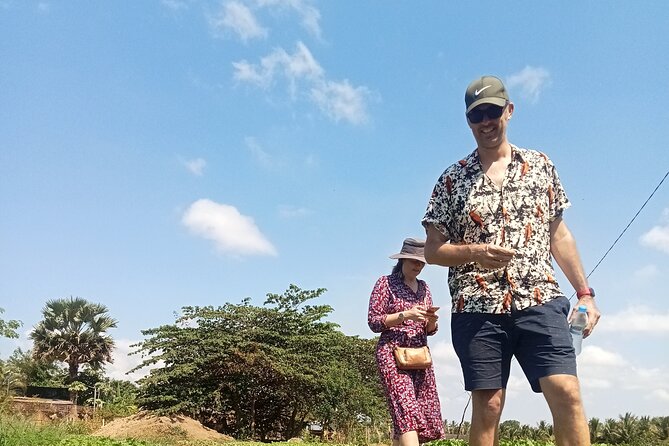
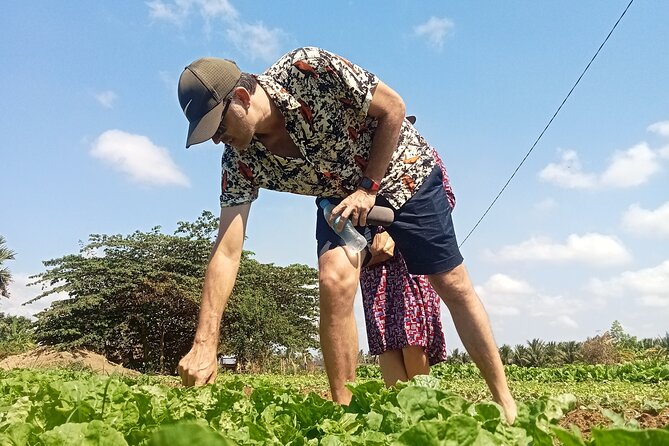
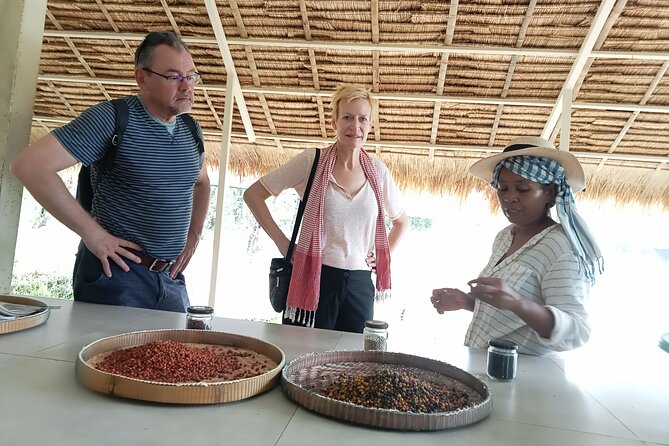
La Plantation is the centerpiece of the day. The visit lasts about three hours, much longer than any other stop. It is described as a sustainable agro-tourism project producing spices sold in fine delis around the world.
That long visit matters. You are not being rushed through a roadside pepper stall. You have time to understand how the farm presents its products and why Kampot pepper has such a strong reputation. The experience gives food lovers a reason to leave town, but it also helps anyone understand the link between local agriculture and international kitchens.
I like that the farm is treated as more than a quick shopping stop. Kampot pepper is one of the region’s important products, and a longer visit lets you connect the spice in a jar with the place where it is grown. You might find different spices available for purchase, although the supplied details do not list exact varieties, prices, or tasting arrangements.
Three hours can feel long if you have little interest in farming or spices. That is the clearest pacing issue in the itinerary. The extended stop will suit you if you enjoy food production, sustainable agriculture, or buying regional ingredients. If you mainly want photographs and a quick look, you may prefer a shorter farm visit, but the fixed schedule does not appear designed around that preference.
Bring room in your bag for purchases and ask Pheary or the farm staff how much free time you will have. The tour includes entry, but it does not state that products are included in the $38 price.
More Market Tours around Sihanoukville:
- Full day Tour, Countryside, Pepper farm & Kep, crab market…
★ 5.0 · 49 reviews - Private Kampot Countryside Tour & Pepper farm, Kep/Crab Market
★ 5.0 · 21 reviews - KAMPOT- Pepper farm ..salt fields.Kep/Crab market & more……..
★ 4.5 · 12 reviews - Pepper Farm Guided Tour, Kep/Crab Market, Salt Field &Secret Lake
★ 4.5 · 2 reviews
Kampot’s working salt fields
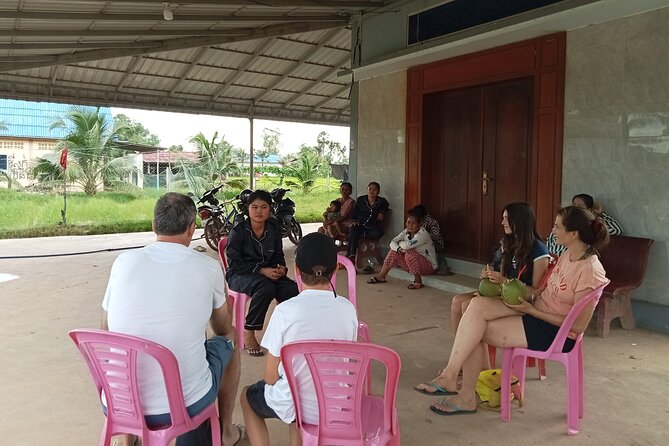
The salt-field stop lasts about forty-five minutes. Salt is another important product from the Kampot area, and broad salt pans spread along much of the coast south and southeast of the town.
This is one of the most useful stops for understanding the local economy. Pepper often gets the attention, but salt shows another side of the region’s food production. The broad pans create a simple, working scene rather than a formal tourist attraction.
Do not expect a guided factory tour unless one is specifically arranged. The information provided only promises a stop at the fields. I would use the time to look across the pans, take photographs, and ask Pheary about how salt fits into the area’s trade.
The stop also helps break up the farm visit. After three hours at La Plantation, forty-five minutes in the salt fields gives you a new subject and a different setting. It is short enough to keep the day moving.
Kep Crab Market, with room for surprises
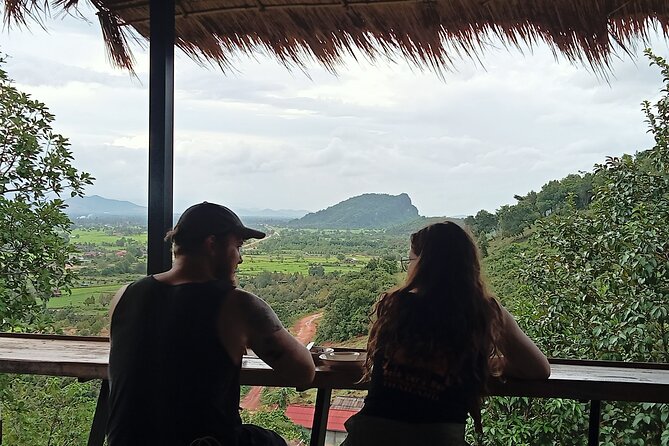
The final major stop is Kep Crab Market, where you spend about one hour and thirty minutes. Kep is closely linked with crab, seafood, pepper, and coastal trade, but the market is not presented as a polished food hall. It is a typical local market where you can find clothes, fruit, vegetables, pepper, and other goods alongside the crab stalls.
That mixed character is important. You may enjoy the market most if you like ordinary commerce and do not need every stop to be perfectly organized. The appeal is the range of goods and the chance to see how a local market actually functions. The drawback is that the market can feel partly good and partly disappointing, depending on what you hope to find there.
Ninety minutes gives you enough time to browse without making the market the entire day. You can look at the produce, compare pepper products, and see the crab area. If you want to eat seafood, clarify whether your meal is separate, because food is not listed among the inclusions.
A fishing-area stop near Kep may also be added as one of Pheary’s local extras, based on the supplied experience details. Again, treat this as a possible bonus rather than a promised part of the timed itinerary. The formal schedule ends with the market.
The private tuk-tuk makes a difference
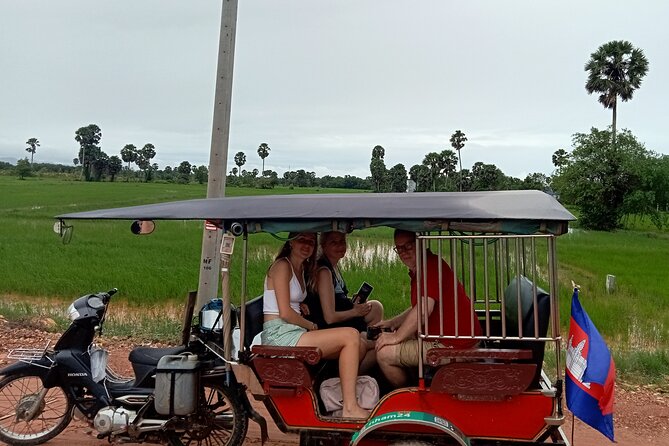
A tuk-tuk is a fitting way to connect these rural stops. You get an open view of the road and countryside, and the vehicle works well for a small private group. The experience is not a coach trip with strangers. Only your group participates.
That privacy helps with pacing and conversation. You can ask Pheary about Kampot, pepper, salt, or places along the route without trying to speak over a large group. His local connection is a major asset because he grew up in the area and knows the region beyond a single attraction.
The tradeoff is comfort. A tuk-tuk is practical transport, not an air-conditioned touring vehicle. The supplied information confirms tuk-tuk transport and pickup, but it does not promise air conditioning, luggage storage, or a particular vehicle model. Pack light and keep essentials close.
Cold water and coconut fruit juice are included. Those drinks are small details, but they matter on a seven-to-eight-hour day in the Cambodian countryside. You will still want to bring anything else you need, since no meal is included in the stated price.
Pickup, price, and who gets the best value
The price is $38 per group, with a limit of three people. For three people, that works out to roughly $12.67 each before any extra pickup charge. For two people, it is $19 each. A solo visitor pays the full group price, so this is best value when shared.
Pickup is offered, but an extra $5 applies if you are staying outside Kampot, more than five kilometers from the Durian roundabout. The tour information also identifies Sihanoukville as the general location, while the route and pickup note focus on Kampot. Confirm your exact pickup point before paying, especially if you are not staying in or near Kampot.
Admission fees are included at all five scheduled stops. That makes the price easier to judge because you do not need to keep adding entry costs through the day. Food, personal purchases, and market meals are not included.
The tour suits you best if you want a private day with several different subjects. It is a good match for couples, friends, and small families who enjoy seeing how a place produces and sells food. It is less suitable if you want a slow day at one attraction, a focused culinary class, or a carefully timed luxury outing.
Booking and cancellation points to keep in mind
Confirmation normally arrives at booking. If you book within two hours of the start time, confirmation comes as soon as possible and depends on availability.
Most people can take part, and the activity is private for your group. The supplied information does not provide detailed accessibility notes, so ask before booking if you need specific arrangements for walking or vehicle access.
You can cancel for a full refund up to twenty-four hours before the local start time. Inside that window, payment is not refunded, and changes are not accepted. That policy is reasonable, but you should confirm your pickup location and date early, particularly if you are staying outside Kampot.
Should you book this Kampot day trip?
I would book this tour if you want local food production, countryside sights, and a private ride in one day. The strongest parts are the three-hour visit to La Plantation, the unusual cave temple, and Pheary’s local knowledge. The $38 group price is especially appealing for three people.
I would think twice if your main goal is a long seafood lunch, a luxury vehicle, or a quiet schedule with few stops. Kep Crab Market may feel ordinary, and the full itinerary asks you to stay on the move. For the right group, though, that variety is the point. You finish with a better sense of Kampot as a working region, not just a town with a famous spice.
FAQ
How much does the tour cost?
The tour costs $38 per group of up to three people.
How long does the experience last?
The tour lasts approximately seven to eight hours.
Is pickup available?
Yes, pickup is offered. An extra $5 applies if you stay more than five kilometers from Kampot’s Durian roundabout.
What transport is used?
The tour uses a tuk-tuk.
Are entrance fees included?
Yes. Entry fees for the scheduled stops are included.
What drinks are included?
Cold water and coconut fruit juice are included.
Is the tour private?
Yes. Only your own group participates, with up to three people included in the group price.
What places are visited?
The scheduled stops are Phnom Chhngok Cave Temple, Brateak Krola Lake, La Plantation, the salt fields, and Kep Crab Market.
Can the tour be canceled for a refund?
Yes. You can receive a full refund if you cancel at least twenty-four hours before the local start time. Cancellations within twenty-four hours are not refunded.
Just added around Sihanoukville
- Private Kampot Countryside Tour & Pepper farm, Kep/Crab Market★ 5.0 · 21 reviews
- Kampot Tuktu tour: Pepper farm, Salt field & Secret lake★ 5.0 · 17 reviews
- Pepper Farm Guided Tour, Kep/Crab Market, Salt Field &Secret Lake★ 4.5 · 2 reviews
- KAMPOT- Pepper farm ..salt fields.Kep/Crab market & more……..★ 4.5 · 12 reviews
- Kampot Classic Tour & Kayaking at the Green Cathedral with lunch★ 5.0 · 9 reviews
- Full Day Pepper Farm Adventure by Scooter★ 5.0 · 4 reviews
- Half-Day Adventure to the Pepper Farm by Scooter★ 5.0 · 3 reviews
- Kampot Pepper Farm, Salt Fields, Cave from Sihanoukville★ 4.5 · 2 reviews
Pepper Farm Tours, farm by farm.
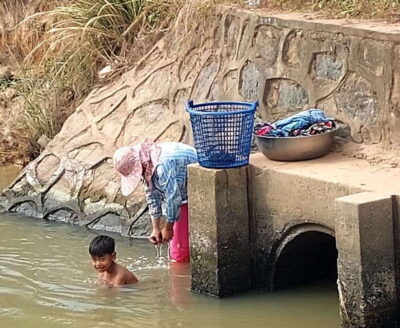
Pepper Farm Tour, Salt Field, Cave & Secret Lake
Read our review →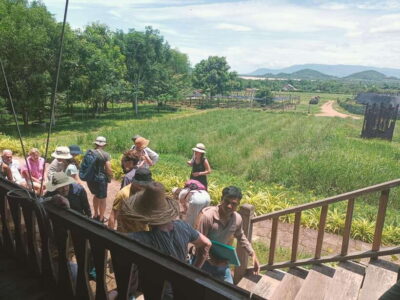
Full-day Countryside Tour with Pepper Farm and Kep
Read our review →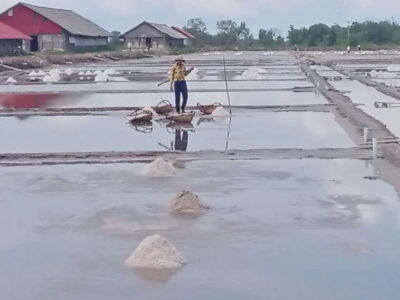
Tuk Tuk Trip to Pepper Farm, Kep, Crab Market & More
Read our review →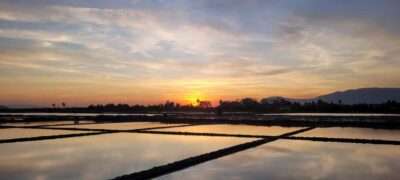
Kampot Countryside include Pepper farm, Salt field & Lake
Read our review →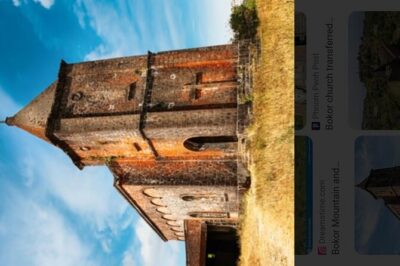
KAMPOT TRAVEL-Pepper farm. Cave.Secret lake-Crab market & Salt…
Read our review →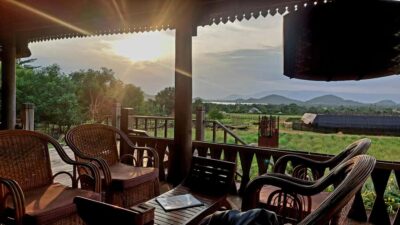
Kampot’s Countryside & Kayak Tour, Pepper Farm include Lunch
Read our review →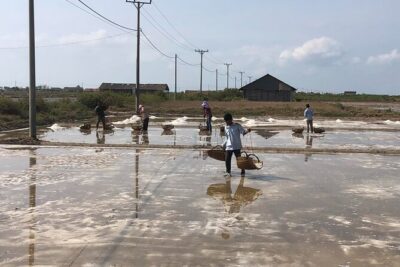
Kampot Countryside Tour – Pepper Farm, Salt Lake, Caves, and more
Read our review →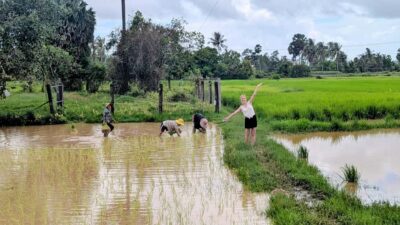
Kampot Private Tour: Pepper Farm, Salt Field & Secret Lake
Read our review →Other lists this farm sits on