
REVIEW · SIHANOUKVILLE
Kampot Countryside include Pepper farm,Salt field and Secret lake
Salt, pepper, and a lake make a fine afternoon. This four-hour outing gives you a clear look at three sides of Kampot life: salt production, a huge man-made reservoir, and the region’s famous pepper. I like the free pepper tasting and the chance to see working countryside rather than only town streets.
I also like the small-group format, with a maximum of 12 people, plus pickup within 3 kilometers of Epic Arts Café. The main drawback is time: about two and a half hours go to driving, and the salt-field and lake stops are only 15 minutes each.
Key points to know before you book
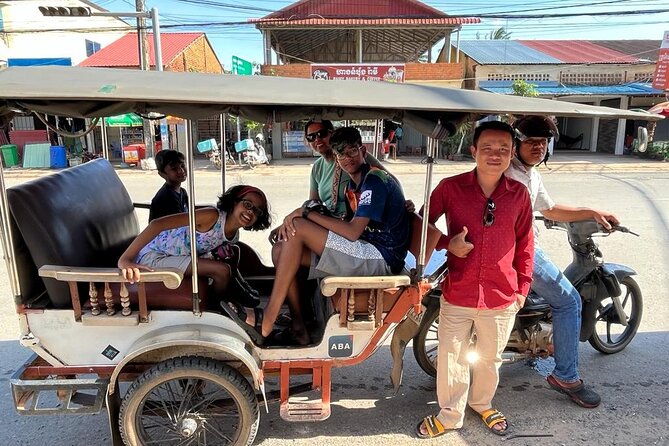
- Three very different stops: You visit salt pans, Brateak Krola Lake, and La Plantation in one half-day.
- La Plantation gets the most time: The pepper farm visit lasts about two hours and includes a free 40-minute walk and pepper tasting.
- Driving is a large part of the outing: The total duration is about four hours, with roughly two and a half hours on the road.
- Pickup is limited: Free pickup and return apply only within 3 kilometers of the meeting point opposite Epic Arts Café.
- Guides make a real difference: Phalla, Romly, and Nak are named guides associated with especially warm, careful service.
- Good value at $18: Entrance fees, guiding, coconut, and local transport are included, though food is not.
What this Kampot countryside tour actually offers
Kampot is easy to enjoy from a riverside café, but the province makes more sense once you get outside town. Salt fields spread across low coastal land. Pepper farms sit farther inland. Reservoir roads lead into quieter country with few buildings and little traffic.
This tour links those places in a tidy half-day route. You are not signing up for a long farm stay or a full food tour. Instead, you get a broad introduction to three local sights, with the pepper plantation serving as the main event.
The experience costs $18 per person. That is a reasonable price if you value transport and a guide, since the fee includes entrance costs, the guided visits, a coconut, and pickup and return within the stated zone. Food is extra, and the short salt and lake visits mean you are paying mainly for the complete route and the convenience of having someone drive.
The group limit is 12 people. That is small enough to keep the outing manageable, though it is not a private tour. If you want a fully personal schedule, you should ask about other options before booking.
One practical point needs attention. The tour information identifies the location as Sihanoukville in one place, but the meeting point, stops, and return arrangements are all in Kampot. Treat Kampot as the operating base and confirm the pickup details before you pay.
More Pepper Farm Tours around Sihanoukville:
- KAMPOT TRAVEL-Pepper farm. Cave.Secret lake-Crab market & Salt…
★ 5.0 · 87 reviews - Kampot Countryside Tour – Pepper Farm, Salt Lake, Caves, and more
★ 5.0 · 60 reviews - Full day Tour, Countryside, Pepper farm & Kep, crab market…
★ 5.0 · 49 reviews
Salt fields: a short look at Kampot’s working coast
The first stop shows how one of Kampot’s important products comes from the sea. Ocean water is pumped through canals into shallow pans, where the heat allows the water to evaporate. Salt remains as a thick layer on the ground.
Workers rake the salt into piles by hand. It is a simple process to watch, but the setting explains why weather matters so much to production. Sun, water, flat ground, and careful timing all play a role.
You get about 15 minutes here, with admission included. That is enough for a quick explanation, photographs, and a look at the salt piles, but not enough for a long walk or a detailed study of the work.
I would treat this as an introduction rather than the main stop. Wear shoes that can handle dust or uneven ground, and do not expect a museum-style presentation. The value is seeing an active production area and connecting a familiar kitchen ingredient with the coastal countryside.
The tour’s afternoon schedule may make the light pleasant for photographs, but the exact conditions depend on the day. If you care most about salt production, ask your guide for extra explanation during the visit, since the official stop is brief.
Brateak Krola Lake and the truth behind the name
Brateak Krola Lake is often presented as a secret lake, but it is not a natural hidden pool. It is a large man-made reservoir, built during the Khmer Rouge period through forced labor.
That history gives the stop more weight than a simple scenic break. The scale of the water and the quiet surroundings can seem peaceful, but the site is tied to a painful period in Cambodia’s past. A good guide can help you understand that contrast without turning the visit into a rushed history lecture.
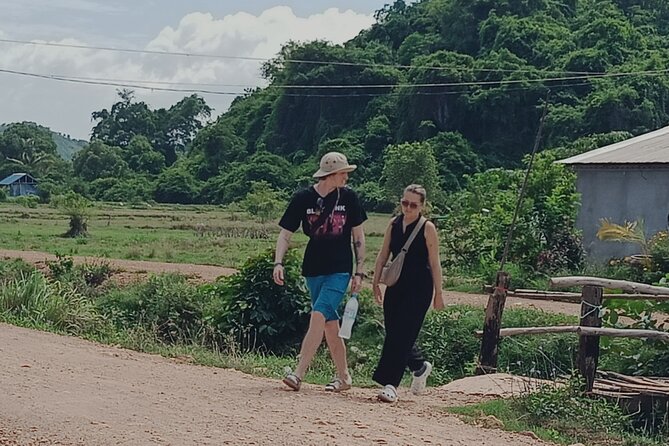
The lake lies well outside town and is mostly unpopulated. A dirt road circles the water, giving you a sense of distance from Kampot’s cafés and guesthouses. You get around 15 minutes here, so expect a brief viewpoint stop rather than a full circuit.
This is the least developed part of the route. That is part of its appeal, but it also means you should not expect facilities or a polished visitor site. The stop works best for people who enjoy open country, quiet roads, and a short dose of local context.
Your guide’s explanation matters here. Names connected with the tour include Phalla, Romly, and Nak. Phalla is praised for safe driving, helpful attention, and clear English. Nak is noted for explaining the places in detail while keeping the day warm and light. Romly is described as friendly, careful, and generous with water and photographs.
Those qualities are useful at Brateak Krola Lake because the place itself offers few formal signs. You rely on the person in the vehicle to explain what you are seeing.
La Plantation: the main reason to choose this outing
La Plantation is the longest and most developed stop. The site includes pepper farms, a restaurant, a pepper shop, and a cooking school. You spend about two hours here, including a free walking tour of roughly 40 minutes and a pepper tasting afterward.
This is where the tour moves beyond simple sightseeing. Kampot pepper is one of the province’s best-known products, and the plantation gives you a chance to see where the peppercorns grow and how different varieties are presented.
The guided walk is free and lasts long enough to give the farm visit some shape. You can learn how pepper is grown, then compare peppercorns during the tasting. The exact selection may vary, but the experience includes several kinds of peppercorns for testing.
The tasting is not a full meal. Food is not included in the tour price, so plan separately if you want lunch or a snack at the restaurant. You can also buy pepper products at the shop, which is useful if you want a practical souvenir rather than another decorative trinket.
I like that the tasting comes after the walk. You see the crop first, then taste the product with a better idea of where it comes from. That small connection makes the stop more worthwhile than simply visiting a shop.
La Plantation also gives you breathing room in the schedule. Compared with the 15-minute salt and lake stops, two hours lets you listen, ask questions, take photographs, taste the pepper, and browse at a reasonable pace.
If you have little interest in food production or shopping, this part may feel longer than necessary. For most people, though, it is the strongest stop and the clearest link to Kampot’s identity.
More Salt Farm Tours around Sihanoukville:
- Kampot Tuktu tour: Pepper farm, Salt field & Secret lake
★ 5.0 · 17 reviews - KAMPOT- Pepper farm ..salt fields.Kep/Crab market & more……..
★ 4.5 · 12 reviews - Pepper Farm Guided Tour, Kep/Crab Market, Salt Field &Secret Lake
★ 4.5 · 2 reviews - Kampot Pepper Farm, Salt Fields, Cave from Sihanoukville
★ 4.5 · 2 reviews
How the timing shapes the afternoon
The advertised duration is about four hours, but the driving accounts for roughly two and a half hours. That leaves about 90 minutes at the listed stops, although La Plantation occupies most of that time.
This is not a walking tour. You spend a large part of the afternoon riding between places, with the vehicle providing shade and a chance to rest between stops. The quality of the driver matters, especially on the longer stretches toward the lake and plantation.
A 1:30 p.m. departure is available, with sunset possible. That schedule could give you softer light later in the afternoon, but the tour is not built around a long sunset viewing session. Ask for the exact departure time when booking if sunset is important to you.
The pace is best for someone who wants a sample of Kampot’s countryside without committing a full day. It is less suitable if you prefer long walks, extended time at each site, or a slow photography schedule.
Guides associated with the tour have been praised for safe driving, good English, friendliness, and practical care. One guide, Phalla, is especially valued for making solo passengers feel comfortable. Another guide, Nak, is praised for combining local explanations with a good sense of humor.
Those personal qualities can shape the day more than the formal route. The sights are spread out, and much of the experience takes place in transit. A careful driver and an attentive guide make that time easier.
Pickup, meeting point, and comfort
The meeting point is Epic Arts Café in Kampot, at the address in Kampong Kandal. The tour ends back at the same point.
Pickup and return are included only within 3 kilometers of the meeting point. If your hotel is farther away, you will need to arrange your own way to the café. This restriction is easy to miss, so check your address before booking.
A coconut is included. Food is not. The tour information does not promise a meal, so do not assume that the plantation visit covers lunch simply because it has a restaurant.
The maximum group size is 12 people. That should keep the vehicle and visits fairly manageable, but group size can affect how much time you get with the guide. If you want to ask several questions at each stop, stay close to the guide during the short visits.
Most people can participate, according to the provided tour information. Since the route includes dirt roads and working agricultural areas, practical footwear is sensible. The salt field and lake stops are brief, but the plantation includes a walking tour.
Is $18 a fair price?
At $18, this is a strong value for a half-day route that covers several sites. You receive transport, entrance fees, guiding, a coconut, the pepper walk, and the tasting. You also avoid having to arrange separate rides to places outside Kampot.
The price looks better if you are traveling alone or as a couple. Hiring separate transport to the salt fields, lake, and plantation could cost more, while also requiring you to plan the route yourself.
The value is less clear if you want extensive time at each stop. The salt fields and Brateak Krola Lake receive only 15 minutes each, and the long driving time means this is a sampling tour rather than a detailed study of rural Kampot.
The plantation helps justify the cost. It provides the longest visit, a guided walk, tasting, and the chance to buy pepper products. If you already plan to visit La Plantation separately, this tour may duplicate part of your day.
Who will enjoy this outing most?
I would recommend it to you if you want a simple introduction to Kampot Province and prefer having a driver and guide handle the route. It suits solo visitors, couples, and small groups looking for an afternoon outside town.
It is also a good fit if Kampot pepper interests you. The tasting and farm walk give the product a clear sense of place, and the shop lets you take some home.
You may want a different plan if your priority is a long, quiet stay at the lake, a detailed salt-production visit, or a full meal-based food tour. The schedule is too tight for that.
Families and older visitors may appreciate the vehicle-based format, though the dirt-road stop and plantation walk mean you should consider your own comfort. The information says most people can participate, but it does not provide detailed accessibility notes.
The tour is also useful for solo visitors because the group setting and attentive guides can make the afternoon easier. Phalla is specifically associated with being helpful to solo passengers, and the guides are praised for water, photographs, safe driving, and clear explanations.
Booking advice and cancellation terms
The experience is often booked about 10 days ahead. That does not guarantee that every date sells out, but it is sensible to reserve early if you want a particular afternoon or a sunset departure.
Confirmation is provided at booking. Free cancellation is available if you cancel at least 24 hours before the start time. Cancellations or changes made less than 24 hours before departure are not accepted for a refund, and the cut-off follows local time.
Before booking, confirm three things: your pickup address, the exact departure time, and the operating location in Kampot. The Sihanoukville label conflicts with the Kampot meeting point and route, so clearing that up is especially important.
Should you book the Kampot countryside tour?
Book it if you want good coverage for a modest price, with La Plantation as the main attraction and the salt fields and lake as short supporting stops. The guide quality appears to be one of the tour’s strongest features, especially when you are paired with someone such as Phalla, Romly, or Nak.
Skip it if you want a slow rural day. The 15-minute visits are quick, and roughly two and a half hours of the four-hour experience are spent driving.
For most first-time visitors with only a few days in Kampot, I think the route makes sense. You see how salt is made, learn why the lake is more complicated than its name suggests, and taste the pepper that gives the province much of its culinary reputation. Just confirm the pickup area and accept that this is a broad half-day introduction, not a deep country excursion.
FAQ
Where does the tour start and end?
It starts at Epic Arts Café in Kampot and ends back at the same meeting point.
Is pickup included?
Yes. Pickup and return are included within 3 kilometers of the meeting point opposite Epic Arts Café. Pickup farther than 3 kilometers is not available.
How long does the tour last?
The tour lasts about four hours. Approximately two hours and 30 minutes are allocated to driving.
What stops are included?
The route includes the salt fields, Brateak Krola Lake, and La Plantation pepper farm.
Is food included?
No. Food is not included. A coconut is included, and La Plantation has a restaurant and shop.
Can I cancel for a full refund?
Yes, if you cancel at least 24 hours before the experience start time. Cancellations or changes made less than 24 hours before departure are not accepted for a refund.
Just added around Sihanoukville
- Private Kampot Countryside Tour & Pepper farm, Kep/Crab Market★ 5.0 · 21 reviews
- Kampot Tuktu tour: Pepper farm, Salt field & Secret lake★ 5.0 · 17 reviews
- Pepper Farm Guided Tour, Kep/Crab Market, Salt Field &Secret Lake★ 4.5 · 2 reviews
- KAMPOT- Pepper farm ..salt fields.Kep/Crab market & more……..★ 4.5 · 12 reviews
- Kampot/Cambodia pepper farm . Cave. lake. Kep Crab market & more.★ 5.0 · 27 reviews
- Kampot Classic Tour & Kayaking at the Green Cathedral with lunch★ 5.0 · 9 reviews
- Full Day Pepper Farm Adventure by Scooter★ 5.0 · 4 reviews
- Half-Day Adventure to the Pepper Farm by Scooter★ 5.0 · 3 reviews
Pepper Farm Tours, farm by farm.
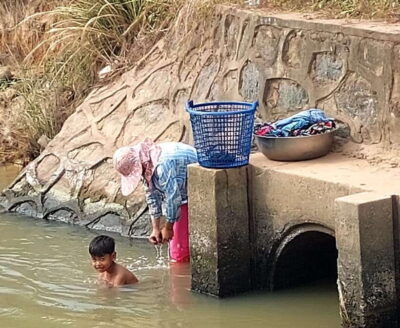
Pepper Farm Tour, Salt Field, Cave & Secret Lake
Read our review →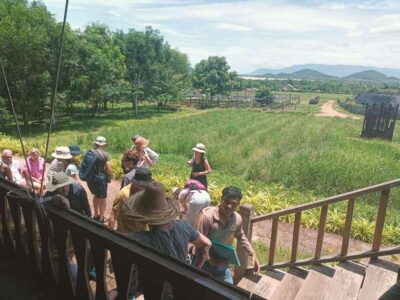
Full-day Countryside Tour with Pepper Farm and Kep
Read our review →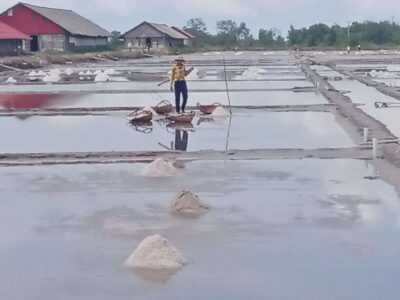
Tuk Tuk Trip to Pepper Farm, Kep, Crab Market & More
Read our review →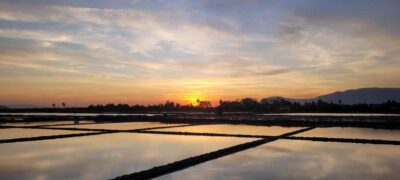
Kampot Countryside include Pepper farm, Salt field & Lake
Read our review →
KAMPOT TRAVEL-Pepper farm. Cave.Secret lake-Crab market & Salt…
Read our review →
Kampot’s Countryside & Kayak Tour, Pepper Farm include Lunch
Read our review →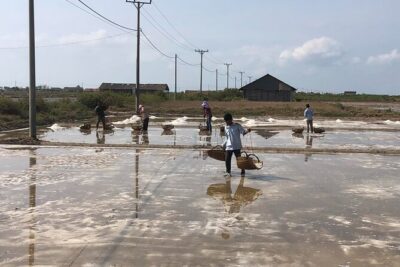
Kampot Countryside Tour – Pepper Farm, Salt Lake, Caves, and more
Read our review →
Kampot Private Tour: Pepper Farm, Salt Field & Secret Lake
Read our review →Other lists this farm sits on