
REVIEW · USA
Private Farm Workshop in Napa Valley
Trade wine for vegetables. This private Napa farm workshop offers a fresh way to experience the valley, with hands-on lessons in regenerative no-till farming and a close look at an independent market garden. I like the seasonal tasting tour and the chance to ask Patrick detailed questions about growing produce at home. The main drawback is that this is a very specific experience, so it may not suit you if you want sightseeing, wine, or a broad Napa tour.
I also like the quiet mountain setting above Napa Valley and the fact that your group gets the farm to itself. Patrick’s practical advice has helped visitors think through their own gardens, from soil building to harvest timing. Keep in mind that the exact location is sensitive, so you need to contact the host before booking.
Key points at a glance
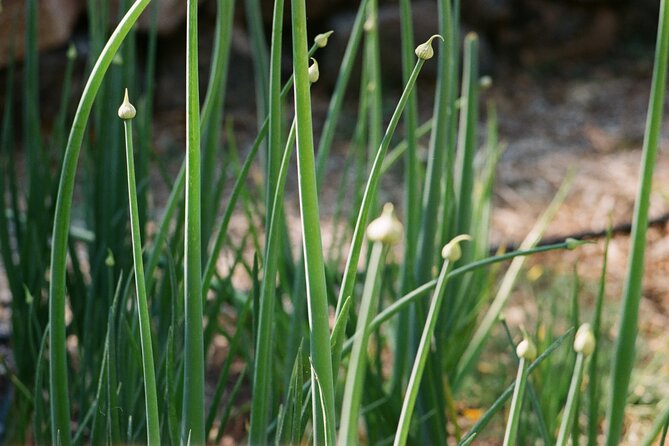
- A genuine alternative to wine tasting: Spend your Napa morning with fruit, vegetables, soil, and a working farmer instead of visiting tasting rooms.
- Seasonal produce tasting: You tour the market garden while sampling fruits and vegetables that are currently in production.
- Hands-on farm work: Depending on the season, you may help plant seedlings, form a garden bed, build soil, or harvest produce.
- Private instruction with Patrick: The private format gives you time to ask specific questions about your own growing conditions and microclimate.
- Mountain drive above Napa Valley: The route to the farm takes you into an area many people would not otherwise see.
- Short and focused: The workshop lasts about 1 hour 30 minutes and begins at 10:00 am on Soda Canyon Road.
Why this Napa workshop is different from a wine tour
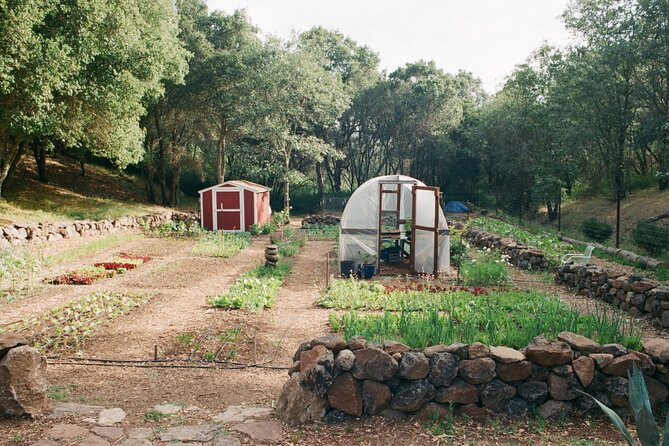
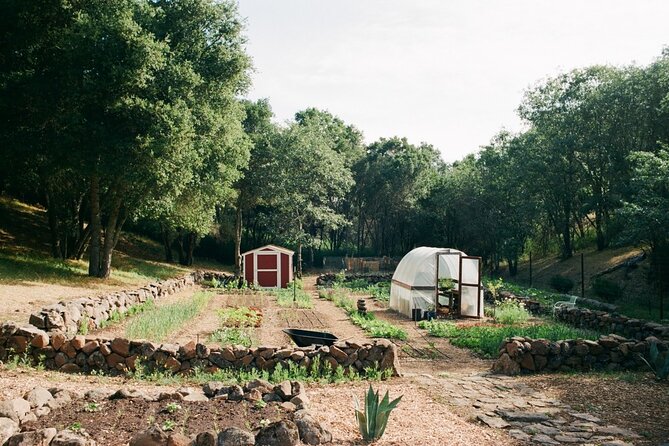
Napa Valley is famous for vineyards, tasting rooms, and polished food experiences. This workshop gives you another way to understand the area: through the work required to grow food well.
You are not simply looking at a decorative garden. The focus is an active market garden and the systems that support it. Patrick explains how to work with nature instead of constantly trying to control it. That means paying attention to soil, timing, plant choices, seasons, and the wider ecosystem.
I like this approach because it gives the visit a clear purpose. You are not just walking around and admiring plants. You are learning why different crops are selected, how they fit into the season, and what helps them grow in a healthier way.
The workshop also suits people who have already spent time around Napa’s vineyards. If you have done several wine tastings, this offers a change of pace without giving up the valley’s rural character. You still get a scenic drive and a beautiful farm setting, but the focus shifts from drinking to growing.
More Workshops around the USA:
- Farm to Taco: A Farm to Table Cooking Class
★ 5.0 · 41 reviews - Farm to Table Cooking Class at Kulaniapia Falls
★ 4.5 · 36 reviews - Maui: Alpaca Farm Visit with Hands-On Activities
★ 5.0 · 9 reviews
The drive up Soda Canyon Road
The meeting point is on Soda Canyon Road, California 94558, with a 10:00 am start. The host asks you to make contact before booking because the location information is sensitive. Treat that as an important part of planning, not as a minor footnote.
The drive into the mountains above Napa Valley is part of the experience. One visitor specifically appreciated reaching an area that many people would not otherwise see. The setting gives the workshop a sense of separation from the busier parts of the valley, though you should make sure you understand the meeting instructions before setting out.
This is not a hop-on, hop-off activity with several easy public stops. You meet at the farm and return to that same point when the class ends. Since the session is private, your group can focus on the farm rather than keeping pace with strangers.
The tasting walk through the market garden
The workshop begins with a tasting tour through the garden. You see and sample the fruits and vegetables that are currently in production, so the food selection depends on the season.
That changing menu is a strength. Instead of promising the same display every month, the farm teaches you to pay attention to what is ready now. The tasting helps connect the talk about seasonality to something you can see and eat. It also gives you a better sense of the many varieties grown in the garden.
The discussion covers vegetable selection and timing, two subjects that often make the difference between a productive home garden and a disappointing one. You learn to consider what belongs in a particular season and how your choices affect the garden as a whole.
The farm also asks you to think about your place in the ecosystem. That may sound broad, but the workshop keeps returning to practical decisions: how to build soil, when to plant, how to choose crops, and how to harvest properly.
Do not expect a large food tasting with a long menu. The listed dessert is seasonal sweets, and the main tasting centers on produce from the garden. The appeal is freshness and connection to the farm, not a formal meal.
Getting your hands dirty with no-till methods
After the garden walk, the class moves into seasonally appropriate tasks. The exact work depends on what needs doing at the farm during your visit.
You might learn how to build soil, plant seedlings, form a new garden bed, or harvest produce correctly. The hands-on format matters because farming techniques make more sense when you see and handle the materials involved. A lecture about soil structure can feel abstract. Working on a garden bed gives the idea a practical shape.
The no-till approach is central. Rather than repeatedly disturbing the soil, regenerative no-till farming aims to support healthier soil and stronger plants by working with natural processes. The workshop is designed to show how that thinking affects everyday decisions in the garden.
I would choose this activity if you like learning by doing. You may not perform every task listed, since the work changes with the season, but you can expect some form of participation rather than a purely observational tour.
That flexibility is also the one limitation here. If you want a fixed schedule with a guaranteed set of activities, this workshop may feel less predictable. Its value comes from responding to the farm as it is on the day you visit.
More Farm Tours around the USA:
- Maui Pineapple Farm Tour in Haliimaile
★ 5.0 · 2,855 reviews - Half-Day Thoroughbred Horse Farm Tour in Kentucky
★ 5.0 · 1,924 reviews - Premium Amish Country Tour including Amish Farm and House
★ 4.5 · 1,306 reviews - Unique Horse Farm Tours with Insider Access to Private Farms
★ 5.0 · 1,192 reviews
A private lesson shaped around your own garden
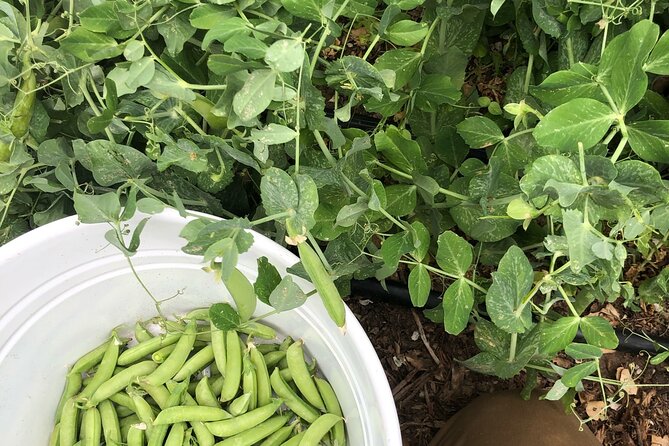
The final part of the class leaves time for questions about your own growing location and microclimate. This is where the private format earns its keep.
You can bring up problems that matter to you, such as plant selection, soil, timing, or how local conditions affect a garden. Patrick has a strong reputation for making the session both useful and enjoyable, and previous visitors valued the chance to nerd-out on gardening with him.
Patrick also appears to be the main reason this experience feels personal rather than generic. He explains the farm clearly, answers questions, and shares tips you can take home. One visitor described his advice as useful for their own gardening efforts, while another appreciated how he helped with questions about a personal garden.
You should arrive with questions ready. Think about the conditions where you grow, the crops you struggle with, and what you want to improve. The more specific you are, the more useful this closing discussion can be.
This is not a substitute for a long agricultural course. The total session is about 90 minutes, so the conversation has limits. Still, the private setting gives you a better chance of getting relevant answers than you would receive during a large public garden tour.
What the mountain setting adds
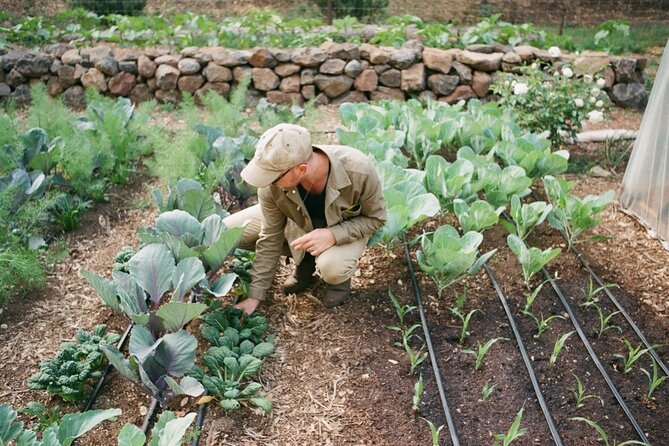
The farm’s location above Napa Valley gives the morning a strong sense of place. You are looking at food production in a mountain setting rather than touring a standard visitor attraction.
The setting is described as beautiful, and the drive itself was a highlight for one visitor. That matters if you want a more local-feeling side of Napa. You are not simply being shown an agricultural display built for tourists. You are visiting an independent farm with its own growing rhythm.
At the same time, the location may require more attention than a central Napa meeting point. Since the host asks you to discuss sensitive location information before booking, do not rely on a vague map pin or assume that the meeting details will be obvious. Confirm the instructions in advance.
The peaceful setting also fits the workshop’s message. The class asks you to consider your relationship with nature, and the farm environment supports that discussion better than a busy roadside attraction would.
Who will get the most from this experience
I would recommend this workshop most strongly to:
- Home gardeners who want practical advice about soil, planting, and harvesting.
- People interested in regenerative farming and no-till methods.
- Couples, families, or small private groups looking for a non-wine Napa activity.
- Visitors who enjoy asking detailed questions and learning directly from a local farmer.
- Anyone who appreciates seasonal food and wants to see how produce is grown.
You do not need to be an expert gardener. The workshop is educational, and the activities are explained as you go. But you should have at least some interest in plants or sustainable growing. If your ideal Napa morning involves wine knowledge, vineyard architecture, or a formal food pairing, choose a different activity.
The 1 hour 30 minute length is a useful middle ground. It is long enough to include a garden walk, tasting, hands-on work, and questions, but short enough to fit beside other plans. The 10:00 am start also leaves much of the day open.
Because it is a private activity, your group controls the tone more than it would on a large shared tour. That is helpful if some people want detailed gardening advice. It may feel less worthwhile if no one in your group has much interest in the subject.
Value, group size, and practical limits
A price is not provided here, so I cannot judge the exact cost against similar Napa activities. I can judge the type of value you receive. This is not a simple farm visit. You are paying for private access, instruction, a tasting of seasonal produce, hands-on work, and time for questions tailored to your growing conditions.
That package makes more sense for a gardener than for someone seeking a general sightseeing tour. A wine tasting may offer more obvious entertainment for a mixed group, while this workshop offers more lasting value if you plan to apply the advice at home.
The private format is important. Only your group participates, and the activity ends back at the meeting point. You receive instruction in English, and mobile tickets are available. Service animals are allowed.
Confirmation is sent within 48 hours of booking, subject to availability. Weather can affect the class, since good conditions are required. If poor weather cancels the activity, you are offered another date or a full refund. The same applies if the minimum number of participants is not reached.
The stricter part of the policy is cancellation by you. The experience is non-refundable and cannot be changed for any reason once booked. I would wait until your Napa plans are firm before reserving it.
The strongest reasons to book
The best reason to book is the quality of the conversation. Patrick’s ability to explain farming and respond to questions is praised repeatedly, and that personal attention is hard to reproduce in a larger group.
The second reason is the setting. The mountain drive and independent farm give you access to a side of Napa that a standard tasting itinerary may miss.
The third is the useful mix of tasting and work. You see the crops, sample seasonal produce, then connect the ideas to actual garden tasks. The experience gives you something to think about after you leave, especially if you grow food at home.
The main reason not to book is simple: you must want a gardening workshop. The class will not fill your morning with landmark stops, wine samples, or a broad valley tour. Its appeal is focused and hands-on.
Should you book the Stepping Stone Farm workshop?
Book it if you want a private, personal Napa experience built around seasonal food, regenerative farming, and practical advice. I would especially choose it after several wine-focused days, or if you already garden and want direct help with soil, planting, or harvest decisions.
Skip it if you need a fixed sightseeing itinerary or if nobody in your group has an interest in growing food. Also confirm the sensitive meeting information before booking, and remember that your reservation is non-refundable.
For the right audience, this is a smart way to spend 90 minutes in Napa. You leave with more than a pleasant farm visit. You leave with questions answered, new growing ideas, and a better sense of how food and place connect.
FAQ
How long does the private farm workshop last?
The workshop lasts approximately 1 hour 30 minutes.
Where does the activity begin?
The meeting point is on Soda Canyon Road in California 94558. You should contact the host before booking to discuss the sensitive location information.
What time does the workshop start?
The stated start time is 10:00 am.
Is this a private activity?
Yes. Only your group participates in the activity, and it ends back at the meeting point.
What will I learn during the workshop?
You will learn about regenerative no-till farming, seasonality, vegetable selection, timing, soil building, planting seedlings, forming garden beds, harvesting, and growing produce in your own location and microclimate.
What happens if bad weather cancels the workshop?
If poor weather causes a cancellation, you will be offered a different date or a full refund.
Just added around the USA
- Yolo: Vineyards, Farms & Cultural Gems – Audio Driving Tour★ 4.3 · 5 reviews
- Ventura: Rail Bike Guided Tour with Farm Stand Stop★ 4.1 · 18 reviews
- Alpaca Ranch and Fiber Processing Mill Tour★ 5.0 · 24 reviews
- Small-Group Vineyard and Orchard Tour with Wine Tasting in Muscoda★ 5.0 · 2 reviews
- Farm Tour at Clover Brooke Llama/Alpaca/Goat Farm★ 4.5 · 6 reviews
- Connect with Rescue Animals on a Private Farm Tour in Catskills★ 5.0 · 27 reviews
- Gourmet Mushroom Farm Tour in Tennessee★ 5.0 · 5 reviews
- Cozy Farm Experience with Wagon Wheels and Acoustic Meal★ 5.0 · 2 reviews
Workshops, farm by farm.
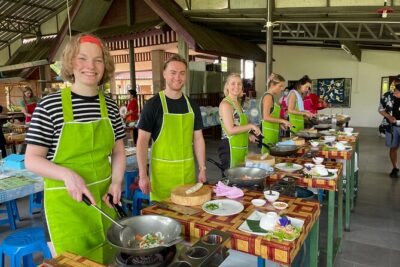
Half-Day Thai Cooking Class at Organic Farm in Chiang Mai
Read our review →
Florence Pizza or Pasta Class with Gelato Making at a Tuscan Farm
Read our review →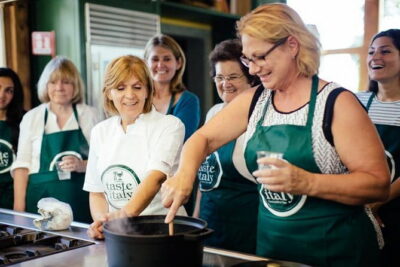
Cooking Class and Lunch at a Tuscan Farmhouse with Local Market Tour from Florence
Read our review →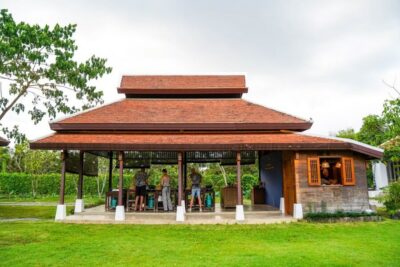
Authentic Cooking Class with Market & Farm Visit
Read our review →
Pizza Lesson, Wine, and Limoncello at a Local Farm
Read our review →

Hands-On Cooking Class & Farmhouse Tour on the Amalfi Coast
Read our review →Other lists this farm sits on