
REVIEW · ITALY
Montespertoli: Poggio Capponi Farm Chianti Wine Tour
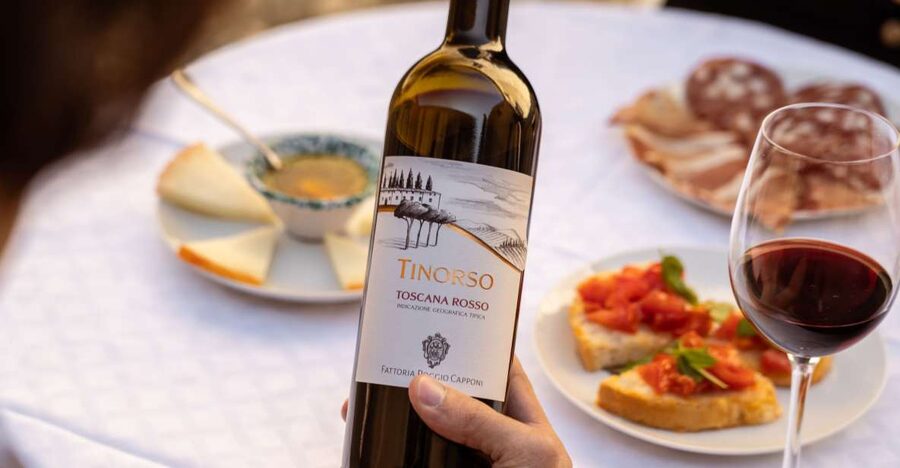
Wine, history, and a Tuscan terrace await. This two-hour visit to Poggio Capponi Farm near Montespertoli combines a guided winery tour with five wine tastings and a generous spread of local food. I like the chance to see more than a tasting room, especially the working cellar, Vin Santo aging room, wine museum, and old oil vessels.
I also like the setting and the price. At $56.94 per person, you get a focused introduction to the farm, a glass of each listed wine, and Tuscan salami, ham, pecorino, honey, and bruschetta. The main consideration is transport: hotel pickup and drop-off are not included, so you need to arrange your own way to the farm.
Key points to know before booking
- Five wines in one sitting: Taste Chardonnay, two Chianti Riservas, a Tuscan red, and Vin Santo del Chianti.
- A real working farm: The tour includes the historic cellar, barrel rooms, Vin Santaia, and oil room.
- A small museum stop: Historical vintages go back to 1950, giving the tasting a useful sense of time and place.
- Tuscan food is included: Salami, ham, pecorino, honey, and several bruschettas accompany the wines.
- Two-hour format: The visit is long enough for context and tasting without taking up an entire day.
- English and Spanish guides: You can join the tour in either language, and the activity is wheelchair accessible.
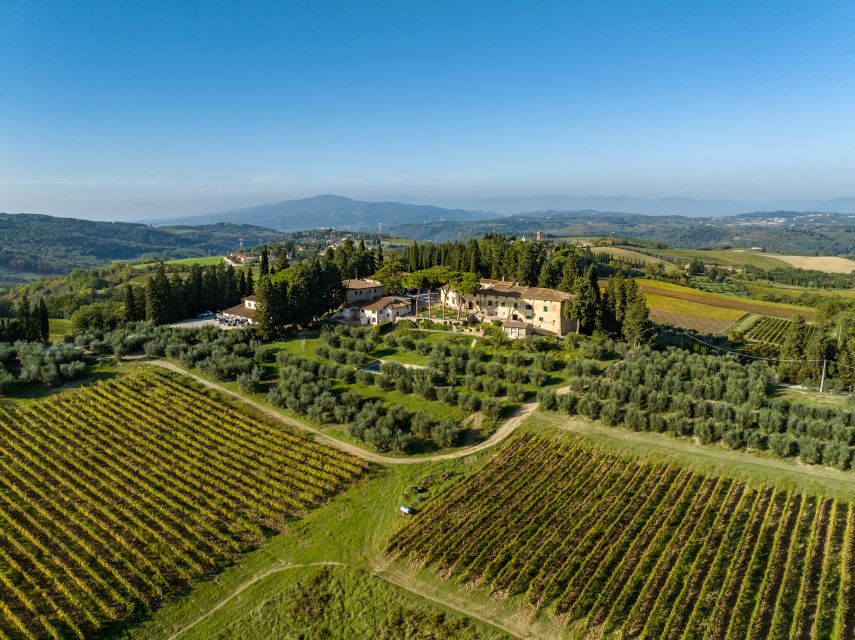
Arriving at Poggio Capponi Farm near Montespertoli
Your visit begins on the terrace at Fattoria Poggio Capponi. Before the tour starts, exchange your voucher at the farm ticket counter. Your guide waits on the terrace, which gives you a calm place to get oriented before moving indoors.
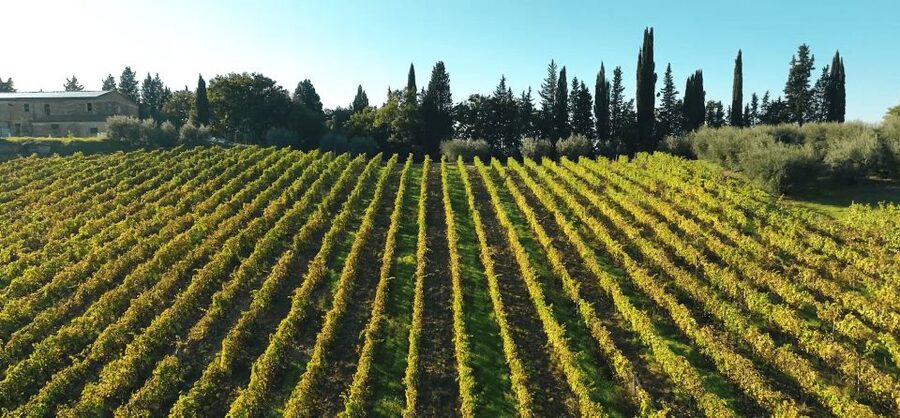
The farm is in Tuscany, near Montespertoli, an area closely tied to Chianti wine production. This matters because the setting is part of the lesson. You are not simply sampling bottles in a city shop. You are visiting the place where the wine is made, aged, stored, and presented.
I like this opening because it does not rush you straight into a glass. The terrace provides a natural starting point, and the farm can explain the property and its traditions before showing you the production spaces. The supplied description places strong emphasis on the beauty and historic character around Poggio Capponi, so expect the sense of place to matter here.
The exact starting time depends on availability. Plan to arrive early enough to exchange your voucher without a scramble. The activity ends back at the same meeting point, making the arrangement fairly simple once you have reached the farm.
More Wine Tours around Italy:
- Sorrento Farm and Food Experience including Olive Oil, Limoncello, Wine tasting
★ 5.0 · 2,524 reviews - Sorrento: Pizza Lesson, Wine, and Limoncello at a Local Farm
★ 5.0 · 1,513 reviews - Pizza School with Wine and Limoncello Tasting in a Local Farm
★ 5.0 · 845 reviews
Inside the historic cellar and barrel rooms
From the terrace, you move into the historic cellar. Here you see tonneaux and barriques, the wooden vessels used to age the farm’s wines. The difference between these containers is useful for anyone trying to understand how a winery works. You will not just hear about aging in the abstract. You will see the barrels and the place where the wines spend time before bottling.
This stop gives the tour substance. A tasting can easily become a parade of glasses with little connection to production. At Poggio Capponi, the cellar helps connect the wine in your glass to the work behind it. You can look at the storage areas, listen to the guide’s explanation, and gain a clearer idea of why barrel aging affects a wine’s character.
The cellar is also one of the more appealing parts for visitors who are interested in traditional wine making rather than only drinking. It is an authentic production space, not just a polished display built for photographs.
Still, the tour lasts only two hours and includes several separate areas. Do not expect an extended technical course on fermentation, grape growing, or barrel management. The cellar visit is best understood as a clear introduction, not an advanced wine seminar.
The Vin Santaia and Vin Santo del Chianti
One of the most distinctive stops is the Vinsantaia, where Vin Santo del Chianti ages slowly. Vin Santo is a traditional sweet wine from Tuscany and an important part of the region’s wine identity. Seeing the room where it matures adds useful context before you taste it.
This is a special feature because Vin Santo is not simply another red or white poured at the end of a tasting. It belongs to a different part of Tuscan wine culture. The Vinsantaia shows that the farm makes room for older methods and local styles alongside its more familiar Chianti wines.
The listed tasting includes Poggio Capponi Vin Santo del Chianti. Since the portion is one glass, you get a taste rather than a full serving. That is sensible during a five-wine lineup, especially when several wines are served with food.
If you enjoy sweet wines or regional specialties, this may be the most memorable glass of the day. If you prefer dry wines, you may find Vin Santo less familiar, but the visit to the aging room still helps explain why it matters.
The Wine Museum and vintages dating to 1950
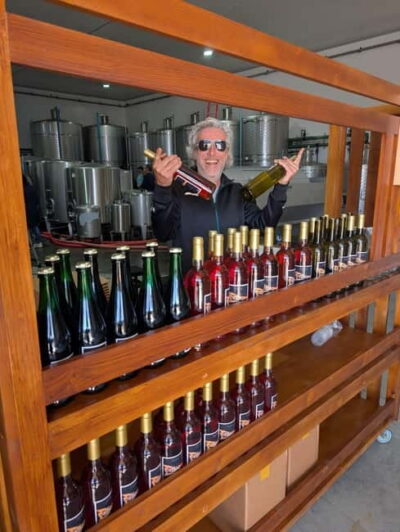
The Wine Museum adds another layer to the visit. In this room, you can see historical vintages, with the oldest dating to 1950. That detail gives the museum a clear purpose. You are looking at bottles connected to decades of wine production, not a generic collection of old equipment.
I value this kind of stop because it slows down the usual tasting routine. Wine is often discussed as if it begins and ends with flavor. Older vintages show that it is also about storage, time, changing labels, and the continued identity of a farm.
Do not assume that seeing a 1950 vintage means you will taste it. The information describes the bottles as part of the museum collection, while the tasting menu lists the current wines separately. The museum is a viewing stop, not a promise of rare-wine sampling.
For someone new to Chianti, this room can make the region feel more understandable. You see that the farm’s work extends beyond the bottle placed in front of you today.
More Farm Tours around Italy:
- Florence Pizza or Pasta Class with Gelato Making at a Tuscan Farm
★ 5.0 · 6,801 reviews - Cooking Class and Lunch at a Tuscan Farmhouse with Local Market Tour from Florence
★ 5.0 · 4,831 reviews - Florence: Pizza or Pasta Class with Gelato at a Tuscan Farm
★ 4.9 · 1,181 reviews - Hands-On Cooking Class & Farmhouse Tour on the Amalfi Coast
★ 5.0 · 956 reviews
The oil room and Impruneta terracotta vessels
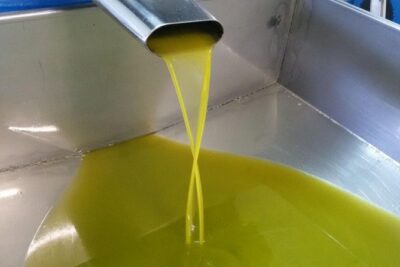
The final cultural stop is the oil room, where you can see ancient terracotta vessels from Impruneta dating to 1800 and earlier. Impruneta, near Florence, is known for traditional terracotta production, so these vessels connect olive oil storage with local craft.
This part of the tour is easy to overlook when you book a wine experience, but it broadens the visit in a good way. Tuscany is not defined by wine alone. Olive oil, pottery, food, and farming all belong to the same regional story.
The oil room should appeal to you if you enjoy old tools and practical objects. The vessels are not just decoration. They show how farms stored valuable products before modern stainless steel tanks and industrial packaging became standard.
As with the museum, the focus is on viewing and explanation. The provided details do not promise an olive oil tasting, so you should not book this tour expecting a separate oil flight.
The five-wine tasting and Tuscan food pairing
The tasting includes one glass of each of five wines:
- Chardonnay Sovente
- DOCG Chianti Riserva Poggio Capponi
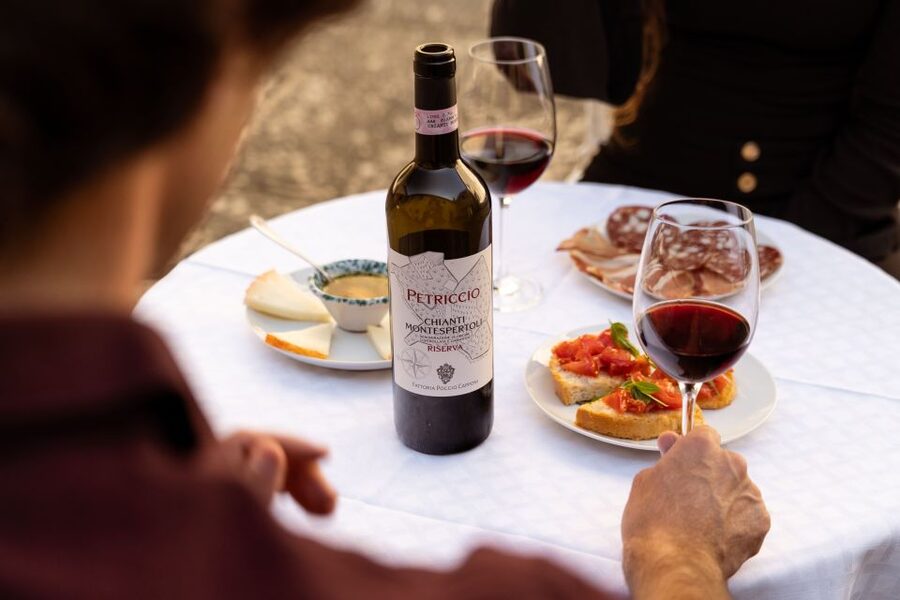
- DOCG Chianti Montespertoli Riserva Petriccio
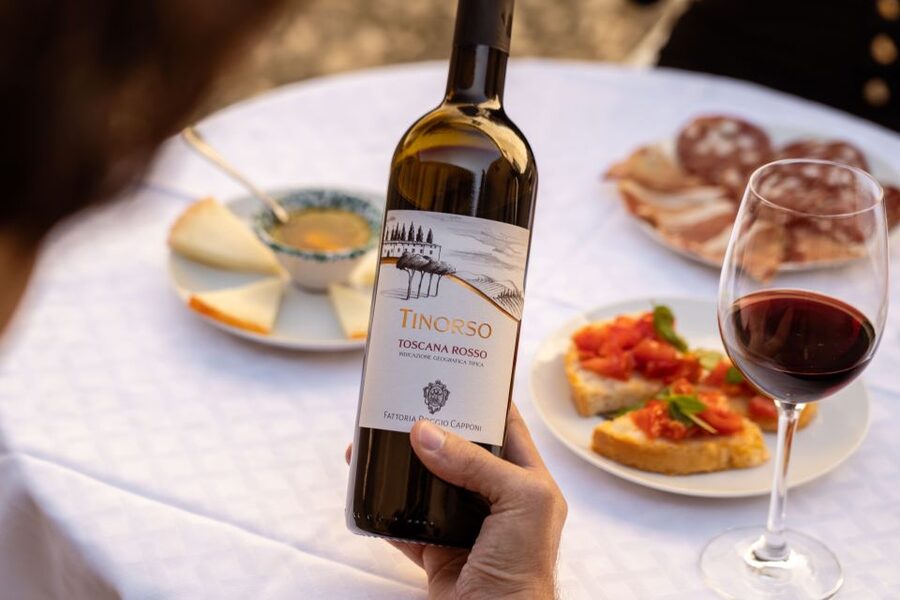
- IGT Tuscan Red Tinorso
- Poggio Capponi Vin Santo del Chianti
That lineup gives you a useful spread. You start with a Chardonnay, move through two Chianti Riservas, sample an IGT Tuscan red, and finish with Vin Santo. The selection lets you compare different categories rather than drinking several versions of the same style.
The two Chianti Riservas are especially useful for understanding the farm’s core identity. One carries the Poggio Capponi name, while the other is tied specifically to Chianti Montespertoli. The tasting does not merely present a broad Tuscan label. It gives you a chance to compare wines connected to this local area.
The IGT Tuscan Red adds contrast. IGT wines can allow producers more flexibility in grape choices and production methods than wines governed by stricter denomination rules. You do not need to know all the regulations to appreciate the practical point: this glass may show a different side of the farm than the Chianti bottles.
The food pairing is generous enough to turn the tasting into a light meal. Expect platters with salami and ham, pecorino and honey, plus various bruschettas. These foods are well suited to wine tasting because the salt, fat, cheese, and toasted bread give your palate something to work with between pours.
I particularly like the inclusion of pecorino with honey. It gives you a direct sweet and savory contrast, and it should pair nicely with the Vin Santo. The bruschettas also make the experience feel more like a Tuscan table than a formal tasting exam.
You receive one glass of each wine, so pace yourself. The tour is short, but five pours can add up. Eat as you go, use the food pairing, and give yourself enough time to notice the differences instead of treating the tasting like a quick checklist.
What $56.94 offers you
At $56.94 per person, the value depends on how much you want from a winery visit. If your goal is the cheapest possible glass of Chianti, this is not the right comparison. You are paying for access to the farm, a guide, the historic production spaces, the museum, the oil room, five wines, and food.
I consider the price fair for visitors who want a rounded introduction rather than a basic tasting counter. The museum and oil room are meaningful additions, and the cellar visit gives you a better understanding of how the wines are aged.
The two-hour length also helps the value. It is long enough to include several rooms and a full tasting, but short enough to fit into a day of exploring Tuscany. You can schedule it without surrendering an entire afternoon.
The value is less attractive if you need transportation included. Since there is no hotel pickup or drop-off, you must budget separately for reaching Poggio Capponi. That is the main practical drawback, especially if you are staying outside Montespertoli or do not have a convenient way to get around.
Who will enjoy this visit most
I would recommend this tour to you if you want three things in one stop: wine, food, and local history. It works particularly well for first-time visitors who want a readable introduction to Chianti without committing to a full-day wine program.
It also suits people who prefer authentic production spaces to glossy tasting rooms. The cellar, Vinsantaia, museum, and oil room give the visit a sense of place. You can see the farm’s old and current functions side by side.
Food-focused visitors should also be happy with the pairing. The platters make the tasting more substantial, and they give you a chance to sample familiar Tuscan staples in a setting connected to their region.
This may not suit you if you want a highly technical wine course, a long vineyard walk, or a large number of rare vintages. The provided schedule centers on the terrace, cellar, aging room, museum, oil room, and tasting. It does not promise an extensive vineyard trek or a specialist-level seminar.
The tour is offered in English and Spanish. It is also wheelchair accessible, which makes it a practical option for more visitors, though you may still want to confirm any personal mobility needs when booking.
Booking advice and final verdict
Book this experience if you want a compact, well-rounded visit to a real Tuscan wine farm. The strongest reasons are the mix of five wines and local food, plus access to rooms many short tastings skip, including the Vin Santo aging room and the museum of historical vintages.
Before booking, solve the transport question. The farm does not provide hotel pickup or drop-off, and the tour begins when you exchange your voucher at the Poggio Capponi ticket counter. Once that is arranged, the visit is straightforward, with the tour ending where it began.
I would choose Poggio Capponi over a simple wine tasting if you want context with your glass. You see where the wines age, learn why Vin Santo matters, view bottles dating back to 1950, and examine old Impruneta terracotta vessels. At $56.94, that makes the experience a sensible choice for a first taste of Chianti near Montespertoli.
FAQ
Where does the Poggio Capponi wine tour take place?
The experience takes place at Fattoria Poggio Capponi near Montespertoli in Tuscany, Italy.
How long does the tour last?
The tour lasts two hours. Starting times depend on availability.
What languages are available?
The live tour guide is available in English and Spanish.
What wines are included in the tasting?
You receive one glass each of Chardonnay Sovente, DOCG Chianti Riserva Poggio Capponi, DOCG Chianti Montespertoli Riserva Petriccio, IGT Tuscan Red Tinorso, and Poggio Capponi Vin Santo del Chianti.
Is food included?
Yes. The tasting includes platters of Tuscan products, including salami, ham, pecorino, honey, and various bruschettas.
What parts of the farm can I visit?
The tour includes the terrace, historic cellar, barrel areas with tonneaux and barriques, the Vinsantaia, the Wine Museum, and the oil room.
Can I see old wine vintages?
Yes. The Wine Museum displays historical vintages, with the oldest dating to 1950.
Is transportation from my hotel included?
No. Hotel pickup and drop-off are not included. You must reach the farm independently.
Is the experience wheelchair accessible?
Yes, the activity is listed as wheelchair accessible.
Just added around Italy
- Volterra: Fresh Pasta Cooking Class at a Tuscan Farmhouse★ 5.0 · 33 reviews
- Volterra: Pizza Cooking Class in a tuscan farmhouse★ 4.6 · 11 reviews
- Visit Siena and San Gimignano with lunch at a family farm★ 5.0 · 8 reviews
- Vico Equense: Tour in the dairy “Mozzarella Experience”★ 5.0 · 19 reviews
- Turin: Meet the Monviso Alpacas at the Educational Farm with a Guide★ 5.0 · 5 reviews
- Bardolino: Garda Lake Pasta Cooking Class at the Agritourism★ 5.0 · 32 reviews
- Rialto Farmers & Fish Market Food Tour in Venice with Wine Tasting & Sightseeing★ 5.0 · 3 reviews
- Rialto Market Food Tour: Wine Tasting and Sightseeing in Venice★ 5.0 · 57 reviews
Wine Tours, farm by farm.
Sorrento Farm and Food Experience including Olive Oil, Limoncello, Wine tasting
Read our review →
Montserrat Lunch & Wine at Farmhouse Small Group from Barcelona
Read our review →
Amazing Yarra Valley Wine Tour + Chocolate, Farm Fresh, Gin
Read our review →
Pizza Lesson, Wine, and Limoncello at a Local Farm
Read our review →
Montserrat Full Day Tour with Farmhouse Lunch and Winery Visit
Read our review →
Montserrat & Winery Visit Tour with Traditional Farmhouse Lunch
Read our review →
Hidden Gems: Boutique Full-Day Wine, Farm & Lunch Tour
Read our review →Other lists this farm sits on