
REVIEW · SPAIN
Tropical Tour: Avocado & Mango Farm – Small group and tasting
Tropical fruit has a story. This five-hour outing from Málaga’s coast takes you into La Axarquía, Europe’s leading tropical fruit region, for a farm visit, seasonal tasting, local lunch, and a look at the cooperative behind the produce. I like the small group of three to eight, and I like that the guide also drives, keeping the day personal and easygoing. The main point to consider is timing: mangoes are best from September through late November, while avocado harvest runs from November through April.
The route adds real local context instead of stopping at a pretty farm for a quick photo. You’ll learn how fruit moves from planting to European distribution, then visit TROPS, a major mango and avocado cooperative. The pickup area is limited, and the coastal road can be uncomfortable if you get carsick, so bring medicine if you need it.
Key points to know before booking
- La Axarquía grows tropical fruit for Europe: The farm visit explains why mangoes and avocados thrive in this part of Málaga.
- Season changes the tasting: Mangoes run from September to late November, while avocados are harvested from November to April.
- Lunch is part of the experience: The tropical brunch includes seasonal fruit and local specialties, with vegetarian food available by request.
- The group stays small: A Mercedes Vito carries between three and eight people, allowing more room for questions.
- TROPS adds the business side: You see how local fruit is handled and can shop for Málaga food products.
- Pickup covers selected coastal towns: Collection is included from Nerja, Torrox-Costa, Algarrobo Costa, and Torre del Mar.
Why Málaga’s coast grows mangoes and avocados
Málaga is often linked with beaches, white villages, and fried fish. La Axarquía adds another layer: tropical agriculture on the hills east of the city. This region has become Europe’s leading area for tropical fruit production, making it a useful place to understand how mangoes and avocados grow in a Mediterranean setting.
The tour gives you that setting directly. You travel along the coast toward Vélez-Málaga, with views of the Mediterranean along the way, then reach a farm above the sea. That position matters. You are not hearing about tropical fruit in a classroom. You are looking at the orchards where it is grown, with the coast spread out below.
I like this focus because it connects food with place. A mango on a supermarket shelf can seem generic. Here, you learn about planting, cultivation, harvesting, and distribution. The guide also explains how the produce reaches tables across Europe, giving you a better sense of the work behind something you may normally take for granted.
The experience is not designed as a hard agricultural course. It is a friendly introduction, with plenty of tasting and scenery. You should expect practical explanations rather than a long technical lecture.
More Food and Drink Tours around Spain:
- Ría de Arousa: Boat Ride to Mussel Farm with Tasting
★ 4.7 · 845 reviews - La Palma : Tour of an ecological farm w/ animals & tasting
★ 4.9 · 65 reviews - Olive Oil Farm Tour with Tasting from Seville
★ 4.5 · 61 reviews
The coastal drive to the farm
Pickup begins around 10:00 a.m., with the exact collection time provided one day before the tour. Look for a big blue Mercedes Vito. Pickup is included only in Nerja, Torrox-Costa, Algarrobo Costa, and Torre del Mar, so you need to arrange another meeting point in advance if you are staying elsewhere.
The drive toward Vélez-Málaga is part of the appeal. The route follows the coast and gives you Mediterranean views before reaching the plantation at about 10:30 a.m. The exact drive length depends on your pickup town, but the tour is built around a relaxed morning rather than a rushed transfer.
If you get carsick, take the warning seriously. The operator recommends bringing anti-sickness medication, and you should also carry water. Comfortable shoes matter too, since the farm visit involves walking outdoors.
The Mercedes Vito format works well for this kind of outing. With a minimum of three and a maximum of eight people, the group is small enough for questions and conversation. It also avoids the impersonal feel of a large coach, though the small-group minimum means the tour needs at least three bookings to run.
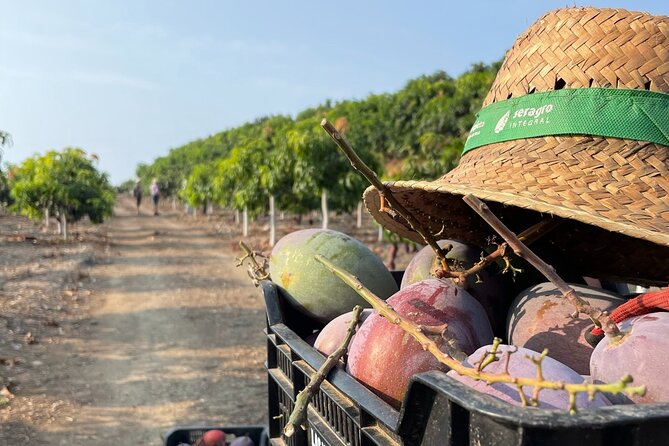
Walking through the mango and avocado plantation
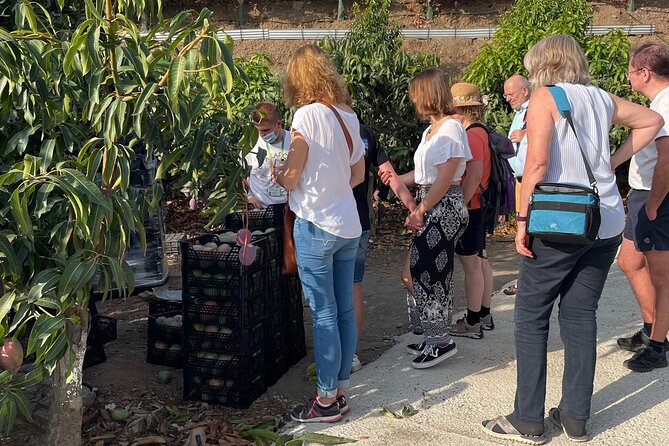
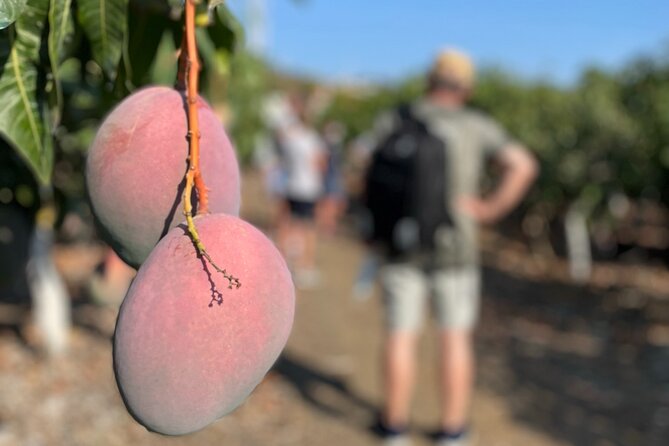
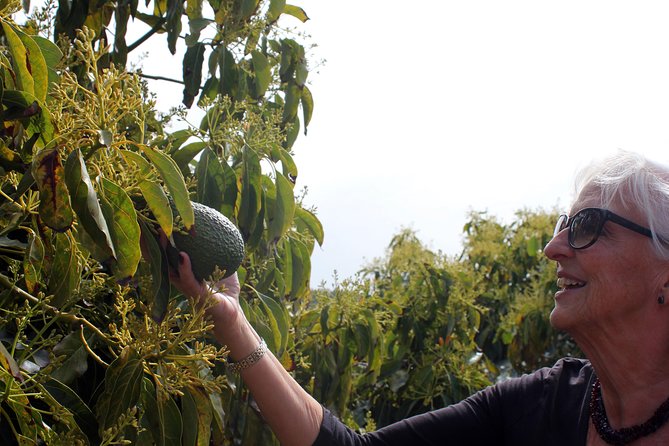
The farm visit lasts about two hours, making it the main part of the day. You learn how mangoes and avocados are planted, grown, harvested, and sent on to markets around Europe.
The most useful part is the connection between the trees and the final product. You can ask about the stages of farming, then taste the fruit in the same regional setting. That turns the visit into more than a scenic stop.
The farm overlooks the sea, so you get open views while learning about crops. Bring sunscreen during the hotter months. Much of the experience takes place outdoors, and shade is not guaranteed in the supplied details.
The guide may speak English, German, and Spanish, and the trip can be operated by a multilingual guide. English is offered, but if your group includes people with different language needs, it is sensible to confirm how the commentary will be handled.
The guide is also your chauffeur. That keeps the day compact, but it means the same person is responsible for driving and leading the visits. Reviews praise the guides for their enthusiasm and strong understanding of the fruit and local area. One named guide, Cipriano, was especially praised for explaining both mangoes and avocados, along with the area’s past, and for sharing his passion for Axarquía.
That personal element is one of the tour’s best features. A farm visit can feel flat if the host simply points at trees. Here, the guide’s interest in the subject appears to be a major part of the experience.
Seasonal fruit, sea views, and a proper brunch
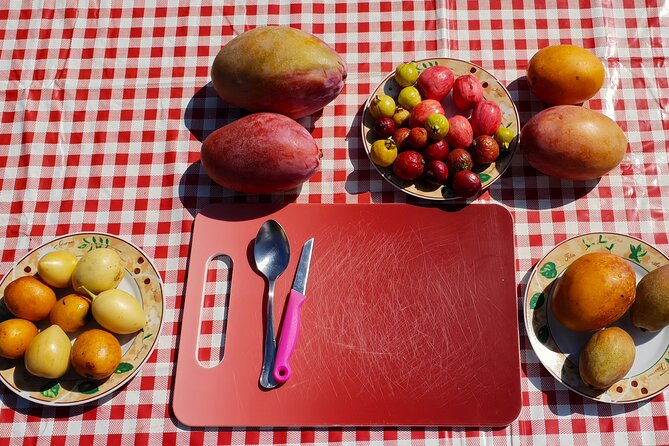
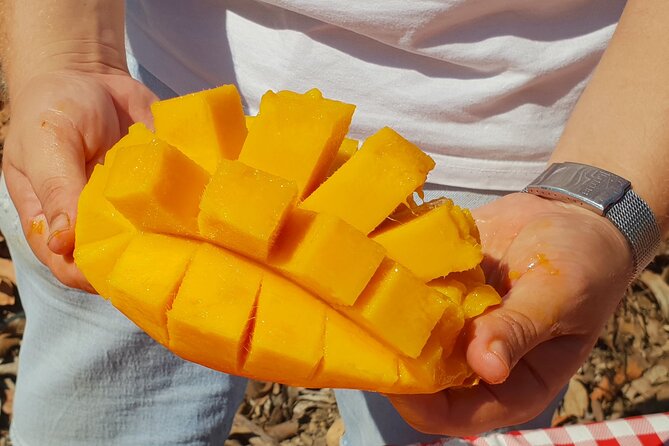
The tasting is not an afterthought. You enjoy a fresh tropical picnic with seasonal mangoes, avocados, and other local food, set against the farm and sea views.
The exact fruit depends on the calendar. Mango season runs from September to late November. Avocados are harvested from November through April. If you visit outside those periods, the tasting may not feature both fruits in the same way, so keep your expectations flexible.
This seasonal approach is a plus. You are tasting what is available rather than being promised the same menu year-round. It also means you should book with the month in mind. September through November is the best window for mango lovers, while November through April is better for avocado season.
The meal includes local specialties as well as tropical fruit. The strongest praise is reserved for the food, with two local dishes described as delicious and the lunch called excellent. That makes the outing more useful for anyone who enjoys food but does not want a formal cooking class.
Vegetarian food is available, but you need to request it when booking. You should also give advance notice of any other dietary requirements. The supplied information does not list every dish, so ask if you need detailed ingredient information.
Bring a water bottle, especially in warm weather. Sunscreen is essential, since this is an outdoor activity and the farm portion lasts around two hours.
More Farm Tours around Spain:
- Montserrat Lunch & Wine at Farmhouse Small Group from Barcelona
★ 5.0 · 2,368 reviews - Barcelona: Montserrat Visit & Lunch at Farmhouse Small Group
★ 4.7 · 1,313 reviews - Montserrat Full Day Tour with Farmhouse Lunch and Winery Visit
★ 5.0 · 1,068 reviews - Montserrat & Winery Visit Tour with Traditional Farmhouse Lunch
★ 4.5 · 1,035 reviews
The TROPS cooperative and the business behind the fruit
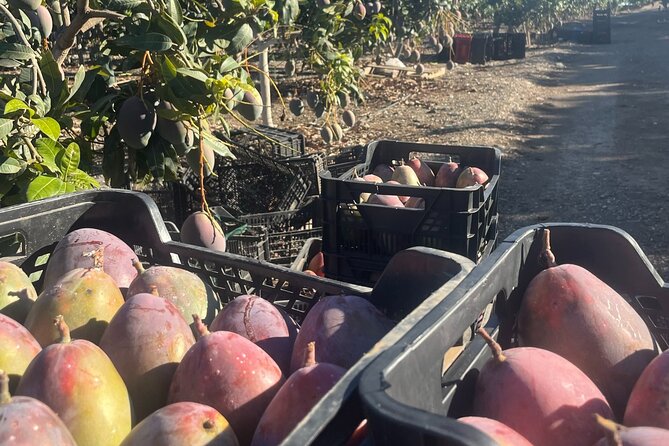
After the plantation, the group visits TROPS, described as Europe’s largest mango and avocado cooperative. This one-hour-and-fifteen-minute stop gives you a different view of the same food.
At the farm, you focus on growing. At TROPS, you see the cooperative side and learn more about how local fruit is handled. That contrast gives the day a useful shape: first the orchard, then the organization that helps move produce toward the wider market.
You also visit the shop, which carries local gourmet products. This is a practical chance to take home something connected to Málaga’s food culture. The details do not promise a specific product list, so shop contents may vary.
TROPS keeps the tour from becoming only a countryside picnic. You get a clearer picture of the chain from farm to distribution, which is one of the most interesting ideas built into the day.
The stop lasts more than an hour, so it is not just a quick look before heading back. Still, you should understand that this is an agricultural cooperative visit, not a broad tour of Málaga’s food scene. If your main interest is old towns, monuments, or wine cellars, another excursion may suit you better.
What the five-hour schedule feels like
The experience starts around 10:00 a.m. and returns you to your accommodation after the TROPS visit. The total duration is about five hours, with roughly two hours at the farm and one hour and fifteen minutes at the cooperative. The rest is used for driving and pickup.
That timing makes this an easy half-day choice. You still have the afternoon for the beach, a village visit, or a slow lunch in town. You also avoid the very early start common on some day trips.
The schedule is relaxed, but it is not completely free-form. Pickup timing is confirmed one day before, and the group follows a set route. Since the guide drives, timing can shift with road conditions and the number of pickup stops.
A small group helps here. Eight people is still enough for a lively outing, but it is far easier to hear the guide and ask questions than it would be on a full coach. The minimum of three people is worth noting if you are booking close to your travel date.
Value, group size, and what is included
No tour price is provided, so I cannot judge the fare against a specific amount. The value depends on how much you would otherwise spend on transport, a guided farm visit, a meal, and a separate food-shopping stop.
The package includes pickup and return in selected coastal areas, the guide and driver, the plantation visit, the TROPS visit, and the tropical brunch. Those inclusions matter because transport between the coast, farm, and cooperative would be awkward without a car.
You pay separately for anything not connected with the activity. The information does not list extra tasting fees or other paid stops, so do not assume that every item in the shop or every personal purchase is included.
For me, the best value comes from the combination rather than any one stop. You get a coastal drive, an agricultural visit, a meal, and a look at regional distribution in a single morning. It is especially useful if you are staying along the eastern Costa del Sol without a rental car.
The tradeoff is specialization. You are paying for a focused experience about tropical fruit, not a general Málaga tour. If you do not care much about farming or food production, the day may feel narrower than a traditional sightseeing trip.
Who will enjoy this farm day most
I would recommend it to people who like local food, working farms, and small-group outings. It also suits anyone curious about how Spain produces tropical crops at a European scale.
Food-focused visitors get the most from the seasonal tasting and local brunch. Couples and small families may appreciate the relaxed pace and short overall duration. The tour can also work well for visitors who have already seen Málaga’s main sights and want something different.
You should be comfortable walking outdoors and riding in a van. Most people can participate, and service animals are allowed. The information does not describe the farm’s terrain in detail, so anyone with specific mobility concerns should ask before booking.
This is not the best choice if you want a packed schedule of landmarks. It also may not suit you if you dislike organized pickups or if you need complete control over departure and return times.
Practical tips for a smoother visit
Book with the harvest calendar in mind. September through late November gives you the best chance for mangoes, while November through April is the stated avocado season.
Wear comfortable shoes and protect yourself from the sun. Bring water, and consider anti-sickness medication if winding coastal roads are a problem for you.
Tell the operator about vegetarian needs or other dietary requirements when you book. Do not wait until the morning of the tour, since the brunch is part of the planned experience.
Confirm your pickup area carefully. Included collection covers Nerja, Torrox-Costa, Algarrobo Costa, and Torre del Mar. Other locations must be discussed in advance and are not automatically included.
Cancellation is free if you cancel at least 24 hours before the start time. Within 24 hours, the payment is not refunded, and late changes are not accepted. Since the tour needs at least three people, a cancellation caused by the minimum not being met brings an alternative date or experience, or a full refund.
FAQ
How long does the Tropical Tour last?
The experience lasts about five hours, including transportation, the plantation visit, the TROPS cooperative visit, and the return to your accommodation.
What time does the tour start?
The stated start time is 10:00 a.m. Your exact pickup time is provided one day before the tour.
Where is pickup included?
Pickup and drop-off are included in Nerja, Torrox-Costa, Algarrobo Costa, and Torre del Mar. Other pickup points must be discussed in advance.
How many people can join the tour?
The tour requires at least three people and accepts a maximum of eight travelers.
Are mangoes and avocados available all year?
No. Mango season runs from September through late November. Avocados are harvested from November through April, and the tasting may vary outside those periods.
Is lunch included?
Yes. A tropical brunch or picnic tasting is included, with seasonal fruit and local specialties. Vegetarian food is available if requested when booking.
Is the tour offered in English?
Yes. English is offered, and the guide may also speak German and Spanish. The experience may be operated by a multilingual guide.
Should you book this Costa del Sol farm tour?
Book it if you want a small, food-centered outing with real local context. The strongest reasons are the farm setting above the sea, the seasonal tasting, the local brunch, and the chance to see both cultivation and cooperative distribution in one half-day.
I would choose a date that matches the fruit you most want to taste, and I would confirm pickup before paying if you are outside the four listed coastal areas. If you prefer monuments, shopping streets, or a full day of sightseeing, choose another tour.
For the right visitor, this is a thoughtful way to meet a less familiar side of Málaga. You leave with a better sense of the region’s agriculture, a full meal, and perhaps a few local products from TROPS for later.
Just added around Spain
- Vigo: Bay of San Simón Mussel Farming Tour★ 5.0 · 6 reviews
- Animal farm park with free hotel pickup★ 5.0 · 2 reviews
- Olive Oil Farm Tour with Tasting from Seville★ 4.5 · 61 reviews
- From Seville: Pig Farm private day tour and old villages visit★ 4.5 · 4 reviews
- Bull Breeding Farm: Guided Half-Day Tour from Seville★ 4.5 · 24 reviews
- ” Basque Farm House & Cider house” tour + meal from San Sebastian★ 5.0 · 9 reviews
- Fuerteventura Villages Caves and Farm Tour with Lunch from North★ 3.0 · 9 reviews
- Menorca: Cheesemaking and Farm-Fresh Product Tasting★ 5.0 · 29 reviews
Spain Farm Tours, farm by farm.

Montserrat Lunch & Wine at Farmhouse Small Group from Barcelona
Read our review →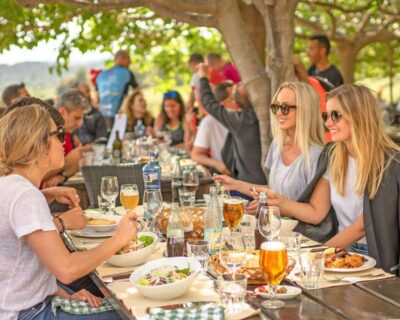
Montserrat Visit & Lunch at Farmhouse Small Group
Read our review →
Montserrat Full Day Tour with Farmhouse Lunch and Winery Visit
Read our review →
Montserrat & Winery Visit Tour with Traditional Farmhouse Lunch
Read our review →
Ría de Arousa: Boat Ride to Mussel Farm with Tasting
Read our review →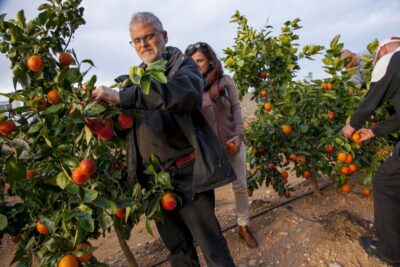
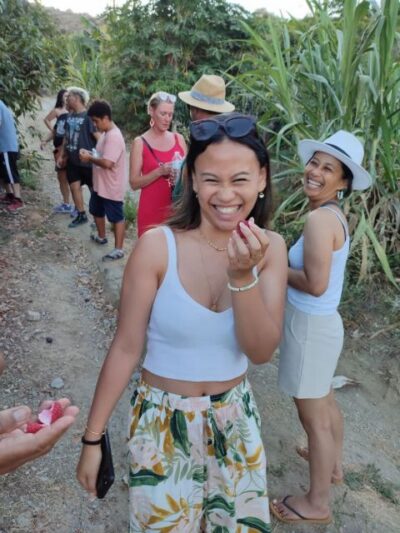
La Herradura Coffee Farm: tour in Europe’s only plantation
Read our review →
Alicante : E-Bike Coast Tour, Roman Fish Farm and Snorkeling
Read our review →Other lists this farm sits on