
REVIEW · SPAIN
Guided Tour to the only coffee farm in Europe
Coffee grows where you least expect it. Near La Herradura, on Spain’s Costa Tropical, this small farm offers a close look at Europe’s northernmost coffee plantation, along with as many as 30 types of tropical fruit. I like the mix of coffee, mangoes, lychees, avocados, bananas, and other unusual crops. I also like the personal guiding style of Manolo Mateos, who explains the farm’s story with humor and speaks several languages.
The main catch is that this is a working fruit farm first, and a coffee tour second. If you expect endless rows of coffee plants or a large plantation, you may find the coffee section modest. The steep slope also calls for decent shoes, water, and a little stamina.
Key points to know before you go
- Europe’s northernmost coffee plantation: The visit ends at the farm’s coffee-growing area, described as the only coffee plantation in Europe.
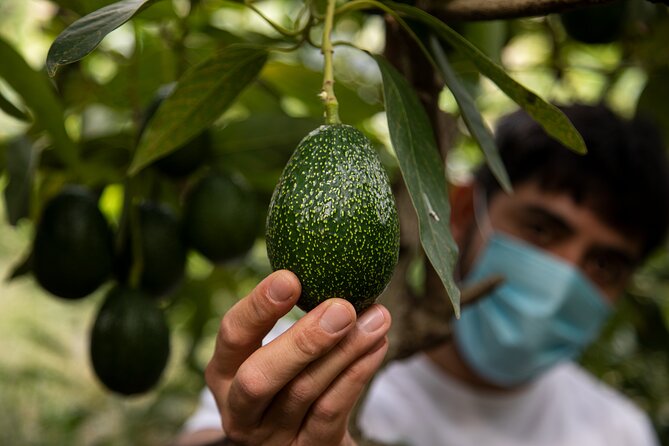
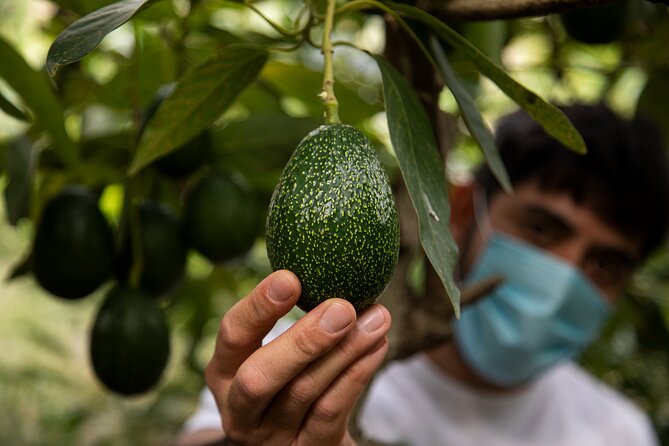
- A tropical fruit walk: You may see mangoes, avocados, custard apples, lychees, red bananas, macadamias, pitayas, and many other trees.
- A very personal guide: Manolo Mateos leads many visits, and guides such as Sonia have also helped families in English and French.
- A small-group experience: The maximum group size is 15 people, which gives the visit a friendly, informal feel.
- A steep farm path: Wear closed, comfortable shoes and avoid the hottest part of the day.
- Good value at $18.15: The price includes the guided farm visit and a 15 percent discount on fruit purchases, but wine and tapas are extra.
Walking into La Herradura’s tropical farm
The farm sits near La Herradura, in the province of Granada, a short distance from the seaside resorts of La Herradura and Almuñécar. This part of southern Spain is known for a warm climate, and that warmth allows farmers to grow crops that seem more at home in the Caribbean or Central America than in Europe.
You begin at the meeting point listed as Q723+V5 in La Herradura. The visit ends at a different farm address on the Rio Jate, so you should pay attention to the return plan before setting out. The tour is not simply a talk beside a visitor center. You walk through the property, following a sloping route among fruit trees and coffee plants.
I like this format because it makes the farming feel real. You see the plants where they grow, rather than looking at labeled samples in a display room. The tradeoff is equally clear: this is uneven farm ground, not a paved botanical garden.
The tour usually takes about 1 hour 10 minutes to 1 hour 30 minutes. One family described a visit lasting closer to two hours, so allow a little flexibility if the conversation is lively or the group stops often. With no more than 15 people, the pace can feel relaxed rather than rushed.
More Coffee Farm Tours around Spain:
- La Herradura Coffee Farm: tour in Europe’s only plantation
★ 4.8 · 430 reviews - Award Winning Farm Tour: Coffee, Chocolate and Unique Gifts
★ 5.0 · 484 reviews - Big Island: Volcanoes, Waterfalls, & Coffee Farm Day-Trip
★ 4.9 · 414 reviews
Coffee at the northern edge of Europe
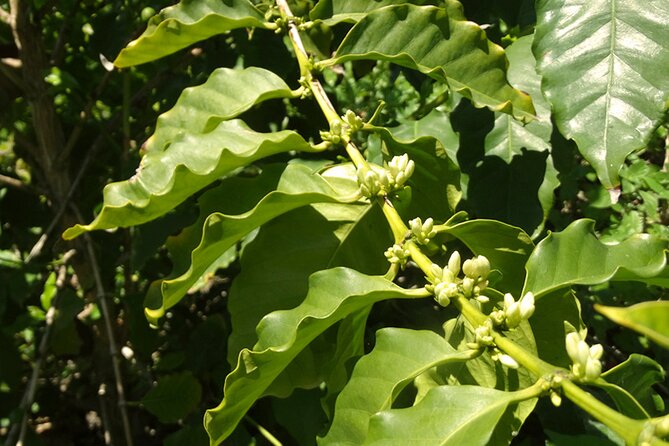
The coffee plants are the star attraction, but they are not the whole show. The farm is presented as the most northern coffee plantation in the world and the only one in Europe. That claim gives the visit its unusual appeal, especially if you are interested in how crops respond to climate.
You should set your expectations correctly. This is not a vast commercial coffee estate with endless rows of plants. The coffee production is small, and the surrounding tropical fruit trees make up a large part of the walk. One dissatisfied visitor expected a fuller coffee-farm experience and felt the fruit trees took center stage.
For me, that is not necessarily a weakness. The interesting point is seeing how coffee fits into a mixed agricultural system. You learn about the farm as a whole, including the practical challenges of growing warm-climate plants in southern Europe. If your main goal is coffee, you may want to ask how much of the current visit will focus on coffee plants. If you enjoy unusual crops and local agriculture, the wider tour adds value.
Coffee and other farm products are available for purchase at the end. Several visitors bought coffee to take home, and fruit, jams, olive oil, rum, and regional specialties may also be available depending on stock. The 15 percent fruit discount is useful if you want to bring home something fresh, though you should not treat it as part of the admission price.
A walk through 30 types of tropical fruit
The fruit collection is what gives this farm its personality. You might see avocados, mangoes, custard apples, lychees, red bananas, macadamias, pitayas, and other exotic trees. The exact selection will depend on the growing season and what is producing fruit at the time.
I especially like the educational side of this section. The guide explains what each plant is, how it grows, and how it fits into the farm’s approach. Children can see fruit attached to the plant rather than in a supermarket display. One family said their children began enjoying mango, lychee, and avocado after tasting fruit directly from the farm.
That kind of tasting can turn a short tour into a memorable family activity. A two-year-old, young children, and older children have all been included in visits, and guides make an effort to keep the explanations friendly. The farm is not a formal children’s attraction, though, so parents should be prepared for a walking tour rather than a play area.
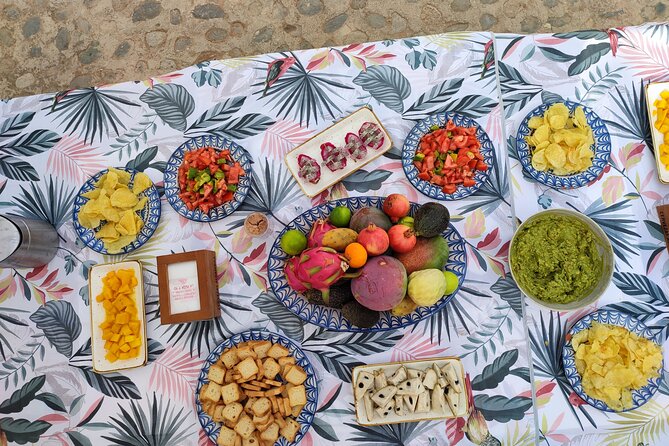
Fruit tasting is not clearly included in the basic price. Some visitors arranged a tasting for an additional fee, while others bought fruit at the end. If sampling is important to you, confirm what is offered on your date instead of assuming it comes with the $18.15 ticket.
Manolo’s stories and the farm’s family connection
The guide is a major part of the experience. Manolo Mateos is described as the owner or young owner of the plantation, and he presents the farm with a personal connection. The property has been in his family for about 300 years, and that background gives the tour a sense of continuity without turning it into a museum lecture.
His style mixes practical information with jokes and personal stories. That combination works well for a short visit. You are not just memorizing plant names. You hear how the land came to be used, what makes the local climate suitable for tropical crops, and why running the farm responsibly takes effort.
Language is another strong point. Manolo speaks English, Spanish, French, German, and other languages, according to the information provided. Sonia has also guided English visits and made an effort to explain parts of the tour in French. Groups have received explanations in English, German, French, and Spanish, which is helpful for mixed-language families.
The style may vary with the guide and the group. If you prefer a tightly scripted agricultural lecture, the personal and humorous approach may feel loose. If you enjoy conversation and questions, it is likely to be a strength.
More Guided Tours around Spain:
- GUIDED TOUR + TASTE IN A MUSHROOM FARM
★ 5.0 · 43 reviews - Bull Breeding Farm: Guided Half-Day Tour from Seville
★ 4.5 · 24 reviews - Half-Day Guided Tour to a bull farm in Madrid
★ 5.0 · 2 reviews - Mykonos: Farm, Ano Mera Village, and Beaches Guided Tour
★ 4.4 · 1,283 reviews
Sustainable farming explained in plain terms
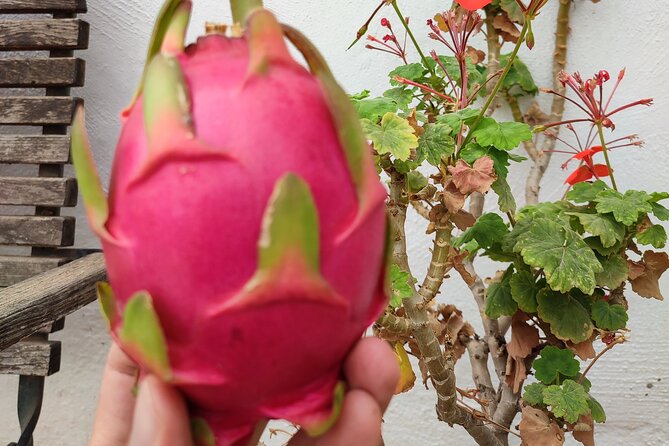
The tour includes an explanation of sustainable agricultural practices, biological balance, and the effort to close the cycle of water and matter. These subjects can sound technical, but they matter because a farm growing many tropical species has to manage water, soil, and plant health with care.
The useful point for you is that sustainability is connected to daily farm work. It is not just a slogan added to the tour description. The guide discusses how the farm tries to maintain balance while growing different crops in the same setting.
You will not get a university course in ecology during a visit of roughly 90 minutes. Instead, you get an accessible introduction to the problems of maintaining tropical agriculture in this part of Spain. I find that level appropriate for a holiday outing. You come away with a better sense of the work behind a mango, avocado, or coffee plant.
The farm also provides a chance to look for wildlife. Chameleons, eagles, partridges, owls, wild goats, and wild boars are listed as possible sightings. They are not guaranteed, and the tour should not be booked as a wildlife excursion. Consider them a bonus if conditions are right.
The slope, the sun, and what to wear
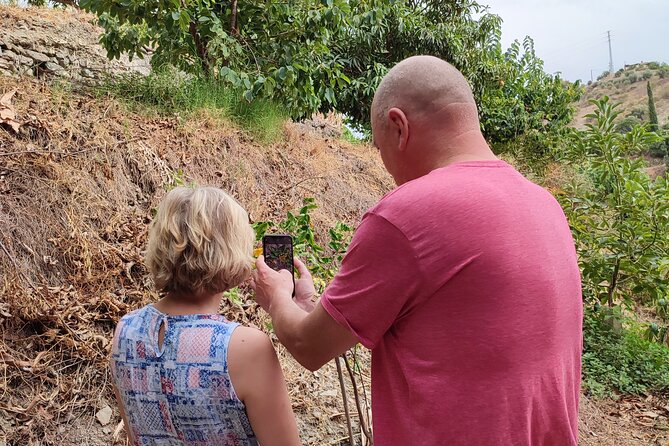
The practical warning about the steep slope deserves attention. Closed, comfortable shoes are recommended, and you should bring water. Avoiding the hottest hours is sensible, particularly in the warm months when a sloping farm path can feel harder than the distance suggests.
The activity is rated for people with a moderate level of physical fitness. It is not described as suitable for every mobility level, and no promise of a fully accessible route is provided. If you have concerns about steep ground, ask the operator before booking.
Plant and pollen allergies also deserve care. The farm is full of trees, plants, and flowering growth, so seasonal pollen allergy sufferers are specifically advised against the experience. Anyone with plant allergies should contact the operator beforehand.
Service animals are allowed. Beyond that, the available information does not give detailed accessibility information, so you should request clarification if you need step-free access, seating, or other support.
Getting there and arranging your return
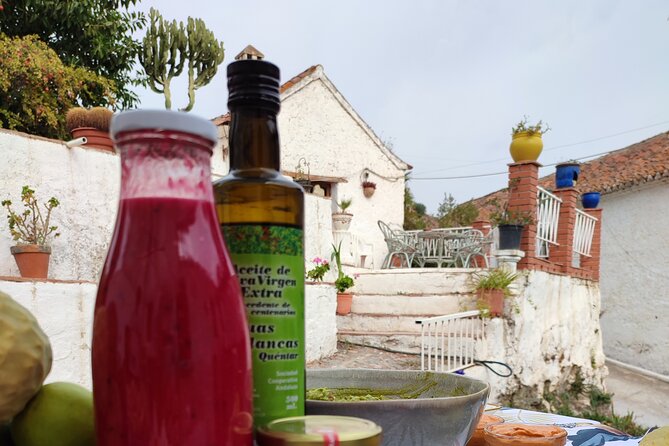
The starting point and ending point are different. The tour begins at Q723+V5 in La Herradura and ends at Diseminado Rio Jate Pol 21, 162, 18690, Granada. Make sure you understand where you need to go after the walk.
A taxi can take you to the farm, but one useful practical detail is that you should notify Manolo in advance if you arrive by taxi. He may be able to meet you and help you reach the farm up the hill.
Do not count on Uber for the return journey. A visitor specifically noted that there was no Uber service back to town and arranged a lift or local taxi instead. You may want to combine the visit with time in La Herradura or Almuñécar, but sort out your transport before you begin.
This is also a reasonable stop if you are moving between Granada and Malaga, provided the route and timing work for you. The farm is near La Herradura, not in central Malaga, so check the map carefully rather than relying only on the broad Malaga location label.
Is $18.15 a fair price?
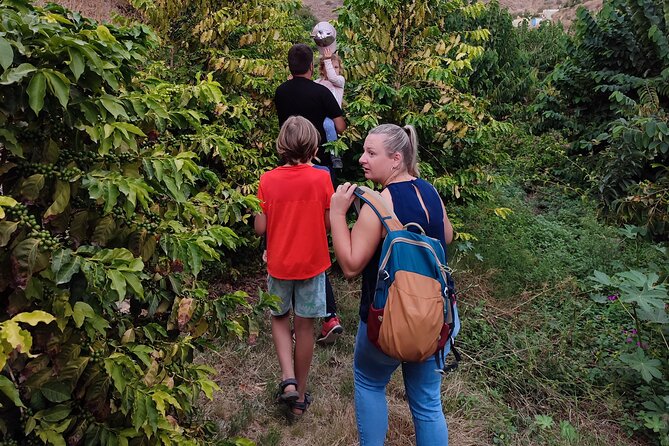
At $18.15 per person, I consider this good value for a small-group farm visit. You get roughly 70 to 90 minutes of guiding, a look at a highly unusual European coffee-growing project, explanations of sustainable agriculture, and a walk through a broad collection of tropical plants.
The value improves if you enjoy talking with the guide and asking questions. A large attraction may offer more polished facilities, but this visit gives you direct contact with the person running the farm. The 15 percent fruit discount adds a small extra benefit if you plan to buy produce.
The price does not include local wine and tapas. Tastings may also involve an added charge, so ask in advance if you want a food component. You should also budget for transport, especially if you need a taxi to and from the property.
Compared with a standard museum visit, this is an active outdoor experience with a very specific subject. Compared with a full-day food tour, it is short and inexpensive. The best value comes when you see it as a focused agricultural visit, not as a major coffee plantation attraction.
Who will enjoy this visit most?
I would recommend it to families, food-minded visitors, plant lovers, and anyone who likes seeing an unusual side of southern Spain. Children can take part, and the fruit trees give them something concrete to look at and taste.
It also suits people who enjoy meeting local producers. Manolo’s personal story, his family connection to the land, and his multilingual guiding give the visit a human side that a self-guided walk would miss.
You may want to skip it if you dislike outdoor walking, have serious pollen allergies, or need a fully accessible path. It is also not the right choice if you want a long, technical coffee-production tour with a large harvest operation.
Book with an open mind. You are going to see coffee, but you are also going to see a mixed tropical farm, hear about ecological growing methods, and spend time with a passionate owner. That combination is the real experience.
Should you book the La Herradura coffee farm tour?
I would book this tour if you are staying near La Herradura or Almuñécar and want something different from beaches, hill towns, and standard sightseeing. The high rating, strong recommendation rate, multilingual guiding, and small group size all point to a friendly experience with plenty of personal attention.
Just keep the limits in mind. The coffee plantation is small, the route is steep, fruit is a major part of the visit, and return transport needs planning. If those details suit you, $18.15 buys an engaging introduction to one of Europe’s most unusual farms.
FAQ
Where is the coffee farm tour located?
The tour is in the La Herradura area of Granada, Spain, near the Costa Tropical. The listed starting point is Q723+V5 in La Herradura.
How long does the tour take?
The stated duration is approximately 1 hour 10 minutes to 1 hour 30 minutes. Some visits may last longer, depending on the pace and conversation.
Is this really the only coffee plantation in Europe?
The farm is presented as the most northern coffee plantation in the world and the only coffee plantation in Europe.
What else grows on the farm?
You may see up to 30 types of tropical fruit, including avocados, mangoes, custard apples, lychees, red bananas, macadamias, and pitayas.
Is the tour offered in English?
Yes. The tour is offered in English. Manolo is also described as speaking several other languages, including Spanish, French, and German.
How many people can join the tour?
The maximum group size is 15 people.
Is the tour suitable for children?
Families with children have taken the tour, including families with very young children. The activity requires walking on a farm path, so parents should consider the steep slope.
What should I wear and bring?
Wear comfortable closed shoes and bring enough water. Avoid the hottest hours of the day if possible.
Are food and drinks included?
Local wine and tapas are not included. Fruit tastings may be available separately, and farm products can be purchased at the end of the visit.
Can I cancel for a full refund?
You can cancel at least 24 hours before the start time for a full refund. The tour may also be rescheduled or refunded if bad weather or an insufficient number of participants causes cancellation.
Just added around Spain
- Vigo: Bay of San Simón Mussel Farming Tour★ 5.0 · 6 reviews
- Animal farm park with free hotel pickup★ 5.0 · 2 reviews
- Olive Oil Farm Tour with Tasting from Seville★ 4.5 · 61 reviews
- From Seville: Pig Farm private day tour and old villages visit★ 4.5 · 4 reviews
- Bull Breeding Farm: Guided Half-Day Tour from Seville★ 4.5 · 24 reviews
- ” Basque Farm House & Cider house” tour + meal from San Sebastian★ 5.0 · 9 reviews
- Fuerteventura Villages Caves and Farm Tour with Lunch from North★ 3.0 · 9 reviews
- Menorca: Cheesemaking and Farm-Fresh Product Tasting★ 5.0 · 29 reviews
Coffee Farm Tours, farm by farm.
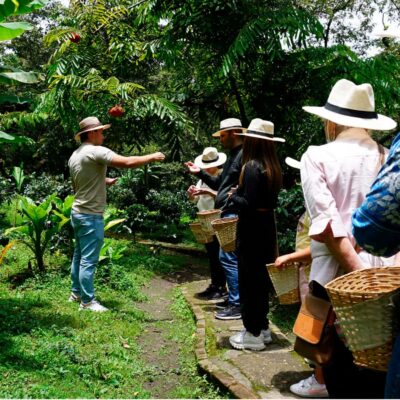
Award Winning Farm Tour: Coffee, Chocolate and Unique Gifts
Read our review →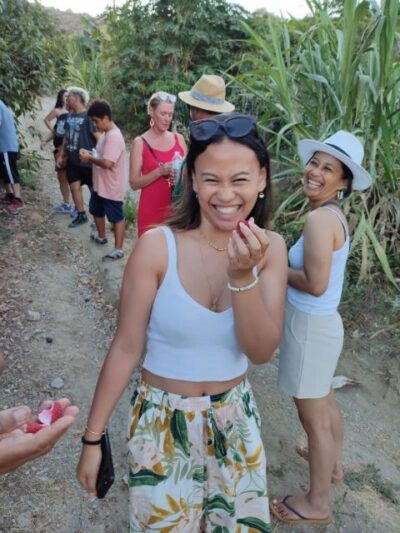
La Herradura Coffee Farm: tour in Europe’s only plantation
Read our review →
Small-Group Big Island Tour: Hawaii Volcanoes National Park and Kona Coffee Farm
Read our review →
Medellín Coffee Farm Tour with Trolley and Cable Car Ride
Read our review →
Private Cocora Valley, Salento & Coffee Farm Tour
Read our review →
Liamuiga Natural Farm Tour – St.Kitts’ Coffee Farm
Read our review →
Horseback Riding Coffee Farm Tour with Coffee Spa
Read our review →Other lists this farm sits on