
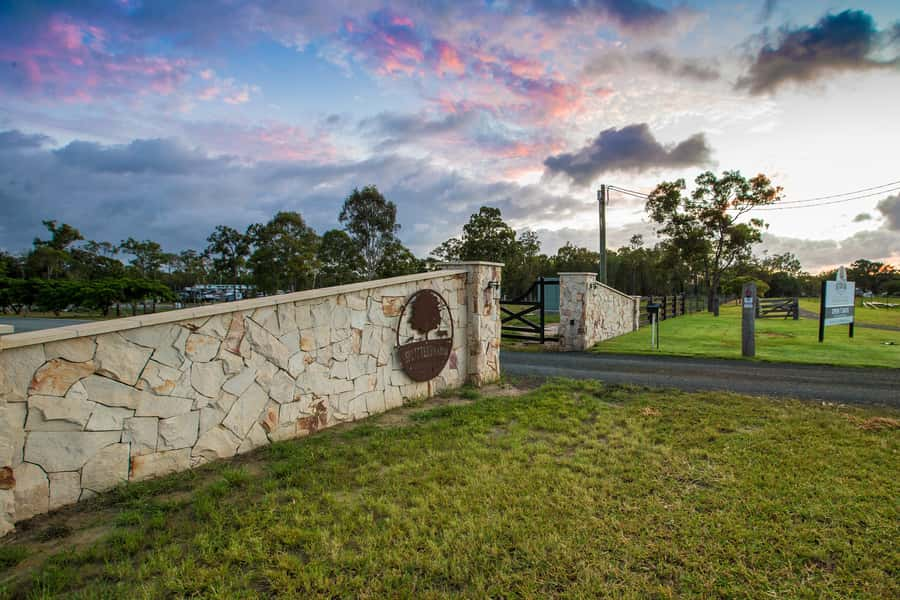
REVIEW · AUSTRALIA
Bundaberg: Splitters Farm Guided Tour
Farm animals are the stars here. Splitters Farm gives you a close look at more than 400 rescued animals, with hands-on feeding, egg collecting, local honey and macadamia tasting, and a guided walk through the paddocks near Bundaberg. This is less a polished attraction than a working family farm with a strong rescue mission.
I like the personal touch of a private tour led by one of the farm owners, and I like that your admission helps pay for food and care for the animals. Guide Karla has earned especially warm praise for her stories and the way she explains each animal’s background. The main consideration is simple: this is an outdoor farm visit, not a restaurant or climate-controlled exhibit. You need comfortable shoes, a hat, and a willingness to continue in rain or sun.
I also appreciate the mix of fun and useful information. You are not only feeding animals. You are hearing about Bundaberg farming, supply pressures, sustainable practices, and the work involved in giving rescued animals a permanent home. Food is not served as part of the tour, though a barista van and cold drinks are available at the main office.
Key points to know before you go
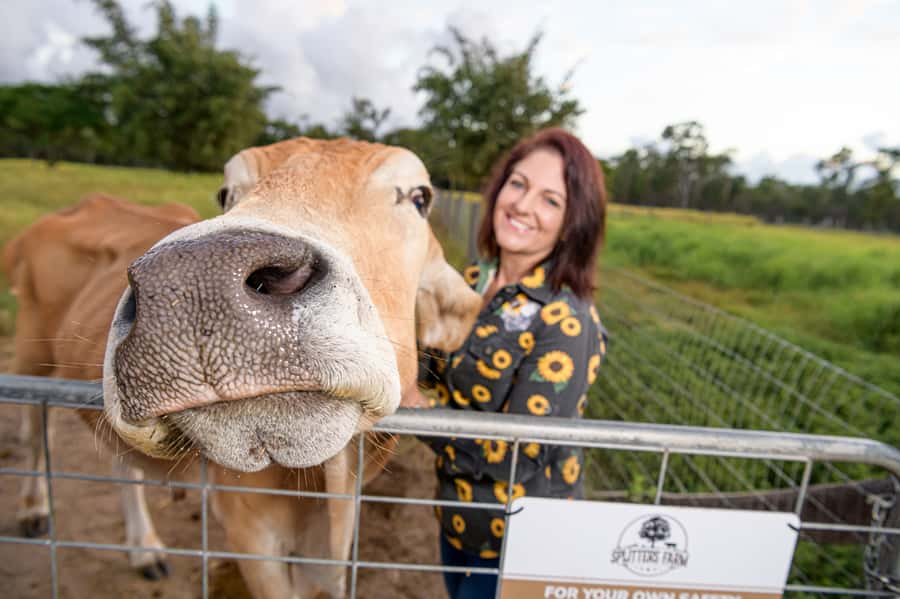
- More than 400 rescued farm animals: You move from paddock to paddock, feeding animals while learning how they arrived at Splitters Farm.
- Owner-led and personal: The tour is guided by one of the farm owners, with Karla receiving particular praise for her stories and care.
- Local tastes included: You can sample honey and macadamias from the farm, plus collect eggs during the visit.
- A working farm, not just a petting zoo: The tour explains farming demands, animal welfare, sustainability, and the challenges faced by Australian farmers.
- Good value for animal lovers: At $38 per person, the price includes the guided experience, animal food, farm map, and tastings.
- Outdoor conditions matter: The tour runs rain or shine, so dress for a real farm visit and bring a camera.
Arriving at the Splitters Farm office
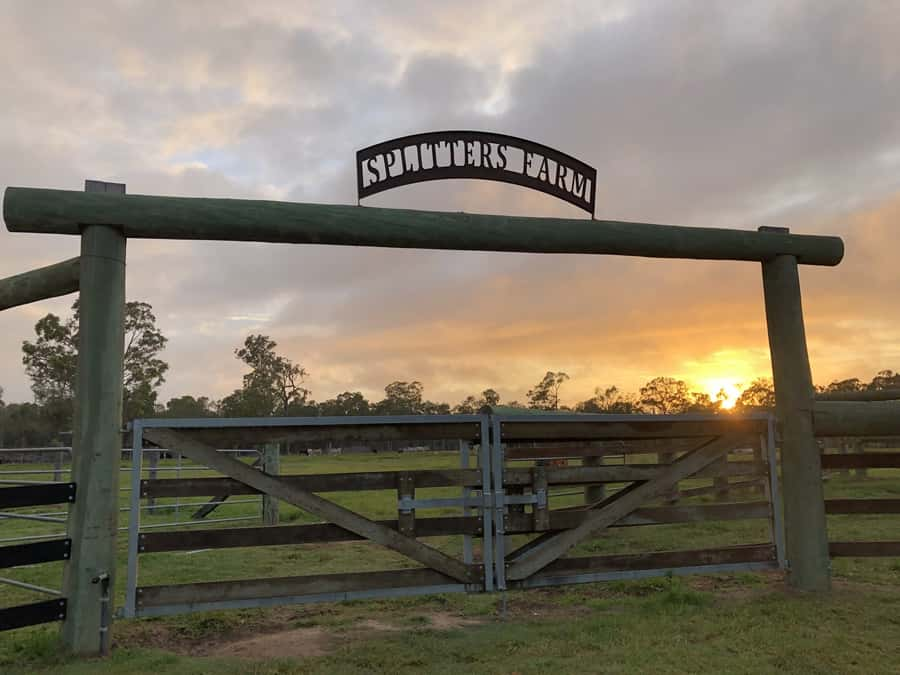
Your visit begins at the main site office, where you check in and collect your guided tour wristband or wristbands. You also receive a farm brochure and map, useful for getting your bearings before heading out to the paddocks.
The office is more than a registration point. This is where you can buy cold drinks, and a barista van is available if you want coffee. Since no meal is included, I would use this moment to plan around your appetite. The tour includes tastings, but honey and macadamias are samples, not lunch.
The setting is designed for an outdoor visit, so avoid treating this like a quick indoor animal encounter. Wear shoes you are happy to use around paddocks. A hat is important in Queensland, and a camera is well worth carrying. The farm is described as wheelchair accessible, though the visit still takes place across farm areas and natural surroundings, so you may want to confirm any specific mobility needs before booking.
More Guided Tours around Australia:
- Rockhampton: Koorana Crocodile Farm Guided Tour
★ 4.8 · 136 reviews - Bundaberg: Monsoon Aquatics Coral Farm Guided Tour
★ 4.9 · 25 reviews - Guided Paspaley Pearl Farm Tour with Return Transfers
★ 4.0 · 4 reviews
Honey, macadamias, and the Bundaberg farm story
The introduction begins with a taste of honey and macadamias produced on the farm. These small samples add a local flavor to the visit and give you a quick connection to the work happening around you.
From there, your guide explains the farming background of the Bundaberg region and the story of this family-owned cattle farm. That context matters. It helps you see Splitters Farm as a working agricultural property, not simply a place that keeps tame animals for photographs.
I like this part because it places the rescue work inside a bigger picture. Farming depends on supply and demand, changing conditions, animal care, and steady effort. The tour aims to show how Australian farmers deal with those pressures while also caring for land and animals.
The presentation is likely to be most useful if you enjoy hearing the reasons behind what you see. You are not just told which animals to feed. You learn how a farm operates and why sustainable practices matter in a place with Australian bushland and creek surrounds.
From paddock to paddock with the rescued animals
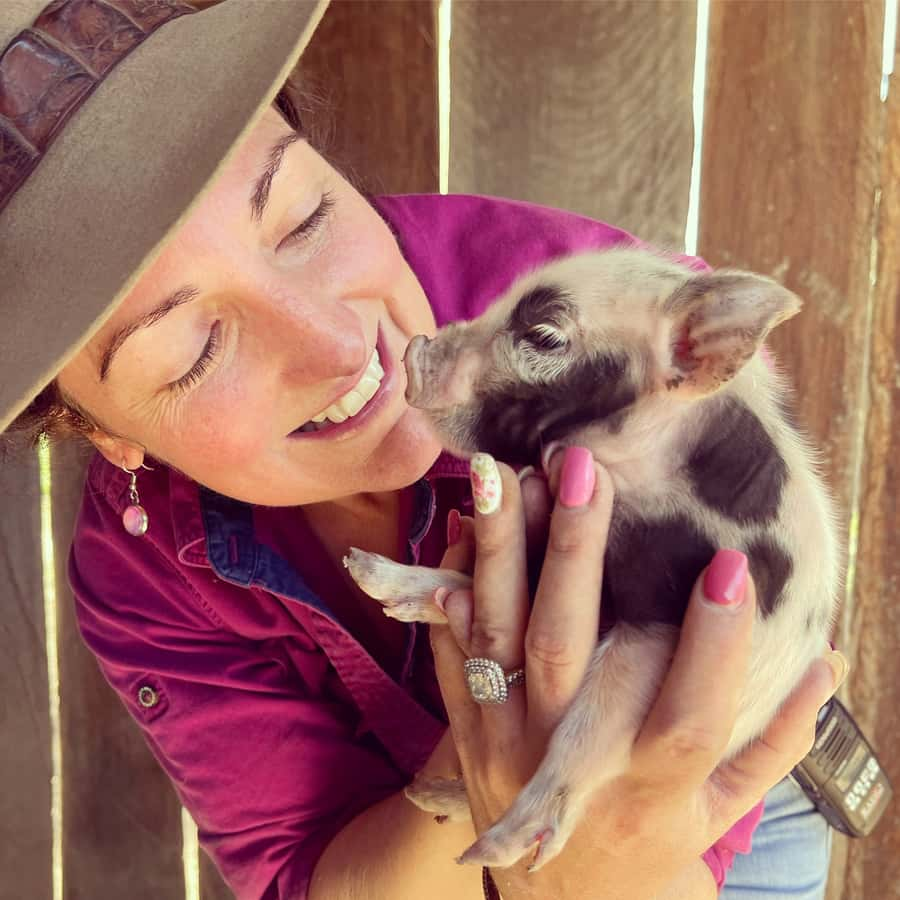
The main part of the experience takes you from paddock to paddock. At each stop, you receive food for the animals and guidance from the tour leader. You can hand-feed more than 400 rescued farm animals, making this a particularly strong choice for families and anyone who prefers direct contact over simply looking through a fence.
The animal stories are central. Your guide explains where the animals came from and how they reached their permanent home. That personal background gives the feeding experience more meaning. You are not treating the animals as props for a quick photograph. You are learning why they are at Splitters Farm and what ongoing care involves.
The calm, tame nature of the animals has been a major strength of the experience. The care given to them is clearly part of the farm’s purpose, and your entry fee helps contribute to feeding them. That makes the $38 price easier to justify, especially if you value animal welfare and want your spending to support the site you visit.
Still, keep your expectations sensible. Feeding over 400 animals does not mean every moment will feel quiet or private. Farms are active places, and animal behavior can vary. Listen closely to the guide, follow the feeding instructions, and let the animals approach at their own pace.
Collecting eggs and seeing a working farm
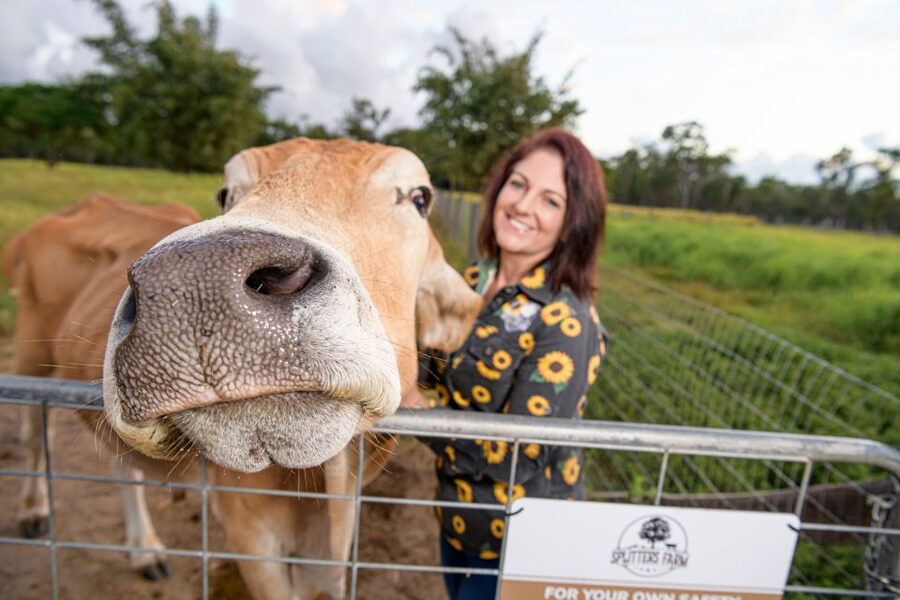
Egg collecting adds a hands-on task that feels different from animal feeding. It gives you a small taste of ordinary farm work and shows that the visit is connected to daily operations, not only entertainment.
This is one of the details that makes Splitters Farm more appealing than a standard animal attraction. You are given a chance to take part in simple farm routines while learning how the property functions. The activity is practical and easy to understand, which makes it suitable for children, couples, and adults who want something more grounded than a photo stop.
The tour also explains supply and demand challenges in agriculture. That subject may sound less playful than feeding animals, but it is valuable. You get a clearer idea of why farms must balance care, costs, production, and changing market conditions.
The emphasis on Australian farming resilience adds another useful layer. The visit does not present rural life as effortless. Instead, it points to the daily work needed to keep a farm operating and animals healthy. I find that honesty refreshing, particularly for anyone who wants a closer look at life outside the city.
More Farm Tours around Australia:
- Amazing Yarra Valley Wine Tour + Chocolate, Farm Fresh, Gin
★ 5.0 · 1,566 reviews - Hidden Gems: Boutique Full-Day Wine, Farm & Lunch Tour
★ 5.0 · 881 reviews - Melbourne: Yarra Valley Wine, Choc, Farm Fresh, Gin Tour
★ 4.9 · 258 reviews - 3- Hour Wine and Harvest the Hunter Horse Tour in Pokolbin
★ 5.0 · 165 reviews
Bushland, creek surrounds, and photo opportunities
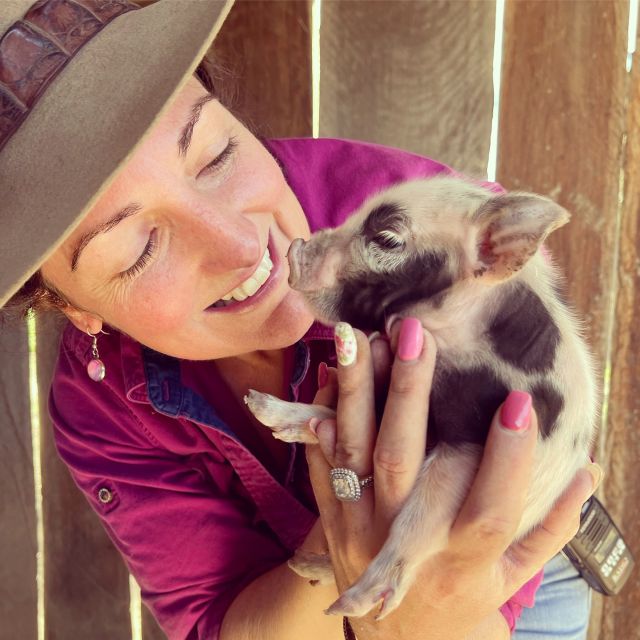
Splitters Farm is also a strong choice for photography. You can explore the paddocks and natural Australian bushland around the farm, with animals, open spaces, and rural details providing plenty to photograph.
Bring a camera, but do not let it distract you from the visit. The best photographs will likely come from the ordinary moments: an animal being fed, an egg collected, or a quiet view across the farm. The experience gives you access to a setting that feels personal and lived in rather than staged for a quick snapshot.
The natural surroundings also support the farm’s sustainability message. You learn how a farm can work alongside bushland and creek areas instead of treating the natural setting as separate from agriculture. The tour does not promise a wilderness outing, so think of this as a farm visit with natural surrounds, not a bushwalking expedition.
Weather is part of the deal. The tour runs rain or shine, so check the forecast and dress accordingly. A hat, comfortable shoes, and practical clothing will make the experience easier. If rain is expected, protect your camera and be ready for muddy or wet farm conditions.
What makes the $38 price worthwhile
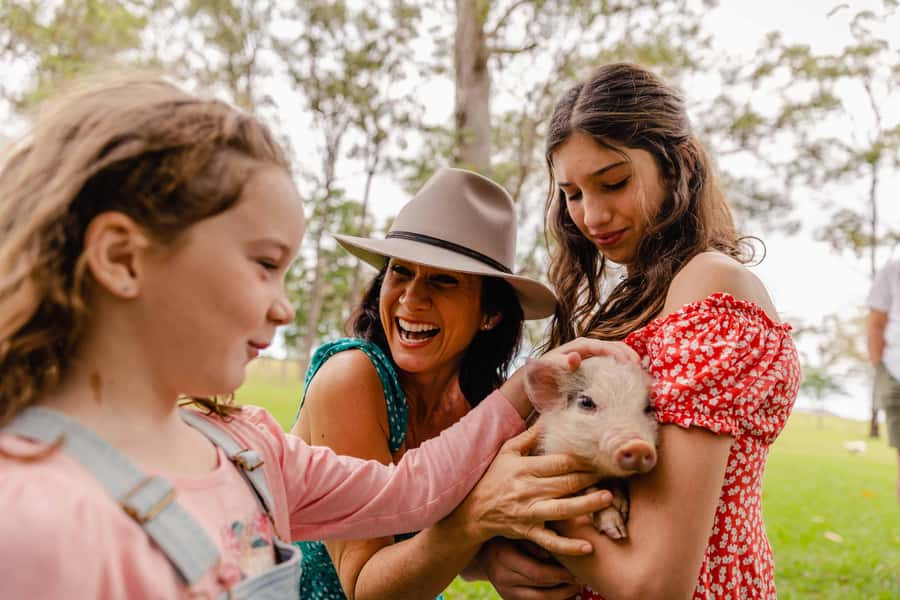
At $38 per person, Splitters Farm sits at a reasonable price for a guided animal experience with several included elements. Your fee covers the owner-led tour, food for the rescue animals, the brochure and map, honey and macadamia tasting, egg collecting, and access to the farm’s paddocks and natural surroundings.
The strongest value comes from the personal guide. A standard entry ticket may let you see animals, but this experience adds explanations about their backgrounds, farming practices, and the rescue work. The guide turns a simple visit into a clearer story about the property.
I would also count the animal feeding as part of the value. Hand-feeding more than 400 rescued animals gives the visit a level of contact that a normal farm walk may not offer. The fact that the admission helps provide food for the animals is another practical reason to feel good about the purchase.
Do remember that no meal is included. The honey and macadamias are tastings, not a full food service, and you will need to buy coffee or cold drinks separately if you want them. For the best value, treat this as a guided farm experience with snacks, not a full-day meal outing.
The guide makes the difference
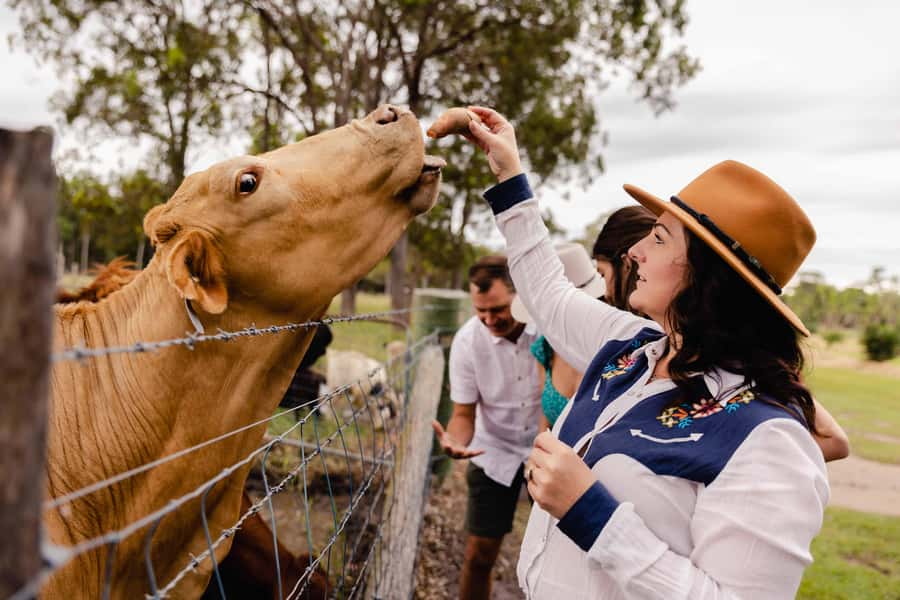
A farm visit can be enjoyable on its own, but the guide shapes how much you take away. Karla has been singled out for excellent stories and a warm approach, while another visitor simply praised the guide as a champion. Those comments fit the design of this tour, which depends heavily on an owner or farm representative explaining the animals and the property.
The owner-led format is important. Someone connected directly to the farm can explain the animals’ arrival, the demands of running the property, and the work behind their care in a way a generic guide may not.
You should expect the tone to be personal and informative rather than formal. The guide is there to show you the paddocks, explain the animals, and discuss farming and sustainability. If you enjoy asking questions, this is likely the right kind of experience for you.
The only caution is that the quality of any guided visit depends on the day’s guide and conditions. The available feedback is very positive, especially around Karla, but the setting remains a working farm. Allow yourself time to listen rather than rushing from one photo to the next.
Who will enjoy Splitters Farm most?
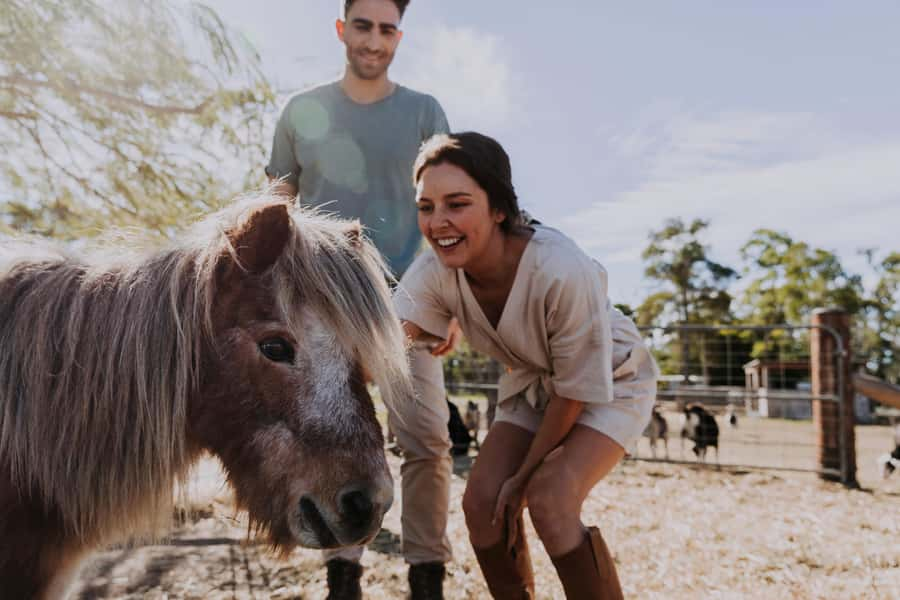
I would recommend this tour to families, animal lovers, photographers, couples, and anyone curious about Australian farming. Children should enjoy the feeding and egg collecting, while adults may appreciate the rescue stories and discussion of farming pressures.
It also suits visitors who want an ethical reason for their spending. Your entry contributes to feeding the rescued animals, and the tour explains how the farm gives them a permanent home.
This may be less suitable if you want a tightly timed indoor attraction, a formal meal, or guaranteed dry weather. The visit takes place outside and runs in all conditions. It also asks you to walk through farm areas, so practical clothing matters more than polished sightseeing clothes.
Because the activity is listed as lasting one day, check the available starting times when booking. The exact tour schedule is not provided in the details available here, so do not assume you can arrive at any time and join immediately.
Booking, cancellation, and practical details
You can cancel up to 24 hours in advance for a full refund. The reserve-now-and-pay-later option lets you keep your plans flexible and pay nothing at the time of booking, which is useful if your Bundaberg schedule may change.
The tour is conducted in English and is wheelchair accessible. You collect your wristband at the main office before the guided visit begins.
Bring:
- Comfortable shoes
- A hat
- A camera
The farm provides food for the rescue animals. Coffee is available from the barista van, and cold drinks can be purchased at the main office, but no meal is served as part of the tour.
Should you book Splitters Farm?
Book it if you want a close, hands-on visit with rescued animals and prefer a real family farm to a polished theme attraction. The combination of animal feeding, egg collecting, local tastings, farming stories, and owner guidance gives the $38 admission solid value.
I would especially choose it if you care about animal welfare or want your entry fee to support ongoing care. Karla’s strong reputation as a guide is another reason to feel confident, though the experience still depends on outdoor conditions and the pace of the farm.
Skip it if you need a weatherproof activity, a full meal, or a quick stop with no walking. For everyone else, Splitters Farm offers a friendly and useful look at rescue work, Australian agriculture, and the animals that now call this property home.
FAQ
Where do I check in for the Splitters Farm tour?
Collect your guided tour wristband or wristbands at the main site office when you arrive.
How much does the tour cost?
The tour costs $38 per person.
What animals can I see?
You can feed more than 400 rescued farm animals. The tour includes stories about each animal’s background and how it arrived at its permanent home.
Is food included for visitors?
No meal is served on the tour. Honey and macadamias from the farm are available to taste, while a barista van and cold drinks are available for purchase at the main office.
What should I bring?
Bring comfortable shoes, a hat, and a camera.
Does the tour run in bad weather?
Yes. The tour takes place rain or shine.
Can I cancel or pay later?
You can cancel up to 24 hours before the activity for a full refund. A reserve-now-and-pay-later option is also available.
Just added around Australia
- Wonga: Guided Fishing, Farming and Tasting Tour★ 5.0 · 2 reviews
- Alpaca Farm Tours with Toffeemont★ 5.0 · 8 reviews
- One Hour Coral Farm Tour, Discover Australia’s Marine Life★ 5.0 · 15 reviews
- Hook-A-Barra Fishing and Farm Activity★ 5.0 · 47 reviews
- Macadamias Australia Orchard Tour in Bundaberg★ 5.0 · 15 reviews
- Experience Coffin Bay Short and Sweet Oyster Farm Tour★ 5.0 · 56 reviews
- Oyster Farm Tour with Hotel Pick-up and return from Port Lincoln★ 5.0 · 11 reviews
- Group Live Pearl Harvest Experience – Perth★ 5.0 · 2 reviews
Australia Farm Tours, farm by farm.
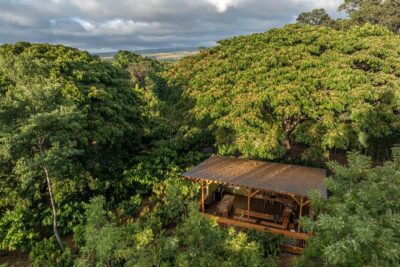
Amazing Yarra Valley Wine Tour + Chocolate, Farm Fresh, Gin
Read our review →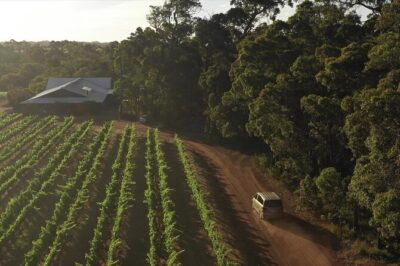
Hidden Gems: Boutique Full-Day Wine, Farm & Lunch Tour
Read our review →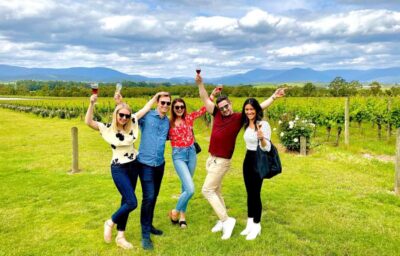
3- Hour Wine and Harvest the Hunter Horse Tour in Pokolbin
Read our review →
Experience Coffin Bay Oyster Farm and Bay Tour
Read our review →
Rockhampton: Koorana Crocodile Farm Guided Tour
Read our review →
Other lists this farm sits on