
REVIEW · VIETNAM
Buon Ma Thuot: Bean to Brew Coffee Farm Tour with Tasting
Coffee tastes better at its source. This one-hour visit to a farm in Ea Kao, about 10 kilometers from Buon Ma Thuot, explains how Central Vietnam’s famous Robusta and Arabica beans are grown, cared for, processed, and brewed. I like the hands-on farm work, especially the chance to learn about pruning, weeding, fertilization, and irrigation. I also like that the visit ends with a proper coffee or tea tasting, not just a quick look at the plants.
The main caution is timing. The experience is advertised as one hour, while the plantation visit is also described as lasting 80 minutes. One low-rated visit was reported as only 20 minutes, and another visitor had trouble finding the correct place. I would confirm the meeting point and expected duration before setting out.
Key things to know before you book
- Robusta and Arabica in one visit: You learn how the two coffee types differ and how both are grown in the Buon Ma Thuot area.
- Real farm tasks: The program can include pruning, bud breaking, weeding, seasonal fertilization, and cleaning around the coffee trees.
- Harvest-season matters: If you visit outside the harvest, you will not see picking and drying, though the other activities continue.
- Wet-dry processing: You get an introduction to the method used to turn coffee cherries into beans for specialty coffee.
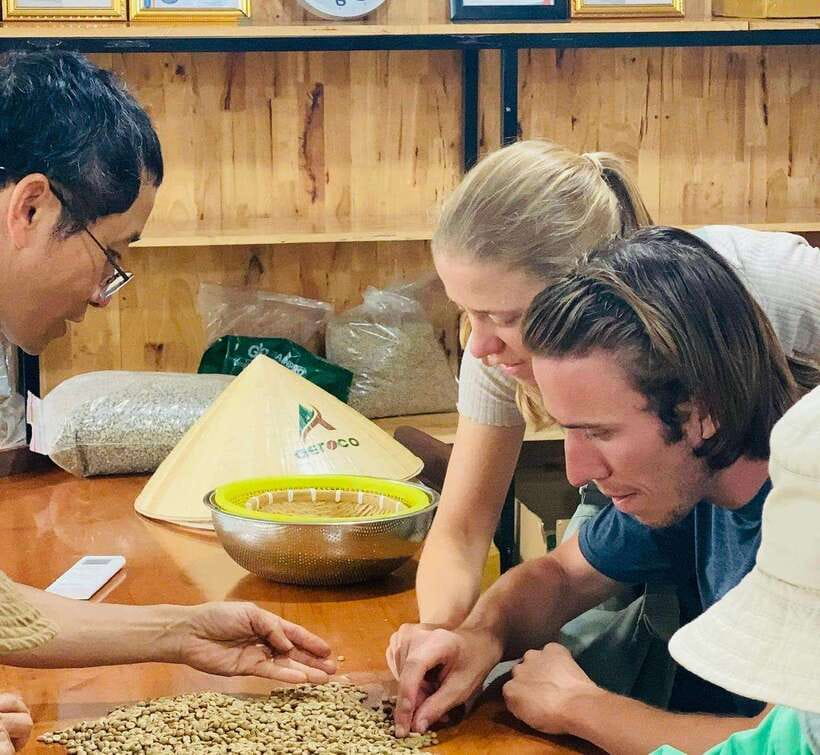
- A useful tasting at the end: Choose black or milk coffee, made by machine or filter, and in some cases taste the beans themselves.
- Good value at $18: The price includes instruction and tasting, but not transport, sun protection, or packaged coffee to take home.
Why Buon Ma Thuot is the right place for a coffee farm visit
Buon Ma Thuot is widely known in Vietnam for coffee production, and this tour puts you close to the farming side of that reputation. Instead of seeing coffee only as a finished drink in a city café, you follow the crop from tree care to processing and brewing.
That change in viewpoint is the main reason to book. You see coffee as an agricultural product shaped by soil, sun, wind, water, and the Central Highlands climate. The final cup makes more sense after you understand the work behind it.
The farm is in Ea Kao, roughly 10 kilometers from the city center. That is close enough for a short outing, but the meeting point still needs care. Directions and an instructor’s contact details arrive after booking, and one visitor found it difficult to reach the correct place. I would save the directions offline, allow extra time, and contact the instructor if the location is unclear.
The provider is Scenicaholic, and instruction is available in English and Vietnamese. The experience is wheelchair accessible, though the practical ease of moving around a working farm can depend on the specific paths and conditions that day. The available information confirms accessibility, but does not give detailed information about surfaces or rest areas.
More Coffee Farm Tours around Vietnam:
- Coffee Farm Tour with Roasting & Tasting Workshop – Da Lat
★ 5.0 · 126 reviews - Experience specialty coffee with sustainable coffee farmers
★ 4.9 · 91 reviews - Dalat Countryside Motorbike Day Tour–Coffee Farms & Pagodas
★ 5.0 · 53 reviews
Beginning in Ea Kao: a short trip with a rural focus
The tour begins at the Ea Kao area, rather than in central Buon Ma Thuot. You meet the instructor at the farm, so hotel pickup and drop-off are not included. You will need to arrange your own transport and make your way to the meeting point.
That setup keeps the cost down. At $18 per person, you are paying for the farm explanation, practical instruction, and tasting rather than a full city excursion with transport. For independent visitors already staying in Buon Ma Thuot, this is a sensible arrangement.
The one-hour length also makes this easy to fit between other plans. You do not need to commit half a day to learn the basics of coffee farming. Still, the written schedule lists an 80-minute guided plantation visit, so the timing is not perfectly clear. Ask the instructor how long to allow, especially if you have a bus, flight, or another booking afterward.
Arrive at least five minutes early. That small buffer matters here because the farm is outside the city center and finding the entrance may take longer than expected.
Walking the coffee plantation and learning the basics
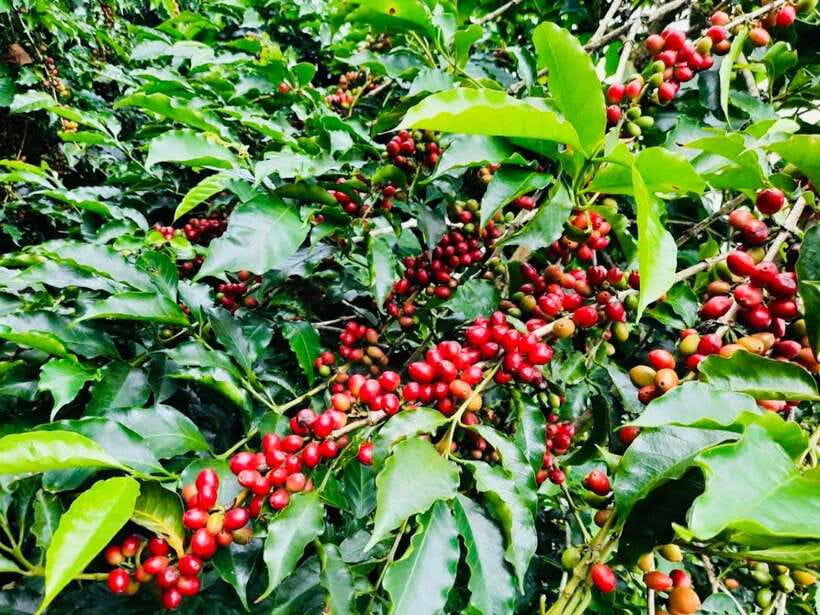
The main part of the experience is a guided walk through the coffee garden. You learn about the coffee grown in this part of Vietnam, with attention to both Robusta and Arabica.
Robusta is especially important to Vietnam’s coffee identity, often producing a stronger, heavier cup. Arabica is treated differently and is commonly associated with a more delicate profile. The tour does not ask you to accept broad coffee labels without context. It connects the varieties to growing, care, processing, and quality.
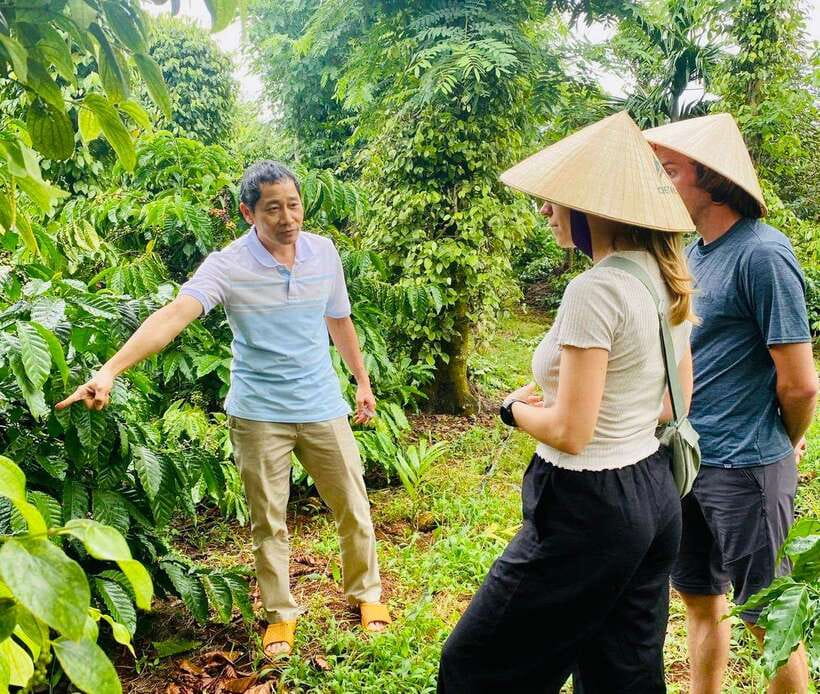
The setting is also part of the appeal. The farm has been described as attractive, colorful, and welcoming, with nature around it. You should not expect a polished theme park or a large industrial plant. The value comes from seeing a working coffee garden and having a local guide explain what you are looking at.
One of the strongest parts is the chance to ask questions. A German visitor described the guide as friendly and willing to answer every question, while another praised the guide’s extensive coffee knowledge. That suggests the quality of the visit depends heavily on the instructor and on how much you engage. Bring questions about taste, farming, and preparation instead of simply following the walk in silence.
Pruning, weeding, and the work behind each harvest
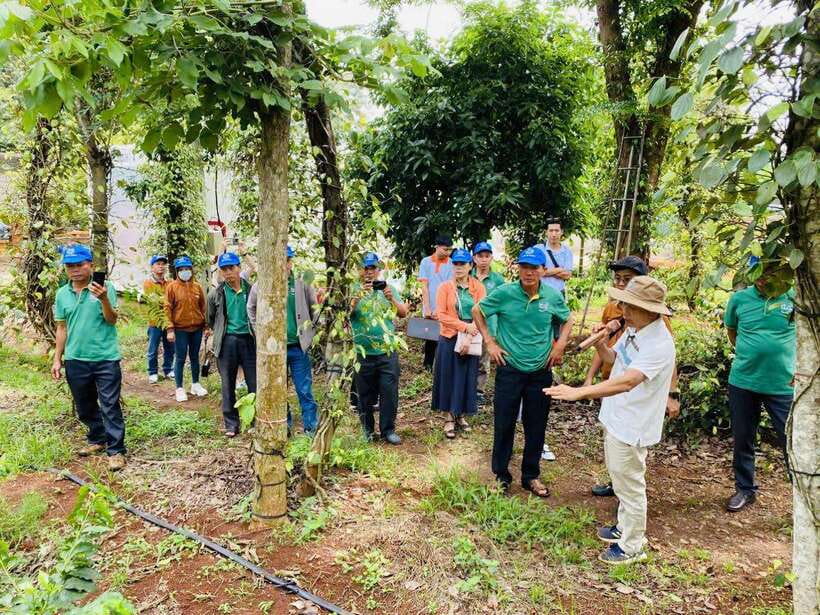
Coffee plants need care long before anyone picks a cherry. The tour introduces you to tasks such as pruning, bud breaking, proper weeding, seasonal fertilization, and cleaning the basin around each tree.
These details may sound small, but they explain why farming is not just a matter of waiting for coffee to grow. Pruning helps manage the plant, while clearing weeds and maintaining the soil area around the trunk supports day-to-day care. Seasonal fertilization connects farm work to the crop calendar.
You may be invited to join local workers in some of these activities. The exact task depends on the season and what needs doing on the farm that day. This is a useful point to understand before booking: it is a practical introduction, not a guaranteed set of agricultural jobs performed on demand.
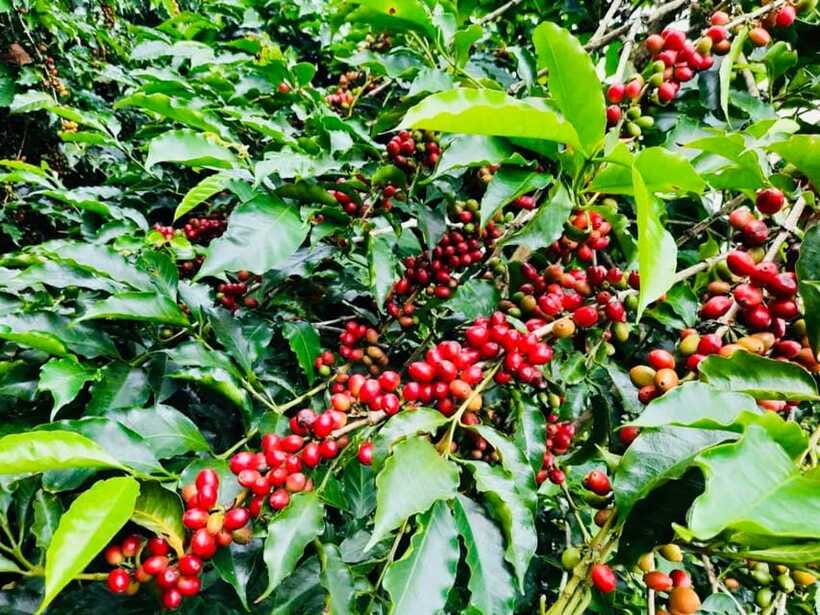
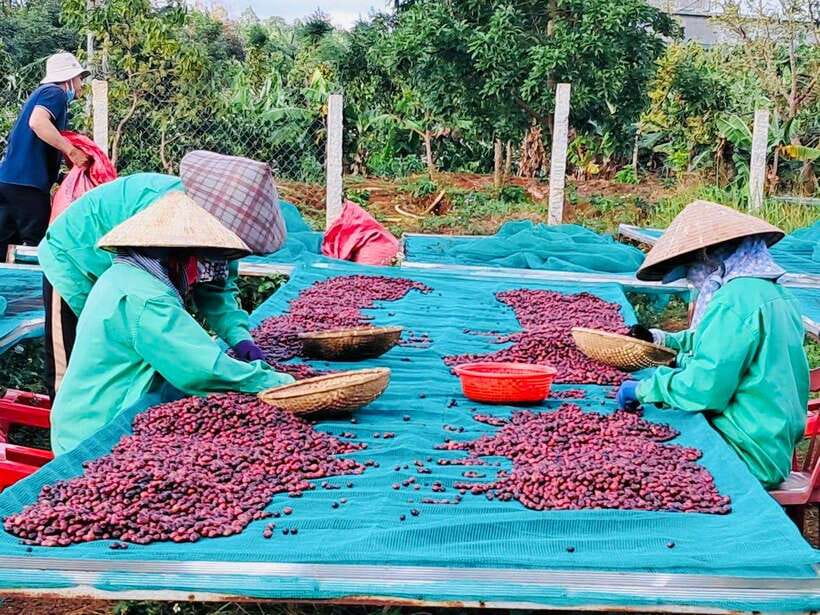
The harvest calendar matters even more. Outside coffee harvest season, picking and drying will not take place. You can still learn about cultivation, irrigation, processing, and coffee tasting, but you will miss the most visual part of the crop cycle. If harvesting is your main reason for visiting, ask about the current season before paying.
More Food and Drink Tours around Vietnam:
- Sorrento Farm and Food Experience including Olive Oil, Limoncello, Wine tasting
★ 5.0 · 2,524 reviews - Lahaina: Maui Ku’ia Estate Guided Cacao Farm Tour and Tasting
★ 5.0 · 1,103 reviews - Pizza School with Wine and Limoncello Tasting in a Local Farm
★ 5.0 · 845 reviews - Ría de Arousa: Boat Ride to Mussel Farm with Tasting
★ 4.7 · 845 reviews
Organic and conventional farming, explained without slogans
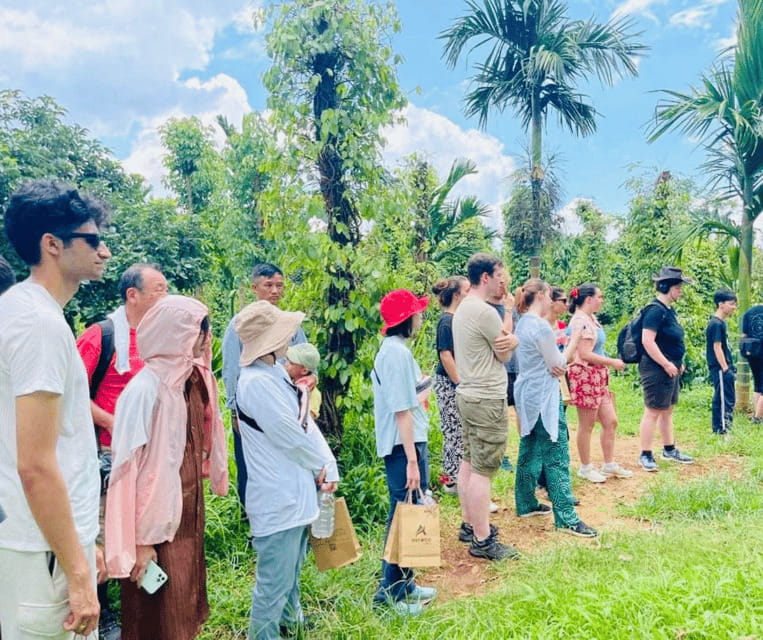
The farm visit includes an explanation of the differences between organic and conventional methods. That is valuable because coffee labels can sound simple while the actual farming choices are not.
You can use this part of the tour to ask what each method means for tree care, fertilization, pest control, cost, and the final bean. The information provided does not promise that every coffee served is certified organic, so do not treat the lesson as an organic certification or product guarantee.
The best value here is the chance to discuss farming decisions with someone connected to coffee production. You get a clearer idea of how agriculture affects quality and why a coffee’s story includes more than roast level or brewing style.
Irrigation and the role of water in Central Vietnam
The tour also introduces traditional irrigation systems and explains how irrigation technology can help coffee farms. You receive basic instructions on how the traditional system operates, then learn about the advantages of more modern irrigation methods.
This section gives the farm visit a practical edge. Coffee production depends on regular care, and water management can affect both plant health and farm labor. Seeing irrigation as a working system helps you understand how the crop is supported between rainy periods and harvests.
The information supplied does not promise a large demonstration or a long technical lesson. Think of this as an introduction, with enough detail to show why irrigation matters. If water use interests you, this is a good place to ask the instructor how the system fits the local growing cycle.
From coffee cherry to bean: the wet-dry process
After growing and harvesting comes processing. The tour explains the wet-dry method used to produce flavorful specialty coffee.
The wording suggests a look at the steps between freshly picked cherries and prepared beans. You learn that coffee processing is not a minor afterthought. The treatment of the fruit affects the quality and character of the finished product.
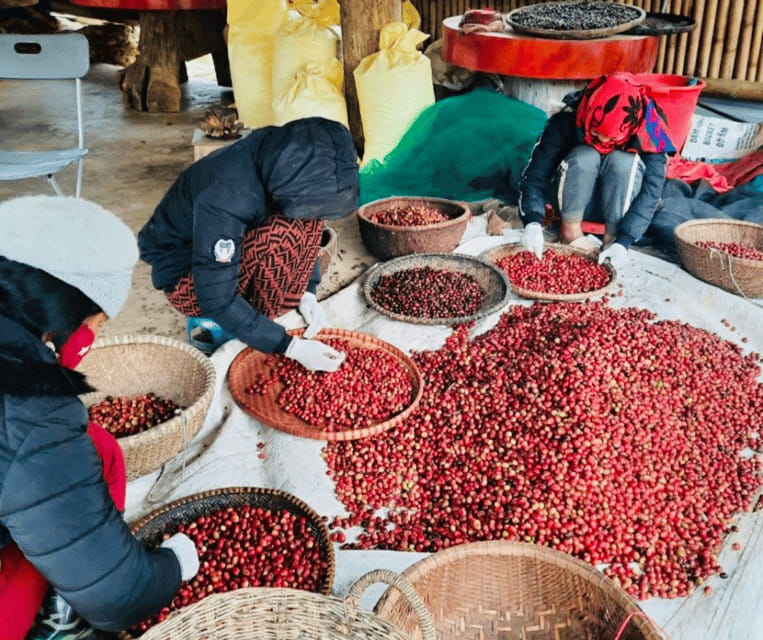
During harvest season, you may be able to see freshly picked cherries and learn about drying. Outside that season, the instructor can still explain the process, but you should not expect to watch every stage in operation.
This is one of the tour’s most useful features for coffee drinkers. It connects the farm to the cup in a way a standard café tasting cannot. One visitor particularly enjoyed trying fresh coffee cherries, different coffee types, and coffees linked to varying quality standards. If that option is available during your visit, it adds a memorable sensory touch.
The final cup: machine or filter brewing
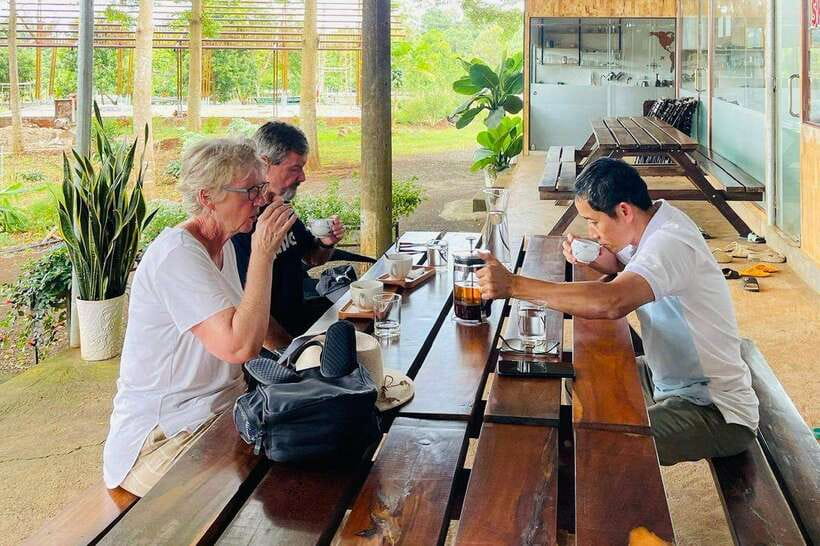
The visit ends with coffee tasting. You can choose black or milk coffee, prepared by machine or filter, and tea may also be available. The drink is included in the price.
The choice of brewing method is a nice detail. Machine brewing gives you one style of extraction, while a filter offers a more traditional and slower presentation. Ask which coffee is being served and how the brewing method changes the taste.
The tasting is not just a free beverage tacked onto a farm walk. It gives you a chance to connect the earlier lessons to a finished drink. You have seen the plants, heard about care and processing, and then taste what those stages are meant to produce.
Several visitors praised the coffee at the end, describing it as professionally prepared, very good, and delicious. The tasting may also include coffee bean samples, depending on how the session is arranged. You can expect a focused introduction rather than a large formal cupping workshop.
If you usually drink Vietnamese coffee with milk, choose that style and compare it with black coffee if the format allows. The black version may make the bean character easier to notice, while milk softens the stronger edge that some Robusta-based coffees can have.
Is $18 a fair price for this coffee experience?
At $18, the tour offers good value if you want more than a drink and a photo. The price covers expert guidance about farming and processing, the plantation visit, and the specialty coffee tasting. You also receive a direct look at local agricultural work in a major coffee-producing area.
The value is strongest for coffee fans, curious first-time visitors, and anyone spending several days in Buon Ma Thuot. You get a local experience without paying for a long packaged excursion.
The price does not include transport, personal expenses, sun protection, or packaged coffee for sale. Those exclusions are reasonable, but they affect your planning. Bring your own sun protection, especially because the farm may offer limited shade, and plan your transport separately.
The short length is both an advantage and a limitation. It is easy to fit into a busy schedule, but you should not expect an all-day farm course or a full industrial processing tour. A one-star experience described a visit lasting only 20 minutes, so confirm the planned schedule before you arrive.
Who will enjoy this farm visit most?
I would recommend it most to:
- Coffee drinkers who want to understand production, not just taste the final cup.
- Visitors with a free hour in Buon Ma Thuot who can arrange their own transport.
- People interested in organic and conventional farming.
- Families or small groups looking for a short, accessible activity.
- Anyone visiting during harvest season who wants a better chance of seeing picking and drying.
- Curious beginners who want a clear introduction rather than advanced coffee theory.
You may want to skip it if you need hotel pickup, dislike outdoor farm settings, or want a guaranteed harvest demonstration outside the coffee season. It is also not the right choice if you expect a long tasting flight or a bag of coffee included in the price.
The language choice is English or Vietnamese. Most available feedback about the English instruction is positive, but one visitor found the English weak and the experience too short. If precise technical detail is important to you, confirm the language support and schedule in advance.
Practical advice for a smooth visit
Save the confirmation email, directions, and instructor contact details before leaving your hotel. The location issue is the clearest practical warning, so do not rely on finding the farm casually once you reach Ea Kao.
Wear comfortable clothes suitable for a coffee garden. Bring sun protection because none is supplied. The rules prohibit alcohol, drugs, and making fires, so keep the visit simple and respectful.
Try to visit during the coffee harvest if picking and drying are priorities. At other times, focus on the parts that still run: tree care, farming methods, irrigation, processing explanations, and tasting.
The activity allows free cancellation up to 24 hours before the start and offers reserve-now, pay-later booking. That helps if your Buon Ma Thuot plans are still moving around, but it does not remove the need to check the meeting point.
Should you book the Buon Ma Thuot coffee farm tour?
Book it if you want a short, fairly priced introduction to the farming side of Vietnamese coffee. The strongest parts are the local setting, practical explanations of tree care, the comparison of Robusta and Arabica, and the final choice of coffee brewed by machine or filter.
Before booking, check three things: the exact meeting point, the expected duration, and whether your visit falls during harvest season. If those details suit your plans, $18 buys a useful and authentic look at coffee production close to Buon Ma Thuot. If you need transport, guaranteed picking, or a long professional tasting, choose a different experience.
FAQ
Where does the coffee farm tour begin?
The tour begins in Ea Kao, at a coffee farm about 10 kilometers from Buon Ma Thuot city center.
How long does the tour last?
The activity is described as lasting one hour, while the plantation visit is also listed as 80 minutes. Confirm the exact schedule with the instructor before visiting.
Is hotel pickup included?
No. Hotel pickup and drop-off are not included, so you need to arrange your own transport to the farm.
What languages are available?
Instruction is available in English and Vietnamese.
Can I see coffee harvesting and drying?
Only if you visit during the coffee harvest season. Outside that period, harvesting and drying will not take place, but the other activities continue.
What coffee will I taste?
You can taste black or milk coffee prepared by machine or filter. A professionally prepared coffee or tea is included, and bean tasting may also be available during the visit.
Is the farm tour wheelchair accessible?
Yes, the activity is listed as wheelchair accessible. Detailed information about paths and surfaces is not provided, so you may wish to confirm the practical access arrangements before arrival.
Just added around Vietnam
- Cave Explore- Paradise Cave & Phong Nha Cave – Duck Farm★ 4.8 · 16 reviews
- Trekking to Hidden Waterfall & Sturgeon Farm for dog-lovers★ 4.8 · 43 reviews
- Tra Que Village Vegetable Farm Experience by Bike★ 5.0 · 2 reviews
- Full Day Experience to Farm and Chocolate★ 5.0 · 22 reviews
- Sapa Half Day Local Farming Experience★ 5.0 · 3 reviews
- Private Cycling Tour in Rural Hue with Farming Experience★ 5.0 · 18 reviews
- Hue Organic Farm Visit and Traditional Cooking Class★ 5.0 · 4 reviews
- Experience Buffalo Ride and Farmer in Hoi An★ 5.0 · 3 reviews
Coffee Farm Tours, farm by farm.
Award Winning Farm Tour: Coffee, Chocolate and Unique Gifts
Read our review →
La Herradura Coffee Farm: tour in Europe’s only plantation
Read our review →

Small-Group Big Island Tour: Hawaii Volcanoes National Park and Kona Coffee Farm
Read our review →
Medellín Coffee Farm Tour with Trolley and Cable Car Ride
Read our review →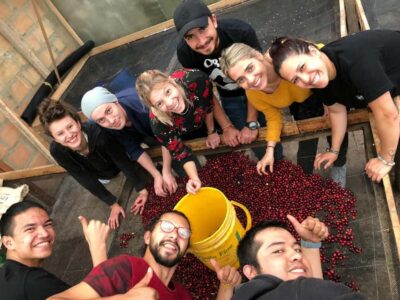
Private Cocora Valley, Salento & Coffee Farm Tour
Read our review →
Liamuiga Natural Farm Tour – St.Kitts’ Coffee Farm
Read our review →
Other lists this farm sits on