
REVIEW · AUSTRALIA
Bundaberg: Monsoon Aquatics Coral Farm Guided Tour
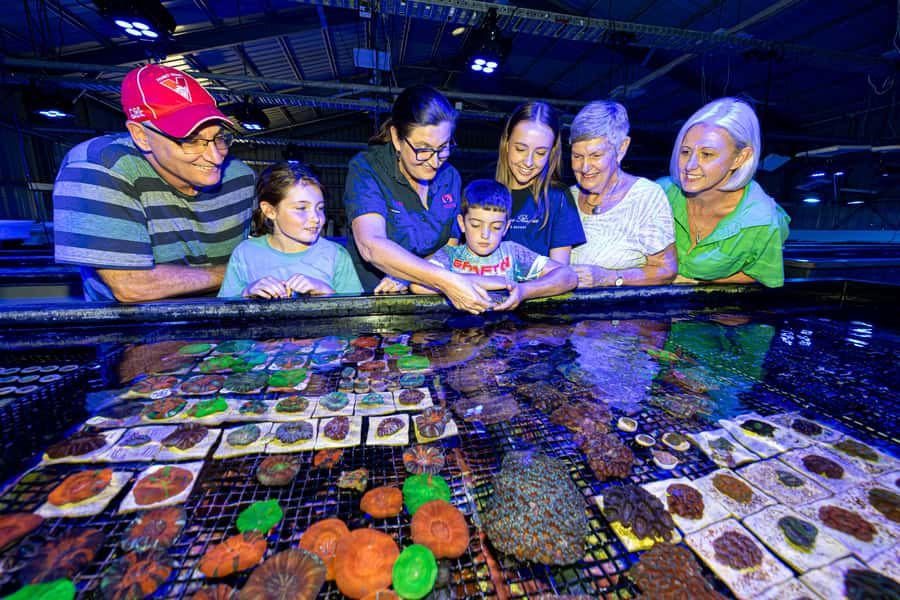
Coral farming is more fascinating than it sounds. At Monsoon Aquatics, you get a one-hour, behind-the-scenes look at Australia’s largest coral farm, with more than 70,000 corals, 200 marine species, and a working research program aimed at helping reefs recover. I especially like the small-group format and the guides’ ability to explain marine science in plain language. The tour also gives you a hopeful look at reef restoration rather than only showing the damage facing coral reefs.
The best parts are the live coral-feeding demonstration and the close look at how tiny coral pieces are grown on tiles. You also finish with the crowd favorite, the clownfish collection. The main limitation is that this is a working farm, not a large public aquarium. Much of the experience involves long growing tanks, so visitors expecting big displays filled with fish may find it more scientific than theatrical.
Key Points Before You Go
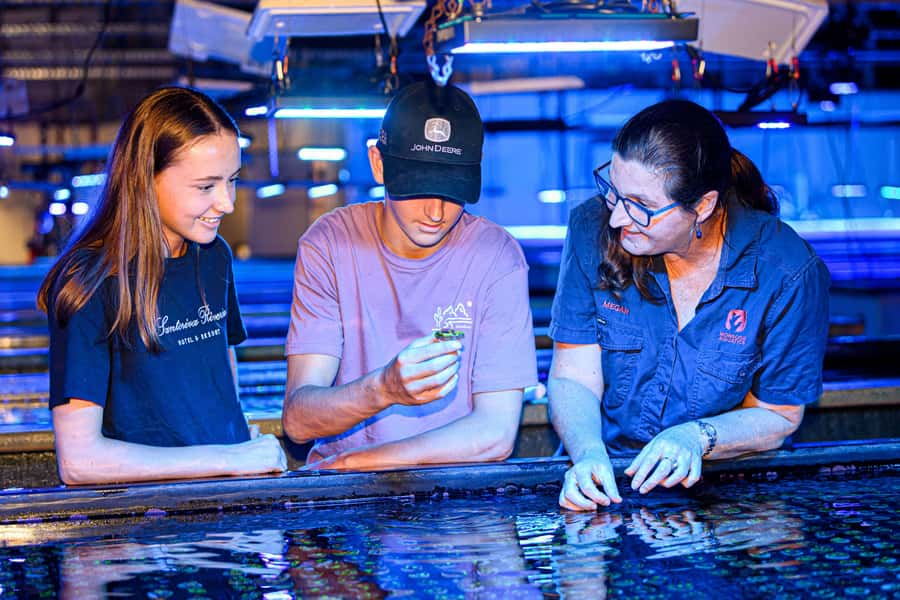
- More than 70,000 corals: See a huge working collection sourced from around Australia’s coastline.
- One hour with a guide: The tour is short, focused, and easy to fit into a Bundaberg day.
- Live feeding demonstration: Watch how coral is cared for and learn what it needs to grow.
- Reef restoration in action: The farm supports coral reproduction and research linked to healthier reefs.
- Clownfish finish: The tour ends with a look at Monsoon Aquatics’ popular collection of Nemo-like fish.
- Closed shoes are essential: Floors may be slippery, and open-toed shoes or bare feet are not allowed.
Reaching the Coral Farm at Bundaberg’s Port
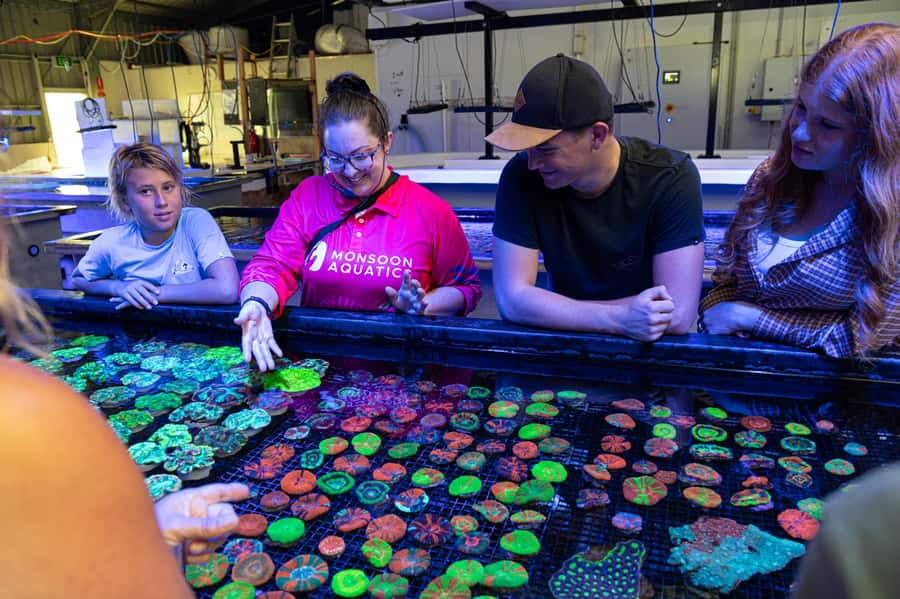
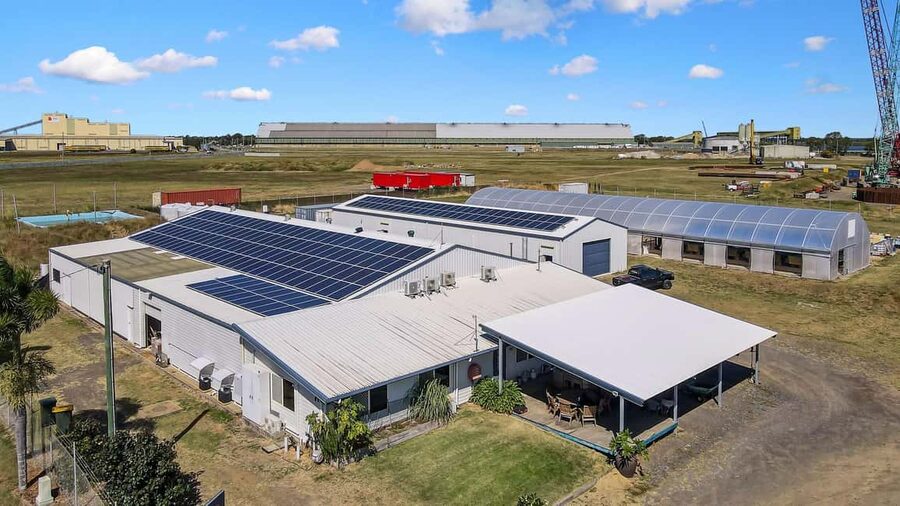
Monsoon Aquatics is about 20 minutes from central Bundaberg, at the Port of Bundaberg on the Burnett River. That makes it a practical addition to a day around town, though you will need to plan a short drive rather than expect a central city attraction.
Meet your guide on the veranda at the coral farm. Parking is available onsite for cars and RVs, while caravan parking is outside the gate. Use Apple Maps or Google Maps for directions. Older vehicle GPS systems may send you to the wrong address, which is exactly the kind of small travel nuisance that can spoil an otherwise easy visit.
The farm operates tours throughout the year, in rain or shine. That weather-proof schedule is useful in Bundaberg, where a wet day can quickly change outdoor plans. Bring closed, non-slip shoes. The floor can be slippery, and the farm does not allow open-toed footwear or bare feet.
You may bring water, but other drinks and food are not allowed on the tour. Refreshing Bundaberg Brewed Drinks, local macadamias, and a gift shop are available onsite, giving you somewhere to browse before or after the tour.
More Guided Tours around Australia:
- Rockhampton: Koorana Crocodile Farm Guided Tour
★ 4.8 · 136 reviews - Bundaberg: Splitters Farm Guided Tour
★ 4.5 · 5 reviews - Guided Paspaley Pearl Farm Tour with Return Transfers
★ 4.0 · 4 reviews
The First Look Inside a Working Coral Farm
The first surprise is the setting. You are not entering a polished aquarium with dramatic lighting and giant viewing windows. You are stepping into a working coral-growing facility, where the tanks and equipment serve a practical purpose.
That difference matters. The displays are there to show how coral is grown, maintained, and prepared for future use. You see the process at close range rather than only looking at finished reef scenes. Small coral pieces grow on tiles, and the farm’s many tanks show different sizes and stages of development.
The collection includes more than 70,000 corals and 200 marine species from around Australia’s coastline. That scale gives the guide plenty to explain, from the variety of coral forms to the care needed to keep them healthy.
I like this opening because it resets your expectations. You are not simply walking past tanks and ticking off fish names. You are learning why coral needs careful conditions, regular attention, and time. The experience is especially useful if you have visited the Great Barrier Reef or plan to do so, because it gives you a clearer idea of what sits beneath the familiar word reef.
Coral Feeding and the Science of Growth
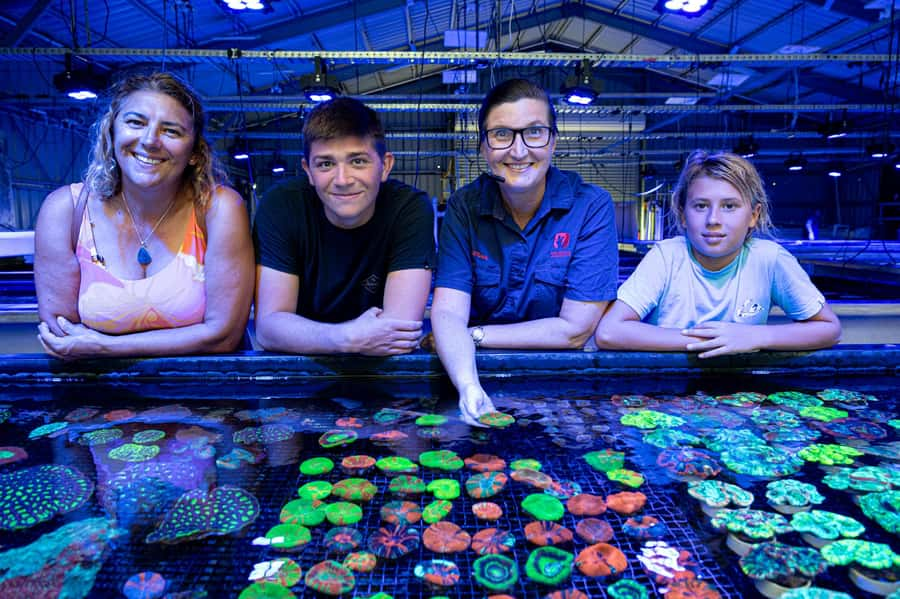
The live feeding demonstration is one of the tour’s most useful moments. You get to watch coral being fed while the guide explains how these animals are cared for. Coral may look like rock or decoration from a distance, but the feeding session helps show that it is living marine life.
The farm combines practical care with research and experimentation. The tour explains the mix of science, design, and patience involved in coral cultivation. You learn how the team grows and nurtures coral, rather than hearing only general facts about reef conservation.
This is also where the tour earns its educational value. The guide can connect the small coral pieces in the tanks with the larger question of reef recovery. Growing coral in a controlled farm does not magically solve every threat facing reefs, but it gives you a clear example of one way people are working to support coral reproduction and restoration.
The guides receive strong praise for making the subject easy to follow. One guide was particularly good at using words children could understand and relate to. Another review praised the guide for keeping children involved, answering questions, and even offering to take family photographs. That personal approach matters in a small tour, where a good guide can turn technical information into something you remember.
Seventy Thousand Corals, But Not a Traditional Aquarium
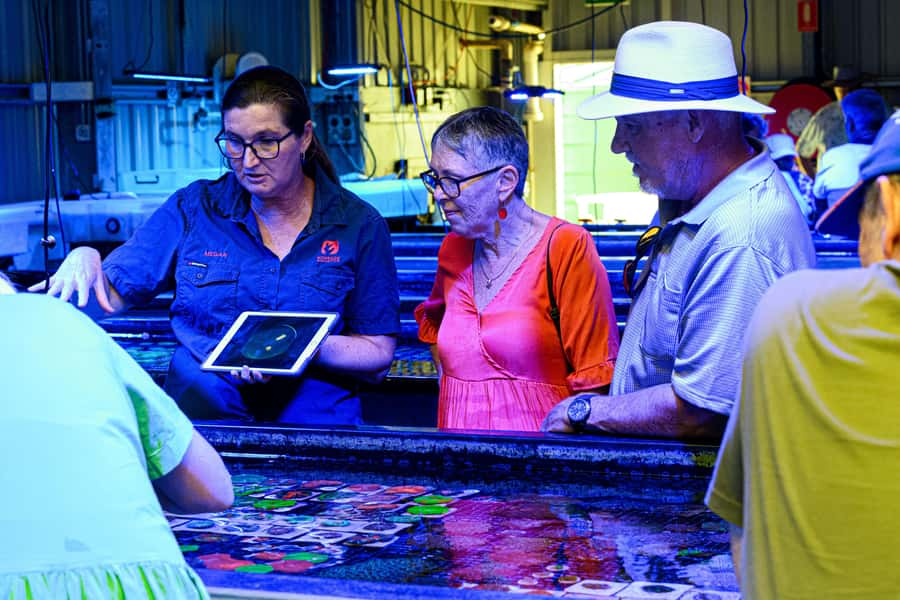
The scale of Monsoon Aquatics is impressive, but the visual experience is different from a normal aquarium visit. You will see many coral-growing tanks, coral fragments on small tiles, and marine life in a setting designed for cultivation rather than showmanship.
For adults, reef enthusiasts, students, and curious children, that working setup can be the main attraction. You see the real methods behind coral farming, including the repetition and care that a public aquarium usually hides. The visit feels more like a guided look at marine horticulture than a walk through a series of theatrical exhibits.
Still, I would not book this expecting a large sealife display. There are no details suggesting a big central tank filled with fully grown coral and large schools of fish. One piece of feedback made this point clearly: the tour was praised as educational, but the visitor also wished for one or two large aquarium-style tanks with colourful fish and mature coral.
That is a fair criticism, and it helps you choose well. If you want the wow factor of an aquarium, this may feel modest. If you want to understand how coral is grown behind the scenes, the tanks become the story rather than a shortcoming.
More Farm Tours around Australia:
- Amazing Yarra Valley Wine Tour + Chocolate, Farm Fresh, Gin
★ 5.0 · 1,566 reviews - Hidden Gems: Boutique Full-Day Wine, Farm & Lunch Tour
★ 5.0 · 881 reviews - Melbourne: Yarra Valley Wine, Choc, Farm Fresh, Gin Tour
★ 4.9 · 258 reviews - 3- Hour Wine and Harvest the Hunter Horse Tour in Pokolbin
★ 5.0 · 165 reviews
Meeting the Clownfish at the End
The tour finishes with the clownfish collection, a natural high point for families and anyone who likes reef fish. Clownfish are familiar from popular films, but seeing them as part of a working coral farm connects the easy appeal of Nemo with the wider marine environment.
This final stop also gives the hour a friendly finish after the more technical material about coral growth and research. Young children may remember the clownfish most clearly, while adults are likely to take away a better understanding of the farm’s purpose.
The experience is aimed at all ages, but the balance is worth noting. The guides work hard to make the information accessible, yet the tour is still educational first. Very young children who need constant movement may find the long tanks and explanations less exciting than a conventional aquarium.
Why the Guide Makes Such a Difference
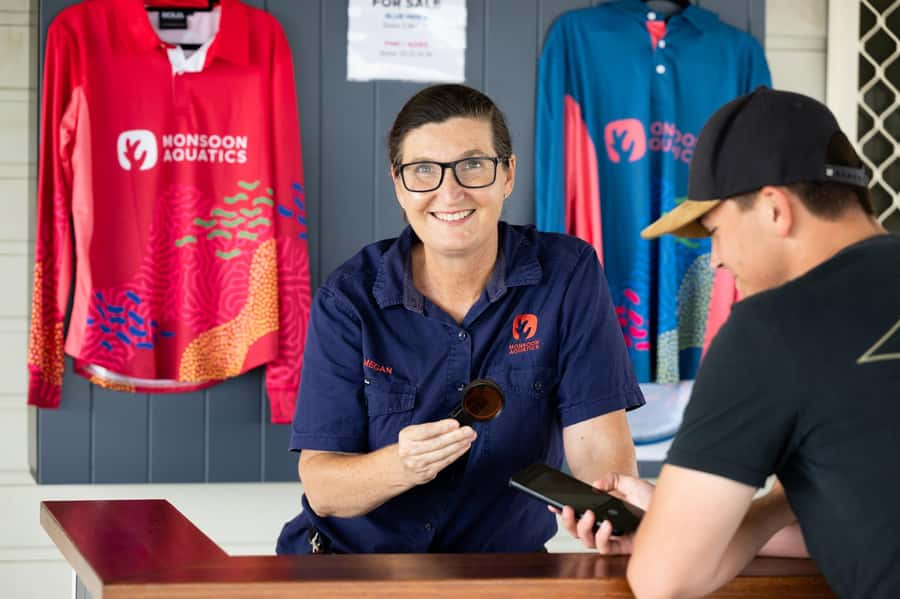
A coral farm could easily become a dry tour of tanks. The guide prevents that. The strongest praise focuses on enthusiasm, clear explanations, and the willingness to answer questions.
You can expect a live English-speaking guide throughout the one-hour visit. The group format is described as small and intimate, which gives you a better chance to ask about coral care, reef restoration, or the farm’s marine species.
The guide’s tone seems particularly well suited to families. Children are not expected to understand specialist terms, and information is explained in language they can use. That makes the tour a better choice for a mixed-age group than a lecture-heavy marine science presentation.
I also value the human touch shown by the offer to take family photos. It is a small detail, but it suggests the guide is paying attention to the group rather than simply reciting a fixed speech. The strong 4.9 rating from 25 reviews reflects that consistent approval, especially for the quality of the guiding and the educational content.
The Conservation Message Without Empty Promises
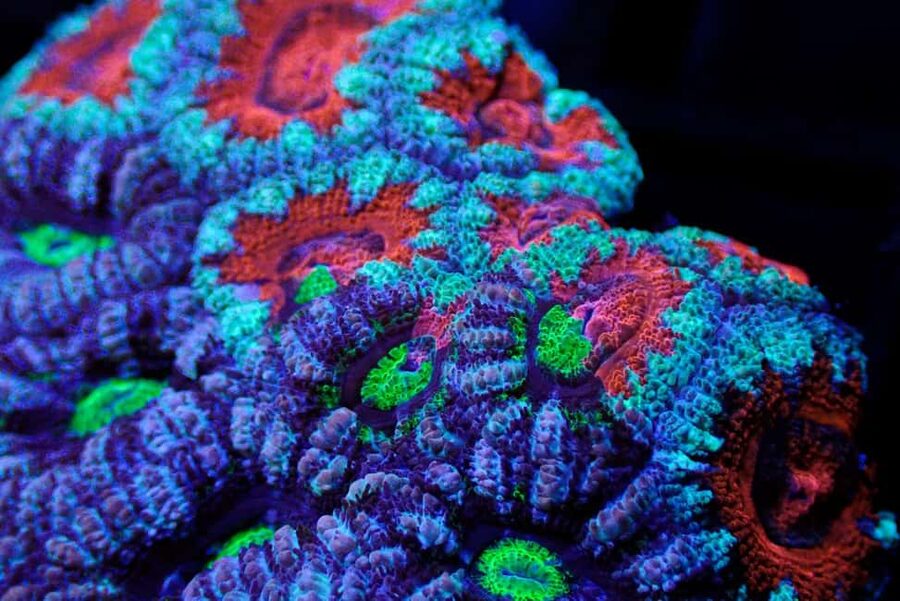
The farm supports coral reproduction and carries out research connected with reef restoration. That gives the tour a purpose beyond sightseeing.
You will learn about the practical side of helping reefs: raising coral, caring for young growth, and studying ways to support healthier marine environments. The experience does not present reef conservation as a simple fix. Instead, it shows one working part of a much larger effort.
I appreciate the hopeful tone. You leave with more than concern about coral loss. You also see people trying to build solutions through careful husbandry and research. For anyone interested in responsible tourism, the $22 price has extra value because it helps support a facility focused on coral reproduction and marine education.
That said, you should not treat the visit as a direct reef-restoration planting trip. The information provided describes a guided farm tour, not a hands-on activity in which you plant coral yourself. The value is in learning how the process works and supporting the farm through your admission.
Is $22 a Fair Price?
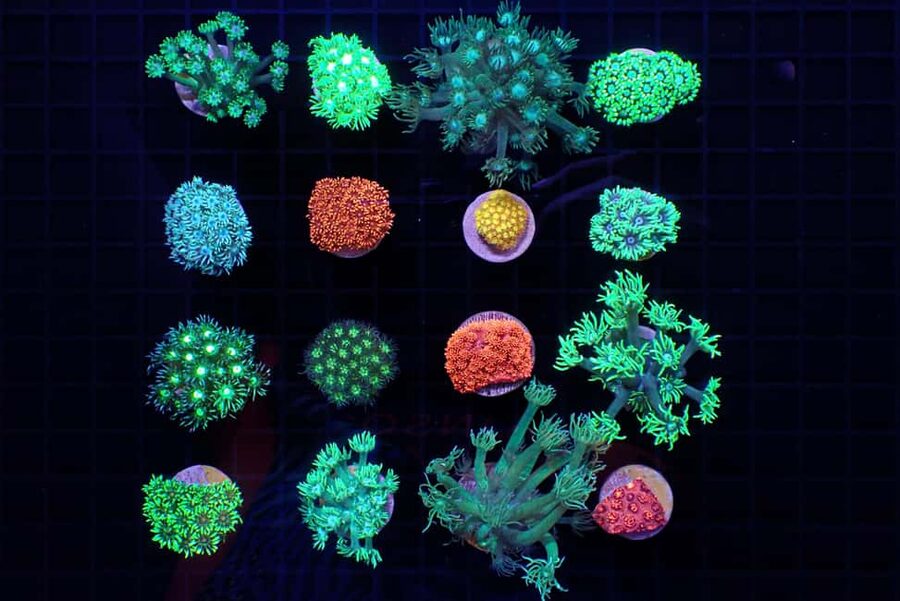
At $22 per person, the tour offers a reasonably priced, focused experience. You get a full hour with a guide, access to a working coral farm, live feeding, coral-growing information, and a look at the clownfish collection.
The price is strongest for people who care about marine life and want something different from a standard aquarium. You are paying for access, explanation, and context, not just for a room full of tanks. The educational angle makes it a sensible choice for families, school-age children, reef fans, and anyone looking for a weather-proof Bundaberg activity.
The value is weaker if you want a large, visually dramatic aquarium. In that case, the farm’s long growing tanks may seem repetitive, especially for very young children. You need to enjoy learning how the system works, not only looking at colourful displays.
Free cancellation up to 24 hours before the tour and a reserve-now, pay-later option make planning easier. Wheelchair access is available, although everyone still needs suitable closed, non-slip shoes.
Who Should Book This Tour?
I would recommend Monsoon Aquatics to anyone curious about what happens behind the reef experience. It suits adults, families with older children, marine-life fans, conservation-minded visitors, and people who enjoy seeing real work rather than a finished attraction.
It is also a smart rainy-day option because tours run year-round and continue in wet weather. The one-hour length leaves room for other Bundaberg plans, and the onsite drinks, macadamias, and gift shop make the visit easy to extend without turning it into a full-day commitment.
I would be more cautious for families with toddlers or for anyone expecting a conventional aquarium. The subject is made approachable, but the format remains guided and educational. The most rewarding visit comes when you are willing to pause, ask questions, and look closely at the growing coral.
Should You Book Monsoon Aquatics?
Book this tour if you want a close look at coral farming, clear explanations from an enthusiastic guide, and a practical example of reef restoration. The live feeding session, small-group attention, and clownfish finish give the hour a good rhythm, while the $22 price keeps it accessible.
Skip it if your ideal marine attraction means giant tanks, dramatic fish displays, or a short stroll with little explanation. Monsoon Aquatics is a working coral farm, and that is its strength. Go ready to learn how coral is grown, and you are likely to leave with a more useful understanding of the reef and a hopeful view of the work being done to support it.
FAQ
How long is the Monsoon Aquatics Coral Farm tour?
The guided tour lasts one hour. Starting times vary, so you should check availability when booking.
How much does the tour cost?
The price is $22 per person.
Where do I meet the guide?
Meet your guide on the veranda at Monsoon Aquatics Coral Farm in the Port of Bundaberg area.
What should I wear?
Closed-toe, non-slip shoes are required because the floors may be slippery. Open-toed shoes and bare feet are not allowed.
Can I bring food or drinks?
Food and drinks are not allowed on the tour. You may bring water. Bundaberg Brewed Drinks and local macadamias are available onsite.
Is the tour wheelchair accessible?
Yes, the activity is wheelchair accessible.
Just added around Australia
- Wonga: Guided Fishing, Farming and Tasting Tour★ 5.0 · 2 reviews
- Alpaca Farm Tours with Toffeemont★ 5.0 · 8 reviews
- One Hour Coral Farm Tour, Discover Australia’s Marine Life★ 5.0 · 15 reviews
- Hook-A-Barra Fishing and Farm Activity★ 5.0 · 47 reviews
- Macadamias Australia Orchard Tour in Bundaberg★ 5.0 · 15 reviews
- Experience Coffin Bay Short and Sweet Oyster Farm Tour★ 5.0 · 56 reviews
- Oyster Farm Tour with Hotel Pick-up and return from Port Lincoln★ 5.0 · 11 reviews
- Group Live Pearl Harvest Experience – Perth★ 5.0 · 2 reviews
Australia Farm Tours, farm by farm.
Amazing Yarra Valley Wine Tour + Chocolate, Farm Fresh, Gin
Read our review →
Hidden Gems: Boutique Full-Day Wine, Farm & Lunch Tour
Read our review →
3- Hour Wine and Harvest the Hunter Horse Tour in Pokolbin
Read our review →
Experience Coffin Bay Oyster Farm and Bay Tour
Read our review →
Rockhampton: Koorana Crocodile Farm Guided Tour
Read our review →
Other lists this farm sits on