
REVIEW · DALAT
Experience Making specialty coffee in Da Lat City
Coffee tastes different when you meet the farmer. This one-hour Da Lat experience takes you from coffee plants to roasted beans, with five coffees from a local farm, including Arabica and Robusta. I like the hands-on roasting and the chance to compare light, medium, and dark roasts. I also like the final cup of traditional Phin coffee, served with a view over the city.
The main consideration is the short running time. You cover cultivation, processing, roasting, and brewing in about an hour, so the session feels focused rather than leisurely. The small maximum of 10 people helps, but serious coffee fans may wish they had more time for questions and tasting.
Key points to know before booking
- Five coffees from one sustainable farm: Compare Arabica and Robusta grown and processed by the host.
- You roast the beans yourself: The experience explains how roasting changes the flavor, then lets you take part.
- Three roast levels to taste: Light, medium, and dark roasting show how much the roast affects the cup.
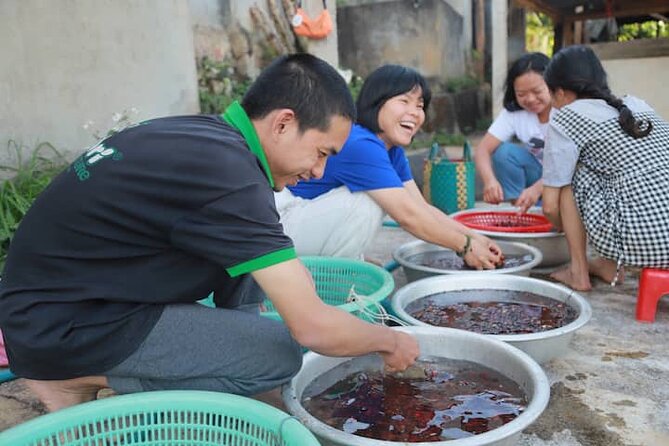
- Natural and washed processing: Try Vietnamese Robusta with natural processing, plus Arabica made with both natural and washed methods.
- A real Phin coffee finish: Make your own traditional Vietnamese coffee while looking over Da Lat.
- Small group, simple meeting point: The activity begins and ends at HuyEco Coffee Farm on Hẻm 29, Đường 3/4.
Why this small Da Lat coffee experience is worth your time
Da Lat is known for its cool climate and coffee-growing country, but many visitors only encounter coffee after it has been roasted, packaged, and sweetened. This experience pulls the curtain back. You see how the bean changes before it reaches the cup, and you taste coffee without anything mixed into it.
That last detail matters. If your main experience of Vietnamese coffee has been a dark, sweet drink with condensed milk, the natural flavors may surprise you. The host presents coffees that can be sour, sweet, or fruity, depending on the bean, processing method, roast, and brewing style.
I especially like that the session comes from the host’s own farm. This is not just a general coffee talk in a city café. The coffee is connected to actual growing and processing work, which gives the tasting a clear purpose. You are learning why the cup tastes the way it does.
The experience is also friendly rather than formal. The setting is a coffee shop at HuyEco Coffee Farm, and the small group limit of 10 people should make it easier to follow the explanations and ask questions. With such a specialized topic, that personal contact is a big part of the value.
More Coffee Farm Tours around Vietnam:
- Coffee Farm Tour with Roasting & Tasting Workshop – Da Lat
★ 5.0 · 126 reviews - Experience specialty coffee with sustainable coffee farmers
★ 4.9 · 91 reviews - Dalat Countryside Motorbike Day Tour–Coffee Farms & Pagodas
★ 5.0 · 53 reviews
Starting at HuyEco Coffee Farm on Đường 3/4
You meet at HuyEco Coffee Farm, located at Hẻm 29 Đường 3/4, Phường 3, Da Lat. The activity finishes at the same place, so you do not need to arrange a separate pickup point at the end.
That fixed meeting point keeps the outing simple. You are not spending the hour moving between several locations or waiting for transport. The time goes toward coffee itself. You receive confirmation when booking, and the mobile ticket is useful for keeping the meeting details on your phone.
The address is worth checking before you set out, since the meeting point is in an alley. Give yourself enough time to locate Hẻm 29 and arrive ready to begin. The supplied details do not include hotel pickup or transport, so you should plan to reach the farm independently.
The group can include up to 10 people. That is large enough for some conversation but small enough to avoid the feel of a lecture hall. If you have questions about farming, drying, roasting, or brewing, this format should suit you better than a large commercial tasting.
Seeing how Arabica and Robusta differ
The session introduces five coffee types from the host’s farm, including Arabica and Robusta. You do not simply taste them one after another without context. The host explains the beans first, then connects their origin and treatment to the finished drink.
For many people, this is the most useful part of the hour. Arabica and Robusta are not just labels on a menu. They can produce different aromas, textures, strengths, and levels of acidity. Once you taste them side by side, it becomes easier to notice why coffee from different farms or regions can seem so unlike.
The featured examples include Vietnamese Robusta made with the natural process, Vietnamese Arabica made with the washed process, and Vietnamese Arabica made with the natural process. This gives you a clear comparison between both bean type and processing style.
The host also discusses coffee grown at the farm and lets you see the plants in the garden. That garden visit adds a useful physical connection to the tasting. You are not dealing only with roasted beans in a cup. You can see where the coffee begins.
Natural processing and washed processing in plain language
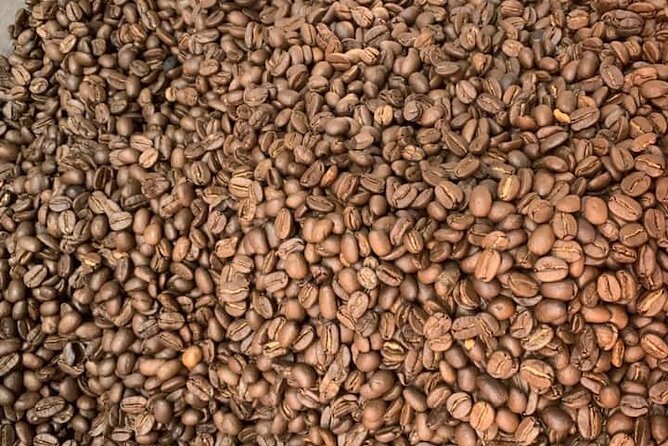
Processing is one of the strongest teaching points here. It is easy to think that coffee flavor comes mainly from the bean or the roast, but what happens after picking can change the result just as much.
With natural processing, the coffee fruit dries around the seed. That can contribute fruitier or sweeter notes. With washed processing, the fruit is removed before drying, often producing a cleaner and brighter style. The experience uses both methods with Arabica, while also showing Vietnamese Robusta with natural processing.
You taste these differences rather than hearing only a technical explanation. The host talks about drying methods and how they affect flavor, then gives you cups to compare. That makes the information easier to remember, especially if you normally order coffee by roast or milk preference without thinking about processing.
I would not expect a formal coffee certification course in one hour. You will get an accessible introduction, not a long technical seminar. Still, the session gives you a useful vocabulary for future tastings and café visits.
Same fields, a different sort of morning:
- Mekong Day Trip Explore Village Bicycle CookingClass Group 12 Pax
★ 5.0 · 705 reviews - From Ho Chi Minh: Can Gio Trek – Monkey Island & Crocodile Farm
★ 5.0 · 353 reviews - Cocolocal Farm Cooking Class with market tour and basket boat
★ 5.0 · 231 reviews - Phu Quoc: Kayaking with Starfish Beach and Bee Farm Tour
★ 4.4 · 213 reviews
Roasting your own beans at three levels
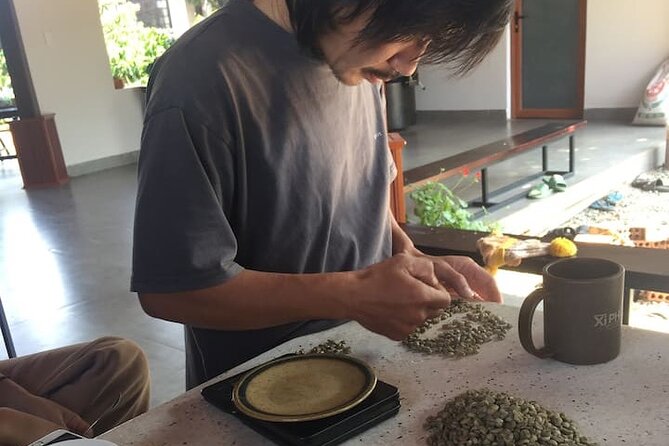
The hands-on roasting is a major reason to choose this experience. You do not only watch the host work. You roast coffee yourself and learn how the timing changes the final flavor.
The tasting includes light, medium, and dark roasts. A light roast can show more of the bean’s own character, including sour, sweet, or fruity notes. A darker roast usually brings stronger roasted flavors and can mask some of the original bean character. The point is not that one level is always best. The point is that you can taste the difference.
This is especially helpful if you usually assume dark coffee means better coffee. The session gives you a chance to test that idea for yourself. You may prefer one roast level, or you may find that the best choice depends on the bean and brewing method.
Roasting can also make the process feel more memorable than a standard tasting. You are handling the transformation that takes green coffee toward the familiar brown beans used for brewing. That practical step helps connect the farm, the processing method, and the cup.
Because the entire experience lasts about an hour, the roasting section will be guided and focused. You should expect an introduction to the principles rather than a long, detailed workshop on roast curves or equipment. For most curious coffee drinkers, that is enough to make the tasting more meaningful.
Tasting coffee without the usual sweet additions
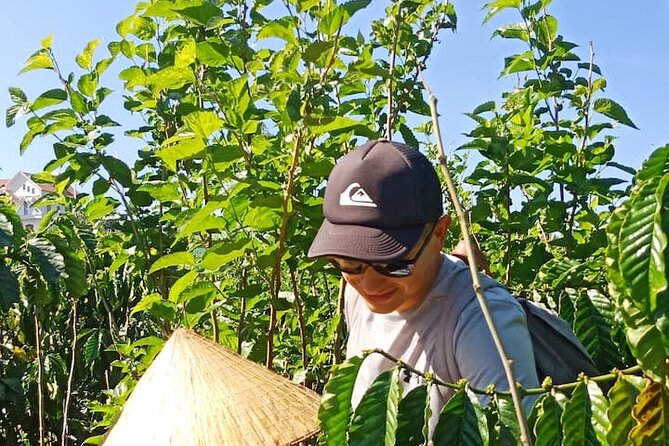
Vietnamese coffee is often associated with condensed milk, ice, and a powerful dark roast. Those drinks are delicious, but they can hide the bean’s natural character. Here, the focus is on tasting coffee that is not mixed with anything.
That allows you to notice the differences between the five types and the processing methods. One cup may seem sour, another sweet, and another fruity. Those descriptions are not decorative language. They help you identify sensations that can disappear when sugar and milk dominate the drink.
The tasting also gives you a chance to compare coffee made from the host’s farm rather than a generic blend. Since the beans are presented by the person who grows and processes them, the explanations have a direct link to what is in your cup.
I would recommend arriving with an open mind. If you only enjoy very dark, sweet coffee, some of the lighter or more fruit-forward cups may seem unusual. That is part of the point, but it may not be the right format for someone who wants only a familiar café drink.
Finishing with your own Phin coffee
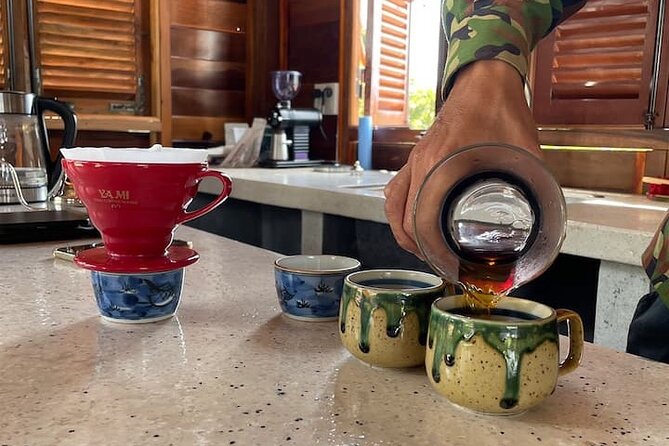
The final step is making your own cup with a traditional Vietnamese Phin. This small metal filter sits over the cup and allows water to pass slowly through the ground coffee. It is a simple method, but the pace gives you time to notice the aroma and strength as the coffee drips.
Making the Phin yourself is a fitting finish because it connects the technical lesson to a drink you can repeat later in Vietnam. You do not just watch a demonstration. You prepare your own cup and taste the result.
The setting adds something, too. You make the coffee while watching the city, giving the last part of the session a relaxed sense of place. The experience begins with coffee plants and processing, then ends with a traditional drink in Da Lat.
Do not expect a long café stay after the activity unless you arrange that separately. The stated duration is approximately one hour, so the Phin coffee is the conclusion of the session rather than the start of an extended coffee break.
What the one-hour schedule means for you
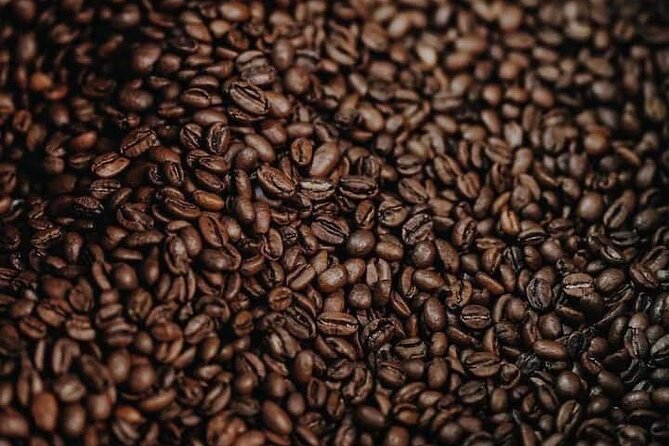
One hour is both a strength and a limitation. It is easy to fit into a busy Da Lat day, perhaps between sightseeing stops or before another activity. You get a clear introduction without giving up half a morning.
At the same time, there is a lot to cover: five coffees, Arabica and Robusta, two processing styles, the garden, roasting, three roast levels, several brewing methods, and your own Phin coffee. The session must keep moving.
The previous format of the experience suggests a morning can work well, since the coffee activity combines the garden, tasting, and brewing in one compact visit. The exact start time should be checked when you book. The activity is offered through Happy Tour, and confirmation arrives at booking.
If you are already deeply involved in specialty coffee, you may want more time with each cup and more detail about farm production. If you are simply curious about why Vietnamese coffee tastes different, the compact format should feel productive.
Is the $21 price good value?
At $21 per person, this is not the cheapest way to drink coffee in Da Lat. You can buy a local cup for far less. But the price covers more than a beverage. You are paying for a guided tasting, multiple coffees, an explanation of farm production, a look at coffee plants, hands-on roasting, comparisons across roast levels, and a Phin brewing session.
I see the strongest value in the number of comparisons. You are not tasting one coffee and hearing that it is special. You are comparing different beans, processing methods, and roasts. That gives you a better sense of what actually changes flavor.
The farm connection also improves the value. The host grows and processes the coffee, so the session has a direct source-to-cup structure. You can ask about cultivation and drying, then taste the results soon afterward.
For a casual drinker, $21 may feel high if you judge it as a one-hour café visit. For someone who enjoys food and drink experiences or wants a clearer understanding of Vietnamese coffee, it is a fair price for an interactive lesson and tasting.
Who should book this experience?
I would recommend it most strongly to:
- Coffee drinkers who want to taste Arabica and Robusta side by side
- Visitors curious about natural and washed processing
- People who enjoy hands-on activities rather than simple demonstrations
- Anyone who wants to understand Vietnamese coffee beyond condensed milk and dark roasting
- Couples, solo visitors, or small groups who prefer a personal session
- Coffee beginners who want clear explanations without a long formal course
It may be less suitable if you dislike sour or fruity coffee, do not want to roast beans yourself, or have only a short window for a much longer farm visit. The information provided does not promise a full-day agricultural tour, so keep your expectations focused on a compact coffee workshop.
The maximum group size of 10 is helpful for couples and small groups. You should still remember that the experience is shared, not a private tasting unless that is arranged separately.
Booking, cancellation, and useful planning notes
The activity uses a mobile ticket, and booking confirmation is provided at the time of reservation. It begins and ends at HuyEco Coffee Farm, so check the address carefully before leaving.
Free cancellation is available if you cancel at least 24 hours before the local start time. Cancellations made less than 24 hours ahead are not refunded, and changes inside that period are not accepted.
The supplied details do not state hotel pickup, a meal, or a longer farm transfer. Plan for a one-hour activity at the listed meeting point. If you want extra time to explore Da Lat afterward, the fixed return point makes that easy to arrange.
Should you book it?
Book this experience if you want to understand what is inside your cup, not just drink another coffee in Da Lat. The strongest reasons are the farm-grown beans, the comparison of natural and washed processing, the chance to roast coffee yourself, and the final Phin brewing session.
I would choose it for a first serious look at Vietnamese specialty coffee, especially at $21. The only real caution is the tight one-hour schedule. If you want a long farm tour or advanced roasting instruction, you may find it brief. If you want a friendly, practical introduction with plenty to taste, it offers good value and a more personal connection to Da Lat coffee.
FAQ
Where does the coffee experience begin?
It begins at HuyEco Coffee Farm, Hẻm 29 Đường 3/4, Phường 3, Da Lat, Lâm Đồng 66000, Vietnam.
Where does the experience end?
The activity ends back at the meeting point at HuyEco Coffee Farm.
How long does the coffee experience last?
The experience lasts approximately one hour.
How many people can join?
The activity has a maximum of 10 participants.
Which coffees will I taste?
You will explore five types of coffee from the host’s farm, including Arabica and Robusta. The featured examples include Vietnamese Robusta with natural processing, Vietnamese Arabica with washed processing, and Vietnamese Arabica with natural processing.
Will I roast coffee myself?
Yes. You will roast the coffee beans yourself and taste coffee at light, medium, and dark roast levels.
Can I cancel for a full refund?
Yes, if you cancel at least 24 hours before the experience start time. Cancellations made less than 24 hours before the start time are not refunded.
Just added around Vietnam
- Cave Explore- Paradise Cave & Phong Nha Cave – Duck Farm★ 4.8 · 16 reviews
- Trekking to Hidden Waterfall & Sturgeon Farm for dog-lovers★ 4.8 · 43 reviews
- Tra Que Village Vegetable Farm Experience by Bike★ 5.0 · 2 reviews
- Full Day Experience to Farm and Chocolate★ 5.0 · 22 reviews
- Sapa Half Day Local Farming Experience★ 5.0 · 3 reviews
- Private Cycling Tour in Rural Hue with Farming Experience★ 5.0 · 18 reviews
- Hue Organic Farm Visit and Traditional Cooking Class★ 5.0 · 4 reviews
- Experience Buffalo Ride and Farmer in Hoi An★ 5.0 · 3 reviews
Coffee Farm Tours, farm by farm.
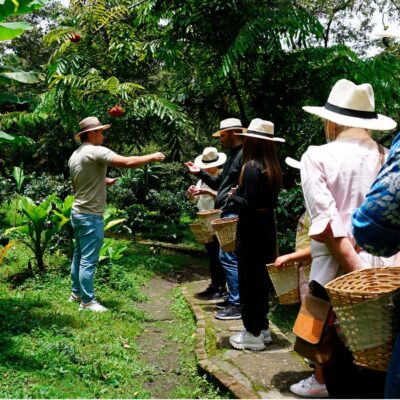
Award Winning Farm Tour: Coffee, Chocolate and Unique Gifts
Read our review →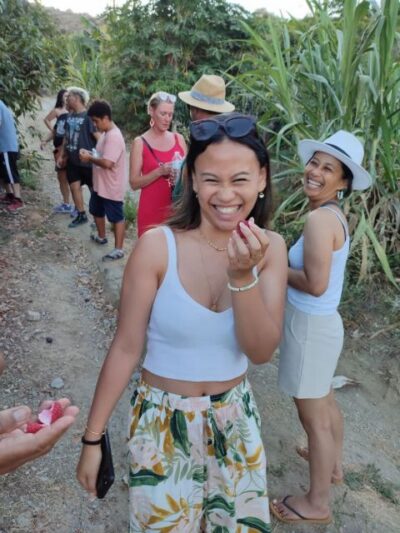
La Herradura Coffee Farm: tour in Europe’s only plantation
Read our review →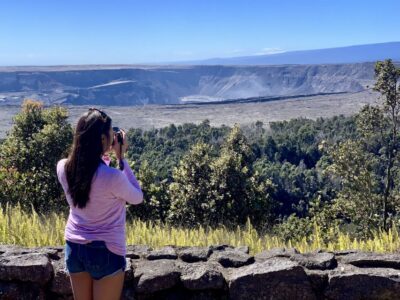

Small-Group Big Island Tour: Hawaii Volcanoes National Park and Kona Coffee Farm
Read our review →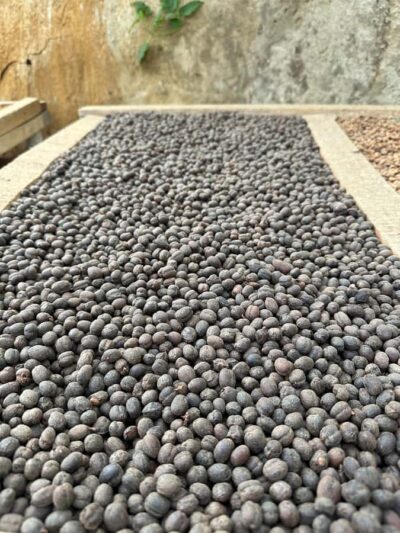
Medellín Coffee Farm Tour with Trolley and Cable Car Ride
Read our review →
Private Cocora Valley, Salento & Coffee Farm Tour
Read our review →
Liamuiga Natural Farm Tour – St.Kitts’ Coffee Farm
Read our review →
Other lists this farm sits on