
REVIEW · ITALY
Cooking Class in a Real Tuscan Farmhouse
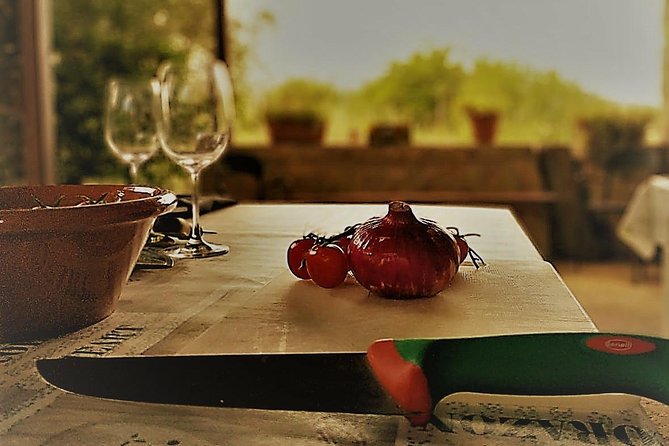
A farmhouse meal beats another city tour. This three-hour class in Chianti brings you into a real Tuscan home to prepare panzanella, fresh tagliatelle with ragù, and tiramisu. I like the private format, which gives your group direct time with Giorgia and Gioia, and I like that the meal includes organic extra virgin olive oil and Chianti Classico wine.
The main drawback is the fixed weekday schedule, Monday through Friday from 10 a.m. to 1 p.m. You also need to reach Agriturismo Le Bonatte in the countryside near Radda in Chianti, so this works best when you already have a car or a clear plan for getting there.
Key points at a glance
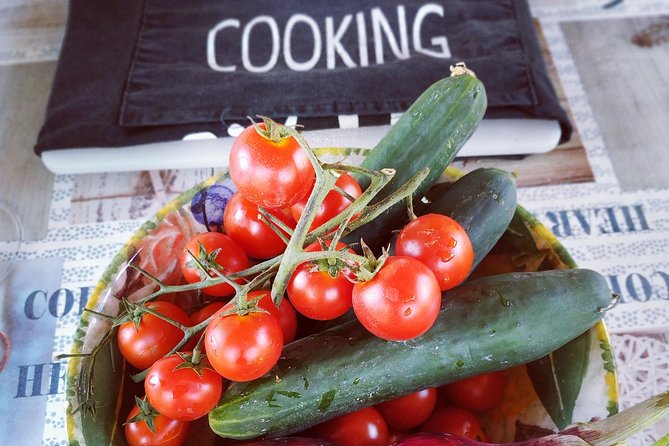
- Cook three classic dishes: Make panzanella, handmade tagliatelle with Tuscan ragù, and tiramisu from start to finish.
- Learn in a real farmhouse: The class takes place at Agriturismo Le Bonatte, with country views and a relaxed home setting.
- Meet Giorgia and Gioia: Their teaching combines practical cooking help with stories about food, family, and the Chianti area.
- Taste local products: The class includes organic extra virgin olive oil, Chianti Classico wine, and wine from Gioia’s own vineyard.
- Private participation: Only your group takes part, which can make the lesson more personal and easier for beginners.
- Plan ahead: The experience is often booked about 60 days in advance, and confirmation arrives within 48 hours, subject to availability.
Arriving at Agriturismo Le Bonatte in Chianti
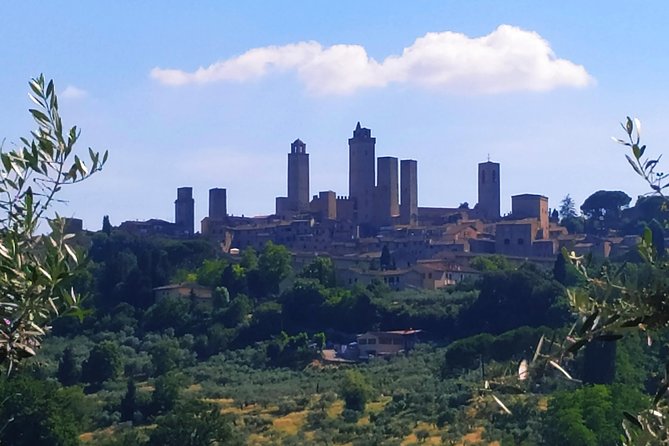
The class begins at Agriturismo Le Bonatte, Loc. Le Bonatte 77, 53017 Radda in Chianti, Italy. This is not a cooking studio in a town center. It is a farmhouse setting in the Chianti countryside, which is a big part of the appeal.
You are coming here to cook in a genuine home environment, not to watch a polished demonstration behind a restaurant counter. That difference matters. The setting gives the food a sense of place, and the views and breeze add something that no indoor culinary school can easily copy.
The activity lasts about three hours and ends back at the same meeting point. The stated schedule is Monday through Friday, 10 a.m. to 1 p.m. That morning timing works well for a relaxed lunch, since you prepare the food and then eat what you have made.
You should allow extra time to reach the farmhouse. The meeting point is in the countryside near Radda in Chianti, and no transportation service is included in the information provided. If you are building a driving day around the class, avoid packing the schedule too tightly. The cooking itself is the main event, and rushing away would undercut the easy pace that makes this experience appealing.
More Cooking Classes around Italy:
- Cooking Class and Lunch at a Tuscan Farmhouse with Local Market Tour from Florence
★ 5.0 · 4,831 reviews - Hands-On Cooking Class & Farmhouse Tour on the Amalfi Coast
★ 5.0 · 956 reviews - Florence: Cooking Class at a Tuscan Farm & Local Market Tour
★ 4.9 · 354 reviews
Meeting Giorgia and Gioia in a Tuscan home
The class is led by Giorgia and Gioia, who are repeatedly praised for working well together. Giorgia takes the main teaching role, while Gioia brings the warmth of a home cook and the perspective of someone closely tied to the farmhouse and local food traditions.
Their partnership seems to be one of the strongest parts of the experience. Giorgia explains the cooking steps and works well with different skill levels, including children. Gioia adds stories about the area, food, wine, and the home itself. The result is less like a formal lesson and more like being welcomed into the kitchen of relatives you did not know you had.
That does not mean the class is casual to the point of being vague. The recipes are taught step by step, and the feedback makes clear that beginners can follow along. You should leave with techniques you can repeat at home, not just photographs of a finished plate.
The private format is especially useful here. Only your group participates, so you can ask questions without worrying about holding up a large class. If you have never made pasta, need extra help, or want to understand why a particular method works, you should have a better chance to get direct attention.
One detail worth noting is that some past classes included several couples together, with people who did not know one another at the beginning. Even so, the atmosphere became social and friendly by the end. If your private booking includes several people, expect the kitchen table to become part of the experience.
Panzanella: a simple Tuscan start
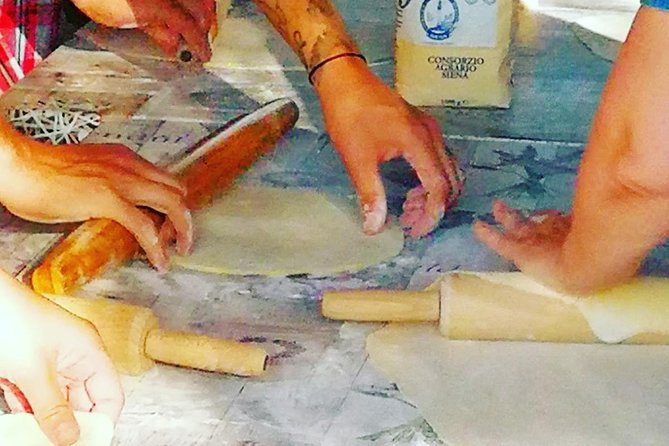
The first dish is panzanella, a typical Tuscan salad made with fresh ingredients. It is a humble dish, but that is exactly why it belongs in this class.
Panzanella reflects the practical side of Tuscan cooking. It is built around straightforward ingredients rather than elaborate restaurant tricks. The value of learning it is not just the recipe itself. You get a useful lesson in how Italian home cooking turns basic seasonal food into something satisfying.
The class includes hands-on preparation, so you are not simply shown a bowl of salad and told what went into it. You help make the starter, then taste it as part of the completed meal. That gives you a clear sense of how the flavors fit together before you move on to the pasta.
This course should suit you if you enjoy food with a story behind it. It is less about chasing rare ingredients and more about understanding the everyday dishes that families actually serve.
Making tagliatelle by hand
The main course is tagliatelle al ragù, fresh pasta made by hand and served with a Tuscan meat sauce described as Bolognese-style ragù. For many people, this will be the heart of the class.
Fresh pasta can look intimidating if you have only seen it made by experts. The class breaks the process into manageable steps, and the recipes are described as suitable for any skill level. You will have the chance to work with the dough and see how it becomes tagliatelle rather than simply eating pasta prepared in advance.
This is where the class offers lasting value. A restaurant meal gives you a delicious plate for one sitting. Making pasta yourself gives you a skill you can use again when you return home. Several people left eager to make homemade pasta and ragù for their families, which says a lot about how practical the instruction feels.
Giorgia’s teaching is an important part of that. She is described as patient, clear, and good with both adults and children. If your group has mixed cooking experience, the private arrangement should make it easier for confident cooks to keep moving while beginners receive help.
The ragù also adds a lesson in patience and balance. It is not just a sauce poured over noodles. You are learning how Tuscan cooking treats pasta as the center of a full meal, with a sauce that supports rather than overwhelms it.
More Workshops around Italy:
- Florence Pizza or Pasta Class with Gelato Making at a Tuscan Farm
★ 5.0 · 6,801 reviews - Sorrento: Pizza Lesson, Wine, and Limoncello at a Local Farm
★ 5.0 · 1,513 reviews - Florence: Pizza or Pasta Class with Gelato at a Tuscan Farm
★ 4.9 · 1,181 reviews - Sorrento Farm by Tuk Tuk: Cheese, Limoncello & Hands-On Pizza
★ 5.0 · 628 reviews
Tiramisu to finish the meal
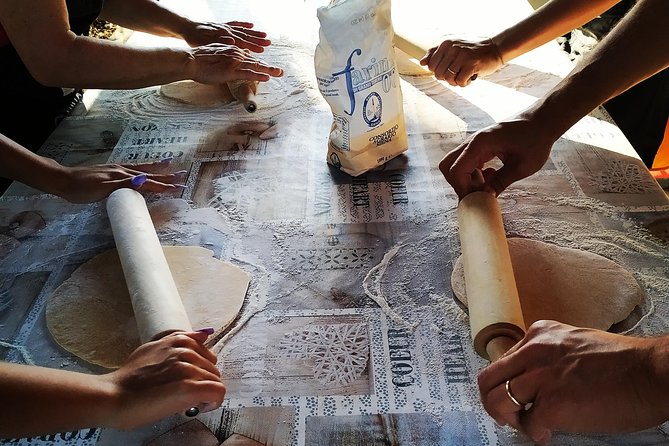
Dessert is tiramisu, one of Italy’s best-known sweets. It is a familiar choice, but making it yourself gives the class a satisfying finish.
After preparing the salad and pasta, tiramisu provides a gentler final task. You can focus on assembling the dessert and learning the method before sitting down to eat the complete three-course menu.
This also makes the class a good choice for families and mixed-age groups. The menu has broad appeal, and the cooking does not depend on advanced technical skills. The experience is designed around participation, conversation, and eating together rather than culinary competition.
You should not expect a pastry-school course focused on difficult desserts. The appeal is the complete meal and the chance to learn dishes you can actually recreate. If you want advanced professional training, this will probably feel too relaxed. If you want a practical Italian menu for your home kitchen, tiramisu fits the purpose nicely.
Olive oil, Chianti Classico, and farmhouse wine
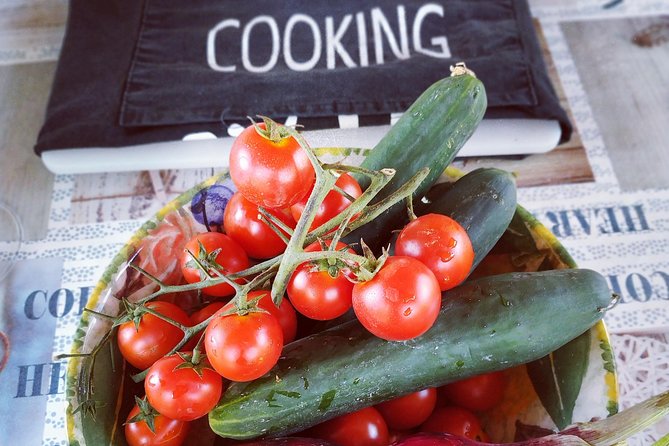
The meal includes a tasting of organic extra virgin olive oil and Chianti Classico wine. Gioia also shares wine from her own vineyard, including vin santo according to the experience details shared by past participants.
These tastings add local context without turning the class into a separate winery visit. You can connect the ingredients on the table with the place around you. The olive oil is not just a condiment, and the wine is not just a drink with lunch. Both help explain how a Tuscan meal is built.
The wine component also gives the class a more personal feel. You are tasting products tied to the farmhouse and the area rather than receiving a generic beverage selected for a tour group. If you do not drink alcohol, the cooking remains the main activity, but the information provided does not specify a nonalcoholic alternative.
The setting matters here. A glass of Chianti Classico makes more sense when you are sitting in the countryside, eating food you just prepared, and hearing stories about the local area. It is a small detail, but it helps turn a cooking lesson into a broader food experience.
What the three hours feel like
The schedule is compact but well shaped. You arrive in the morning, prepare the starter, work on the pasta and ragù, make dessert, and then eat the finished menu. The food itself creates a natural rhythm, with preparation followed by tasting.
You should expect active participation rather than a long lecture. The instruction includes explanations of Tuscan recipes and cooking methods, but the focus stays on doing the work. That balance is important. Too much talking would make three hours feel long, while too little explanation would leave you with recipes but no understanding.
The class also seems to encourage conversation between people who arrive as strangers. A shared work surface and a meal have a way of doing that without forcing it. Past participants described leaving with new friendships and plans to stay in touch, but you should treat that as a pleasant possibility rather than a guaranteed part of the booking.
The pace should be comfortable for most people. Still, the activity is not passive. You will be standing, preparing food, and following instructions for much of the session. The available information does not specify seating arrangements, kitchen access details, or accommodations for particular mobility needs, so ask before booking if those points matter to you.
Is the $132 price a good value?
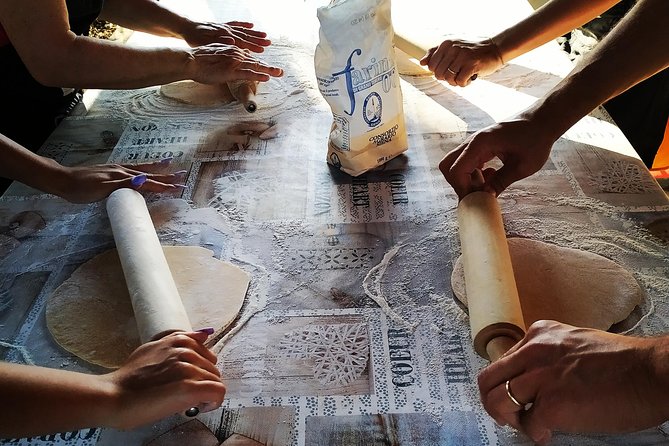
At $132.32 per person, this is not the cheapest way to eat lunch in Tuscany. It is also more than the cost of buying the same ingredients and cooking on your own. The question is what you are paying for.
You are paying for about three hours of instruction, a private setting, a full three-course meal, local wine and olive oil tastings, and recipes to take home. You are also paying for access to a real farmhouse and the time of two hosts who add personal stories and cooking guidance.
I think the price makes sense if you value participation more than simple sightseeing. The meal is the reward, but the useful part is learning how to make it. If you only want to sample Tuscan dishes, a restaurant will be easier and probably cheaper. If you want to bring home a skill and a stronger feel for local food, the class offers better value.
The private structure improves the calculation for couples, families, and small groups. You are not paying only to watch someone else cook. You are buying a more focused lesson where your group can ask questions and work directly with the instructors.
Who should book this cooking class?
I would point this experience toward people who enjoy food, homes, and conversation more than formal sightseeing. It should suit couples, families, first-time pasta makers, and anyone who wants a slower morning in the Chianti countryside.
It is also a strong pick for families with children, since Giorgia has been praised for working well with kids. The recipes are approachable, the menu is familiar, and everyone has a role in preparing lunch.
You may want to skip it if your Tuscany schedule is already packed with wineries, hill towns, and long drives. The class takes a half day once you include the journey to and from the farmhouse, and its weekday-only schedule limits flexibility.
You should also think about your interest in hands-on work. This is not a show where you sit back while a chef performs. The fun comes from making the food yourself, including the pasta. If that sounds like work rather than a holiday treat, choose a tasting or restaurant meal instead.
Booking and practical details
The experience is offered in English, and confirmation is sent within 48 hours of booking, subject to availability. It is often reserved about 60 days ahead, so I would not leave it until the last few days of a Tuscany trip, especially if your dates are fixed.
A mobile ticket is accepted. Service animals are allowed. The activity begins and ends at Agriturismo Le Bonatte, and the published operating period runs through March 19, 2027.
You can cancel for a full refund if you do so at least 24 hours before the local start time. Changes or cancellations made inside that 24-hour window are not accepted for a refund. That policy is fairly reasonable, but keep the countryside location and weekday schedule in mind before locking it into your plan.
Should you book this Tuscan farmhouse class?
Book it if you want to make lunch, not just order it. The strongest reasons are the personal teaching from Giorgia and Gioia, the relaxed farmhouse setting, the complete menu, and the chance to repeat the recipes at home.
I especially like the mix of practical cooking and local flavor. You make panzanella, handmade tagliatelle with ragù, and tiramisu, then sit down with olive oil and Chianti Classico. That is a useful, satisfying three hours.
Skip it if you want a cheap meal, an evening activity, or a class close to central Florence. For everyone else, this is a warm and hands-on way to spend a morning in Chianti, with pasta on your apron and a better idea of how Tuscan families cook.
FAQ
Where does the cooking class take place?
It takes place at Agriturismo Le Bonatte, Loc. Le Bonatte 77, 53017 Radda in Chianti, Siena, Italy.
How long does the experience last?
The cooking class lasts approximately three hours, from 10 a.m. to 1 p.m.
What days is the class offered?
It is offered Monday through Friday.
What dishes will I prepare?
You will prepare panzanella, handmade tagliatelle with Tuscan ragù, and tiramisu.
Is wine included?
Yes. The class includes a tasting of organic extra virgin olive oil and Chianti Classico wine.
Is the class private?
Yes. This is a private activity, and only your group participates.
Is the class offered in English?
Yes, the experience is offered in English.
Can I cancel for a full refund?
Yes. You can receive a full refund if you cancel at least 24 hours before the experience start time.
Just added around Italy
- Volterra: Fresh Pasta Cooking Class at a Tuscan Farmhouse★ 5.0 · 33 reviews
- Volterra: Pizza Cooking Class in a tuscan farmhouse★ 4.6 · 11 reviews
- Visit Siena and San Gimignano with lunch at a family farm★ 5.0 · 8 reviews
- Vico Equense: Tour in the dairy “Mozzarella Experience”★ 5.0 · 19 reviews
- Turin: Meet the Monviso Alpacas at the Educational Farm with a Guide★ 5.0 · 5 reviews
- Bardolino: Garda Lake Pasta Cooking Class at the Agritourism★ 5.0 · 32 reviews
- Rialto Farmers & Fish Market Food Tour in Venice with Wine Tasting & Sightseeing★ 5.0 · 3 reviews
- Rialto Market Food Tour: Wine Tasting and Sightseeing in Venice★ 5.0 · 57 reviews
Cooking Classes, farm by farm.
Half-Day Thai Cooking Class at Organic Farm in Chiang Mai
Read our review →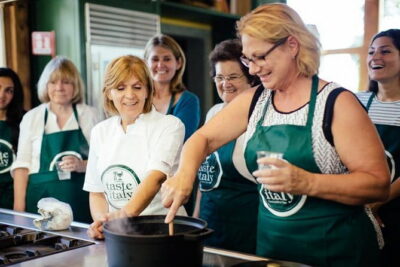
Cooking Class and Lunch at a Tuscan Farmhouse with Local Market Tour from Florence
Read our review →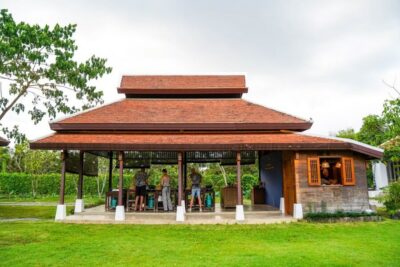
Authentic Cooking Class with Market & Farm Visit
Read our review →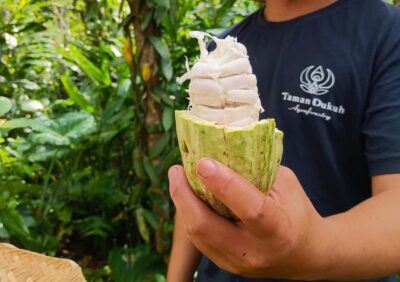
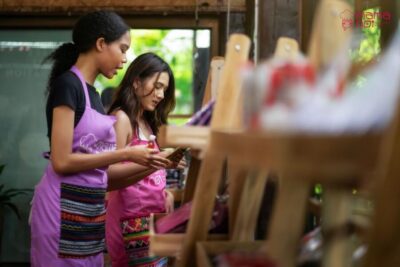
Hands-On Cooking Class & Farmhouse Tour on the Amalfi Coast
Read our review →
Other lists this farm sits on