
REVIEW · USA
Big Island: Abalone Farm Guided Tour with Tasting
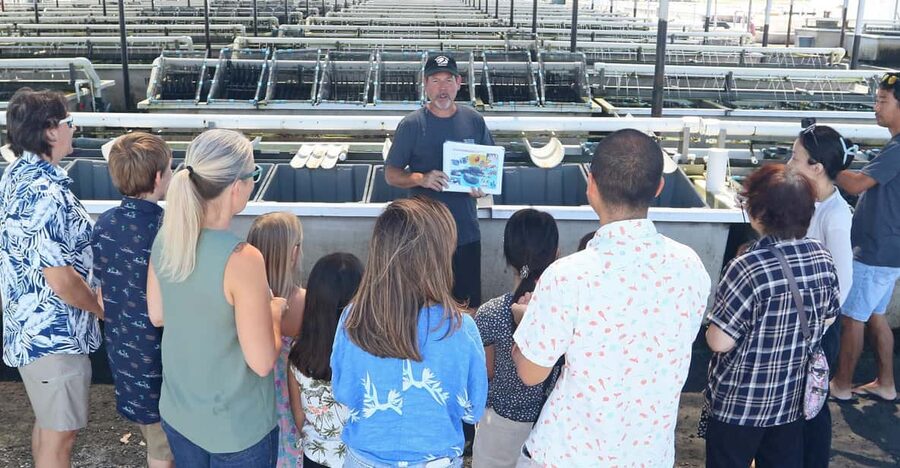
Shellfish farming gets surprisingly interesting. At Big Island Abalone, you tour the largest abalone farm in the United States, learn how these slow-growing shellfish reach the table, and finish with a tasting that includes grilled abalone in its shell and a canned version.
I like the tour’s hands-on look at production and its focus on organic, sustainable farming. I also like that the tasting lets you compare fresh grilled abalone with canned abalone, instead of offering only a quick sample. The main drawback is the short one-hour format. You get a useful introduction, but this is not a long farm visit or a full food tour.
Key details before you book
- The farm grows abalone over many years: Some stages of growth can last up to 10 years, giving the tour a clear sense of time and care.
- You can touch the abalone: The guide explains how the animals grow and may invite you to hold them.
- Dulse seaweed is part of the story: You see organic dulse growing in tanks, where it is used as food for the abalone and is also edible for people.
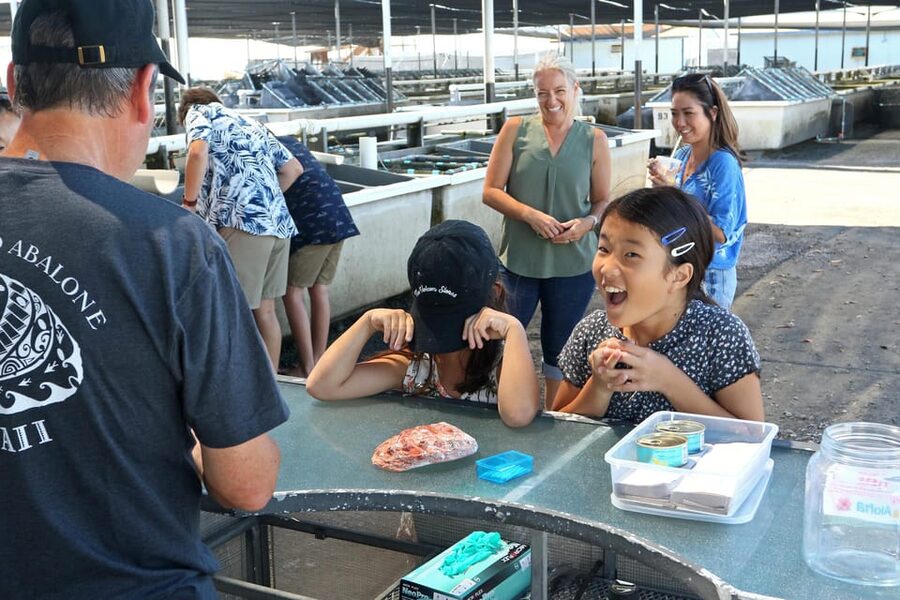
- The tasting includes two styles: Expect a grilled abalone served in its shell plus a taste of canned abalone.
- Guide Kale adds personality: The guide has been praised for sharing fun facts and recommending garlic butter with the abalone.
- The tour begins and ends at the farm office: Check in at the blue building just after entering 73-357 Makako Bay Drive.
What makes an abalone farm worth visiting
Abalone can seem like a luxury ingredient that arrives on a plate with little explanation. This tour gives you the missing middle: the tanks, feed, breeding work, and long growth cycle behind the meal.
That matters because abalone is not a fast food crop. The tour explains that some stages of growth can take up to 10 years. Once you hear that, a small shellfish tasting feels less like a novelty and more like the result of careful, long-term farming.
I also like the way the visit connects food with marine science. You are not simply shown a finished product. You get a look at how the farm operates and how the shellfish move through different stages of growth.
The farm describes its operation as 100 percent organic and sustainable. The guide also discusses deep-water research and the farm’s history, giving the visit a wider context than a simple sampling stop.
More Food and Drink Tours around the USA:
- Lahaina: Maui Ku’ia Estate Guided Cacao Farm Tour and Tasting
★ 5.0 · 1,103 reviews - Kauai Chocolate Farm Tasting Tour
★ 5.0 · 666 reviews - Lahaina: Maui Ku’ia Estate Guided Cacao Farm Tour & Tasting
★ 4.8 · 137 reviews
Arriving at 73-357 Makako Bay Drive
The meeting point is straightforward. After entering the farm, look for the blue building immediately after the entrance and check in at the farm office.
The activity begins and ends at this same spot, so you do not need to arrange a separate pickup or figure out a second meeting place. The tour is conducted in English, and the guide leads the group through the farm facilities.
Because the experience lasts about one hour, it fits neatly into a Big Island sightseeing day. You could pair it with other stops in the area without giving up half a day. Still, allow enough time to arrive at the stated starting point and check in before the tour begins.
The farm is not suitable for wheelchair users. If mobility access is important for your group, this is a point to settle before booking.
The farm’s story and deep-water research
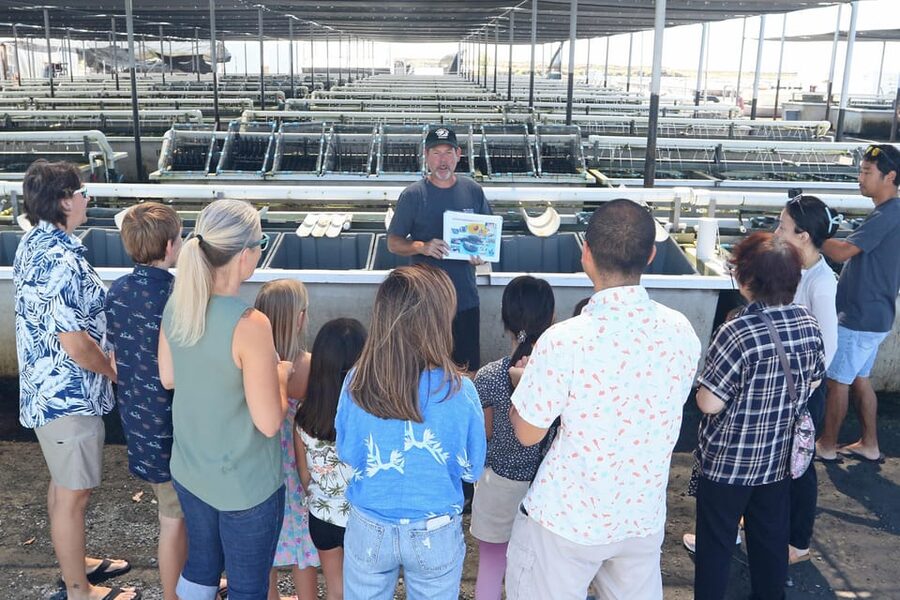
The opening part of the tour introduces the farm and its connection to deep-water research. This gives you a quick explanation of why the operation exists and how abalone production developed here.
I find this useful because it places the shellfish in a larger setting. You are not only hearing how to raise abalone. You are also learning why research, water conditions, breeding, and feed all matter to the final product.
The guide then explains the kinds of abalone used at the farm. The supplied information does not identify the exact species, so you should not expect a detailed scientific lecture on every variety. Instead, the emphasis is on the working farm and the practical steps that bring abalone from growth tanks to the dinner table.
Guide Kale has received particular praise for making the subject fun and sharing memorable facts. That matters on a short tour. A clear guide can turn a row of tanks into a story you can follow, even if you know little about shellfish farming before you arrive.
Seeing abalone at different ages
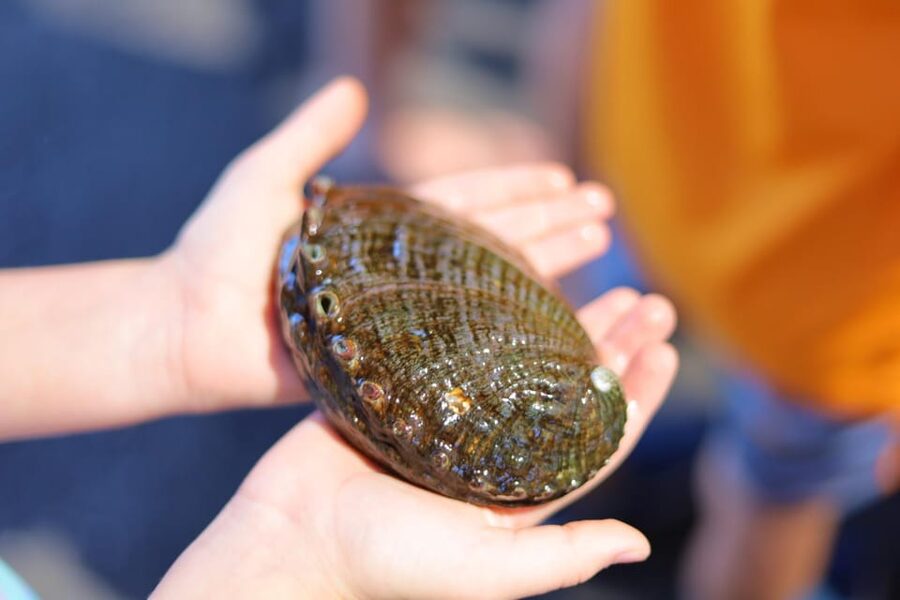
The most memorable part for many people will be seeing demonstrations of the abalone’s different growth stages. The animals may look simple at first, but their slow development makes the process surprisingly demanding.
You hear how breeding works and how abalone grow over months and years. Some stages can continue for as long as a decade. That long timeline helps explain why farm-raised abalone is treated as a special food rather than an everyday bargain ingredient.
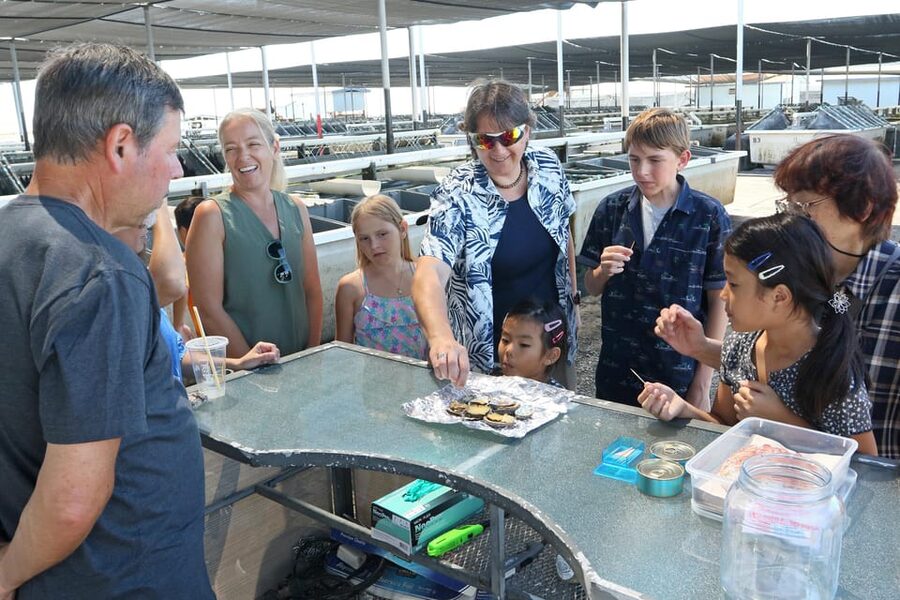
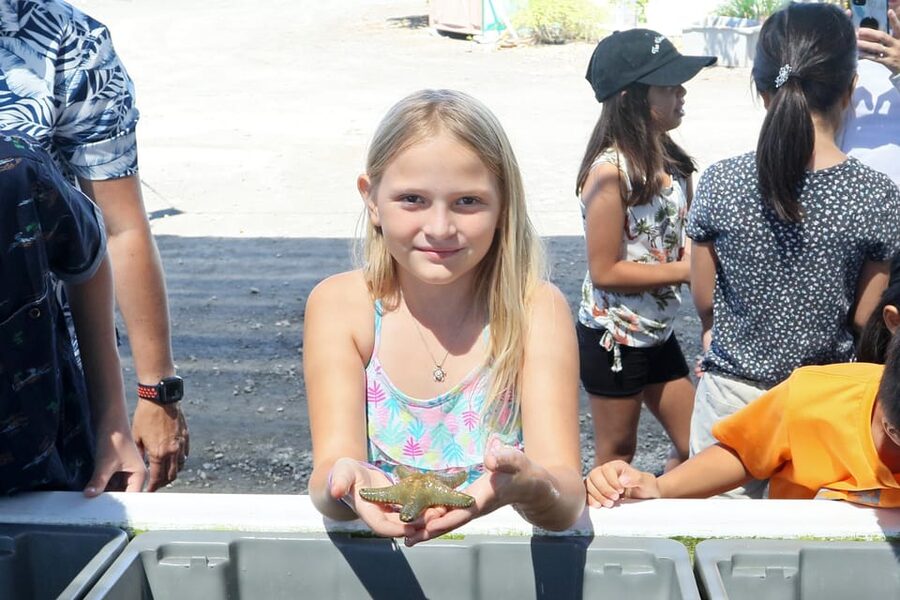
You may also have the chance to hold an abalone. That small hands-on moment gives you a better feel for the animal than a distant look through a tank. If you prefer not to touch one, the tour still offers plenty to see and learn.
This part is especially good for families and anyone interested in marine life. It is also useful for food lovers who want to understand what they are eating. The farm does not treat the shellfish only as a product. The tour shows the living stages behind it.
More Guided Tours around the USA:
- Kaneohe: Kualoa Ranch Guided UTV Tour
★ 4.8 · 335 reviews - Hawaii Kipu Ranch PowerLine Zipline with Guide
★ 5.0 · 105 reviews - Mattituck New York Guided Farm and Wine Country Bike Tour
★ 5.0 · 43 reviews - Guided Lilymoore Alpaca Farm Tour
★ 5.0 · 38 reviews
The dulse seaweed tanks
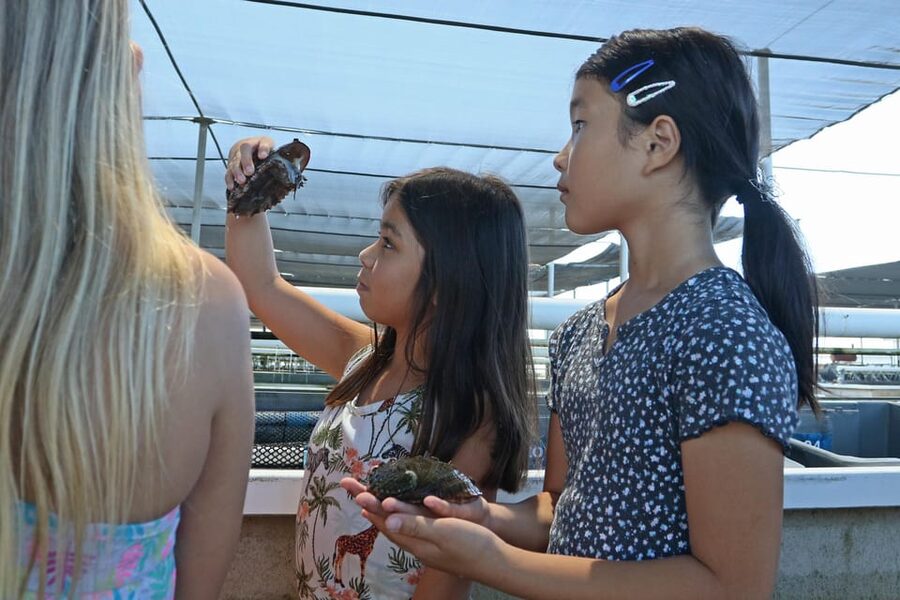
The farm’s dulse seaweed tanks add another layer to the visit. Dulse is grown organically and used as feed for the abalone. The guide also explains that it can be eaten by people as a nutritious vegetable and a so-called superfood.
This is one of the tour’s more unusual details. Many visitors may arrive focused only on the shellfish, then discover that the feed has its own story. The tanks show how the farm uses another marine crop as part of its production system.
I like this section because it helps explain the idea of sustainability in a concrete way. Rather than hearing only a broad claim about responsible farming, you see one part of the food chain. The abalone eat seaweed, and the seaweed is itself cultivated at the farm.
Do not expect a separate long seaweed workshop. The dulse is one part of the guided route, not a full second tour. Still, it gives the visit more variety and makes the farm feel like a connected system rather than a collection of shellfish tanks.
The abalone tasting: grilled and canned
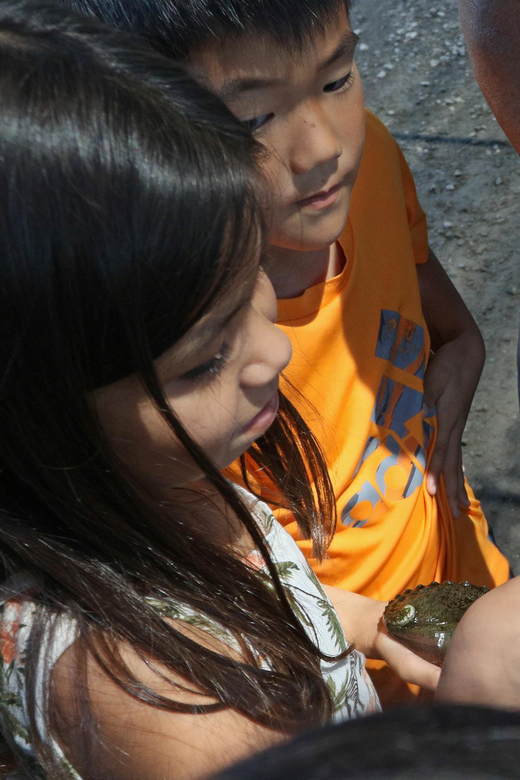
The tasting comes at the end, which is the right order. After seeing how abalone is bred and raised, you can try it with a better sense of what is on your plate.
The main sample is a grilled abalone served in its shell. This presentation keeps the connection to the farm visible and gives you the chance to see the shellfish in a simple preparation. The experience also includes canned abalone, allowing you to compare two different forms of the same food.
A garlic butter preparation is worth asking about or choosing if it is available as part of the tasting. It has been singled out as a particularly good way to enjoy the abalone. The farm also offers dulse for tasting, giving you a chance to try the seaweed that feeds the shellfish.
The canned sample is important because it makes the comparison more useful. Freshly grilled abalone and preserved abalone are not meant to taste identical. The contrast shows how preparation changes the experience and gives you a clearer idea of what you prefer.
This is not a full meal. The tasting is included in the tour, but you should think of it as a sample rather than lunch. If you want a larger food experience, check what other options are operating on the day you visit.
One useful detail: a later visit for a make-your-own barbecue experience was described as excellent, but that barbecue was closed on a Sunday. That activity is separate from this one-hour guided tour, so do not assume it will be available every day.
Is the $31 price good value?
At $31 per person, this tour offers solid value if you care about how food is produced. The price includes the guided farm tour, the abalone tasting, and a 10 percent shopping discount.
The value comes from the combination of education and food. You are not paying only for a sample, and you are not walking through a facility without tasting what it produces. You get a compact explanation of the farm, access to the growth process, a look at the dulse tanks, and two abalone samples.
I would rate the price as less compelling if your only goal is to eat a large portion of abalone. This is a farm visit with tasting, not a restaurant meal. The portion is designed to finish the tour, not replace lunch.
The shopping discount can improve the value if you plan to buy farm products afterward. The discount is 10 percent, though the supplied details do not list the exact products or prices. Think of it as a useful extra, not the main reason to book.
The one-hour length also affects the price calculation. It is easy to fit into a busy day, but you will want realistic expectations. You are paying for a focused introduction, not an all-day agricultural program.
Who will enjoy this Big Island activity
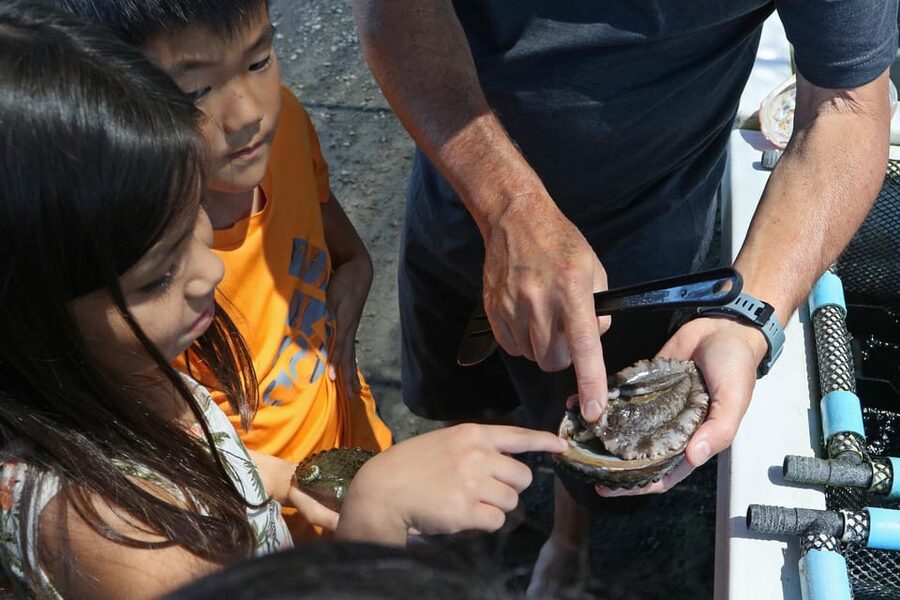
I would recommend this experience to several kinds of visitors:
- People who enjoy learning where food comes from
- Families interested in marine animals and working farms
- Seafood lovers who want to try abalone in more than one form
- Visitors looking for a shorter activity between other Big Island stops
- Anyone curious about organic aquaculture and seaweed farming
- People who enjoy small, hands-on moments such as touching an abalone
The tour may be less satisfying if you want a long, highly technical science program. The available information points to a friendly, practical introduction with a tasting, not an advanced course in marine biology.
It may also be a poor fit for wheelchair users because the activity is not suitable for wheelchair access. If your group includes someone with mobility limits, ask the provider for current access details before reserving.
Timing, flexibility, and planning tips
The activity lasts one hour, but starting times depend on availability. Check the available times before building the rest of your day around it.
You can reserve now and pay later, which helps if your Big Island schedule is still changing. Cancellation is free up to 24 hours in advance for a full refund, according to the stated terms.
I would plan to arrive ready for an outdoor farm setting, though the supplied details do not specify weather conditions, shade, or exact walking surfaces. Wear practical clothing and shoes that you do not mind using around a working farm, but treat that as general preparation rather than a guaranteed requirement.
The tour is conducted in English. If you need another language, the provided details do not indicate that one is available.
Since the route returns to the farm office, the activity is easy to understand from a planning point of view. Check in at the blue building, follow the guide through the facilities, enjoy the tasting, and finish where you started.
What makes the guide important
A short farm tour depends heavily on the guide. Tanks and equipment do not explain themselves. The guide has to connect the breeding process, growth stages, feed, sustainability, and tasting into one clear hour.
Kale has been praised for being friendly and sharing fun facts about abalone. That personal touch is particularly valuable here because the subject may be unfamiliar to many people. A few well-timed facts can make the shellfish easier to understand and give the tasting more meaning.
The guide also helps keep the tour from feeling like a sales pitch. The best moments are the practical ones: learning how the animals grow, seeing the seaweed tanks, and understanding why production takes so long.
You should still keep the scale of the experience in mind. This is a guided introduction, not a private farm consultation. The guide’s role is to make the operation understandable within one hour.
Should you book the Big Island Abalone Farm Tour?
Book it if you want a short, unusual Big Island activity that combines food, farming, and marine life. The grilled shellfish in its shell, the canned comparison, the dulse tanks, and the chance to hold an abalone give the hour more substance than a basic tasting stop.
I especially recommend it for people who like authentic working places and want context behind local food. At $31, the price is reasonable when you value both the farm explanation and the samples.
Skip it if you want a large meal, a long farm excursion, or a fully accessible route for wheelchair users. Otherwise, this is a smart one-hour addition to your island plans, with enough hands-on detail to make the abalone on your plate feel far less mysterious.
FAQ
How long does the abalone farm tour last?
The guided tour lasts one hour. Starting times depend on availability.
Where does the tour begin?
Check in at the farm office, which is the blue building located just after the entrance at 73-357 Makako Bay Drive.
Where does the activity end?
The tour ends back at the same meeting point, at the farm office.
What is included in the price?
The price includes the guided tour, an abalone tasting, and a 10 percent shopping discount.
What food is included in the tasting?
The tasting includes grilled abalone served in its shell and a sample of canned abalone. Dulse seaweed is also part of the farm experience and can be tasted.
Is the tour offered in English?
Yes. The tour has a live English-speaking guide.
Is the tour suitable for wheelchair users?
No. The activity is not suitable for wheelchair users.
Just added around the USA
- Yolo: Vineyards, Farms & Cultural Gems – Audio Driving Tour★ 4.3 · 5 reviews
- Ventura: Rail Bike Guided Tour with Farm Stand Stop★ 4.1 · 18 reviews
- Alpaca Ranch and Fiber Processing Mill Tour★ 5.0 · 24 reviews
- Small-Group Vineyard and Orchard Tour with Wine Tasting in Muscoda★ 5.0 · 2 reviews
- Farm Tour at Clover Brooke Llama/Alpaca/Goat Farm★ 4.5 · 6 reviews
- Connect with Rescue Animals on a Private Farm Tour in Catskills★ 5.0 · 27 reviews
- Gourmet Mushroom Farm Tour in Tennessee★ 5.0 · 5 reviews
- Cozy Farm Experience with Wagon Wheels and Acoustic Meal★ 5.0 · 2 reviews
Guided, farm by farm.
Farm, Ano Mera Village, and Beaches Guided Tour
Read our review →
Maui Ku’ia Estate Guided Cacao Farm Tour and Tasting
Read our review →
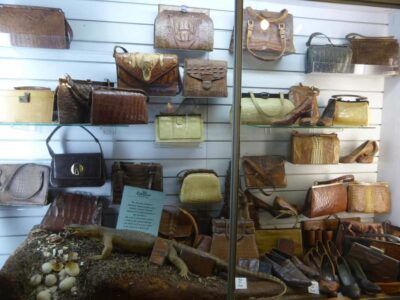
Rockhampton: Koorana Crocodile Farm Guided Tour
Read our review →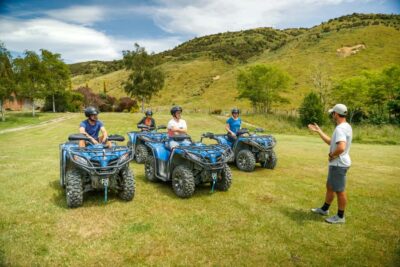
Nelson: Guided Quad Biking Tour Through Forest and Farmland
Read our review →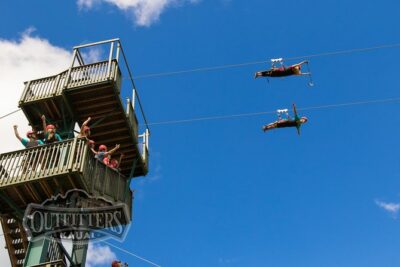
Hawaii Kipu Ranch PowerLine Zipline with Guide
Read our review →
Cliffs of Moher walk with local farmer. Clare. Guided. 3.5 hours.
Read our review →Other lists this farm sits on